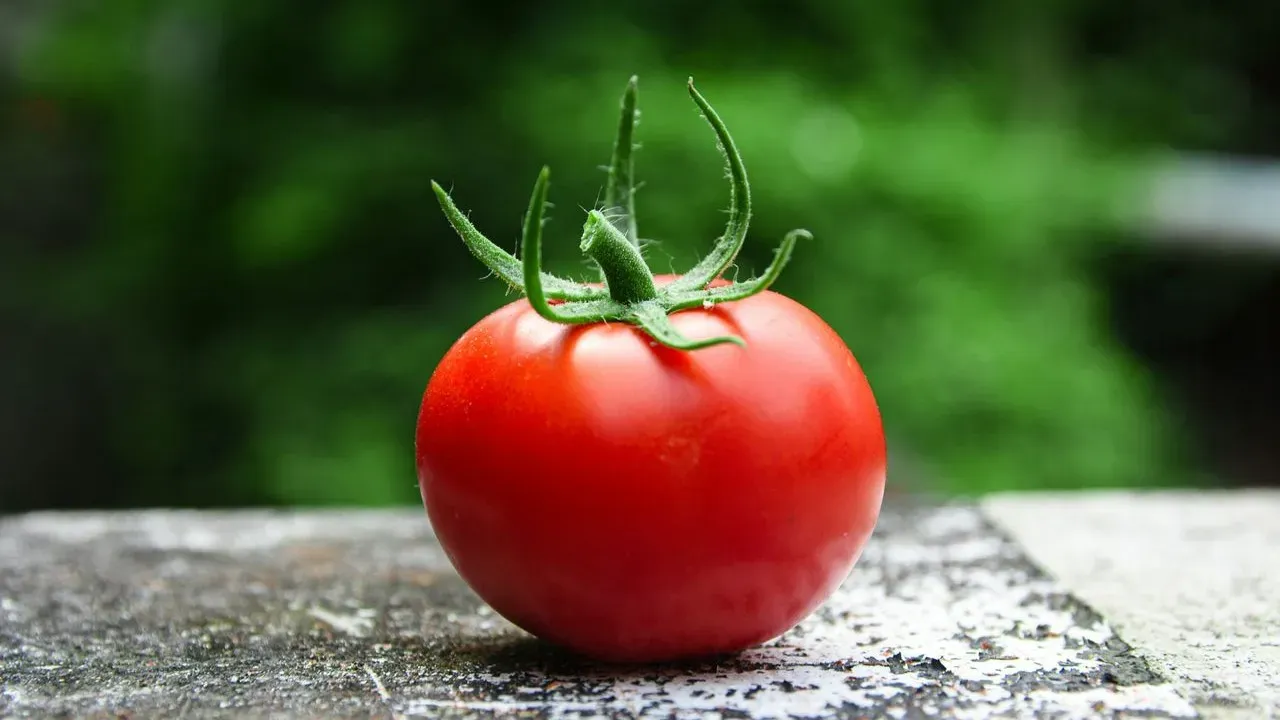

Gardeners often invest significant effort in selecting the right tomato varieties, yet many still end up with modest yields. The difference frequently comes down to how and when fertilizer is applied throughout the growing season. Both heirloom types such as Cherokee Purple and widely grown hybrids like Early Girl respond strongly to consistent nutrient management that matches their development stages.
Overlooking the timing of applications can limit fruit set and overall plant vigor. Correcting this single aspect of care helps shift results from average to noticeably more productive.
Why Nutrient Timing Matters for Tomatoes
Tomato plants require different levels of support as they move from vegetative growth into flowering and fruit production. Early applications that emphasize nitrogen encourage leafy development, while later adjustments that favor phosphorus and potassium support stronger blooms and larger fruit. Applying the same formula at the same interval from planting through harvest often fails to meet these changing needs.
Many gardeners apply fertilizer on a fixed calendar schedule rather than observing plant signals. This approach can lead to excess foliage at the expense of fruit or, conversely, nutrient shortages during peak production periods. Matching frequency to growth phases helps avoid both extremes.
Common Errors That Reduce Yields
One frequent issue is fertilizing too aggressively at the start of the season. Heavy early feeding produces lush plants that set fewer tomatoes. Another problem arises when applications stop once fruit begins to form, leaving plants without adequate resources to sustain continued production.
Under-fertilizing presents its own challenges. Plants that receive infrequent or weak doses may produce smaller fruit or drop blossoms before they develop. Both heirloom and hybrid varieties suffer when the nutrient supply does not keep pace with demand during the main harvest window.
Adjusting Frequency Through the Season
A practical approach begins with a balanced starter application at planting time. Once plants are established and begin to flower, a shift toward formulations higher in phosphorus and potassium supports fruit development. Many successful growers reduce the interval between feedings during the height of production and then ease off as the season winds down.
Soil conditions and weather also influence how often additional nutrients are needed. Sandy soils may require more frequent light applications, while heavier soils retain nutrients longer. Regular observation of leaf color and fruit quality provides the clearest guidance on whether the current schedule is effective.
Results Gardeners Can Expect
Consistent attention to fertilizing frequency typically translates into more abundant harvests and better fruit quality. Plants that receive appropriate nutrients at each stage tend to maintain productivity over a longer period. This holds true whether the garden features traditional heirlooms or reliable hybrids.
Small adjustments in timing often deliver noticeable improvements without requiring major changes to other growing practices. The key remains aligning applications with the plant’s actual development rather than a rigid routine.
AI Disclaimer: This article was created with the assistance of AI tools and reviewed by a human editor.