


There’s something quietly compelling happening inside homes right now. People are carving out small, intentional corners of their spaces and filling them with cushions, warm light, and books. It isn’t random. After years of open-plan everything and screen-heavy living, a lot of us are craving a place that actually feels like somewhere.
The reading nook isn’t a relic. It’s having a genuine moment, and the numbers back that up. Zillow analyzed millions of for-sale listings in 2025 and identified the top home design trends for 2026, finding that mentions of reading nooks increased by nearly half, signaling that more homebuyers are looking for calm, comfortable spaces where they can unplug and unwind. If you’ve been thinking about creating one of your own, the timing couldn’t be better.
Why the Reading Nook Is Back in the Cultural Conversation
The surge in interest isn’t just an aesthetic whim. While minimalism has dominated design trends for years, homeowners today are leaning toward more personalized choices in the home. People want warmth and personality built into their spaces, not just surfaces that photograph well.
The Zillow report shows that more affluent features like juice stations and marble sinks are being traded in for cozier, more personable features like reading nooks. That’s a meaningful cultural shift. Comfort is the new status symbol.
Search interest for “book nook” shows a consistent increase, peaking significantly in December 2025, suggesting a strong seasonal trend likely influenced by a desire for cozy spaces during colder months. The appetite is real, and it runs deeper than holiday decoration.
The Science Behind Why Reading Nooks Work
A 2024 study found that reading can improve your emotional state and alleviate work stress, while another study found that reading silently can ease muscle tension and slow down your heart rate, working faster than many traditional relaxation methods. A dedicated nook isn’t just decor. It’s infrastructure for recovery.
A well-known study from the University of Sussex found that reading for just six minutes can reduce stress by up to 68 percent, more than listening to music, taking a walk, or even enjoying a quiet cup of tea.
Regular readers are also more likely to report greater life satisfaction compared to non-readers. When you design a space that makes reading feel easy and inviting, you’re actually doing something good for your health.
Choosing the Right Spot in Your Home
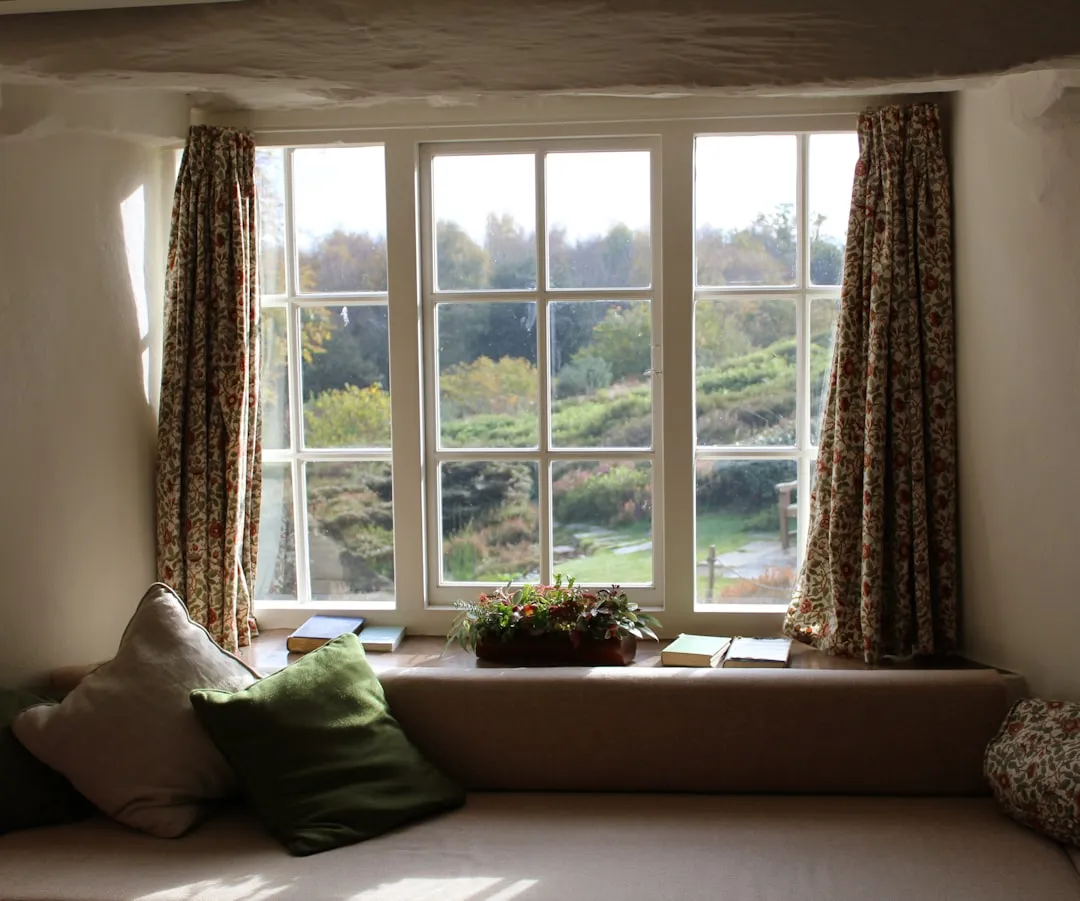
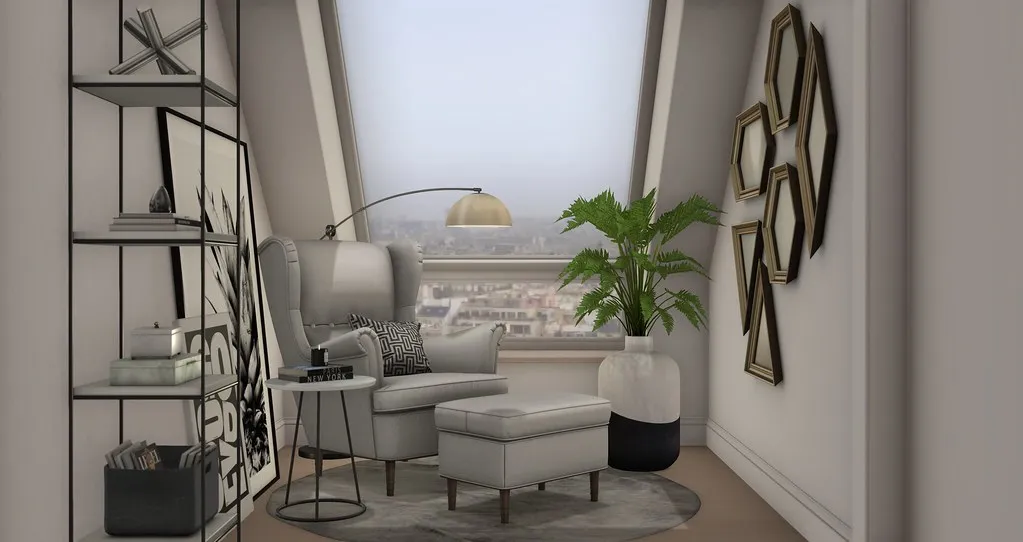
Creating a cozy nook involves carefully selecting the right location to maximize comfort and functionality. It helps to identify small, unused spaces like alcoves, corners, or areas under windows, and to look for natural light sources like windows or skylights to create a warm and inviting ambiance.
Instead of focusing only on open layouts and large screens, homeowners are creating cozy reading nooks and quiet corners designed for comfort and relaxation, showing up near windows, under staircases, or in unused areas that can be transformed into warm and inviting retreats.
Even a bedroom corner works. The bedroom, even a small one, offers ample space to set up a cozy reading area where you can relax with a good book at any time of day, not just before bedtime, and there are ways to make a reading nook with limited space so even the smallest bedroom can accommodate this cozy addition.
Making Natural Light Your Foundation
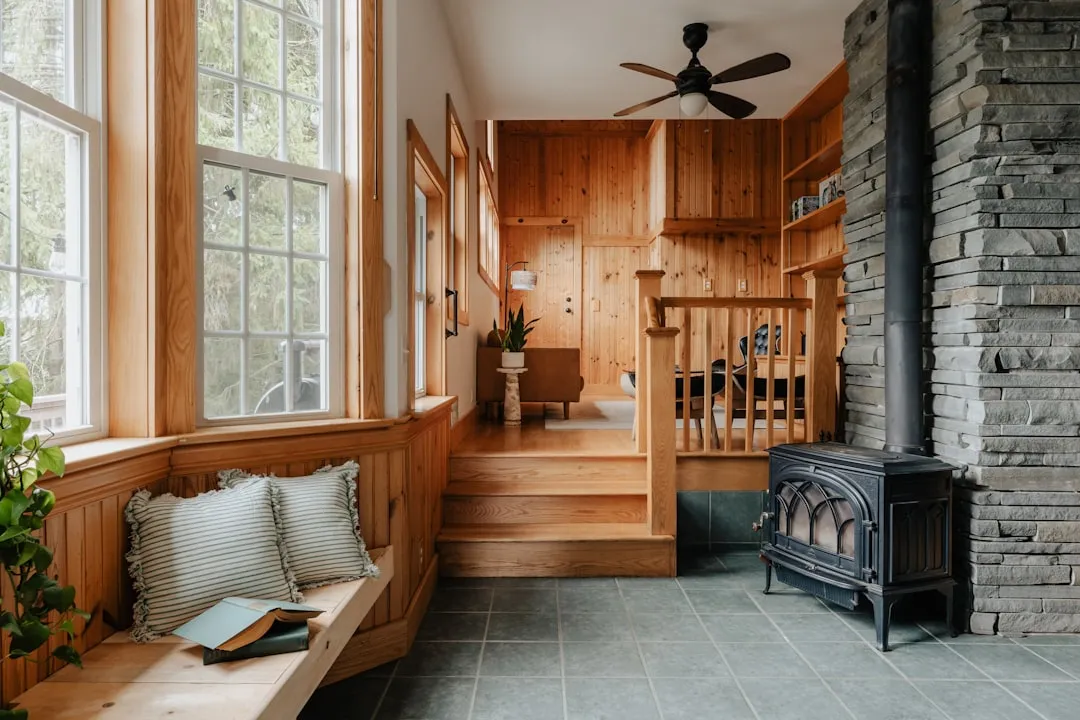
A well-designed reading nook is not about square footage. It’s about natural light, comfort, and atmosphere. Large picture windows bring in abundant daylight, making even small reading areas feel brighter, more open, and more inviting.
South-facing windows provide the most consistent light, while east-facing windows offer bright morning sunlight. West-facing windows give warm afternoon light, and north-facing windows provide more diffuse, soft light. Knowing your window orientation helps you choose the best seat in the house.
Furniture should fit snugly next to the window, giving you the maximum amount of natural light to prevent eye strain. That small detail matters more than most people realize when you’re planning to spend hours in the space.
Getting the Lighting Right After Dark
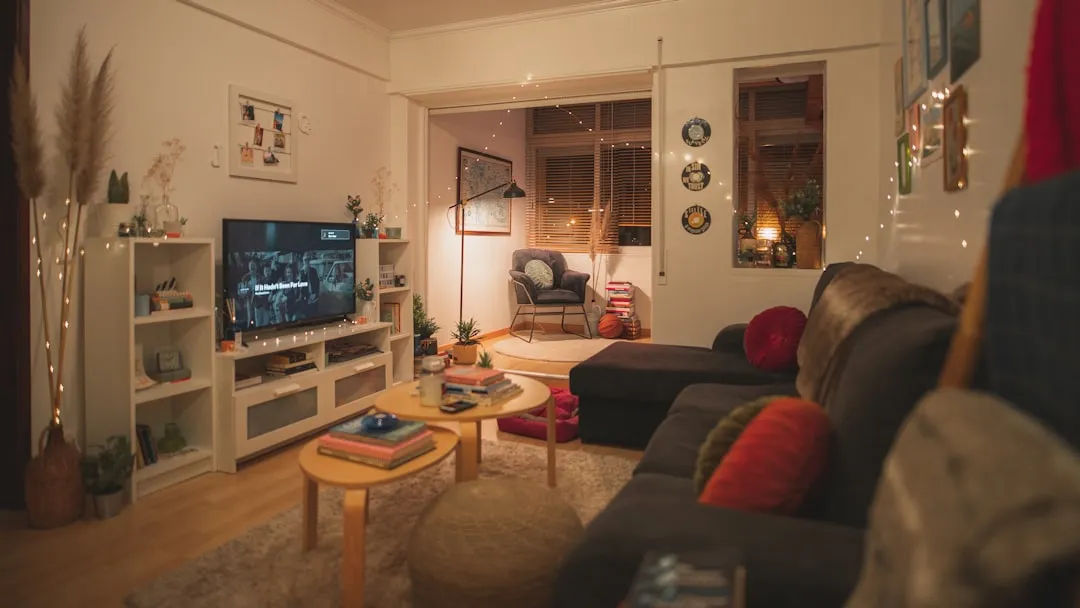
Harsh overhead lights can be jarring, disrupting the cozy ambiance. Instead, opt for soft lighting solutions like warm LED bulbs, dimmable sconces, or fairy lights. For an added touch, consider a statement floor lamp or a classic table lamp with a fabric shade to diffuse light gently.
Using ambient task lighting, such as sconces or table lamps, to create a cozy atmosphere, while avoiding harsh overhead lighting, makes a significant difference in the evening experience.
The quality of light shapes the entire mood of a reading nook. Warm bulbs in the 2700K to 3000K color range tend to feel the most inviting, producing that classic, library-lamp glow rather than the clinical brightness of cooler LEDs.
Building Comfort Through Layered Textiles

Think chunky knit throws, faux fur rugs, or linen curtains. These elements not only enhance comfort but also contribute to sound absorption, making your space feel more secluded. Experts recommend layering different materials, such as velvet cushions and wool blankets, to create depth and coziness.
For comfortable seating, opting for soft, plush materials such as velvet or linen, and considering built-in seating like window seats or daybeds, which can serve as multipurpose spaces for naps, guests, or reading, is worth it. Incorporating textiles like pillows and throws adds comfort and warmth.
Texture does something interesting in a small space: it signals the brain to slow down. A nook that’s overly sparse or styled like a showroom tends to feel more like something to look at than something to use. Let it feel genuinely lived in.
Incorporating Books and Shelving With Purpose
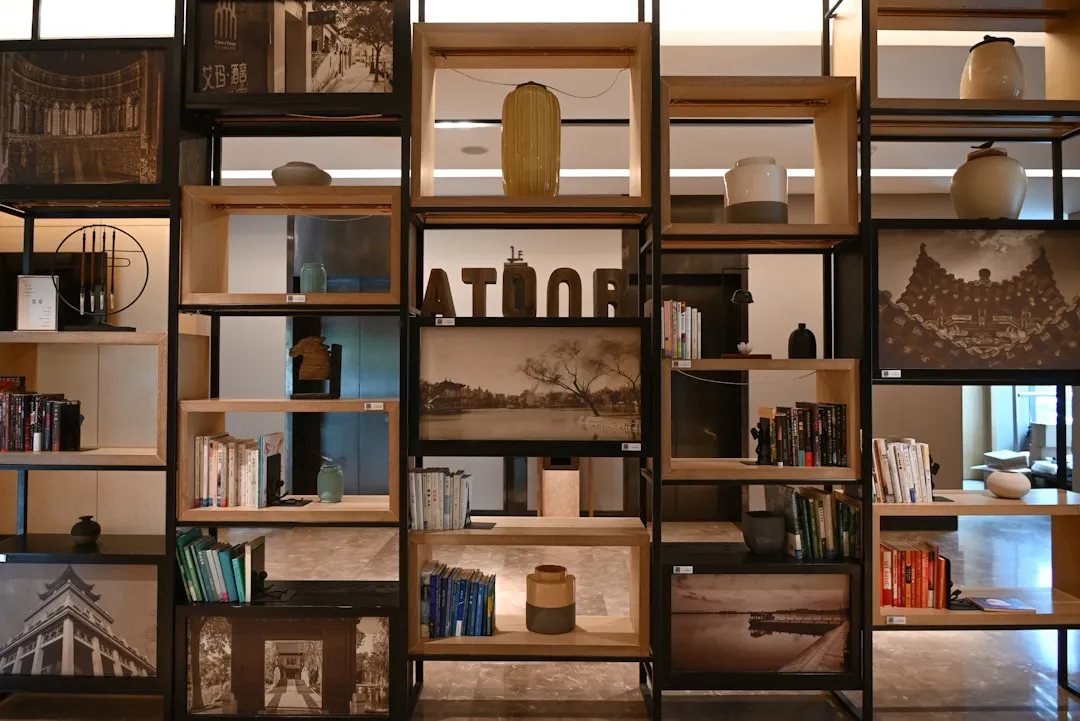
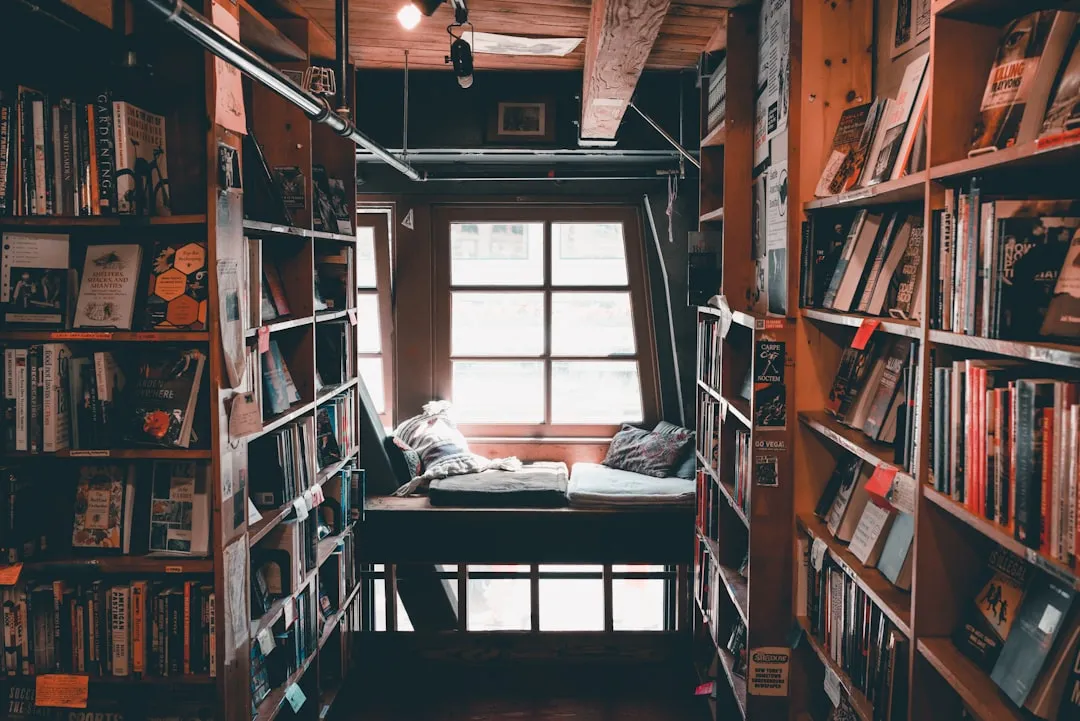
A reading nook isn’t complete without bookshelves. Whether built-in, floating shelves, or a vintage bookcase, your collection should be easily accessible and visually appealing. To add personality, mix books with decorative elements like framed art, small plants, or sentimental trinkets.
According to interior designers, curated book displays are a major trend in 2025, helping homeowners blend aesthetics with functionality. The books themselves become part of the decor, rather than something to hide away.
Creating a mini-library under your window seat, with built-in bookshelves around the frame or underneath the bench and a few fluffy cushions, turns a simple seat into something genuinely functional. It’s also one of the smartest ways to add storage to a small room without eating up floor space.
Adding Plants and Natural Elements
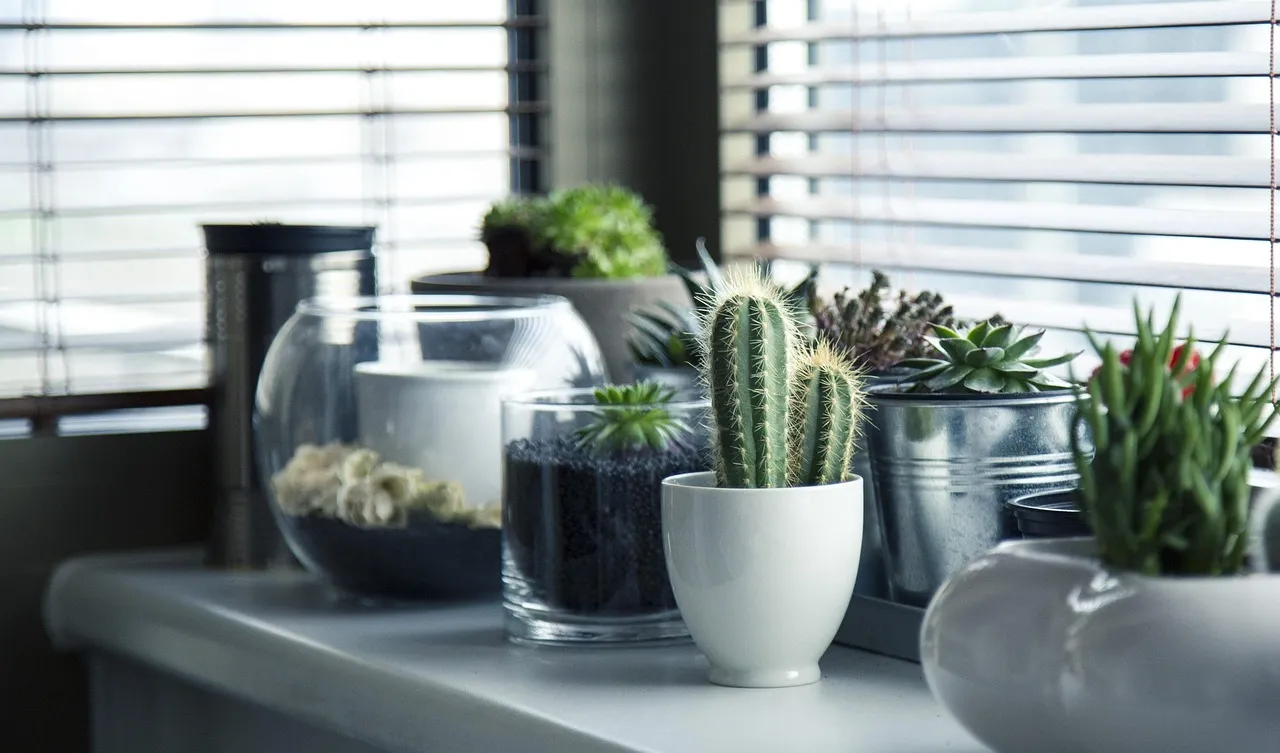
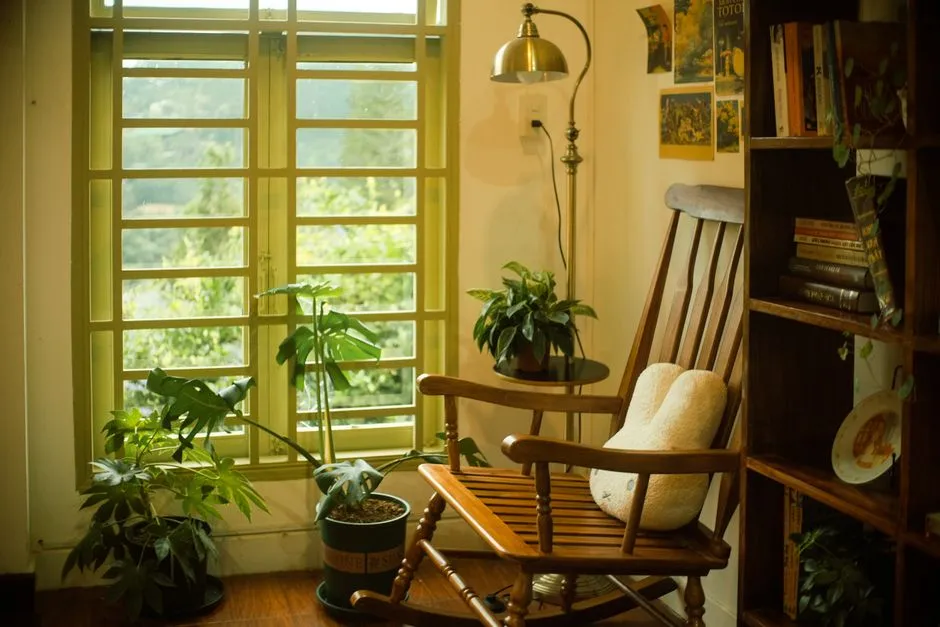
Bringing natural elements into your reading space enhances relaxation. Plants, in particular, have a quiet way of softening a corner and making it feel less like a designed space and more like a discovered one.
Cozy lighting and air-purifying plants are both predicted to remain popular choices for reading corners. Warmly-lit lamps and string lights work alongside low-maintenance indoor plants that also purify the air and add color.
Personalizing your nook with favorite books, artwork, and decorative objects, adding plants for a natural element, and including functional elements like a side table or bookshelf to keep essentials within reach, while using textiles like blankets and rugs to enhance comfort and coziness, makes the nook a genuine reflection of personal style.
Small-Space Solutions That Actually Work
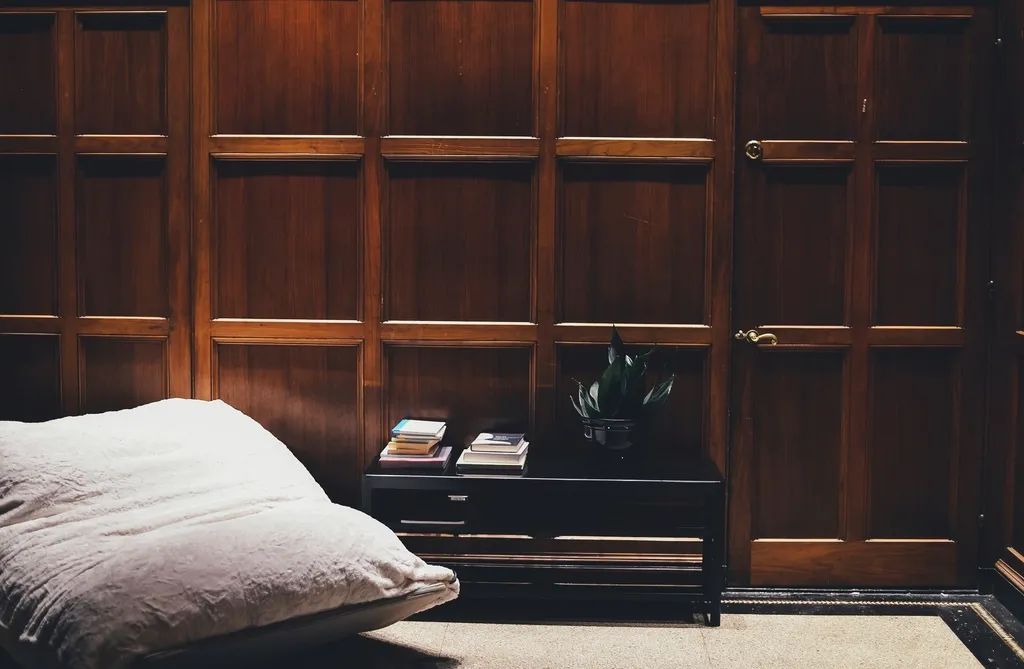
You don’t need a dedicated room in your home to create a comfortable reading space. The most creative reading nooks often come from the least promising spots. An unused closet, a narrow hallway alcove, or the gap beneath a staircase can all be transformed with some imagination and a few practical choices.
Painting the interior a color that calms you, with deep blues or soft grays working well, installing a floating bench or a custom-built seat to maximize the floor area, adding a plush cushion and some supportive pillows, and for lighting considering a stick-on battery-powered sconce or a small plug-in lamp to avoid complex wiring can all turn a tight space into something genuinely inviting.
A slim bench with clean lines can turn even a narrow window into a comfortable sitting area, and pairing it with light colors makes the space feel larger. You don’t need to renovate. You need to think creatively about what’s already there.
The Role of Print Books in This Return to Slow Reading
The European and International Booksellers Federation’s 2024 study found strong and steady engagement with print books, reflecting a desire for immersive, intentional reading experiences across markets. Physical books are very much part of this story.
Search data shows that “digital reading device” and “e-reader” maintain relatively low and stable interest, highlighting a preference for physical book-related spaces over digital reading tools. People building reading nooks seem to want the real thing: paper, covers, and the quiet tactile pleasure of turning a page.
Most readers report reading at home in a cozy spot, with nearly half of participants surveyed choosing this as their primary reading environment. That instinct is worth designing around, not leaving to chance.
The Bigger Picture: Wellness, Slowness, and Home Design in 2026

Across every region, 2026 home design is about warmth, authenticity, and wellness. Interiors are expected to feel more personal than polished, where natural light, layered textures, and timeless materials come together to create homes meant to be lived in, not just looked at.
Sustainability and longevity are guiding interior choices, with natural, durable, and eco-conscious materials replacing short-lived, disposable pieces. Wood, stone, metal, and high-quality textiles that age gracefully or can be repaired are complemented by vintage or secondhand furniture, resulting in character and a smaller environmental footprint.
Zillow also found more mentions of artisan craftsmanship, vintage accents, and touches of whimsy in home listings, showing a shift toward maximalist, personality-driven interiors. The reading nook fits squarely into that direction. It’s personal, functional, and genuinely human.
The Takeaway

A reading nook doesn’t need to be a grand architectural feature. It needs to feel like yours. That means the right light, a seat you actually want to sink into, and books within easy reach. The rest is just detail.
What the data from Zillow, Pinterest, and mental health research all point toward is the same thing: people are hungry for spaces that support rest, focus, and slow time. Many readers crave an escape from screens, endless notifications, and fast-paced living, and cozy spaces offer a real respite, promoting mindfulness, improved focus, and a deeper connection with books.
That corner of your home you’ve been meaning to do something with? This might be exactly what it’s been waiting to become.
AI Disclaimer: This article was created with the assistance of AI tools and reviewed by a human editor.