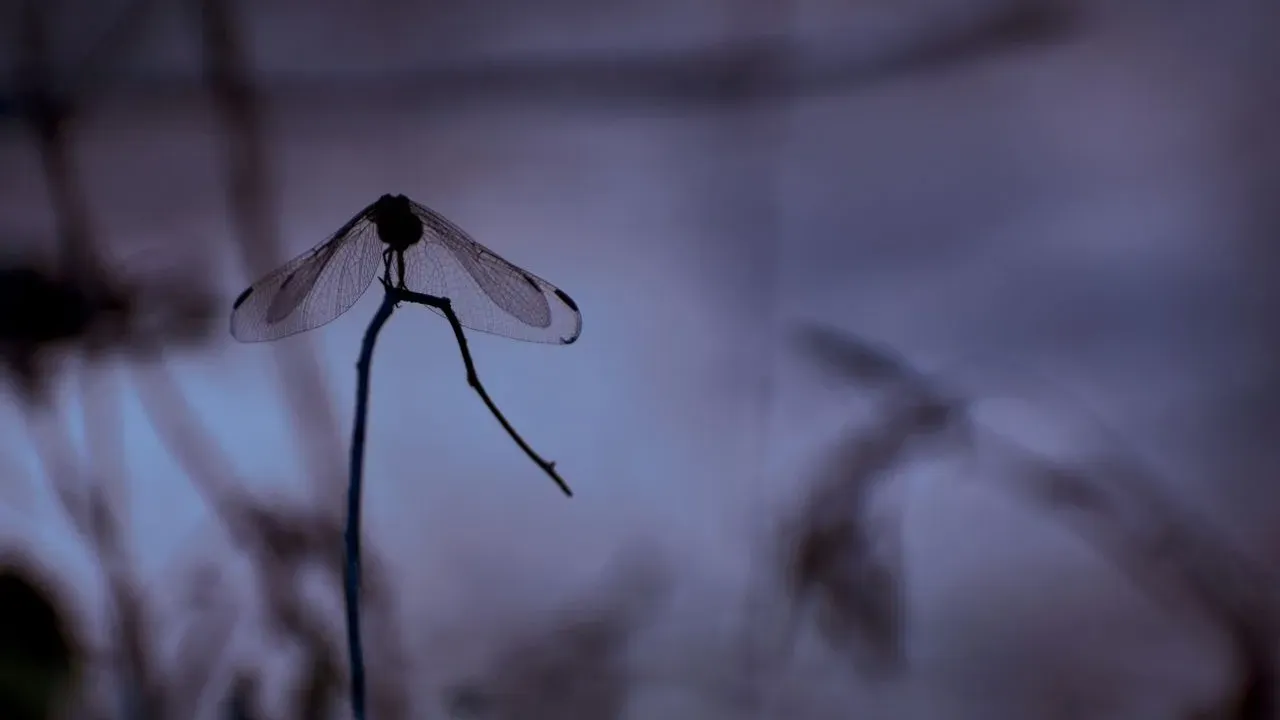

In the low desert, where heat and limited water shape every growing decision, insects often appear without warning. Many gardeners reach for sprays or removal tools before pausing to consider whether the visitor might actually support the plants. Entomologist Jean Elston brings clarity to these moments through years of close observation in her own garden.
Ladybugs Beyond the Familiar Adult Form
Most people spot an adult ladybug and feel relief, yet the earlier stages often trigger alarm. Jean Elston has recorded the eggs, larvae, and pupae in detail, showing how each phase contributes to aphid control. The larvae in particular consume large numbers of pests before reaching maturity.
Gardeners who purchase adult ladybugs frequently watch them vanish within days. Elston notes that lasting populations depend on habitat features such as diverse plantings and avoidance of broad-spectrum pesticides. Without those conditions, the purchased insects simply move on.
Lacewings That Stay Year-Round
Green lacewings rank among the most consistent beneficial insects in low desert gardens. Their presence spans nearly every season, and the larvae prove especially effective at reducing soft-bodied pests. Elston documents the full cycle from delicate eggs to the active larval stage, clarifying how to separate them from similar-looking insects like thrips.
Attracting and retaining lacewings requires modest adjustments. Providing nectar sources and limiting chemical use allows the population to build naturally. Once established, these insects deliver ongoing pest suppression without additional effort from the gardener.
Parasitic Wasps and the Value of Aphid Mummies
Tan, bloated aphids that remain motionless on stems signal the work of parasitic wasps. These mummies represent a successful biological control event already underway. Removing them interrupts the cycle and reduces the wasps’ future impact on the pest population.
Elston emphasizes that recognizing this stage prevents one of the most common errors in garden management. The wasps continue their work unseen once the mummies are left in place. Over time, this approach supports a more balanced insect community.
Hoverflies and Their Surprising Contributions
Hoverfly larvae can consume up to 400 aphids during development, yet they are frequently mistaken for caterpillars and removed. As adults, the same insects rank among the strongest pollinators after bees while mimicking wasps for protection. Elston’s documentation shows the complete life cycle and the key visual differences that separate them from true pests.
Supporting hoverflies involves simple plant choices that supply nectar for adults and shelter for larvae. The dual benefit of pest reduction and pollination makes them especially valuable in low desert settings where pollinator options can be limited.
Building a More Resilient Garden
Jean Elston’s thirty-plus years of gardening in California and Arizona, combined with her current doctoral work in ecology and entomology, underscore a consistent message. Observation replaces reaction when gardeners learn to identify the insects already present. Her images and notes, shared as Red Shoe Gardener, offer practical reference points for anyone tending similar landscapes.
The result is a garden that works with local insect life rather than against it. Small shifts in recognition and habitat support often yield steadier plant health with less intervention. Elston’s ongoing documentation continues to add new entries as fresh observations emerge.
AI Disclaimer: This article was created with the assistance of AI tools and reviewed by a human editor.