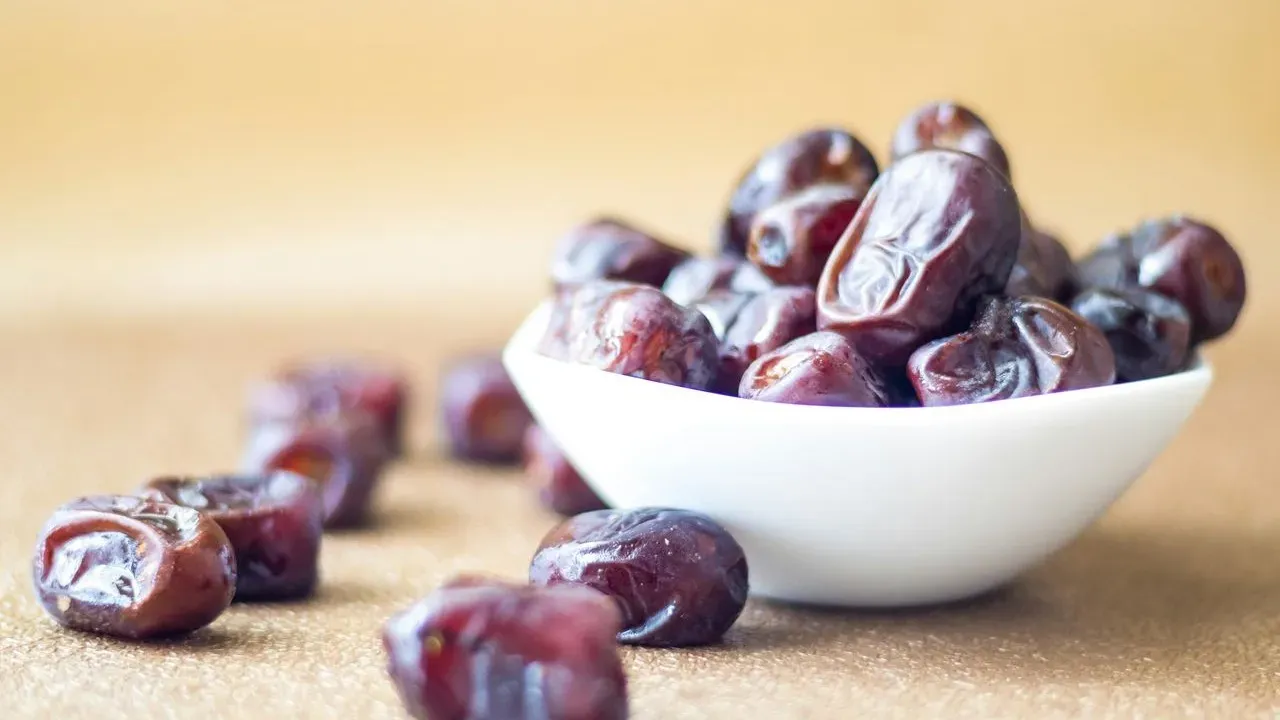

In the low desert around Phoenix, a small number of dedicated gardeners have turned date palms into reliable backyard producers. One Tempe grower harvested close to 100 pounds from a single Black Sphinx tree during its second fruiting season. The crop ripens in early fall, filling a gap when many other local fruits have already finished. With the right setup, the palms deliver substantial returns for years.
The Long-Term Payoff for Home Growers
Date palms represent a true plant-once investment. A well-tended tree can remain productive for a century or longer, far outlasting most other fruit crops. Production begins years before the palm reaches full street-tree height, so growers do not need to wait decades for results. The first meaningful harvest often arrives within five years of planting a young offshoot.
Water use stays modest compared with expectations. A fruiting palm requires more irrigation than a landscape specimen, yet the difference amounts to little more than the needs of a peach tree. Consistent summer watering supports developing fruit, while winter applications can be reduced once growth slows.
Male and Female Trees Shape Every Harvest
Date palms are dioecious, meaning individual trees are either male or female. Only females produce fruit, and they require pollen from a male tree each spring. Commercial orchards maintain a few males among many females; home growers face the same requirement on a smaller scale.
Options for pollen include purchasing it from established farms, obtaining it from a neighbor with a mature male, or growing one’s own male palm. Pollen from any true date palm works across varieties. Pollen from unrelated palms such as Canary Island date palms will not succeed.
Hand Pollination and Daily Care Steps
Wind pollination occurs in nature, yet reliable crops demand deliberate hand pollination. Male flowers typically appear first, so pollen is collected, dried, and stored until female blooms open. Application involves dusting the stored pollen onto receptive female flowers, a straightforward process once timing is mastered.
Additional maintenance includes supporting heavy fruit clusters with poles, thinning some fruit to ease weight on stems, and pruning sharp spines from fronds. Offshoots, or pups, appear at the base and can be removed once they reach two or three years old for sale or replanting. Mesh bags protect ripening clusters from birds, rats, and ants.
Varieties, Timeline, and Realistic Expectations
Black Sphinx, a local heritage variety, ripens gradually from early September into mid-October. Barhi offers the option of eating dates fresh at the yellow stage or allowing them to dry on the tree. Both have performed well for local growers who started with purchased offshoots rather than seeds.
Planting succeeds best in warmer months so roots establish quickly. A tree planted at roughly human height in summer 2019 produced its first crop about five years later. Offshoots from known female trees provide faster, more predictable results than seedlings, which may prove male or yield inferior fruit.
Key points for success include sourcing a verified female offshoot, securing male pollen each spring, maintaining summer irrigation, and protecting clusters during ripening.
After years of attention, the reward arrives in the form of fresh dates that can be eaten, shared with neighbors, or sold. The process turns an ordinary landscape palm into a productive, long-lived asset for anyone willing to manage the male-female requirement and seasonal tasks.
AI Disclaimer: This article was created with the assistance of AI tools and reviewed by a human editor.