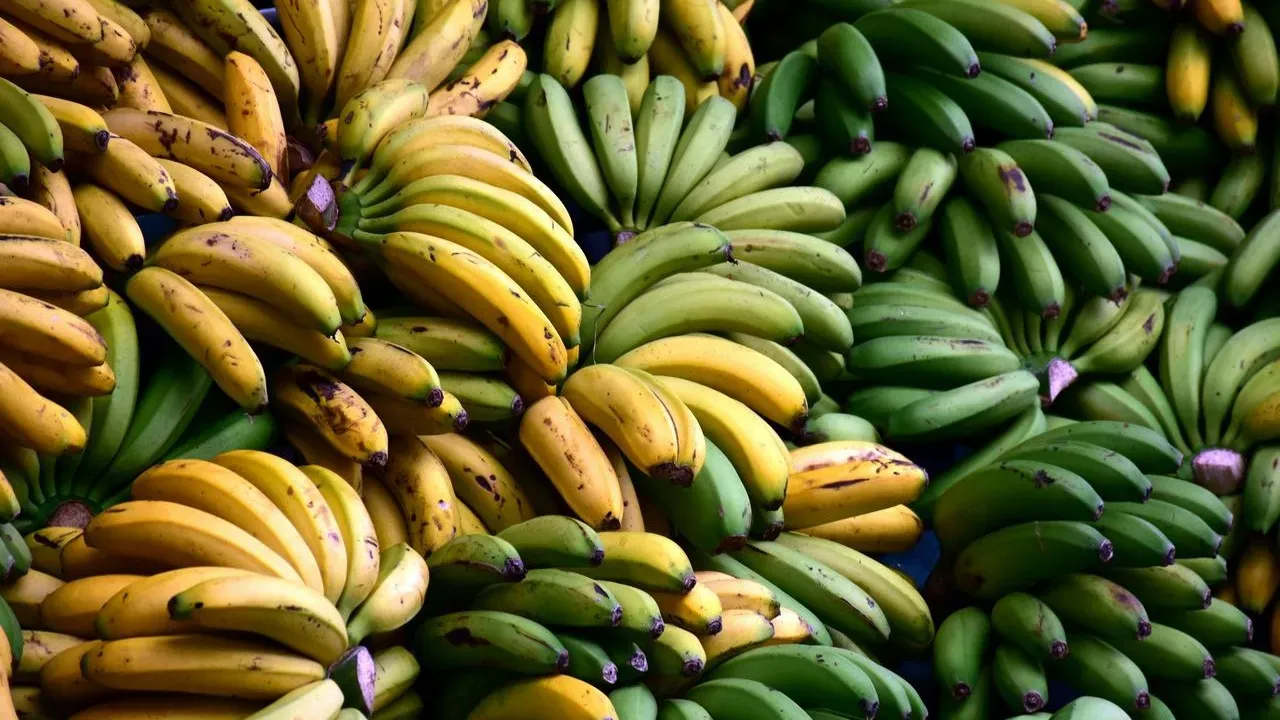

Consumers across the United States have noticed steady increases at the checkout for one of the country’s most popular fruits. Bananas remain a dietary staple for millions of households, yet recent data show the average retail price has climbed to 67 cents per pound, up 3.71 percent over the past year. The change reflects more than routine market movement. A combination of environmental pressures, crop vulnerabilities, and global logistics challenges is reshaping costs for importers, retailers, and shoppers alike.
Current Market Snapshot
Government figures place the national average at 67 cents per pound, though prices vary by retailer. Some outlets, including Walmart, continue to offer bananas near 50 cents per pound. The global banana trade itself is valued between $145 billion and $150 billion today and is projected to surpass $180 billion by 2031. Ecuador supplies roughly 29 percent of the world market, while the Philippines accounts for about 10 percent. These volumes underscore how even modest disruptions in major growing regions can ripple outward to American grocery aisles.
Fairtrade International raised its minimum banana prices by 6 percent at the start of the year to offset lingering pandemic-era costs and international tensions. Industry observers note that further increases could follow if conflicts in the Middle East continue to affect input prices. Energy costs, once they rise, tend to stay elevated rather than retreat quickly, keeping upward pressure on delivered fruit.
Climate-Related Crop Losses
Changing weather patterns have introduced new risks to banana production. Flooding tied to shifting climate conditions has damaged harvests in several key regions. Fresh Del Monte executives have publicly discussed how these events, combined with other stresses, are already reducing available volumes from operations in Colombia, Ecuador, Central America, and Brazil.
Gardeners and commercial growers alike recognize that bananas require consistent warmth near 80 degrees Fahrenheit and reliable rainfall. When those conditions falter, yields drop. The result is tighter supply at a time when demand remains steady, contributing directly to higher wholesale and retail prices. These environmental factors sit alongside traditional market forces rather than replacing them.
Disease Pressures on Production
Banana blight and other pathogens represent a persistent threat to global supplies. Fresh Del Monte has warned that disease could further limit output if left unchecked. The company has responded by forming partnerships with research institutions to develop resistant varieties that can still produce under disease pressure.
Because bananas are grown in concentrated tropical zones, a single outbreak can affect large portions of the export crop. Importers report that even small reductions in reliable supply translate into noticeable price adjustments at retail. Efforts to diversify sourcing and strengthen supplier relationships aim to buffer against these risks, yet the biological challenges remain difficult to eliminate entirely.
Supply-Chain and Logistics Strains
Transportation expenses have climbed sharply. Global export costs exceeded $1,200 per metric ton earlier this year, driven by higher labor, fuel, and handling charges. Conflict-related fuel price spikes have added to the burden for some suppliers. The FruitGuys, which sources from Mexico and other regions, has observed that spring supply dips and regional fuel increases often coincide with price adjustments.
Packaging and handling improvements offer one avenue for relief. Better ventilation in transport containers can shorten the time from harvest to cooling by more than 14 percent, helping preserve quality and reduce waste. Labor savings from faster restocking average 37 percent per pallet. At the scale of American consumption – roughly 27 pounds per person each year – even modest efficiencies matter.
What matters now
Persistent supply pressures mean banana prices are unlikely to return quickly to earlier levels. Retailers, importers, and growers continue to adjust sourcing and handling practices, yet environmental and disease factors introduce ongoing uncertainty. Shoppers can expect gradual rather than sudden shifts as the industry adapts.
Looking Ahead
Bananas serve as a useful indicator of broader agricultural and trade conditions. Their price movements reflect the combined effects of climate variability, plant health, and the cost of moving goods across long distances. For home gardeners interested in food systems, the situation highlights how even familiar produce depends on stable growing regions and efficient global networks.
Industry participants emphasize the need for continued investment in resilient varieties and improved logistics. While short-term volatility may persist, these adaptations could help stabilize supplies over time. The outcome will shape both commercial availability and the everyday cost of a fruit that remains central to many American diets.
AI Disclaimer: This article was created with the assistance of AI tools and reviewed by a human editor.