
Most people who kill succulents do so with good intentions. They water them regularly, a little here, a little there, the same way they treat every other houseplant. The result is often a rotting, yellowed mess that goes from thriving to dying in a matter of weeks. The truth is, succulents are wired differently, and treating them like a regular houseplant is one of the most reliable ways to lose them.
The counterintuitive answer, backed by how these plants actually function in the wild, is to water deeply and far less often. A thorough monthly soak in the right conditions will do more good than weekly light sprinklings ever could. Here is why.
Succulents Are Built to Handle Feast and Famine
In the wild, succulents experience long droughts broken by occasional heavy rain. Their roots are adapted to drink deeply and then sit in dry soil while they slowly use that stored water. This is not just a quirk; it is the entire survival strategy these plants evolved around over millions of years.
Succulents are living water reservoirs. Their thick, fleshy leaves and stems act like tiny storage tanks, holding moisture for those inevitable dry spells. This is why they can go longer between drinks than your average houseplant.
Instead of a complex root system that helps other plants to search for water, most succulents store water in their fleshy leaves and stems. This allows succulents to survive in ecosystems that contain scarce water sources. That storage capacity is exactly what makes weekly shallow watering such a mismatch for these plants.
Frequent Small Watering Creates Weak, Shallow Roots
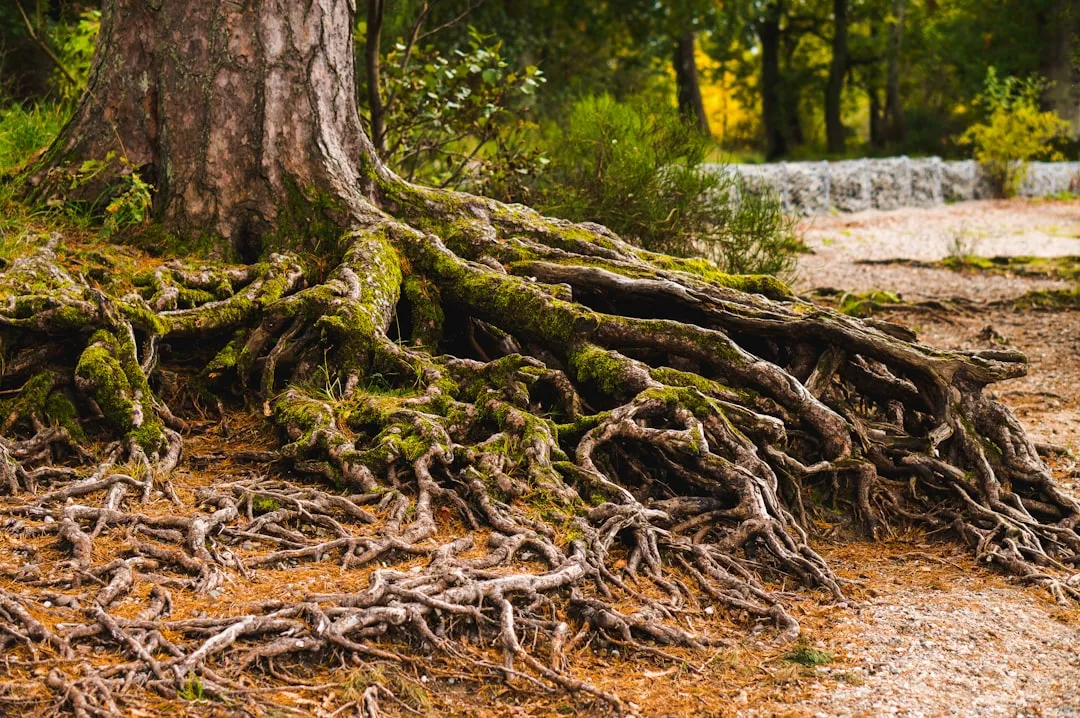
Constant watering with small amounts of water, like with a spray bottle, will produce a weak root system that can’t withstand very long periods of drought. That means if you don’t water for a couple of days your succulent will die. Or if you don’t get the water deep enough when you spray with a spray bottle, the succulent will die.
Succulent roots are designed for deep, infrequent soaks, not constant sips. Shallow, frequent watering keeps the soil surface moist, which invites rot and never encourages roots to grow deeper.
Watering “a little, often” does the opposite of what succulents need – it keeps the soil perpetually damp, which is the one condition these plants are not built to survive. A strong root system only develops when the plant is given a reason to reach downward for moisture, and that only happens during the dry interval between deep waterings.
Deep Soaking Promotes a Stronger, More Resilient Root System
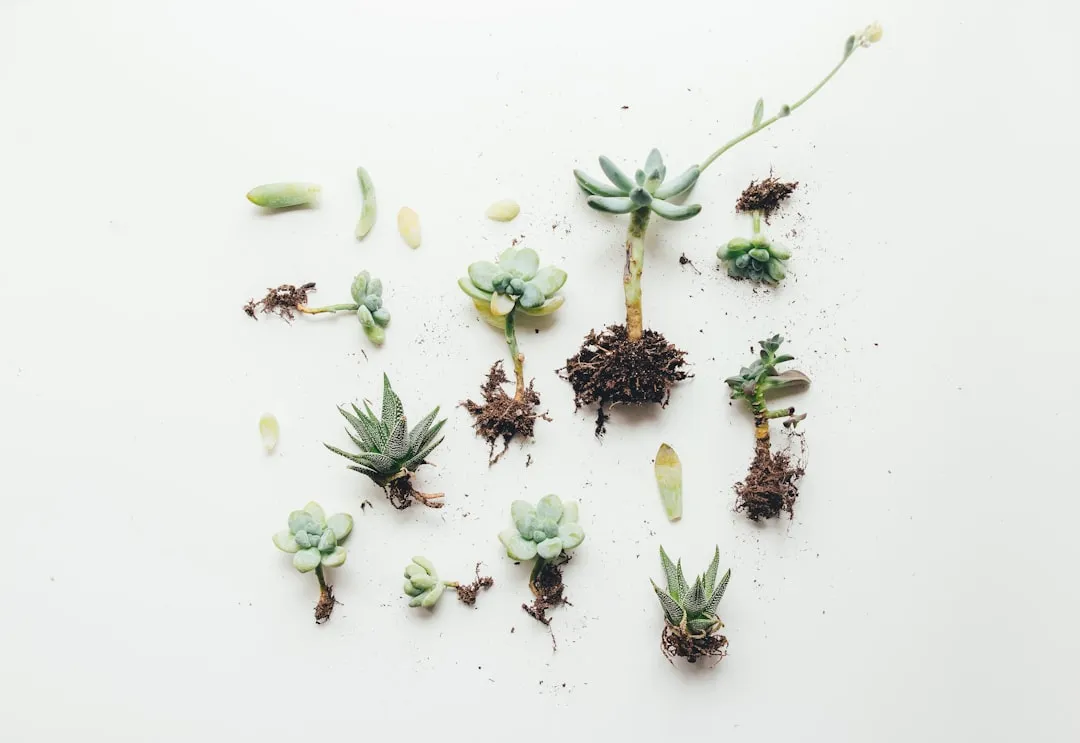
With a deep watering the succulent has plenty of access to water. During the “drought” between watering, the succulent will begin to grow new roots, searching for more water. The soak and dry method helps the succulent develop a large, healthy root system which will enable it to withstand longer periods of drought than most other plants.
A higher root length density, characterized by deeper and more abundant root growth, is generally associated with improved drought tolerance. In other words, the very act of allowing the soil to dry completely between waterings makes your succulent tougher over time.
Deep watering promotes the growth of deep roots, which help succulents access water from deeper within the soil, especially during dry spells. This method ensures that succulents receive enough water to thrive without risking overhydration and root rot.
Overwatering Is the Number One Killer of Succulents
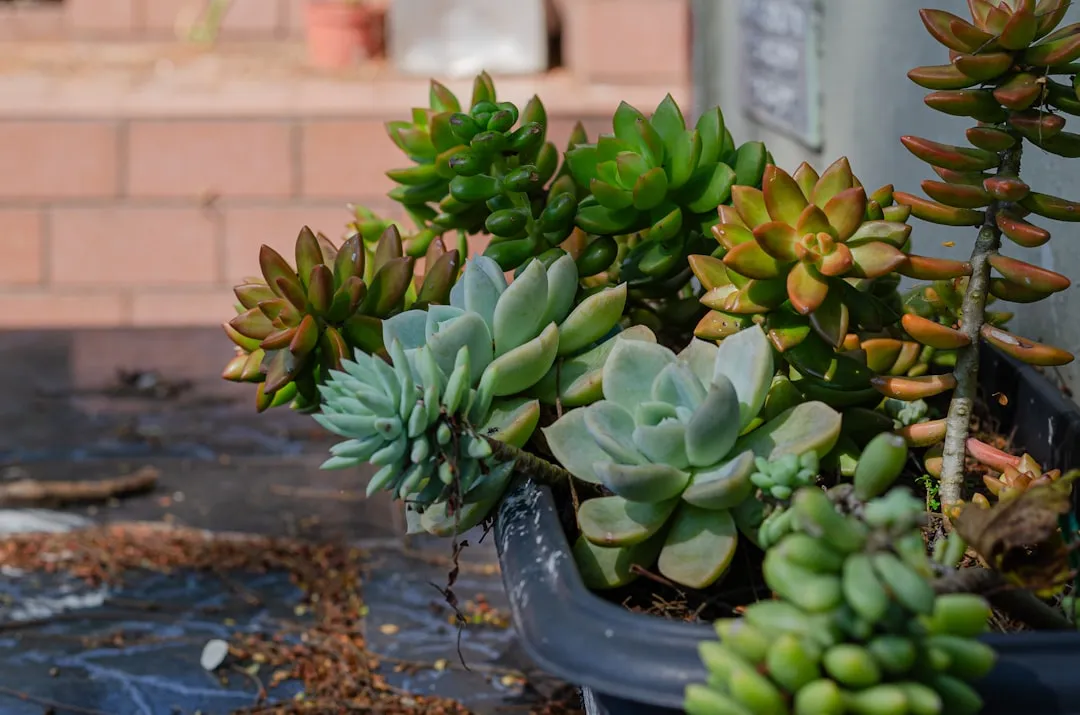
Overwatering is the number one cause of dying succulents. This is not an exaggeration. Overwatering is the leading cause of succulent death, not underwatering. Yet the instinct to water more when a plant looks off continues to send countless succulents to an early end.
Succulent leaves and stems are like water balloons that can only take up a certain amount of moisture until every succulent cell is fully hydrated. When overwatered, these balloons are overfilled, they burst and the cell structures are severely damaged, resulting in rotting leaves and roots. The leaves would start to look translucent, discolor yellow, feel soggy to the touch, and fall off easily.
Over watering is one of the most common ways to kill succulents. An early sign of over watering is your succulent’s leaves falling off with just a slight bump. As the damage from over watering continues, your succulent’s leaves will begin to yellow and look more transparent. The leaves will feel mushy and wet.
The Soak and Dry Method Mirrors the Plant’s Natural Habitat
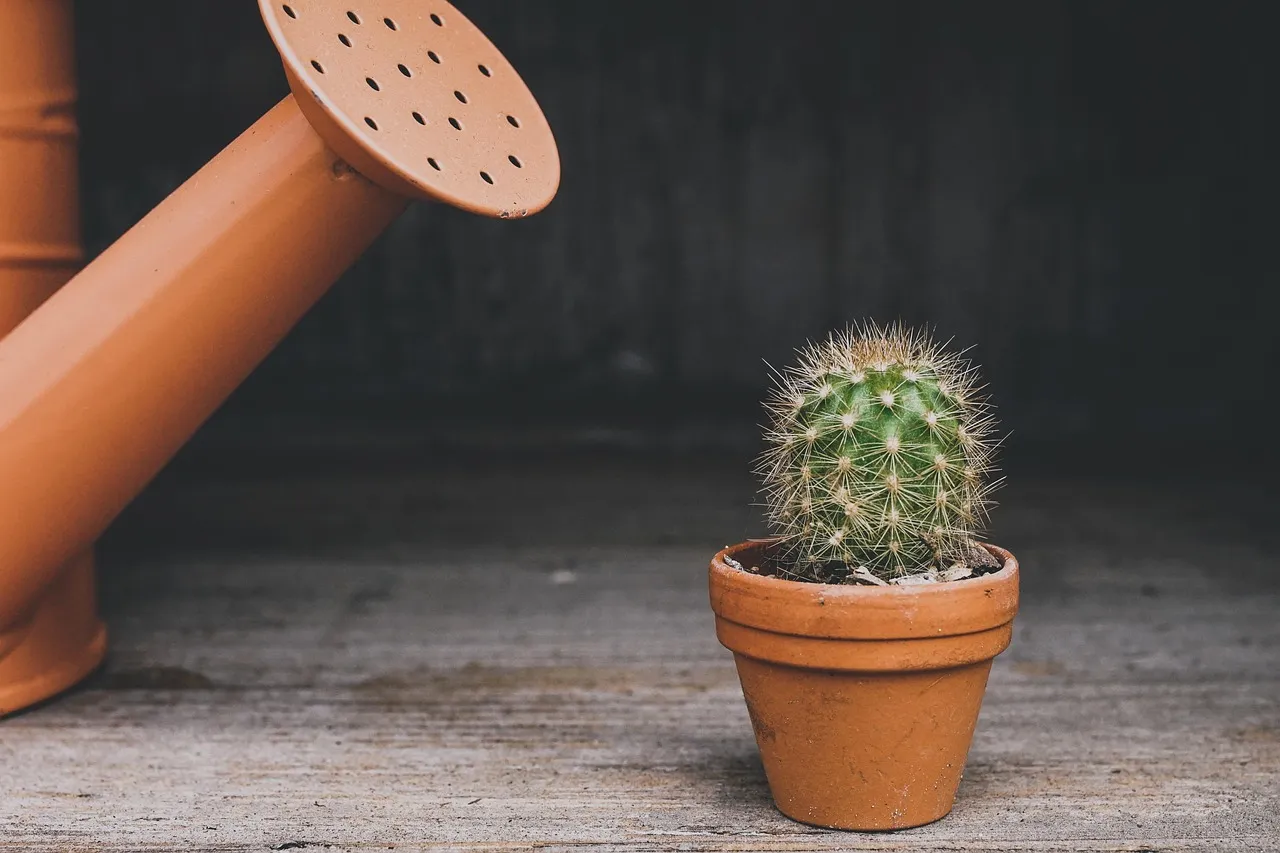
Many succulents are native to environments that experience heavy rainfalls followed by long periods of drought. Thorough watering followed by a drying period mimics these conditions, keeping your succulents healthy and stress-free.
This mimics the natural arid conditions where succulents thrive, experiencing sporadic rains followed by dry spells. When you water, do so until you see water coming out of the drainage holes. Then let the soil dry out, which could take a week or more depending on your climate and the season. This method ensures deep root hydration without risking root rot.
The soak and dry method involves thoroughly watering the plant until water runs out of the drainage holes, then waiting for the soil to dry out completely before watering again. This mimics the natural rainfall patterns succulents are used to and supports healthy root function.
Underwatering Is Far Easier to Fix Than Overwatering
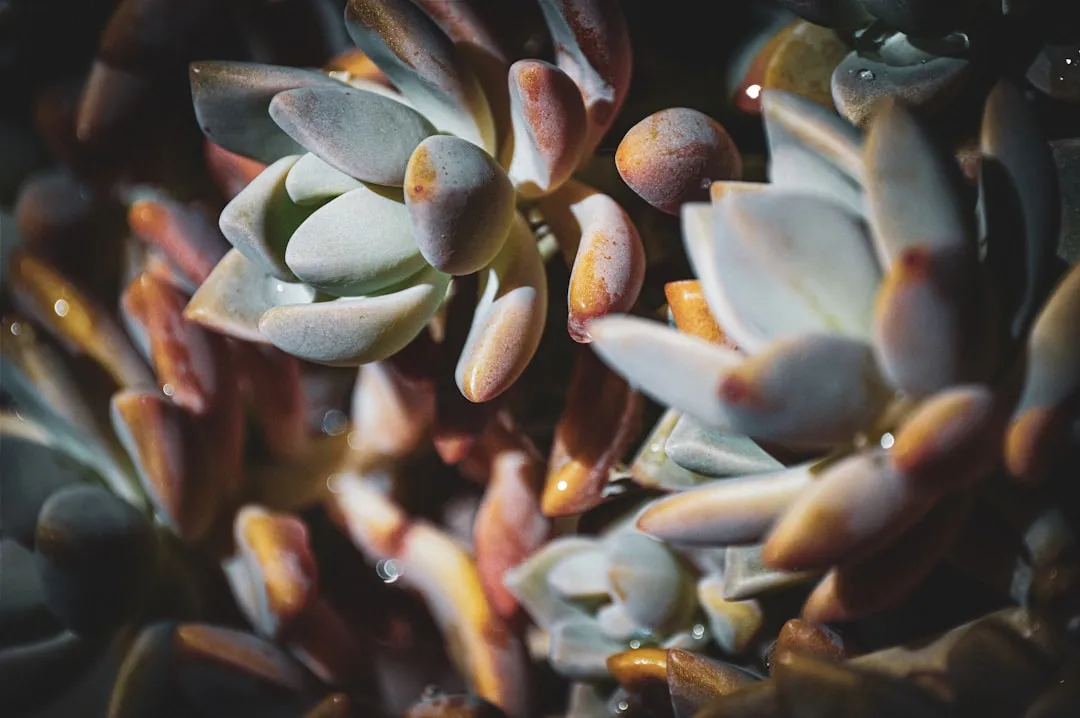
Succulents are much more tolerant of under-watering than over-watering. Additionally, an under-watered succulent is far easier to fix. So when in doubt, err on the side of less frequent watering. This is a practical principle that takes a lot of anxiety out of the equation for newer plant owners.
An underwatered succulent can be revived but usually never an overwatered one. That asymmetry matters enormously. Once root rot sets in from chronic overwatering, the damage is often irreversible.
Underwatering is not that much of a problem as overwatering succulents. Hence, do not go overboard with watering. Physical signs from the plant itself provide valuable information about watering needs. Healthy succulents will begin to show slight wrinkling or softening of their leaves when water reserves run low, whilst the lower leaves may start to shrivel slightly before the plant requires its next drink. These are gentle, correctable signals.
Watering Frequency Must Change With the Seasons
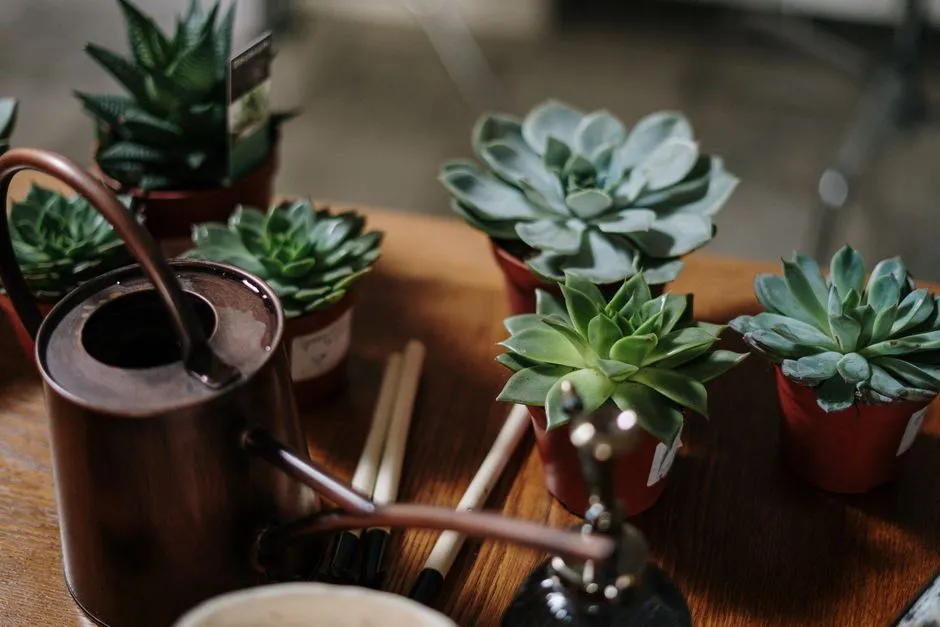
The watering schedule for succulents depends largely on their location, as environmental factors such as temperature, humidity, and light exposure play significant roles in determining their water needs. Whether succulents are grown indoors or outdoors, the goal is to replicate the natural conditions they are adapted to, which typically involve infrequent but deep watering followed by periods of dryness.
During active growth seasons such as spring and summer, plants need more water. In dormancy during fall and winter, their water requirements drop significantly. During winter months, indoor succulents enter a dormant phase and may only require watering every three to four weeks.
During fall and winter, many succulents gradually enter rest mode and require very little moisture. Watering once a month is often enough, or only when the leaves begin to wrinkle slightly. Seasonal awareness, not a fixed calendar schedule, is the real key to getting watering right across the year.
Pot Type and Soil Composition Directly Affect How Deep Watering Works
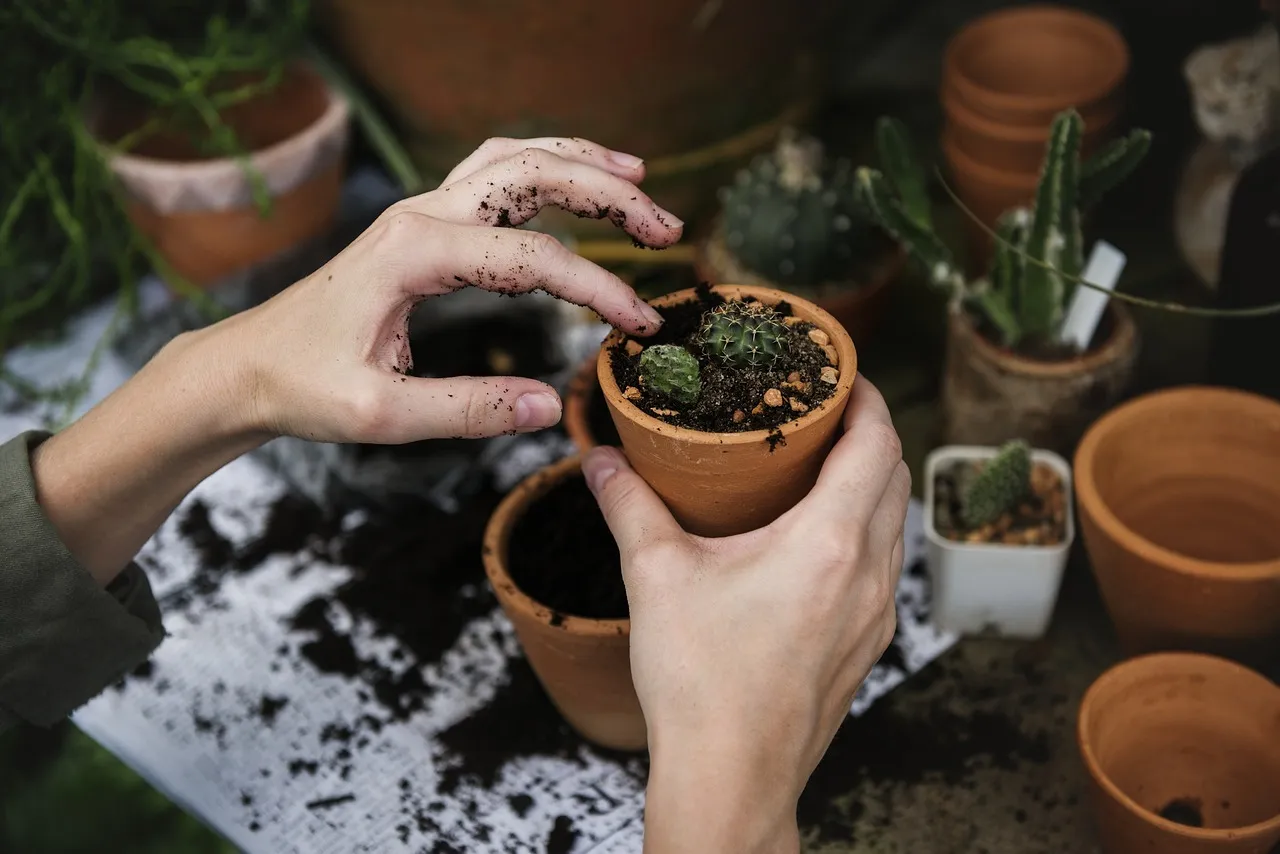
Well-draining, gritty soil in porous pots like terracotta dries much faster than moisture-retentive soil in plastic or glazed pots. This means that the right material choice makes deep, infrequent watering far more effective and far safer.
Terracotta pots are a popular choice among plant lovers because they are porous and help wick moisture away from the soil, reducing the risk of overwatering. Regular potting soil retains too much moisture for succulents. It is best to use a well-draining soil mix specifically designed for succulents and cacti.
Using well-draining soil mixtures and containers with adequate drainage holes ensures excess water can escape quickly, preventing the root rot that destroys so many succulents. Without drainage, even a perfectly timed deep soak can become a death sentence for roots sitting in standing water.
Skip the Misting: It Does More Harm Than Good
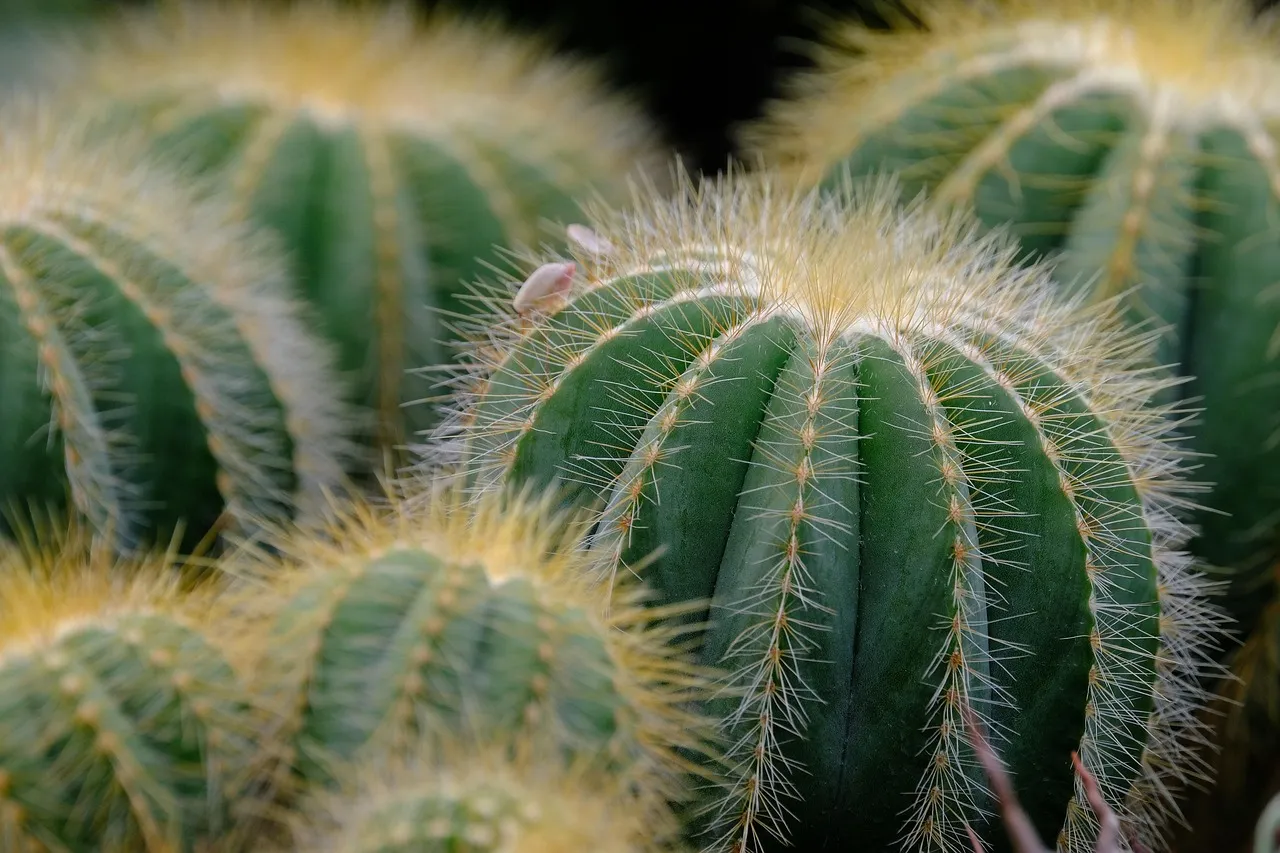
Never mist your succulents. Misting only wets the surface and encourages shallow, weak roots. It feels like a caring gesture, but it is actually one of the most counterproductive habits a succulent owner can develop.
Succulents should be watered directly at the base, not misted. Misting can promote fungal growth and rot on leaves. The roots, not the leaves, are responsible for absorbing water, making the soak-and-dry method ideal for healthy succulent care.
Never mist your succulents. Light sprays wet the leaves without reaching the roots, inviting rot on the surface while starving the plant below. The goal is always to get water to the root zone completely, not to moisten surfaces where it can linger and cause damage.
Reading Your Plant Is Better Than Following a Rigid Schedule
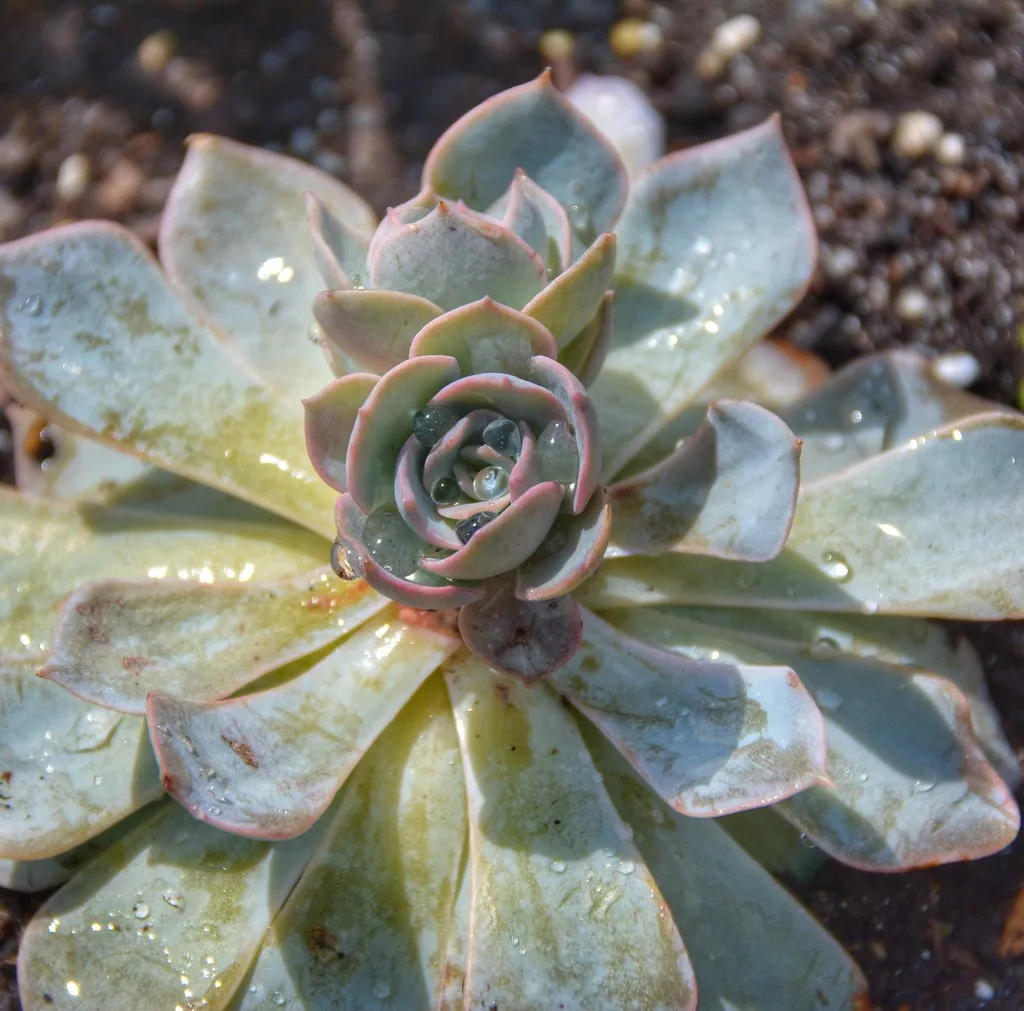
Soak and dry replaces the calendar with a simple question: is the soil completely dry yet? The concept is simple: you want to simulate a desert downpour followed by a drought. You shouldn’t water on a schedule; you should water based on the soil’s condition.
Rigid watering schedules are not useful in the long run for succulents because there are so many variables that affect drying time. Light levels, pot size, indoor humidity, and the season all shift constantly, and a fixed weekly schedule cannot account for any of them.
The best approach is a flexible routine that “listens” to the plant and its environment rather than following a rigid calendar. Depending on your home’s humidity and temperature, drying out completely could take one week, two weeks, or even a month. Trusting the soil and the plant’s own signals is far more reliable than any fixed timer.
The Takeaway
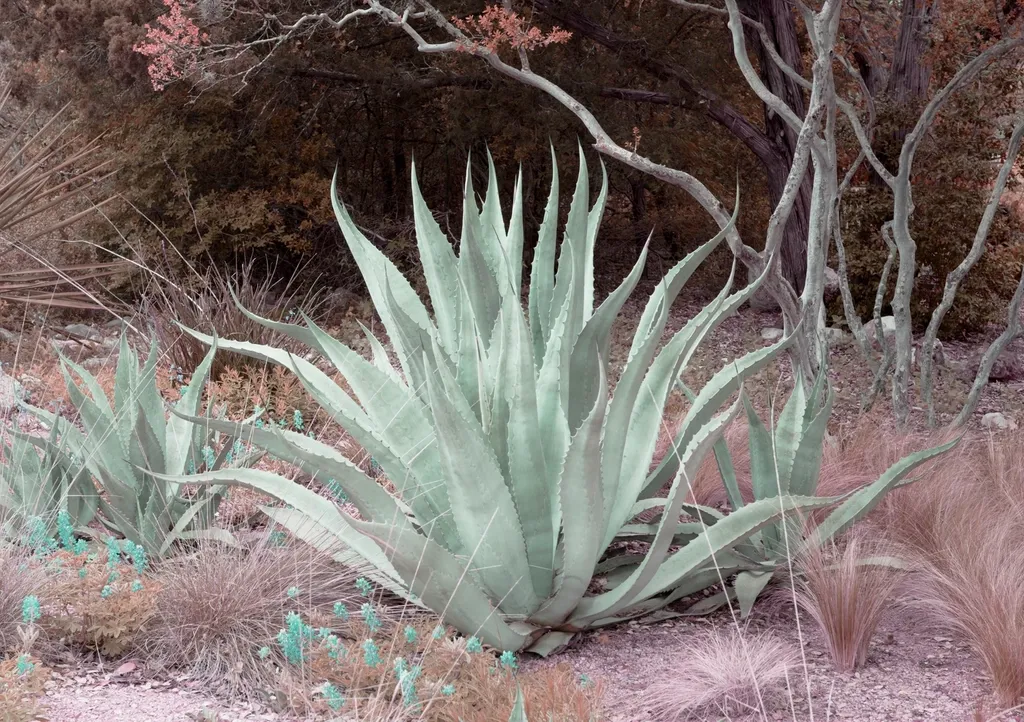
The idea of drowning your succulents once a month sounds aggressive, but it is really just a description of what these plants were built for: a full, thorough drink followed by a long, unhurried dry-out period. The weekly drip approach feels more attentive, but it is fundamentally at odds with how succulents actually function.
Finding the right balance is essential, as succulents need deep but infrequent watering to stay healthy and thrive in dry conditions. The depth of each watering matters far more than how often you reach for the can. Once you internalize that, keeping succulents alive stops feeling like guesswork.
Give them a good, honest soak, then walk away. They were doing just fine in the desert long before they had a weekly calendar to follow.
AI Disclaimer: This article was created with the assistance of AI tools and reviewed by a human editor.