

Somewhere between the rise of streaming queues and the scroll of social media feeds, a quieter kind of evening disappeared from many households. The table that once hosted Monopoly marathons and heated rounds of Scrabble got cleared for other things. Nobody made a decision to stop, exactly. Life just got busier, screens got brighter, and the box of games migrated to the back of the closet.
Now, a growing body of research is making a strong case for bringing it back. From what it does to children’s brains, to what it does for family bonds, to how it counters the documented toll of excessive screen time, the humble game night turns out to carry more weight than most people gave it credit for.
The Board Game Market Is Booming – and That Tells Us Something
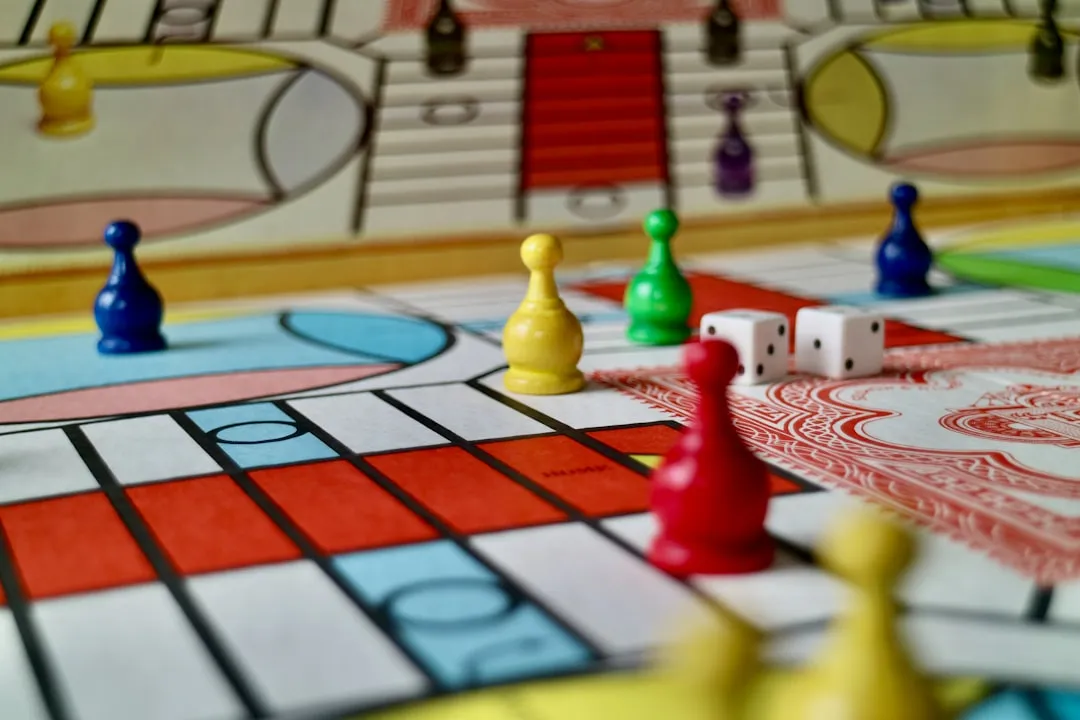
The global board game market reached $15.83 billion in 2025, a more than ten percent increase from $14.37 billion in 2024, according to Fortune Business Insights. That kind of growth doesn’t happen in a declining category. It reflects a cultural shift toward interactive, screen-free activities that foster connection and creativity.
The demand for cooperative board games surged significantly, with sales increasing by 20 million units in 2024 compared to the previous year, reflecting a fundamental shift toward collaborative play and shared experiences as players increasingly value teamwork over direct competition. Families aren’t just buying nostalgia. They’re buying into something that feels genuinely different from passive entertainment.
Screen Time Has Become a Real Problem for Kids

During July 2021 through December 2023, roughly half of teenagers ages 12 to 17 had four hours or more of daily screen time, according to the CDC’s National Health Interview Survey. That number is striking on its own. What it leads to is even more so.
The CDC’s NCHS Data Brief for 2024 showed that teens who spent more than four hours a day on screens, not including school, were nearly three times more likely to report depressive symptoms than those who spent less than four hours. A 2025 study published in JAMA Network Open suggests that limiting screen time and promoting alternative activities from childhood may help safeguard mental health in adolescence. Family game night isn’t just a fun distraction. It’s a concrete way to redirect attention away from screens during the hours when that redirection matters most.
Games Build Sharper, More Flexible Minds

New neuroscience research validates what gamers long suspected: strategic board games measurably improve decision-making, memory, and cognitive flexibility. A 2024 meta-analysis of 47 studies confirmed that regular strategic board game play improves working memory by around eighteen percent, cognitive flexibility by around twenty-three percent, and decision-making speed by around twelve percent compared to control groups.
In a randomized controlled trial, third graders who played math-focused board games showed medium to large effect sizes in visuospatial memory and mathematical skills compared to a control group, while fourth graders who played memory games showed significant improvement in problem solving. Playing board games could be a methodology that enhances cognitive and mathematical development in children. These aren’t marginal gains. They’re the kind of improvements parents spend money on tutoring to achieve.
The Emotional and Social Payoff Is Equally Significant

Family time has a consistently positive impact on children’s development, as continually shown by studies. The emotional, social, and cognitive development of a child is greatly influenced by high-quality interactions with parents and siblings. Games create the conditions for exactly that kind of interaction in a structured, low-pressure setting.
A systematic review of scientific literature from 2011 to 2024 found that for older people, board games showed clear usefulness for emotional competencies, especially regarding depression, social interactions, and communication. In childhood, board games were found to be a helpful tool for emotional competencies, reducing problem behaviors and supporting prosocial development. That range, from young children to older adults, points to something genuinely cross-generational about the benefit.
Parents Are Already Seeing the Results

Beyond entertainment, roughly seven in ten parents believe gaming has positively influenced their children, helping them to build social and cognitive skills like strategic thinking, teamwork, and emotional resilience. That’s not a small sample of enthusiasts saying this. It’s a consistent pattern across surveyed households.
Parents benefit too: more than four in five see game-based activities as a stress reliever. Engaging in games triggers the release of endorphins, the body’s natural feel-good chemicals, which explains why an evening that starts with mild reluctance often ends with everyone still at the table well past the planned stop time. The fun isn’t incidental. It’s part of the mechanism.
It Strengthens Communication in Ways That Are Hard to Replicate
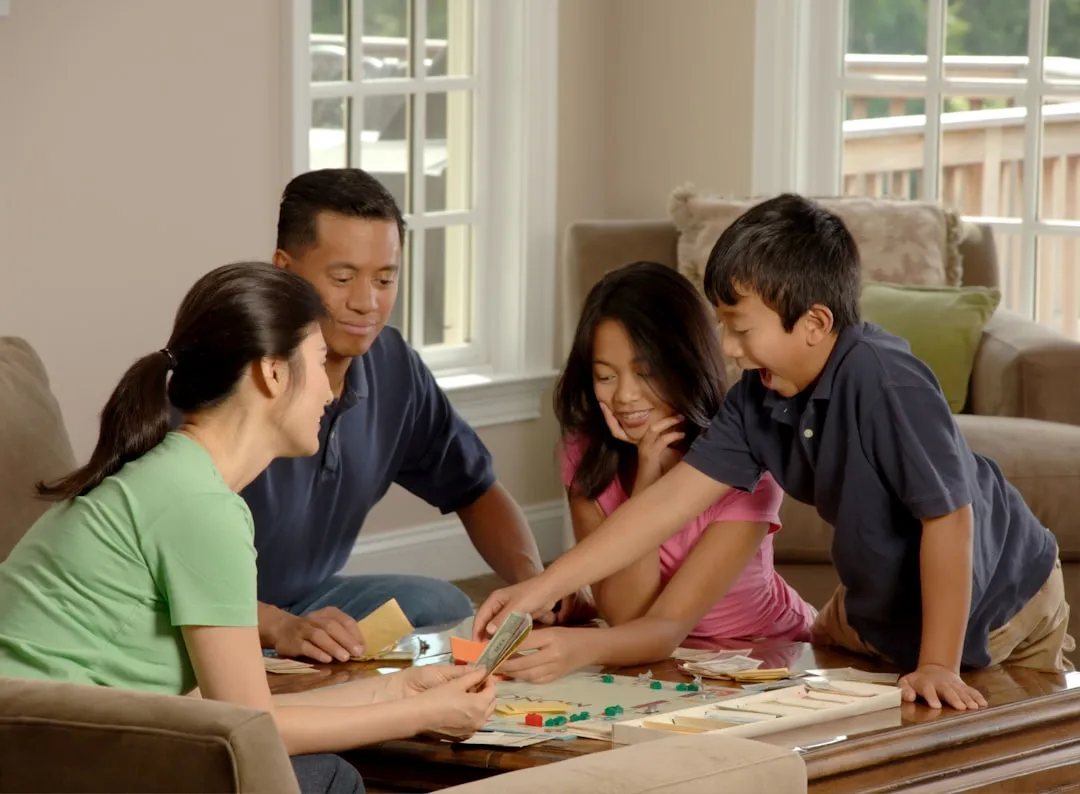
When families maintain strong lines of communication through frequent get-togethers like game night, there are long-term benefits such as larger vocabularies, higher reading scores, increased motivation, better relationships with peers, better emotional well-being, and overall life satisfaction. Those outcomes span years, not just evenings.
Games often require discussion, negotiation, and problem-solving, fostering open communication and teamwork among family members. Game nights give families an opportunity to talk and joke around with one another, and that can sometimes even lead to more important or serious conversations. The game is the opening act. The real connection happens in the margins.
Children Learn Patience and Emotional Regulation Too
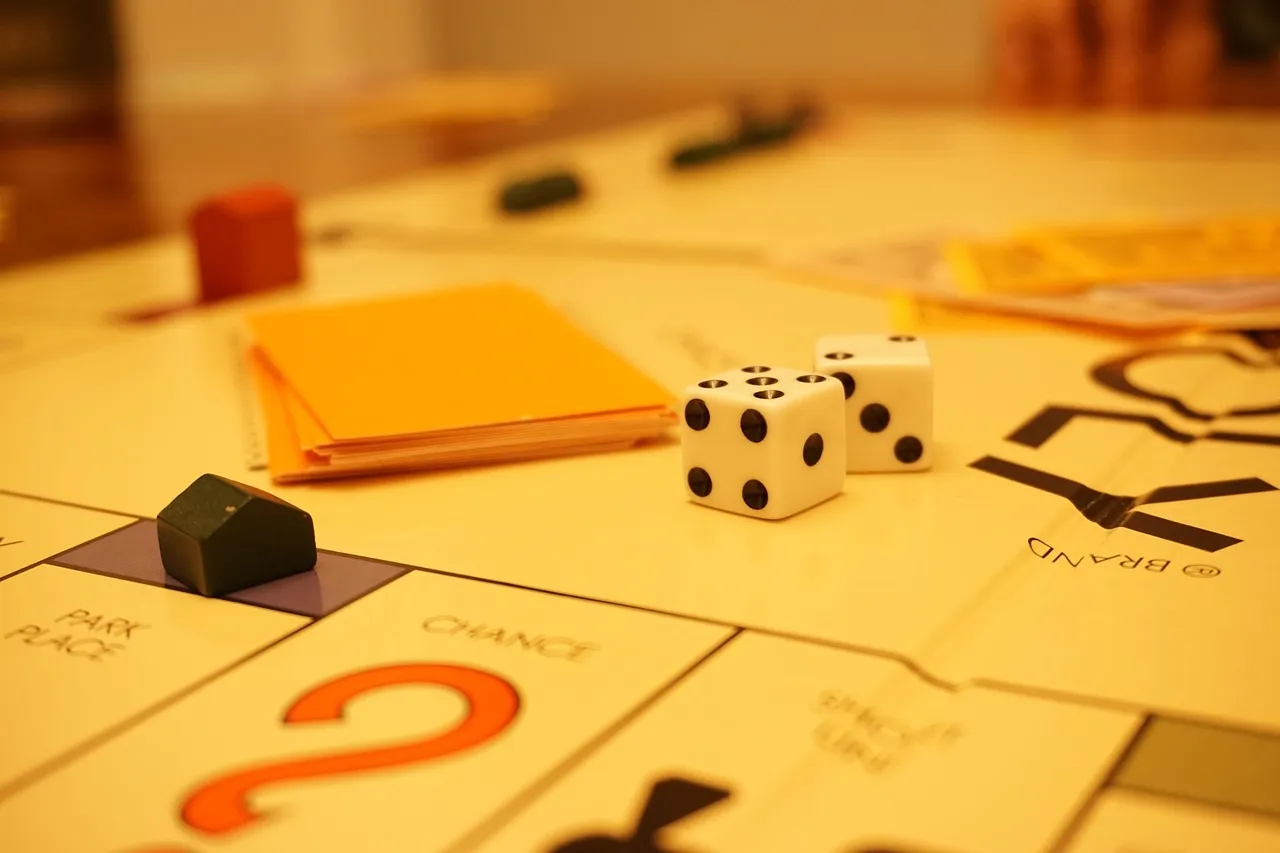
Waiting your turn, handling setbacks, and strategizing for the long game are all patience-building lessons that can be tucked into a game of Jenga. Researchers have found that playing board games can enhance a child’s ability to delay gratification and manage frustration. These skills transfer directly into classrooms, friendships, and eventually workplaces.
Games provide a safe space to learn conflict resolution skills, which can be applied to real-life situations. Losing a board game at home, with people who love you, is actually one of the safest environments a child can practice resilience. It’s low stakes with real consequences, which is a combination that’s genuinely rare in childhood.
Even Older Adults Benefit in Meaningful Ways
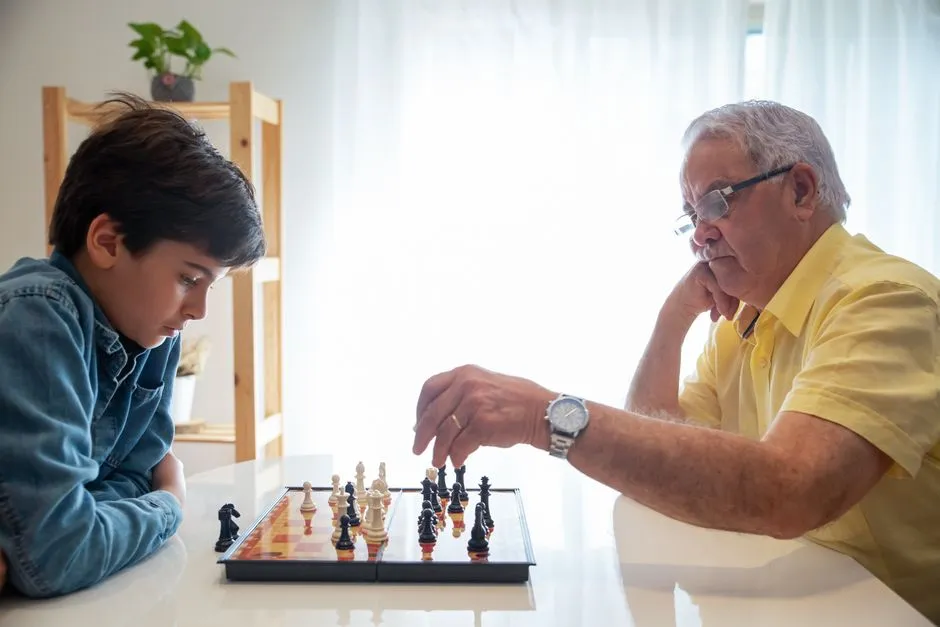
A 2013 French study found that board game players aged 65 and over had a fifteen percent lower risk of developing dementia, while a 2025 Spanish study found that nursing home residents who participated in twice-weekly board gaming sessions had improved cognitive function and quality of life. Those findings span decades of research and consistently point in the same direction.
In elderly populations, board games have demonstrated potential in maintaining cognitive health, aiding early diagnosis of cognitive impairment, and supporting individuals with mild cognitive decline. In adults more broadly, evidence supports benefits in preventive health education, chronic disease management, psychiatric symptom reduction, and post-surgical rehabilitation. Grandparents at the table aren’t just adding warmth. They may be adding years.
The Newest Games Make Getting Started Easier Than Ever
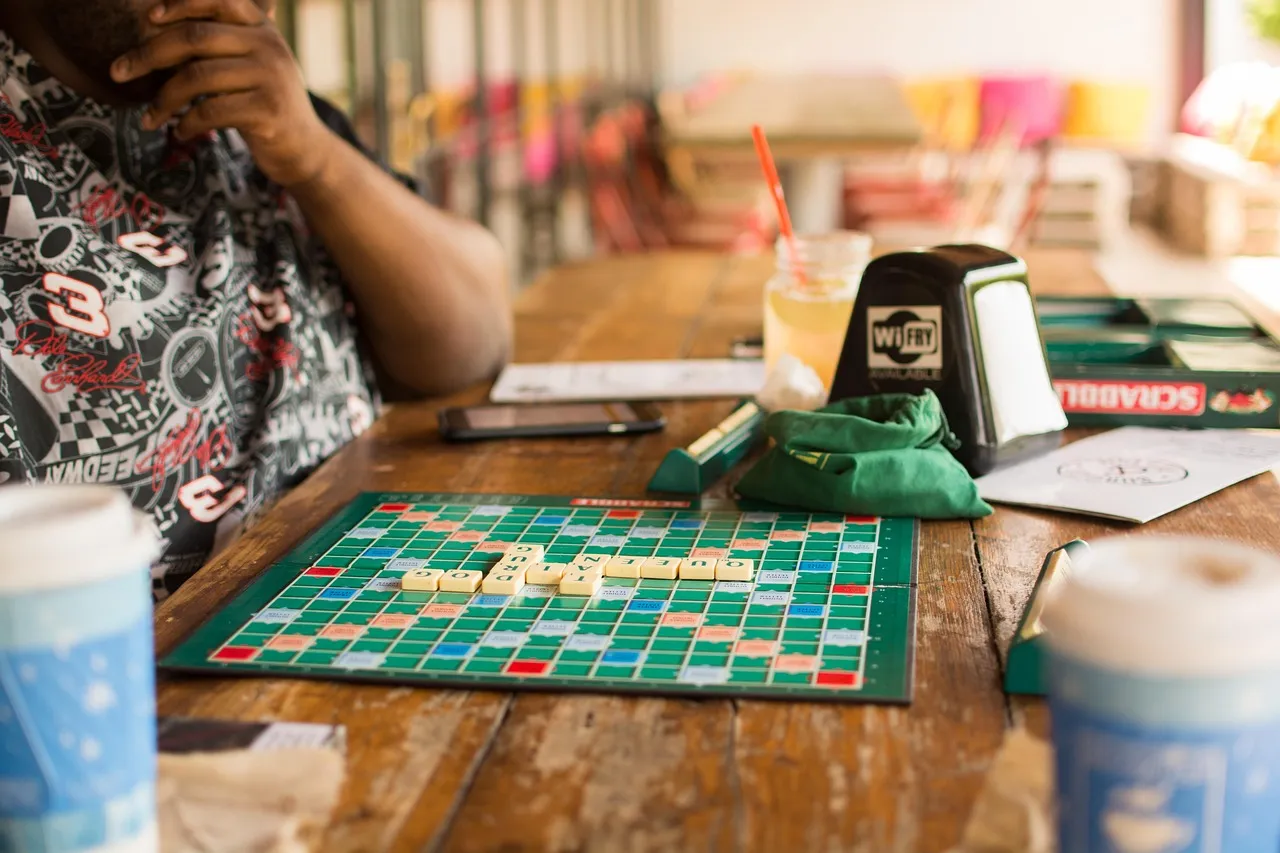
There’s a trend toward easier-to-learn games, designed to attract families and casual players who may not have time for longer strategy games. Newer trends also include the integration of digital features like augmented reality and mobile apps, and the development of transmedia storytelling experiences that enhance player engagement. The category has updated itself without losing its core appeal.
The rise of board game cafes, venues that let players explore games without purchasing them, fosters community and brand loyalty. These cafes attract a wider demographic, including families and younger audiences. For families who aren’t sure where to start, this is a genuinely low-barrier entry point. Show up, try ten games, and go home knowing exactly what to buy.
Making It a Habit Is Simpler Than Most Families Think
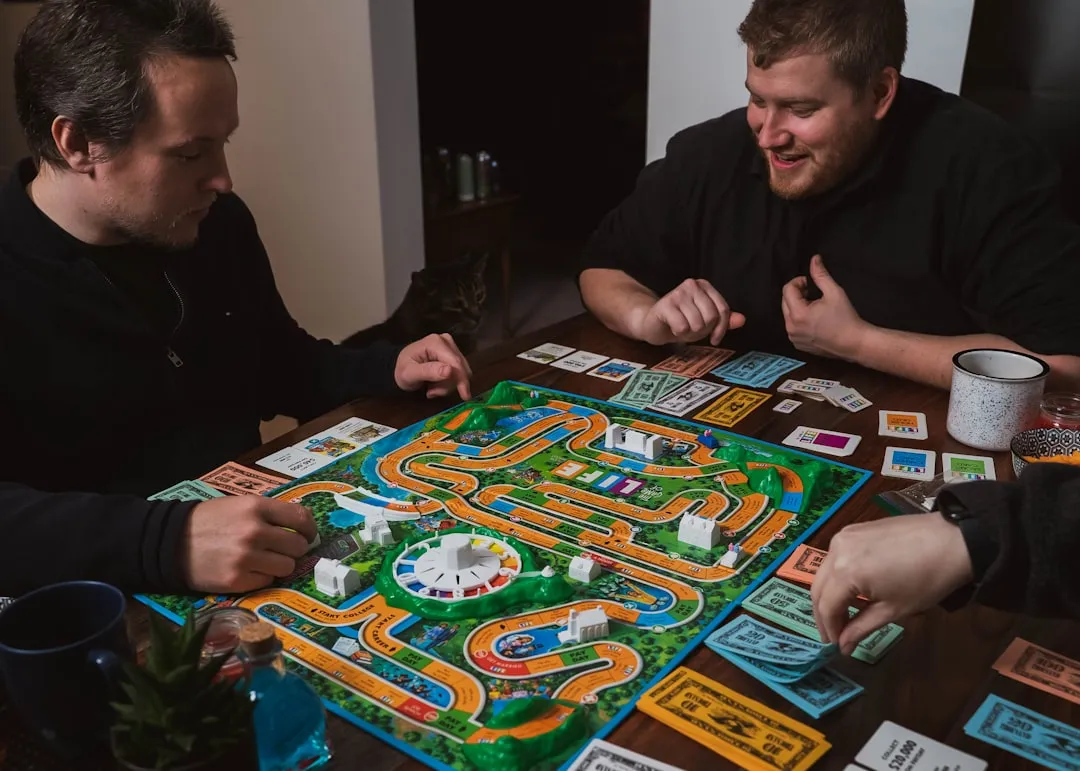
While it can be a challenge to add playing games to the mix of work, sports practices, homework, school, and other family commitments, there are creative ways to make time. Some ideas include playing a game right after dinner, scheduling dates in advance, playing games at birthday celebrations, or even working in a short game for just ten minutes.
Weekly players comprise roughly four in ten of the board gaming community, indicating strong retention and regular engagement once the habit forms. The first game night requires some deliberate effort. The second one tends to schedule itself. Our busy lifestyles often leave us feeling stressed and overwhelmed, but setting aside one night for family board games is a proven way to decompress after a long work week while enjoying genuine time with family.
The Verdict: Yes, It Is Time

The evidence doesn’t make a gentle suggestion. It makes a fairly consistent case. Screen overuse is measurably damaging children’s mental health. Face-to-face play is measurably improving cognition, emotional regulation, vocabulary, and family cohesion. The board game industry’s sustained growth reflects that millions of households are already redrawing the line between passive consumption and active, shared engagement.
Game night doesn’t require a perfect evening, a large space, or expensive titles. It requires a surface, some willing people, and the decision to show up at the same table. The research does the rest of the persuading. The only remaining question is which game goes in the middle of the table first.
AI Disclaimer: This article was created with the assistance of AI tools and reviewed by a human editor.