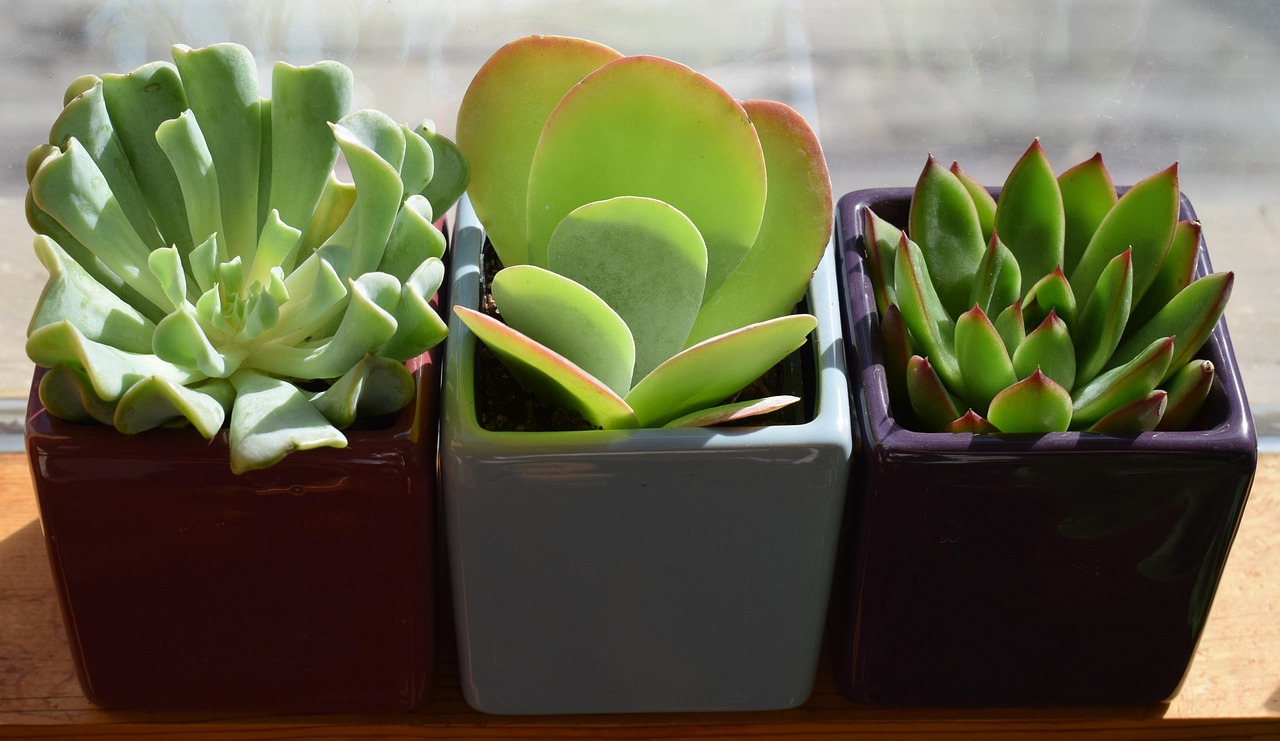

There’s something quietly satisfying about watching an old trend come back around. Not in a nostalgic, reaching-for-the-past way, but in the sense that something genuinely good was overlooked, and people are finally remembering why it worked. That’s exactly what’s happening right now with houseplants.
The global indoor plant market was valued at approximately $20 to 21 billion in 2025. According to the 2026 Garden Trends Report, houseplants are undergoing a renaissance, no longer serving as background décor but as significant identity statements tied to character and lifestyle. Within that broader revival, a specific category is gaining particular momentum: the retro classics that filled our grandparents’ windowsills and our childhood living rooms. Indoors, retro classics are making a comeback, while interest in funky, hard-to-find varieties continues beyond collectors.
The common factor shared by the comeback of the 1970s classics is that they are hardy and easy-care. Drama queens are out. Easy is in. This same trend was predicted for 2024 and is expected to grow stronger going into 2025 and beyond. Here are the six retro houseplants leading that charge.
1. Spider Plant (Chlorophytum comosum)
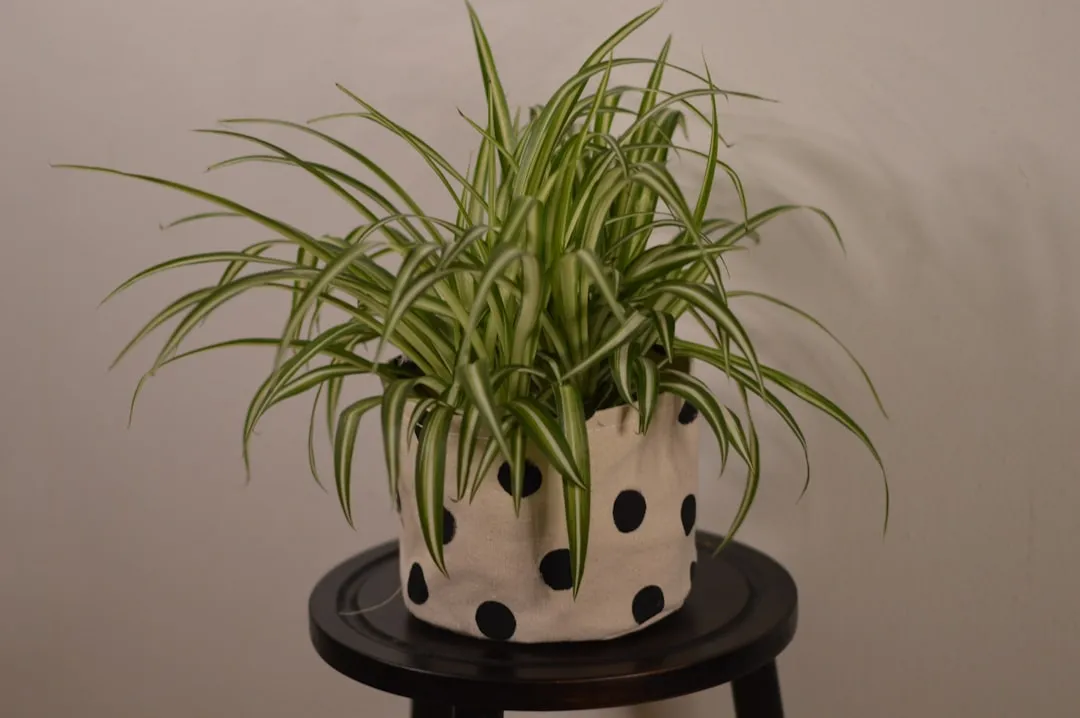
The spider plant was everywhere in the 1970s and 1980s, dangling from macrame hangers in living rooms across the country. Spider plants are showing up again in macrame hanging planters for a totally retro feel. The appeal is almost too obvious once you understand what the plant actually does for a space.
The spider plant tops ease-of-care lists for its adaptability and charm. With its cascading hanging basket style and ability to thrive in indirect sunlight, it’s nearly impossible to kill, and it’s a master air purifier that is also non-toxic to pets.
People are asking for classic plants like the spider plant, maranta, begonias, snake plants, and ferns, reconnecting with popular houseplants of years past. A spider plant is widely considered pet-friendly, and many households find it a safe and beautiful addition. For households with animals or young children, that combination of tolerant care needs and non-toxicity is genuinely hard to beat.
2. Pothos (Epipremnum aureum)
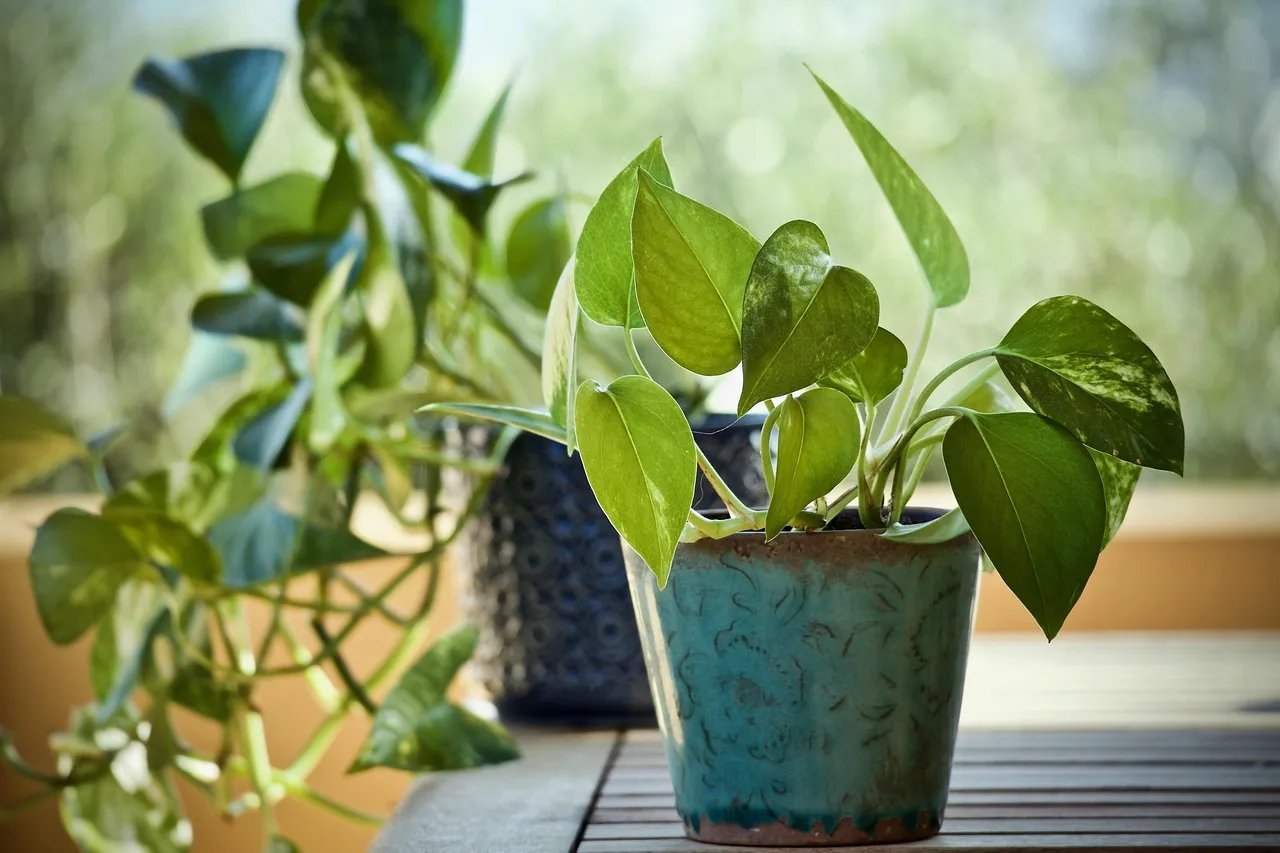
Pothos, also known as devil’s ivy, has been a household staple for decades. It fell out of the spotlight briefly as more exotic specimens took over social media feeds, but it never really disappeared. Pothos is one throwback plant that’s going nowhere. Sales of pothos increased 45 times in just five years, according to Freddie Blackett of Patch Plants, an online plant retailer in the UK.
Known as “devil’s ivy” for its nearly indestructible nature, pothos are a great plant for beginners due to their ease of care. Capable of growing in a wide range of lighting conditions from low light to bright indirect light, pothos are vining plants that grow rapidly, reaching 6 to 10 feet, and look striking when allowed to trail from high shelves or hanging baskets.
Able to be easily propagated in water, pothos come in a wide range of colors and variegation patterns which can add interest to any collection. Popular varieties include ‘Marble Queen,’ ‘Jade,’ and ‘Neon’ pothos, which means there’s plenty of visual variety even within this single, reliable species.
3. Snake Plant (Sansevieria)
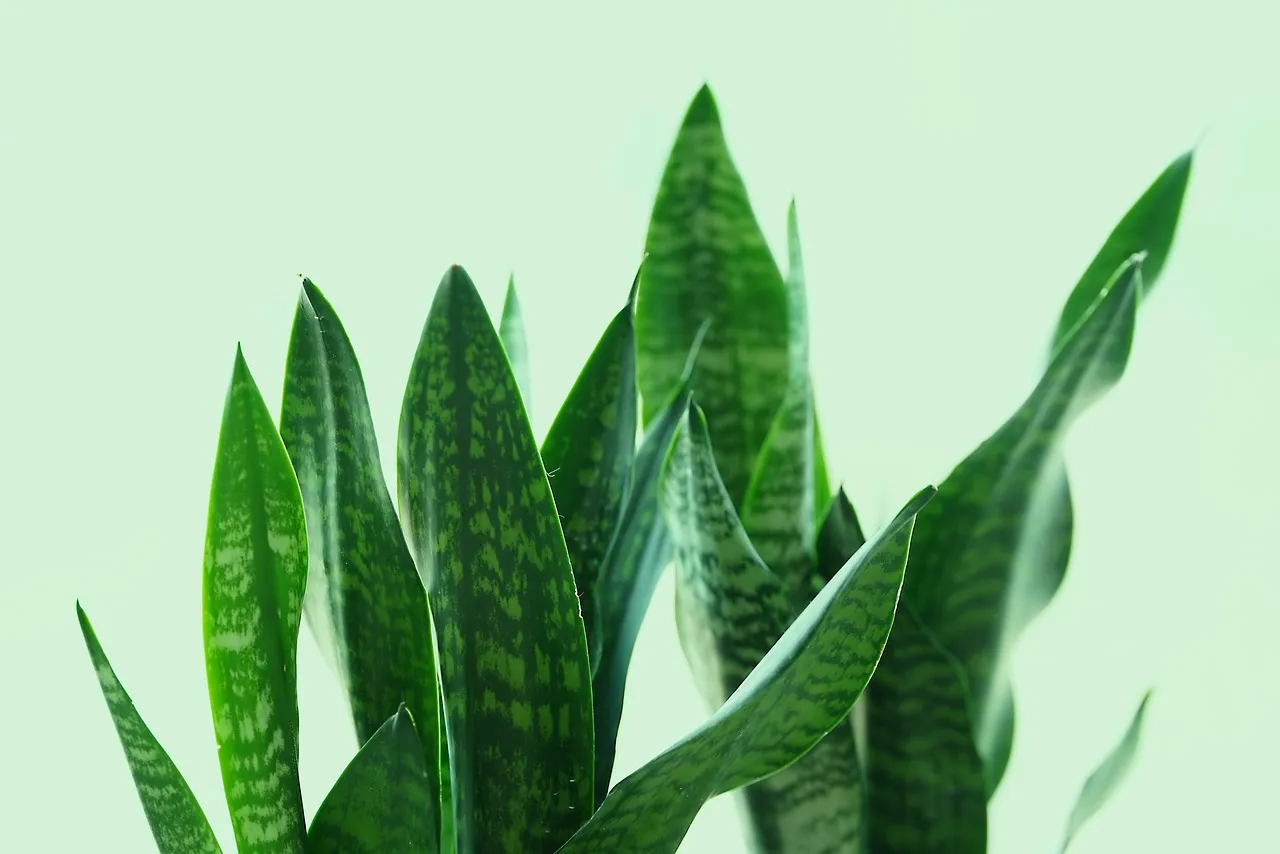
The snake plant, sometimes called mother-in-law’s tongue, has one of the most recognizable silhouettes in the houseplant world. Its stiff, upright leaves and bold patterning made it an interior design go-to for decades, and it’s earning that reputation all over again. Current houseplant trends show a strong preference for plants that can adapt to varying indoor conditions, and species such as Sansevieria continue to perform well due to their low-maintenance requirements and resilience across varying temperatures and light levels.
Known as “Mother-in-Law’s Tongue,” the snake plant loves neglect. Its thick leaves store water, making it drought-tolerant and perfect for anyone who forgets to water regularly. Place it in low light or indirect sun, and watch it thrive with minimal effort.
The snake plant is a classic comeback plant, thanks to its air-purifying qualities and adaptability. It also fits neatly into the sculptural plant trend that’s been gaining ground in 2025 and 2026, where the emphasis is on shape and form rather than lush, leafy volume.
4. African Violet (Saintpaulia ionantha)
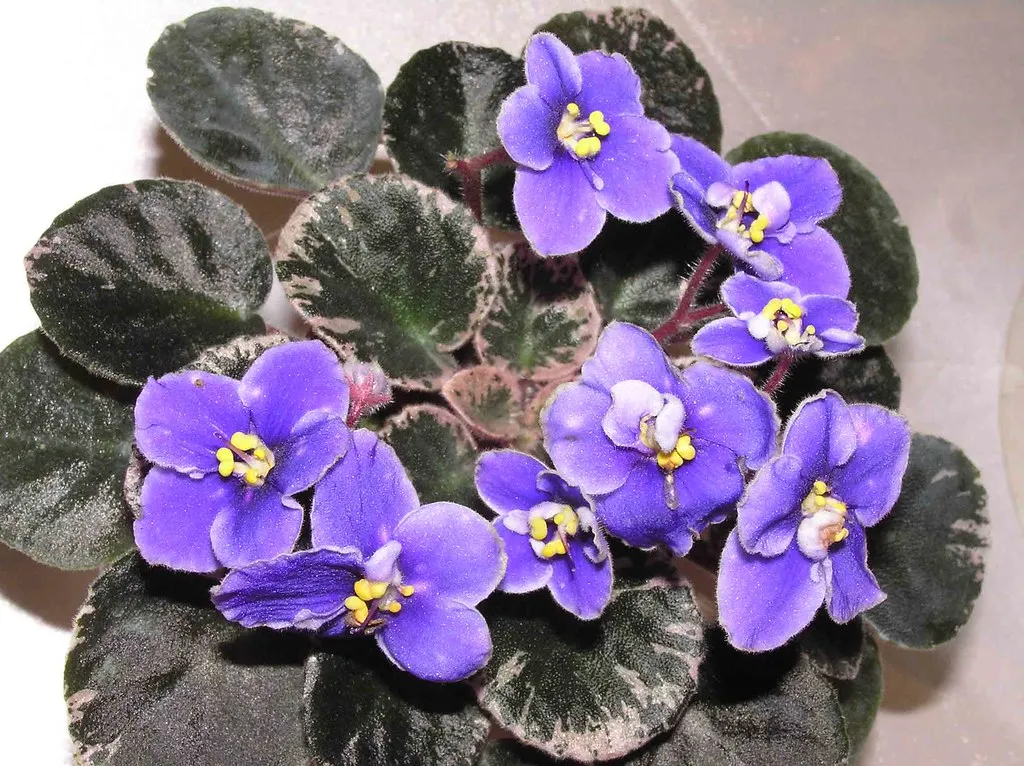
African violets occupied kitchen windowsills and bathroom ledges for much of the 20th century. Their small footprint and cheerful blooms made them practical in a way that many flowering houseplants simply aren’t. Many houseplants that might seem old-fashioned are coming back into fashion, including African violets, which were the National Garden Bureau’s pick for their houseplant of the year for 2024.
African violets are often associated with representing beauty and elegance, thanks to their delicate blooms that sit on top of soft, velvety foliage. They are fairly easy to care for, and you can actually get them to bloom at any point in the year.
Leaves are susceptible to rot and fungal spots if kept in high humidity, so water African violets from the bottom to avoid getting excess water on the foliage. African violets prefer bright, indirect light, and should be kept away from direct sunlight and at least a few feet away from bright south- or west-facing windows. Standard varieties are the classic, medium-sized option, while miniature varieties are tiny violets perfect for small spaces.
5. Rubber Plant (Ficus elastica)
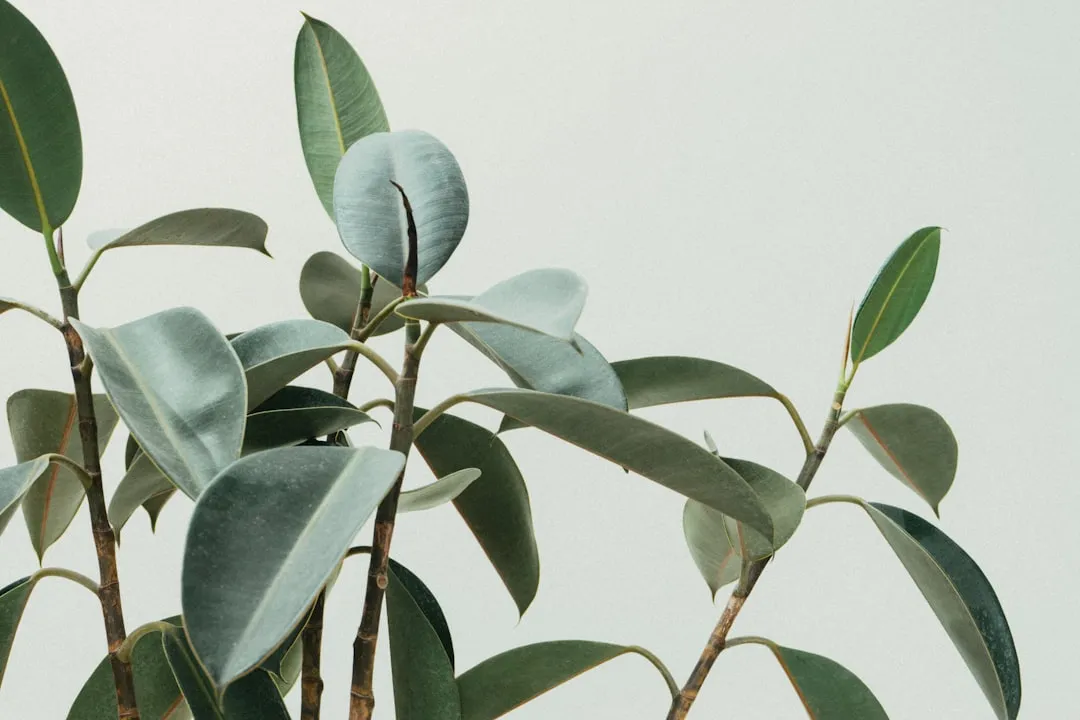
The rubber plant brings a certain architectural quality to a room that few other mid-size houseplants can match. Its broad, deep green leaves have a waxy, almost polished look, and it can grow impressively tall over time. The rubber tree is one of the retro plants that deserves another look, and it was among easyplant’s 2024 picks.
A rubber plant has leathery leaves and holds its form in bright light or bright indirect light, provided the soil drains well. Statement plants like Monstera deliciosa, rubber plants, and select alocasias continue to be popular in US homes, especially in bright spaces where bold foliage can stand out.
The rubber plant is often thought to represent wisdom and order, standing tall with its robust foliage. With the rubber tree, you’ll spend more time admiring its beauty than fussing over care. That ease, combined with its genuinely sculptural presence, is why it’s finding its way back into contemporary interiors with real staying power.
6. Boston Fern (Nephrolepis exaltata)
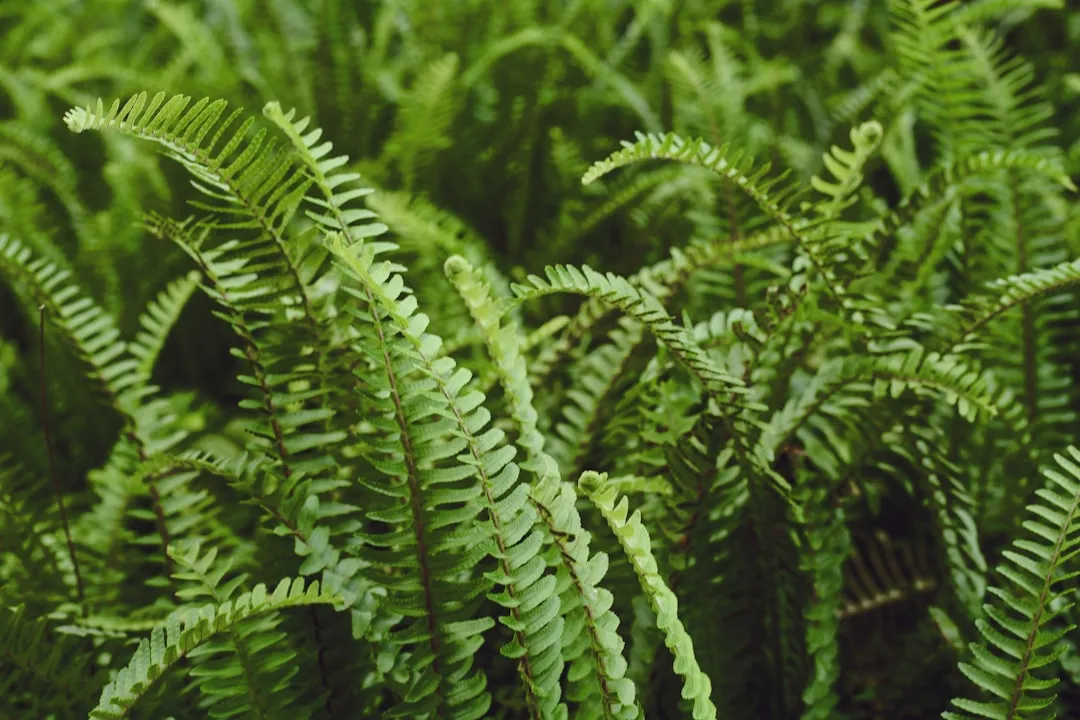
The Boston fern has had multiple lives. This is not the first comeback for Boston ferns, which were hugely popular in the Victorian era and then experienced a revival in the 1920s. These lush, classic ferns are back, rising on the wings of the dramatic maximalism that defined earlier decades of interior design.
Scientifically called Nephrolepis exaltata, the Boston fern is a graceful and lush houseplant that brings a touch of the outdoors indoors. Its delicate, feathery fronds create a sense of tranquility and add a touch of green in indoor spaces. This plant is known for its sword-shaped fronds, which make it perfect for a hanging basket or pedestal. Beyond its beauty, it is a natural air purifier, effectively removing toxins like formaldehyde and xylene from the air.
Tropical Boston ferns need a room temperature between 60 to 70 degrees Fahrenheit and humidity, so experts recommend they be placed near a water source, such as in a bathroom or kitchen. The Boston fern is considered one of the most efficient air purifiers and has been a popular indoor plant since the Victorian era. The combination of air quality benefits and lush visual impact is, frankly, hard to argue with.
Why the Retro Revival Is More Than Just Nostalgia
Plant shoppers are searching for more manageable and easy-to-care-for plants. After years of chasing rare varieties and paying high price tags, plant shopping is going back to the basics. This shift is grounded in something real. People accumulated complex collections during the pandemic years and are now scaling back to plants that genuinely fit their routines.
The Axiom 2026 Gardening Outlook Study revealed that nearly half of consumers spent more money gardening in 2025 compared to 2024, with a record number of respondents indicating they plan to expand their gardens and plant more in 2026. A 2025 Plants and Flowers Foundation Holland study found that roughly half of adults believe real houseplants enhance their wellbeing.
It’s less about collecting as many plants as possible and more about choosing the ones that make the home feel calmer and more connected. The retro classics fit that mindset perfectly. They’re not demanding, they’re familiar, and they work. Sometimes that’s genuinely enough.
The Monstera Deliciosa: The Retro Statement Plant
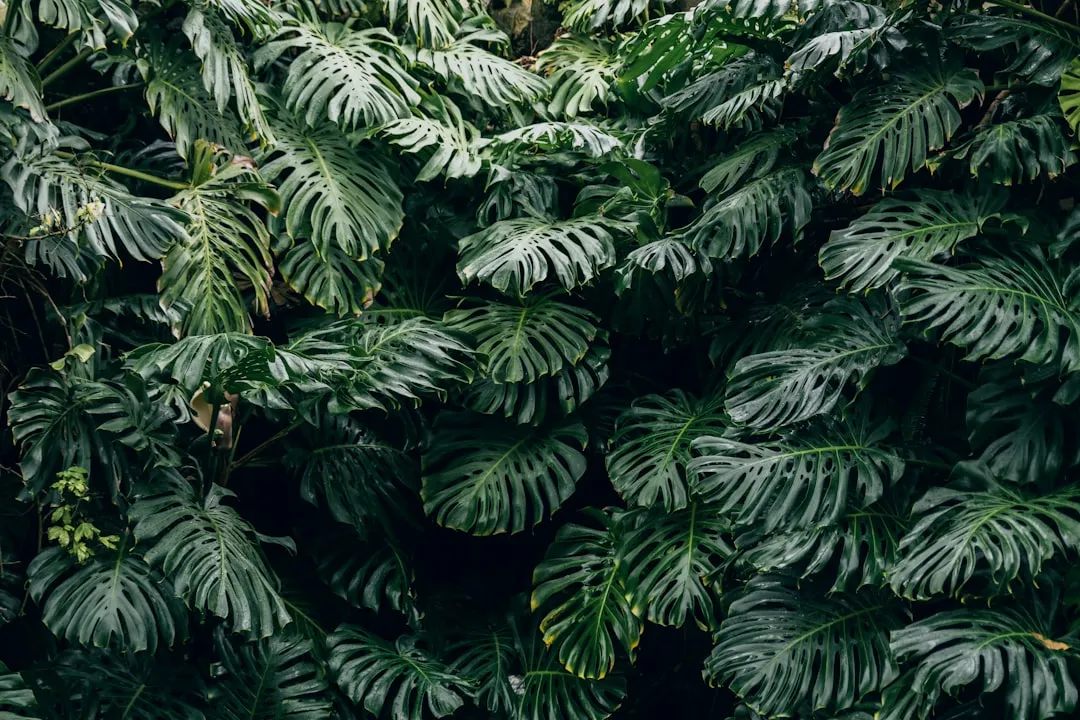
If one plant bridges the gap between retro and contemporary, it’s the Monstera deliciosa. This large plant was a fixture of mid-century modern decorating, and the lofty ceilings and open floor plans popular today have allowed it to come back into vogue. Its distinctive perforated leaves have become one of the most recognizable shapes in modern interior design.
Research suggests that Monstera deliciosa can help filter certain airborne toxins from indoor environments. The plant absorbs carbon dioxide and releases oxygen through photosynthesis, which improves overall air quality in enclosed spaces.
In addition to its unique appearance, the Monstera deliciosa is surprisingly low-maintenance. It thrives in bright, indirect light and requires only regular watering to keep the soil lightly moist. It’s the kind of plant that looks intentional without demanding much attention, which is precisely what 2026’s plant parent wants.
Dracaena: The Office Classic That Belongs Back at Home
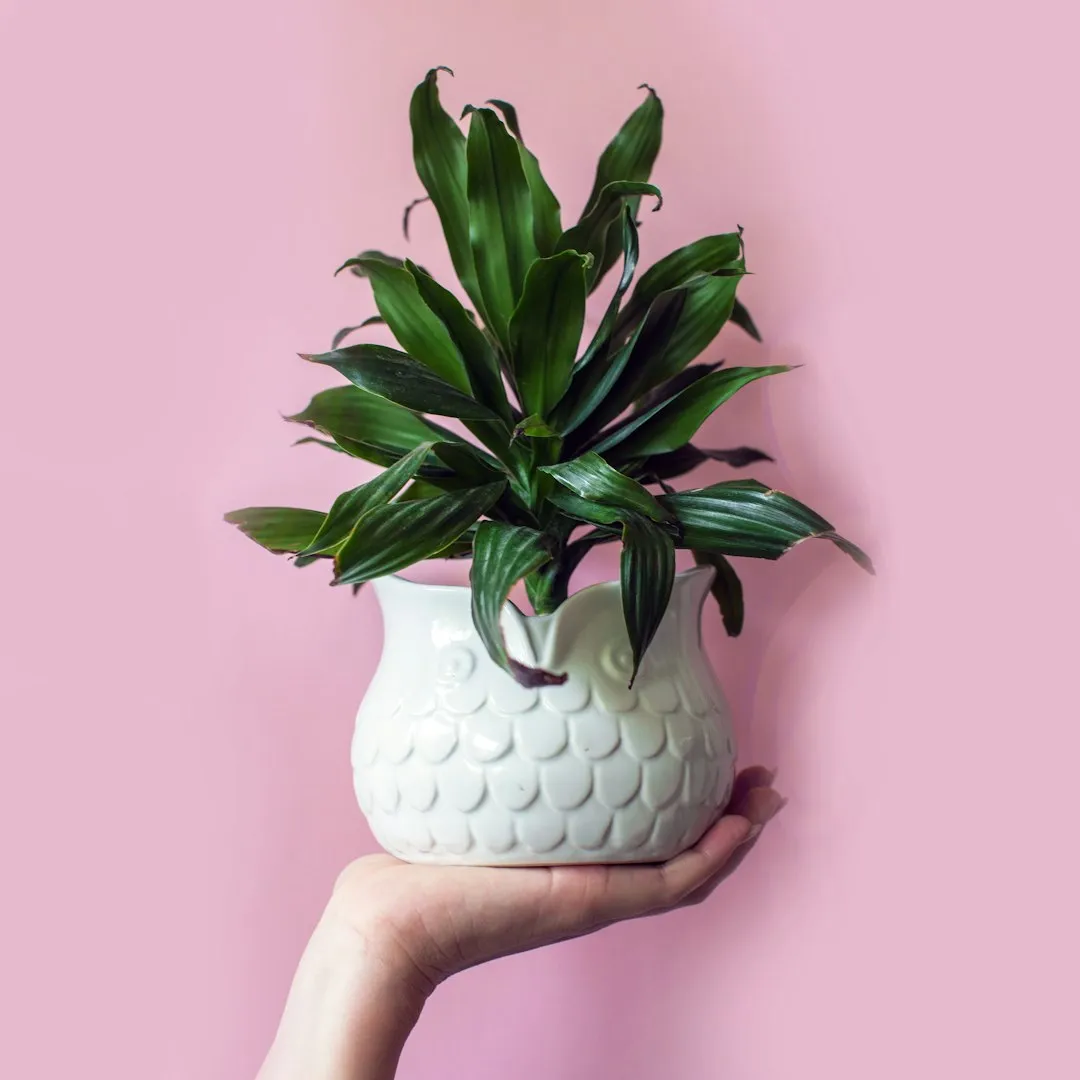
Dracaena spent years as the default plant in office lobbies and waiting rooms, which probably did it no favors in terms of perceived excitement. Dracaena Janet Craig is an older variety that is having a comeback. It is known for its elegant, dark green leaves and air-purifying properties, making it a low-maintenance option that adds a touch of elegance to any room or indoor space.
The plant is renowned for its air-purifying properties, removing harmful toxins such as formaldehyde, benzene, and trichloroethylene, making it an attractive choice for environmentally conscious consumers. Dracaena is considered lucky in Chinese culture, adding cultural appeal to its already impressive characteristics, and these factors combine to make it a top-trending houseplant for 2026.
Bloggers highlight Dracaena’s versatility across aesthetic styles, from elegant and minimalist to bold and dramatic. Its dark green, glossy leaves and distinctive shape make it a statement piece in any interior design. It’s a plant that has genuinely earned its second chapter in domestic spaces.
How to Style Retro Houseplants in a Modern Home
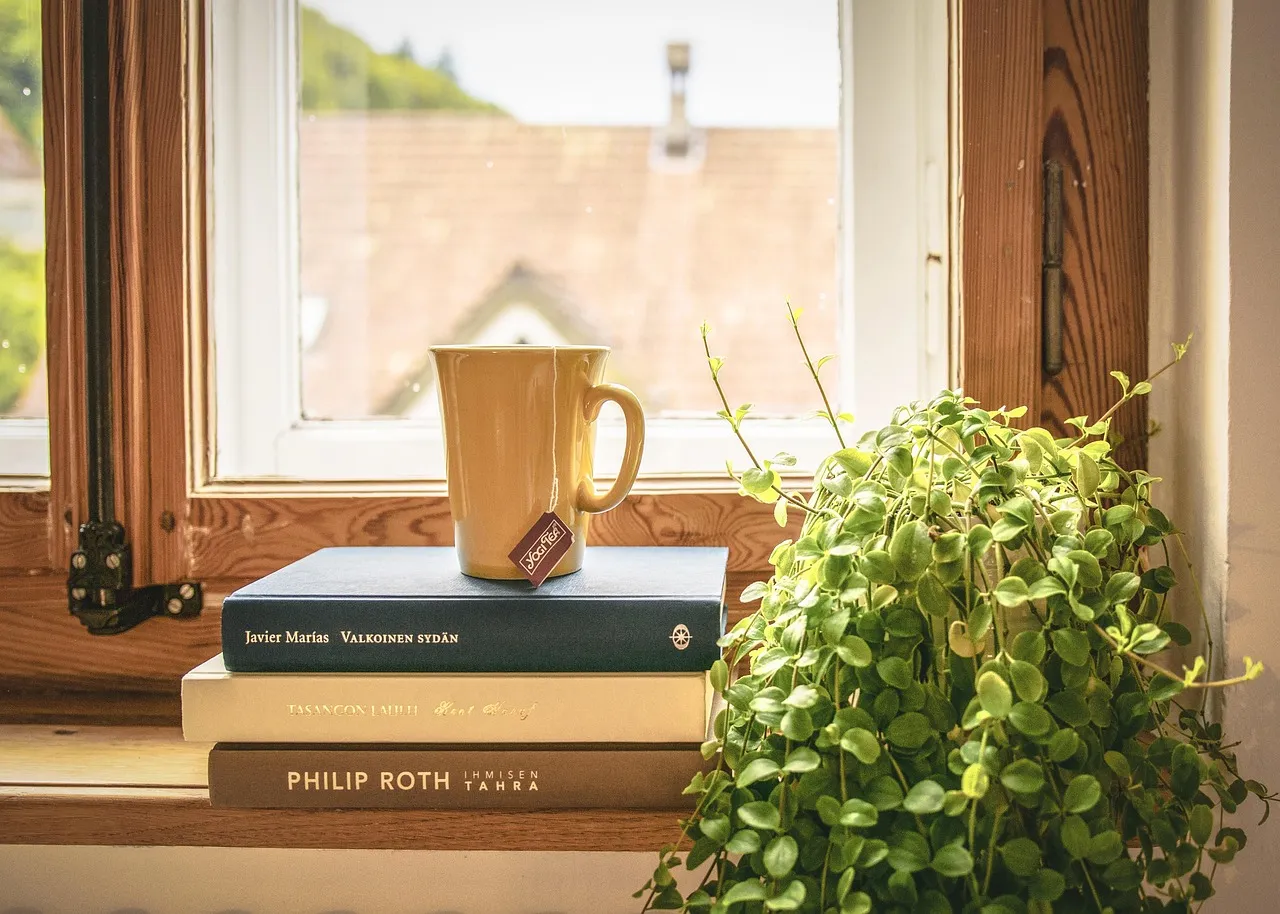
These classic and easy-to-care-for plants add a nostalgic touch to contemporary interiors, evoking a sense of familiarity for those who grew up with these green companions in their homes. The key is pairing the right plant with the right display rather than simply placing something in a corner and calling it done.
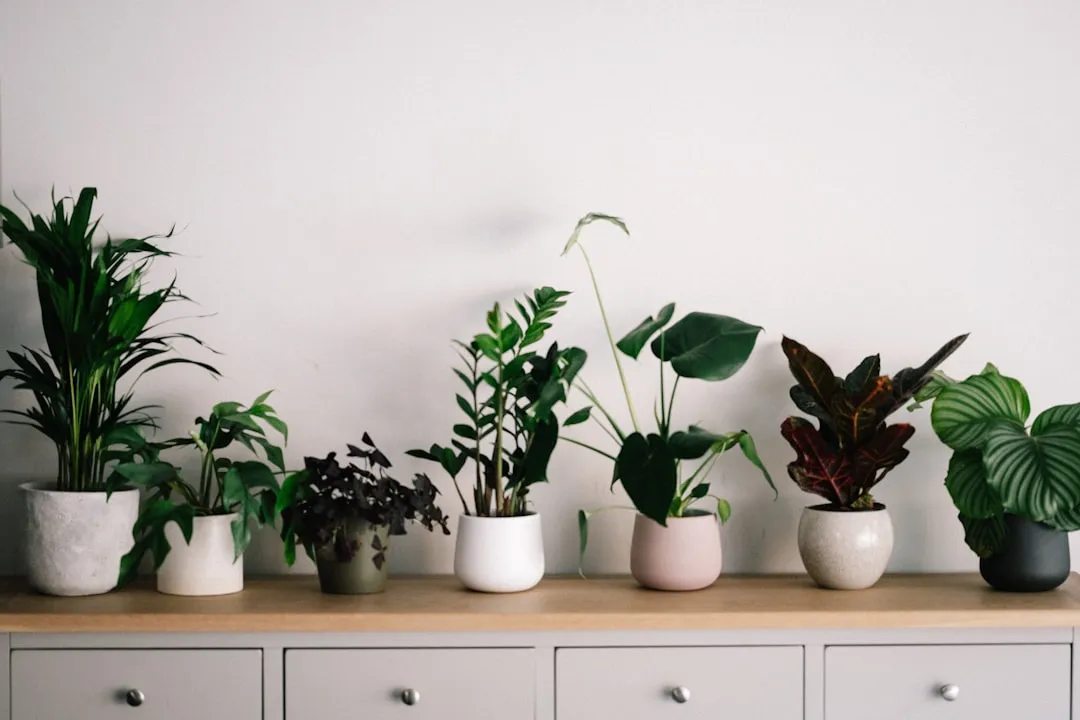
To achieve a cozy and curated plant aesthetic, utilize a variety of plant sizes, growth habits, and textures. Ensure you add a tall tree like a ficus or dracaena for height, trailing plants like pothos to shelves, and don’t forget tabletop options like the colorful calathea or textured begonia.
Overall, houseplant trends for 2026 are defined by adaptability, sustainability, and visual character, rather than novelty alone. Mixing a Boston fern in a hanging basket with a sculptural snake plant on the floor and a few pothos trailing from a bookshelf creates depth without needing to spend much or overthink it. The retro classics were designed for exactly that kind of effortless layering.
The Market Behind the Comeback

Google Trends data from 2020 through 2026 shows that search interest for “houseplants” peaked sharply during early lockdown periods in 2020 and gradually normalized through 2022 to 2024, stabilizing at levels above pre-pandemic baselines. January 2026 recorded a clear single-month spike in indexed search interest.
In 2026, the Garden Media Group’s 2026 Garden Trends Report found that roughly four in ten Gen Z consumers now identify as plant collectors rather than casual owners, while Gen Y and Gen Z spent significantly more time gardening in 2025 compared to Gen X. Online platforms are expected to grow at a compound annual growth rate of more than ten percent through 2031, significantly faster than the overall market.
Corporate wellness programs, WELL and LEED certification targets, and the mainstreaming of biophilic design are pushing the indoor plants market beyond its traditional decorative role into a functional workplace and wellness investment. That shift in how we think about plants, less as décor and more as contributors to wellbeing, is exactly the kind of cultural framing that makes the durable, proven classics so relevant right now.
A Quiet Return Worth Paying Attention To
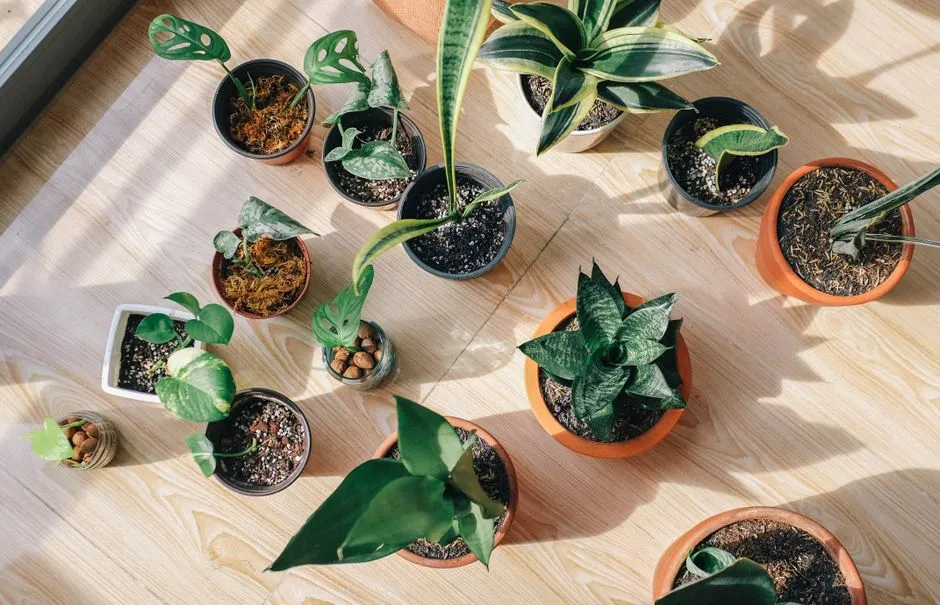
The retro houseplant revival isn’t a gimmick driven by social media nostalgia filters. It’s a genuine recalibration toward what works: plants that tolerate real life, improve indoor air quality, fit compact spaces, and hold their visual appeal across decades. 2026 is shaping up to be a year of intentional plant choices, with people gravitating toward houseplants that feel useful, nostalgic, and easy to live with.
The spider plant, pothos, snake plant, African violet, rubber plant, and Boston fern didn’t earn their status by accident. They earned it by being genuinely good at what they do. Plant trends tell a story about how people are living right now, finding small ways to slow down, reconnect, and bring life into their homes. If that story involves a spider plant hanging in a sunny window, there are far worse ways to tell it.
AI Disclaimer: This article was created with the assistance of AI tools and reviewed by a human editor.