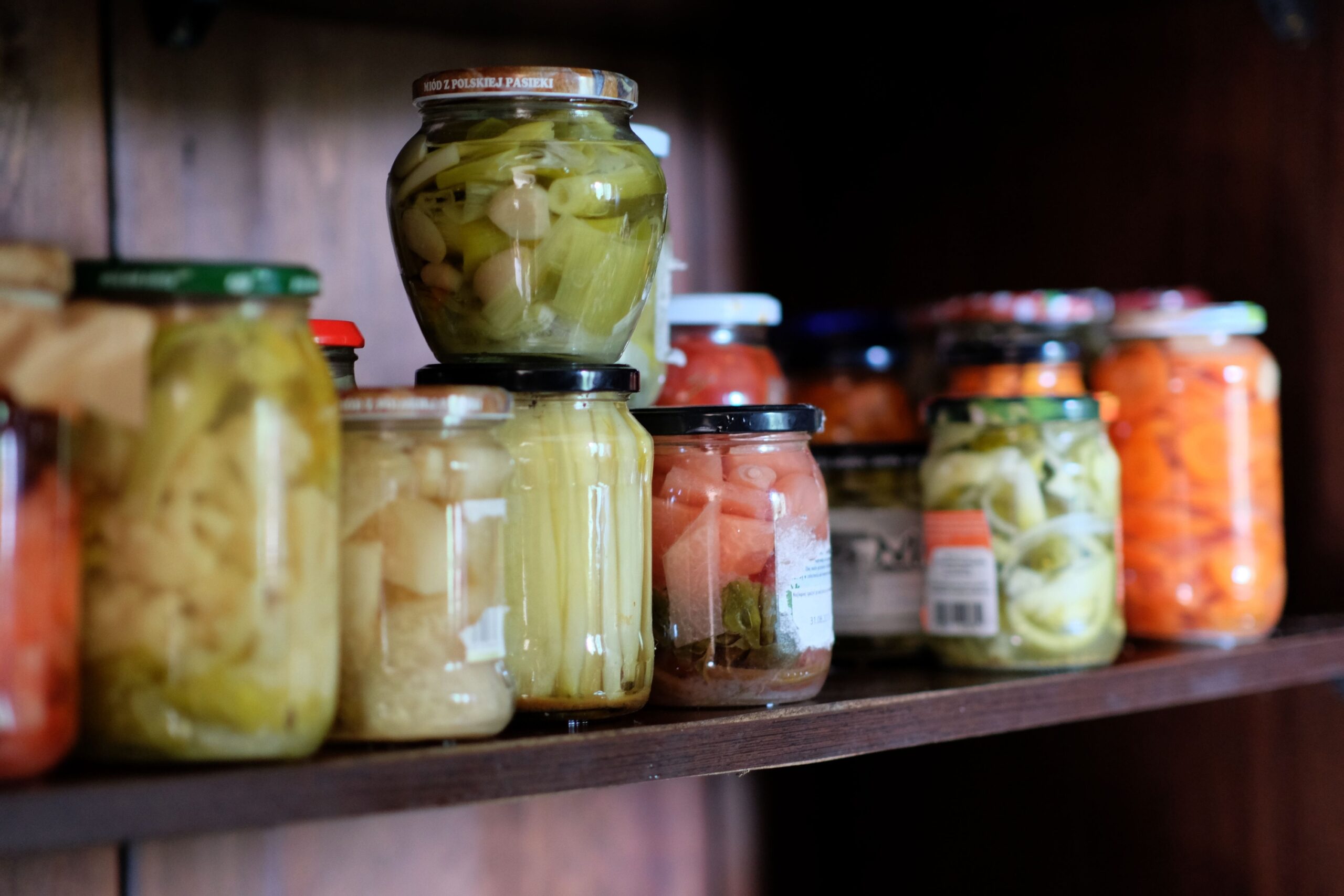

Something quiet has been happening in American kitchens over the past few years. People are pulling out old mason jars, dusting off pressure canners inherited from grandparents, and returning to a practice that most had assumed belonged to another era. Home canning, once a necessity of rural life and wartime thrift, is enjoying a genuine and well-documented resurgence – and it’s not just nostalgic homesteaders driving it.
The reasons people are turning to canning in 2026 are practical, health-driven, and financial. From suburban millennials to urban apartment dwellers, a growing wave of people want more control over what’s in their food, less waste in their kitchens, and a little more independence from the grocery store. Here’s what’s fueling this comeback – and how you can get started yourself.
The Numbers Don’t Lie: Canning Is Genuinely Growing
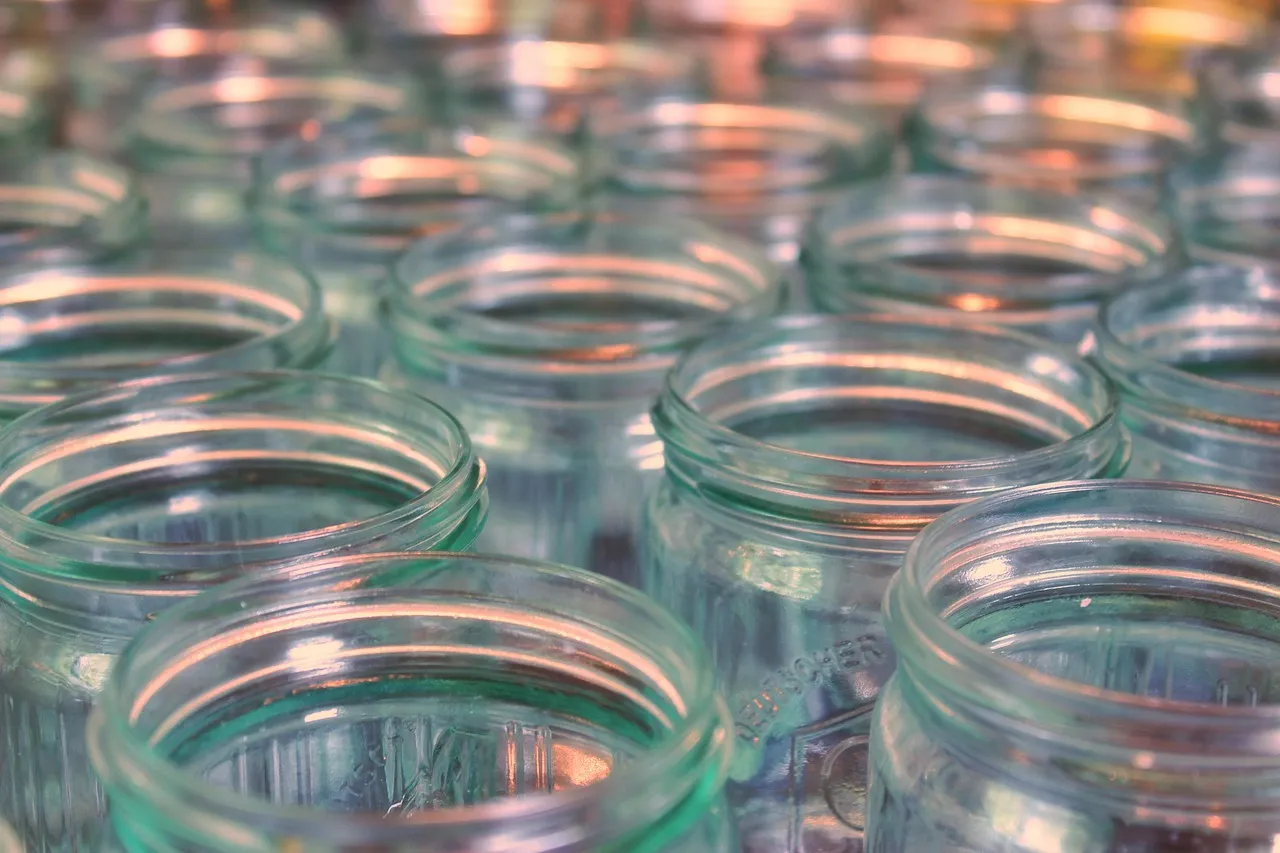
The global canned food market stood at USD 122.72 billion in 2024 and is forecast to expand to approximately USD 181.66 billion by 2034, at a compound annual growth rate of 4% during the forecast period. That’s not a modest bump. That’s a market doubling in size within a generation.
The demand for canned foods in the USA alone is valued at USD 6.9 billion in 2025 and is forecast to reach USD 10.5 billion by 2035, reflecting a compound annual growth rate of 4.3%. Beyond commercial canning, the home preservation side of this story is equally striking. The global canning jar market was valued at 4.2 billion dollars in 2025 and is projected to reach 6.8 billion dollars by 2034, advancing at a compound annual growth rate of 5.5% over the forecast period.
The overall market size for mason jars and canning supplies was USD 29,162 million in 2025, and is expected to reach USD 45,182 million in 2035. People are buying jars. Lots of them.
Why Young People Are Driving This Revival
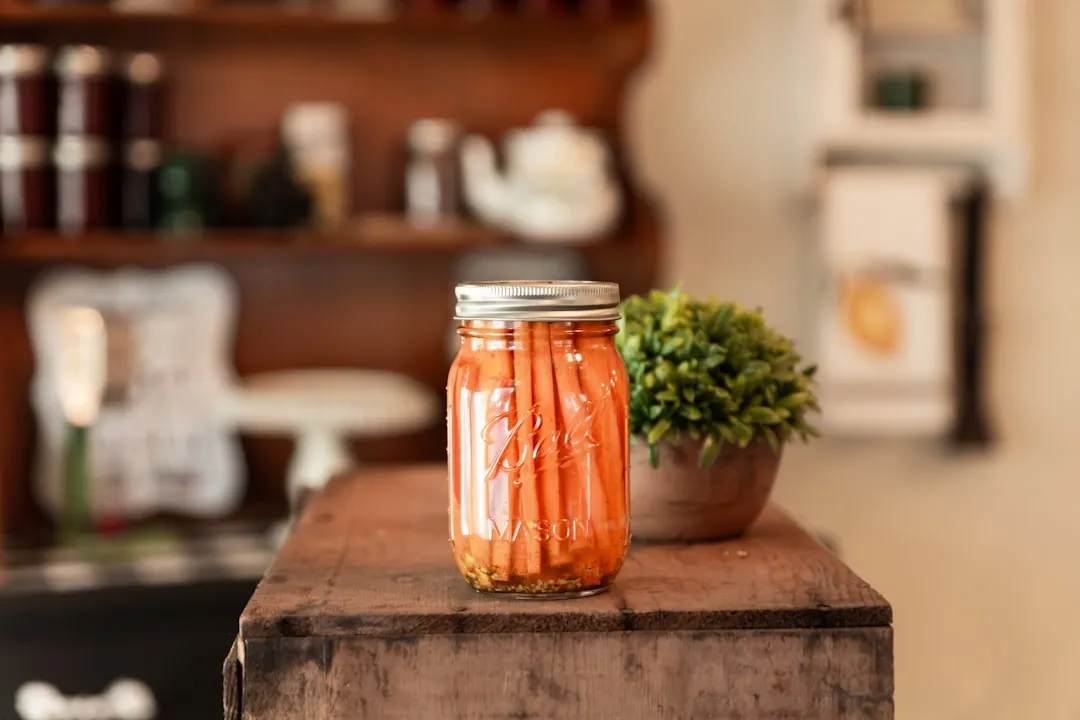
There has been a recent noticeable resurgence in home canning. This renewed interest is particularly strong among individuals who have never tried canning but want to gain self-sufficiency skills and control over their food supply. From young urbanites to rural families, people across the United States are turning to this traditional practice.
For many years, the age demographic of the home canning audience had been skewing older, and it seemed the practice might be fading. The curve has swung back considerably, though, as younger people rallied to revive home canning. A quick look at social media shows that today’s canners come from diverse backgrounds – millennials, families with young children, and sustainability enthusiasts.
The hashtag #canning has over 960 million views on TikTok, and images of jars filled with colorful foods are widespread on Instagram. That kind of reach doesn’t happen by accident. It signals a real cultural shift, not just a passing trend.
The Pandemic Lit the Spark – But It Kept Burning
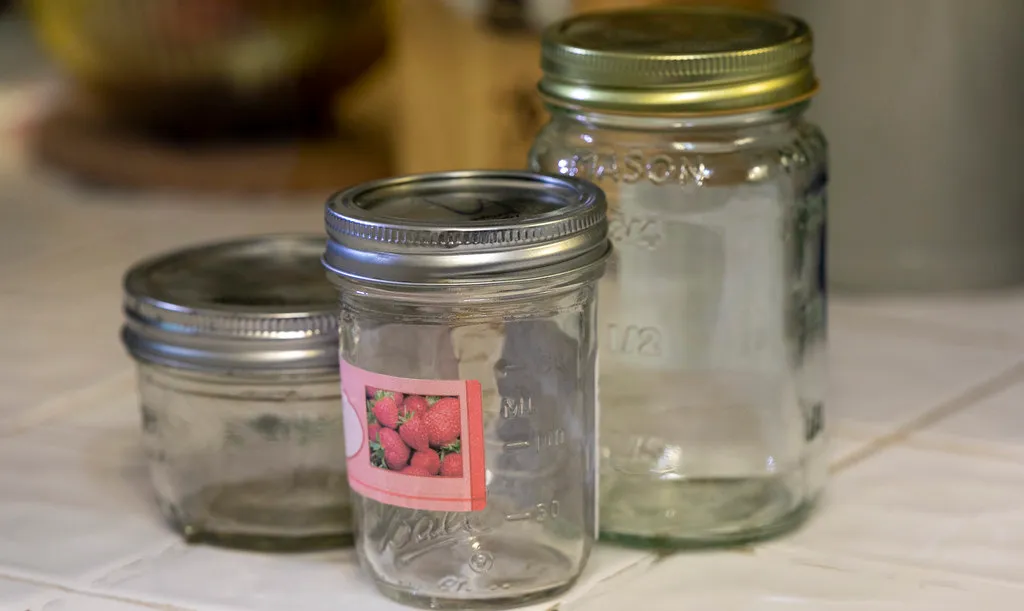
Like many cooking trends, canning saw a significant rise in popularity during the COVID pandemic. In 2020, sales for pressure cookers commonly used in at-home canning spiked. People were stuck at home, anxious about supply chains, and suddenly interested in knowing where their food came from.
Even after the lockdown ended and Americans returned to work, the practice continued to gain popularity. Jenna Smith, a nutrition and wellness educator for the University of Illinois Extension, said she taught more food preservation classes in 2023 than ever before. That detail matters. It tells you this isn’t just a pandemic panic response.
The trend has continued even as the pandemic has waned, driven by a growing interest in self-sufficiency, reducing food waste, and a desire for healthier, additive-free food. The motivations evolved, but the momentum stayed.
It Can Actually Save You Real Money
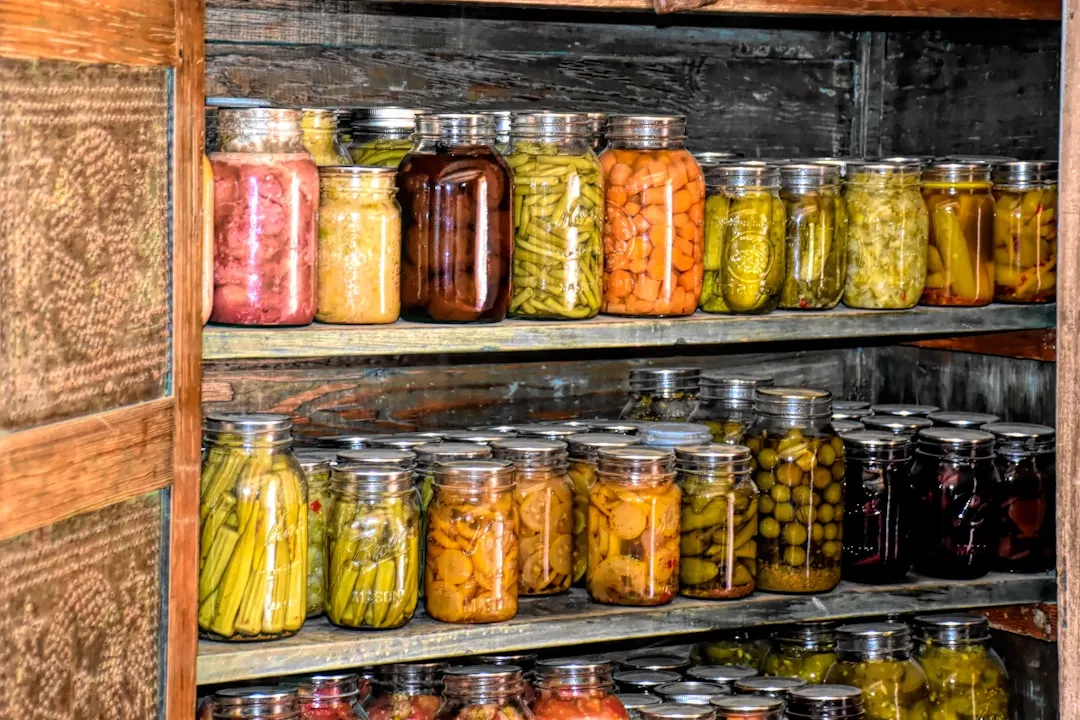
One of the most compelling arguments for canning is financial. Cutting food waste through canning alone saves an average U.S. household over $2,000 annually. By preventing premature decay and enabling long-term storage, canning plays a vital role in minimizing food loss at both the household and commercial levels.
Home canning requires upfront investment in jars and equipment, but it significantly reduces the per-unit cost of fruits and vegetables compared to buying canned goods at the store – especially when produce is bought in bulk or grown at home. For example, canning home-grown tomatoes produces a quart of tomato sauce for about $2.56, compared to $7 to $9 for a name-brand sauce at the market.
While the initial cost to start canning can range from $100 to $250, this small expense can save you thousands of dollars in a single year. That upfront cost shrinks further because you make an initial investment in supplies, but after that you can reuse the jars over and over, driving costs down and minimizing storage container waste.
The Two Core Methods You Need to Understand
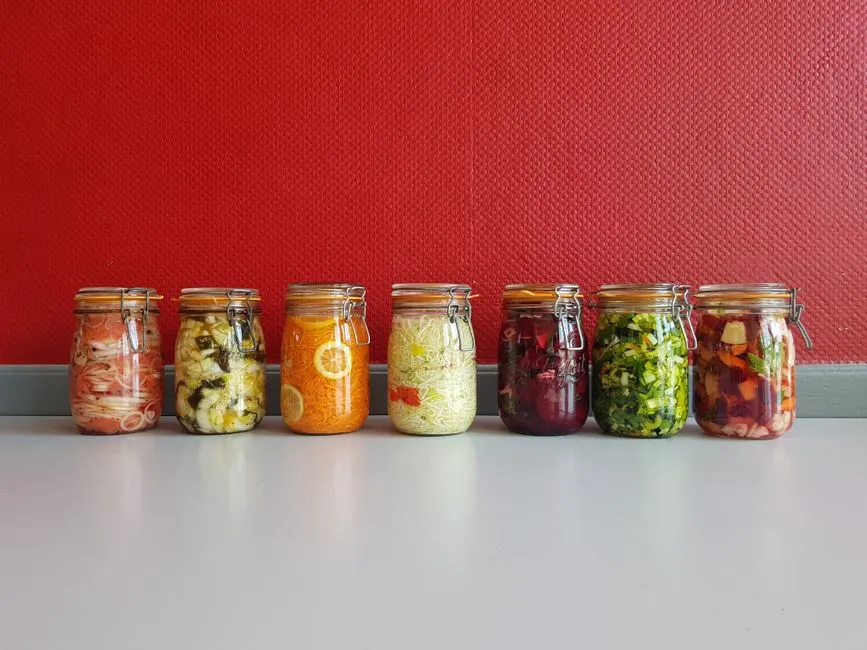
Home canning isn’t one single technique. There are two distinct methods, and knowing the difference isn’t optional – it’s a safety matter. Water bath canning is only for produce that is high in acid, such as tomatoes, berries, and pickles. It helps preserve food without high pressure.
Pressure canning is the only safe method of preserving low-acid foods at high temperatures. Low-acid foods include vegetables, meats, beans, and soup. It requires a pressure canner and canning kit equipment. These are not interchangeable. Using the wrong method for the wrong food creates real risk.
The bacterium Clostridium botulinum, which causes botulism food poisoning, is destroyed in low-acid foods when they are processed at the correct time and temperature in pressure canners. You should never use a boiling water or steam canner for low-acid foods, because botulinum bacteria can survive this process. Knowing which method applies to your food is the single most important thing a new canner needs to learn.
Food Safety Is Serious – Don’t Skip the Science
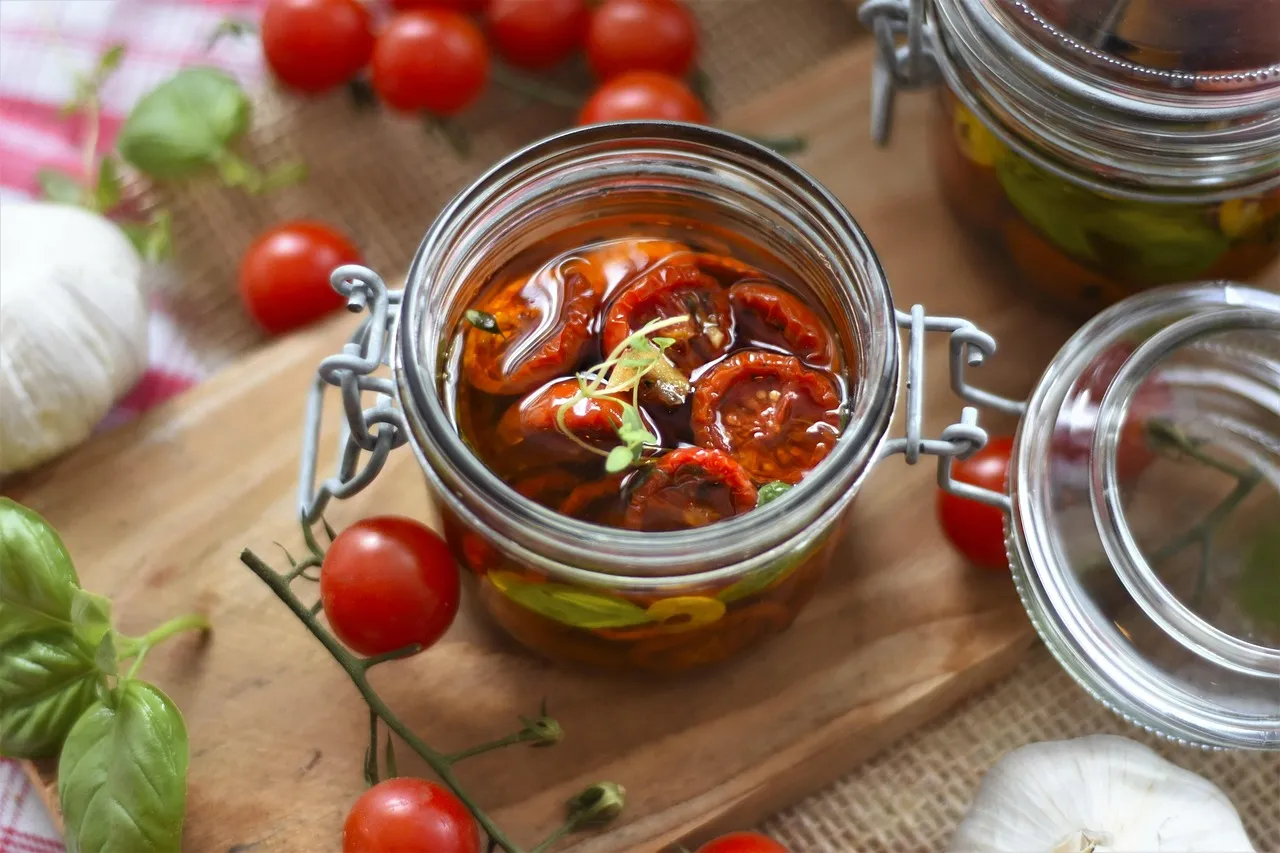
Canning is genuinely safe when done correctly. When done incorrectly, it can be genuinely dangerous. Common sources of foodborne botulism are homemade foods that have been improperly canned, preserved, or fermented. The good news is that this risk is entirely preventable with the right approach.
The best way to prevent foodborne botulism is by carefully following instructions for safe home canning. These instructions are found in the USDA Complete Guide to Home Canning. Use only recipes and cookbooks that follow the steps in the USDA guide. This isn’t bureaucratic caution – it’s backed by decades of lab-tested food science.
The current guidelines are maintained by the National Center for Home Food Preservation (NCHFP) at the University of Georgia, operating under a USDA cooperative agreement. Every tested recipe in the USDA guide represents laboratory-validated processing conditions. Following those recipes exactly, without improvisation, is the foundation of safe home canning.
Choosing Your First Equipment
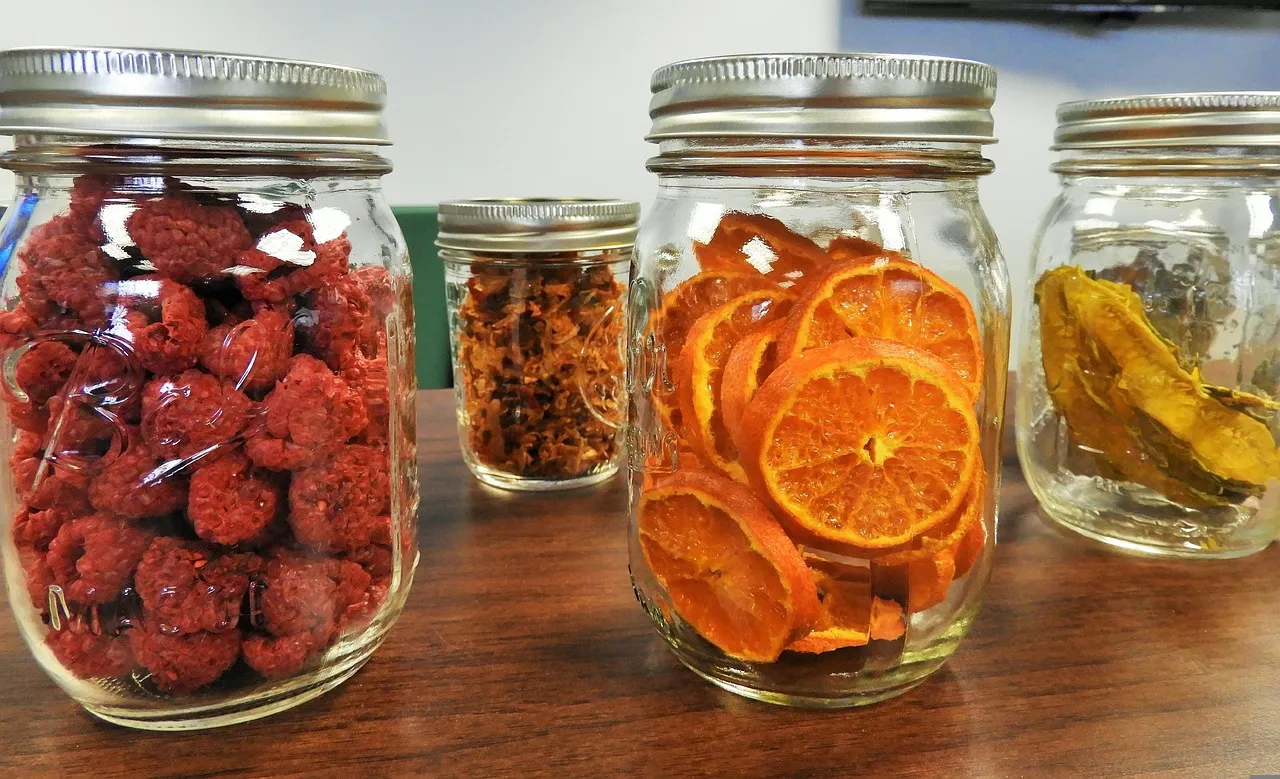
Getting set up doesn’t require a huge investment. To can foods you will need a boiling water canner, a pressure canner, canning jars, a timer, tongs, and a funnel. For beginners starting with high-acid foods like jams, pickles, and fruit, a simple water bath canner is enough to begin.
Use only jars manufactured specifically for home canning, such as Ball, Kerr, Weck, or equivalent brands. Commercial food jars – like those from mayonnaise, pasta sauce, or pickles – are not designed for repeated heating and cooling cycles and may crack during processing or fail to seal reliably. This is an easy mistake for beginners to make, and it’s worth being clear on.
Consumers are increasingly seeking high-quality, durable jars that offer both functionality and aesthetic appeal. This is evident in the growing popularity of premium brands and specialized jar designs, such as wide-mouth jars for easier filling and preserving larger food items. Starting with wide-mouth pint jars is a practical choice for most first-time canners.
What to Can First: Best Foods for Beginners
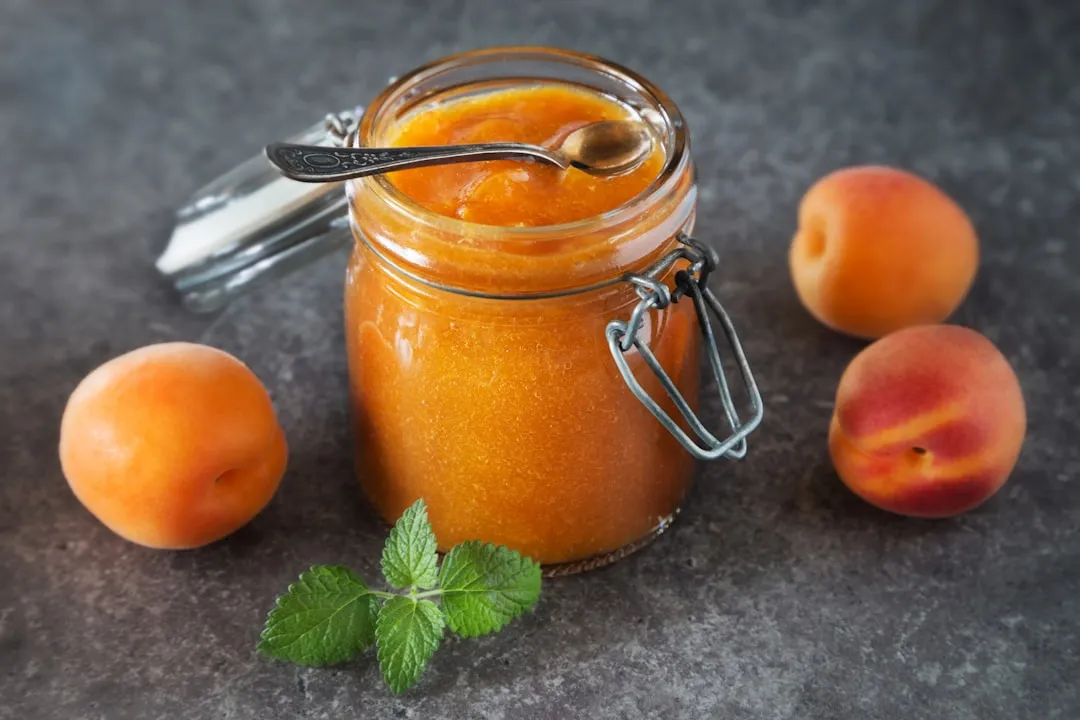
Not all foods are equally suited to a beginner’s first session. Starting with forgiving, high-acid foods keeps both the safety margin and the fun factor high. Jams, jellies, fruit butters, pickles, and salsa are natural starting points because they all fall within the water bath canning category.
Today’s canning enthusiasts explore canning to preserve the bounty from their home gardens or local farmers’ markets. They’re interested in canning fruits, vegetables, homemade jams, and even meats, which allows them to enjoy seasonal produce year-round while minimizing their reliance on store-bought goods.
Extension agents explain how to save money by purchasing in-season produce in bulk from local sources like farmers markets, co-ops, or directly from farms, where prices are lowest and quality is highest. Buying a flat of peaches or a bushel of tomatoes at peak season, then preserving them, is the core rhythm of practical home canning.
The Sustainability Angle Is Very Real
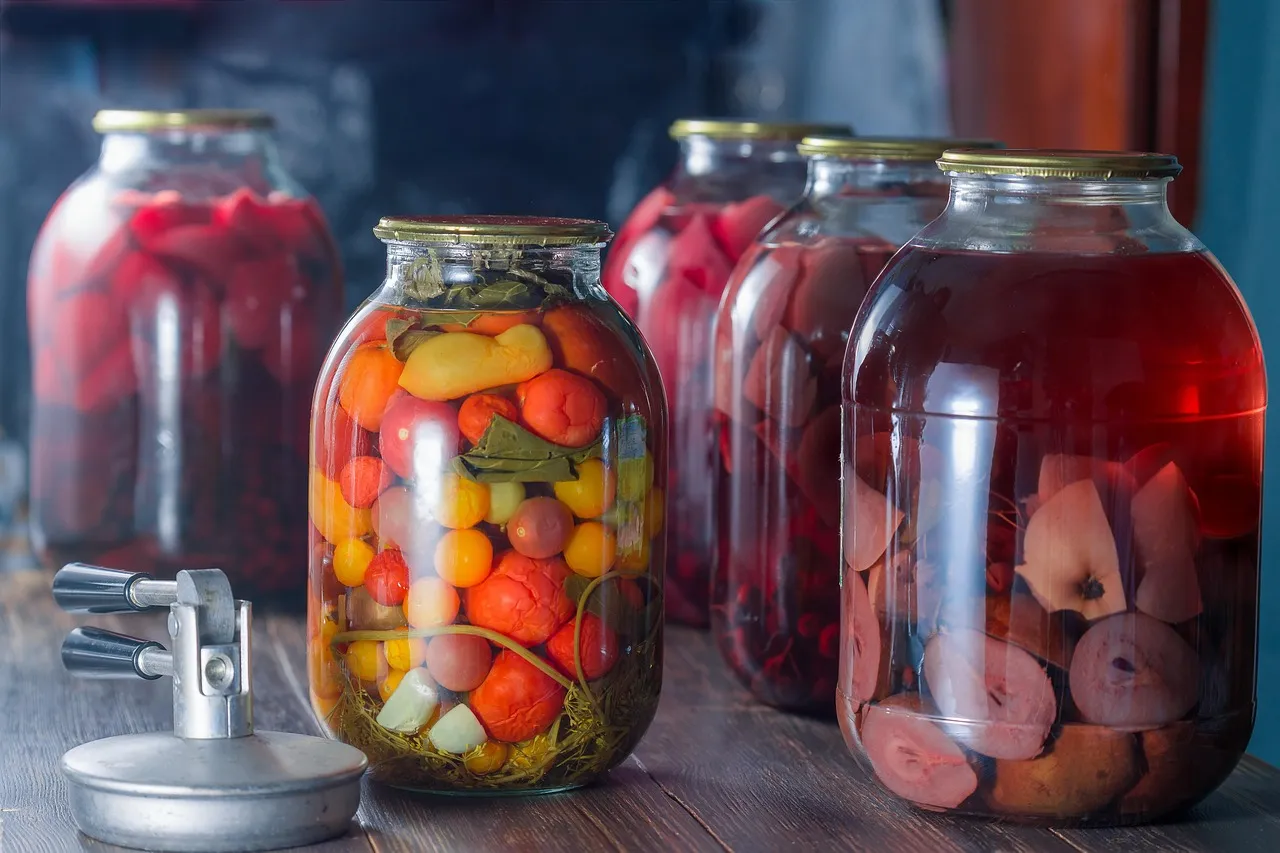
The resurgence of home canning and preserving, fueled by a growing interest in sustainable living and self-sufficiency, is a major trend. For many new canners, this is the primary draw – a meaningful way to reduce packaging waste, cut food miles, and extend seasonal produce without relying on additives or plastics.
Glass canning jars have a recycling rate of approximately 73% in the EU and 31.3% in the U.S. as of 2024, and are perceived by both regulators and consumers as a superior environmental choice relative to plastic alternatives. Reusing the same glass jars season after season pushes that sustainability case even further.
The market is also witnessing a surge in the development of healthier canned food options, including organic, low-sodium, and preservative-free varieties. Home canning already delivers exactly these qualities by default – you choose the ingredients, the salt level, and what goes in the jar. There are no hidden additives because you put nothing hidden in.
Where to Find Reliable Guidance and Community
The good news for new canners is that the learning resources available today far exceed what previous generations had access to. The National Center for Home Food Preservation is the go-to source for current research-based recommendations for most methods of home food preservation. The Center was established with USDA funding to address food safety concerns for those who practice and teach home food preservation.
Resources such as guidelines and tested recipes are essential to preserving food safely. Research-based free resources are available at the National Center for Home Food Preservation and from the USDA Complete Guide to Home Canning at nchfp.uga.edu. Both are free and kept current. There’s no reason to rely on an old cookbook from the 1970s or an untested internet recipe.
University of Illinois Extension educator Jenna Smith said she taught more food preservation classes in 2023 than ever before, noting that the overall feel from people in the community is that they want to be there, they want to learn, and they want to do things safely. Local extension offices, community centers, and even some libraries now offer hands-on canning classes, which are ideal for absolute beginners.
The Quiet Pride of a Full Pantry
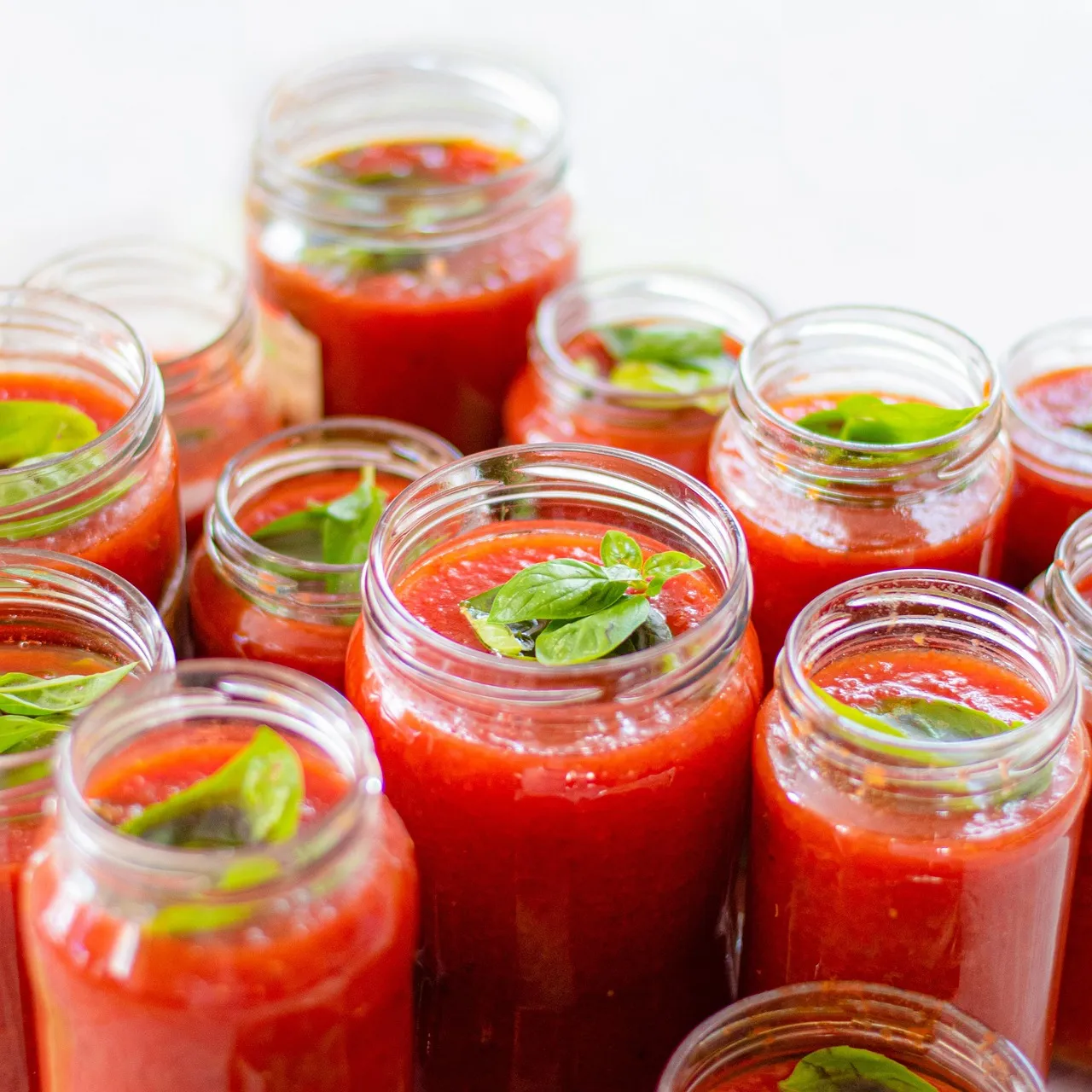
Something happens when you line up a row of sealed jars and hear that satisfying pop of a lid setting. It’s not a dramatic transformation, but it’s real. Above all else, Smith said people choose to can because it brings them pride. That’s a motivation that grocery delivery can’t replicate.
The resurgence of home canning reflects a broader interest among younger generations toward self-sufficiency, sustainability, and a desire to reconnect with traditional practices. Whether driven by economic concerns, health consciousness, or a simple love of homemade food, today’s canners are part of a growing movement that values the old ways of doing things.
A stocked pantry that you built yourself offers something beyond convenience. It offers a kind of calm that’s hard to put a number on – though as the data shows, the financial case is strong enough to stand on its own. The jar of tomato sauce you made in September, opened in February, carries the weight of something you chose to do, and did well.
AI Disclaimer: This article was created with the assistance of AI tools and reviewed by a human editor.