
Most people who discover a pest problem at home reach for a spray can and assume something found its way in through an open window. The real story is usually more mundane, and more fixable. Certain everyday objects sitting quietly in your kitchen, living room, or basement are doing a steady job of rolling out the welcome mat for insects, often without any sign until the numbers have grown.
Many common household infestations start with everyday items people rarely suspect, including overwatered houseplants, dirty recyclables, and even the laundry basket. The good news is that once you know what to look for, most of these attractants are easy to address. Here are the five household items most likely to be working against you.
1. Cardboard Boxes

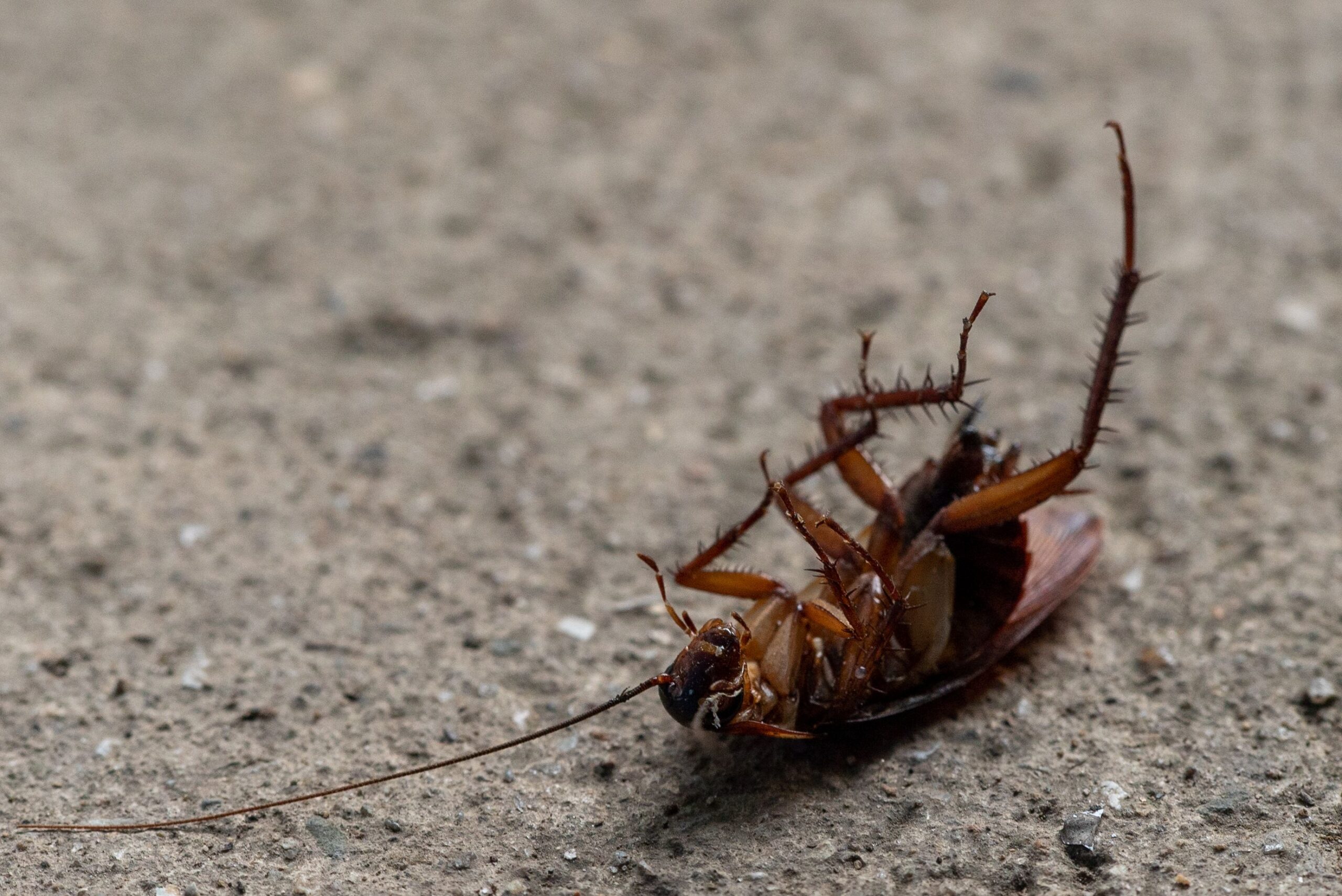
That stack of delivery boxes in the corner, or the collection of moving boxes tucked away in the basement, is far more inviting to insects than most people realize. Cockroaches are attracted to cardboard boxes because the material provides food, moisture, darkness, and ideal hiding spots within corrugated layers.
Particularly with corrugated cardboard, which is the cardboard with ridges and grooves between its layers that most delivery packages come in, there is enough space for the cockroaches to actually live in those ridges and grooves. It’s not just roaches either. Cardboard boxes can attract various insects, including beetles, cockroaches, silverfish, carpet beetles, and booklice due to their high cellulose content.
Cardboard also absorbs moisture from the air or from damp concrete floors, creating a humid microclimate that is essential for the survival of many insects. Because people tend to store cardboard often in places that are overlooked or forgotten, they can be there for a long time and not be noticed, which allows their populations to grow and then spread.
The fix is straightforward. Replacing these boxes with airtight plastic bins creates a physical barrier that prevents pests from accessing the contents and removes a significant food source from the home’s storage areas.
2. Houseplants with Overwatered Soil
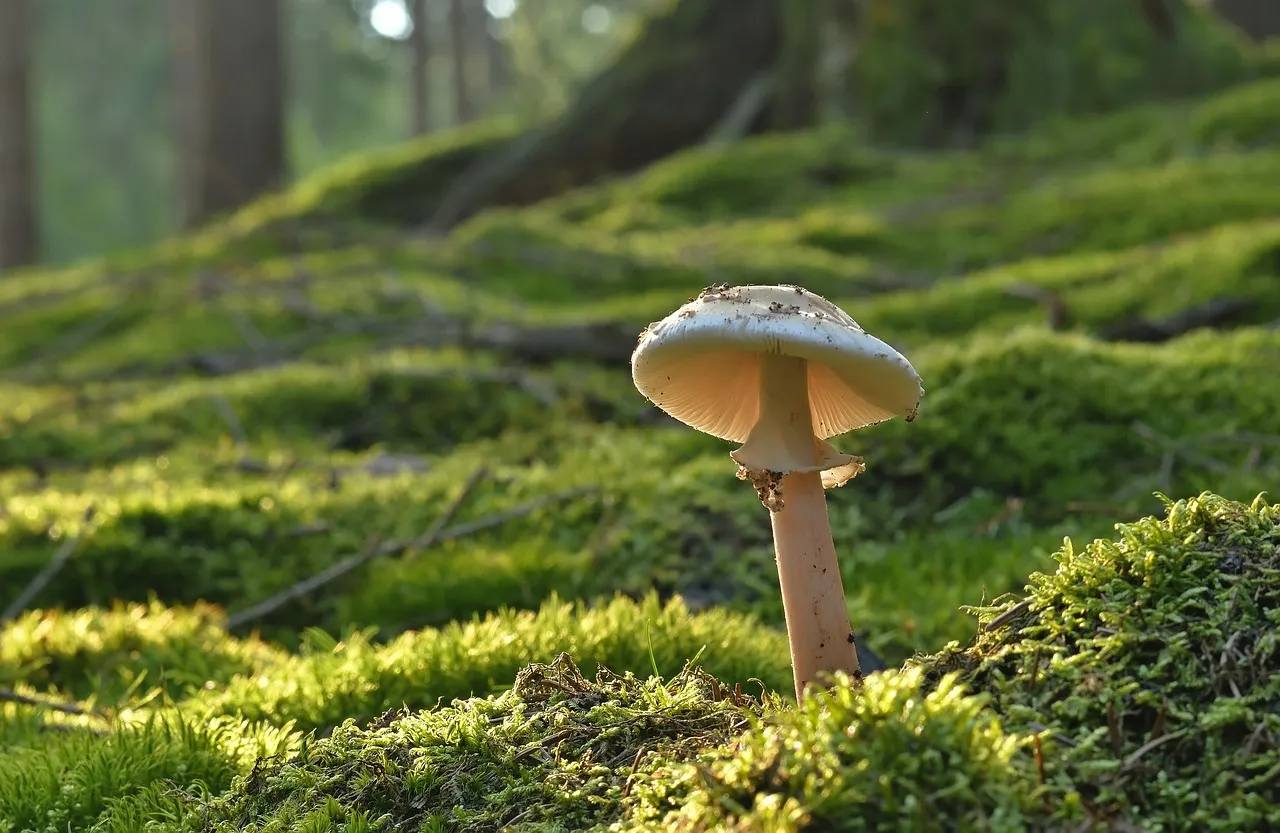
Indoor plants brighten a room, but they can quietly become insect nurseries when watered too generously. Overwatering is the leading culprit in attracting fungus gnats, creating a damp environment that supports both their eggs and their favorite food sources: fungus and decaying organic material in the soil.
Fungus gnats are small flies that infest soil, potting mix, other container media, and other sources of organic decomposition. Their larvae primarily feed on fungi and organic matter in soil, but also chew roots and can be a problem in greenhouses, nurseries, potted plants, and interior plantscapes.
Fungus gnat females lay up to 200 eggs in clusters in cracks and crevices on the surface of the moist soil of potted plants. That number makes it clear why a single overwatered pot can produce a noticeable swarm within weeks. The main trigger of a fungus gnat infestation is overwatering, because fungus gnats thrive in soggy environments.
According to the University of Minnesota Extension, letting the top one to two inches of soil dry completely before watering again disrupts the gnat life cycle, as larvae cannot survive in dry soil. Adjusting your watering routine is the simplest and most effective step you can take.
3. Pet Food Bowls Left Out Overnight
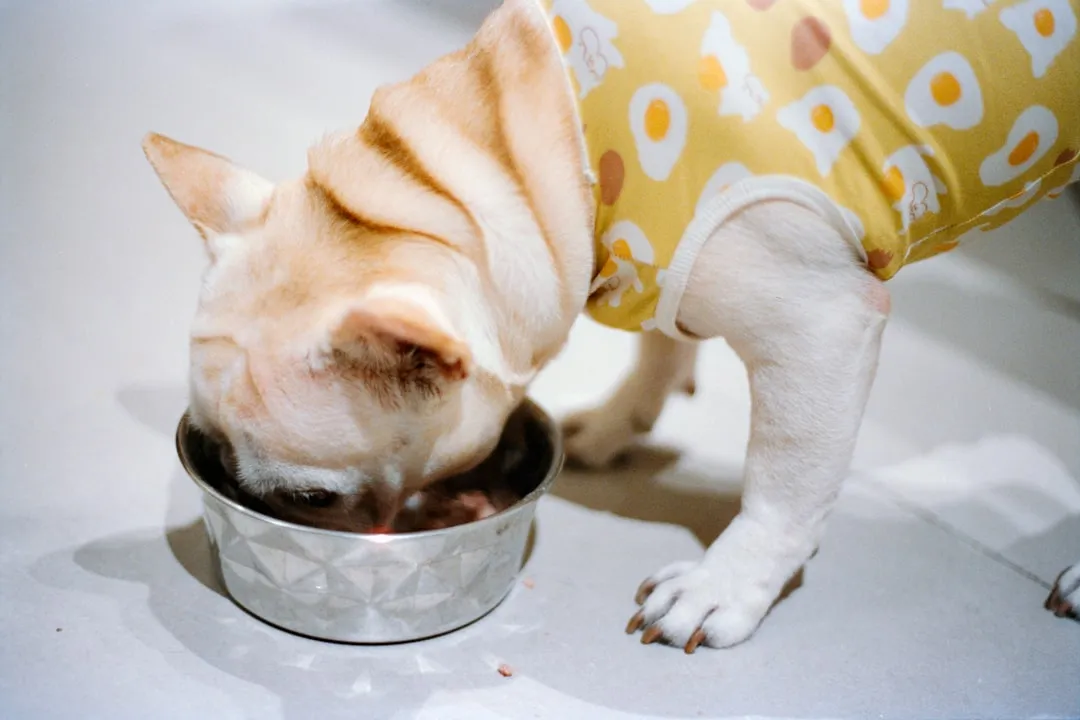
Pets need food and water, obviously. The problem isn’t the feeding itself. It’s what gets left behind. Pet food is designed to be nutrient-rich, containing fats, proteins, and carbohydrates that pests find enticing. Dry kibble is often fortified with flavors and oils that make it smell appealing. When pet food is stored in bags or loose bowls, that aroma can spread, signaling a food source to any pests lurking nearby.
House flies are quick to find exposed wet food and can spread bacteria from other surfaces to your pet’s food bowl. Cockroaches are drawn to both wet and dry pet food residue. Ants, particularly troublesome during warm months, create trails to food sources and can infiltrate even sealed containers through tiny gaps.
Cockroaches are opportunistic feeders drawn to dog food because it’s nutrient-dense, protein-rich, and often left out in open bowls. The scent lingers, especially in warm or humid areas like kitchens, basements, or garages where pet food is often stored. Even trace crumbs or residue can attract roaches, and once they find a steady food source, they return nightly.
Avoid leaving pet food bowls full overnight, as scents can spread in the quiet hours when pests are most active. Washing the bowl after every meal, not just periodically, makes a real difference.
4. Scented Candles and Floral Air Fresheners

This one tends to catch people off guard. The candle burning on the kitchen counter or the floral plug-in freshener in the hallway may actually be sending signals to insects. Candles made with certain scents or ingredients can either attract or repel insects. Sweet-smelling candles, such as those with floral or fruity fragrances, can attract pollinators like moths and some flies.
Possibly the most common insect-attracting scent, floral odors appeal to pests in a number of ways. Floral perfumes, hair products, and lotions are essentially giant neon signs for certain pests that tell them to follow the sweet trail. The same logic applies to room sprays and wax melts. Bugs like sweet and floral scents, such as those found in many perfumed candles. If a candle smells like flowers or sugary treats, it might invite insects over. These smells remind bugs of food, so they fly towards them hoping for a meal.
Moths are highly attracted to light, including candle flames. Flies may be attracted to sweet scents or food residues on candles. If you want to keep candles without inviting company, citronella, eucalyptus, lavender, and peppermint oils are commonly used in candles to repel mosquitoes and other biting insects.
5. Dirty Dishes and Organic Buildup in Kitchen Drains
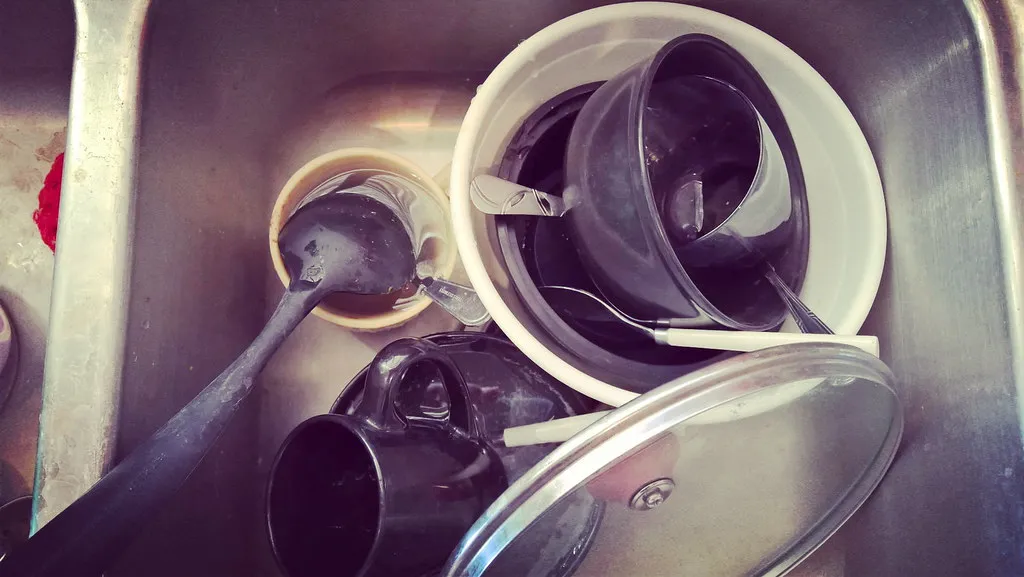
Leaving dishes in the sink overnight is one of the most reliable ways to attract insects, even in an otherwise clean home. One of the most obvious habits that attracts pests is leaving soiled dishes in the sink overnight. Food residue, even in microscopic quantities, provides a high-energy source for many pests like ants, cockroaches, and flies. Sugary liquids, grease, and protein-heavy scraps are particular favorites, and these are common in many leftovers.
The moist environment encourages the growth of bacteria and fungi, which release chemical signals that flies can detect from a distance. Furthermore, the kitchen drain itself often accumulates organic sludge that can become a breeding ground for drain flies. These pests lay eggs in the gelatinous film inside the pipes, which can lead to a persistent population that is difficult to eradicate without intensive mechanical cleaning.
Food particles and organic buildup inside sink drains create an ideal environment for drain flies. Cleaning the drain regularly with hot water and an appropriate drain cleaner or brush can help eliminate both the insects and the odor that attracts them.
Dirty dishes in the sink, especially those left overnight, can attract pests like flying insects and drain flies. Even rinsing dishes before leaving them makes a measurable difference in how appealing your kitchen looks to anything with antennae.
The Scale of the Problem Is Bigger Than Most Expect
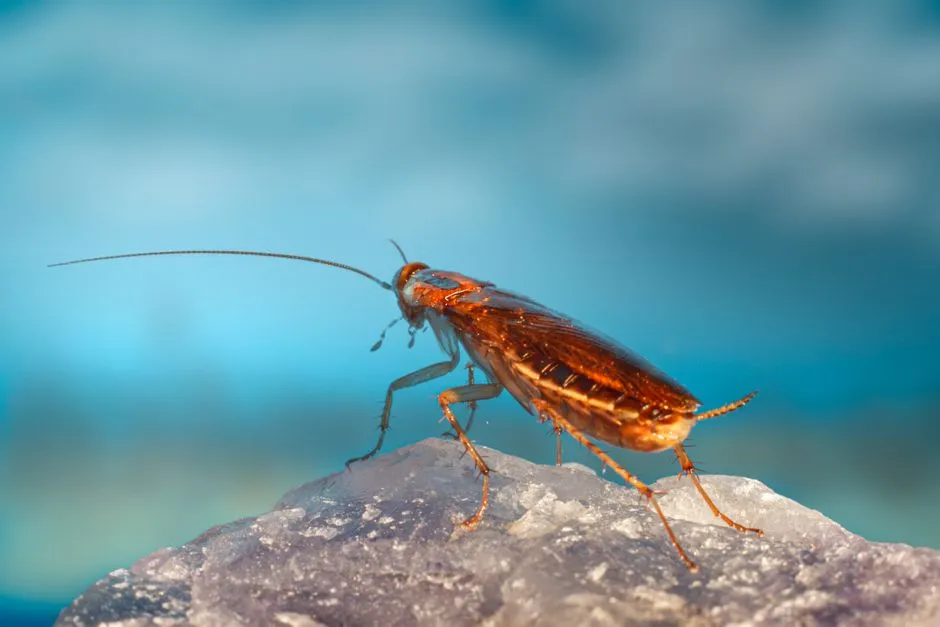
It helps to understand just how common household pest problems actually are. According to Census.gov, 14 million homes in the United States were reported to have seen roaches somewhere in their home within the last 12 months. 14.8 million saw rodents, and 2.9 million homeowners reported seeing both.
Those numbers make it clear this isn’t an edge-case problem for especially dirty homes. According to the United States Environmental Protection Agency, there are significant health problems brought on by pests. This can include vector-borne diseases, asthma and allergies brought on by indoor pests such as cockroaches, and microbial diseases and infections brought on by varying microorganisms and bacteria.
These uninvited guests are not just a nuisance; they can pose health risks and cause significant damage to your property. The scale of the issue, combined with how easily common household objects contribute to it, underlines why awareness matters more than most people assume.
What Bugs Are Actually Looking For
Understanding insect behavior makes the whole problem easier to manage. Pests aren’t random. They follow very clear motivations. Keeping your house dry can go a long way in avoiding a pest infestation. Most pests prefer damp spaces for their nesting areas.
Although some pests don’t mind hanging out in the open, most like to be able to hide in an area where they won’t be bothered. If you make sure your home is clean and free of clutter, bugs won’t know where to go, so they won’t stick around.
Another way that pests can get inside is if you bring them inside yourself. It may seem unlikely, but a lot of pest infestations start this way. Pests can hide in boxes, luggage, furniture, bags, and even groceries. This is an important reminder that the source isn’t always something already in your home. Sometimes you carry it in.
Moisture Is the Common Thread
If there’s one factor that connects nearly every item on this list, it’s moisture. Whether it’s waterlogged plant soil, pet water bowls, a greasy wet sink, or damp cardboard in the garage, insects need moisture to survive and reproduce. Moist environments are ideal breeding grounds for pests like mosquitoes, drain flies, and cockroaches.
The humid environment created by leaky pipes is a perfect breeding ground for pests like cockroaches and silverfish. Keeping your kitchen, bathroom, and laundry room dry, and repairing leaky pipes immediately, helps prevent pest infestation.
Dry conditions make a home significantly less hospitable to the vast majority of common household insects. It’s not glamorous advice, but it works. Running a dehumidifier in a damp basement or fixing a dripping faucet under the sink can reduce pest pressure without a single spray of insecticide.
Unrinsed Recyclables: A Hidden Hotspot

This one gets overlooked because recyclables feel like they’re on the way out of the house. But between the kitchen and the curb, a lot can go wrong. A single juice carton, wine bottle, or jam jar with leftover residue can attract wasps surprisingly quickly.
Unrinsed recycling items, such as soda cans or jam jars, can retain enough sugar to support hundreds of ants. The recycling bin sitting in your kitchen or pantry is, from a bug’s perspective, a room full of sugar and fermenting organic matter. Even the dried residue on a cup from one of these drinks can attract bugs.
Giving cans, jars, and bottles a quick rinse before dropping them in the bin takes about five seconds and removes one of the most reliable insect attractants in the average kitchen. It’s a small habit change with disproportionately large results when it comes to reducing ant and fruit fly activity indoors.
Indoor Lighting and Its Role

Lights attract insects. Most people know this, but the mechanism is worth understanding. Insects are attracted to light because the effect it has on them is like a kind of hypnosis. Light completely throws off the insect’s navigational system.
Exterior white or soft lights are more likely to draw flying insects than warm-toned bulbs. Bugs can only see in certain colors, and soft lights shine within this spectrum. This matters for windows left open at night with interior lights on. Warm-toned, motion-sensor, and yellow bug lights will help keep insects away, but be sure to also keep windows closed when interior lights are on at night.
The adults of many species, including fungus gnats, are attracted to light so they may fly towards lamps and windows. Switching to warmer bulbs near entry points and keeping screens in good condition are two low-effort changes that reduce the indoor insect population noticeably over time.
Practical Steps That Actually Work
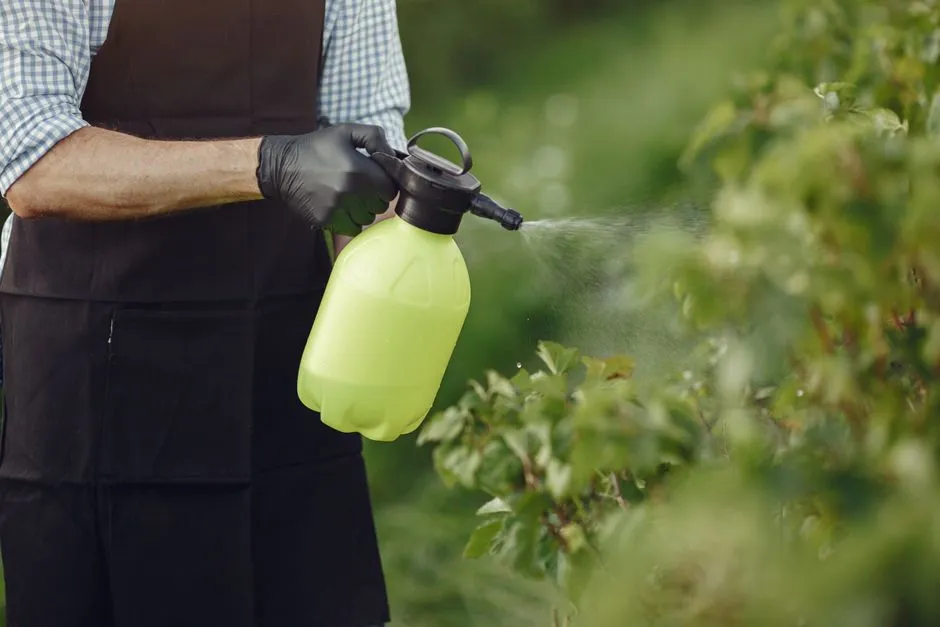
The good news running through all of this research is that the solutions are well within reach for most households. To prevent pest infestations, take proactive steps like regular yard maintenance, sealing entry points around your home, and keeping outdoor spaces clean and dry. By eliminating common attractants and reducing clutter, you can help maintain a pest-free environment and keep unwanted guests from making their way inside.
Most bugs dislike strong, pungent odors that include vinegar, peppermint oil, citronella, and eucalyptus. A lot of pests also dislike the scent of citrus. If you use these scents in a spray or diffuser, you might help keep some pests out of your house.
Preventing a pest infestation is far easier and more cost-effective than dealing with one after it has taken hold. By understanding what attracts pests and taking proactive steps to eliminate those attractants, you can create a less hospitable environment for them. A clean, well-maintained, and properly sealed home is your best defense against unwanted intruders.
The Takeaway
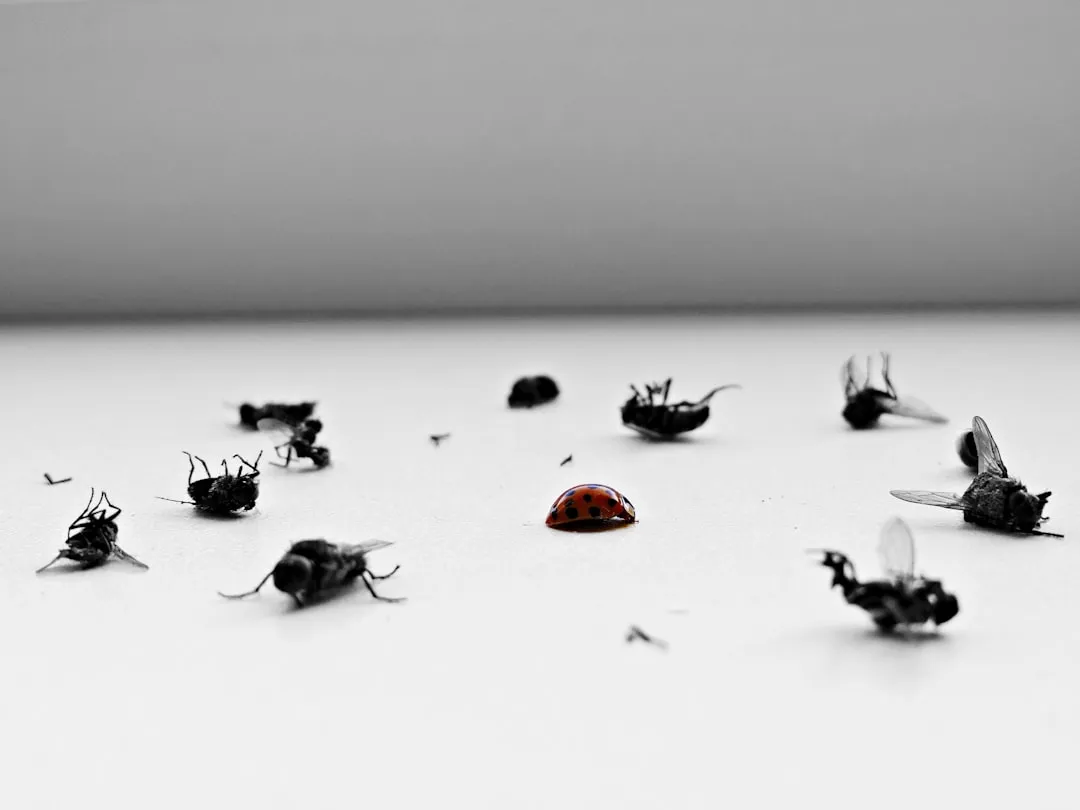
None of these five household items are exotic or hard to find. They’re the cardboard box in the corner, the plant you love maybe a little too much, the candle that smells like a garden. The point isn’t to live in a sterile, scentless environment, but to understand the small ways that ordinary objects can shift conditions in favor of insects without your knowledge.
Pest management rarely requires dramatic measures when you address attractants early. A drier home, cleaner drains, faster cardboard recycling, and smarter candle choices go a surprisingly long way. Most infestations don’t start with a dramatic breach. They start with a box left in the garage a little too long.
AI Disclaimer: This article was created with the assistance of AI tools and reviewed by a human editor.