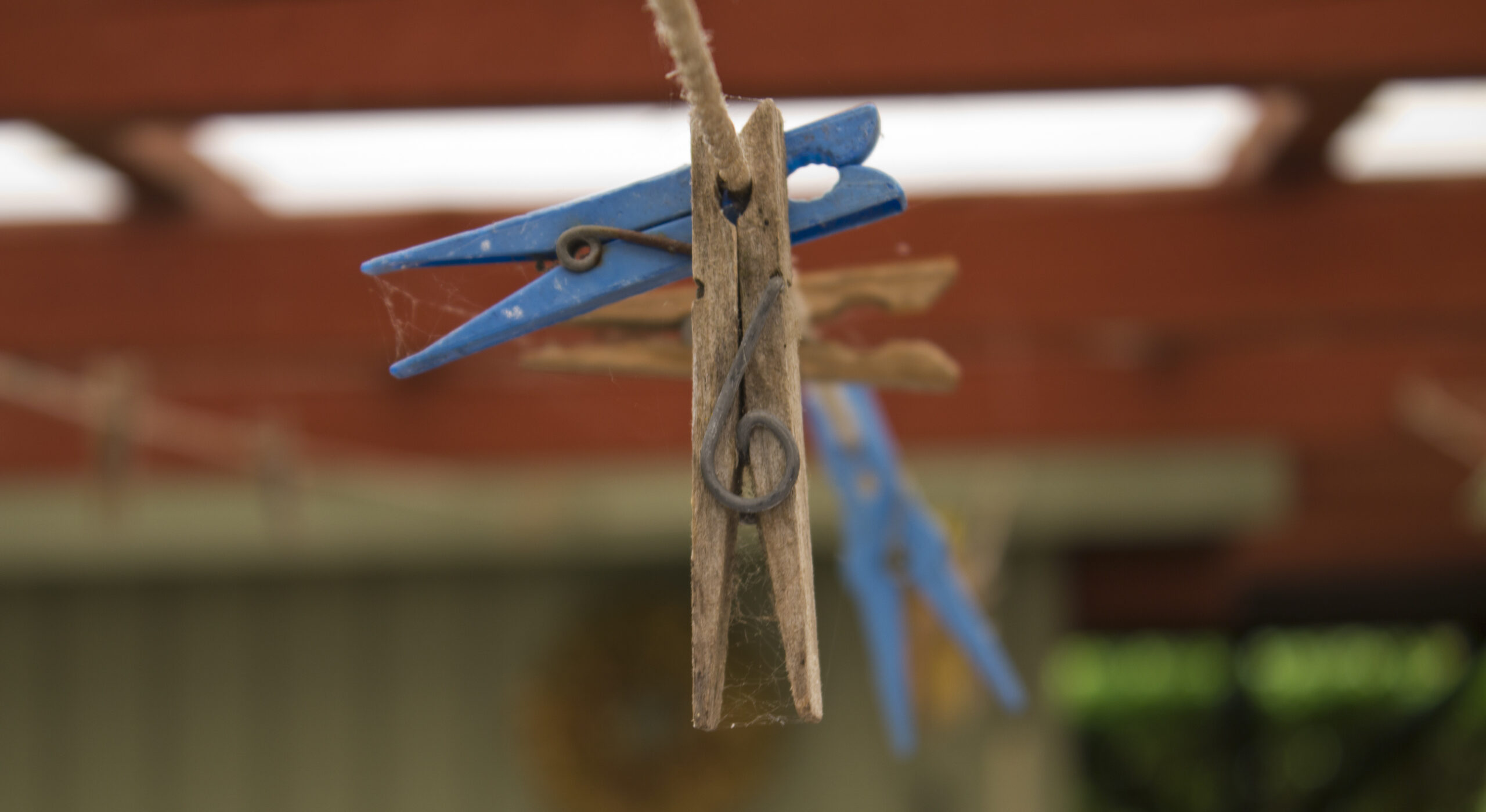

There’s a certain irony in the fact that millions of households spend money every month to power a machine that does something the wind and sun have always done for free. The electric dryer is one of those appliances we rarely question, tucked away in a laundry room and treated as essential as the refrigerator. Yet the numbers behind it tell a quietly startling story.
A 2025 University of Michigan study, published in the journal Resources, Conservation and Recycling, looked closely at what American drying habits actually cost. The findings pushed researchers to ask whether simpler behavior, specifically the clothesline, had been overlooked all along.
The Energy Bill Nobody Talks About
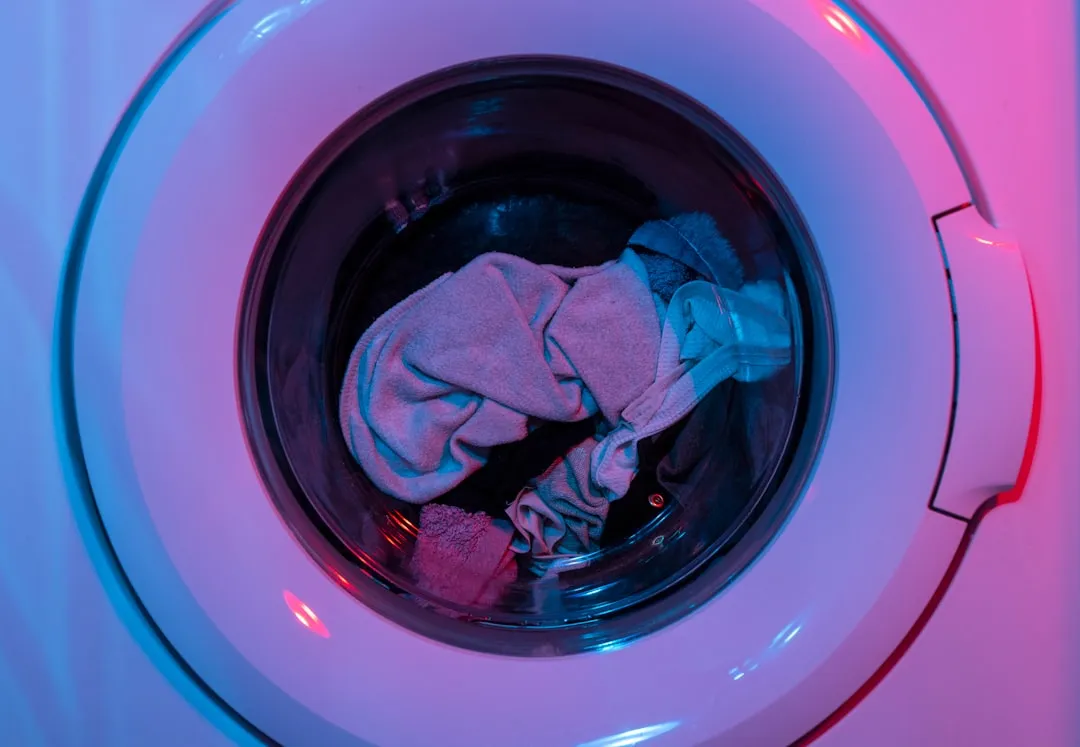
Household dryers in the U.S. consume about three percent of residential energy, roughly six times that used by washing machines. That proportion surprises most people. We tend to worry about heating and cooling, not laundry.
Collectively, dryers cost more than seven billion dollars to power each year, and generating that energy emits the equivalent of more than 27 million tons of carbon dioxide. That’s a hard figure to square with the idea that the clothesline is just a nostalgic relic.
Electric dryers consume roughly 75 to 85 percent of total laundry energy, using two to six kWh per cycle, compared to washers using just half to one kWh. The dryer is doing the heavy lifting, energetically speaking, every single load.
What the Research Actually Found
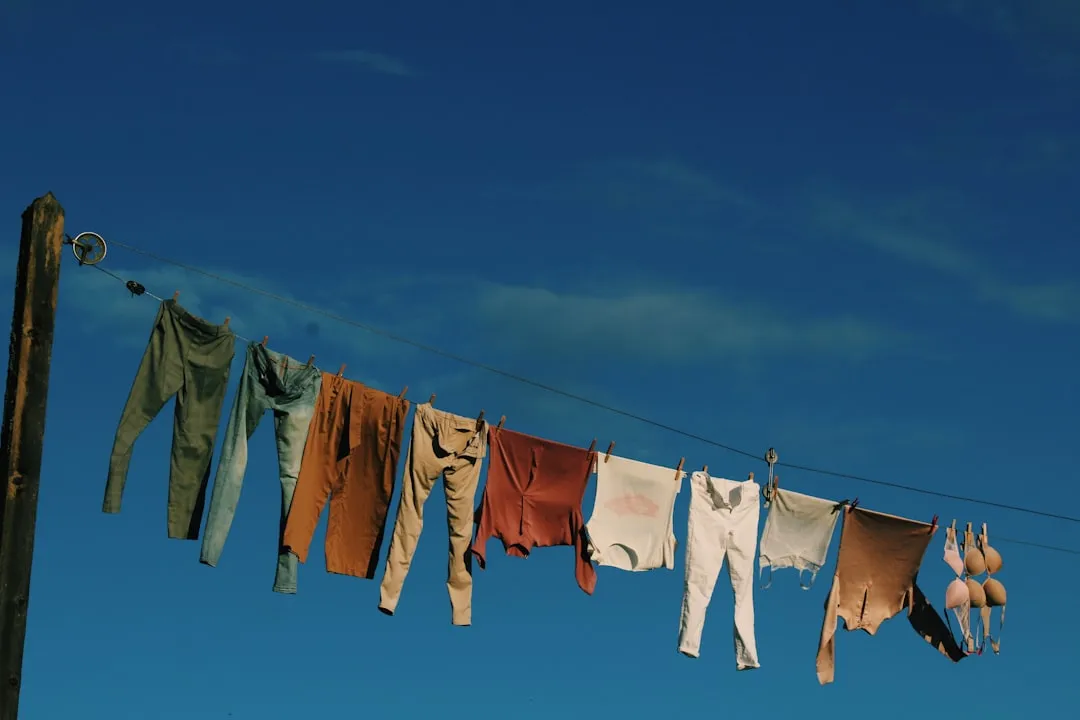
The study, authored by Zhu Zhu and Shelie A. Miller from the University of Michigan’s Center for Sustainable Systems, appeared in Resources, Conservation and Recycling, Volume 218, 2025, and was published online on March 10, 2025. It set out to compare the real-world impact of different drying approaches across a dryer’s full lifespan.
Producing the energy required to power the typical non-Energy Star certified electric dryer for its service lifetime emits the equivalent of roughly 3,800 kilograms of carbon dioxide. Researchers compared different dryers to line drying, which results in no emissions.
Full line drying eliminates lifecycle emissions entirely. Partial line drying cuts them by 56 percent. Meanwhile, efficiency upgrades and electrification actually increase lifecycle costs by between $254 and $721, while partial line drying saves $262. The behavioral solution consistently outperformed the technological one.
The $2,100 Question
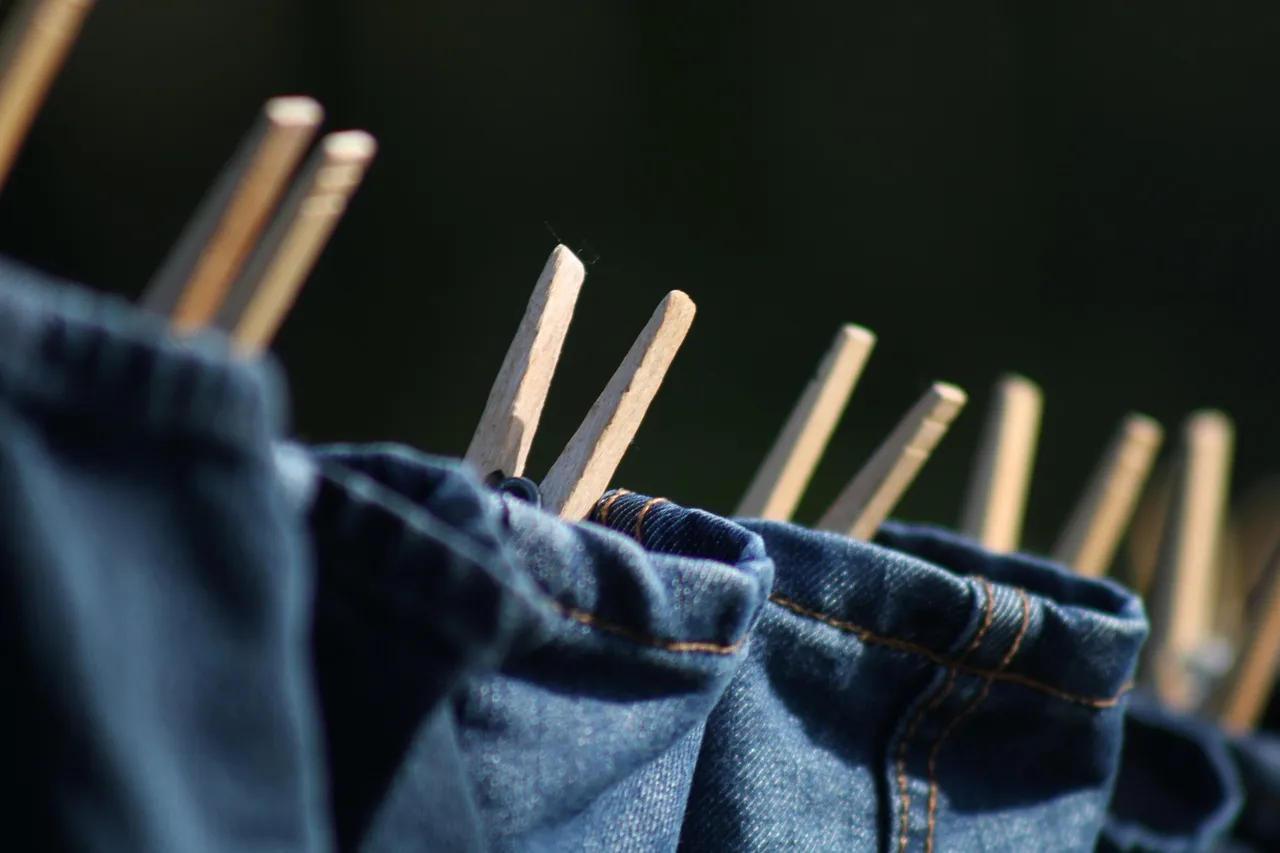
Over the lifetime of a dryer, 100 percent line drying could save a household more than $2,100. That’s not a marginal saving. It’s money that accumulates quietly in the background, load after load, year after year.
A mixture of line drying and dryer use proved to be the second most economical and eco-friendly option, ranking above upgrades to more efficient dryers. In some cases, households that invested in more energy-efficient dryers wouldn’t end up saving money in the long run.
Even partial line drying, used only when weather permits, could cut pollution by 41 to 67 percent, depending on local climate. That’s a meaningful range, and it includes a lot of days on a typical calendar.
How the U.S. Compares to the Rest of the World
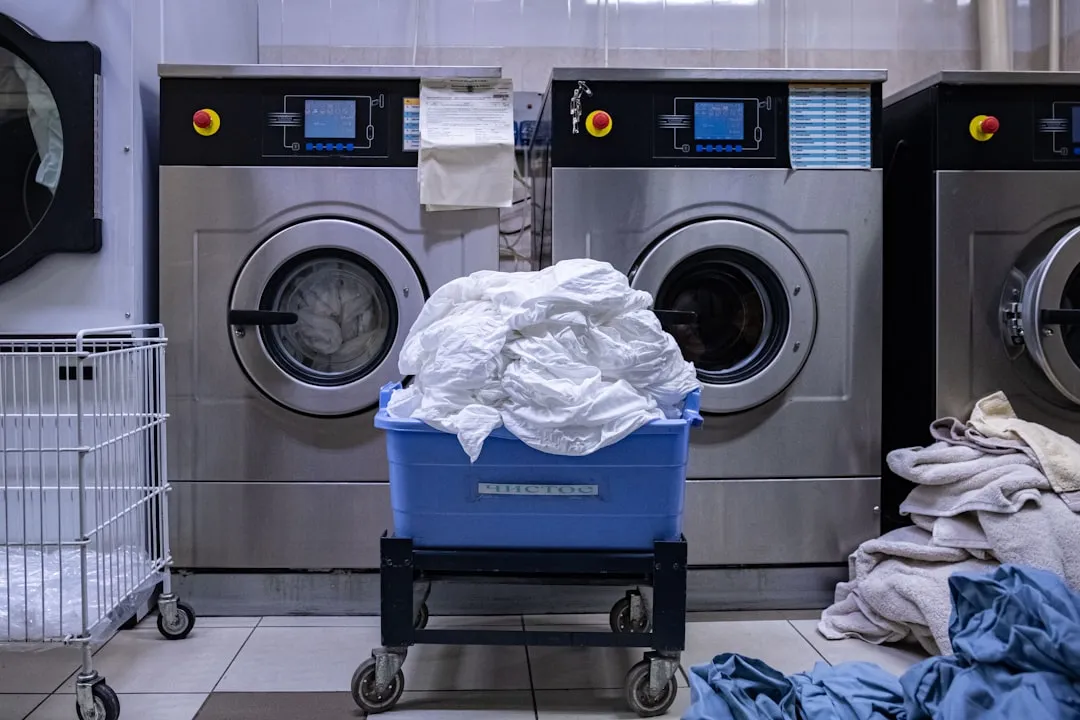
The U.S. leads the world in dryer ownership, with more than 80 percent of homes having one, compared with less than 30 percent in South Korea, just over 40 percent in Germany, and just under 60 percent in the United Kingdom. Those gaps didn’t emerge by accident.
About 68 percent of consumers in the UK and France regularly line-dry clothes, and in Japan, approximately 67 percent of people either don’t have a dryer or rarely use one. In much of the world, air drying is simply what you do.
Despite clear benefits, line-drying remains uncommon in the United States, where cultural norms favor machine drying, and many homeowner associations actually ban outdoor clotheslines. That cultural gap has real consequences for both energy use and household budgets.
The HOA Problem and the Right to Dry
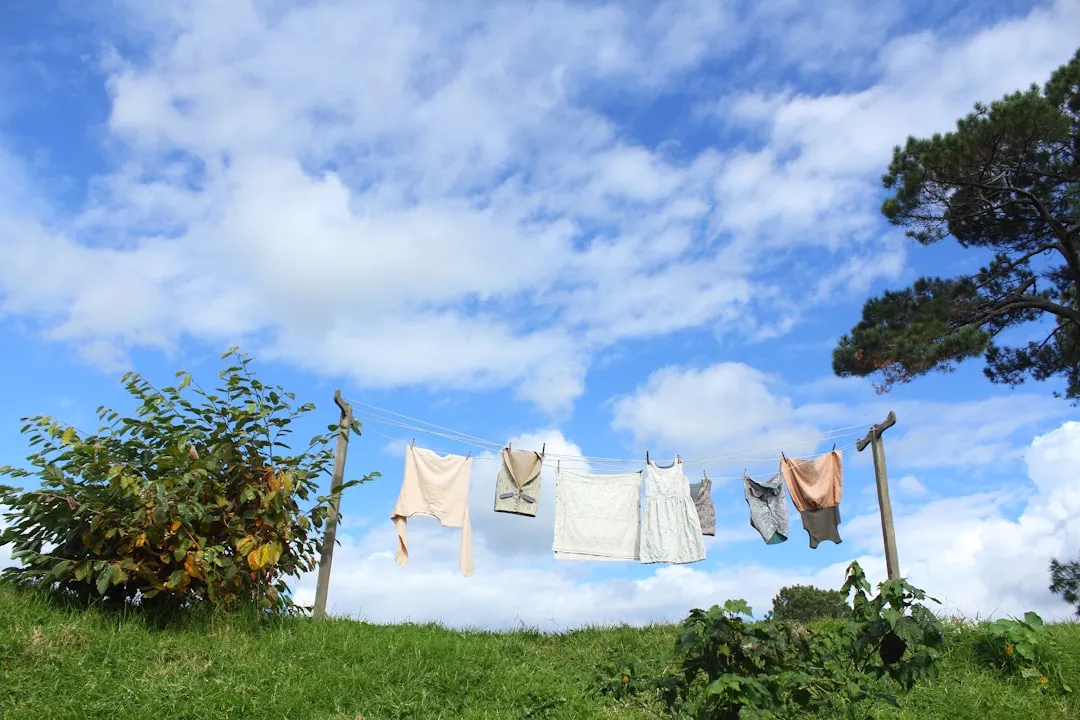
In more than 19 states, laws specifically protect a homeowner’s right to use a clothesline or drying rack, and any HOA rule that tries to ban the practice is void and unenforceable under state law. Many residents living under these restrictions simply don’t know their rights.
Florida strengthened its clothesline protections significantly in 2024. Florida Statute §720.3045, enacted by House Bill 1203 and effective July 1, 2024, prohibits HOAs from restricting any item on a homeowner’s parcel that is not visible from the parcel’s frontage, adjacent parcels, or adjacent common areas. The statute explicitly lists clotheslines among the protected items.
A broader set of states, including California, Texas, Arizona, Nevada, Illinois, Indiana, Louisiana, Massachusetts, New Mexico, North Carolina, Virginia, and Wisconsin, have solar access laws originally designed to protect solar panels. Because clotheslines use the sun’s energy, they often fall under those same protections. It’s worth checking your state’s position before assuming a ban is enforceable.
Sunlight as a Natural Disinfectant
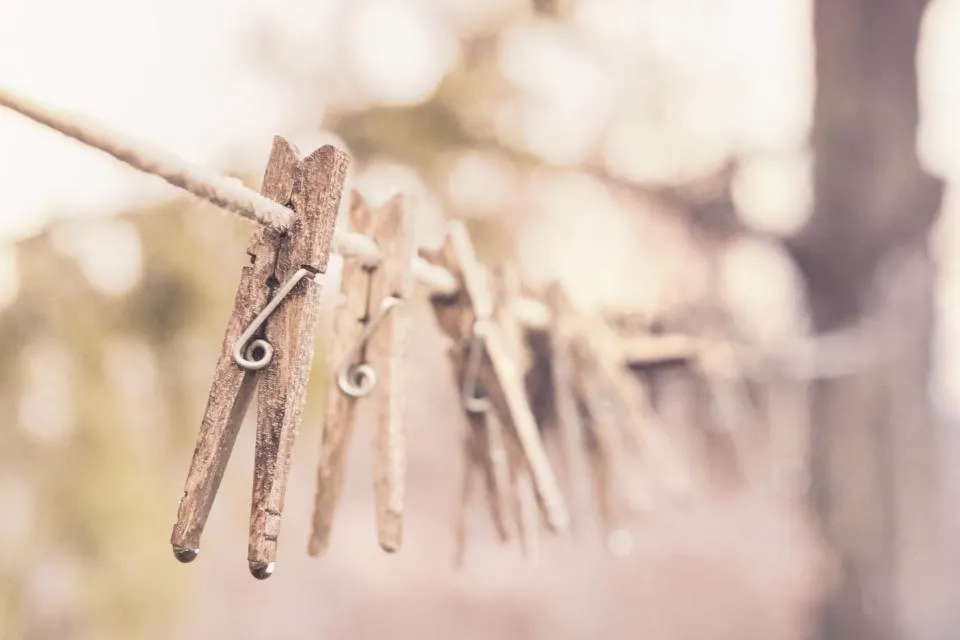
Sunlight does disinfect clothes. Ultraviolet radiation from the sun kills bacteria, breaks down odor-causing compounds, and reduces fungal growth on fabric. This is a benefit that no dryer can replicate.
One of the advantages of drying clothes outside is the natural disinfecting effect of sunlight, particularly due to ultraviolet rays. UV rays have been proven to have antimicrobial properties, capable of killing or deactivating bacteria, viruses, and fungi.
Laboratory testing has found that natural fibers like cotton allow more UV radiation to pass through than synthetic fabrics, which means sunlight can reach deeper into the material to disinfect inner layers. Items like towels, bedding, and children’s clothing are especially well-suited to this kind of treatment. However, exposure to intense sunlight should be avoided with darker fabrics due to the risk of fading.
Your Clothes Will Actually Last Longer
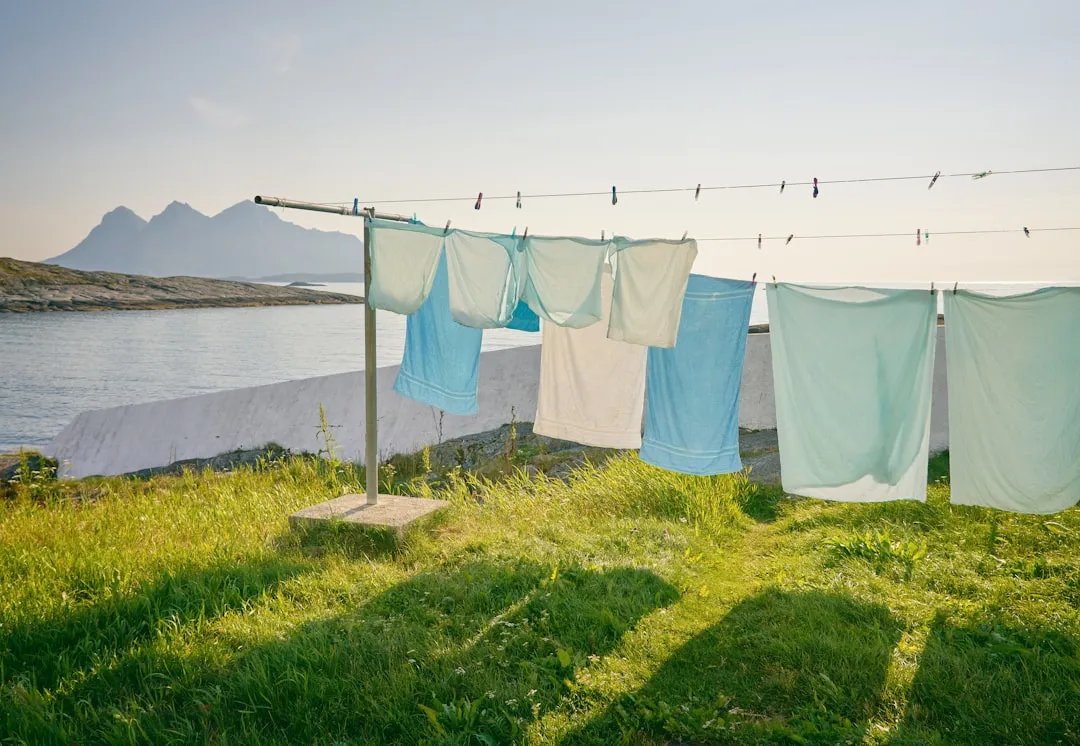
The lint trap in your dryer is telling you something. That grey, dusty build-up is literally your clothes, broken down and shed through heat and tumbling. Air drying is kinder to fabrics, preserving their shape and color while extending their lifespan.
The natural drying process is much gentler on delicate fabrics rather than the intense high heat and the tumbling of a dryer. Drying your washing outdoors helps maintain the shape and color of your clothes while reducing wear and tear.
Line drying clothes is also the preferred method for naturally eliminating odors without relying on chemical laundry fresheners like dryer sheets and fabric softeners. The benefit of air drying is that it eliminates any potential perfumes or dyes used in detergents and dryer products, making it an ideal choice for people with sensitivities to these products.
Small Shifts for Those Not Ready to Go Fully Clothesline
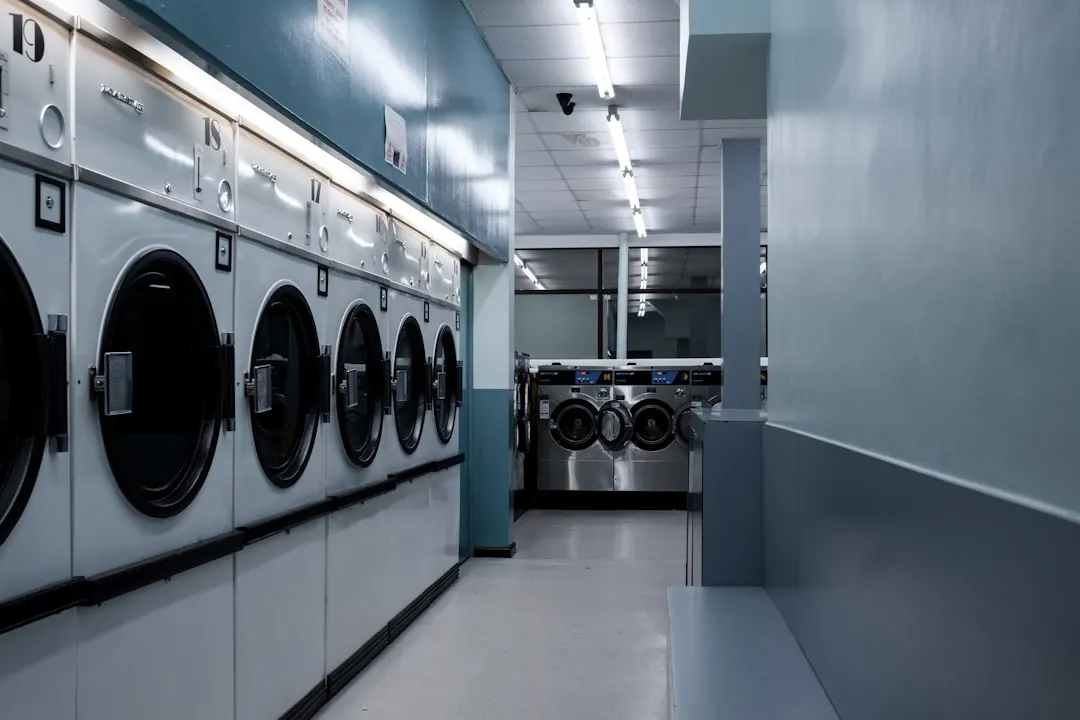
Going entirely without a dryer isn’t realistic for everyone. Weather, space, and schedules all factor in. The good news is that partial changes still produce measurable results.
For those who aren’t prepared to quit their dryers entirely, smaller behavioral changes can also make a difference. Running dryers at night during off-peak hours can reduce emissions by eight percent.
Using a higher spin speed on the washer before drying reduces the moisture in clothes, cutting energy use by up to 17 percent. Stiffness in certain textiles from air drying can be remedied by a short spin in the dryer rather than a full cycle. These are genuinely low-effort changes that stack up over time.
The Fire Risk You Probably Haven’t Thought About
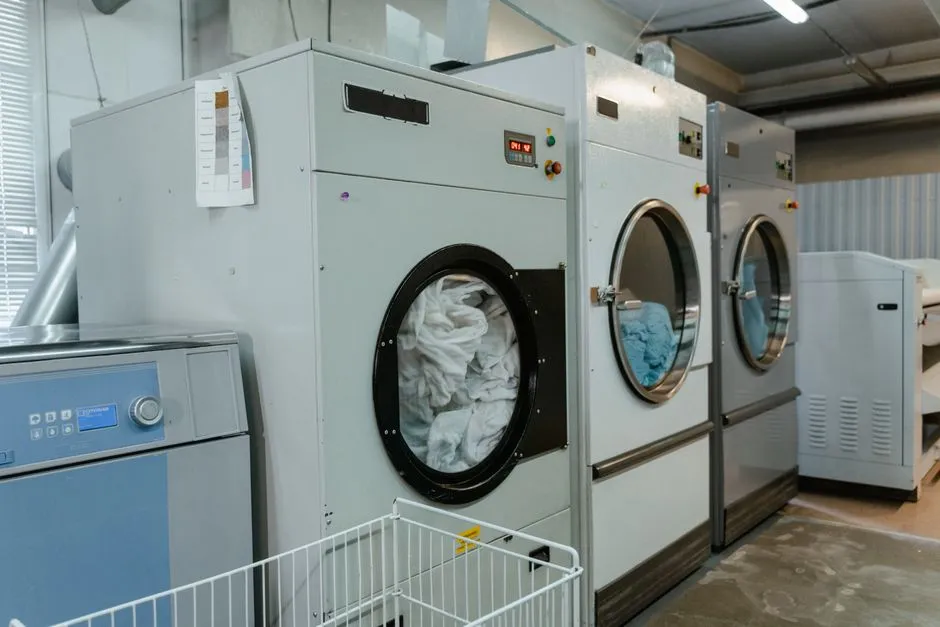
There’s a safety dimension to dryer use that rarely comes up in energy conversations. According to a report by FEMA, clothes dryer vents can become clogged with lint, causing more than 15,000 house fires every year. That number is surprisingly high for an appliance treated as mundane.
Switching to air drying eliminates the risk that your dryer could ever start a dangerous fire. It’s a benefit that doesn’t show up on an energy bill but carries real weight. A clothesline requires no maintenance, no vent cleaning, and no lint trap.
The fire risk is most significant when dryer vents go unchecked for extended periods. For households that air dry regularly, even if only for part of the year, dryer usage drops enough that lint accumulation slows considerably.
Dryer Ownership vs. Dryer Necessity
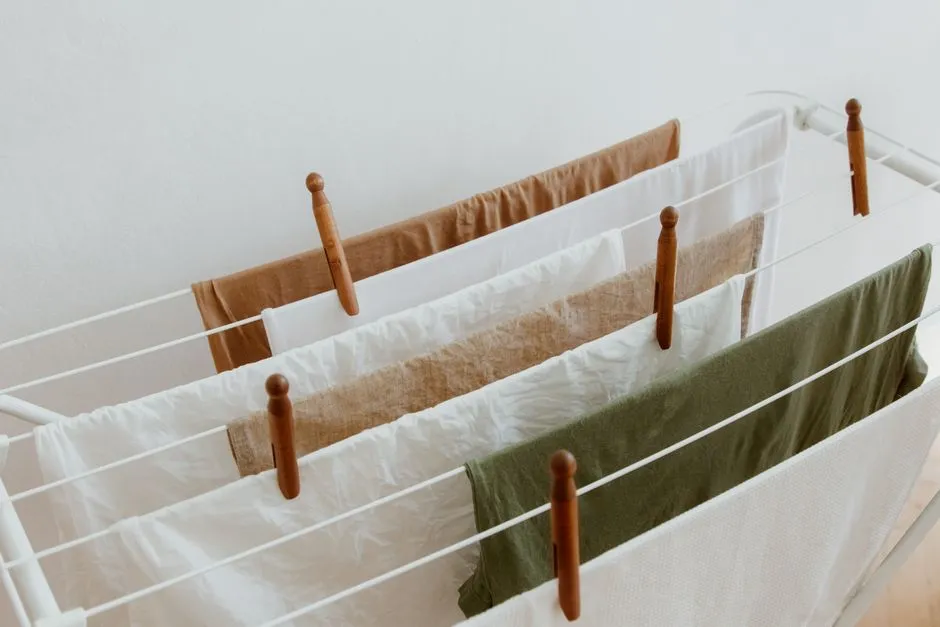
Owning a dryer and needing to run it constantly are two different things. Years ago, nearly every home had clothesline poles in the backyard, and most clothes drying was done outdoors. Even people who had a dryer would only use it on rainy days or in the winter.
People may think they live in the wrong place for line drying, but as long as they have a room that doesn’t get too humid or too cold, air drying works fine. Indoor drying racks placed near windows or in well-ventilated rooms are a practical alternative for apartment dwellers or those in wetter climates.
Behavioral changes deliver greater greenhouse gas and cost savings than technological solutions. That conclusion, from the University of Michigan research, is worth sitting with. We’ve spent years waiting for a better machine, when the most effective tool may have been in the backyard all along.
The Bigger Picture: Culture, Choice, and Carbon
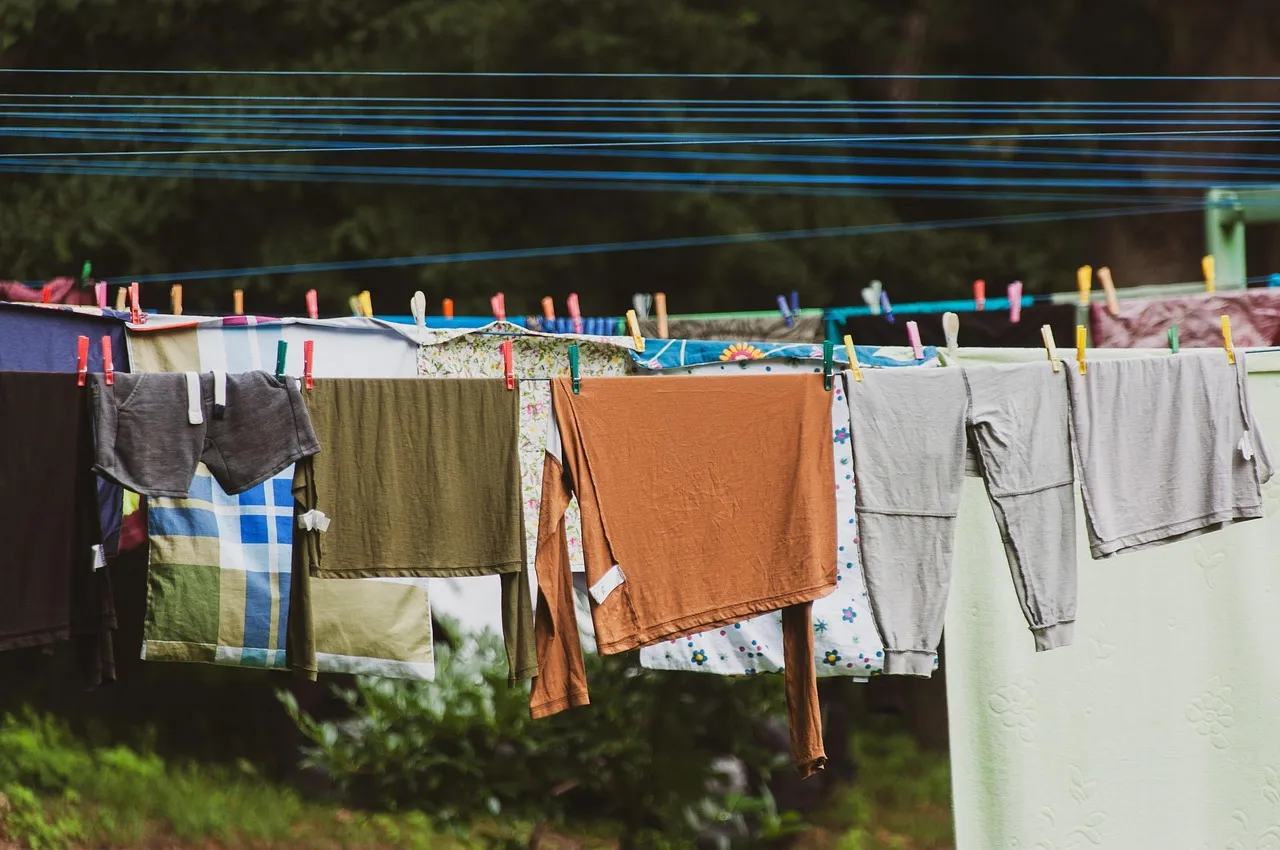
While government efforts to reduce pollution have mostly focused on technological solutions like electrification and energy efficiency standards, research shows we might be missing simpler solutions that work better and cost less.
The average household runs between 300 and 390 loads of laundry annually, according to Procter and Gamble and multiple industry surveys from 2024 to 2025. Each load run through a dryer is a small decision. Enough small decisions, made differently, add up to something significant across an entire country.
The “Right to Dry” movement has resulted in a patchwork of state statutes that limit HOA authority over how homeowners dry their laundry. These laws exist because banning clotheslines forces residents to use electric or gas dryers, increasing energy consumption and utility bills. The cultural shift, it seems, is already underway. It just needs a bit more momentum.
The Takeaway
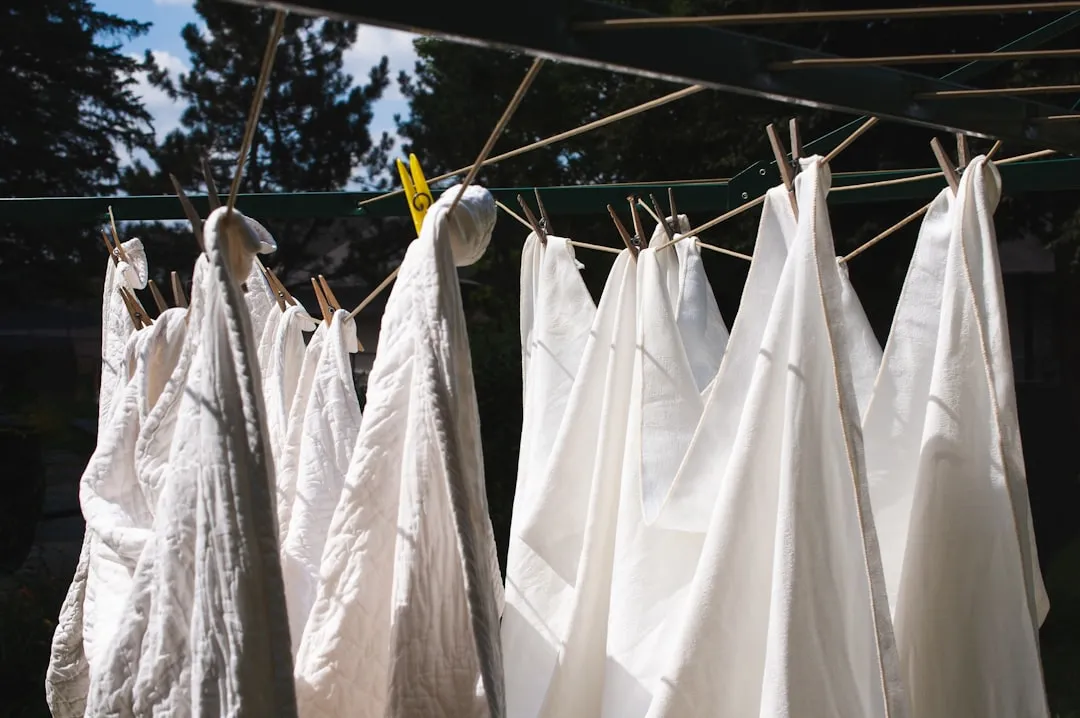
The clothesline isn’t a sacrifice. It costs almost nothing to set up, produces zero emissions during use, and can save a household well over two thousand dollars across a dryer’s lifetime, according to the University of Michigan’s 2025 lifecycle analysis. That’s a return most energy upgrades can’t match.
The barriers are mostly cultural, not practical. Post-war marketing campaigns shaped a generation of habits, and HOA aesthetics cemented them. Neither of those forces is as permanent as the wind and the sun.
Bringing back the clothesline doesn’t require a solar panel, a government rebate, or a new appliance. It requires a bit of rope, a few hours of daylight, and the willingness to let physics do its job.
AI Disclaimer: This article was created with the assistance of AI tools and reviewed by a human editor.