

Most people assume their utility bills reflect what they actually use. The truth is a bit more unsettling. A significant portion of what households pay each month goes toward energy that was never truly “consumed” in any useful sense. It just leaked out, ran in the background, or got swallowed up by a system that nobody remembered to maintain.
The good news is that none of this is complicated to fix. These are not exotic problems. They are ordinary, overlooked things sitting in virtually every home right now.
The Real Cost of Doing Nothing
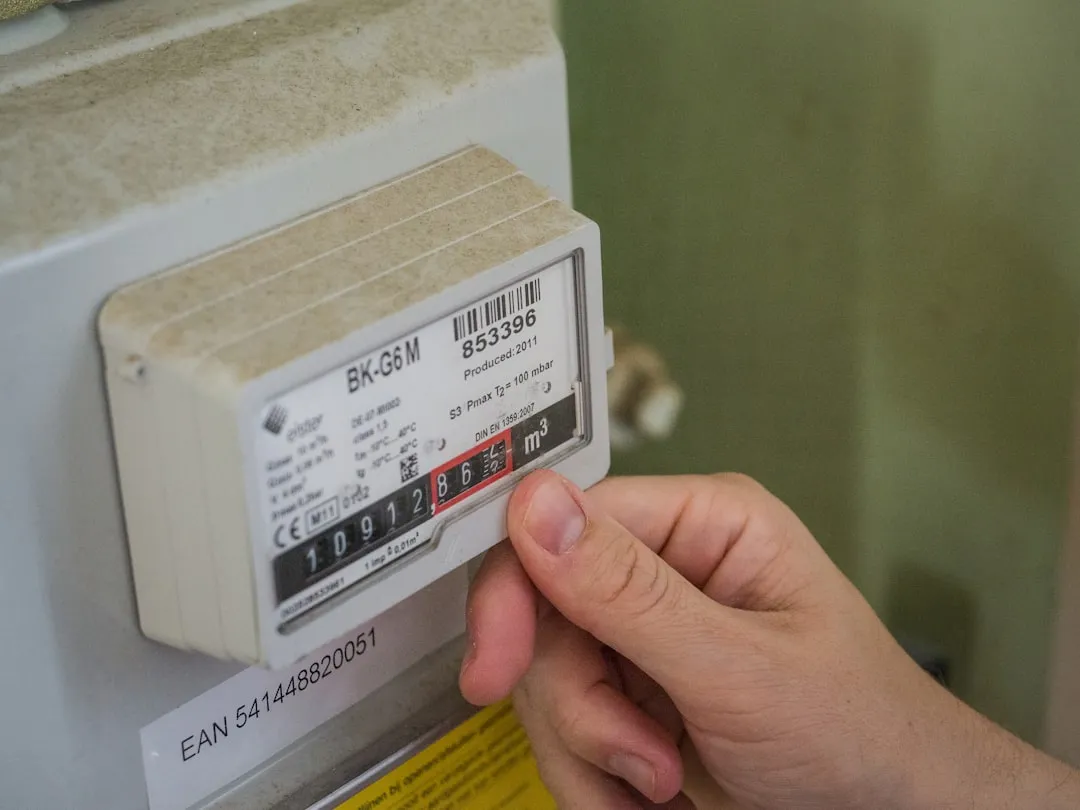
Before looking at the four culprits, it helps to understand the scale of what’s at stake. The average U.S. family can spend around $2,000 a year on energy bills, which makes reducing home energy use one of the most direct ways to save money. That number has been climbing. Residential electricity rates rose 10.2% year over year as of March 2026, according to the U.S. Energy Information Administration, with the average residential rate tracking around 18.2 cents per kilowatt-hour.
The average household is forecast to spend nearly $800 on electricity from June through September alone, which would be a record. When rates go up, every inefficiency you’ve been ignoring becomes more expensive. Miscellaneous electric loads used more electricity than any other residential end use in 2024, accounting for roughly half of all residential electricity consumption.
#1: Phantom Power From Electronics That Are Never Truly Off
Energy vampires, also known as phantom loads or standby power, are devices that consume electricity even when turned off or not actively in use. That TV in standby mode, that phone charger still plugged into the wall, the coffee maker with its glowing clock – they are all sipping power around the clock. According to the U.S. Department of Energy, standby power accounts for five to ten percent of residential energy use and could cost the average household up to $183 per year.
The Department of Energy has stated that in the average home, 75% of the electricity used to power home electronics is consumed while the products are turned off. That figure is worth sitting with for a moment. According to data from the Natural Resources Defense Council, Americans waste approximately $19 billion yearly on vampire energy costs, which works out to anywhere between $165 and $440 per household depending on rates and location.
The worst offenders are typically entertainment systems: TVs, cable boxes, gaming consoles, soundbars, and streaming devices. Energy vampires hide throughout your home in appliances with digital clocks, instant-on features, or remote control capabilities. Coffee makers with clocks and timers, microwaves, and even clothes dryers with electronic controls all draw some power continuously.
The Standby Numbers, Device by Device

According to data from a Natural Resources Defense Council study, cable box standby power usage averaged 16 watts across surveyed homes. A cable box idle for 20 hours a day uses roughly 116 kilowatt-hours of electricity in a year. That is for a single cable box. Many homes have more than one. Televisions used an average of 13 watts in standby mode in the same survey, which adds up to roughly $15.75 per year in standby power for a single TV.
Laptop computers averaged 7.1 watts in standby while desktops clocked in at 9.5 watts. If you never fully shut down your computer, you are looking at 57 to 76 kilowatt-hours per year for those devices idling through the night. That adds up to roughly $9 to $12 per year, per machine.
The fix here is fairly low-effort. Focusing on high standby users such as TVs, cable boxes, and gaming systems, or rarely used items like printers and microwaves, and unplugging them or connecting them to smart power strips can save up to $120 per year. Smart plugs, which typically run between $6 and $10 each, can automate the process entirely.
#2: A Dirty HVAC Filter Silently Running Up Your Bill
Heating and air conditioning make up nearly half of the energy costs in a typical U.S. home. A clogged filter causes those systems to use 15 percent more energy, according to the U.S. Department of Energy. That is not a minor inefficiency. On a $1,000 annual heating and cooling bill, that is $150 disappearing every year for something that costs a few dollars and five minutes to fix.
A dirty filter restricts airflow, and that restriction forces your system to run longer and work harder to reach your desired temperature. According to the U.S. Department of Energy, replacing a dirty filter with a clean one can lower your HVAC energy use by 5% to 15%. The problem tends to compound over time. Neglected systems can lose around 5% efficiency annually, compounding to 20 to 30% waste after just five years. A system rated at a certain efficiency level when new can effectively perform like a much older, weaker unit after years of neglect.
Dirty furnace filters are the number-one cause of HVAC system failures because they restrict the flow of air into the furnace’s air handler and strain the entire system. Beyond the energy bill, a neglected filter can shorten the lifespan of an expensive unit. ENERGY STAR recommends checking your filter monthly during heavy-use seasons and replacing it at least every three months, or every 30 to 45 days if you have pets, allergies, or dusty conditions.
What Neglected Maintenance Actually Costs Over Time
Annual professional maintenance costs roughly $150 to $300 but can save $200 to $400 annually through improved efficiency. Maintained systems run at 95 to 98% of their rated efficiency versus 70 to 80% for neglected equipment. Over a 15-year lifespan, consistent maintenance can save $3,000 to $6,000 in energy costs while also preventing expensive repairs.
A dirty air filter puts extra strain on an HVAC system, causing it to work harder and leading to premature wear and tear from the overworking motor or frozen coils. The system tries to compensate for the lack of airflow, and with that extra effort, you may end up with additional costs to frequently repair or replace your system sooner than if you had kept it clean.
#3: Drafty Windows and Doors Letting Paid-For Air Escape
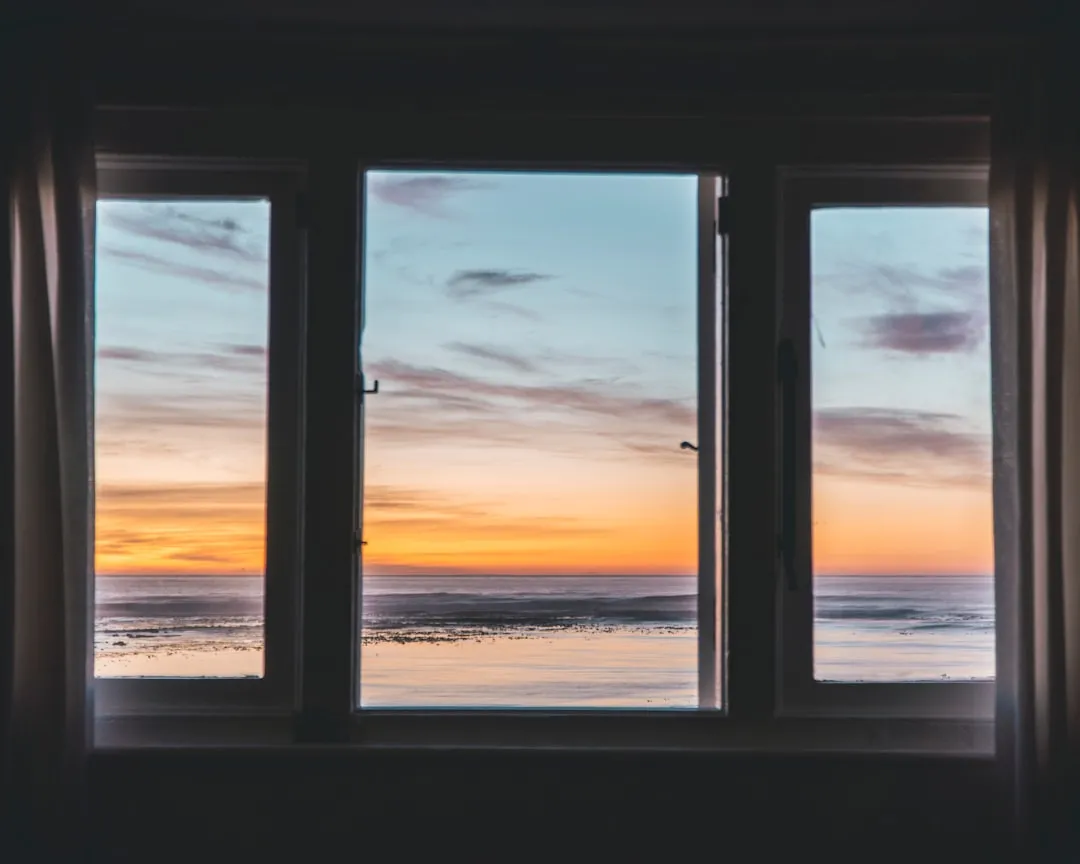
The U.S. Department of Energy estimates that 25 to 30% of residential heating and cooling energy use is due to heat loss and gain through windows. That is a substantial share of the largest single expense in most households’ energy budget. Inefficient windows cost U.S. homeowners between $101 and $583 per year in wasted energy, depending on climate zone, window age, and fuel type, according to the DOE Building Technologies Office. The upper end of that range is common in Northern zone homes with pre-2000 double-pane windows and gas or electric resistance heating.
The challenge is that window energy loss is diffuse: it blends into the total bill and gets attributed to weather variation, rate increases, or appliance inefficiency. That makes it easy to overlook for years. Your furnace and air conditioner have to run longer and harder to compensate for the constant heat loss and gain caused by drafty windows, which accelerates wear and tear and leads to more frequent repairs and a shorter lifespan for expensive equipment.
Warm air leaking into your home in summer and out of your home in winter can waste a lot of energy. You can save 10% on energy costs by insulating, sealing, and weatherstripping the cracks around your windows and doors. For homes with older windows where full replacement is not yet practical, this is a meaningful and inexpensive first step.
The Hidden Multiplier Effect of Air Leaks
Experts say that anywhere from 10% to 30% of the air you heat or cool can disappear through drafty doors and windows. This constant struggle does not just waste energy; it also puts extra strain on your heating and cooling system. The systems end up running longer and working harder, which can wear them out faster.
By sealing up leaks, homeowners can typically save a meaningful amount each year, somewhere in the range of $200 to $400. Over a decade, that adds up to thousands of dollars. Warm air can also be lost if ducts in crawlspaces and attics are not properly insulated. By sealing and insulating ducts in your heating system, you can improve efficiency by as much as 20%.
#4: An Aging Water Heater Working Harder Than It Should
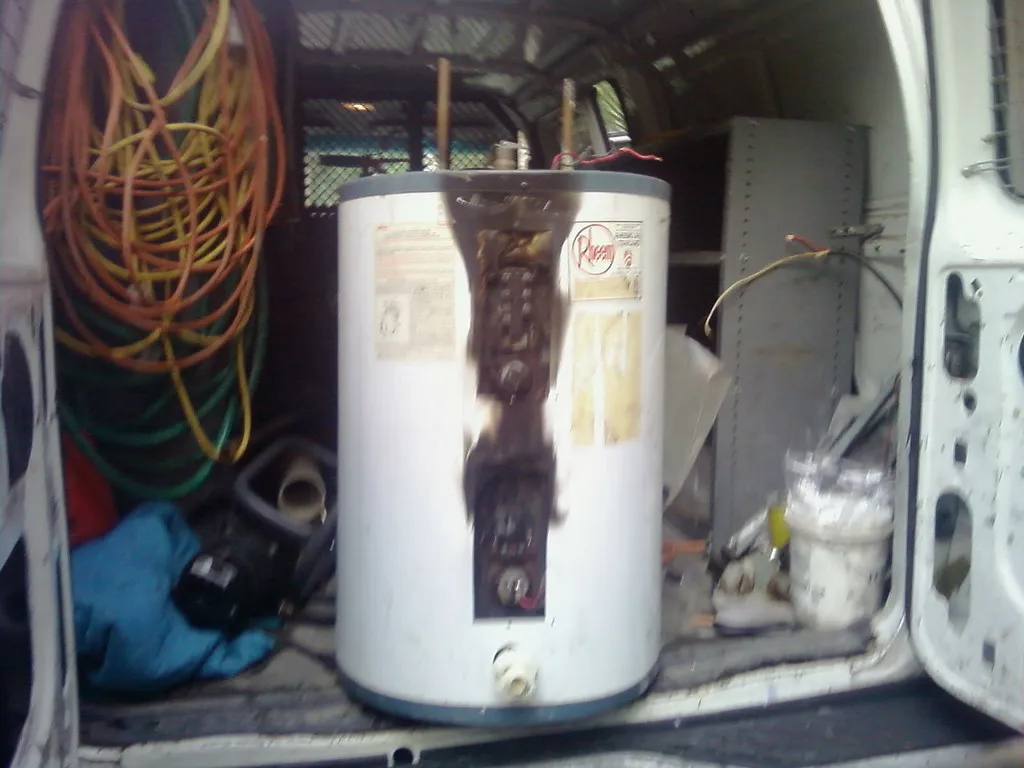
Water heaters account for 13% of all residential energy usage and represent the second-largest source of home energy consumption. According to the U.S. Department of Energy, more than 41 million water heaters in service today are at least 10 years old. Replacing those older heaters with Energy Star-certified models would translate to a cost savings of nearly $10 billion each year across the country.
Most homeowners never think about their water heater until it fails. That is precisely the problem. An older unit running well past its prime draws far more energy to deliver the same results. Water heating quietly eats into your bill every single month, and most people cannot see it happening because the tank is usually tucked away in a basement or utility closet.
A few behavioral adjustments can reduce the cost without replacing anything. Setting your water heater to 120°F reduces energy use without sacrificing comfort. Washing clothes in cold water and fixing hot water leaks promptly also make a measurable difference. Efficient appliances incorporate advanced technologies and use 10 to 50% less energy and water than older generation models, and the money saved on utility bills can more than make up for the cost of buying the more efficient model.
Putting It All Together: The Compounding Effect

None of these four things are dramatic on their own. A few watts here, a slight draft there, a filter that’s been in since last spring. The reason they matter is that they all run simultaneously, every day, month after month. Upon conscientious management, the average household can lower the annual amount paid on utility bills by up to 25% per year.
Energy is wasted by heating and cooling of unoccupied buildings and rooms, inefficient appliances, thermostat oversetting, and standby power loss. These are not separate problems. They often reinforce each other. A drafty window forces the HVAC to run longer, which then runs through a dirty filter even more rapidly, which compounds energy costs further.
Energy management systems that display energy use through monitors or mobile apps and enable remote control of devices can reduce household energy use by 4 to 7%. When combined with the fixes described above, the total savings picture becomes genuinely compelling.
How Rising Electricity Prices Are Changing the Math
According to the U.S. Energy Information Administration, residential electricity prices rose 10.2% year over year as of March 2026. For the full year, EIA expects the average residential price to land around 18.2 cents per kilowatt-hour, roughly 5% higher than 2025. That means the dollar cost of every wasted watt is higher in 2026 than it was a year ago.
The National Energy Assistance Directors Association projects summer cooling costs will hit a record this year, with increases of roughly 5% to 14% depending on your region. Against that backdrop, the four issues described in this article are not abstract. They are active drains on household budgets that are already under pressure from forces outside anyone’s control.
Simple Fixes, Real Payoff

The practical actions are straightforward. For phantom power: use smart power strips or simply unplug high-standby devices when not in use. For the HVAC filter: set a calendar reminder and check it monthly, replacing it every 90 days at minimum. For windows and doors: inspect caulking and weatherstripping once a year and reseal anything that has cracked or separated. For the water heater: lower the temperature setting and consider replacing any unit that is more than 10 years old.
None of these require a contractor or a large investment. Most of them can be done in an afternoon for under $50. Reducing standby power usage is a straightforward way to decrease energy consumption and save on electricity bills. The same principle applies across all four areas.
The Takeaway
The most expensive energy waste is the kind you never notice. It does not announce itself with a dramatic spike on your bill. It just quietly accumulates over months and years, disguised as normal fluctuation or weather variation. These four things are reliable, well-documented, and consistently overlooked by households across the country.
What makes them worth addressing now, rather than later, is the current direction of energy prices. Every percentage point of efficiency recovered is worth more in 2026 than it was in 2024. Homes wasting energy through dirty filters, leaky ducts, or inefficient habits feel rising energy costs most acutely. The fix is almost always simpler than people expect – which makes the delay all the harder to justify.
AI Disclaimer: This article was created with the assistance of AI tools and reviewed by a human editor.