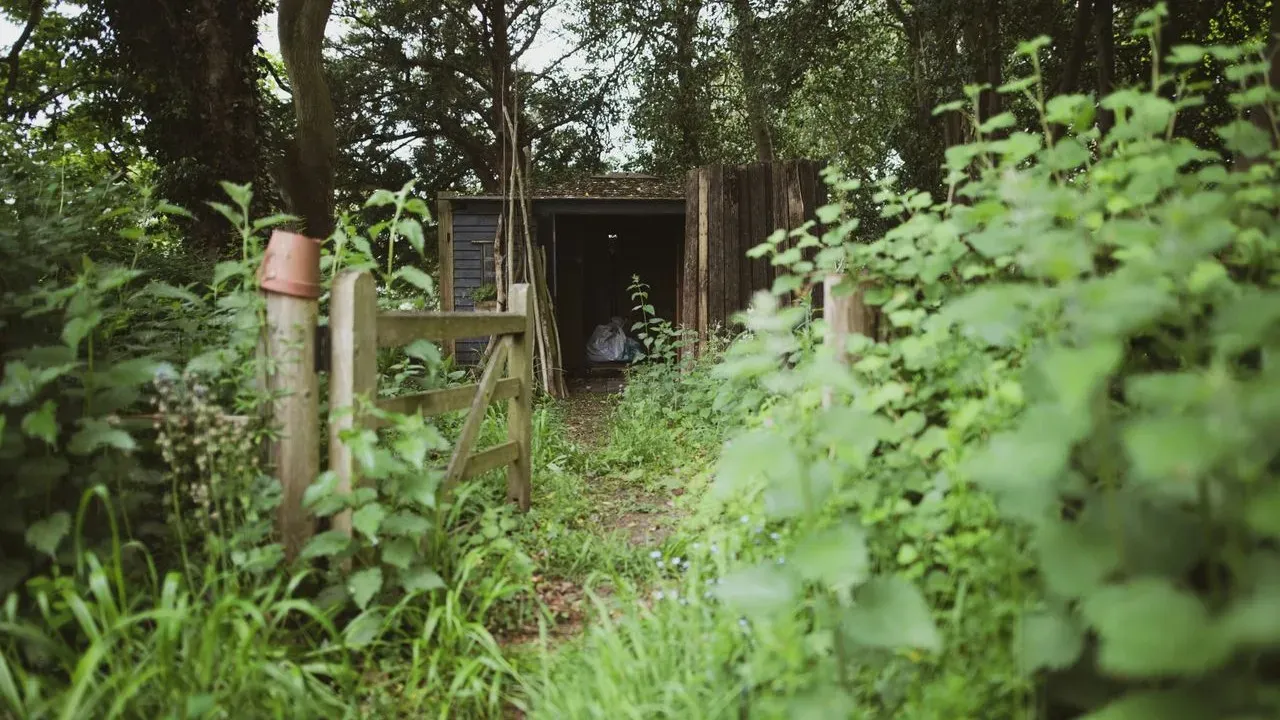

The Pacific Northwest summer often arrives with uneven rainfall and long stretches of dry weather that test even experienced gardeners. This year the challenge arrived earlier than usual for one local gardener whose spring plans were upended by travel. The result was a landscape that had slipped past the point of easy maintenance, prompting a clear-eyed reassessment of what could realistically be sustained.
The Human Cost of Missed Maintenance
A planned trip to the Netherlands and Belgium in late spring consumed weeks of preparation and recovery time. Routine tasks such as planting, pruning, and soil work were postponed, leaving beds and hedges to develop on their own. The gardener returned to find familiar plants thriving in some areas while others had become difficult to navigate or shape. The emotional weight of the situation was immediate. Hours spent watering at the end of a hose turned into opportunities to catalog what had been lost to neglect. Parts of the garden that once reflected deliberate choices now appeared untended, creating a sense of frustration that extended beyond simple aesthetics.
Lessons From European Garden Traditions
Travel offered direct exposure to long-standing practices of managing woody plants in limited spaces. Pollarded plane trees and formally pleached hedges appeared along streets and in private gardens, their repeated cutting producing strong architectural lines even in winter. These examples demonstrated how consistent intervention could keep vigorous species within bounds while preserving seasonal interest. The contrast between clipped forms and looser plantings stood out as a workable model. Boxwood orbs and a single cone in the home garden already showed that some plants tolerate a year of reduced attention. The semi-pleached crabapple hedge, however, had responded differently, producing floppy growth that no longer aligned with the intended structure.
Practical Steps to Restore Manageability
A decision was reached to cut the crabapple hedge back to its main scaffold branches within the next month. The move will eliminate flowers and fruit for at least one or two seasons, yet it is expected to reestablish a framework that can be maintained with available time and tools. Ladders, saws, loppers, and pruners will be required for the work. The approach acknowledges that some gardeners view such heavy pruning as overly aggressive. Still, the gardener views it as an honest response to the limits of personal capacity rather than an attempt to dominate nature. The same philosophy has guided earlier ambitious projects that carried the risk of visible failure. – Identify the primary structural elements worth preserving.
– Remove all secondary growth that exceeds the intended height and width.
– Monitor regrowth the following season to establish a sustainable cutting schedule.
– Accept reduced ornamental display while the framework recovers.
What Changes Next for the Gardener and the Garden
The remaining plantings will continue with minimal intervention where they already perform adequately. Self-sown verbena, oakleaf hydrangea, and iris will receive only the attention needed to prevent outright decline. This selective focus is intended to keep the overall garden within reach rather than allowing further expansion. The relationship between caretaker and landscape remains central. The gardener has long accepted that ambitious plans sometimes exceed practical limits, yet the willingness to adjust course is what keeps the endeavor viable. A draft bulb order already signals that new plantings will be considered once the current structure is stabilized. The episode illustrates a recurring tension in home gardening: the desire for scale and variety often collides with the realities of time and seasonal demands. How that tension is resolved determines whether a garden remains a source of satisfaction or becomes an ongoing source of regret.
AI Disclaimer: This article was created with the assistance of AI tools and reviewed by a human editor.