
Gardeners seeking an unusual focal point often turn to plants that combine striking form with manageable requirements. Tower of jewels, known scientifically as Echium wildpretii, fits that description as a biennial that thrives in warmer regions. Its deep pink to red flower cones rise above a base of silvery foliage, creating a display that draws attention in suitable landscapes. The plant performs best where conditions align with its native preferences for full sun and cooler, drier air.
Recognizing the Plant’s Distinct Form
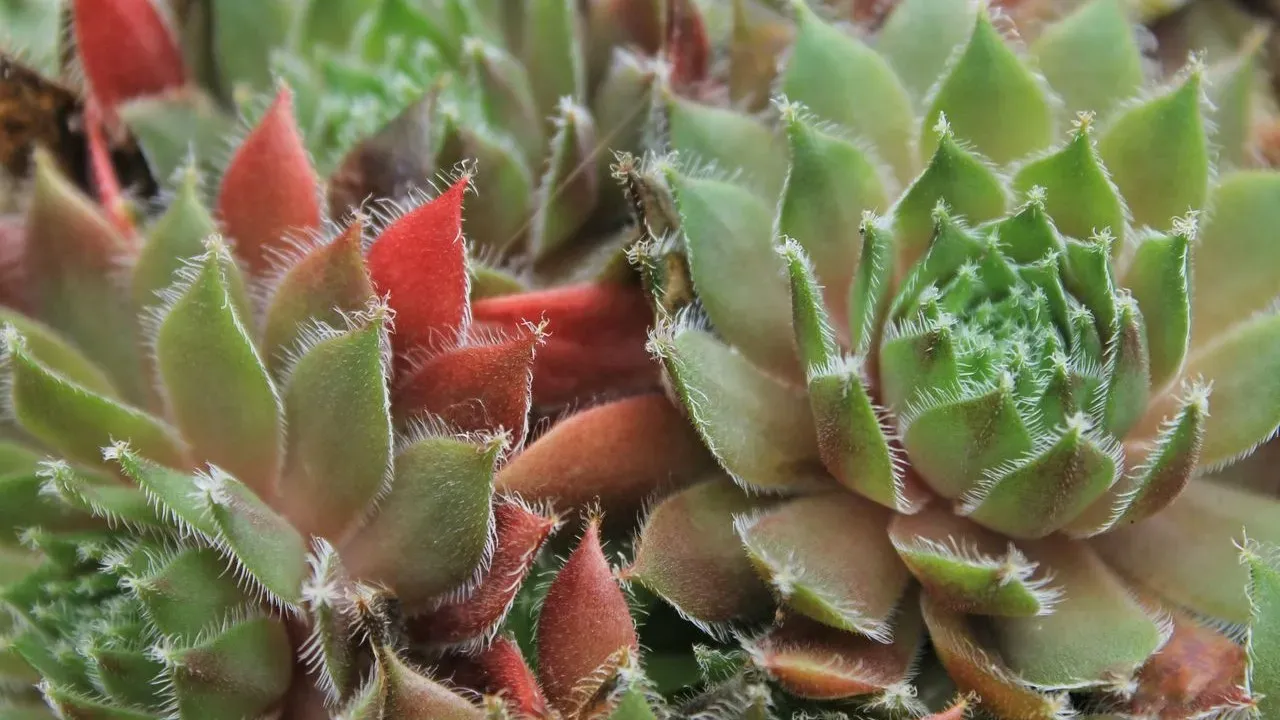
The structure of tower of jewels sets it apart from many common garden perennials. In its first year, the plant forms a rosette of silvery leaves close to the ground. During the second year, it sends up the characteristic cone-shaped flower spikes in shades of deep pink to red. This biennial cycle means the plant completes its life span over two growing seasons before setting seed and declining. The foliage provides a soft contrast to the bold blooms. Silvery tones reflect light and help the plant stand out even before the flowers open. Once the cones develop, they become the main attraction in beds or borders designed for height and color.
Matching Site Conditions to the Plant’s Needs
Successful cultivation begins with selecting the right location. Tower of jewels requires full sun for proper development and flowering. Partial shade tends to reduce bloom quality and can lead to weaker stems. The plant also favors cool, dry air, which helps prevent issues common in humid environments. USDA hardiness zones 9 through 11 provide the temperature range where this species performs reliably. In these areas, winters remain mild enough for the rosette to survive and prepare for the second-year bloom. Gardeners outside these zones may treat the plant as an annual or provide winter protection, though results vary.
Supporting Healthy Growth Through the Seasons
Watering practices should reflect the plant’s preference for drier conditions once established. Consistent moisture during the first year supports root development, while reduced watering in the second year encourages the upright flower spikes. Overly wet soil, especially in cooler months, can stress the plant. Soil preparation focuses on good drainage. Amending heavy soils with organic matter or grit improves conditions without creating excessive fertility that might encourage soft growth. Fertilizer applications remain light, as the species does not demand rich nutrients to produce its signature display.
Planning for the Biennial Cycle
Gardeners who understand the two-year life cycle can time plantings for continuous interest. Starting new seedlings each year ensures that some plants reach the flowering stage while others remain in the rosette phase. This approach maintains visual impact across seasons without relying on a single specimen. Seed collection after flowering allows gardeners to propagate additional plants for future seasons. The process aligns with the plant’s natural reproduction and supports self-sustaining patches in appropriate climates. With attention to these details, tower of jewels can become a reliable, if temporary, highlight in warm-climate gardens.
AI Disclaimer: This article was created with the assistance of AI tools and reviewed by a human editor.