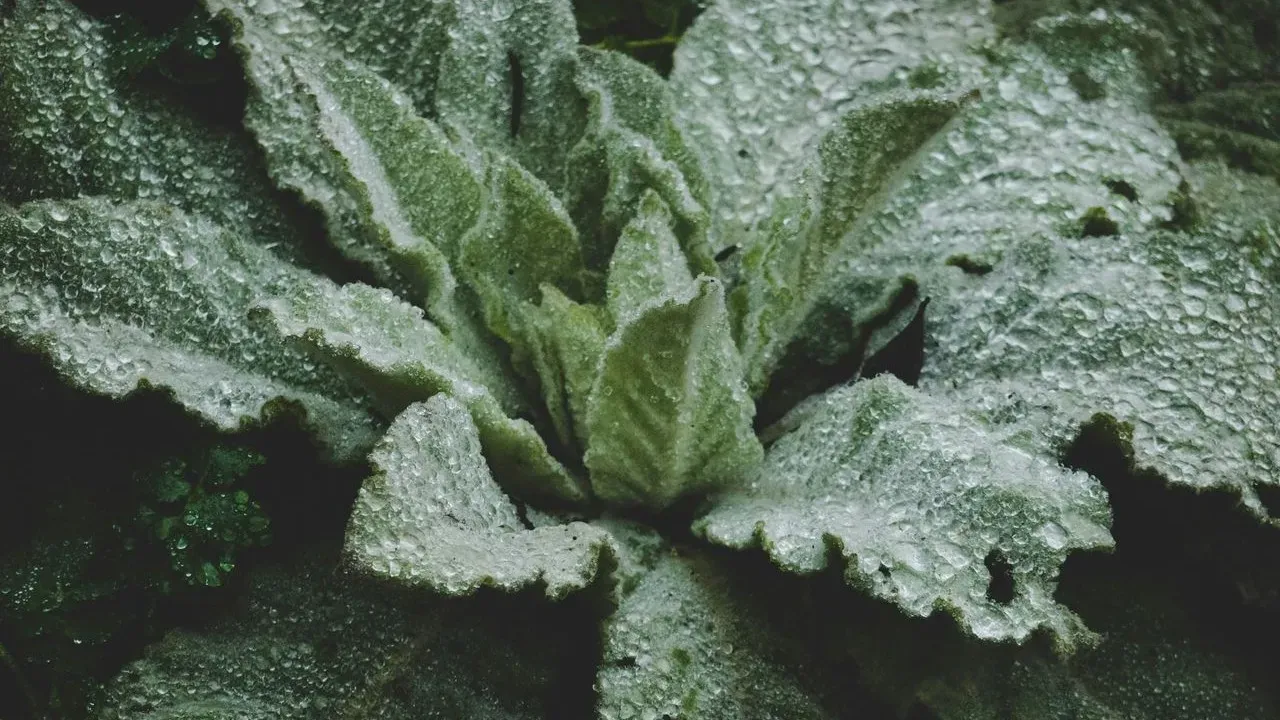

Gardeners seeking reliable groundcovers that support pollinators without constant intervention are taking a closer look at dwarf comfrey. Kathy Jentz, editor of Washington Gardener Magazine and host of the Garden DC podcast, recently drew attention to the plant during a discussion of her book Groundcover Revolution. Her comments, paired with images from multiple sites maintained by gardener Susan, underscore its practical value in real landscapes.
Why Dwarf Comfrey Stands Out
Dwarf comfrey, also known as Iberian comfrey or Symphytum ibericum, forms dense mounds of dark green leaves that quickly fill open spaces. The plant produces clusters of peachy-yellow bell-shaped flowers on nodding stems, creating a steady draw for bees and other pollinators. In one backyard setting, the blooms kept the area abuzz throughout the season.
Unlike many groundcovers, it tolerates a wide range of light conditions from full sun to full shade. It adapts to various soil types and becomes drought tolerant once established. These traits make it suitable for slopes and hillsides where erosion control is needed.
Soil Benefits and Garden Uses
The plant acts as a nutrient accumulator, pulling minerals from deeper soil layers. After the initial flowering period, cutting the foliage back provides nutrient-rich mulch that can be spread directly around other plants. The leaves also serve as a bio-activator when added to compost piles.
Plant expert Barbara Melera has noted that comfrey’s most significant qualities relate to its effect on garden soil. The fat roots aerate heavy clay soils, breaking them up into more amenable loam. Under fruit trees and berry bushes, the groundcover eliminates the need for mowing or weeding close to trunks and stems, reducing the risk of mechanical damage.
Deer generally avoid the foliage, and the plant shows few serious pest or disease problems. These characteristics position it as a low-input option for both home gardens and commercial plantings.
Propagation and Long-Term Placement
Dwarf comfrey spreads through underground roots and can be propagated easily by root cuttings or division. Once placed, it returns readily even if some roots remain in the soil during transplanting. Gardeners are advised to site it where it can remain permanently.
The plant works well near vegetable beds, where its pollinator activity benefits nearby crops such as tomatoes. Beekeepers have found it useful as a forage source close to hives. In one commercial entrance garden, it filled in rapidly and drew positive comments from passersby.
Broader Context From Recent Discussions
Jentz’s recommendation comes after her interview with landscape architect Thomas Rainer, whose forward-looking views on planting design prompted her to revisit the comfrey section of her book. The combination of pollinator support, soil improvement, and minimal maintenance aligns with current interest in resilient, lawn-free landscapes.
While not native to North America, dwarf comfrey offers European origins and proven performance for those open to non-native options that deliver clear functional benefits. Its role as a near-evergreen, weed-suppressing layer continues to attract attention among gardeners prioritizing both ecology and ease of care.
AI Disclaimer: This article was created with the assistance of AI tools and reviewed by a human editor.