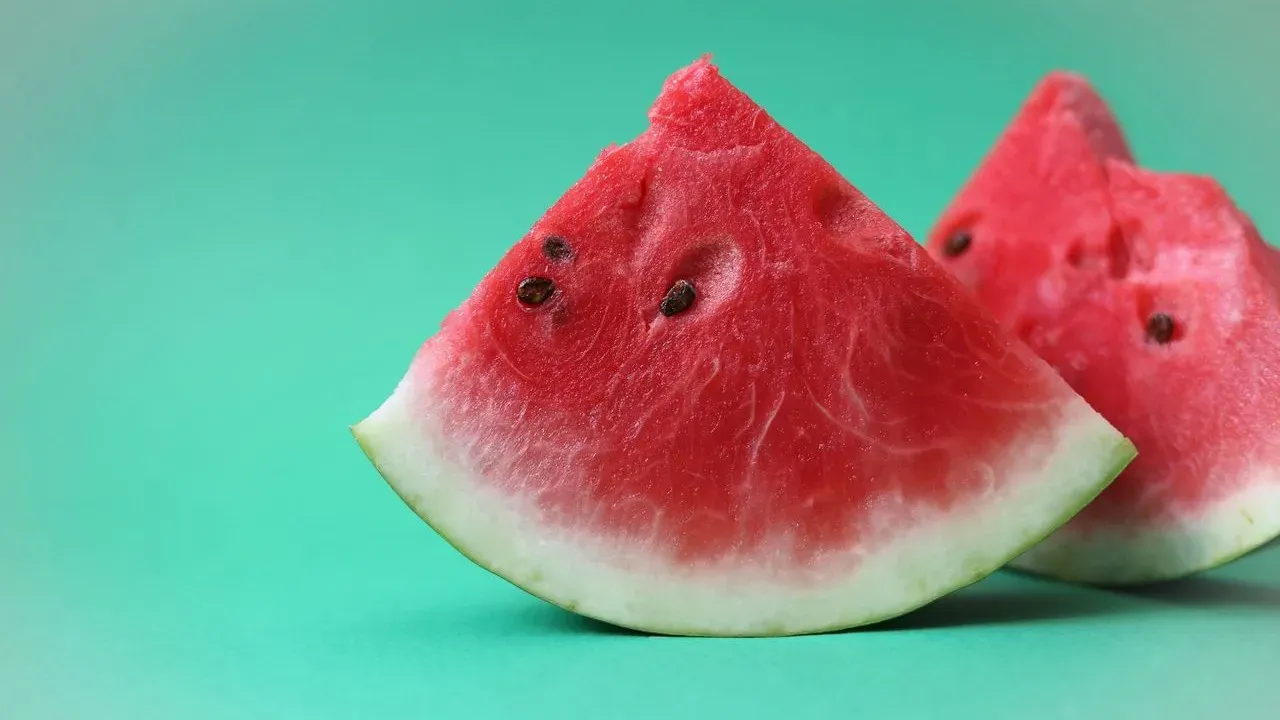

Shoppers often leave the produce aisle with a watermelon that looks promising only to find pale, flavorless flesh once it is sliced open. The disappointment is common because many rely on tests that offer little real guidance. Agricultural researchers point instead to a straightforward detail that appears on every melon: the pale patch where the fruit rested on the ground while it grew.
Why Ripeness Stops at Harvest
Watermelon belongs to a group of fruits that do not continue to sweeten after they are picked. Once separated from the vine, the melon stops producing additional sugars. Extension services at several universities note that this trait makes the moment of selection critical. A melon harvested too early will remain underripe no matter how long it sits on a counter.
The practical result is that buyers must judge maturity at the store or market rather than hoping for improvement at home. This single fact explains why certain visual and tactile checks matter more than others.
The Field Spot as the Strongest Signal
Every watermelon develops a distinct pale area on its underside from contact with the soil. When the melon is rolled over, that patch reveals how long the fruit remained on the vine. A large, creamy yellow or golden spot indicates extended ripening time and greater sugar development. A small, white, or barely noticeable mark suggests the melon was picked before it reached full maturity.
Researchers at Texas A&M AgriLife Extension have identified this ground contact area as the most consistent indicator short of cutting the fruit open. The size and color of the spot provide direct evidence of vine time that other surface traits cannot match. Shoppers who make a habit of checking this patch first tend to bring home sweeter results with greater reliability.
Weight offers a useful companion check. Because ripe watermelons contain roughly 92 percent water, they feel heavier than less mature melons of the same size. Comparing two or three similar melons side by side helps isolate the heaviest option without needing special equipment.
Secondary Checks and Their Limits
The familiar thump test appears in many guides yet receives mixed reviews from extension specialists. Some describe a deep, resonant sound as ideal while others associate a dull tone with ripeness. University of Missouri Extension has described the sound test as the least dependable of the common methods and recommends using it only to confirm other observations.
A popular online tip suggests measuring the width of dark stripes with two fingers pressed together. The idea is that wider stripes signal greater expansion and maturity. While the logic is plausible, the method has not been validated in published horticultural studies and works best as a tiebreaker between two otherwise similar melons.
Rind appearance supplies another clue. A ripe watermelon typically shows a dull, matte surface rather than a glossy one. Gloss often indicates harvest before full development. If a stem remains attached, a dry, brown appearance aligns with proper maturity, though many commercial melons arrive without stems.
Storage Choices That Protect Flavor and Nutrients
Whole watermelons keep best at room temperature. Tests by USDA Agricultural Research Service scientists showed that melons held around 70 degrees Fahrenheit for two weeks gained substantially more lycopene and beta-carotene than those stored in a refrigerator. Chilling an uncut melon can lead to rind pitting and reduced nutrient retention after about a week.
Once cut, the rules change for food safety. Any sliced watermelon should move into the refrigerator within two hours, or within one hour if outdoor temperatures exceed 90 degrees. Covered pieces maintain quality for three to four days at 40 degrees or below. Freezing works for smoothies or purees but changes the crisp texture that makes fresh watermelon appealing.
Key points to remember
- Check the field spot first for a large, creamy yellow or golden patch.
- Choose the heaviest melon among similar sizes.
- Look for a dull rind rather than a shiny one.
- Store whole melons at room temperature for better nutrient retention.
- Refrigerate only after cutting and use within a few days.
Selecting a watermelon with these observations in mind turns a common summer purchase into a more consistent experience. The field spot, in particular, gives buyers a clear, evidence-based way to judge ripeness without relying on contested or unverified tricks. With that single detail confirmed, the rest of the season’s produce decisions become simpler to navigate.
AI Disclaimer: This article was created with the assistance of AI tools and reviewed by a human editor.