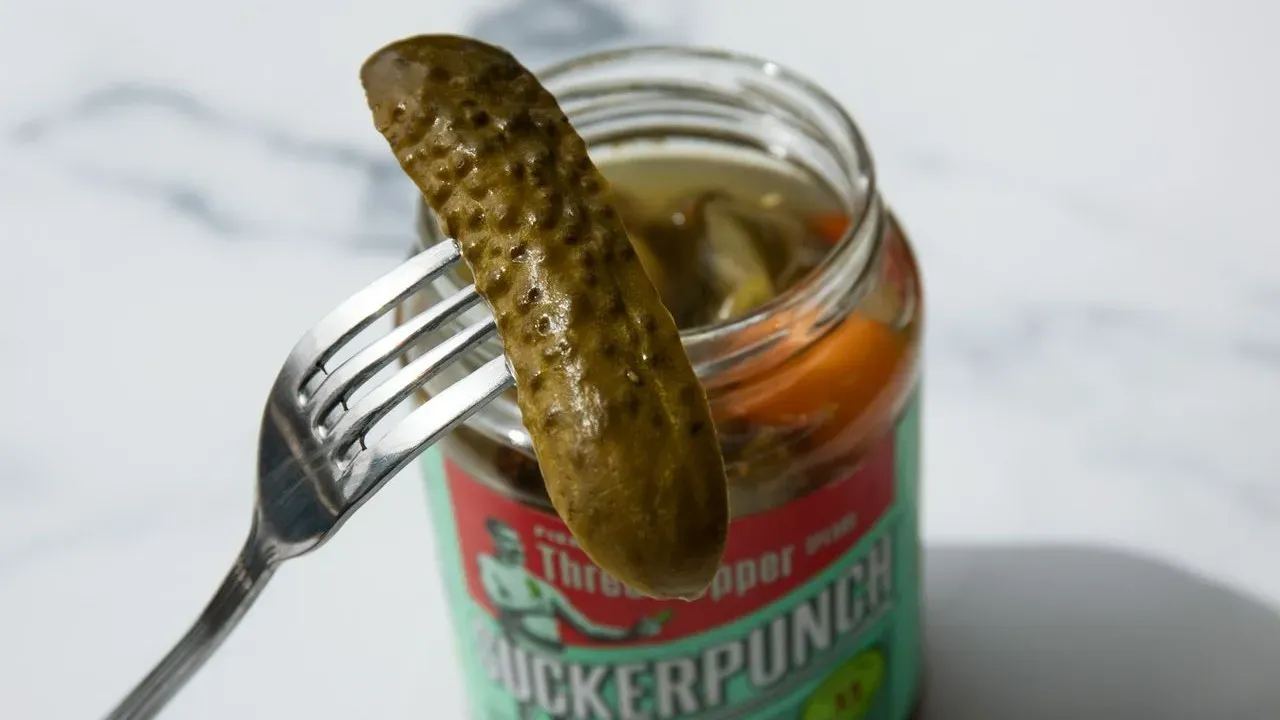

Gardeners often find themselves with more cucumbers than they can use fresh during peak season. One family recipe offers a direct path from vine to pantry shelf while preserving more than just produce. The method, passed down through generations, emphasizes crisp texture and familiar dill flavor without relying on older chemical soaks.
A Tradition Rooted in Daily Care
The recipe traces back to the author’s Nannie, who kept jars of pickles ready for every visit. She also shared frozen blueberries from her bushes and pecans she had gathered and shelled herself. Those gifts reflected a larger pattern of growing, preserving, and sharing what the garden provided.
Today the same approach continues in a new kitchen. Fresh cucumbers from the author’s own plants now fill the jars, creating a direct link between past and present. The process feels like an extension of the original habits rather than a departure from them.
Key Adjustments for Modern Canning
One notable change replaces the original lime soak with muscadine grape leaves. The leaves supply natural tannins that help maintain firmness during processing. Where muscadine vines grow nearby, the leaves are simple to collect; calcium chloride serves as a reliable substitute when grape leaves are unavailable.
Measurements were also scaled for pint jars instead of quarts. Seven pints fit comfortably in an electric canner or a standard stovetop water-bath setup. The smaller size suits most households and reduces waste when only a few jars are needed at a time.
Steps That Protect Texture and Flavor
Success begins with the right cucumbers. Pickling varieties measuring three to five inches long stay firm and fit neatly into pint jars. Both ends are trimmed, especially the blossom end that can soften the finished product.
After slicing into spears, the cucumbers soak in ice water for three to six hours. This cold step firms the flesh before packing. Jars receive one tablespoon of dill seed, one garlic clove, one teaspoon of mustard seed, and one or two grape leaves each. Spears are then packed tightly, hot brine is added, and air bubbles are released before sealing.
- Process pint jars for ten minutes in a boiling-water canner.
- Allow the jars to cool undisturbed.
- Wait at least one to two weeks before opening so the flavors fully develop.
More Than a Pantry Staple
Each finished jar carries the memory of shared meals and quiet generosity. The pickles remain garlicky and tangy, yet the real value lies in the continuity they represent. Gardeners who follow the same steps find they are preserving both food and a personal story that began decades earlier.
The method works equally well for anyone facing a summer surplus. It turns an ordinary harvest into something that can be opened months later and still taste like care taken at the right moment.
AI Disclaimer: This article was created with the assistance of AI tools and reviewed by a human editor.