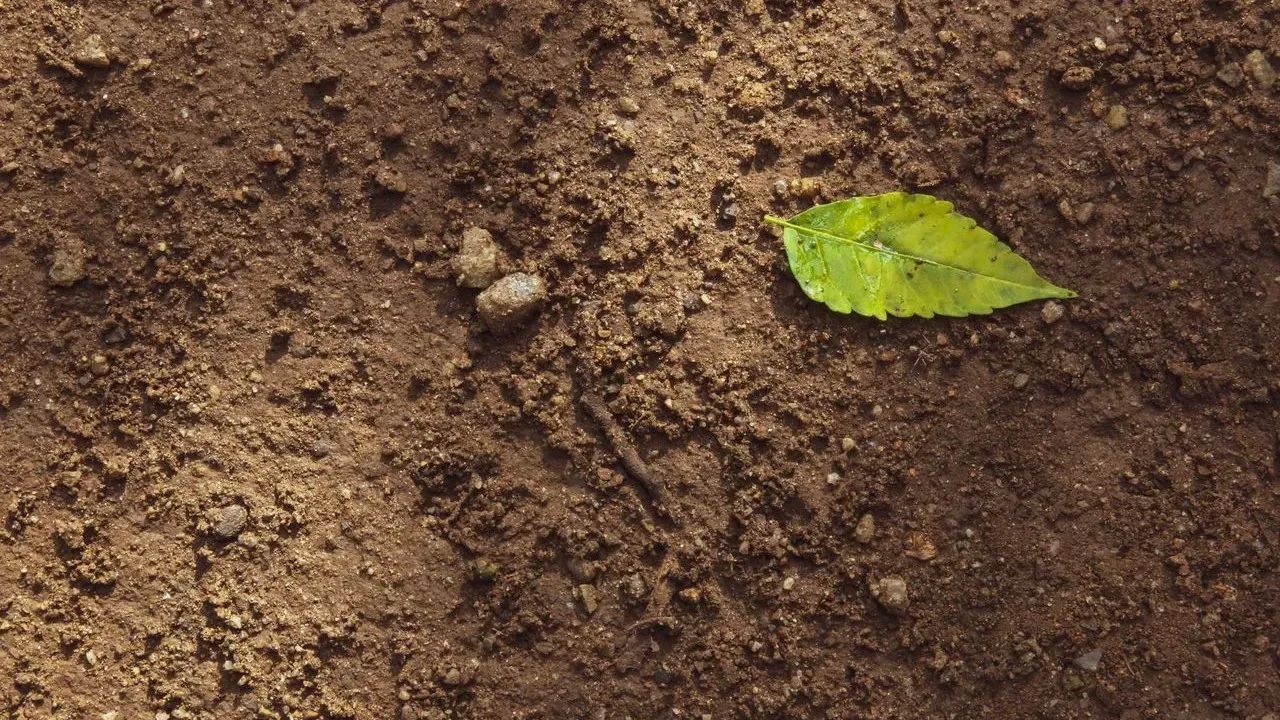

Recent food safety challenges have drawn fresh attention to how food is grown. Outbreaks linked to contaminated produce and ingredients show the limits of conventional systems. Regenerative agriculture offers a different path by rebuilding soil as a living system rather than treating it as a mere medium for plants. **Core Principles Behind Regenerative Soil** Regenerative methods prioritize soil biology over chemical inputs. Practices such as minimizing tillage, planting cover crops, and maintaining living roots preserve microbial communities that cycle nutrients and suppress pathogens. These approaches increase organic matter, which improves water retention and structure. Home gardeners can apply the same ideas on a smaller scale. Avoiding frequent digging protects fungal networks that help plants access minerals. Adding compost and diverse plantings feeds the underground life that supports stronger crops. **Links to Food Quality and Safety** Improved soil health can influence what ends up on the plate. Research indicates regenerative practices may raise nutrient density in produce while lowering exposure to certain agricultural chemicals.[1] This matters when supply chains face contamination risks. Healthier soils foster biodiversity that can reduce the conditions allowing harmful organisms to thrive. The result is food with better nutritional profiles and fewer residues. **Steps Home Gardeners Can Take** Gardeners seeking these benefits often start with a few consistent actions: – Reduce or eliminate tillage to protect soil structure.
– Use cover crops or mulch between main plantings.
– Rotate crops and include a wide variety of species.
– Build organic matter through compost and minimal disturbance. These steps work on raised beds or in-ground plots alike. Over time, the soil becomes more resilient to drought and pests. **Looking Ahead for Growers** Interest in regenerative approaches continues to grow among both large operations and small-scale producers. Programs supporting soil-focused practices signal wider recognition of their value. For anyone tending a garden, the shift begins with viewing soil as an active partner rather than a passive base. The payoff appears in stronger plants and produce that carries more of what the body needs.
AI Disclaimer: This article was created with the assistance of AI tools and reviewed by a human editor.