


Most of us know that eating well matters, but the gap between general advice and what nutrition professionals actually do in their own kitchens can be surprisingly wide. Dietitians spend careers studying how food affects the body at a cellular level, and that knowledge tends to change their personal choices in very specific, deliberate ways.
The five foods covered here aren’t unusual or obscure. They’re everyday staples many households keep in regular rotation. That’s precisely what makes the evidence around them worth knowing.
1. Sugar-Sweetened Beverages

Sodas, sweetened teas, energy drinks, and even many fruit juices are at the top of almost every dietitian’s list of foods to avoid. Sugary drinks are the leading source of added sugars in the American diet, and adults who regularly consume them are more likely to experience weight gain, obesity, type 2 diabetes, heart disease, cavities, and gout. The problem isn’t just calories. It’s how liquid sugar behaves differently in the body compared to whole food.
Sugar-sweetened beverages have high carbohydrate content but poor energy compensation and low satiety effects, and experimental studies have shown that high intake has detrimental effects including accelerating chronic inflammation, disordering lipid metabolism, and promoting oxidative stress. In plain terms: you drink a lot of sugar, feel no fuller, and your body has to deal with the metabolic fallout.
Sugary drinks are also associated with a greater risk of heart disease than baked goods, according to research published in early 2025. The new Dietary Guidelines for Americans 2025-2030 reflect this concern directly. The guidelines recommend avoiding sugar-sweetened beverages as well as salty or sweet packaged snacks and ready-to-eat foods.
2. Processed Meats
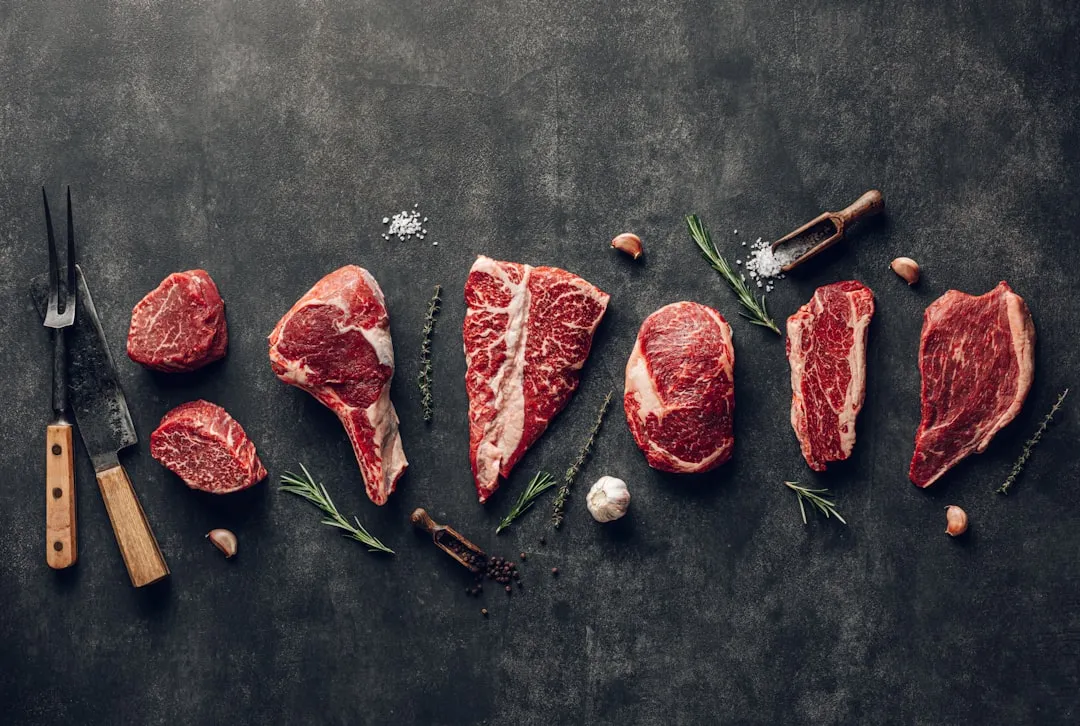
Hot dogs, deli meats, bacon, sausages, and similar products sit firmly in the category that most dietitians skip on a daily basis. The World Health Organization’s International Agency for Research on Cancer classifies processed meat as “carcinogenic to humans” (Group 1), based on sufficient evidence linking it to colorectal cancer, particularly when consumed regularly in large amounts.
Eating roughly 50 grams of processed meat daily – about one hot dog or two slices of deli meat every single day – increases the risk of colorectal cancer by about 16%, which would raise the average person’s roughly 4.5% lifetime risk of colorectal cancer to about 5.2%. It’s a real and measurable increase, even if it isn’t dramatic in absolute terms.
Eating any amount of processed meat can increase the risk of bowel cancer, and it can also be high in saturated fat and calories, contributing to weight gain over time if eaten often. The American Institute for Cancer Research and the American Society of Clinical Oncology recommend avoiding all processed meat entirely to reduce cancer risk. That’s guidance dietitians take seriously in their own daily lives.
3. Ultra-Processed Packaged Snacks and Frozen Meals

This is a broad category, but it covers the kinds of things that fill the inner aisles of most grocery stores: instant noodles, frozen pizzas, packaged crackers, sweetened breakfast cereals, and chips. Ultra-processed food now accounts for nearly 60% of U.S. adults’ calorie consumption, and among American children, that portion is close to 70%.
A 2024 review of 45 meta-analyses, covering nearly 10 million study participants, found convincing evidence that a diet high in ultra-processed foods increases the risk of death from cardiovascular disease by roughly half and the risk of anxiety by nearly half. It also found highly suggestive evidence that greater consumption increases the risk of death from heart disease by 66%, obesity by 55%, sleep disorders by 41%, and Type 2 diabetes by 40%.
A 2024 umbrella review study found a strong correlation between ultra-processed foods and no fewer than 32 different health parameters spanning mortality, cancer, and mental, respiratory, cardiovascular, gastrointestinal, and metabolic health outcomes. Growing evidence has linked ultra-processed food consumption to chronic disease risk, and in 2025, this field reached a turning point with experimental, clinical, and epidemiological studies converging to clarify the underlying mechanisms.
4. Refined Grains and White Bread

White bread, white rice, standard pasta, and most commercially baked goods are made from grains that have been stripped of much of their nutritional value. Refined grains have the germ and bran removed, which gives them a finer texture and longer shelf life, but the process takes out nearly all of the fiber and many other nutrients.
Evidence suggests clear dose-response associations between a high intake of whole grains and lower risks of cardiovascular disease, colorectal cancer, type 2 diabetes, and premature mortality. By contrast, the available evidence on refined grains does not indicate similar beneficial associations as for whole grains, and it is widely suggested that replacing refined grains with whole grains would improve several important health outcomes.
The latest Dietary Guidelines for Americans prioritize whole, fiber-rich grain options while calling for a significant reduction in highly processed, refined carbohydrates such as white bread. Limiting the consumption of refined carbohydrates like white bread or white pasta has a positive effect on the lipid profile by lowering the concentration of triglycerides. Dietitians know this well enough to keep whole grain alternatives as their default at home.
5. Foods Containing Industrial Trans Fats

Industrially produced trans fats – found in some margarines, commercially fried foods, certain baked goods, and processed snacks – represent one of the clearest cases in nutrition science where the evidence firmly points in one direction. Trans-fatty acids occur in industrially produced form and naturally occurring form, and intake of trans-fatty acids is associated with increased risk of heart attacks and death from heart disease, with no known health benefits.
According to the WHO, five billion people globally remain unprotected from harmful trans fat, which raises their risk of heart disease and death, even as the WHO has called for global elimination of industrially produced trans fat since 2018. Progress has been made in some countries, but the risk hasn’t gone away everywhere.
The tricky part is that trans fats can still appear in foods under various labeling rules, sometimes listed as “partially hydrogenated oils” in ingredient lists. Best-practice policies targeting industrially produced trans fats are expected to save approximately 183,000 lives per year globally. Dietitians read ingredient labels carefully for exactly this reason, even when the nutrition facts panel appears clean.
Why Dietitians Don’t Just “Eat Everything in Moderation”

The moderation argument gets used a lot, and for many foods it holds up. For the five categories above, registered dietitians tend to be more deliberate. The research isn’t about occasional indulgence – it’s about what happens when these foods dominate the daily diet, which for most people in the U.S. they already do.
A major series published in The Lancet found that ultra-processed foods are rapidly replacing fresh and minimally processed meals around the world, with rising intake linked to poorer diet quality and higher risks of multiple chronic diseases. The scale of that shift is what concerns most nutrition professionals, not the occasional hot dog at a summer cookout.
An experimental study on mice found that widely consumed food additive emulsifiers caused transgenerational microbiota alterations that led to increased long-term susceptibility to metabolic and inflammatory diseases, and safety assessments of food additives have so far been performed substance by substance while mixtures of additives are consumed daily by billions of people worldwide. That last point is something dietitians find genuinely troubling: the mixture problem remains largely unstudied.
What Dietitians Actually Replace These With

Swapping out these five categories doesn’t require a rigid or expensive diet. Fermented foods such as yogurt, kimchi, and kombucha, as well as berries, seeds like chia and hemp, and avocado, consistently rank among the foods dietitians are most enthusiastic about adding to a regular diet. These choices tend to be as convenient as the foods they replace, once the habit forms.
Whole grains take the place of refined ones. Water, sparkling water, or home-brewed unsweetened tea replace sugary drinks. Poultry, fish, legumes, or plant proteins replace processed meats most of the time. None of it is radical, but the cumulative effect of those routine switches is where the long-term health difference tends to live.
The Takeaway
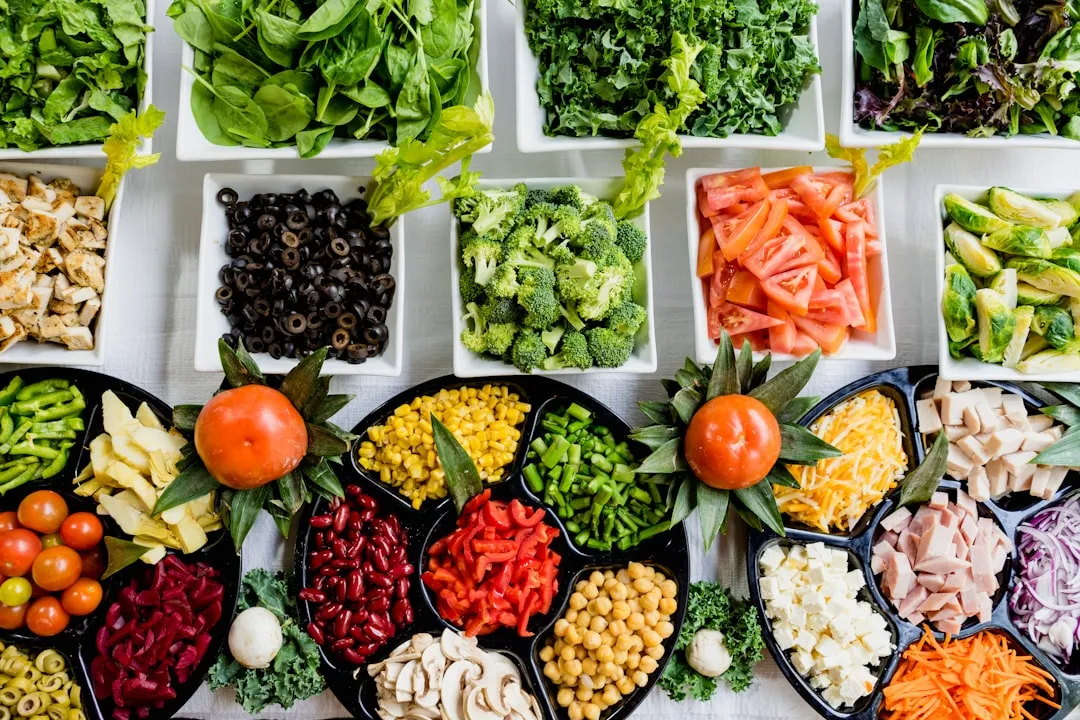
What dietitians avoid in their own kitchens isn’t a secret list or a set of arbitrary rules. It follows directly from where the research evidence is strongest and most consistent. Sugar-sweetened beverages, processed meats, ultra-processed packaged foods, refined grains, and industrially produced trans fats each carry documented health risks backed by large-scale studies, national dietary guidelines, and international health bodies.
None of this means a single meal can undo a healthy pattern, or that one serving of deli turkey will cause harm. Context and frequency matter, and good dietitians are the first to say so. Still, the cumulative weight of evidence is clear enough that professionals who study food for a living choose, most of the time, not to keep these foods as staples in their own lives. That consistency is worth paying attention to.
AI Disclaimer: This article was created with the assistance of AI tools and reviewed by a human editor.