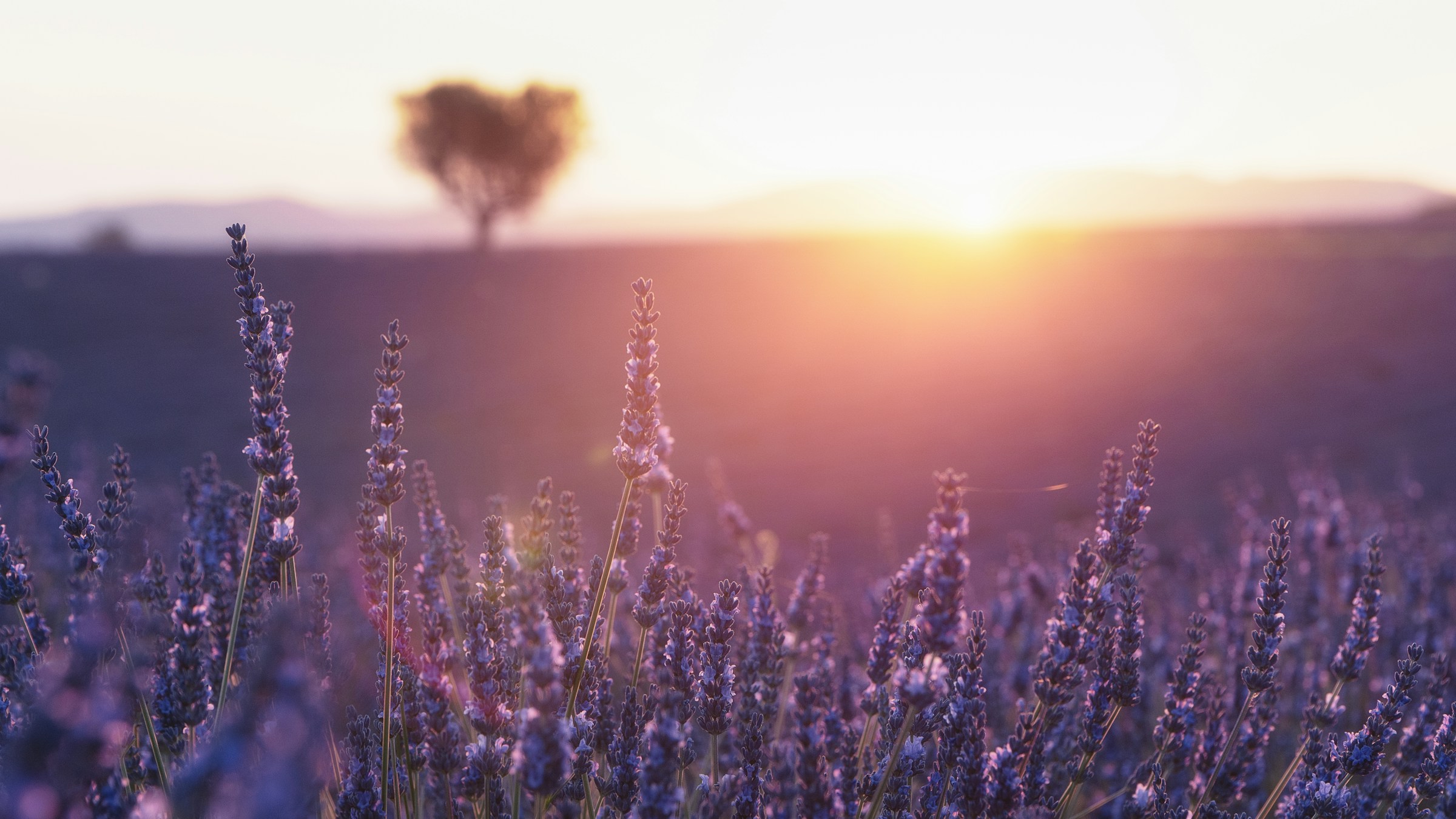

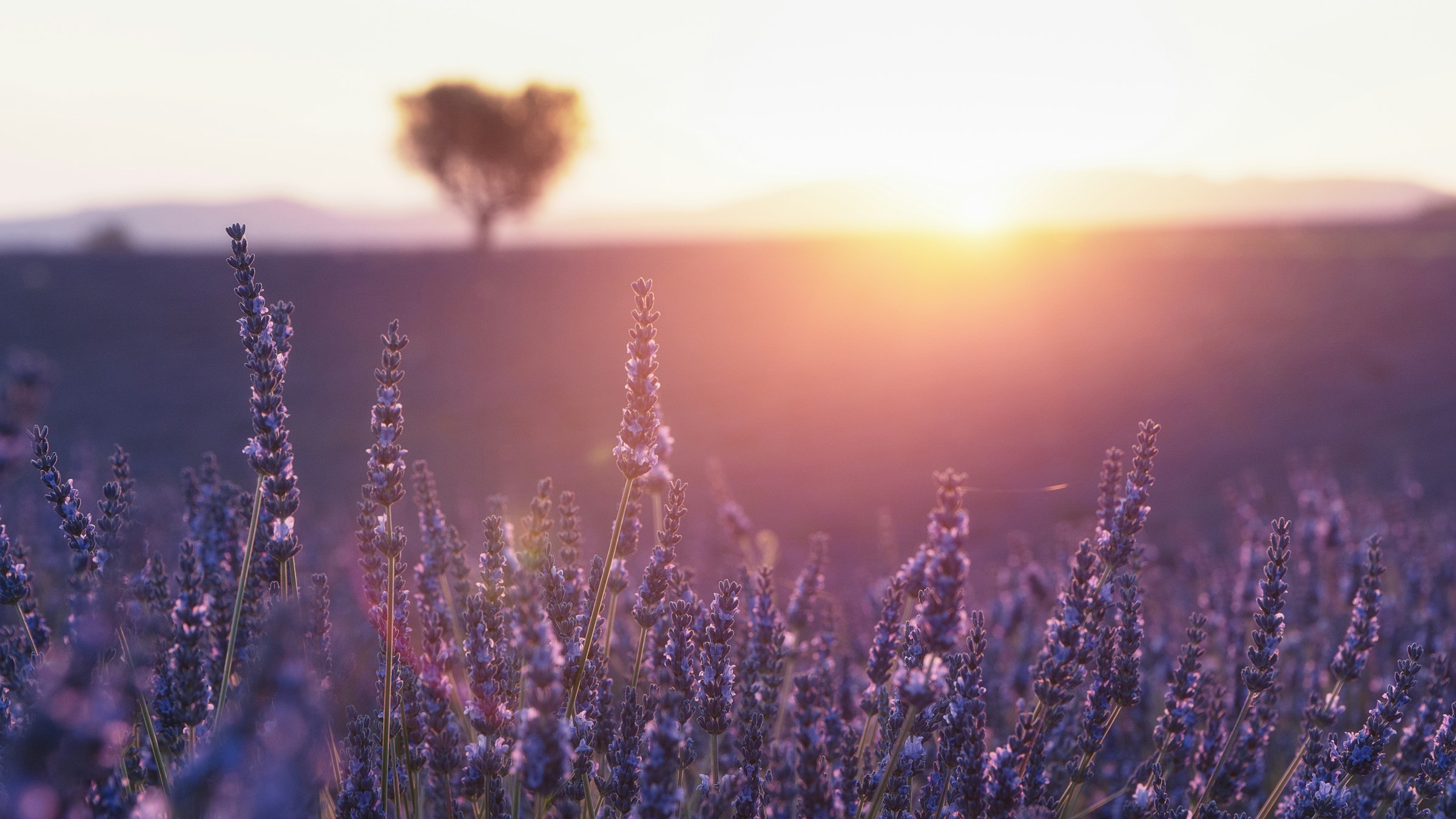
Gardening in Chico, California means working with a climate that is genuinely unforgiving by midsummer. Temperatures climb well past 100°F for stretches at a time, rain essentially disappears from June through September, and the sun beats down from a cloudless sky with startling intensity. For a garden to look good through all of it, plant selection matters more than almost anything else.
According to the 2023 USDA Hardiness Zone Map, Chico sits in zones 9a, 9b, and portions of 10a, which tells you something useful: winters are mild, but summers are serious. The 2023 USDA hardiness map shows many California locations warming by about a half-zone compared to earlier maps, reflecting milder winter lows, though hotter summers, water restrictions, and extreme weather are also becoming more common. The six perennials below are not just survivors of that heat. They are genuinely at their best when the sun is strongest.
1. Lavender (Lavandula spp.) – fragrance meets function
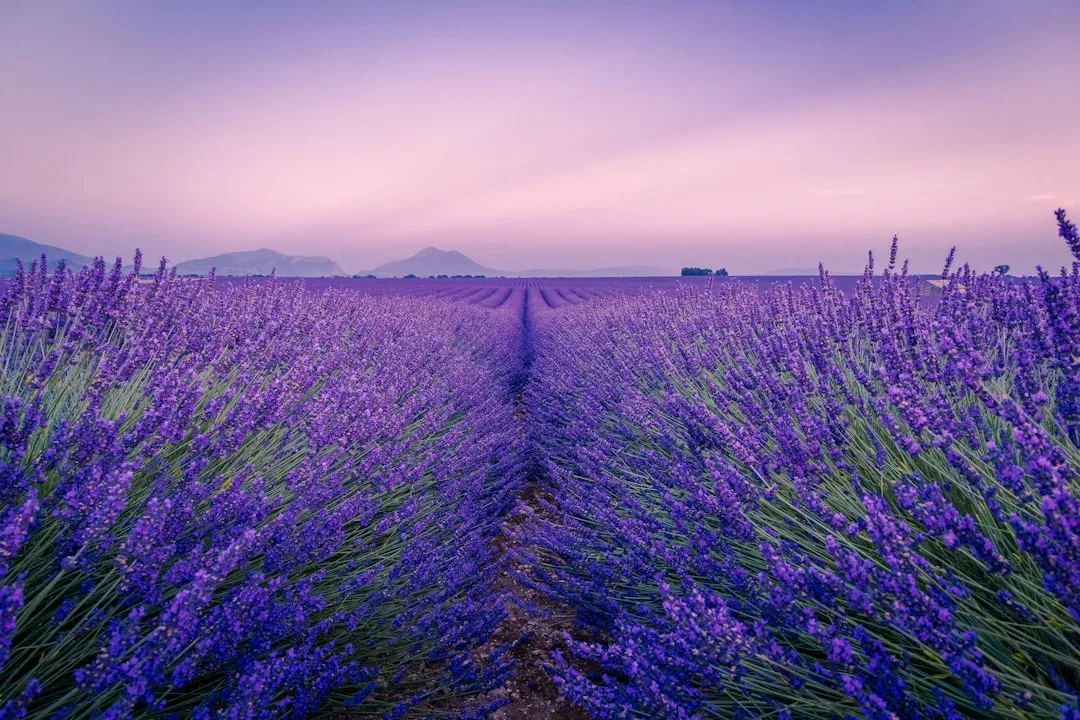
Native to the Mediterranean, lavender is drought-tolerant and used to living in full sun, and its lovely purple blooms attract pollinators like butterflies and bees to the yard. That Mediterranean heritage is exactly why Chico suits it so well. The dry heat, the lean soil, the long rainless summers – lavender evolved in conditions like these.
In areas with hot, dry heat, lavandin cultivars like those in the Phenomenal series give the best performance, while French, Portuguese, and Spanish varieties are better equipped to handle some humidity. For Chico’s dry valley heat specifically, the lavandin types tend to hold up the best through August.
Only Lavandula dentata (French lavender) or L. x intermedia ‘Grosso’ reliably thrive in zone 9. English lavender struggles with summer humidity and root rot. Plant in full sun, gravel mulch, and sharply drained soil. Never water in summer unless leaves visibly curl and gray.
2. Salvia (Salvia spp.) – the workhorse of the Chico border
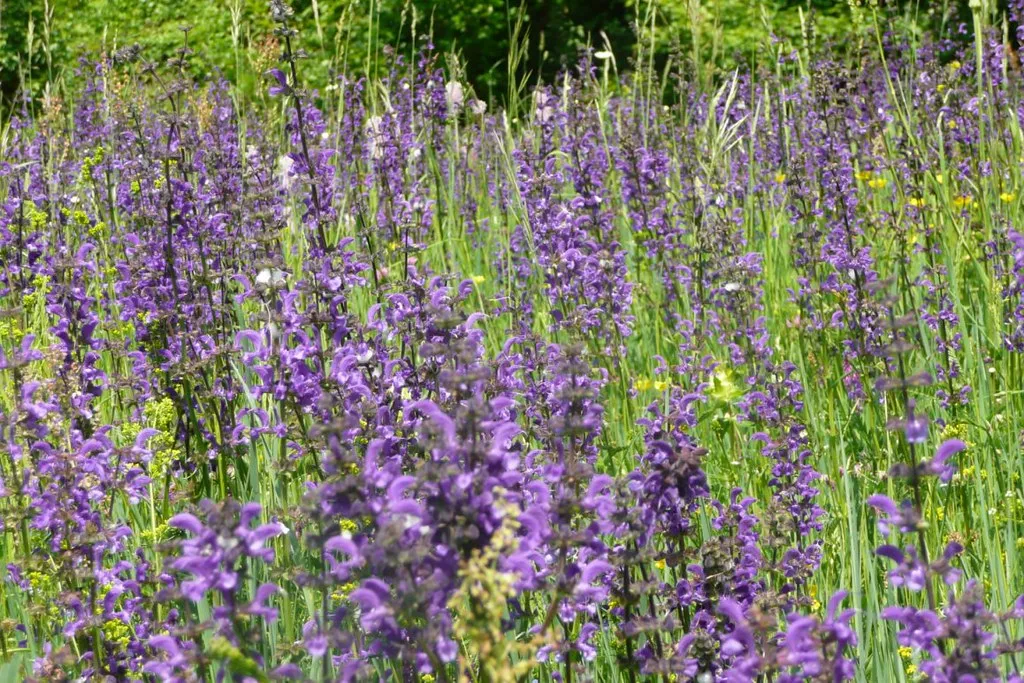
Salvia is a diverse and versatile genus of perennial plants renowned for its vibrant tubular flowers in colors ranging from blue and purple to pink, red, and white, and it is also a magnet for pollinators, particularly bees and butterflies. Few plants in a California garden offer so much for so little effort.
Salvias are drought-tolerant perennials available in a wide variety of colors. They attract pollinators like hummingbirds and bees and require minimal water once established. The species Salvia clevelandii is native to California and perfect for dry landscapes.
Salvia greggii, known as Autumn Sage, is a two to three foot shrubby perennial. Cultivars like ‘Hot Lips,’ ‘Wild Thing,’ and ‘Lowreyi’ bloom heavily from March through November. Avoid high-nitrogen fertilizer, as it triggers leggy growth and mildew. A light trim after the first big flush of bloom keeps the plant tidy and encourages a second wave.
3. Yarrow (Achillea millefolium) – toughness in a flat-topped bloom
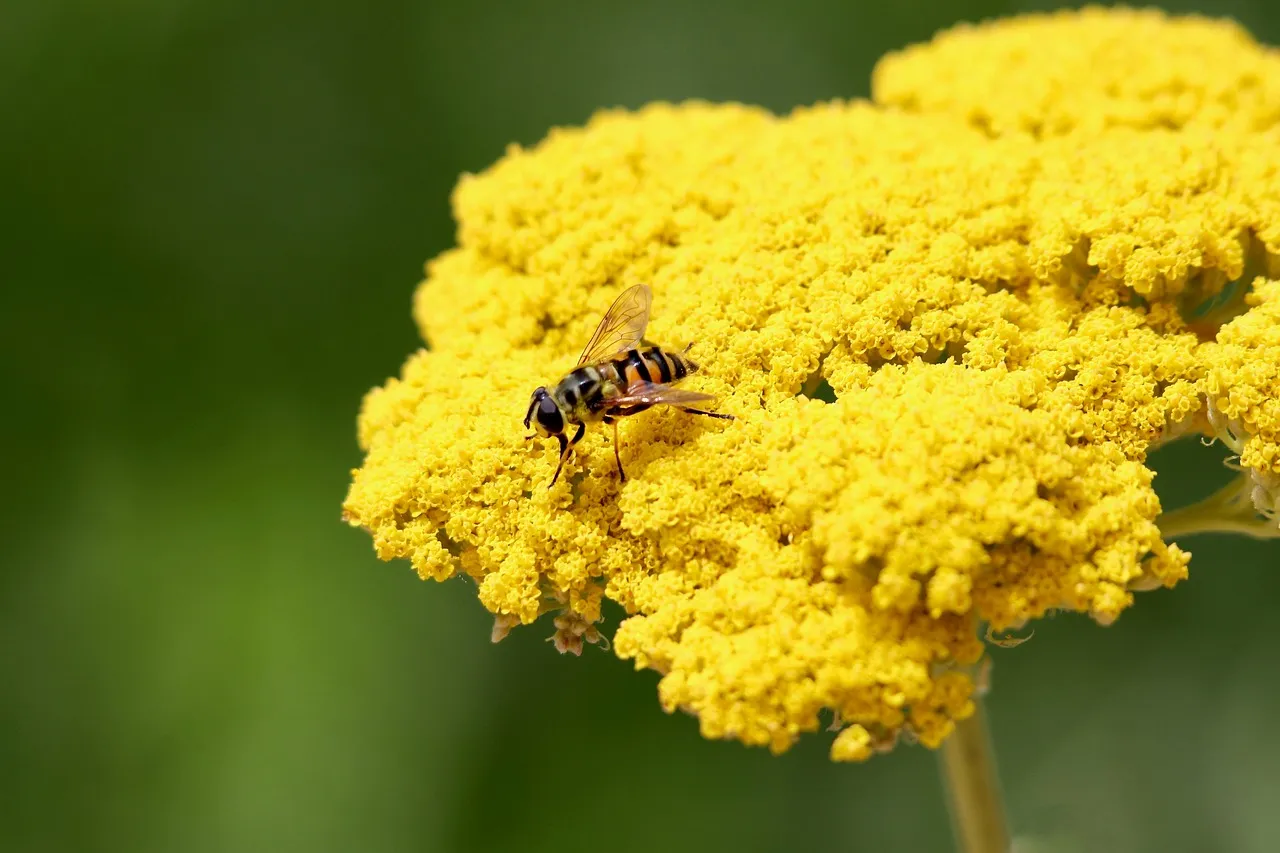
Achillea millefolium, commonly known as yarrow, is a graceful and hardy perennial wildflower prized for its feathery foliage and abundant flat-topped flower clusters. It is one of those plants that looks delicate and refined but is actually built for neglect.
Yarrow is a tough, low-water plant with delicate blooms and foliage that can enhance a cut flower arrangement, with a long bloom season, deer resistance, and pollinator-friendly qualities. That combination makes it especially practical for Chico gardeners who want visual impact without irrigation guilt.
Fern-leaf Yarrow, specifically Achillea filipendulina ‘Coronation Gold,’ produces flat-topped yellow clusters from June through September. Cut back to six inches after the first bloom for tidy rebloom – no deadheading needed. Plant it in full sun and well-drained soil, and it will ask for almost nothing in return.
4. Black-Eyed Susan (Rudbeckia hirta) – the unassuming showstopper
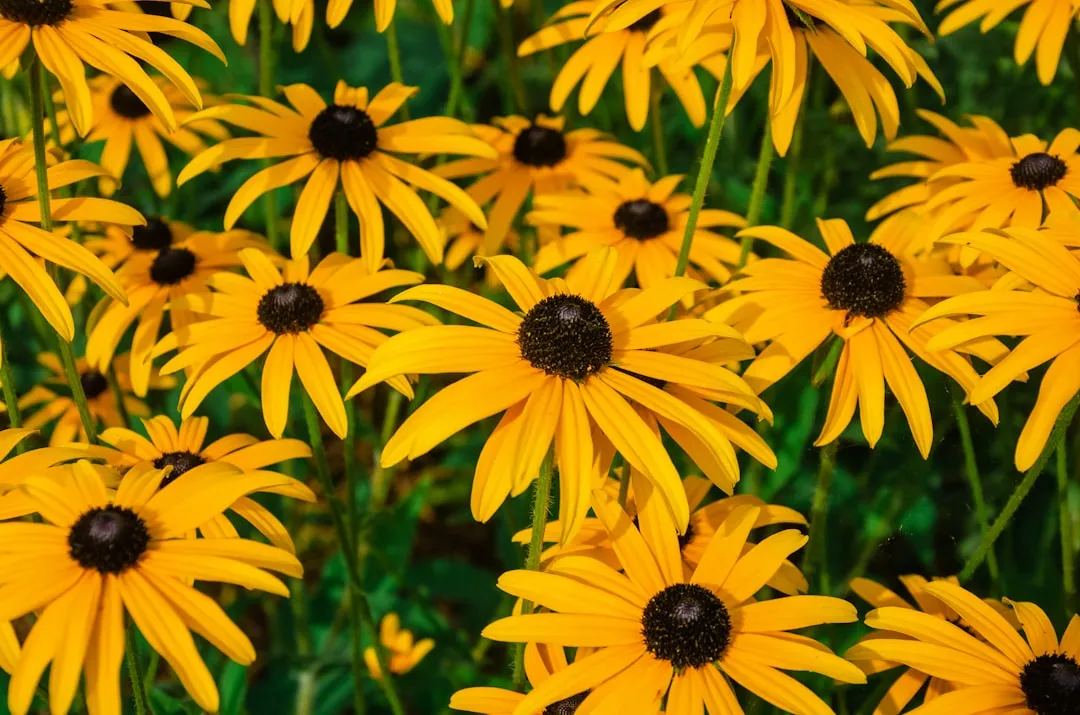
Versatile and low maintenance, black-eyed Susan waits until the dog days of summer to shine, bearing large, daisy-like blooms of bright sunshine yellow with a dark disc center, with more recent cultivars including shades of amber, brick, cream, gold, and burnt orange. A North American native wildflower, black-eyed Susans love the hot temperatures that cause other plants to fade.
Rudbeckia fulgida, commonly known as black-eyed Susan, is a cheerful and robust perennial that brings a splash of golden color to zone 9 gardens, featuring daisy-like flowers with prominent dark centers and blooming profusely from midsummer to early fall. In Chico, that timing is ideal – it peaks just when most other plants are flagging.
The blooms are a favorite for bees and butterflies, and winter songbirds visit for the seeds. Plants grow up to 36 inches tall on erect, branching stems and spread up to 24 inches. Hardy in Zones 4 to 9. Once established, black-eyed Susan is drought-tolerant, and deadheading spent blooms encourages continued flowering and prevents self-seeding.
5. Coneflower (Echinacea purpurea) – prairie tough, Chico ready
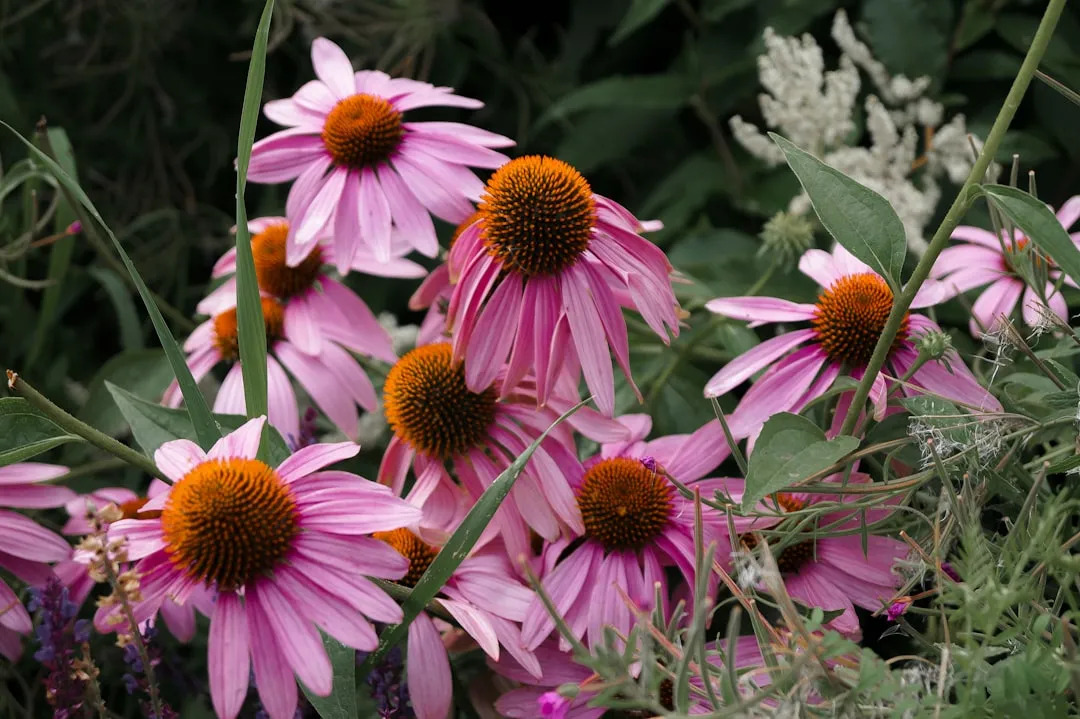
Echinacea is a hardy perennial known for its large, daisy-like flowers and long-lasting blooms. It attracts pollinators like butterflies and bees and thrives in hot, dry conditions. The cone-shaped center is what gives it its name, and those spiky heads remain ornamental even after the petals drop.
Coneflowers are an excellent source of nectar and a popular herb in natural medicine. These tough plants with striking cone-shaped floral disks can easily withstand California’s summer heat. They also tend to be remarkably unbothered by the kind of intense valley radiation that wilts thinner-leaved plants by noon.
For zone 9 gardens, cultivars like ‘PowWow Wild Berry’ or ‘Cheyenne Spirit’ are worth choosing specifically. Avoid the older ‘Magnus’ variety, as it can succumb to powdery mildew in humid zone 9b conditions. Once established, coneflower is drought-tolerant. Deadhead spent blooms to encourage more flowers, but leave some seed heads for winter interest and to attract birds.
6. Lantana (Lantana camara) – color from spring until frost
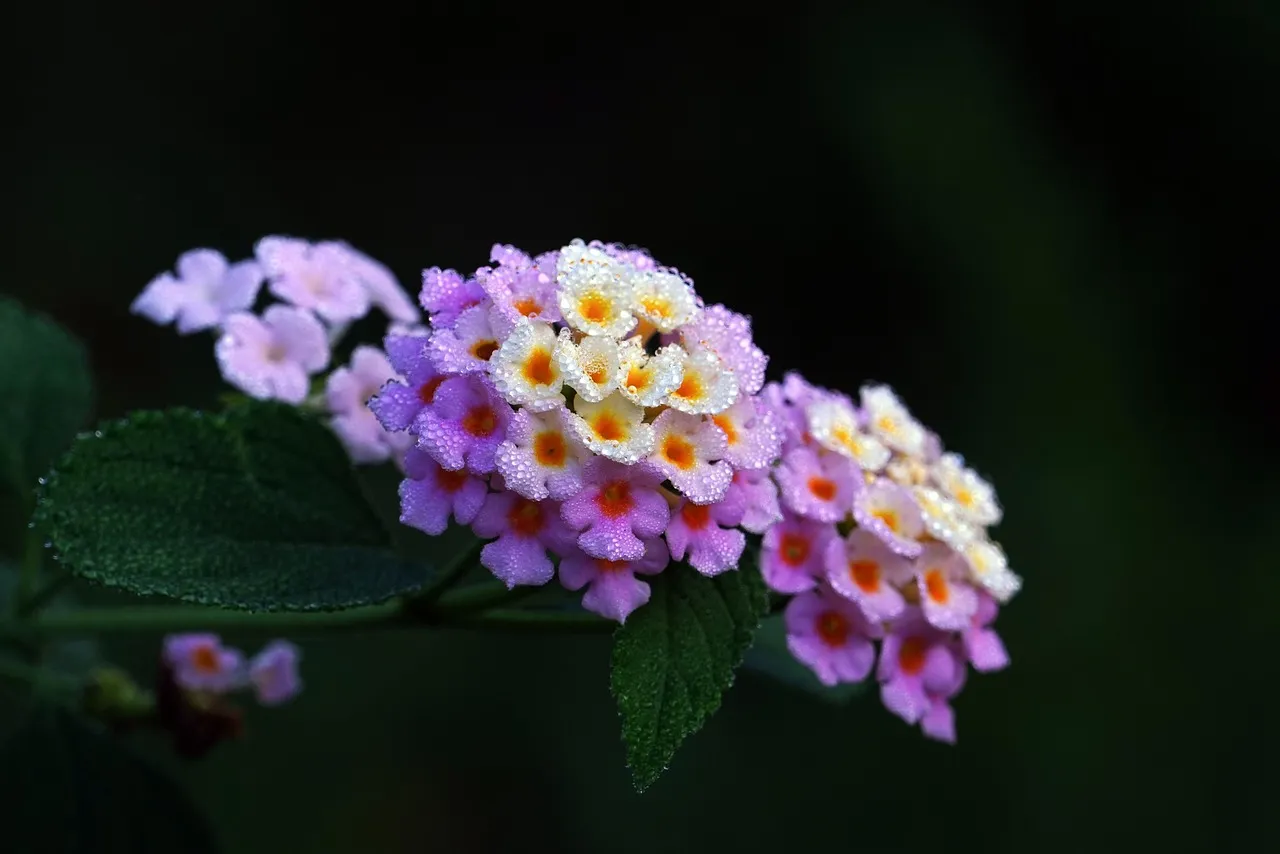
Lantana brightens the garden as a vibrant, easy-care plant that blooms all season and attracts pollinators. In Chico, it genuinely earns that description. While other perennials slow down in July heat, lantana just gets going.
This flowering plant attracts butterflies and hummingbirds while repelling mosquitos. It is heat-tolerant and easy to care for, though if ingested, it can be toxic to pets. Aside from occasional pruning, lantana needs little attention once established.
Like all plants in its genus, lantana is a heat lover and performs best in warm gardens with bright light. Always keep it in full sun for best flowering and to avoid it stretching in the shade. The best planting window for woody-based perennials like lantana is late September to mid-November. Soil remains warm at 65 to 75 degrees Fahrenheit, encouraging rapid root growth, while air temperatures cool enough to reduce transplant shock.
Soil and watering: the rules that apply to all six
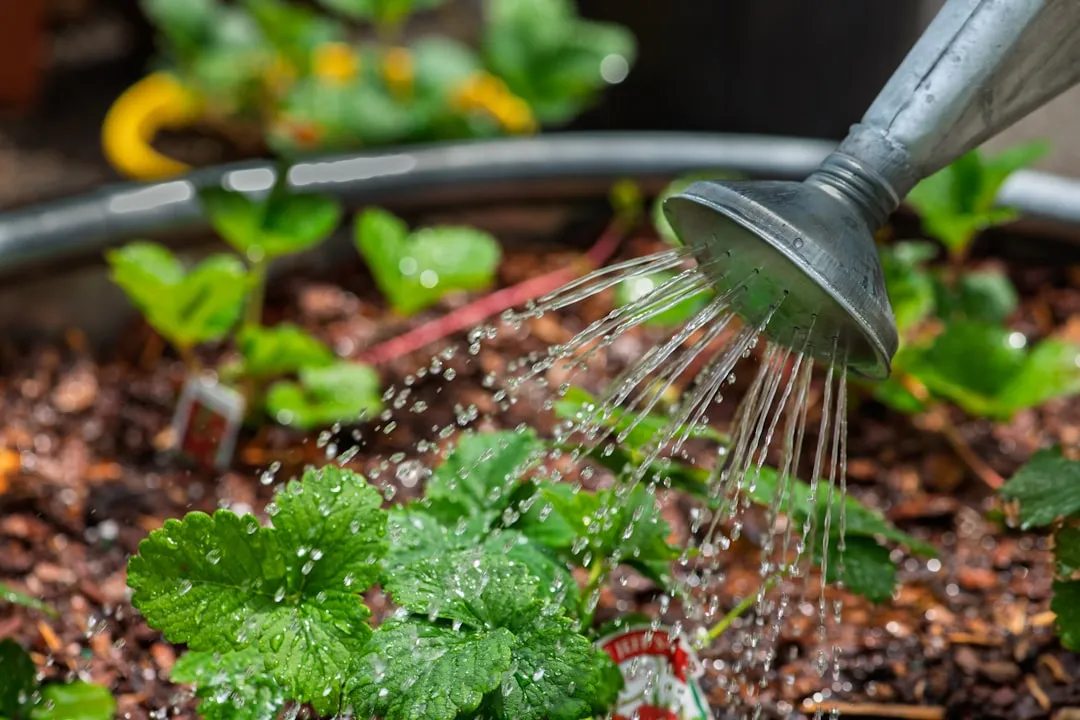
Deep, infrequent watering is the single most important watering practice in zone 9. Water established perennials and shrubs every one to two weeks in summer, and less in cooler months. This applies across all six plants listed here, and it is the habit most new Chico gardeners struggle to trust.
Overwatering is the number one killer among zone 9 perennials, causing root rot, crown decay, and fungal leaf spots. Underwatering rarely kills mature plants; it merely delays flowering. Trusting the soil rather than a schedule is the shift that makes the biggest difference.
Mulch is essential in zone 9, primarily for summer moisture retention and soil temperature buffering. Apply three inches of wood chip or bark mulch around perennials and shrubs in spring before heat arrives. Combined with good drainage, that one step can carry these plants through even the worst of a Chico summer.
When to plant for the best first-year results
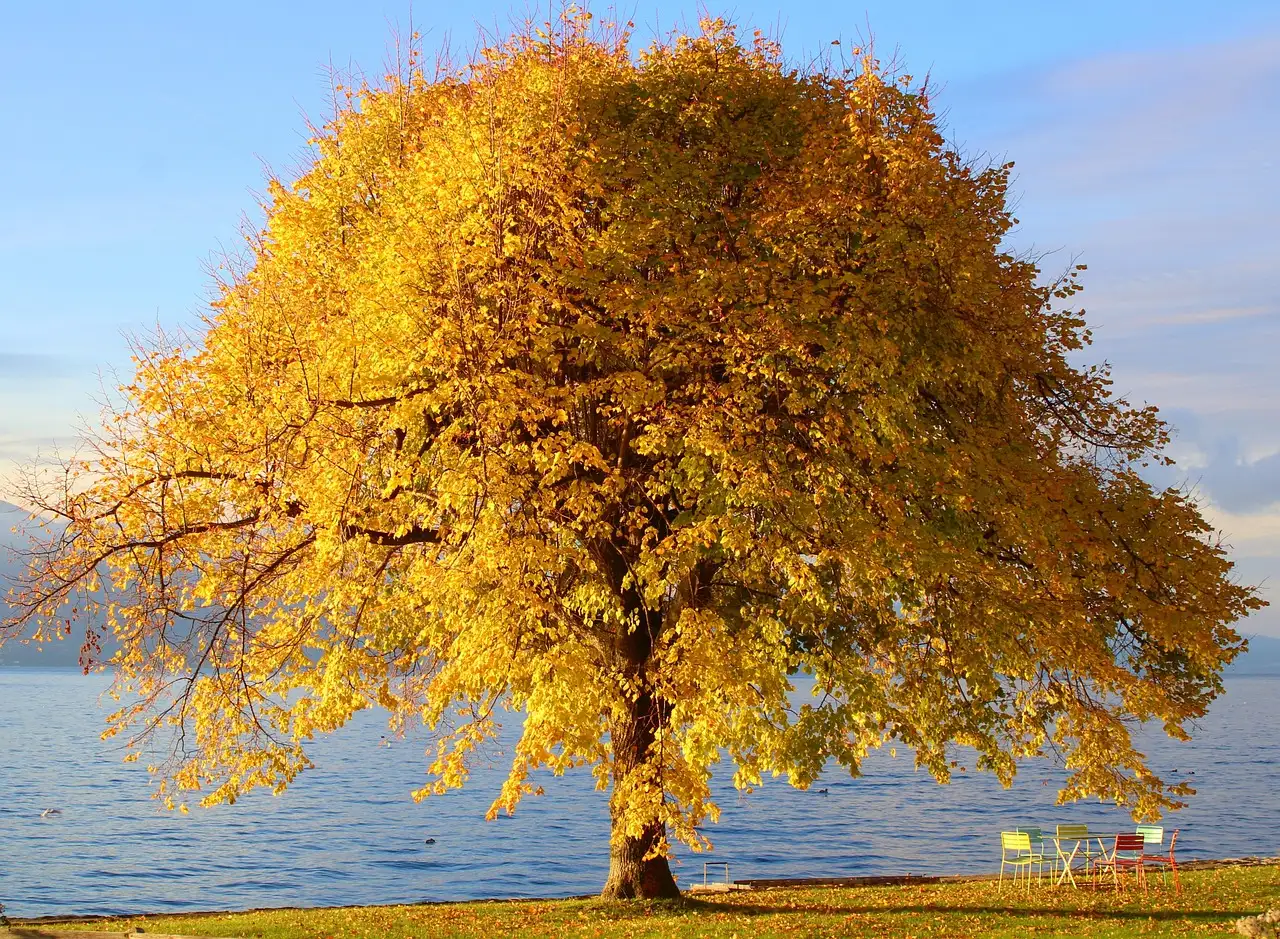
Planting seedlings during the summer in Butte County is a daunting task that requires a lot of care both during and after planting. UC Davis Arboretum provides some helpful tips for those willing to take on this task. In practice, most experienced Chico gardeners avoid midsummer planting entirely for perennials.
Fall planting dramatically reduces first-summer irrigation needs. Getting perennials in the ground between October and November gives roots a full cool season to establish before the following summer tests them. Plants establish deep roots before winter dormancy and break dormancy earlier in spring with stronger top growth.
Successful gardens increasingly rely on drought-tolerant species, efficient irrigation, mulch, and careful timing of cool versus warm-season crops. That framework is exactly the right approach for Chico, where the climate rewards patience and punishes impatience.
Pollinator benefits: what these six plants do beyond looking good
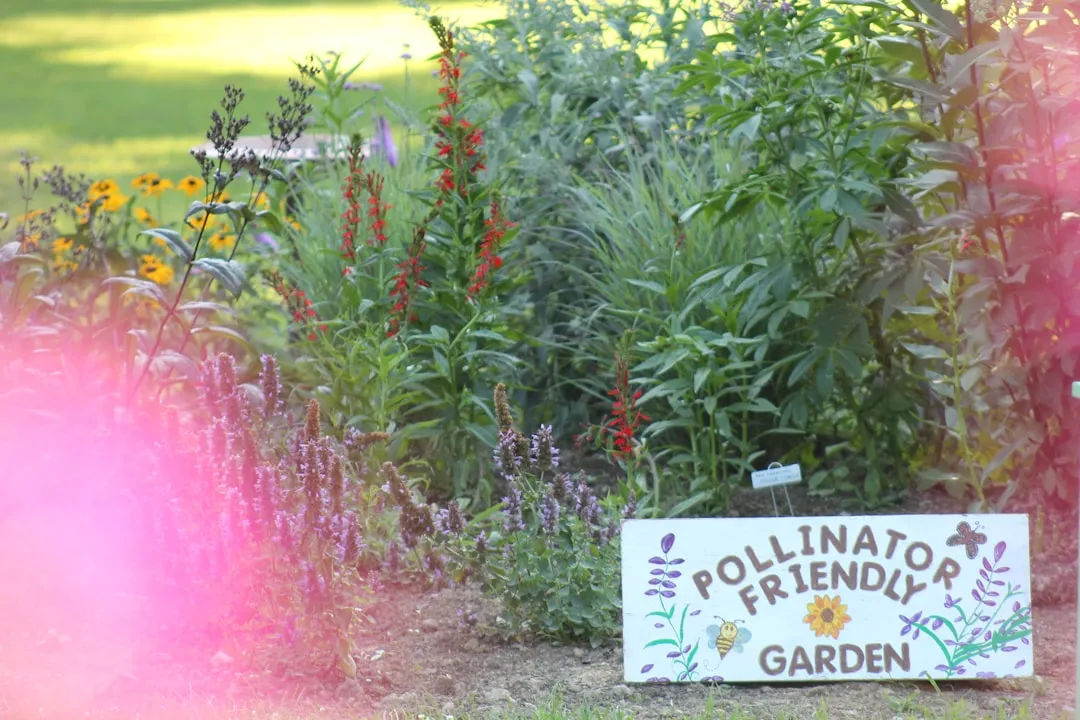
Full-sun perennials bring ecosystem value through support for pollinators and beneficial insects, wildlife forage and habitat, and soil improvement. In an urban and suburban setting like Chico, that role is genuinely significant, especially as native habitat continues to shrink around the valley.
Plants better adapted to soils, moisture, and weather than exotic plants need fewer fertilizers and pesticides or use less water. They are unlikely to escape and become invasive, destroying natural habitats. They support wildlife, providing shelter and food for native birds and insects.
Choosing a variety of plants with staggered bloom times, providing water sources, and avoiding pesticides are the core practices for supporting pollinators. Creating a diverse and welcoming habitat will encourage more pollinators to visit. Several of the six plants here, including salvia, coneflower, and black-eyed Susan, have naturally offset bloom times that keep the garden active and buzzing from spring well into fall.
The Butte County context: local gardening resources worth knowing
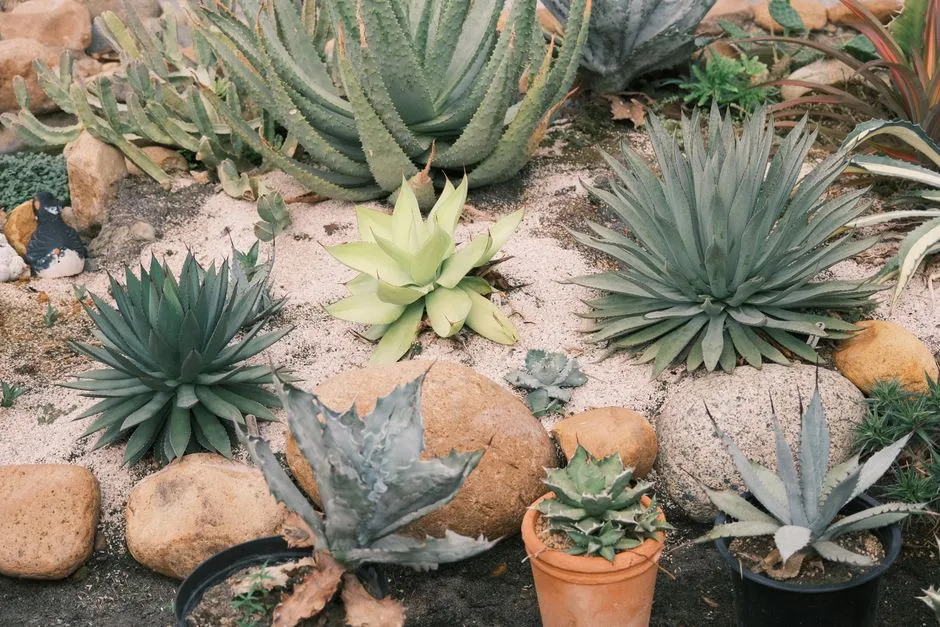
The UC Master Gardeners of Butte County maintain a collection of landscaping plants described as easy to grow, well suited to the local climate and soils, low-maintenance especially in terms of fertilization and pruning, drought tolerant, able to support beneficial wildlife, and readily available to home gardeners. That list overlaps significantly with what’s covered in this article.
The Water Use Classification of Landscape Species program, known as WUCOLS, helps match water supply to plant needs by grouping plants with similar sun and water requirements. WUCOLS IV provides evaluations of the irrigation water needs for over 3,500 plant groups used in California landscapes. Cross-checking any new plant against the WUCOLS database before buying is a habit worth developing.
Local nurseries in the Chico area regularly stock zone 9 adapted varieties of all six perennials listed here, and staff can often point you toward regionally proven cultivars. The combination of the right plant, the right soil prep, and a fall planting window is the formula that consistently separates thriving Chico gardens from struggling ones.
Final thoughts

What makes these six perennials genuinely worthwhile is not just that they survive Chico summers. It’s that they are actively comfortable in them. Perennials that withstand full summer sun exposure are often sturdy against other conditions too, like hot and dry situations, and tend to thrive under a little neglect. That resilience is the core value proposition for any Chico gardener working through a July heatwave.
Plant them in the right spots, give them a strong start in fall, mulch generously, and then resist the urge to overwater. The garden will take care of the rest. Chico’s climate is demanding, but for the right plants, it is genuinely ideal.
AI Disclaimer: This article was created with the assistance of AI tools and reviewed by a human editor.