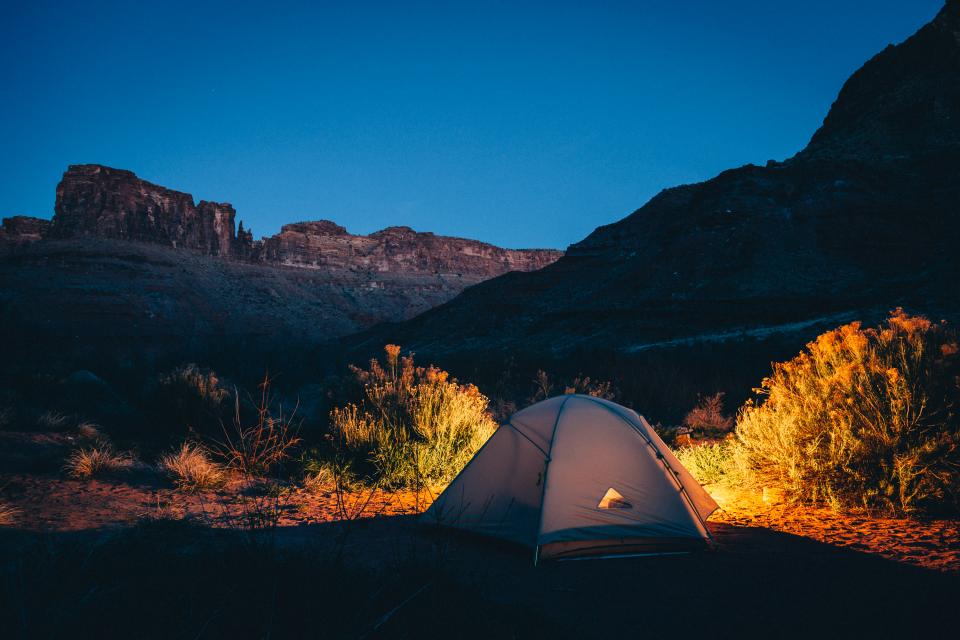

There’s something quietly radical about sleeping in your own backyard. No booking fees, no long drive, no reservation stress. Just a tent, a clear sky, and about thirty feet between you and the kitchen. It sounds almost too simple. Yet the more you look at what recent research is telling us about nature, screen time, family connection, and mental health, the more that simple idea starts making a compelling case for itself.
Camping in general is having a serious moment. More than 81 million Americans camped in 2024, including 5.8 million first-time campers, according to a report from The Dyrt, a camping app that tracks industry trends. The question worth asking is: could that energy translate right into your own backyard?
The Camping Boom Is Real – and It’s Changing Who Camps
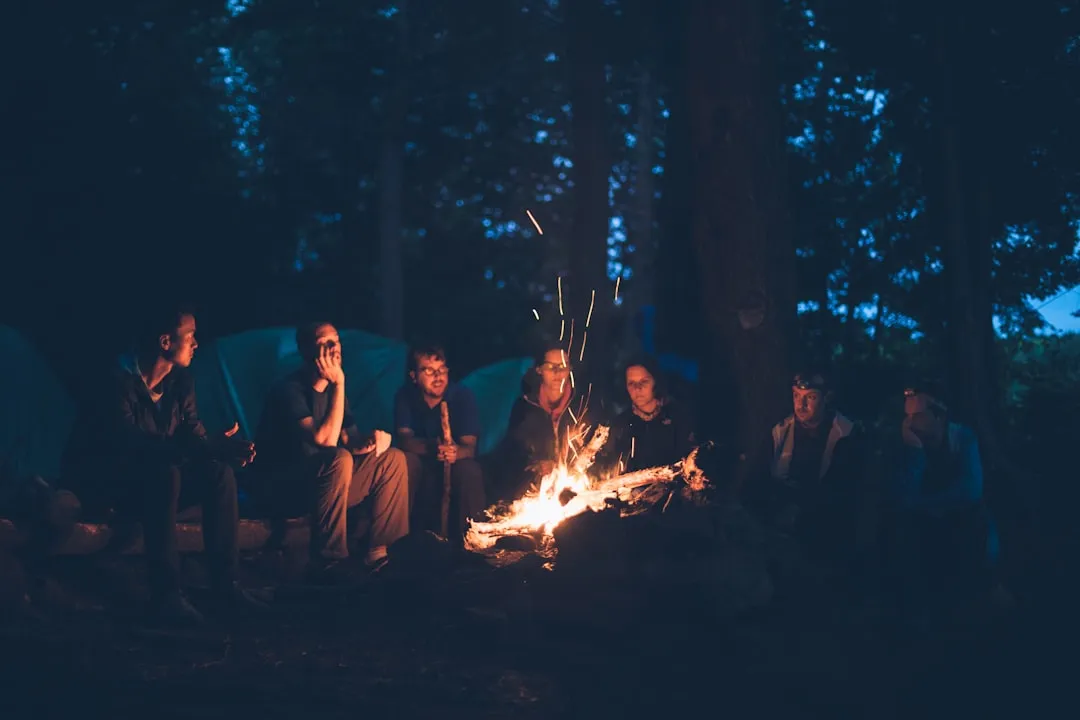
The numbers tell a story that’s hard to dismiss. More Americans camped in 2023 and 2024 than in previous years, with more than 25 million first-time campers pitching their tents since 2021, including 5.8 million in 2024 alone. That’s not a blip. That’s a cultural shift.
Millennials and Gen Z are the fastest-growing groups of campers, drawn to camping as a budget-friendly vacation option and a way to disconnect from the digital world, global politics, and the stresses of modern life. These are people who grew up online and are now actively choosing to step away from it.
Many campers are seeking a return to simpler times, with roughly nine in ten expressing a desire to escape the complexities of modern life. This “Re-Creation Vacation” trend involves reliving childhood memories through classic road trips, rustic retreats, and family campouts. A backyard campout fits neatly into that frame.
Kids Are Spending Less Time Outdoors Than Ever Before

Currently, the time children spend playing outdoors is at an all-time low. The existing literature suggests that outdoor play may have cognitive and emotional benefits for children, though trends show greater declines recently due to dramatic advancements of digital media and screen-based activities.
In today’s digital era, the decline in children’s outdoor playtime with excessive screen usage has raised concerns about their long-term physical health, mental well-being, and overall development. This decline can be attributed to factors such as increased technology usage, academic pressures, safety concerns, and changing societal attitudes.
The decline in outdoor play and excessive screen time has been associated with various health issues, including mental health problems, disrupted sleep patterns, attention deficit hyperactivity disorder-like behavior, and physical health risks. A backyard campout doesn’t solve everything, but it’s one of the most accessible ways to interrupt that pattern tonight.
What Nature Actually Does to a Child’s Brain
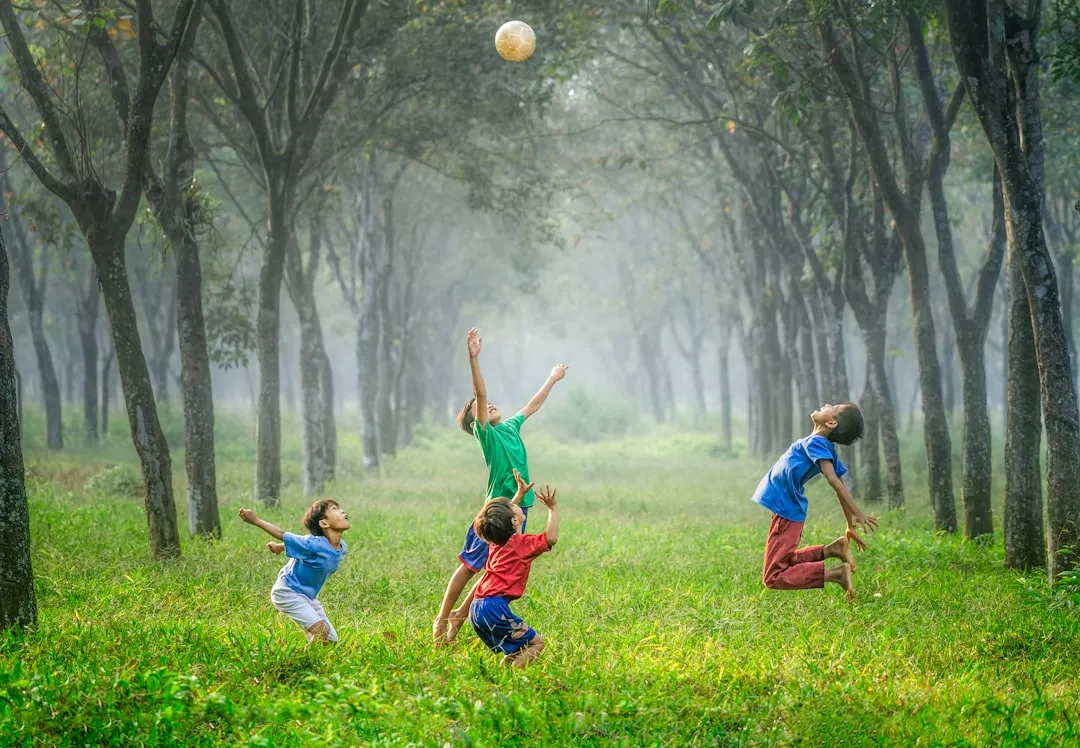
A 2019 study in the International Journal of Environmental Research and Public Health found that children in outdoor recreation settings engaged in two and a half to three times more moderate-to-vigorous physical activity than in structured indoor settings. That’s a meaningful difference.
Cortisol levels drop in natural settings. A meta-analysis published in Environmental Health and Preventive Medicine reviewed 64 studies and found consistent reductions in salivary cortisol, heart rate, and blood pressure during and after nature exposure.
Research published by University of Chicago psychologist Marc Berman found that when children were exposed to green spaces near their schools, they had higher cognitive development. Adults placed in housing near green spaces demonstrated higher levels of attentional function, and people who spent time in nature showed improvements in working memory, cognitive flexibility, and self-control. Your backyard qualifies as green space.
The Mental Health Case for Sleeping Outside
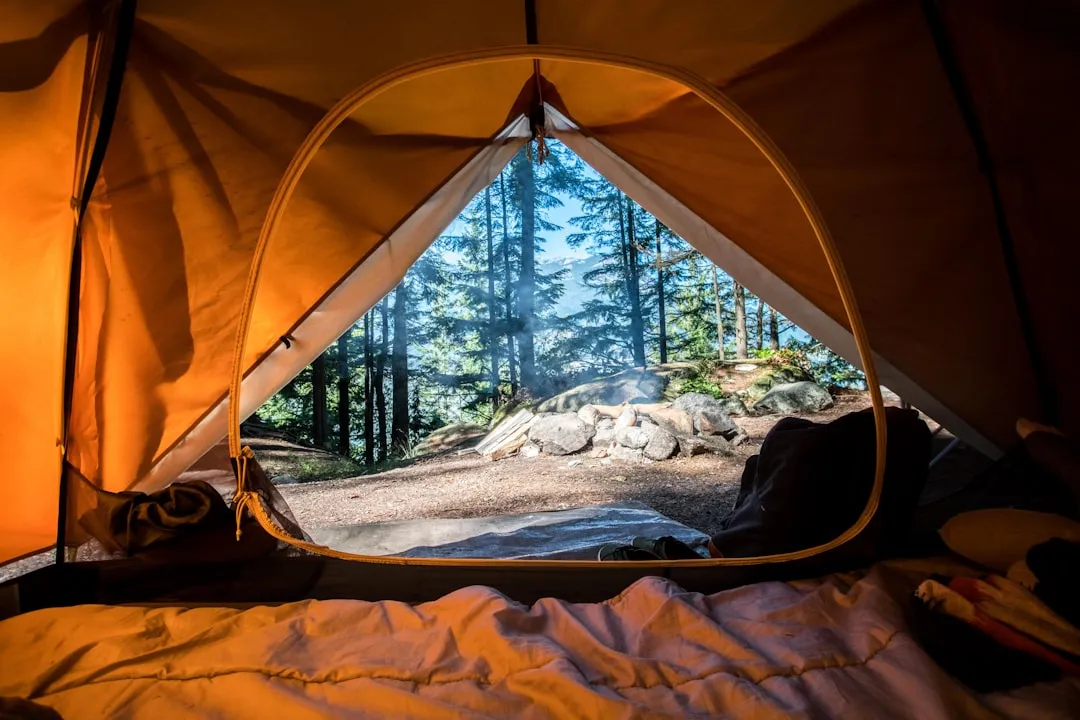
A comprehensive analysis of nearly 11,000 participants found that roughly half of campers feel happy nearly every day, compared to about a third of non-campers. Campers exhibit a higher likelihood of optimal mental health, and consistently show elevated levels of psychological, emotional, and social well-being compared to non-campers.
The KOA 2024 Camping and Outdoor Hospitality Report revealed that more than two-thirds of North American RVers believe camping significantly contributes to emotional well-being. That finding spans a broad range of camping styles, including simpler overnight experiences.
A study conducted by AllTrails and UnYoked found that participants who spent just two nights camping offline reported a notable reduction in burnout and improvements in overall well-being. Two nights. That’s achievable in almost any backyard.
Camping Strengthens Family Relationships in Measurable Ways
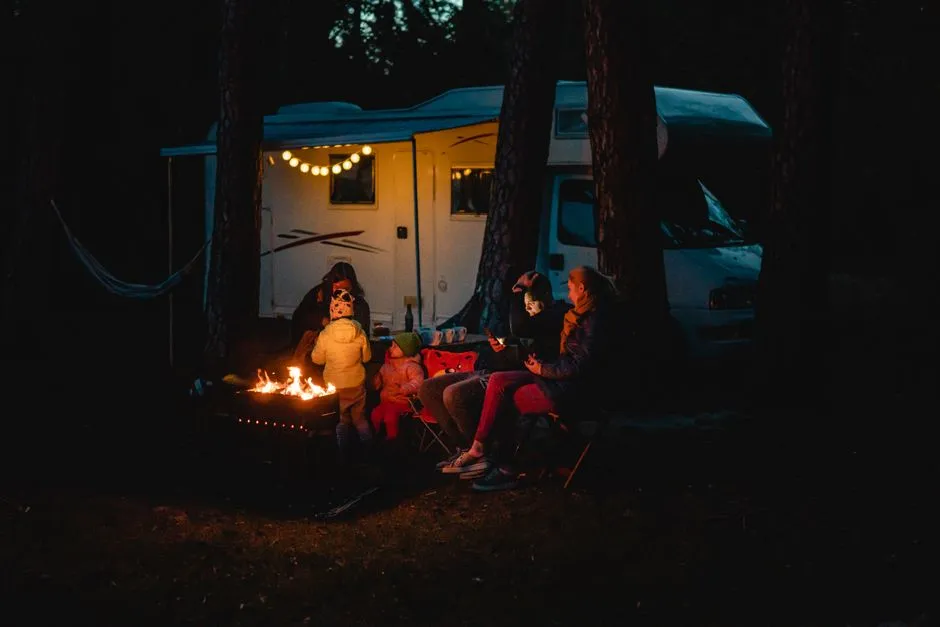
More than three quarters of family campers say that camping improves their relationships. That’s a remarkably consistent finding across multiple surveys and years of data.
About a third of grandparents take their grandkids on at least one camping trip without the children’s parents present. Family campers also tend to be more avid, with roughly a third taking three or more trips per year, compared to about a quarter of non-family campers.
Camping teaches resilience, independence, problem-solving skills, and social skills, while also creating long-lasting memories and strengthening family bonds. These aren’t soft, anecdotal benefits. They show up across developmental research consistently.
Children Build Real Skills Under the Stars
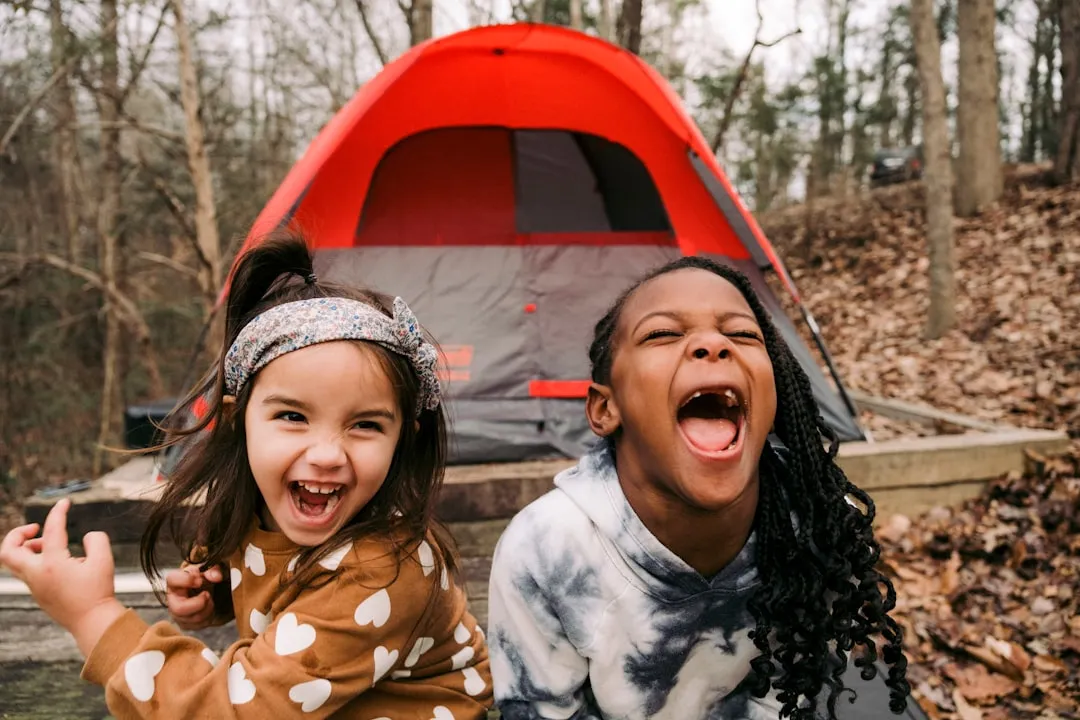
Camping allows kids to step out of their comfort zones and take on responsibilities. Whether it’s setting up a tent, gathering firewood, or helping with meal prep, children learn to think critically and solve problems. These experiences build self-confidence and foster a sense of accomplishment.
A systematic literature review summarizing studies of outdoor adventure residential programs documented positive effects at least 12 months after the experience. Participants, primarily aged 11 to 19, reported long-term impacts including self-confidence, independence, communication, teamwork, and life skills. Backyard campouts are a low-stakes starting point for exactly those gains.
Through camping, children learn the importance of conservation and sustainability. They gain firsthand experience in protecting the environment and understanding the impact of human activities on nature. Kids can be introduced to “Leave No Trace” principles, which emphasize minimizing environmental footprints. Even a backyard gives space to practice that awareness.
The Economics of Staying Close to Home
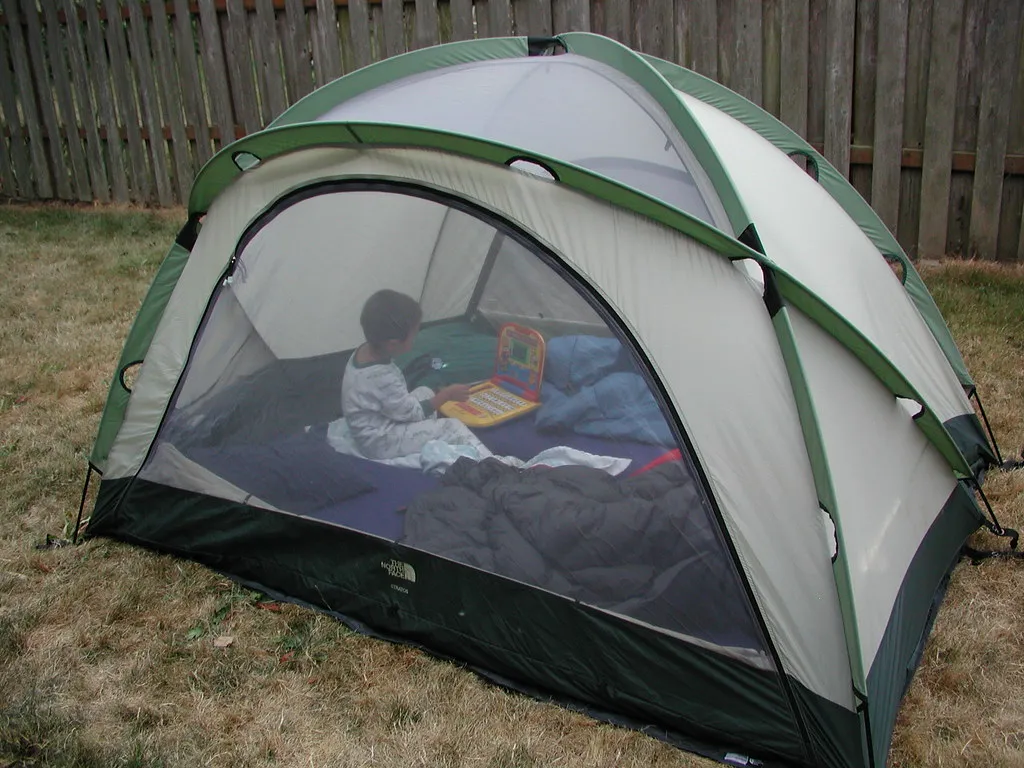
Camping activity levels saw a slight year-over-year decline in 2024 due to economic uncertainty, a highly publicized election, and significant weather events. As a result, many campers chose to stay closer to home. That trend has a silver lining worth noticing.
Among the roughly 81 million Americans who went camping in 2024, four out of five either camped the same amount or more despite high inflation. Camping is clearly proving itself resilient as an affordable choice when travel budgets are squeezed.
Camping and outdoor hospitality remain affordable for both campers and leisure travelers, making it a popular choice for vacations even in uncertain times. A backyard campout takes that affordability to its logical extreme: free, immediate, and fully within your control.
Green Time as a Screen Time Antidote
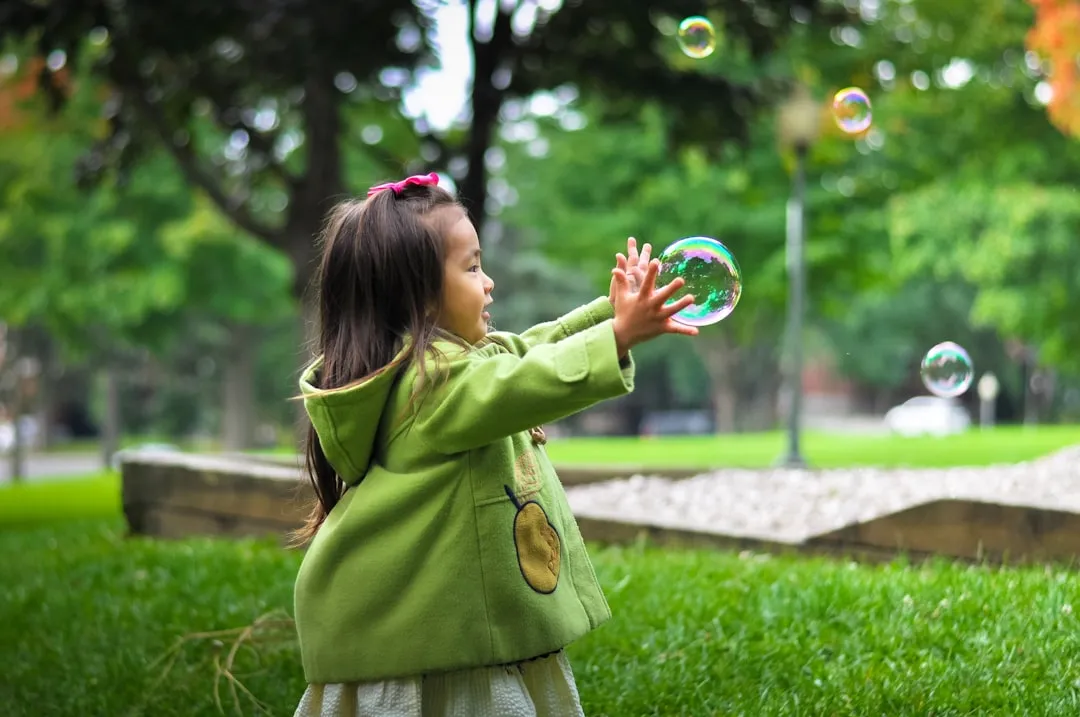
Researchers have found that, although more screen time at two years of age is associated with poorer communication and daily living skills at age four, time spent playing outdoors can mitigate these effects on daily living skills. The counterweight works.
Analysis of questionnaires completed by college students in the U.S. examined relationships between screen time, time in nature, and perceived mental health. Results linked screen time to increased anxiety, depression, and stress, while time in nature was associated with lower stress and depression. Findings also demonstrate that more time in nature may reduce mental health issues associated with screen time.
Children whose parents did not use devices around them, and children who spent more time in nature, demonstrated stronger developmental patterns. Putting the phones away for one night and sleeping under the stars is, in its own small way, a meaningful intervention.
The Nostalgia Factor Is Driving Real Demand
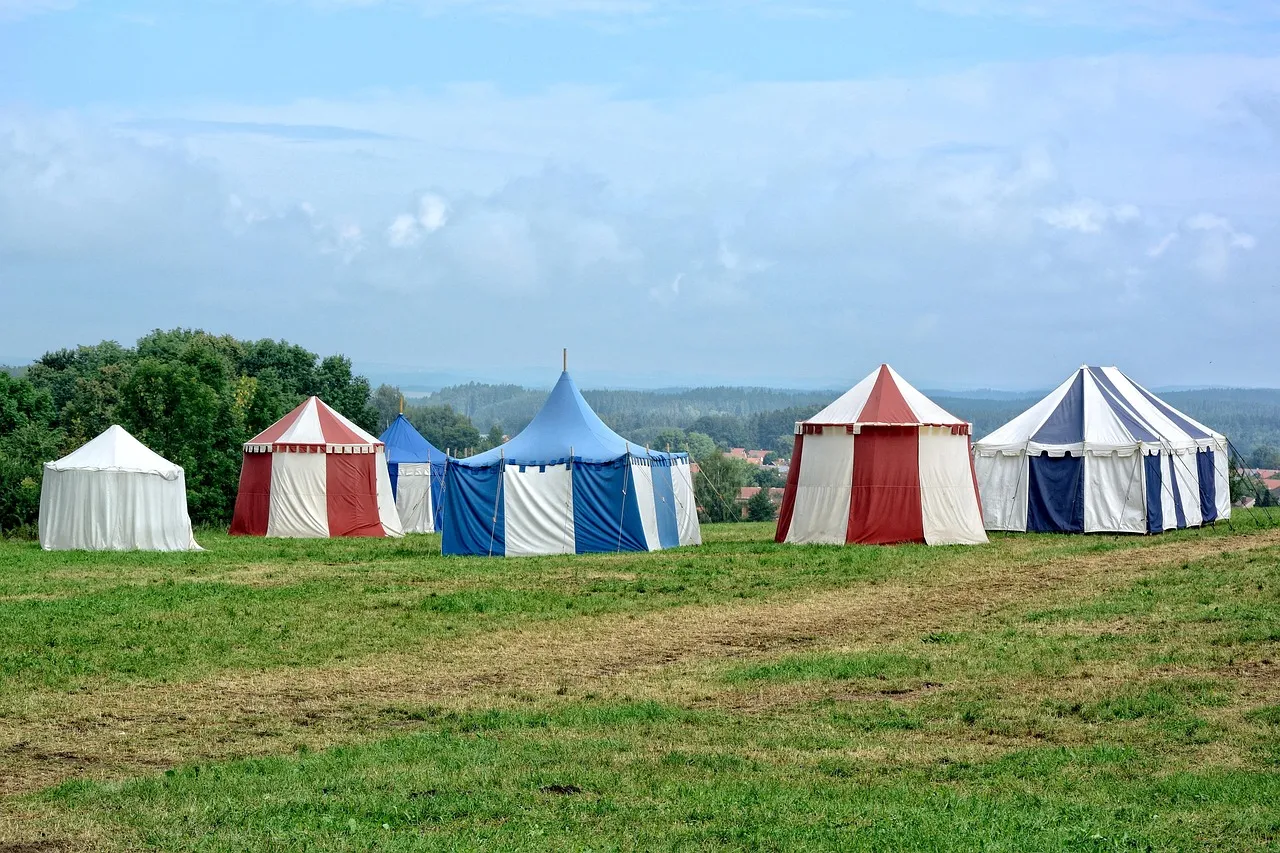
Campspot data shows that some of the most beloved outdoor destinations from forty years ago are making a comeback for 2025 travel. As part of the emerging “Re-Creation Vacation” trend, campers are flocking to nostalgic hotspots that capture the spirit of exploration from decades past.
Research also examined how survey respondents felt about healthcare professionals prescribing spending time in natural settings as a remedy for poor mental health. Roughly four out of five respondents felt positive about health professionals prescribing time in nature as an effective remedy. That’s a striking shift in public attitude.
Nearly all respondents believe children should learn outdoors, and a similarly large share think pupils should camp as part of their formal education – a significantly larger proportion than in comparable surveys from a decade earlier. The cultural appetite for this kind of experience is genuinely growing.
What a Backyard Campout Actually Requires
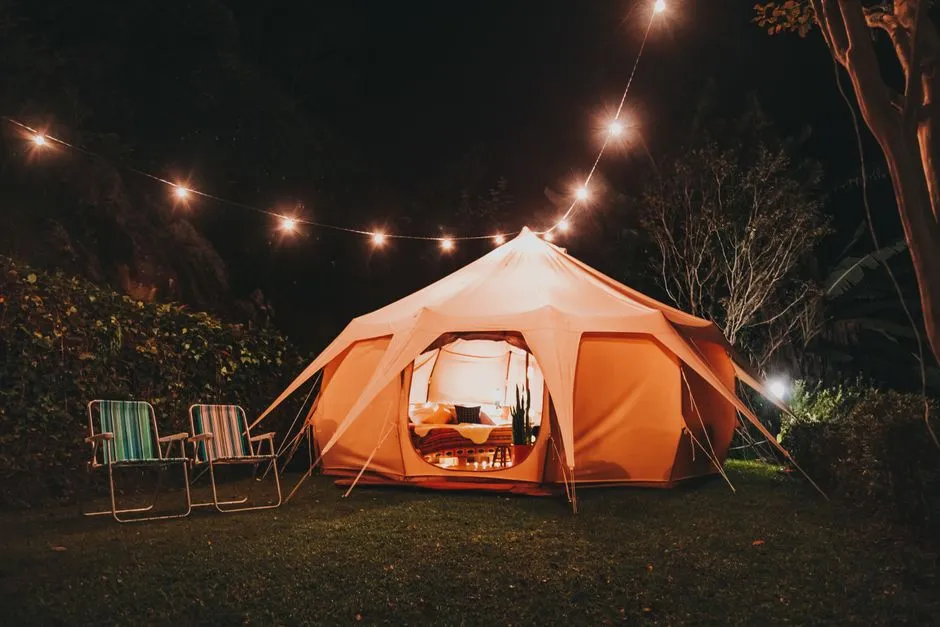
The barrier to entry is lower than people tend to assume. A tent, sleeping bags, and a willingness to stay out until morning are the real essentials. Most families already have at least some of that within reach.
One large survey found that people who spent at least two hours a week in nature, whether in one longer outing or in multiple smaller chunks of time, were more likely to positively describe their health and well-being than people who spent no time in nature. An overnight backyard stay easily crosses that threshold.
Apart from the basic gear, camping is an extremely affordable type of vacation for families that has many benefits for both adults and kids. Whether your style is in a tent or a different configuration, you can find an approach to please your family and reap the benefits of spending time in nature. Starting in your own backyard removes most of the logistical friction entirely.
The Takeaway
The evidence points in a consistent direction. Time in nature helps children develop, reduces stress in adults, strengthens family relationships, and counteracts some of the measurable harm of too much screen time. None of that requires a national park permit or a multi-day road trip.
The backyard campout never really went away. It just got quietly displaced by convenience, schedules, and the gravitational pull of indoor life. What the data from 2024 and 2025 suggests is that more families are remembering why they wanted to be outside in the first place.
Sometimes the most meaningful trip is the one that only takes you as far as the back door.
AI Disclaimer: This article was created with the assistance of AI tools and reviewed by a human editor.