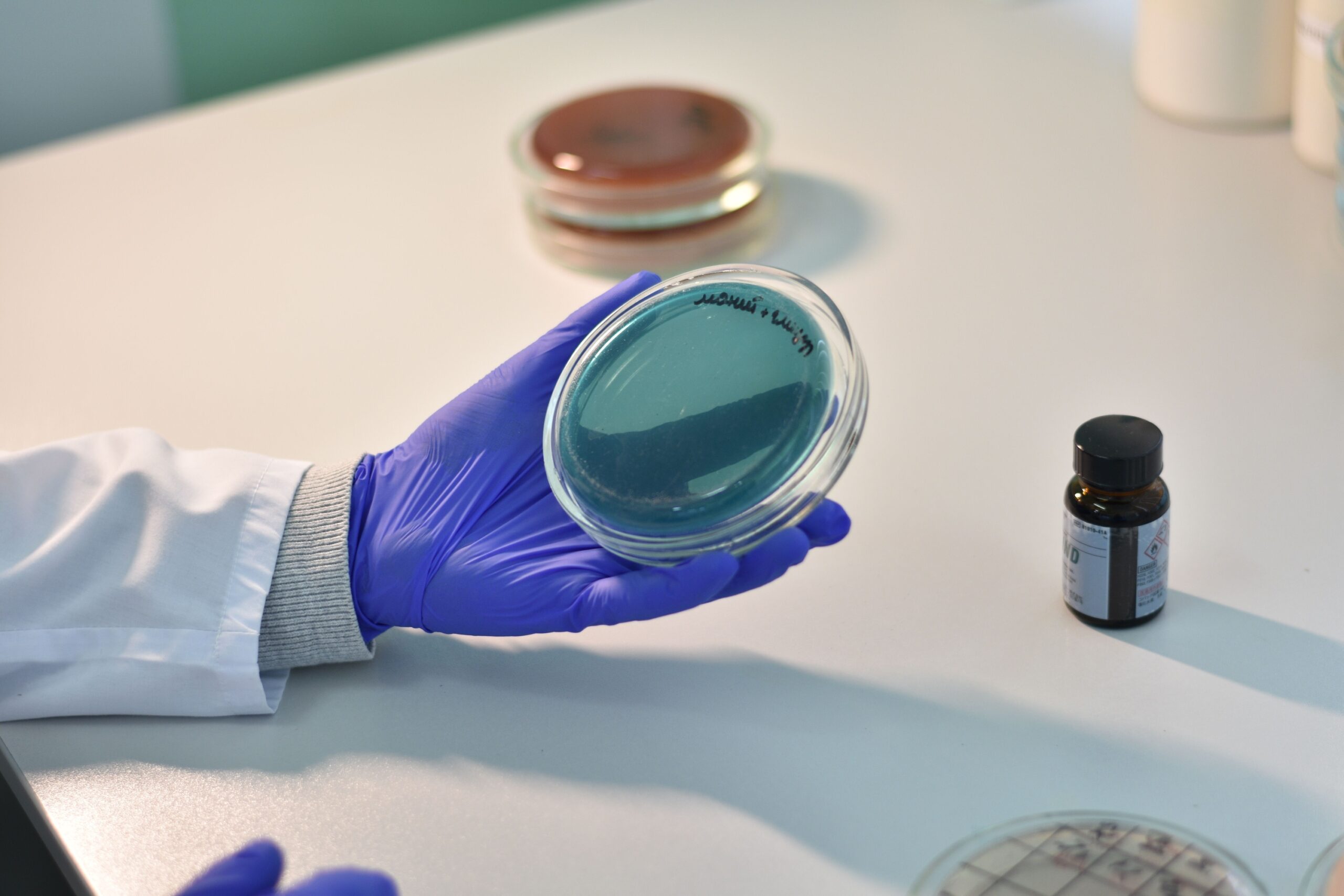

Most people think of food safety in terms of cooking temperatures. Get it hot enough, and you’re fine. The reality is more complicated, and arguably more unsettling. Some of the most common foods in kitchens around the world can transform into genuine bacterial hazards long before they ever hit the pan, simply because of how they’re stored after purchase or after cooking.
According to the WHO, about 600 million people fall ill after consuming contaminated food every year, and 420 thousand die. These aren’t rare disasters. They’re often the result of everyday habits, a pot of rice left on the counter, raw chicken stored on the wrong shelf, salad greens kept too warm. The four foods below are among the most consistently implicated in foodborne illness outbreaks, backed by substantial research and real public health data.
The Scale of the Problem: Why Storage Matters More Than Most People Think
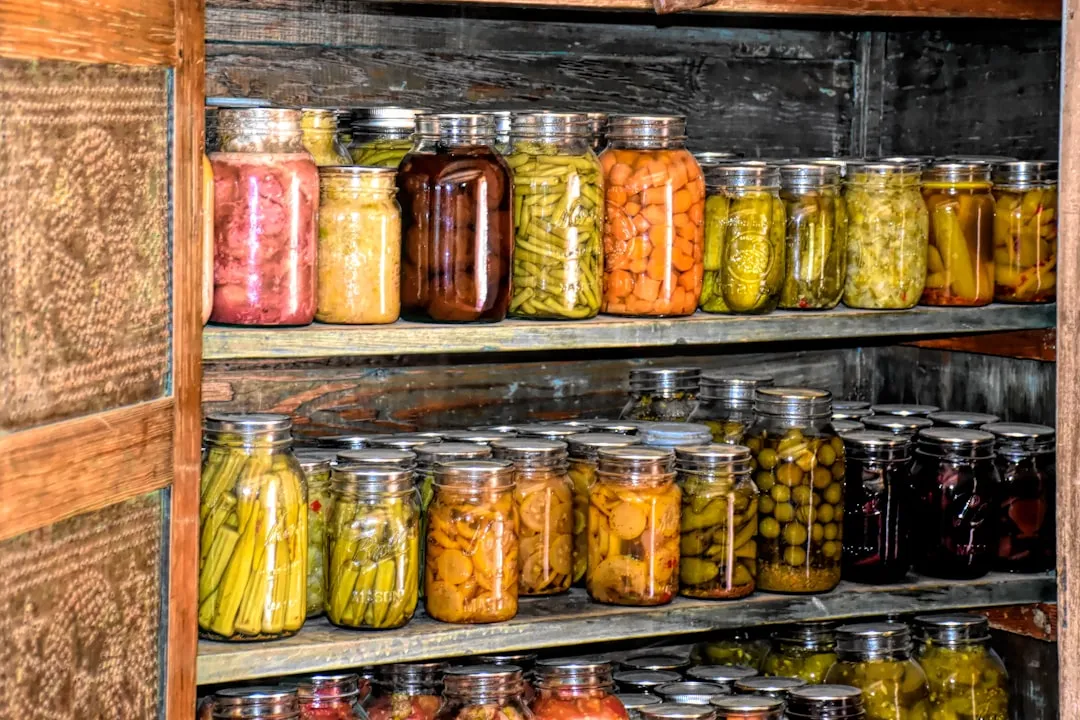
According to the CDC, nearly 48 million Americans suffer from foodborne diseases each year, with many cases linked to temperature abuse during storage. That number is staggering, especially when so many of those cases could be avoided with basic storage habits.
The temperature danger zone refers to a temperature range in which bacteria grow and thrive. According to the USDA, this range is 40 to 140 degrees Fahrenheit. Within this temperature range, bacteria can double in number in just 20 minutes.
Improper storage can create the perfect environment for harmful bacteria to multiply, increasing the risk of foodborne illnesses. Most people never see it happening. The food still looks and smells normal, right up until it isn’t.
Food #1: Cooked Rice
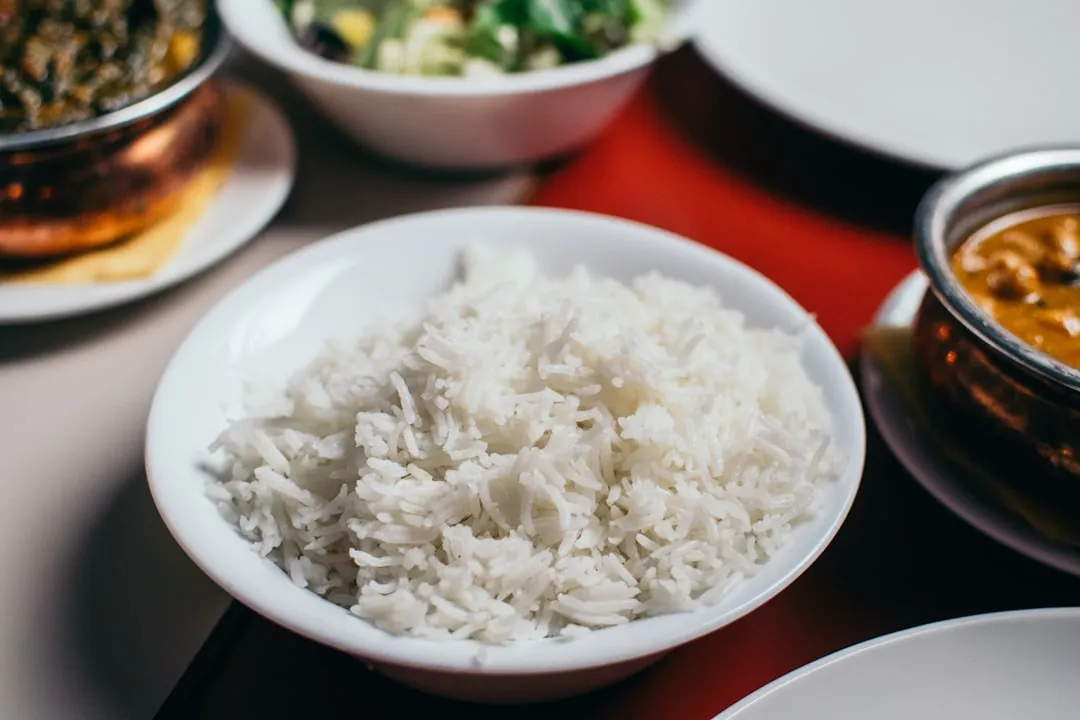
Bacillus cereus food poisoning is a foodborne illness caused by toxins produced by the bacterium Bacillus cereus. It is commonly found in rice and other starchy foods, such as pasta, potatoes, and sauces. Improper cooking or storage of these foods can allow the bacteria to grow and produce toxins that lead to illness.
Bacillus cereus can form spores, which are highly resistant to heat, enabling them to survive the cooking process. These spores can germinate and multiply rapidly if food is not stored or cooled properly, producing toxins that can lead to food poisoning. Reheating won’t save you either.
Reheating or frying food doesn’t always kill the bacteria or get rid of the toxins. This is a particular risk after gatherings and parties since, often, large amounts of rice are left over and may be stored at room temperature for a long time before refrigerating. The fix is straightforward: cool cooked rice quickly and refrigerate it within two hours of cooking.
What Makes Cooked Rice Especially Risky
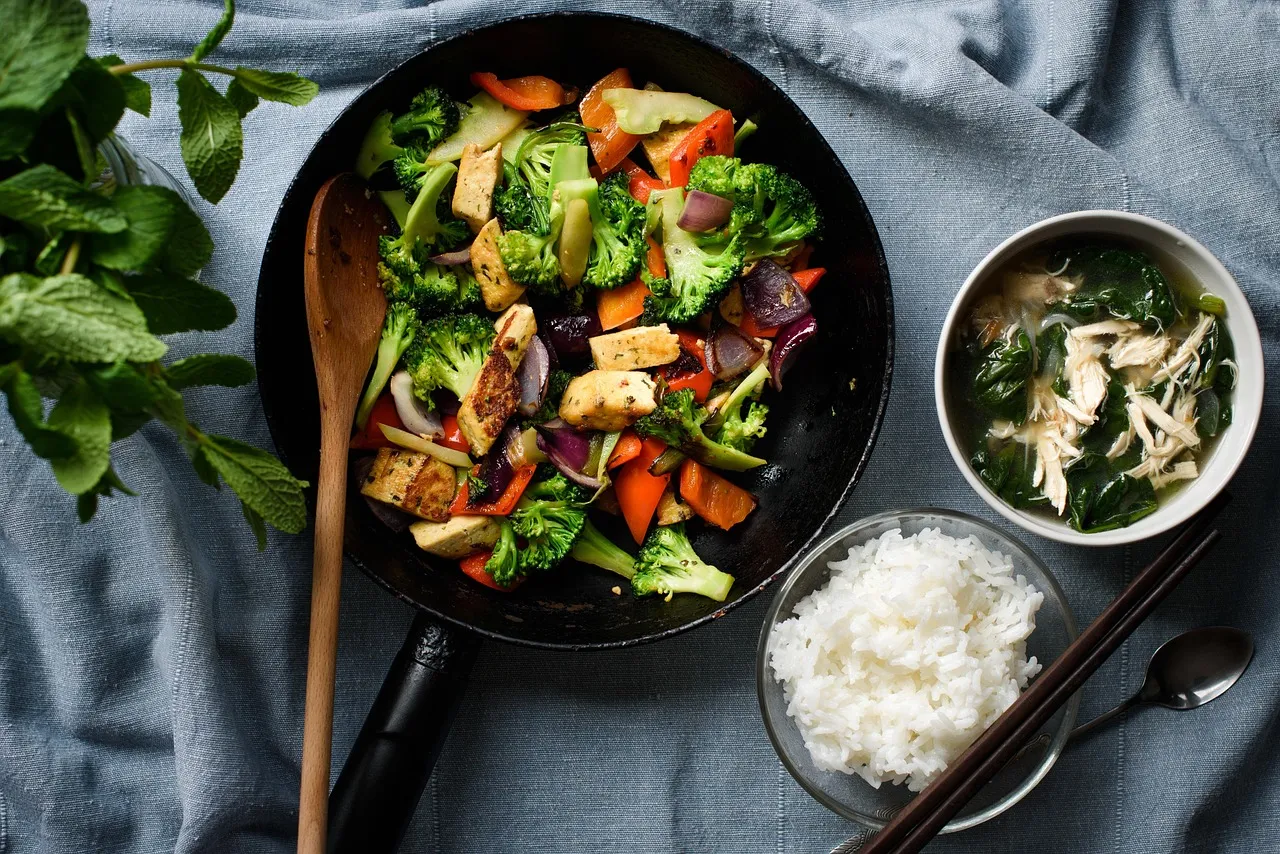
The optimal temperature for Bacillus cereus in boiled rice to grow was found to be 30 to 37 degrees Celsius, with growth also occurring during storage at 15 to 43 degrees Celsius. That covers virtually every “room temperature” scenario in a home or restaurant kitchen.
Out of 100 rice samples tested in one study, 25 percent of cooked and refrigerated samples were positive for the presence of B. cereus spores, with some samples showing an increase in bacterial count due to improper cooking and refrigeration conditions. Even refrigeration isn’t foolproof if the rice was left out too long before being chilled.
Symptoms of intoxication, which include abdominal cramps, nausea, and vomiting, appear about 1 to 6 hours after consumption of the contaminated food and usually disappear within 24 hours. It tends to resolve on its own, but that’s cold comfort in the middle of it.
Food #2: Raw Chicken
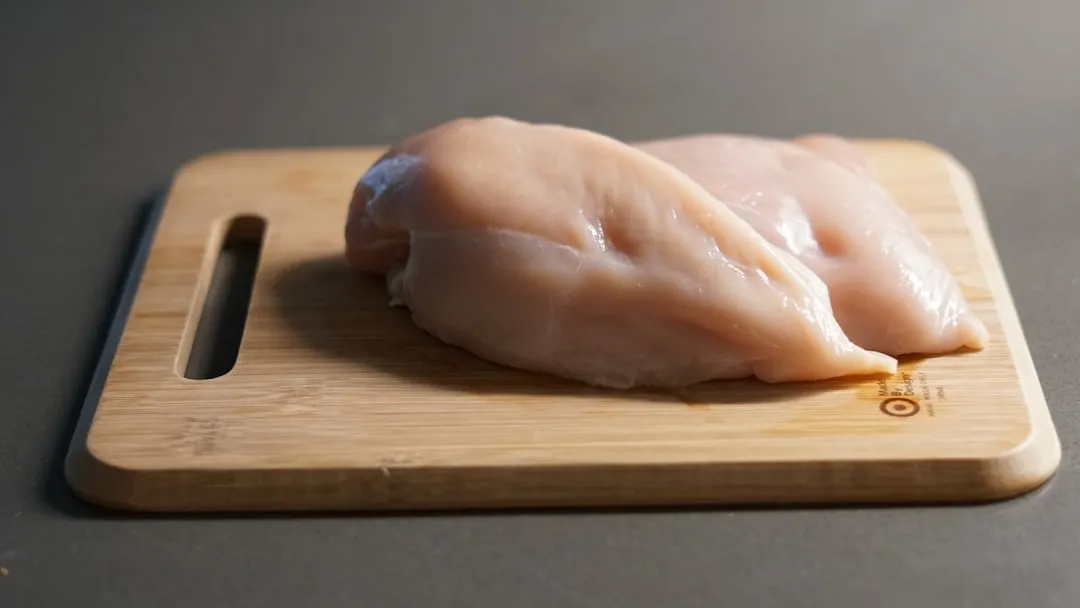
Raw chicken can be contaminated with Campylobacter, Salmonella, or Clostridium perfringens germs. These aren’t fringe pathogens. They are the leading bacterial causes of foodborne illness in the developed world, and chicken is a primary vehicle for all three.
The CDC estimates that Salmonella causes more foodborne illnesses than any other bacteria. Chicken is a major source of these illnesses. Salmonella bacteria are responsible for 1.35 million infections in the U.S. every year, along with 26,500 hospitalizations.
Studies show that 1 in every 25 packages of raw chicken at the store has Salmonella. Additionally, research found that roughly a quarter of store-bought chicken meat contained Campylobacter bacteria. Improper storage, such as keeping raw chicken on upper refrigerator shelves where juices can drip onto other foods, dramatically compounds this risk.
The Cross-Contamination Factor in Chicken Storage
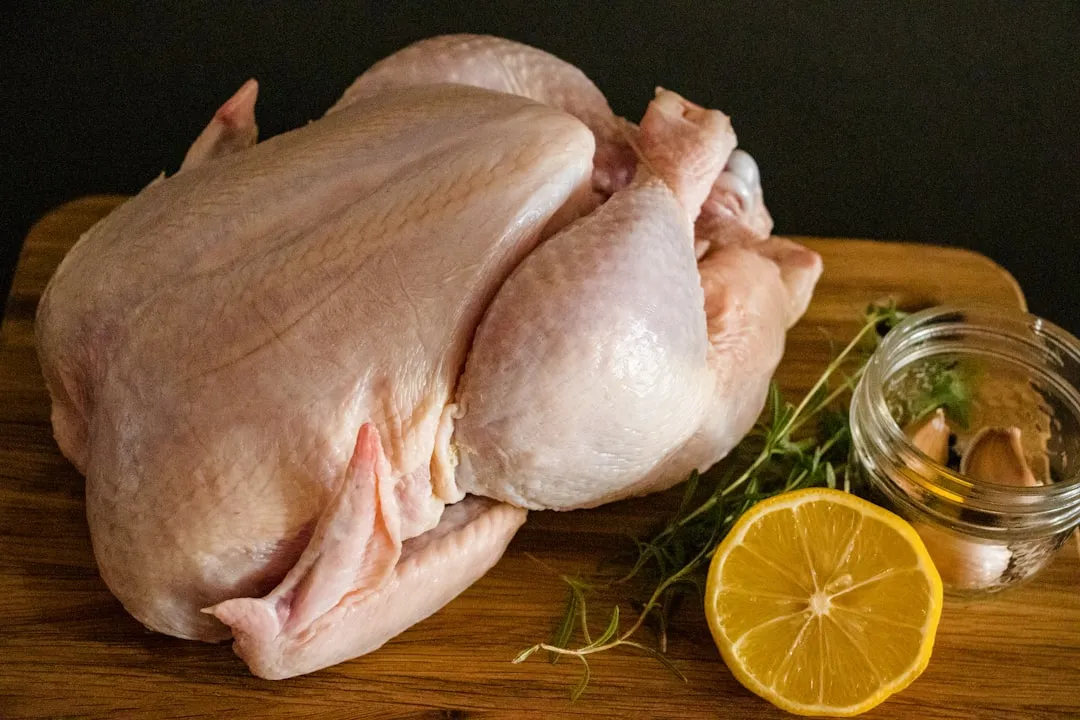
Keeping raw chicken and its juices away from ready-to-eat foods, like salads or food that is already cooked, is essential. Harmful bacteria can spread to foods that people typically eat raw, such as fruit and salad. This transmission can occur if people prepare other foods using the same chopping board and utensils that they used to prepare the chicken.
Salmonella food poisoning in humans usually involves the prompt onset of headache, fever, abdominal pain, diarrhea, nausea, and vomiting. The symptoms commonly appear within 6 to 72 hours after the ingestion of the organism, and may persist for as long as 4 to 7 days or even longer.
Raw chicken should always be stored on the lowest shelf of the refrigerator, sealed tightly, and used within one to two days. The margin for error is genuinely narrow with this food.
Food #3: Leafy Greens
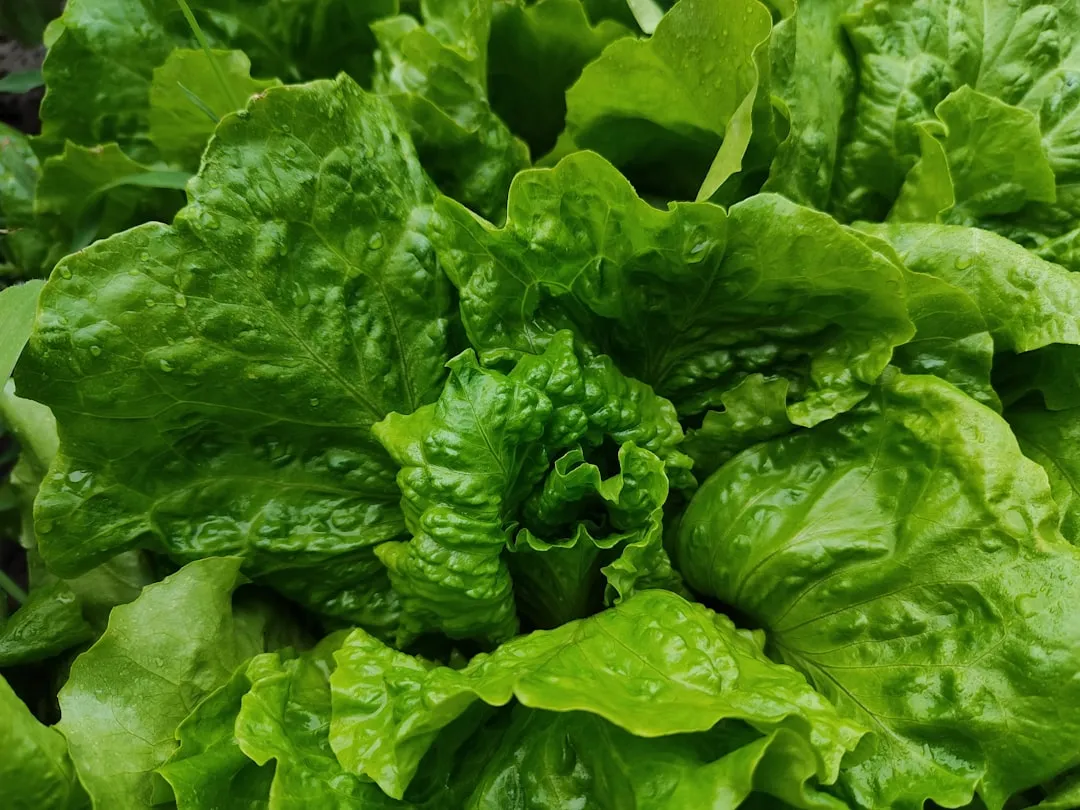
Fresh leafy greens are among the most dangerous foods when it comes to bacterial contamination, particularly with E. coli and Salmonella. Despite being a dietary staple praised for its nutritional value, leafy greens have been linked to repeated and sometimes fatal outbreaks across the United States.
The CDC reports that more than half of all multistate E. coli O157:H7 outbreaks in the U.S. between 2009 and 2020 were linked to leafy greens. Romaine lettuce, in particular, was implicated in several nationwide recalls. Leafy greens are easily contaminated with bacteria like E. coli, as in the case of the Solata Foods spinach recall in 2024.
Leafy greens were already known as a recall-prone category, but in 2026 the risk profile has become notably worse. Romaine, spinach, spring mix, and bagged salad kits are under heavier scrutiny after multiple contamination investigations tied to irrigation water, processing equipment, and field runoff.
Why Leafy Greens Can’t Simply Be Washed Clean
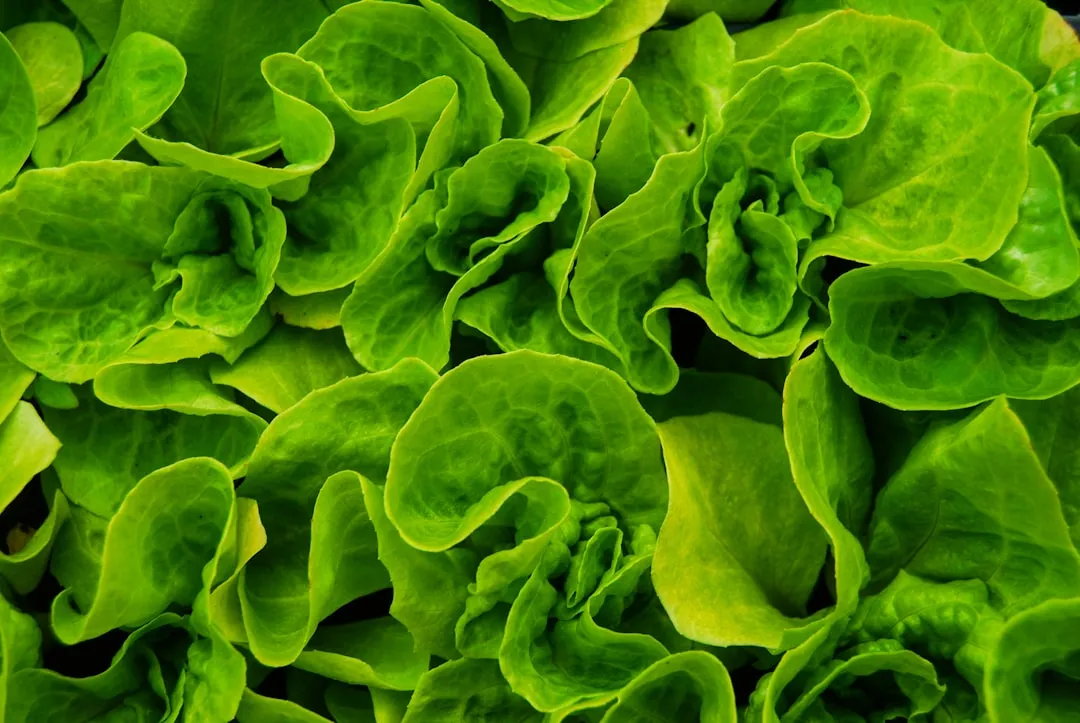
The biggest danger for consumers is that leafy greens are often eaten raw. There is no kill step, no baking, and no boiling to reduce microbial load before the first bite. Washing helps remove dirt, but it does not reliably eliminate pathogens once contamination is embedded in folds and damaged leaf tissue.
Contamination often occurs at the farm level. Leafy greens are typically grown in open fields near cattle operations, where water runoff from livestock can contaminate irrigation sources with pathogenic bacteria. Improper home storage, such as leaving greens at warm temperatures or storing them past their use-by date in a moist bag, accelerates any existing bacterial growth.
Public health agencies have focused especially on E. coli and Listeria, both of which can survive long enough in cold-chain environments to reach consumers in seemingly fresh condition. Always refrigerate greens promptly and pay close attention to recall notices, which have become more frequent in recent years.
Food #4: Unpasteurized and Soft Dairy Products

Cotija and queso fresco cheese are made from unpasteurized milk, meaning they carry an increased risk of bacterial contamination. Soft, high-moisture cheeses offer the moisture levels and neutral pH that bacteria like Listeria find ideal for growth.
One producer, Rizo-Lopez Foods, was shut down in October 2024 after its cheeses were linked to a years-long listeria outbreak that killed two people and made dozens of others sick. This wasn’t a fringe product. It was cheese found on regular grocery store shelves.
Listeria monocytogenes is a hardy germ that can survive in very low temperatures but thrives in cool and damp places. That characteristic makes it uniquely dangerous in dairy storage contexts, since a standard refrigerator does not stop its growth the way it stops most other pathogens.
How Listeria Turns the Refrigerator Against You
Among the most notorious culprits behind foodborne illnesses are Salmonella, E. coli, and Listeria monocytogenes. These bacteria are resilient, hard to detect in the early stages of contamination, and capable of causing severe or even fatal outcomes in vulnerable populations.
Deli meat is often associated with the spread of Listeria, such as in the 2024 case of the Boar’s Head listeria outbreak that killed 10 people. While deli meat is a separate category, the same principle applies to improperly stored soft cheeses and dairy products. Cold storage slows Listeria, it doesn’t stop it.
Pasteurized dairy stored at correct temperatures carries far lower risk. The key practices are simple: keep dairy sealed, store it consistently at or below 40 degrees Fahrenheit, and never use it past its expiration date. Soft cheeses, especially those made from raw milk, deserve extra caution for immunocompromised individuals, pregnant women, and the elderly.
The Temperature Danger Zone: What Food Safety Agencies Actually Say
Keeping certain foods within the danger zone temperature range for too long allows foodborne pathogens such as Salmonella and E. coli to grow, and these may make you sick. For all four food categories covered here, temperature management is the single most controllable variable in your kitchen.
From the farm to the dining table, foodborne pathogenic bacteria can contaminate food at any stage of the food production, processing, delivery, preparation, and consumption chain, posing a critical threat to the safety of food systems worldwide. Home storage is the last line of defense consumers actually control.
Regulatory agencies like the FDA and USDA have established strict guidelines to prevent contamination, ensuring that perishable foods remain out of the danger zone, the temperature range where bacteria grow most rapidly. Those guidelines exist for good reason, and they apply just as much to home kitchens as they do to commercial food operations.
Practical Storage Rules That Actually Reduce Risk
After boiling rice, it should either be kept hot above 63 degrees Celsius or cooled quickly and transferred to a refrigerator within 2 hours of cooking. The same two-hour rule applies broadly to cooked meats and other perishables left at room temperature.
Use a food thermometer to make sure chicken is cooked to a safe internal temperature of 165 degrees Fahrenheit. Store raw chicken sealed on the lowest refrigerator shelf, away from produce and ready-to-eat foods at all times.
For leafy greens, refrigerate immediately after purchase, keep them dry until use, and discard any product flagged by recall alerts. For dairy, stick to pasteurized products where possible, maintain consistent refrigerator temperatures, and treat soft cheeses with additional care.
Final Thoughts
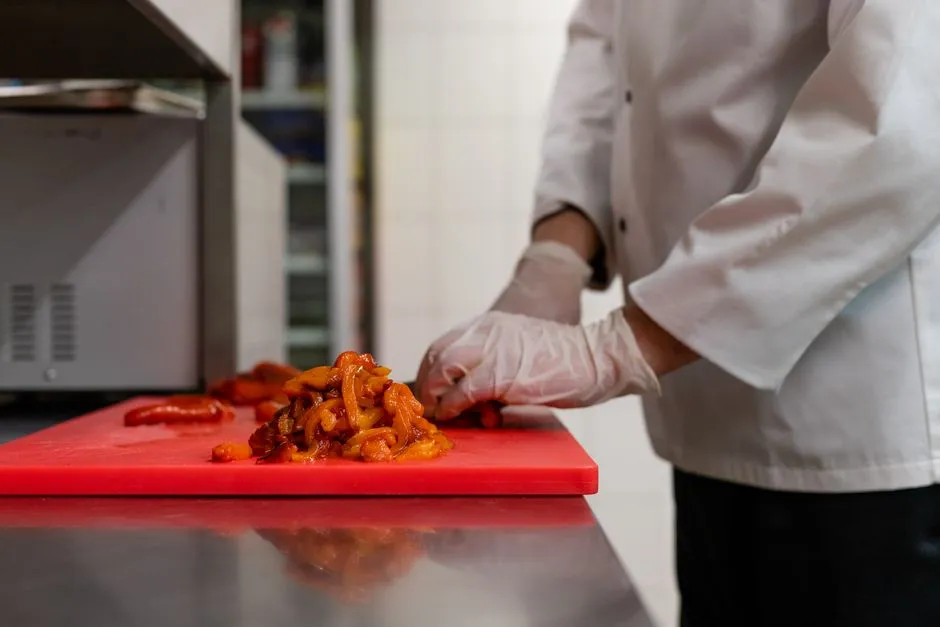
Despite advancements in food safety measures and practices, more than half of foodborne illness outbreaks in the U.S. are still associated with restaurants and food service businesses. At home, the numbers aren’t tracked as precisely, but the same unsafe habits play out daily across millions of kitchens.
The four foods profiled here, cooked rice, raw chicken, leafy greens, and soft or unpasteurized dairy, share a common trait. They don’t look dangerous. That’s precisely what makes them worth taking seriously. Bacteria are invisible, odorless in their early stages, and exponentially faster at multiplying than most people imagine.
Sound storage habits don’t require elaborate equipment or constant vigilance. They require knowing which foods are genuinely high-risk, and then applying a handful of consistent, well-documented practices. The evidence is clear, and the cost of ignoring it tends to show up at the worst possible moment.
AI Disclaimer: This article was created with the assistance of AI tools and reviewed by a human editor.