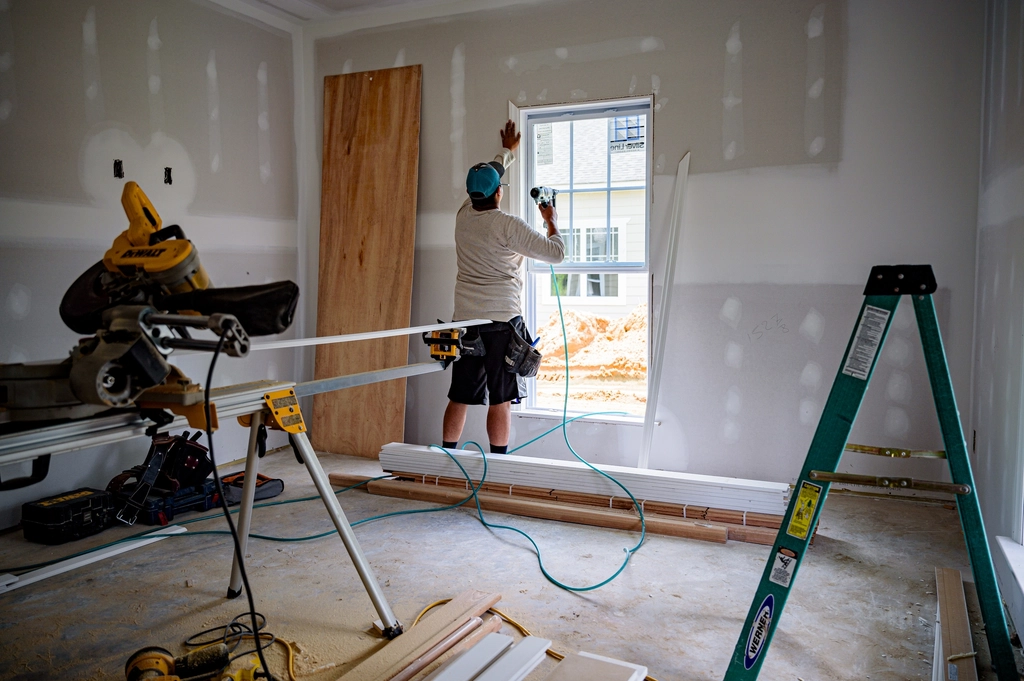

Most homeowners assume they need to spend a fortune to move the needle on property value. The reality is more encouraging. The projects with the highest ROI tend to be the least expensive. What you spend matters far less than where you spend it.
According to Zillow’s 2024 Consumer Housing Trends Report, roughly three out of four sellers took on at least one home improvement project to prepare their home for sale. The good news is that many of the most effective updates are completely within reach for a motivated homeowner with a free weekend, a hardware store trip, and a clear plan.
1. Refresh Your Interior With a Fresh Coat of Paint
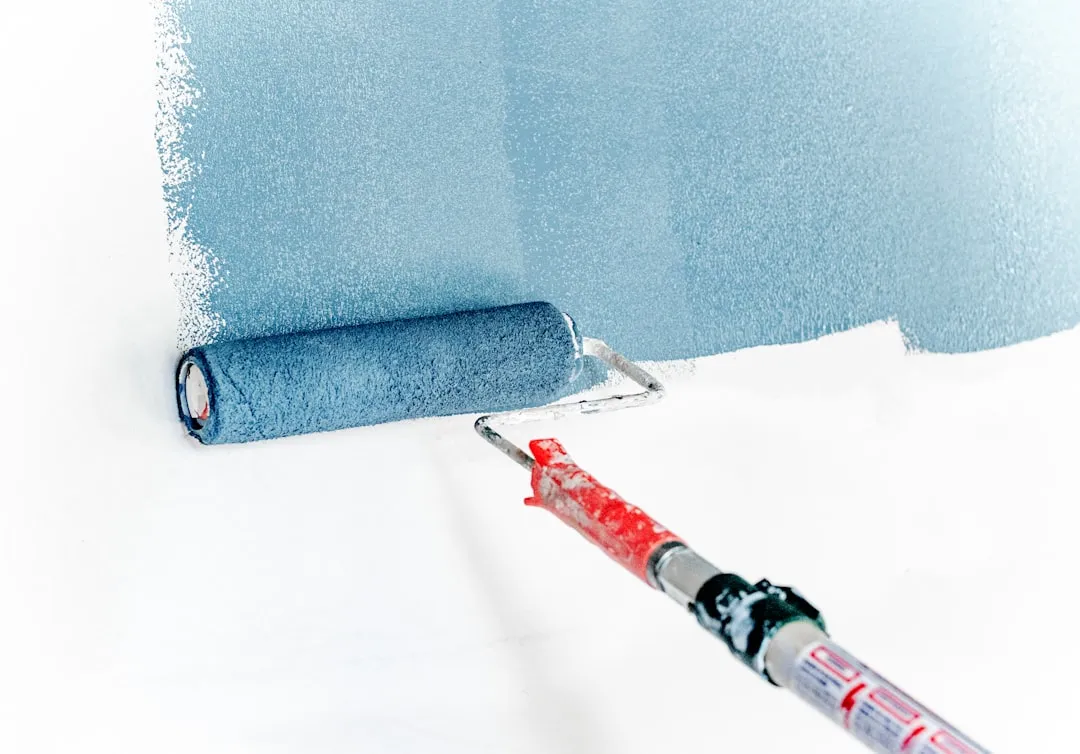
Of all the low-cost, high-return moves available to homeowners, painting consistently earns its place at the top. Zillow’s research found that roughly one in three sellers in 2024 painted their home’s interior before selling, making it the most common pre-listing project. That number alone says something about how agents and sellers view its impact.
Light, neutral wall colors make for a good palette for resale because buyers can imagine their belongings in the space, and they also help your home look its best in online photos and listings. Color choice matters more than many people realize. Additional Zillow research found that painting certain rooms certain colors can help your home sell for more, with an olive green kitchen netting sellers an extra $1,600 compared to other colors.
Repainting any room goes a long way toward modernizing a space, since nothing turns off buyers faster than chipped paint, cracked walls, or dated color choices like an orange kitchen. The materials cost for a room is often under $100, and the entire job can typically be done in a weekend without professional help.
2. Upgrade Your Front Entry Door
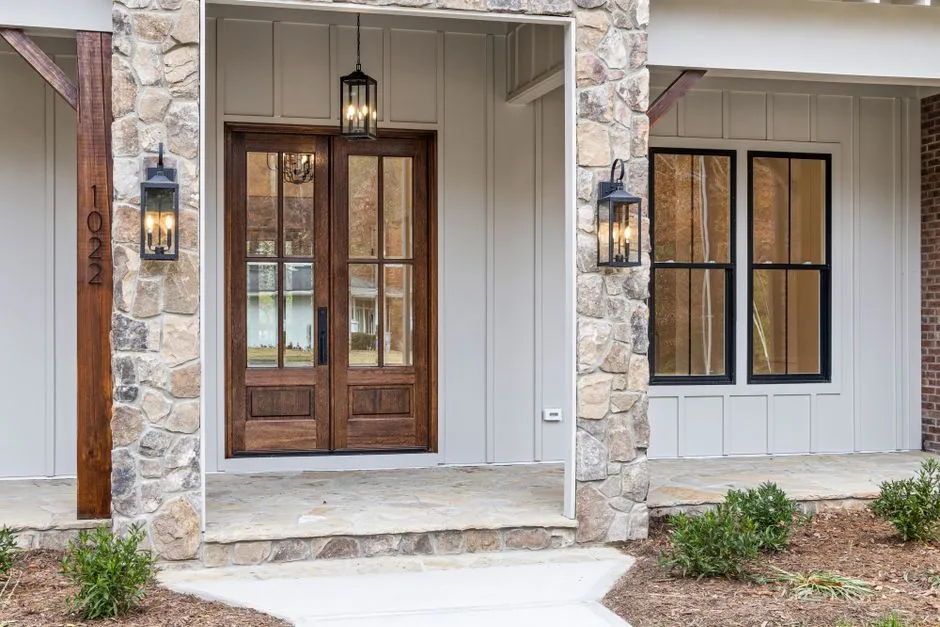
Your front door is one of the first things a buyer sees, in person and online. Replacing your front entry door consistently ranks near the top of national ROI studies, with Zillow estimating a return of about 216% for an exterior steel door replacement. That kind of return on a single weekend project is genuinely hard to beat.
A steel entry door with low-e glass sidelights, a new lockset, and deadbolt averages about $2,435 and adds $5,270 in resale value, making it the second-highest-returning project on the 2025 Cost vs. Value Report’s national list. Even if a full replacement isn’t in the budget right now, there are smaller options worth considering.
Repainting your existing front door in a bold, on-trend color such as deep navy, black, or sage green can noticeably lift curb appeal for under $100. It’s one of those changes that photographs well, feels welcoming in person, and costs almost nothing to execute yourself.
3. Make Minor Kitchen Updates That Punch Above Their Weight
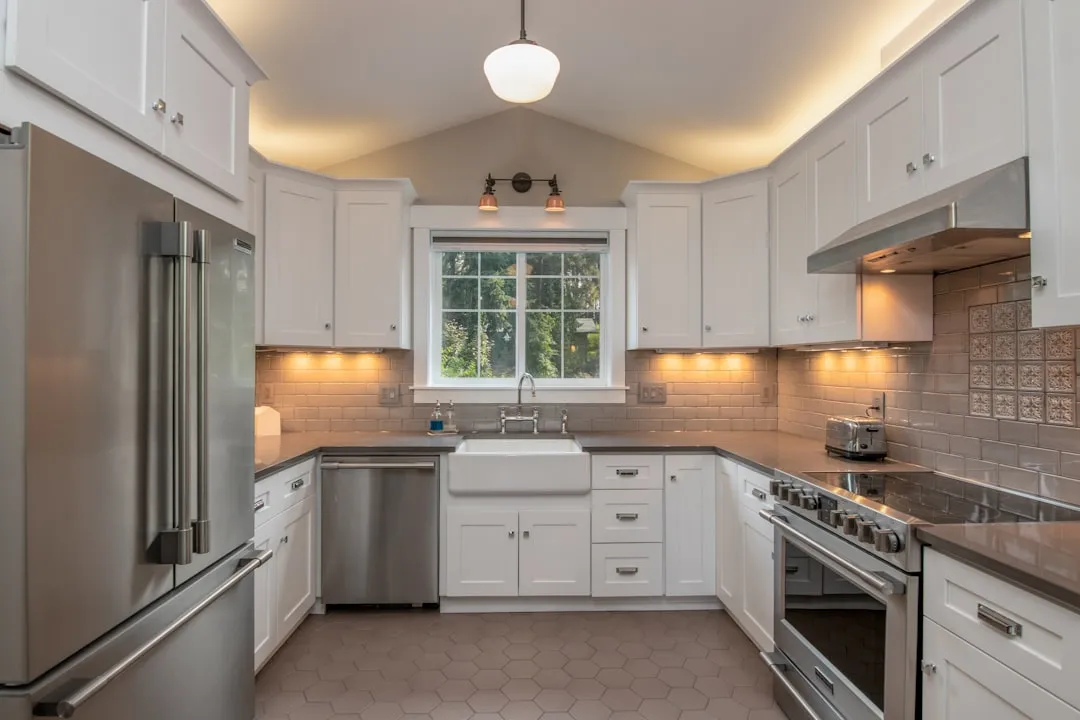
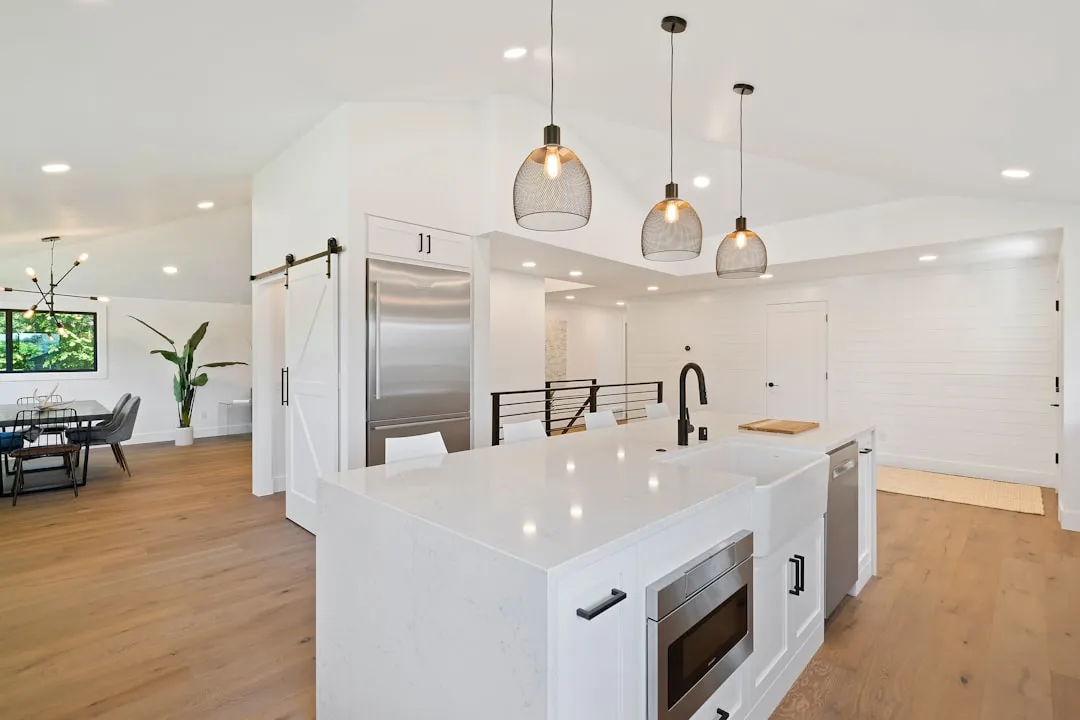
Kitchen renovations carry a reputation for being expensive and disruptive, but that reputation mostly applies to full-scale overhauls. Targeted, minor updates tell a different story. For minor kitchen remodels, the average ROI is around 96%, while major remodels yield an ROI of about 50% on average, according to Remodeling’s 2024 Cost vs. Value Report.
A minor kitchen remodel typically involves updates like painting cabinets, replacing countertops, and installing new appliances, changes that are more affordable and can make a big impact on the kitchen’s look and functionality. Cabinet painting alone is a project most homeowners can tackle themselves over a long weekend with the right primer and paint.
Adding or updating a tile backsplash offers an ROI ranging from 50% to 70%, and this relatively affordable upgrade adds visual interest and practicality by protecting walls from splashes and stains. Swapping outdated cabinet hardware for modern pulls is another small move that costs only a few dollars per piece but gives the entire kitchen a noticeably fresher feel.
4. Improve Your Curb Appeal Through DIY Landscaping

Landscaping is one of the most underestimated value-builders a homeowner can tackle on their own. The American Society of Landscape Architects (ASLA) estimates that investing in landscaping can boost a home’s value by as much as 15% to 20%. That’s a meaningful jump, and much of the foundational work is completely DIY-friendly.
The National Association of Realtors reports that 97% of realtors believe curb appeal is important for attracting buyers, 92% recommend sellers improve their curb appeal before listing, and 74% suggest completing a landscape maintenance program before going to market. That’s close to unanimous professional consensus.
An agent survey from HomeLight found that investing around $3,500 in curb appeal can yield around $12,000 in increased value, representing roughly a 238% ROI, and basic yard care with fresh mulch can boost home value by $4,500. Even simple landscaping tasks like replacing faded mulch, pruning shrubs, removing dead vegetation, and weeding can drastically impact curb appeal and increase your home’s value by up to 7%.
5. Refinish or Replace Your Flooring
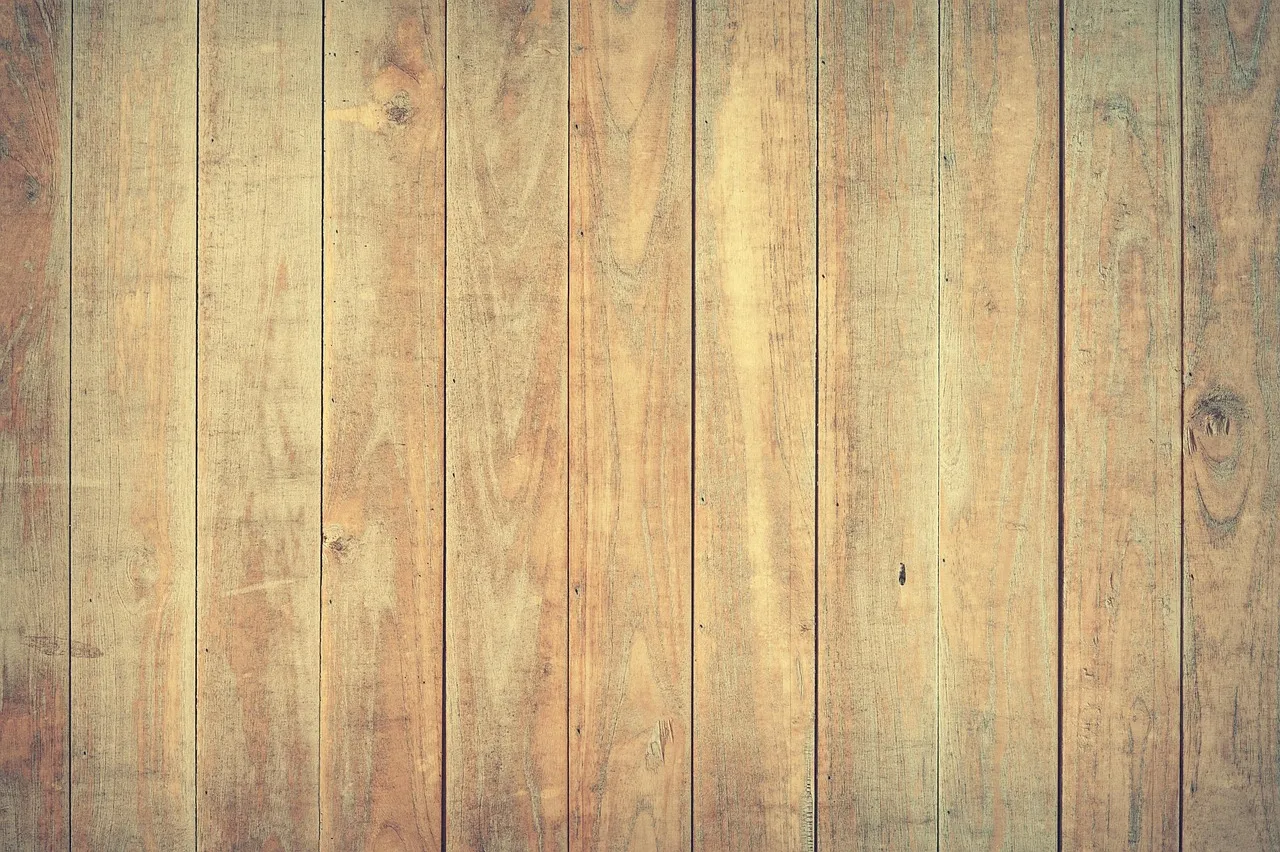
Flooring is one of those features buyers notice immediately, whether they consciously register it or not. Worn carpet, scuffed hardwood, and dated tile all communicate the same thing: deferred maintenance. HomeLight’s survey data indicates flooring updates can increase your home value by an average of $11,731.
Refinishing wood floors is one of the highest-ROI projects available, with some data suggesting homeowners can recoup about 147% of the cost for this relatively straightforward project. For homes without hardwood, luxury vinyl plank (LVP) flooring has become a popular and durable alternative. More buyers have been gravitating toward LVP in neutral tones like gray or espresso, and these options run about $3 to $10 per square foot, making them less expensive yet sturdier than hardwood.
Zillow’s research notes that roughly one in five sellers replace or repair carpet and flooring before listing, and for homeowners remodeling before selling, new flooring often provides one of the quickest visual transformations without the cost of a major renovation. DIYers who are comfortable with basic tools can install LVP themselves, cutting labor costs significantly.
6. Add Smart Home Technology

Smart home features have moved from novelty status to something buyers genuinely factor into purchase decisions. According to Zillow’s 2024 Consumer Housing Trends Report, 36% of buyers rated smart home capabilities as highly important in their home search. That’s a significant share of the market to appeal to with a relatively low-cost upgrade.
Research shows that roughly four out of five potential home buyers would pay extra for a smart home, making it a strong renovation option for someone looking to increase their ROI, with the most popular smart home features including voice control, smart appliances, and smart lights.
Smart thermostats and smart lights are popular and relatively easy additions that can save homeowners money on energy bills, and Zillow’s 2024 features analysis found that homes with smart lighting were saved 3% more on Zillow. Installation is typically straightforward, and many smart thermostat and lighting products are designed specifically for DIY setup, with video tutorials widely available. The global smart home market was estimated at $127.67 billion in 2024 and is projected to grow dramatically through the next decade, which points to sustained buyer interest well into the future.
A Few Things Worth Keeping in Mind
Before picking up a paintbrush or ordering supplies, it helps to understand the broader context. About two-thirds of homeowners feel it’s a bad time to start a home improvement project that costs more than $5,000, while roughly 70% of homeowners in 2024 felt it was a good time to start a project under $5,000. The DIY projects outlined above mostly fall well within that comfortable range.
Exterior projects have dominated the Cost vs. Value Report for several consecutive years because buyers form their opinion of a home before they walk through the door. That pattern is consistent and worth taking seriously when you’re deciding where to focus your budget first. A useful general rule is to not spend more than 30% of your home’s current value on renovations, and to stay in line with neighborhood standards.
The list doesn’t differentiate between do-it-yourself and professional work, so if you go the DIY route, you’ll likely spend less than the listed prices, but the amount you recoup will also depend on how well you do the work. Quality of execution matters. A well-done $200 paint job often does more good than a poorly executed $2,000 renovation.
The Takeaway
Increasing your home’s value doesn’t require a contractor on speed dial or a home equity loan. The data from Zillow, the National Association of Realtors, and the 2025 Cost vs. Value Report all point in the same direction: targeted, affordable improvements in the right categories consistently outperform expensive, large-scale renovations on a pure return basis.
Paint your walls, freshen your landscaping, update your flooring, swap the front door, add a smart thermostat, and give your kitchen a modest refresh. These are unglamorous tips, maybe, but they’re grounded in real market data. Harvard researchers estimate Americans’ total spending on home remodeling projects could reach a record high of $524 billion in early 2026, which tells you that the rest of the market already knows where the opportunity lies.
The homeowners who get the best returns aren’t necessarily the ones who spend the most. They’re the ones who spend smartly.
AI Disclaimer: This article was created with the assistance of AI tools and reviewed by a human editor.