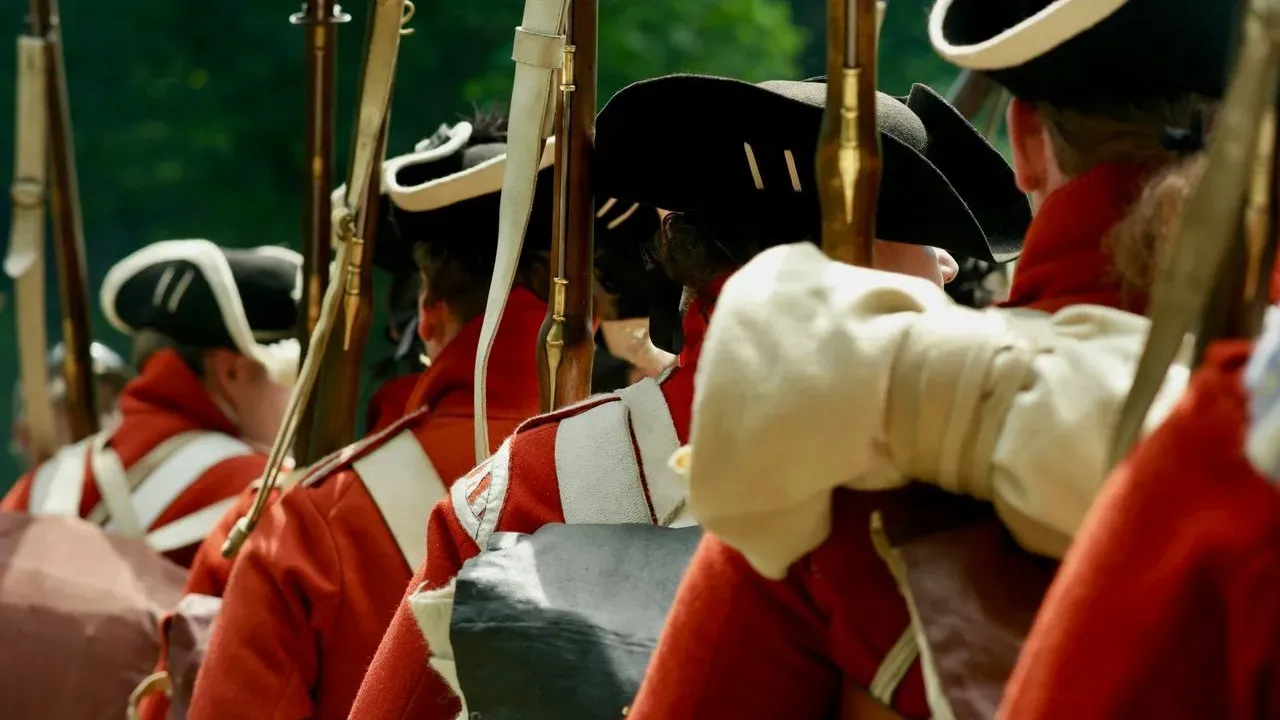

The remains of a young Maryland soldier, long buried and unidentified on a South Carolina battlefield, have at last been matched to Private John Pumphrey through advanced DNA analysis. The teenager from Anne Arundel County enlisted in the Continental Army during the American Revolution and died in one of its final major engagements. His identification arrives just ahead of the nation’s 250th anniversary, offering a rare personal connection to the founding era.
A Battlefield Excavation Yields New Clues
Archaeologists uncovered the soldier’s remains during work at the Camden battlefield in South Carolina. The site marks the location of a fierce 1780 clash where American forces suffered a significant defeat. Among the recovered bones was a fragment of the skull that preserved enough genetic material for testing, even after more than two centuries in the ground.
Researchers focused on the petrous bone, a dense section near the inner ear known for its durability. This small sample proved sufficient to generate a usable DNA profile. The effort marked one of the earliest successful genetic identifications of remains from the 1700s.
Genealogy and Archival Research Complete the Picture
Once the DNA profile existed, investigators turned to genetic genealogy databases. Matches pointed to living descendants and helped narrow the possibilities. Cross-referencing with military records revealed a clear match: a teenager named John Pumphrey who had joined the Seventh Maryland Regiment.
Historical documents showed he enlisted around 1777, possibly as young as thirteen, and later accepted a reenlistment bonus. Orphaned and seeking opportunity, he left his home county for service in the Continental Army. The combination of genetic links and paper trails confirmed his identity beyond doubt.
Why This Identification Matters Now
Private Pumphrey’s story adds a human face to the broader narrative of the Revolution. Many soldiers who fought for independence remain anonymous, their contributions lost to time. Naming one individual highlights the youth and sacrifice involved in the conflict.
The timing carries special weight. As the United States prepares to mark 250 years since the Declaration of Independence, this discovery underscores ongoing efforts to honor those who helped create the nation. It also demonstrates how modern science can bridge centuries to restore dignity to the forgotten.
Looking Ahead to Further Discoveries
Teams involved in the project hope similar methods can identify additional remains from the same battlefield and other Revolutionary War sites. Fourteen sets of remains were recovered in the Camden excavation alone. Each successful identification strengthens the historical record and connects present-day Americans to their past.
The work combines cutting-edge forensics with traditional detective methods. It shows that even the oldest cold cases can yield answers when persistence meets new technology. For the descendants of John Pumphrey, the result brings a sense of closure and pride in an ancestor who fought at such a young age.
AI Disclaimer: This article was created with the assistance of AI tools and reviewed by a human editor.