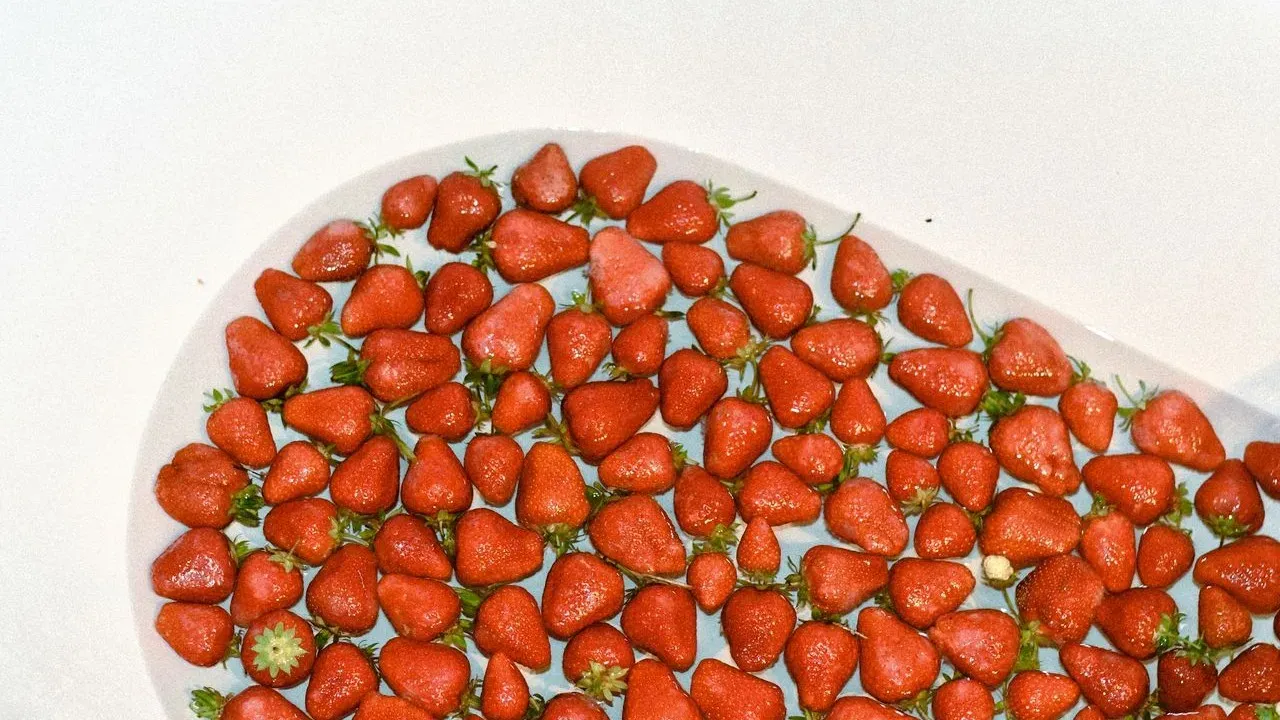

Many home cooks and gardeners reach for strawberries the moment they come in from the market or the patch. A quick rinse under the tap feels like the responsible next step. Yet that early wash often works against the goal of keeping the fruit at its best for as long as possible.
The Timing That Changes Everything
The single biggest error is washing strawberries as soon as they arrive home. Moisture left on the surface softens the skin and gives mold spores the conditions they need to grow. The result is a noticeably shorter window before the berries begin to spoil. Food safety guidance from the FDA aligns with this approach: wash produce right before it is eaten or used in a recipe, not at the time of purchase. Gardeners who pick their own fruit face the same issue. Freshly harvested strawberries still carry field moisture and any surface debris. Adding more water before storage simply compounds the problem. Storing the berries unwashed in a paper-towel-lined container in the refrigerator preserves their texture and flavor for several extra days.
Simple Methods That Deliver Better Results
When the moment to wash arrives, a few straightforward techniques work well. The basic approach uses cool running water for 30 to 60 seconds while the stems remain attached. Gentle turning ensures all surfaces are rinsed, after which the berries are patted dry on a clean towel. For gardeners concerned about pesticide residues, a baking soda soak offers a stronger option. One teaspoon of baking soda dissolved in two cups of water creates an alkaline solution that breaks down many surface residues. Strawberries soak for 12 to 15 minutes, then receive a thorough rinse under cool water. Research published in the Journal of Agricultural and Food Chemistry supports this method as more effective than plain water alone. A vinegar solution helps reduce surface bacteria and mold spores. One part white vinegar to three parts water, with a five-minute soak, followed by a complete rinse and thorough drying, can extend refrigerated life compared with water rinsing. The berries must be completely dry before they return to the refrigerator. A salt-water soak serves a different purpose. One teaspoon of salt in two cups of water draws out tiny insects that sometimes hide in the surface texture of garden or farmers-market berries. After five minutes the fruit is rinsed well and dried.
Steps Worth Avoiding
Several common practices work against both safety and quality. Removing the stem or hull before washing allows water and any cleaning solution to enter the interior of the berry, diluting flavor and softening texture. Soap, detergent, or commercial produce washes are not recommended; the FDA advises against them because they can be absorbed by the porous fruit. Hot water and scrubbing brushes damage the delicate skin. Pre-washing without complete drying before storage accelerates spoilage in most cases. The exception is the vinegar method, provided the berries are dried thoroughly afterward. Strawberries consistently rank high on lists of produce with detectable pesticide residues. While residue levels on conventionally grown fruit generally fall below established safety thresholds, the baking soda method provides an extra layer of surface cleaning for those who prefer it. Organic berries eliminate the concern entirely.
Putting the Advice Into Practice
The routine is straightforward once the timing is understood. Store strawberries unwashed. Wash only when ready to eat or cook. Keep stems intact until after rinsing. Dry completely if any washing occurs before refrigeration. These steps preserve both the flavor of homegrown or market berries and the time they remain enjoyable. The difference shows up quickly in the refrigerator and on the table. Fresh strawberries handled this way simply last longer and taste better.
AI Disclaimer: This article was created with the assistance of AI tools and reviewed by a human editor.