
Many gardeners plant hydrangeas expecting lush summer flowers only to watch buds fail or plants struggle through winter. The difference often comes down to matching the right type to local climate, light, and soil conditions. Four main groups dominate home landscapes, each with distinct strengths and limitations that affect performance.
Why Some Hydrangeas Stop Blooming
Hydrangeas form flower buds at different times of year. Varieties that bloom on old wood set buds in late summer or fall, leaving them vulnerable to cold snaps and improper pruning. Those that bloom on new wood produce buds in spring on fresh growth, offering more forgiveness after harsh winters.
Soil pH also influences color in certain types, while light levels determine overall vigor. Full sun suits some groups, yet others scorch or wilt without afternoon shade. Understanding these traits prevents repeated disappointment and wasted effort on replacements.
Bigleaf and Mountain Types
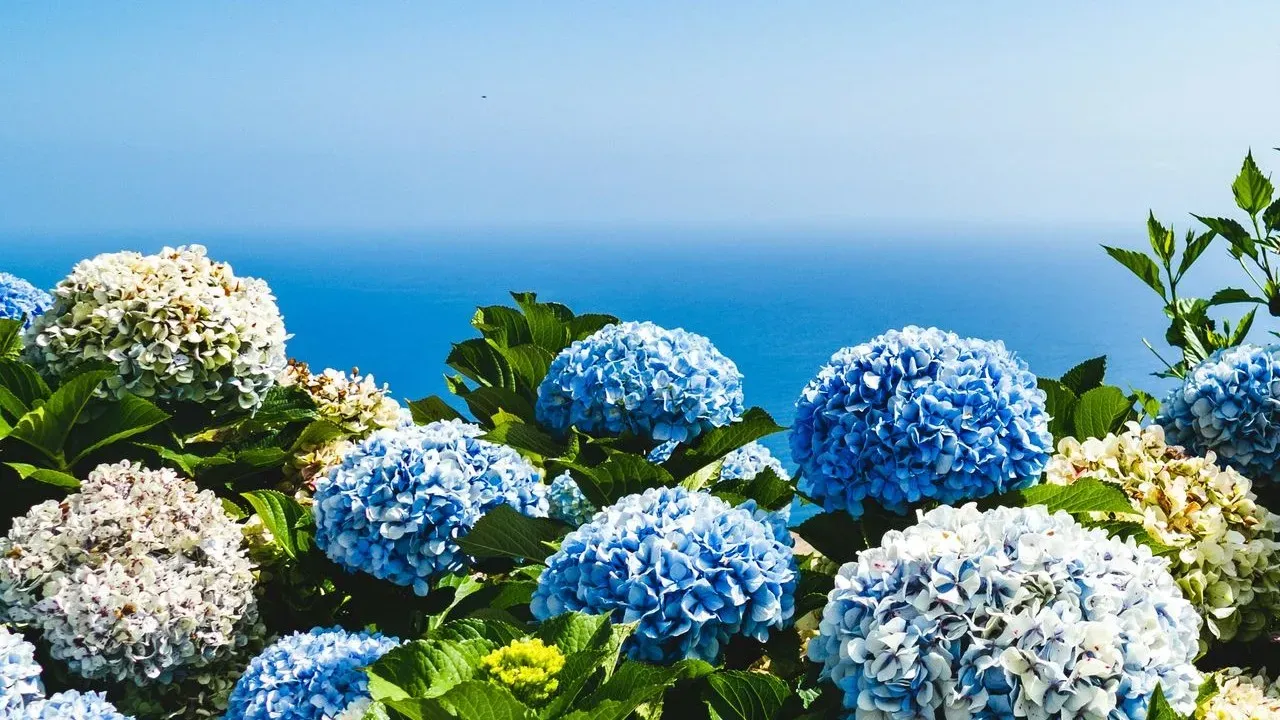
Bigleaf hydrangeas, often called mopheads or lacecaps, produce the classic rounded or flat flower clusters in shades of blue, pink, or white. They generally perform best in partial shade and milder winters, thriving in USDA zones 5 through 9. Their reliance on old wood makes them prone to bloom loss after severe freezes.
Mountain hydrangeas share similar flower forms but tolerate colder conditions slightly better. Both groups reward consistent moisture and protection from intense afternoon sun. Gardeners in colder zones often cover plants or select reblooming cultivars to improve odds of success.
Panicle and Smooth Choices
Panicle hydrangeas offer cone-shaped blooms that shift from white to pink or green as they age. These hardy shrubs bloom on new wood, making them reliable even after heavy pruning or cold damage. They handle full sun to partial shade and suit zones 3 through 8 or 9.
Smooth hydrangeas, known for large white snowball flowers, also bloom on new wood and tolerate a wide range of conditions. They excel in partial shade and provide strong performance in zones 3 through 8. Both groups deliver consistent color with less risk of total bloom failure compared with old-wood types.
Oakleaf Hydrangeas for Distinctive Foliage
Oakleaf varieties stand out with leaves that resemble oak foliage and turn rich burgundy in fall. Their cone-shaped white flowers appear on old wood, requiring care with winter protection in marginal zones. They grow well in zones 5 through 9 and adapt to part shade or filtered sun.
These shrubs bring added seasonal interest beyond flowers. They prefer well-drained soil and consistent moisture without waterlogging. Placement away from harsh winds helps preserve the previous season’s buds for the next year’s display.
Matching Plants to Site Conditions
Start by checking your USDA hardiness zone and noting sun exposure throughout the day. Panicle and smooth types offer the broadest reliability for colder or sunnier spots. Bigleaf and oakleaf selections reward sheltered locations with afternoon shade.
Soil testing reveals pH levels that affect color in bigleaf varieties. Amending for better drainage or adding organic matter supports root health across all groups. Local extension resources or nursery staff can confirm which cultivars perform best in specific microclimates.
What matters now: Selecting a hydrangea that blooms on new wood often resolves repeated failures in variable climates. Focus first on hardiness zone and light before choosing flower shape or color.
With the right match, hydrangeas deliver dependable color and structure for years. Careful variety selection turns a common source of frustration into a lasting garden asset.
AI Disclaimer: This article was created with the assistance of AI tools and reviewed by a human editor.