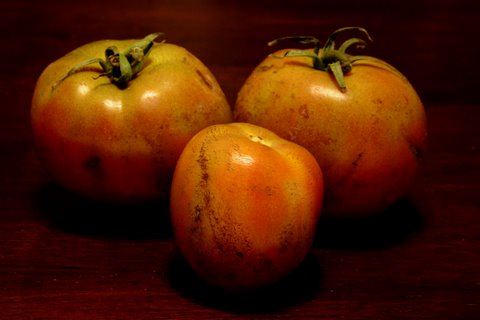

Somewhere between the era of your grandparents’ kitchen gardens and today’s gleaming supermarket shelves, a lot of flavor quietly disappeared. These overlooked vegetables, once regulars in our grandparents’ gardens, lost popularity when supermarkets started favoring uniform produce for easy shipping. The trade-off was real: longer shelf life and perfect shapes came at the cost of taste, complexity, and variety.
A shocking 94% of vegetable varieties have vanished since 1900, and local seed retailers are on the front lines, playing a vital role in preserving biodiversity by keeping these heritage seeds alive and growing. That’s a staggering loss, and it’s one reason why so many home growers are now turning back to what was almost forgotten. Here are eight heirloom vegetables worth planting this season, each with a real story behind it.
1. Brandywine Tomato: The Legend That Started It All
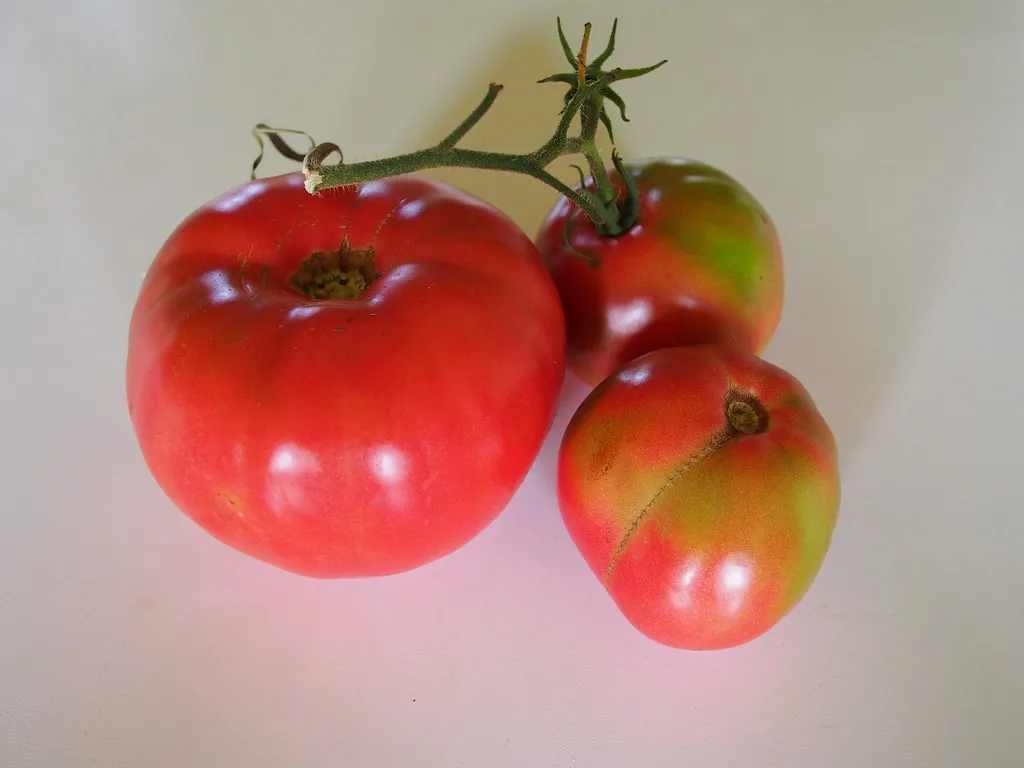
The Brandywine tomato is an heirloom cultivar with large potato-leaved foliage and large pink beefsteak-shaped fruit, and it is popularly considered among the best tasting available. It’s one of those varieties that converted many skeptics into lifelong heirloom growers after just one season.
Its sandwich-sized fruit can grow up to 1.5 lbs and has been described as having a “great tomatoey flavor,” offset by an appealing acidity. The Burpee Seed Company reports carrying it in their catalogue as early as 1886. That kind of staying power says something about just how good this tomato really is.
Heirloom vegetables are celebrated for their superior taste. Many modern vegetable varieties have been bred for appearance and durability rather than flavor, leading to a decline in taste quality. In contrast, heirloom varieties often have richer, more complex flavors. Brandywine sits right at the top of that list.
2. Cherokee Purple Tomato: A Pre-1890 Survivor
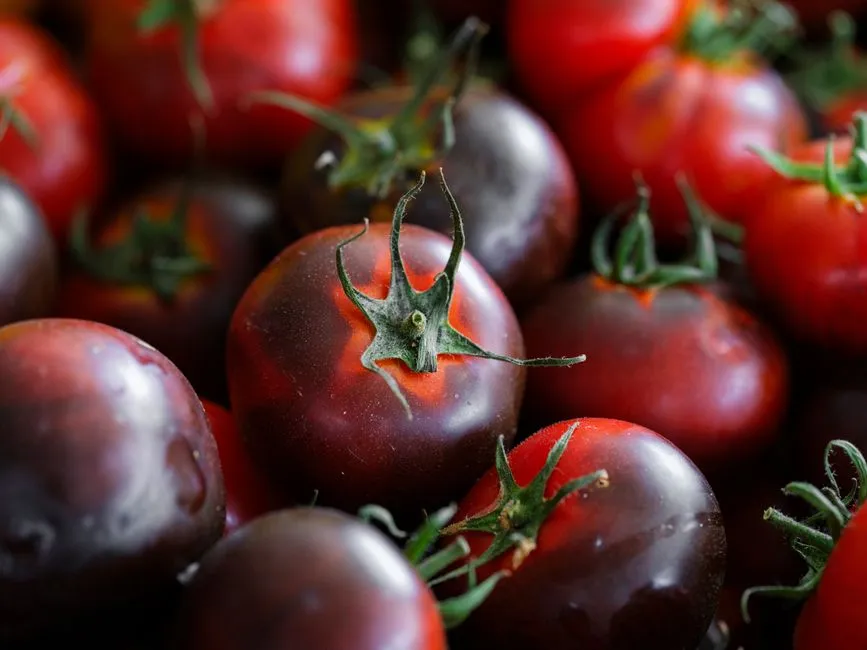
Cherokee Purple tomatoes are an old heirloom, pre-1890, with mottled tones of brown, green, and purple. While the exterior coloring may not be to everyone’s liking, the interior and flavor more than make up for this, and it is now one of the most popular heirloom tomatoes grown. The flesh is a luscious deep, dark red and the flavor is sublime, a perfect complement of sweet, acid, and savory topped off with a hint of smoke.
In 1990, John Green shipped a packet of tomato seeds from his home in Sevierville, Tennessee, to prolific seed-saver Craig LeHoullier. In the handwritten note, Green explains that he received the seeds from a nearby woman who had gotten them from her neighbors. The neighbors had allegedly been growing the tomatoes in their garden for about 100 years after they had initially been shared with them by Cherokee Indians. LeHoullier thus named the tomatoes Cherokee Purple, honoring the story as well as their unusual dark red, almost purple coloring.
This indeterminate tomato keeps producing all season long until frost on 4- to 6-foot tall plants, so stake them well and harvest the fruits continually to keep them productive. It’s a reliable grower and a crowd-stopper at any dinner table.
3. Mortgage Lifter Tomato: The Depression-Era Giant
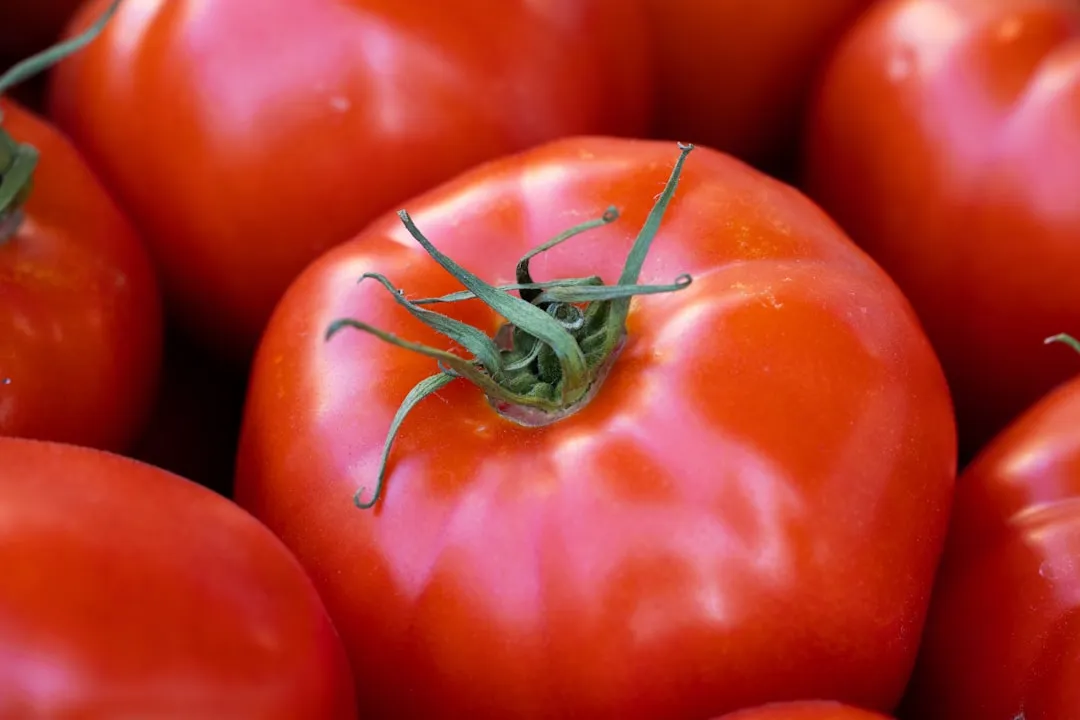
Large, smooth, one-pound pink fruit with a delicious, rich, sweet taste, this variety has become very popular in recent years and was developed by M.C. Byles of Logan, West Virginia. After crossing varieties for six years and selecting the best, he introduced this variety that he named Mortgage Lifter in the 1940s, after he sold plants for $1 each and paid off the $6,000 mortgage on his house.
In a recorded interview from 1985, he said that he sold plants for $1.00 apiece and that people came from as far away as 200 miles to buy the plants. In six years, he made enough money to pay off his $6,000 mortgage, so he called the tomato “Mortgage Lifter,” but tomato-loving folks called it Radiator Charlie’s Mortgage Lifter.
Mortgage Lifter is an abundant and dependable producer of dark pink beefsteak tomatoes weighing around a pound each, with an impressive ability to produce beautiful tomatoes under a myriad of challenging conditions. The flavor is exceptional, and the large size makes them perfect for sandwiches. Few heirlooms carry a story this good alongside the flavor to back it up.
4. Romanesco Broccoli: Geometry You Can Eat
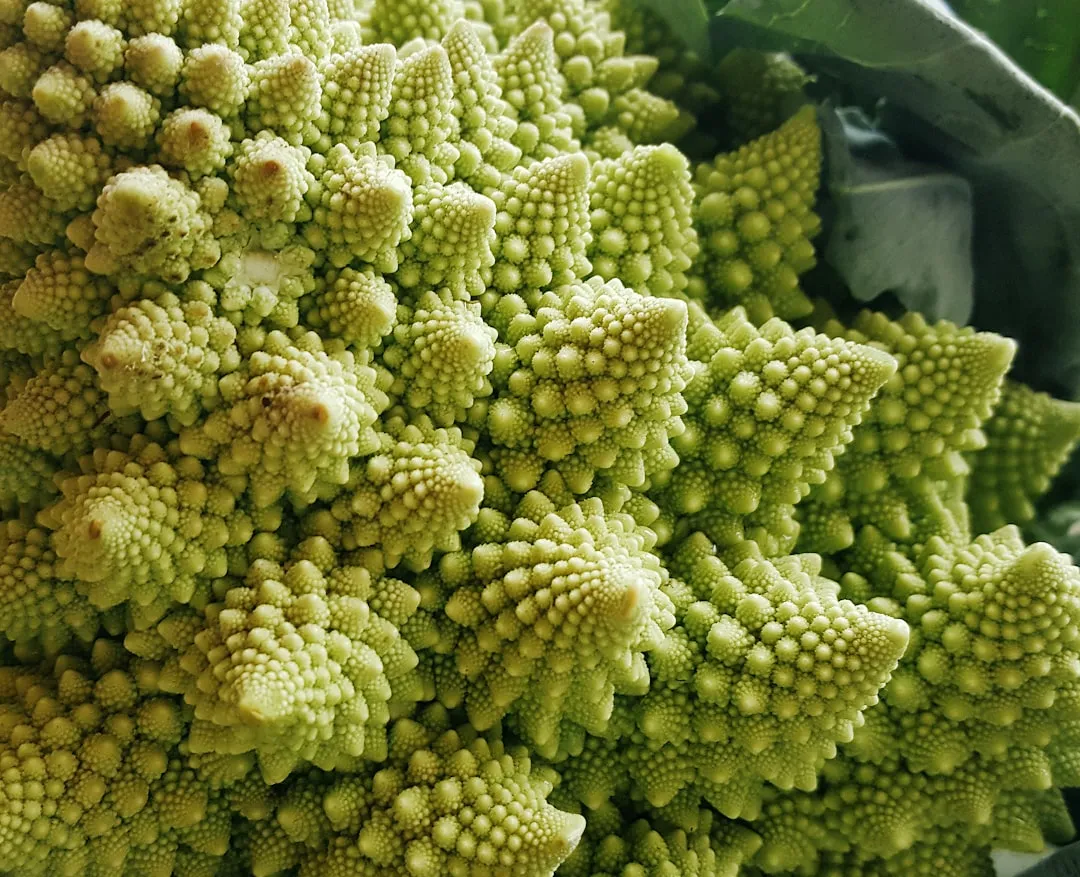
Romanesco Broccoli stands out with its intricate, fractal geometry and vivid green color. Its origins trace back to Italy, where it has been cultivated since the 16th century. Known for its nutty flavor and firm texture, it offers a unique twist on traditional broccoli and cauliflower dishes.
Consumers are now seeking out unique and lesser-known produce like Romanesco broccoli, with its fractal patterns and nutty flavor. It’s showing up more at farmers markets and specialty grocers, and gardeners who’ve grown it tend to stick with it year after year.
Its spiraled florets are not just visually appealing but also rich in vitamins C and K. Like most vegetables, heirloom varieties do best when planted in well-drained soil in an area that receives 6 hours or more of sunlight. Heirloom tomatoes, peppers, and eggplants, as well as broccoli, cauliflower, and cabbage should be started indoors to produce strong transplants.
5. Lemon Cucumber: The Round Yellow Surprise
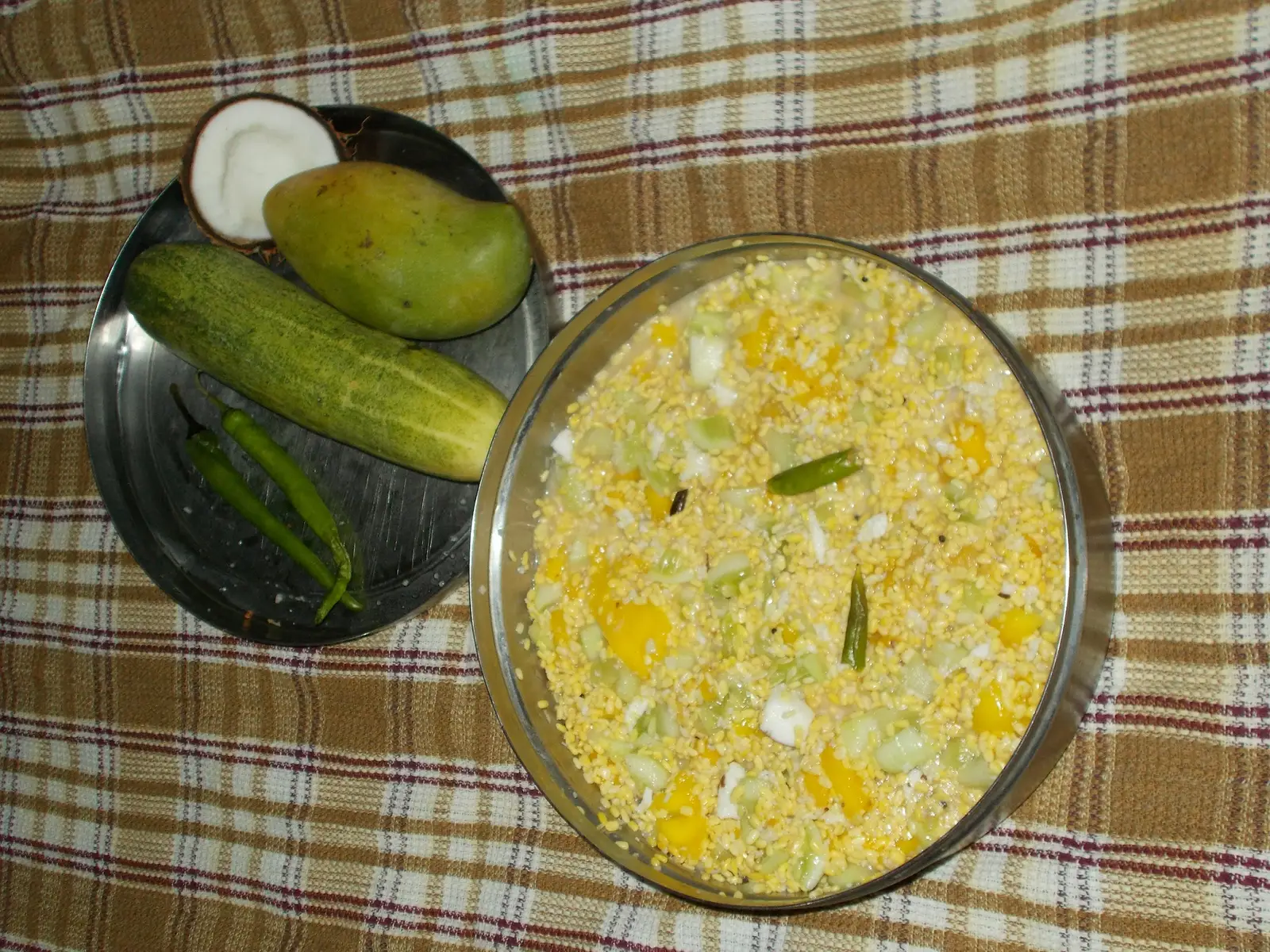
Lemon cucumbers are as refreshing as their citrus namesake, offering a crisp texture and mild flavor. Despite their round, yellow appearance akin to a lemon, they possess the cool, clean taste of a cucumber, making them perfect for summer salads and pickling. This heirloom variety was popular in the early 20th century and is now making a comeback among gardeners for its unique look and refreshing qualities.
Growing heirloom vegetables helps preserve biodiversity, which is crucial for a resilient agricultural system. The genetic diversity found in heirlooms can provide resistance to pests and diseases, reducing the need for chemical interventions. Lemon cucumbers fit that profile nicely, being generally tolerant and productive.
They’re also surprisingly kid-friendly in the garden. Children who might pass right by a green cucumber will stop and pick the little yellow globes without thinking twice. That alone makes them worth a row or two.
6. Dragon Tongue Beans: Color and Crunch
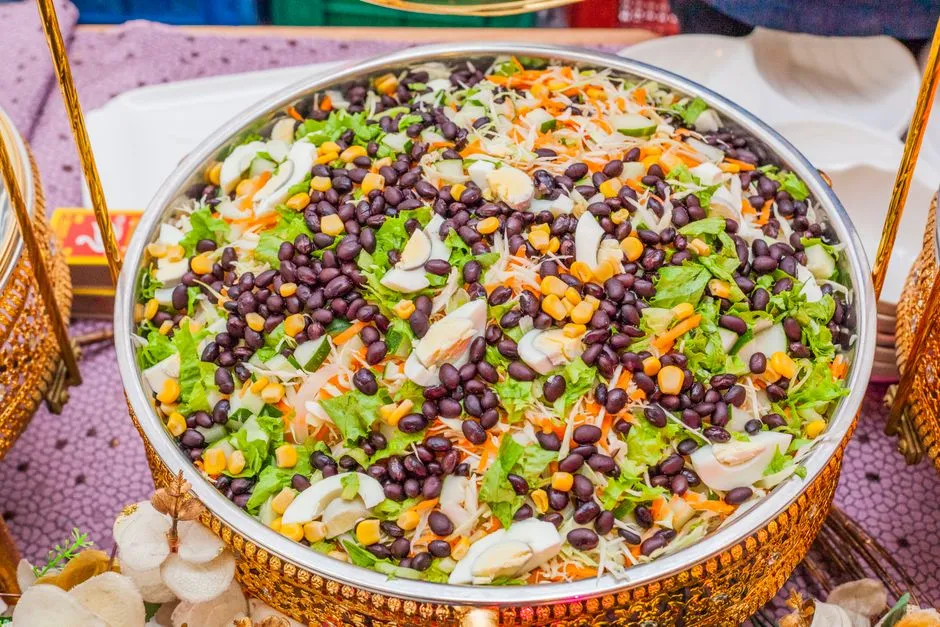
Dragon Tongue beans showcase stunning cream-colored pods with vibrant purple stripes that make them a standout in any garden. These heirloom seeds produce unique 6 to 7 inch pods, ready to harvest in just 57 days, perfect for fresh salads, and suitable for hardiness zones 3 through 12.
An increasingly popular Dutch heirloom, these 7-inch pods are a sight to behold with deep purple streaks and beautiful beans. One notable detail: when you cook them, the purple streaks fade to green, which is either a small disappointment or a useful party trick depending on your perspective.
Whether it’s the smoky richness of Cherokee Purple tomatoes or the buttery notes of Dragon Tongue beans, each plant tells a unique story through its flavors and characteristics. These time-tested varieties have been passed down through generations because they thrive naturally, often require fewer chemicals, and are packed with complex taste you just can’t find in store-bought produce.
7. Moon and Stars Watermelon: The Heirloom That Almost Vanished
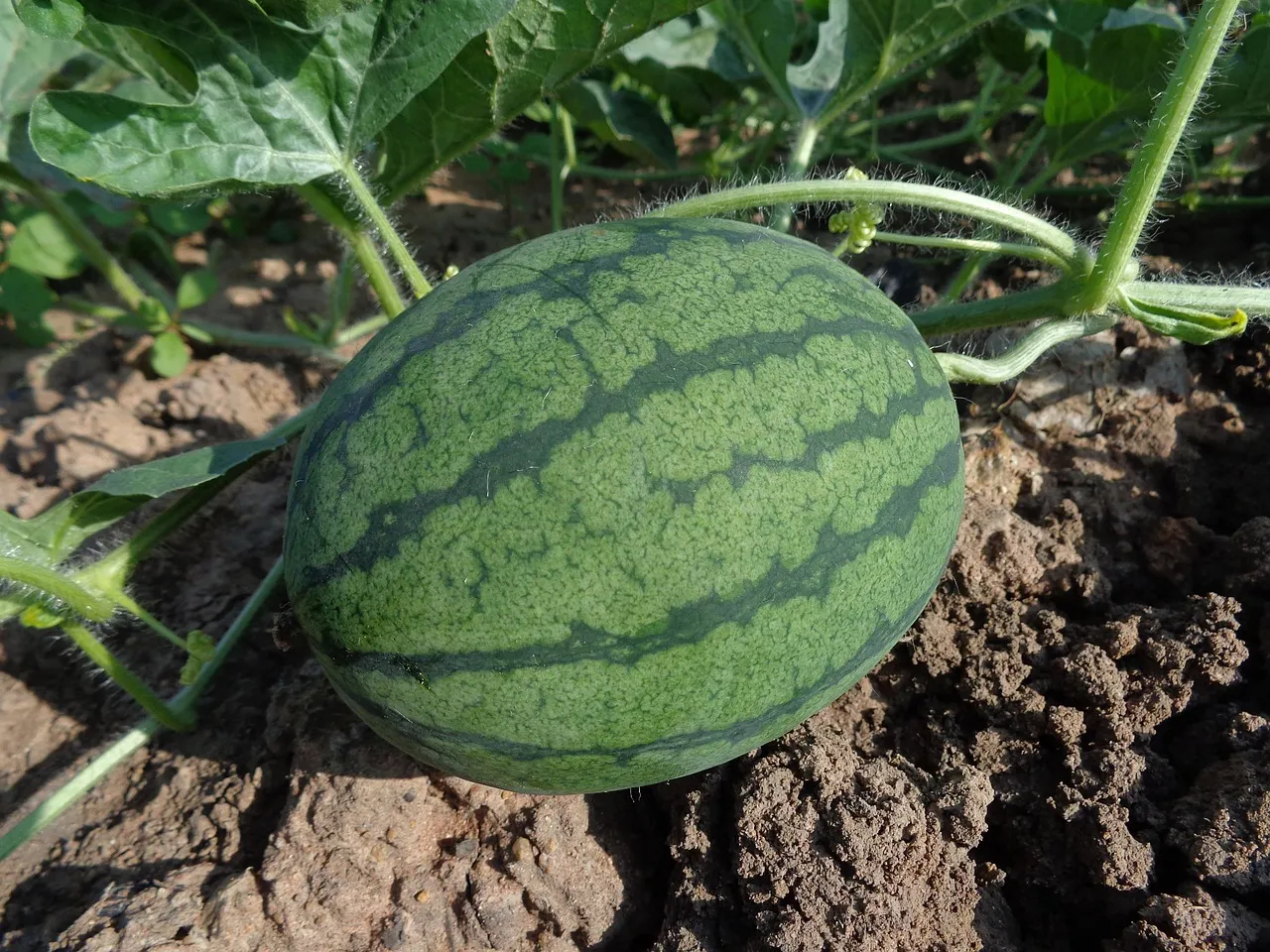
Moon and Stars Watermelon sports a dark green rind speckled with bright yellow spots resembling starry skies. Inside awaits juicy, sweet red flesh that has been a family favorite since the 1920s. This heirloom variety was nearly lost to time but has been revived by dedicated seed savers.
Moon and Stars is an Amish heirloom. The rind is dark green covered with bright yellow spots, and even the leaves of the plant are also spotted. It’s one of those vegetables that looks almost too decorative to be real, yet produces genuinely good fruit.
The Moon and Stars watermelon, with its distinctive speckled pattern, tells a story of American farming history that dates back to the early 1900s. Seed-saving gardeners have kept heirloom varieties like this alive, as has the Seed Savers Exchange based in Decorah, Iowa. This one is proof of what dedicated preservation can save.
8. Cherokee Trail of Tears Pole Bean: History in Every Pod
The Cherokee Trail of Tears Pole Bean is an heirloom pole bean that was carried by Cherokee Indians on the Trail of Tears. They have purple-striped pods with shiny black seeds. Few vegetables carry a historical weight this significant, and growing it feels like a genuine act of remembrance.
This heirloom pole bean was carried by the Cherokee Indians along the Trail of Tears. Heirloom vegetables offer a tangible link to the past. Each variety has a story, often tied to specific regions, cultures, or families. Growing these plants can be a way to connect with agricultural heritage and preserve traditions that might otherwise be lost.
Vintage beans and peas are normally vining climbers and will need some structure to grow on. Give this one a solid trellis, keep it well-watered, and it will reward you generously through the season. These seeds often have traits that make them naturally tough against the specific pests, diseases, and climate of their home region. Being able to save your own seeds means you have a self-sustaining garden, which cuts down on having to buy new seeds every single year.
Why Heirloom Vegetables Deserve a Real Comeback
Growing heirloom vegetables is more than a gardening trend; it is a movement toward sustainability, biodiversity, and a deeper appreciation for the history and culture of our food. That framing matters, because these aren’t just novelty plants for food-curious hobbyists. They represent something genuinely worth protecting.
Heirloom varieties are typically much less resistant to common diseases and other pest issues. Hybrid varieties have been developed to improve resistance and other qualities to make them easier to grow. Unfortunately, sometimes in the hybridization process, the flavor and some of the unique characteristics of those vegetables may be lost. This is the biggest reason why heirloom varieties are still popular.
By definition, heirloom seeds are seeds that have a history that goes back 50 years or more. They are the seeds of true-to-type plants, which are vegetables, fruits, or flowers that haven’t been altered or pollinated by humans. Over the years, they’ve been carefully saved, planted again the next season, and preserved. Every gardener who plants one this season is doing their small part to keep that chain unbroken.
Where to Find Heirloom Seeds in 2026
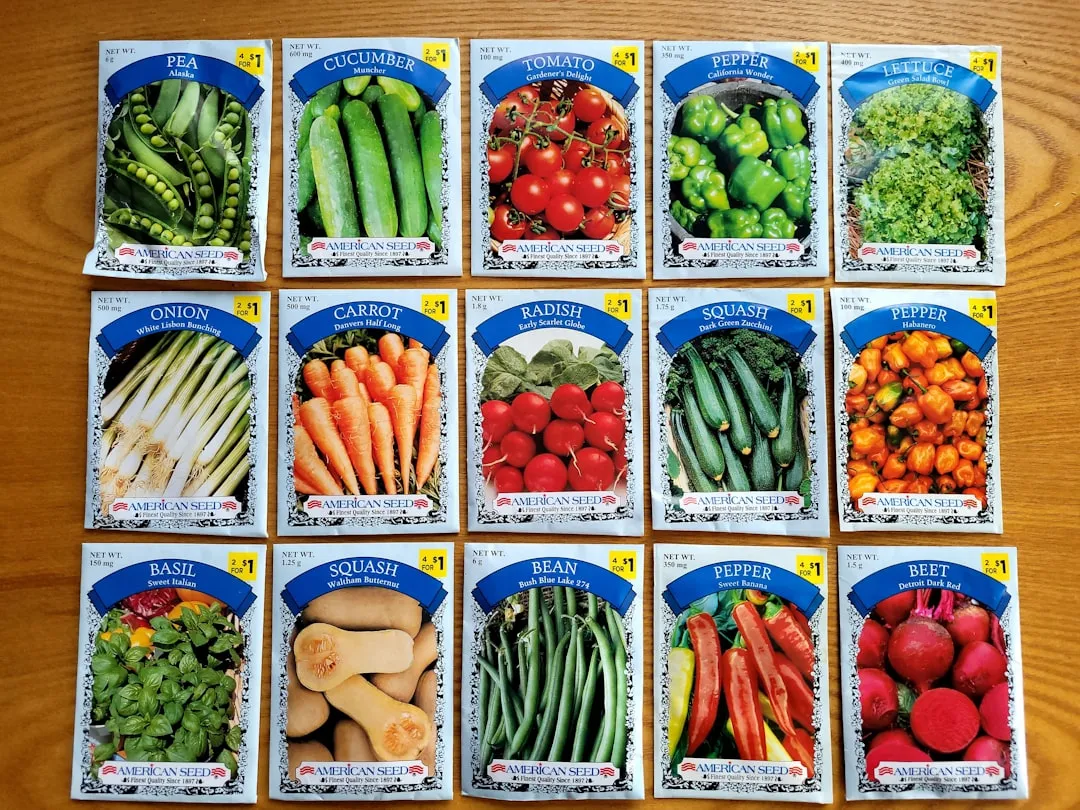
Sources like Monticello’s Thomas Jefferson Center for Historic Plants or the Colonial Williamsburg Heirloom Seed Library offer both vegetables and flowers in their heirloom collections, with seeds that have a heritage going back hundreds of years in some cases. For an online-only resource, there are websites like Annie’s Heirloom Seeds and Seed Savers, which is a nonprofit dedicated to preserving heirloom seeds.
The entire North American seed market holds over 34% of the global market share as of 2024, with more than 35 million home gardeners in the U.S. alone, creating massive demand for quality seeds, with a significant portion of that demand coming from heirloom and organic options. Supply has grown to meet that interest, making it easier than ever to find what you’re looking for.
Start with two or three heirloom seeds you will actually cook and one plant you plan to save seed from. By midsummer, your labels, notebook, and dinner plate will tell you which varieties deserve a permanent place in next year’s order. That’s practical advice worth following, especially if you’re just getting started.
The Bigger Picture
These eight heirloom vegetables aren’t just interesting garden experiments. They’re edible archives, each one shaped by centuries of human selection, migration, and care. Some reports show that over 90% of our vegetable varieties have disappeared since the early 1900s. Planting heirlooms is one of the best ways to protect our agricultural biodiversity.
By preserving these cherished seeds, we ensure that future generations can enjoy the flavors, stories, and resilience that heirloom vegetables offer. That’s a more meaningful return on a seed packet than you’ll get almost anywhere else. Whether you’ve got a sprawling raised bed or a few containers on a balcony, there’s an heirloom on this list worth trying this season.
AI Disclaimer: This article was created with the assistance of AI tools and reviewed by a human editor.