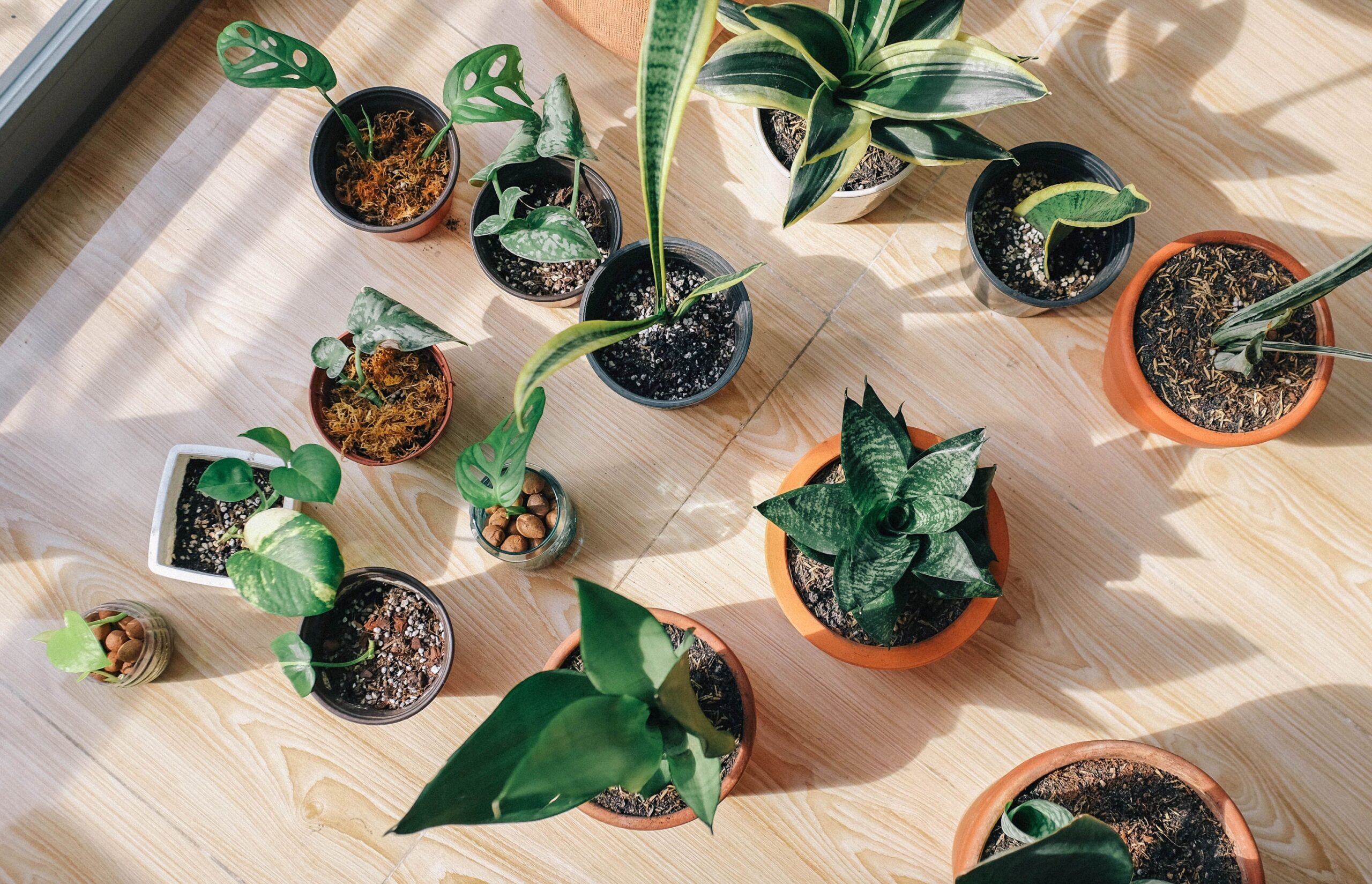

Plants have always told a story about the people who keep them. Walk into someone’s home and the greenery usually does a lot of talking before your host even opens their mouth. There’s a reason interior designers pay close attention to which plants anchored in a room’s corners or trailing from its shelves. They communicate personality, priorities, and a certain approach to how people want others to feel when they visit.
The global indoor plant market was valued at approximately 20 to 21 billion dollars in 2025, with projections of around four to five percent annual compound growth through 2030. That’s not a niche hobby. That’s a full-blown lifestyle signal. Roughly two thirds of American households now own at least one houseplant. When nearly everyone has a plant, the one you choose to feature as your statement piece starts to say something specific.
The Fiddle Leaf Fig: The Curator Host
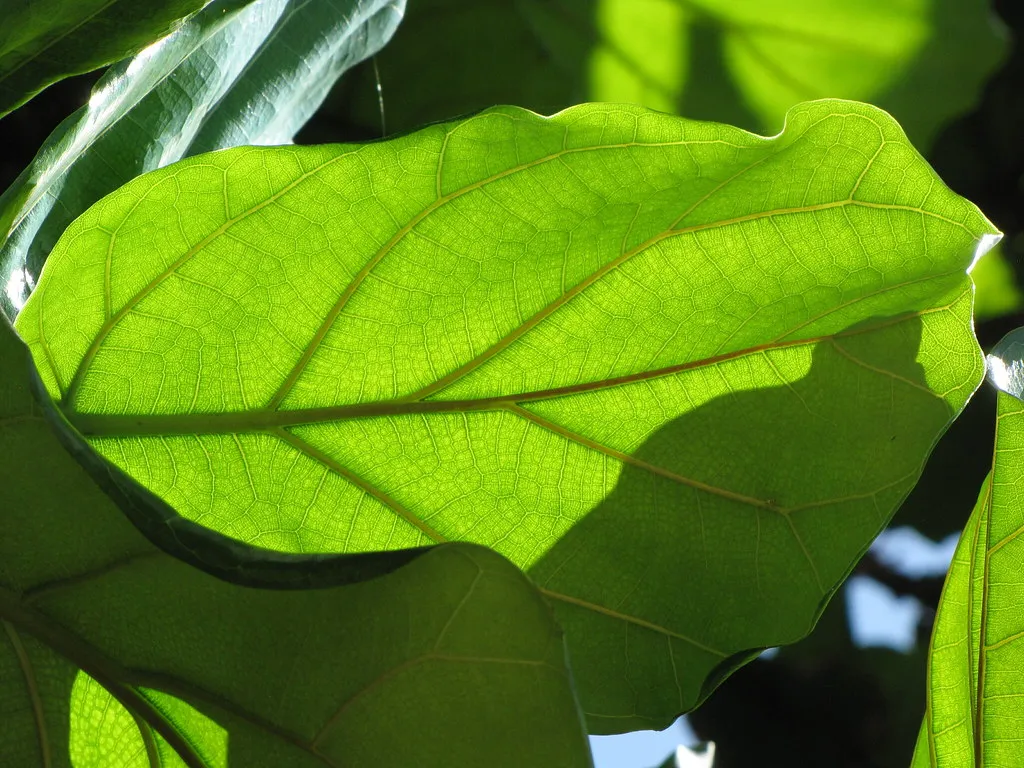
The Fiddle Leaf Fig (Ficus lyrata) is characterized by large, violin-shaped leaves that can grow up to 12 inches long, and when mature it stands at 6 feet or taller, making it an eye-catching focal point in modern interiors. It’s architectural, a little demanding, and undeniably photogenic.
If you’re a Fiddle Leaf Fig owner, you’re likely a trendy perfectionist who is always in step with the latest styles and trends, with a keen eye for detail and no fear of a challenge. That tracks with the kind of host who has a curated cheese board ready, lighting dimmed to exactly the right level, and a playlist that took three hours to build.
With its iconic large, violin-shaped leaves, it adds a touch of drama and sophistication to any space, and it’s perfect for modern and minimalist homes that pair well with neutral tones and clean lines. Guests in a Fiddle Leaf Fig home are usually impressed before they sit down.
The Monstera Deliciosa: The Social Butterfly Host
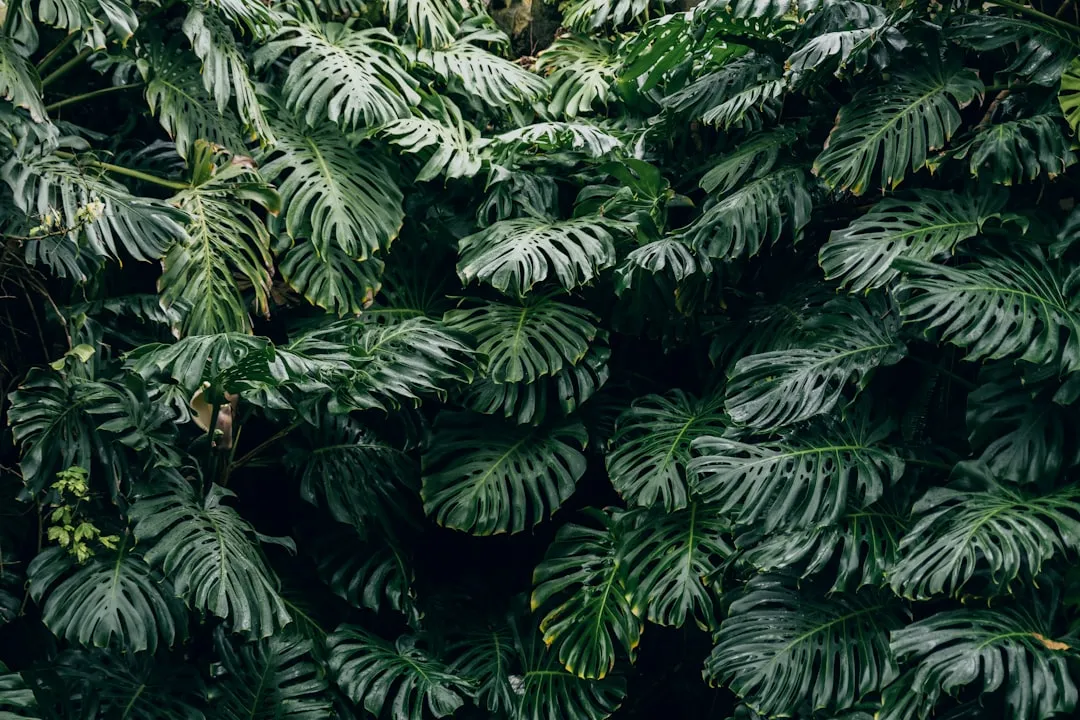
The Monstera deliciosa, known as the Swiss Cheese Plant, is the number one plant in Europe, Asia, and Oceania, and a joint favorite in North America. Its reach is global, and its fans are enthusiastic. That popularity isn’t accidental.
Just like the Monstera, people who keep it love being in the spotlight. Its large, distinctive leaves reflect an outgoing and sociable nature, and these hosts thrive in the company of friends. Their home is often a hub of social activity, much like the Monstera’s vines that continue to grow and sprawl in various directions.
Its unique and intricate leaves make it a statement piece in any room, and it’s perfect for bohemian and eclectic styles that pair well with natural textures and bold colors. The Monstera host doesn’t overthink the table setting. The energy in the room does the work.
The Snake Plant: The Calm, Reliable Host
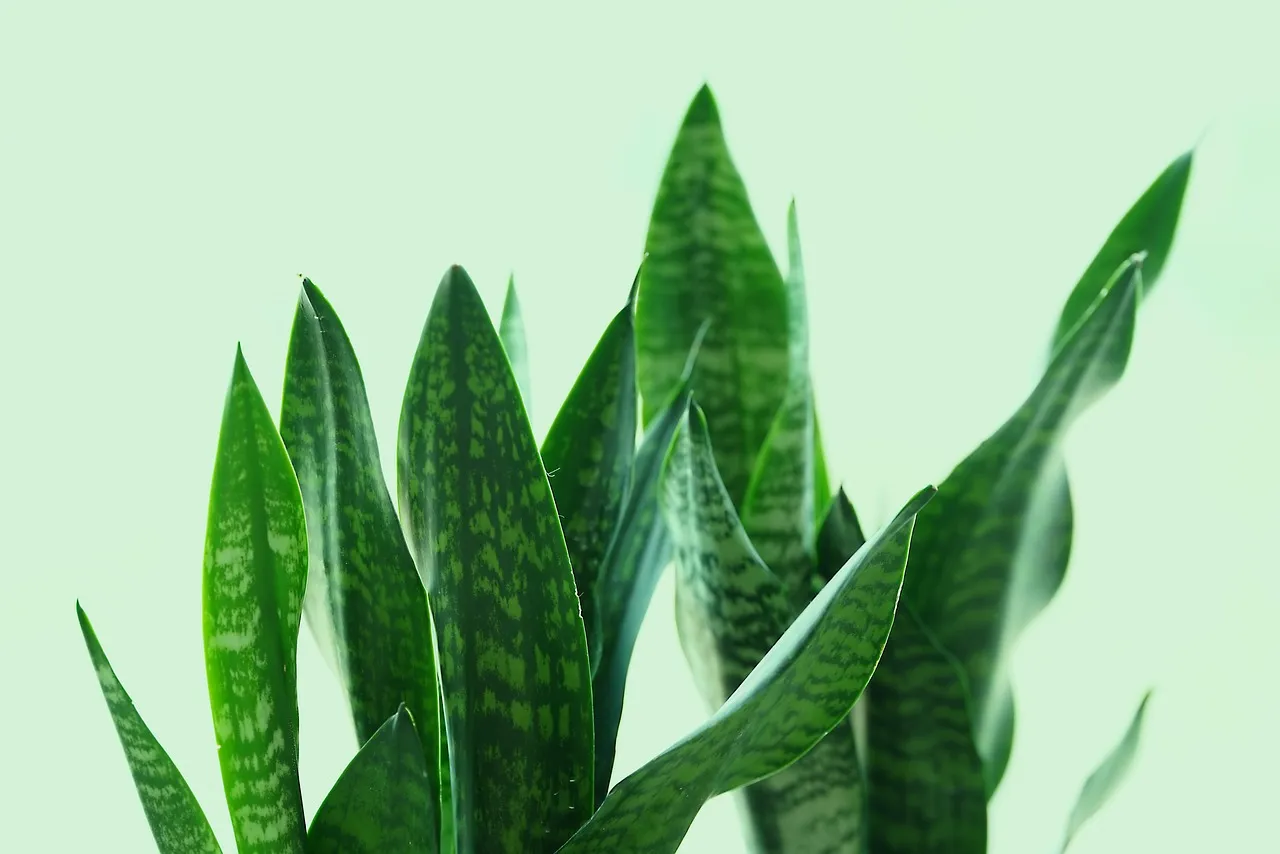
If you’re a fan of the snake plant, celebrated for its upright, sturdy leaves and low-maintenance care, your personality leans toward someone who values reliability and groundedness. The tough nature of the snake plant is mirrored in a steady and practical approach to life, with dependability and calm coming naturally.
Snake plants thrive easily without much help, and their primary focus is to keep growing upward. Just like their high-reaching counterpart, their keeper radiates positive energy and a can-do attitude, and the plant’s self-sufficiency is perfect for a busy schedule. This is the host who always has something in the fridge, even without notice.
Current houseplant trends show a strong preference for plants that can adapt to varying indoor conditions, and species such as Sansevieria continue to perform well due to their low maintenance requirements and resilience across varying temperatures and light levels. The snake plant host keeps things together, even when life doesn’t cooperate.
The Trailing Pothos: The Effortless, Welcoming Host
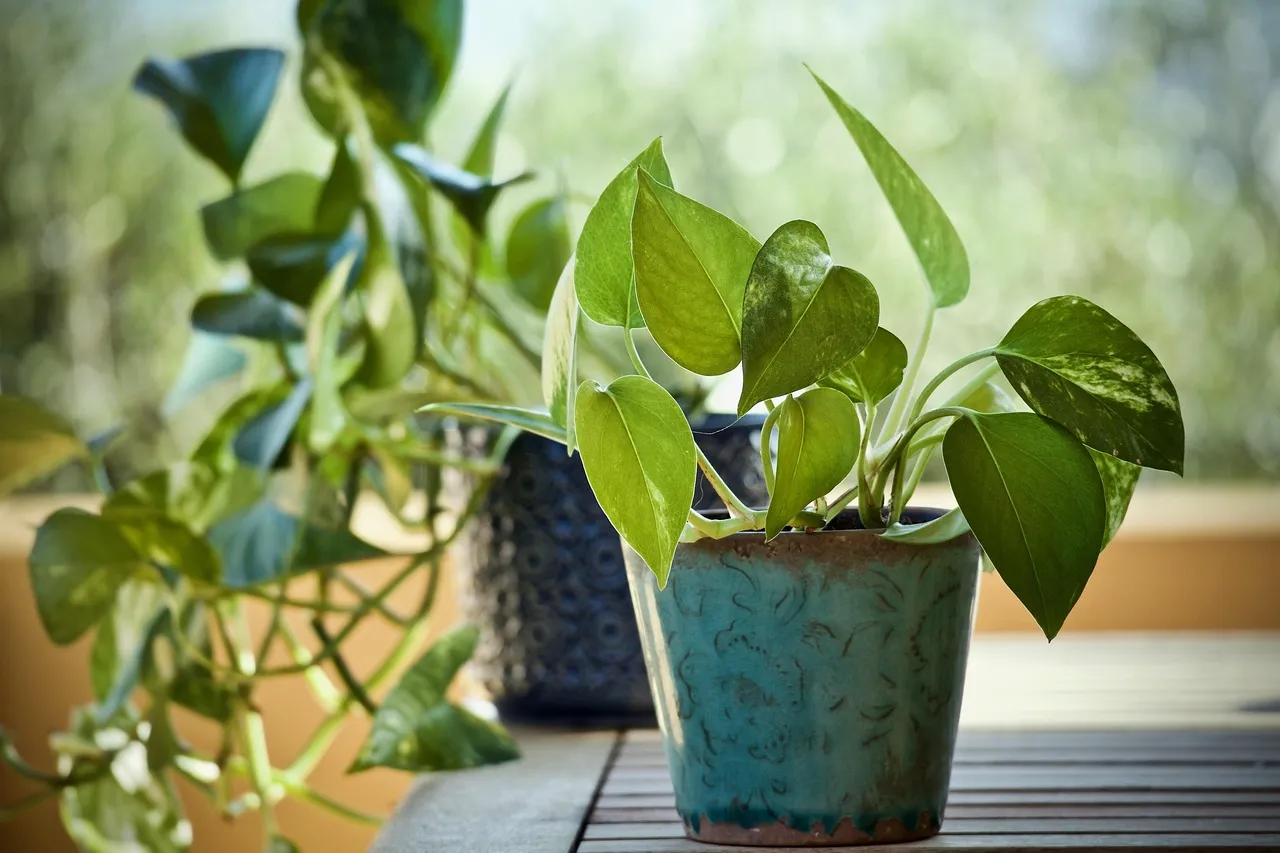
Pothos is one of the most effective “styling plants” because it adds movement and softness without needing a lot. That pretty much describes the host who uses it, too. Their home feels lived-in and comfortable rather than staged.
Pothos, commonly known as devil’s ivy, is perennially popular. Sales of pothos reportedly increased 45 times in just five years, according to Freddie Blackett of Patch Plants, an online plant retailer in the UK. When a plant is that universally loved, it tends to signal a host who genuinely enjoys making people feel at home.
It’s likely we’ll continue seeing pothos styled on mantlepieces, trailing off shelves, and suspended from ceilings. String of hearts is also a popular choice for a charming trailer, with its dainty heart-shaped leaves. The pothos host goes for warmth over formality every time.
The Orchid: The Refined, Considered Host
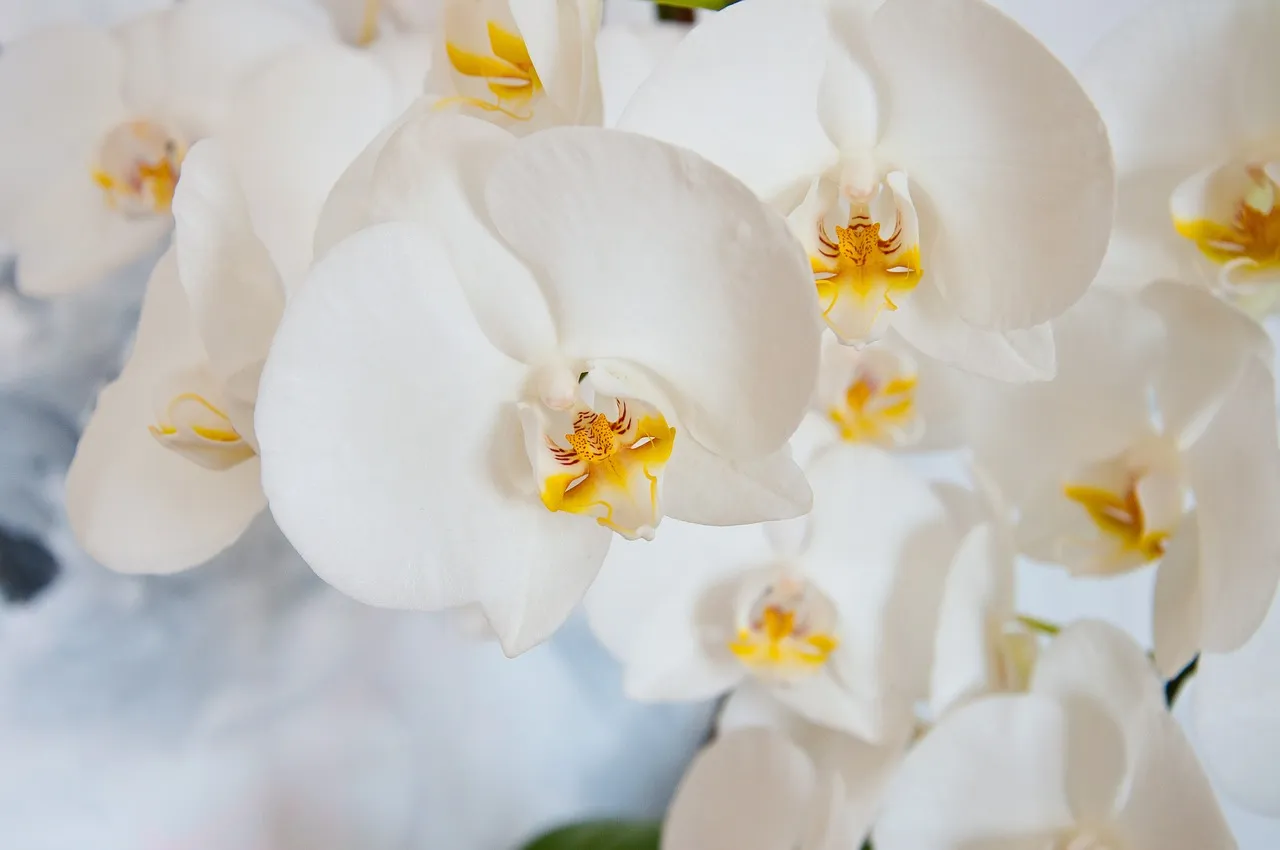
The most popular flower among indoor plants is the orchid. There’s something quietly confident about choosing an orchid as your statement bloom. It doesn’t announce itself loudly. It simply sits there and looks considered.
Orchid owners tend to host the same way: things are prepared thoughtfully in advance, glasses are the right ones for the occasion, and there’s usually a single good bottle of wine rather than a cluttered drinks table. The care involved in keeping an orchid alive reflects a host who pays close attention to detail without being showy about it.
Some of the best ways to style flowering plants like orchids are with wood and gabion mounts for epiphytes, and wall sconce planters, which speaks to a host who thinks about presentation as part of the experience rather than an afterthought.
The Monstera Albo or Rare Variegated Plant: The Collector Host
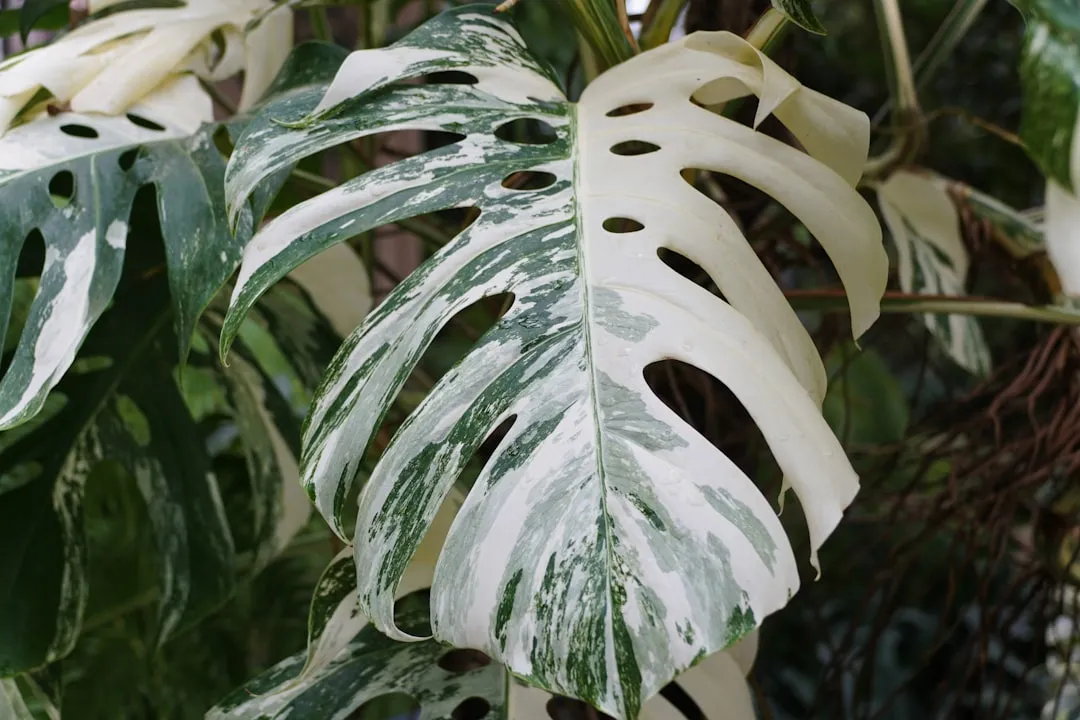
Plant collectors and enthusiasts are increasingly drawn to rare and unusual plant varieties, and a surge in popularity for unique and hard-to-find specimens has been notable in recent years. If your statement plant is a variegated rarity, your hosting style tends to match: considered, specific, and quietly proud of what’s in the room.
There is a growing appreciation for plants with unusual leaf patterns, colorful variegations, and sculptural forms, including varieties like Variegated Anthurium Warocqueanum, Philodendron Spiritus Sancti, and Monstera Esqueleto. Guests in this kind of home often learn something new just by asking about the plants.
Social platforms have turned plants into lifestyle signifiers as short-form videos and curated feeds elevate rare foliage and creative planters to viral status. The resulting peer-to-peer influence migrates from homes into co-working hubs, cafes, and boutique hotels, where younger customers expect greenery that mirrors their online aesthetics. The collector host knows this, and curates accordingly.
The Cactus or Succulent: The Low-Key, No-Fuss Host
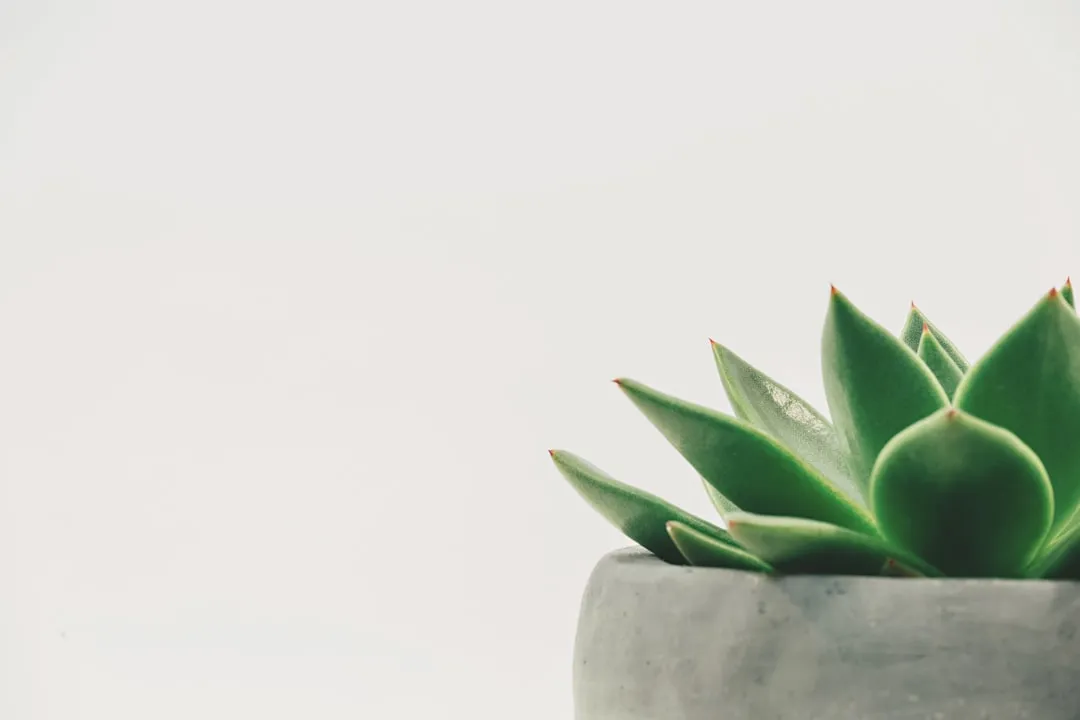
If you’re drawn to succulents, an independent streak and a great deal of inner strength define your personality. Succulents symbolize perseverance and survival, thriving in tough conditions, and their owners often have a no-nonsense approach to life, thriving without needing much attention or care.
This approach works particularly well in modern and minimalist interiors, where the simplicity of the plants complements the clean lines and open spaces. The succulent host keeps their living room uncluttered, their conversation direct, and their snack situation straightforward. Probably chips. Good ones, though.
The popularity of succulents increased by roughly half during the COVID-19 pandemic, which says something about their moment in culture. They became the plant of people who wanted life in the home but didn’t want to manage complexity. Their hosts feel exactly the same way about entertaining.
The Olive Tree Indoors: The Mediterranean-Inspired Host
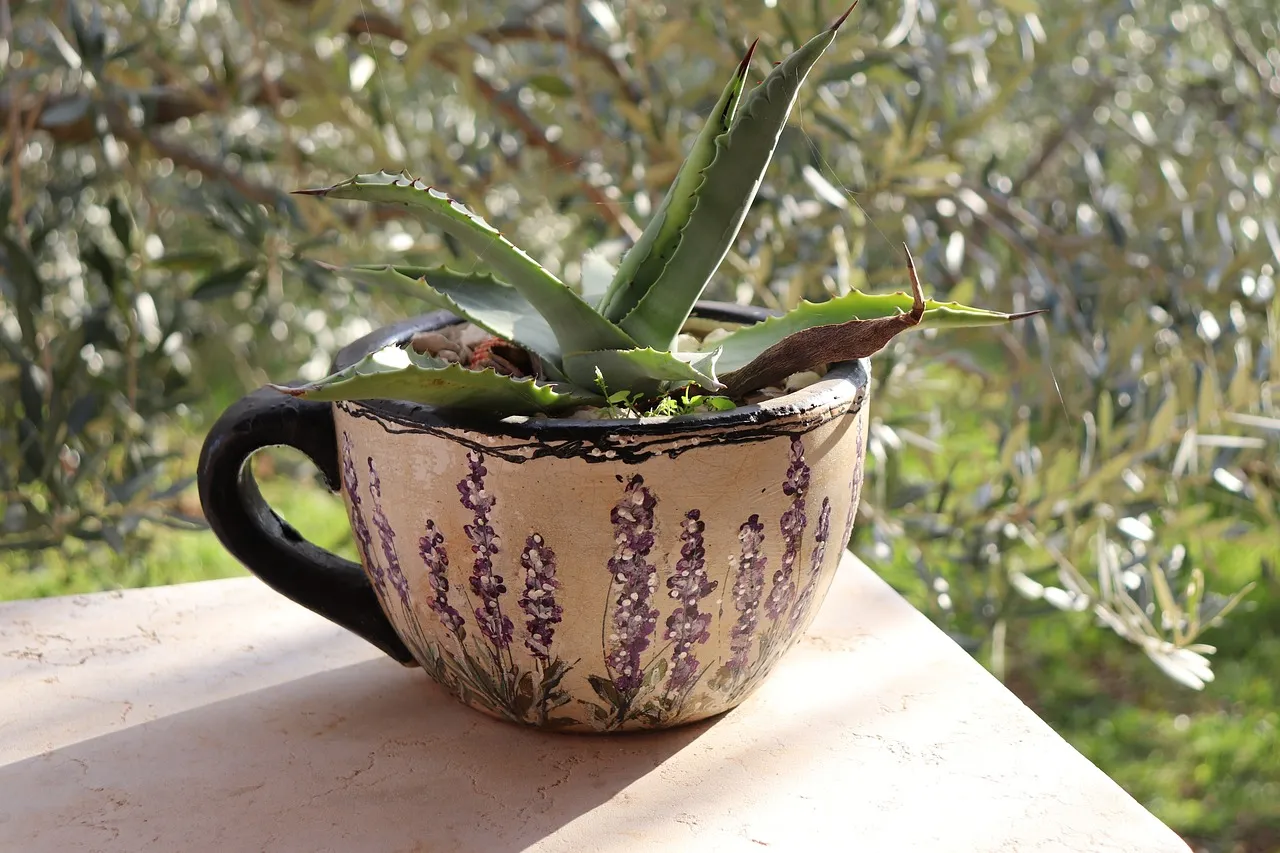
An indoor olive tree is less about lushness and more about elegant atmosphere. It’s one of the best choices for a calm, Mediterranean styling trend. If you’ve placed an indoor olive tree in your living room, you’re probably the host who wants dinner to feel like it was made slowly, even when it wasn’t.
This plant signals someone who gravitates toward warmth, natural textures, and a slower rhythm in the home. The table is set with linen, there are probably good olives on a board, and the evening has no rush to it. Keeping the pot simple and slightly rustic with clay, stone, or warm neutrals works best, and this plant reads more like a design piece than a decorative accent.
The olive tree host entertains as if time is generous, because they’ve made the space feel that way. It’s an understated move that tends to impress people who notice things.
The Bird of Paradise: The Grand Gesture Host
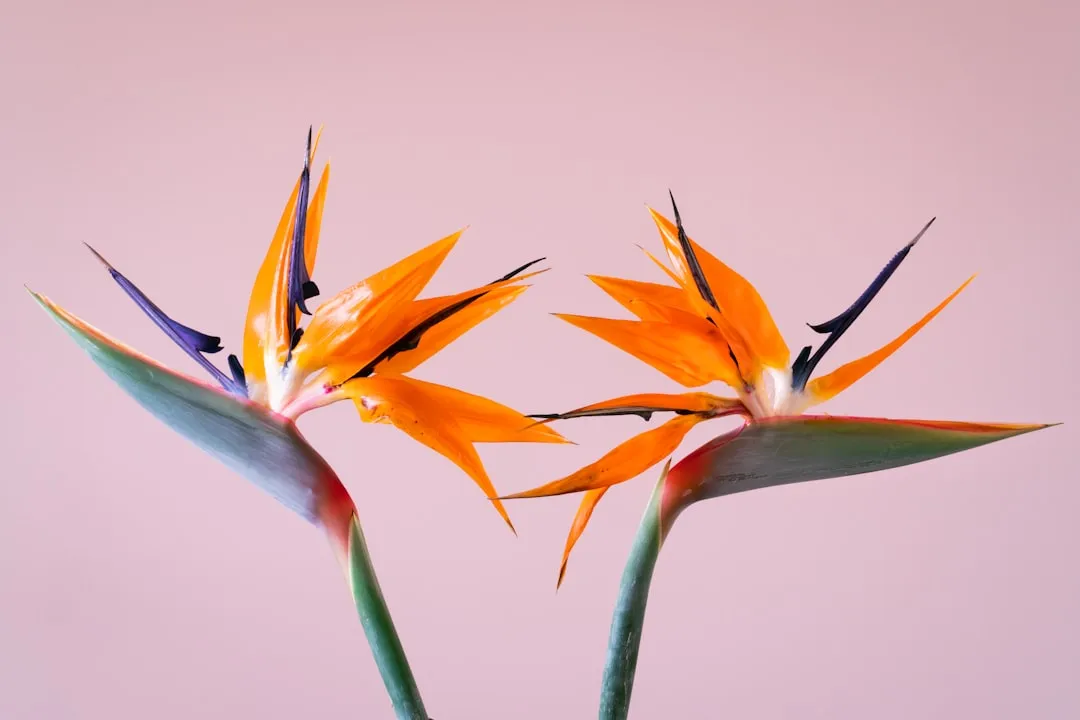
Bird of Paradise gives height, drama, and big-leaf impact. It’s a plant that changes a room, not just decorates it. The host who chooses it usually applies the same logic to entertaining: if something’s worth doing, it’s worth doing with some scale.
The Giant Fan Palm and similar large-format plants like the Bird of Paradise make a statement in any room. Some varieties can reach 10 feet in height and six feet wide. That’s not a decorative choice, that’s a commitment. And it reflects a hosting personality that leans into abundance.
Guests in a Bird of Paradise home often feel like they’ve walked into somewhere considered and generous. The rooms feel tall. Things are on a bigger scale than expected. It’s the hosting equivalent of a long table and a lot of chairs, on the off-chance someone else shows up.
The Trailing Macramé Plant or Air Plant Display: The Artisan Host
Air plants, also known as tillandsias, are gaining popularity as unique and low-maintenance houseplants. These plants don’t require soil to grow and absorb nutrients and moisture through their leaves. Their fascinating shapes and ability to be displayed in various creative ways, such as mounted on driftwood or placed in decorative containers, make them an intriguing choice.
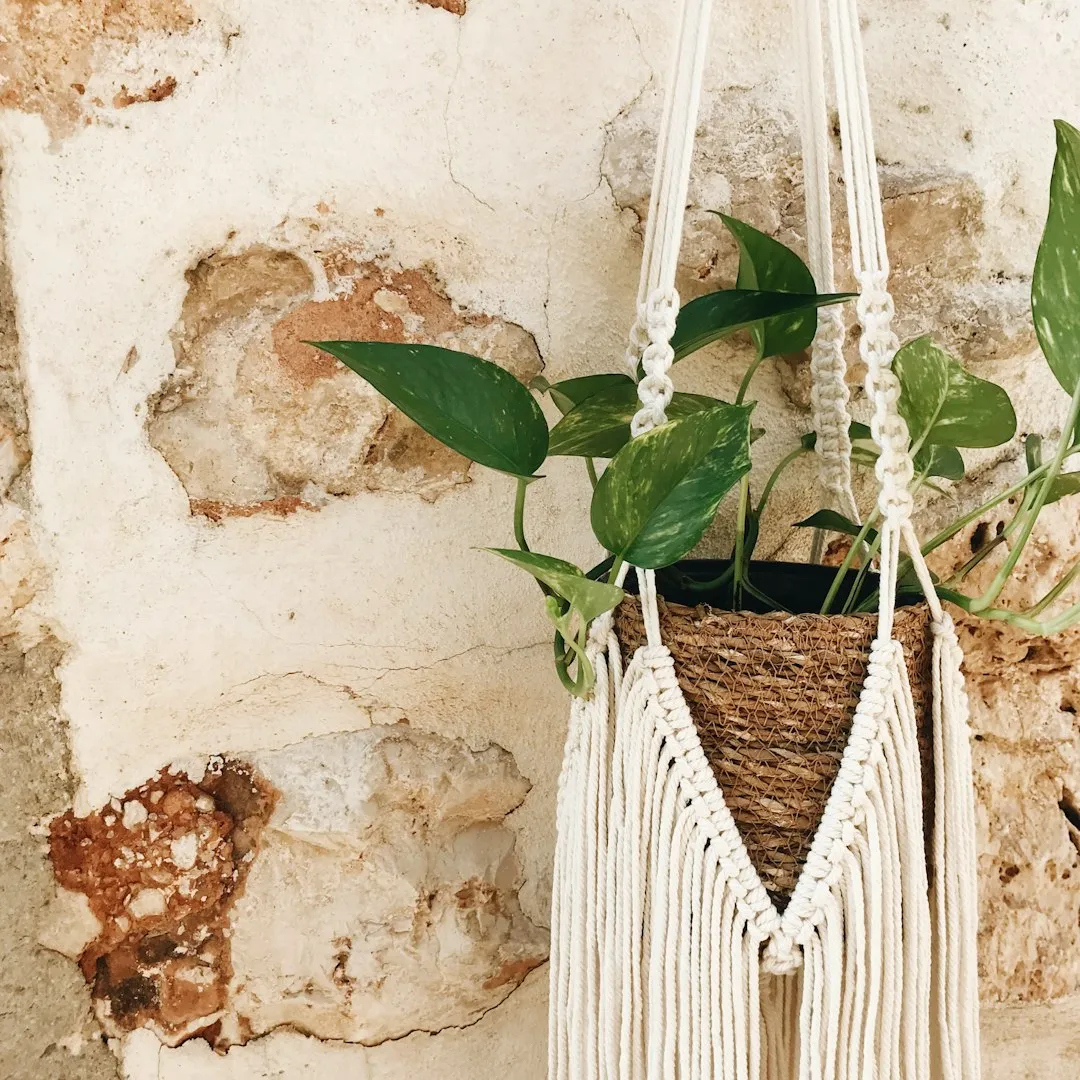
Macramé plant hangers add texture and artistry to any room, lifting plants off the ground to create layers of greenery. They’re especially wonderful for trailing plants, allowing their vines to cascade down beautifully. The host who goes this route usually has a handmade quality to the whole space. Ceramics that aren’t perfectly matched. Candles they actually burn.
The intersection of plants and art has always been a fascinating one, from traditions like Kokedama to green walls, where creative biophilic design plays with natural forms to create something simultaneously rooted in its origin and transformed into something entirely different. The artisan host works the same way. Everything has a story, and dinner at their place usually involves that story being told.
The Takeaway
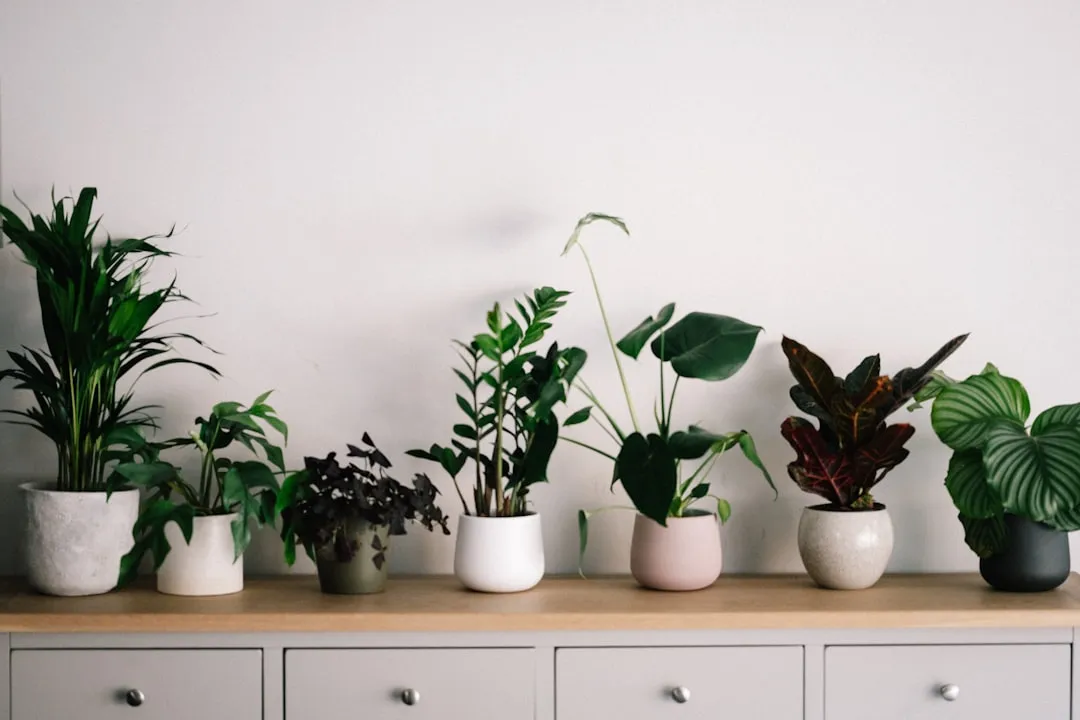
Plants are honest in a way that furniture rarely is. You can buy a sofa that doesn’t match your personality. It’s harder to sustain a plant that doesn’t suit your lifestyle or sensibility. Plants are an amazing way to express and explore personal style, offering so many opportunities to take risks, try new things, and make the design completely your own.
With today’s interior design trends in mind, plant and planter choices are more than a decorative decision. They’re an opportunity to shape a space’s personality and ecological footprint. That’s equally true of hosting. The plants in your home don’t just live there. They reflect how you want others to feel when they walk in.
So take a look at what’s growing in your living room. It’s probably telling guests something about you before you’ve even said hello.
AI Disclaimer: This article was created with the assistance of AI tools and reviewed by a human editor.