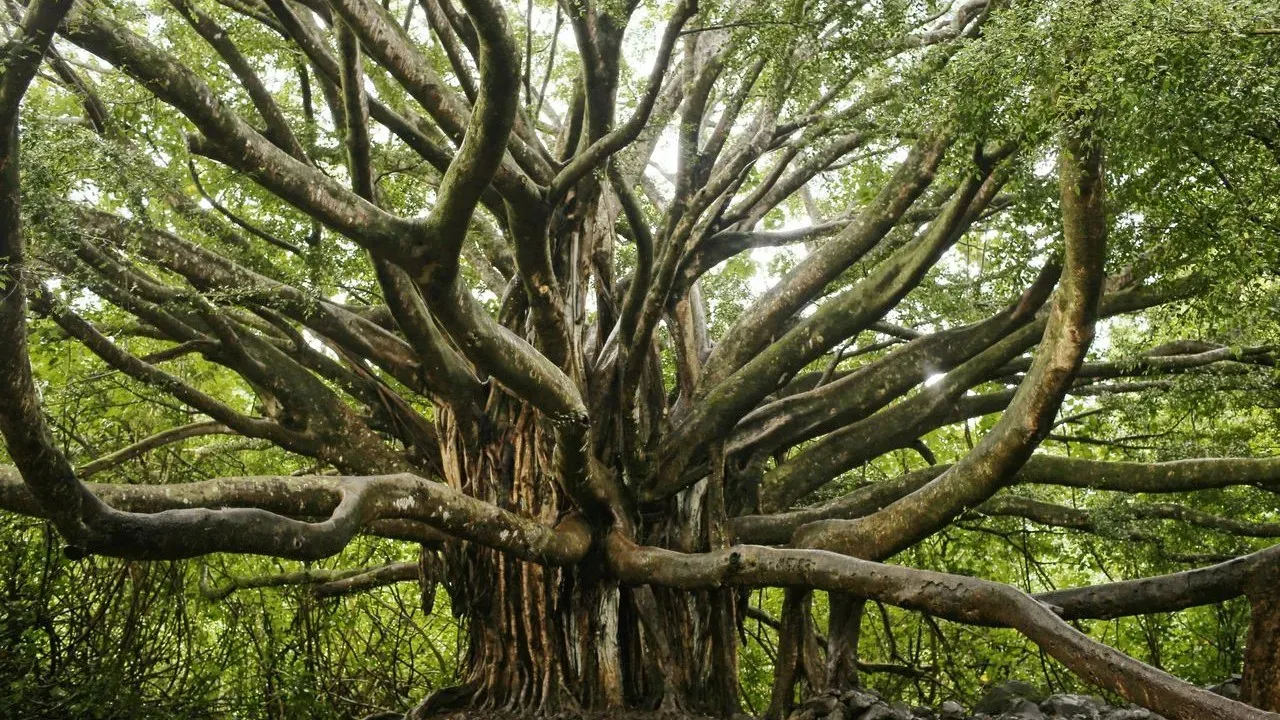

Weeping figs deliver dense evergreen foliage and sculptural form that many homeowners seek for landscapes. Yet their vigorous root systems create real hazards when the trees sit too close to hardscape or utilities. Proper siting turns a potential liability into a reliable asset that functions as a hedge, screen, or topiary. The contrast between the tree’s ornamental value and its infrastructure risks defines the decision to plant one.
The Tree’s Outdoor Strengths
Outdoors, weeping figs prove far more forgiving than their reputation as finicky houseplants suggests. They establish quickly in suitable climates and maintain a full canopy year-round. Gardeners often train them into formal shapes or allow them to grow as multi-stemmed specimens that provide privacy and shade. Their adaptability to pruning makes them practical choices for structured garden designs.
Many properties already feature mature specimens that have thrived for decades without issue. The key difference lies in placement rather than the species itself. When roots have room to expand downward and outward, the tree remains stable and attractive. This reliability explains why the plant continues to appear in professional landscapes despite the caveats.
Root Damage Risks to Property
The same roots that anchor the tree can lift sidewalks, crack pool decks, and infiltrate plumbing lines over time. Damage often appears gradually, surfacing years after planting when repair costs become substantial. Homeowners near paved surfaces or underground utilities face the highest exposure. Early recognition of these tendencies helps prevent expensive remediation later.
Three common conflict zones stand out in residential settings:
- Sidewalks and driveways, where surface roots heave concrete slabs.
- Swimming pools, where roots can undermine decks or penetrate liners.
- Plumbing and irrigation lines, where roots seek moisture and cause blockages.
These outcomes stem from the species’ natural tendency to explore widely for water and nutrients. Avoiding the listed zones removes most of the practical downside while preserving the visual benefits.
Choosing Safe Planting Locations
Site selection begins with measuring distance from fixed features. A minimum clearance of 15 to 20 feet from sidewalks, pools, and sewer lines provides a practical buffer. Open lawn areas or large planting beds away from utilities offer the best conditions. Soil that drains well further reduces the incentive for roots to wander toward moisture sources.
Consider mature size at the planning stage. Weeping figs can reach 30 feet or more in favorable conditions, so initial spacing must account for both canopy and root spread. Consulting local extension resources or a certified arborist supplies region-specific guidance on soil and climate compatibility. Thoughtful placement at installation prevents later conflicts that are difficult to resolve.
Maintenance Practices That Support Longevity
Regular pruning keeps the tree within desired bounds and encourages dense growth suitable for hedging. Watering deeply but infrequently during establishment promotes downward root development rather than surface exploration. Mulching moderates soil temperature and moisture, reducing stress that might otherwise drive roots outward. These steps maintain both plant health and site compatibility.
Monitoring nearby hardscape for early signs of movement allows timely adjustments. In some cases, root barriers installed at planting provide an added layer of protection without restricting the tree excessively. Consistent care transforms the weeping fig from a potential problem into a durable landscape element that delivers evergreen structure for years.
Strategic placement and routine maintenance allow weeping figs to enhance gardens while protecting surrounding infrastructure.
AI Disclaimer: This article was created with the assistance of AI tools and reviewed by a human editor.