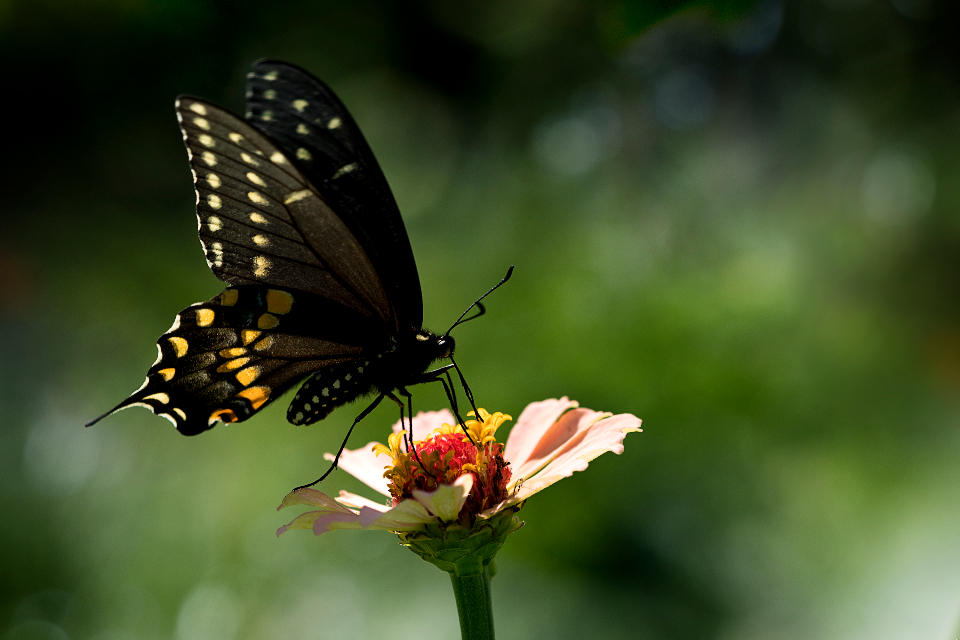

Something is noticeably different about summer gardens right now. The flicker of orange wings over a patch of coneflowers, the slow drift of a swallowtail across a sunny border – these moments are becoming harder to find. If your flowerbed feels quieter than it used to, that feeling is not misplaced.
A cascade of scientific research published between 2024 and 2025 confirms what many gardeners have been sensing for years. Butterflies are disappearing at a measurable, documented pace, and the causes reach far beyond your garden fence. Here is a look at the ten most significant reasons they may be giving your yard a miss this summer.
The Numbers Are Worse Than Most People Realize
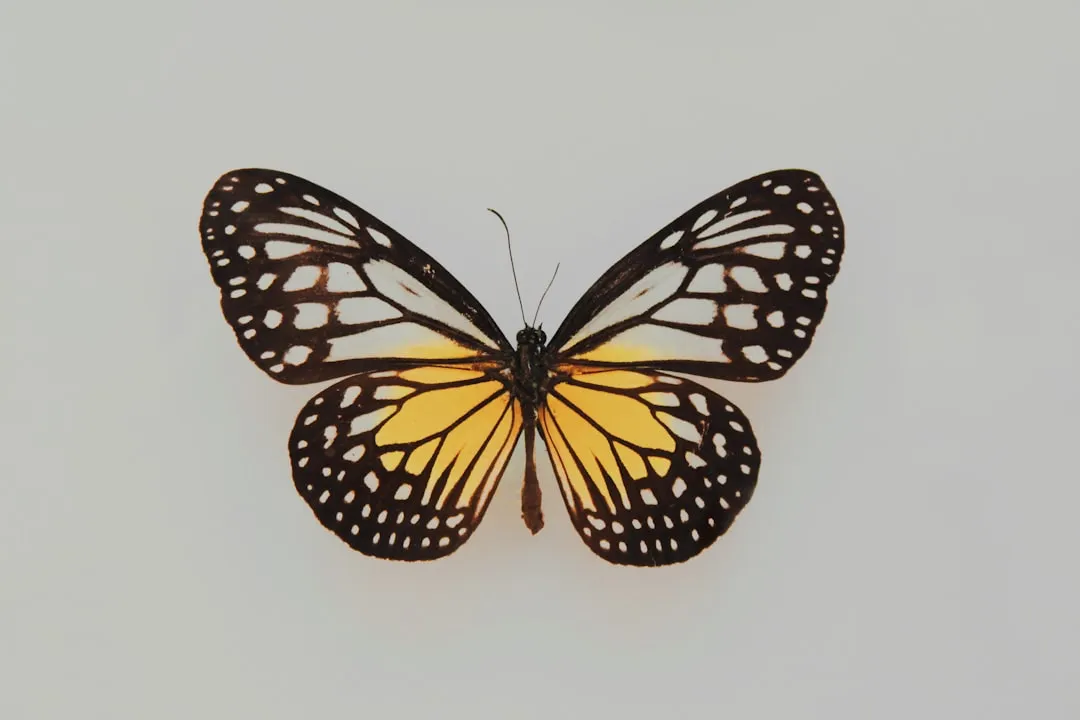
A study published in the journal Science, led by Dr. Collin Edwards of Washington State University and nearly three dozen coauthors, documented a 22 percent decrease in overall butterfly abundance from 2000 to 2020 in the contiguous United States. Researchers reached this conclusion by examining data from nearly 77,000 surveys at 2,478 unique locations, involving 12.6 million individual butterflies from 554 species.
That means that for every five butterflies seen 20 years ago, now there are only four – a decline of 1.3 percent per year. The study found ten times as many declining species as increasing ones. Of the more than 300 species with enough data to estimate trends, 107 declined by more than half, and 22 species declined by more than 90 percent.
Pesticides Are the Single Biggest Culprit in Your Region
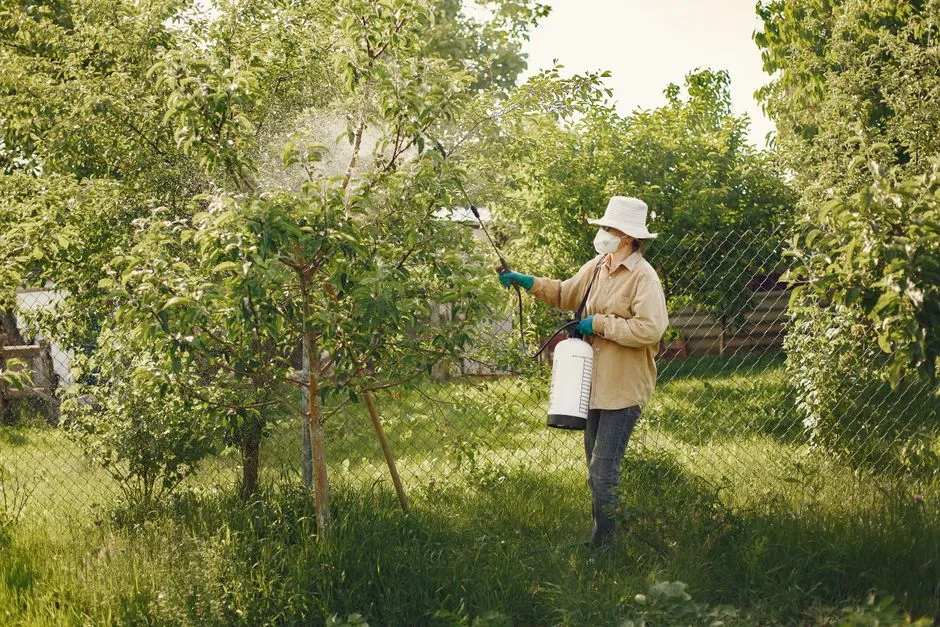
A large-scale study harmonizing 17 years of land use, climate, and pesticide data across 81 counties in five Midwestern states found community-wide declines in total butterfly abundance and species richness to be most strongly associated with insecticides in general, and with neonicotinoid-treated seeds in particular.
Research published in PLOS ONE suggests that the adoption of neonicotinoid-coated crop seed became the biggest driver of further decline in monarchs and other butterfly species in the American Midwest in the early 21st century. Unlike most pesticides, neonicotinoids are soluble molecules that can reach nectar and pollen from soil or seed treatments. USDA researchers have shown that one such compound can affect monarch caterpillars at doses as low as one part per billion.
Your Neighbors’ Mosquito Spray May Be the Problem
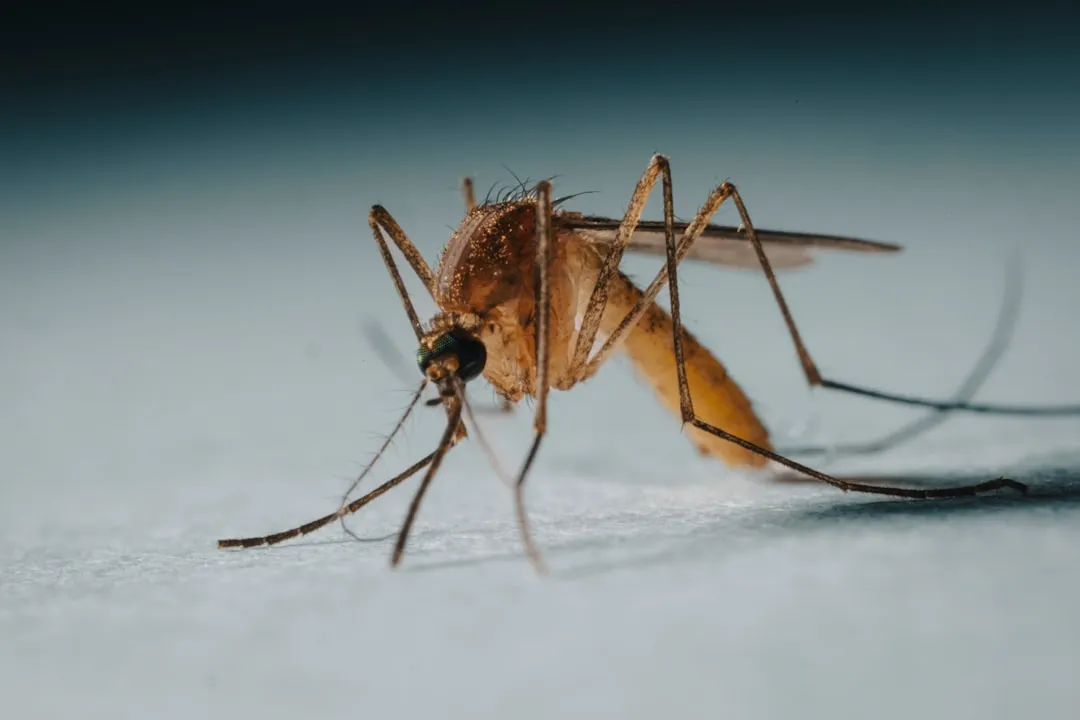
Butterflies are insect pollinators, so spraying insecticides or herbicides kills them and the native plants they depend on. This includes hiring a company to spray your yard with insecticide for mosquitoes, which devastates countless other insect species, including butterflies. Even botanical, essential-oil-based insecticides will kill butterflies.
The problem compounds across neighborhoods. One yard’s spray event can drift into adjacent gardens, eliminating adult butterflies, eggs, and caterpillars in a wide radius. The effect is largely invisible, which is precisely why it goes unnoticed for so long.
Habitat Loss Has Fragmented the Landscape Around You
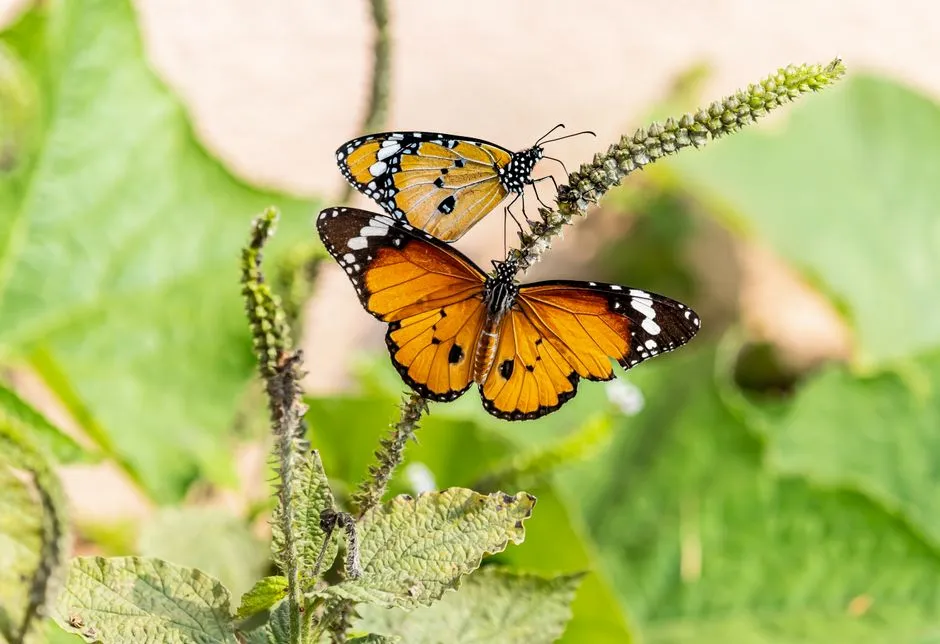
As fields, grasslands, and forests are cleared for development, butterflies lose the host plants their caterpillars need to survive. What may look like an empty field to us is actually critical habitat for many insects. Researchers warn that unchecked pesticide use and habitat loss could accelerate a broader ecological collapse unless policies shift toward restoration and restraint.
The first countrywide systematic analysis of butterfly abundance found that the number of butterflies in the Lower 48 states has been falling on average 1.3 percent a year since the turn of the century, with 114 species showing significant declines and only nine increasing. When the landscape between patches of habitat disappears, butterflies simply have no safe corridor to travel to reach your garden.
The Southwest Has Been Hit Hardest – and the Heat Is Spreading
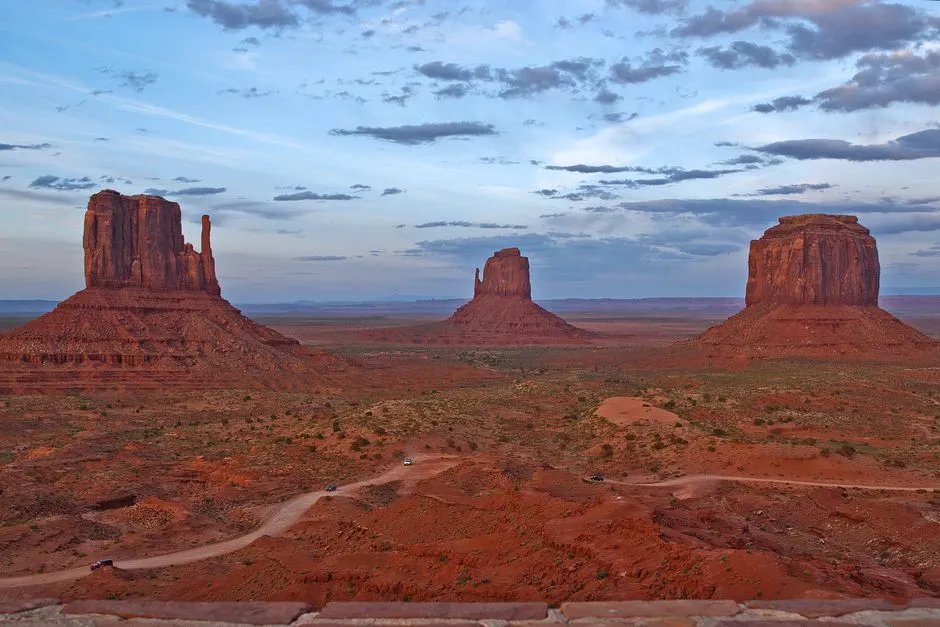
The dip in butterfly population was seen across the country, but the Southwest was hit the hardest, which is consistent with other findings that butterflies are disproportionately declining in arid and hot climates. The biggest decrease in butterflies was in the Southwest, covering Arizona, New Mexico, Texas, and Oklahoma, where the number of butterflies dropped by more than half.
Habitat loss, insecticides, rising temperatures, and drying landscapes can all harm these fragile insects. As hotter, drier summers spread northward and eastward, more regions are experiencing the same conditions that have already stripped the Southwest of much of its butterfly life.
Climate Change Is Disrupting Timing and Migration Routes
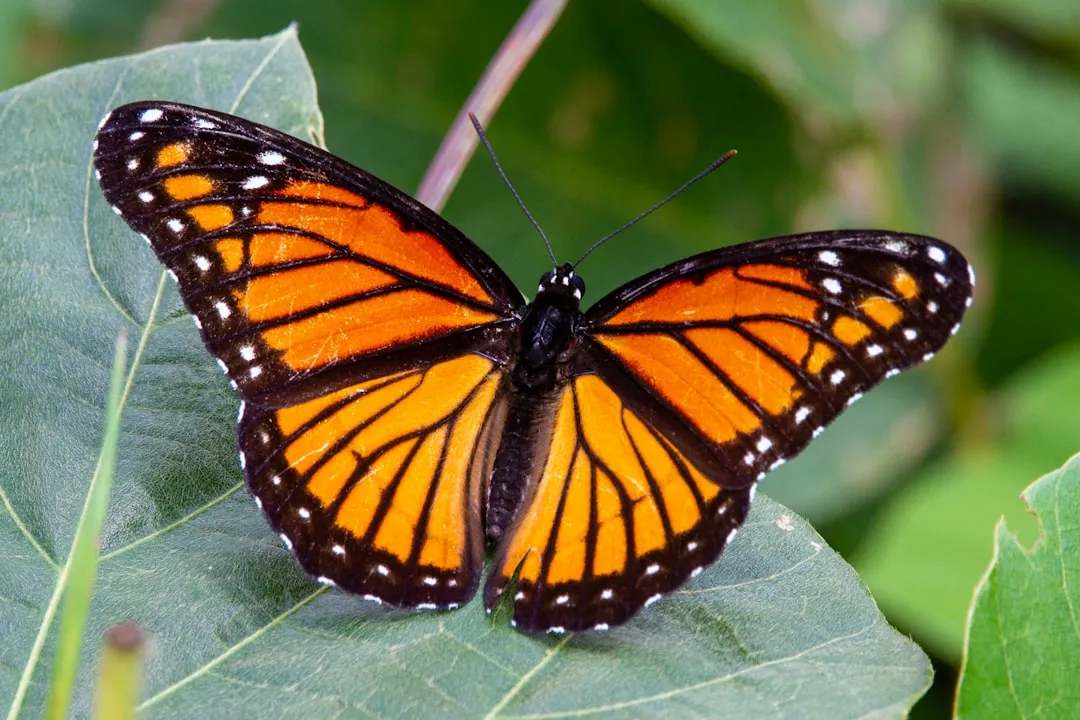
Climate change could impact butterflies in numerous ways across the landscapes they travel through. It will change precipitation and wind patterns throughout the year, intensify the strength of hurricanes, and increase the intensity of end-of-summer droughts, all of which may impact the favorability of migration conditions and the availability of nectar.
Modeling research projects a decline in suitable habitat of between roughly one tenth and two fifths by 2070, with monarch habitat shifting southwards due to changes in climate and the geographic distribution of milkweed plants. Elevated temperatures also accelerate developmental processes, leading to quicker but less robust life cycles, which can disrupt the timing of migrations and other vital seasonal behaviors.
The Western Monarch Is in a Category of Its Own
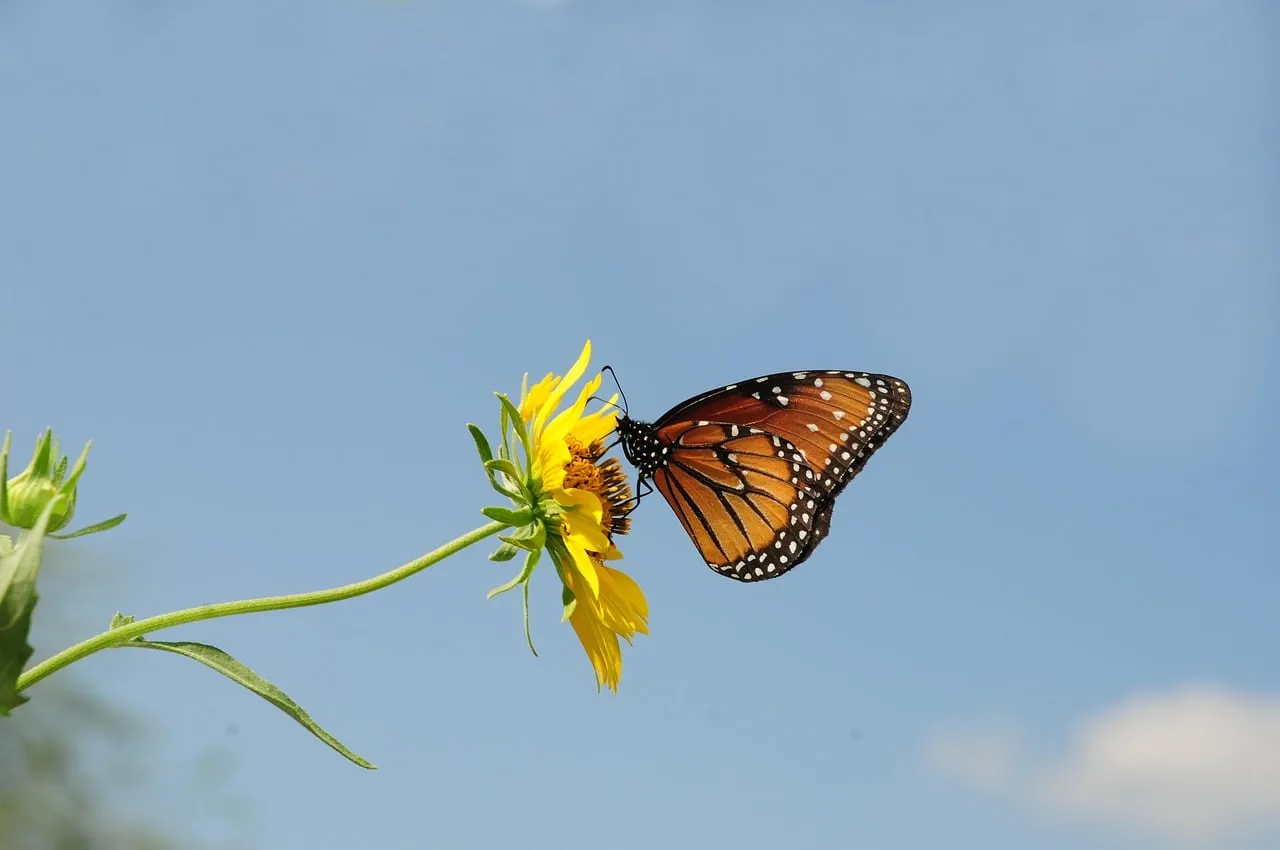
The winter of 2024 to 2025 was the second-worst on record for the western monarch since the population survey began in 1997. Researchers and community scientists counting western monarchs overwintering in California found their numbers had declined by nearly all of last year’s count, dropping dramatically from 233,394 monarchs in 2023 to just 9,119 in 2024.
The predictions for the western monarch are dire, with a 98 to 99 percent probability of extinction within 60 years. From a baseline of roughly 10 million butterflies in the 1980s, the western population collapsed to under 2,000 by 2021. The most recent count, from late 2025, recorded approximately 12,260 monarchs across 249 sites – a meaningful recovery from the worst lows, but still a fraction of what the population once was.
Your Garden May Lack the Right Host Plants
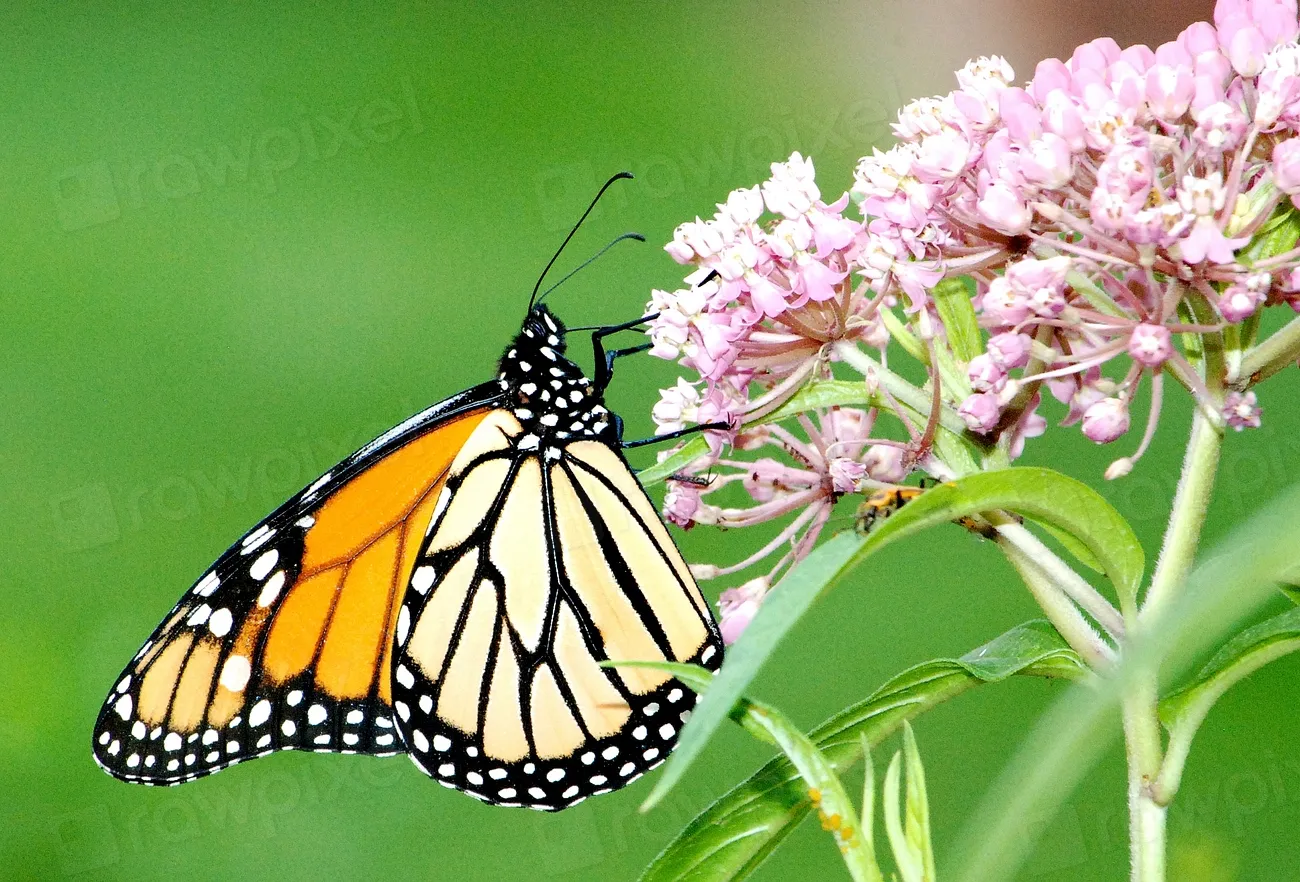
Milkweed is the only host plant for monarch butterfly caterpillars and a great source of nectar for adult monarchs and many other native bees. Without milkweed, monarchs cannot complete their lifecycle, and the lack of milkweed is known to be one of the reasons for their decline.
Adding native blooming wildflowers, trees, and shrubs provides butterflies with nectar as well as host plants for their caterpillars. Planting more natives that bloom from early spring through early fall ensures butterflies have food throughout the period when they are active. A garden stocked entirely with ornamental exotics, however colorful, may offer almost nothing a butterfly can actually use.
The Problem Is Global, Not Just Local
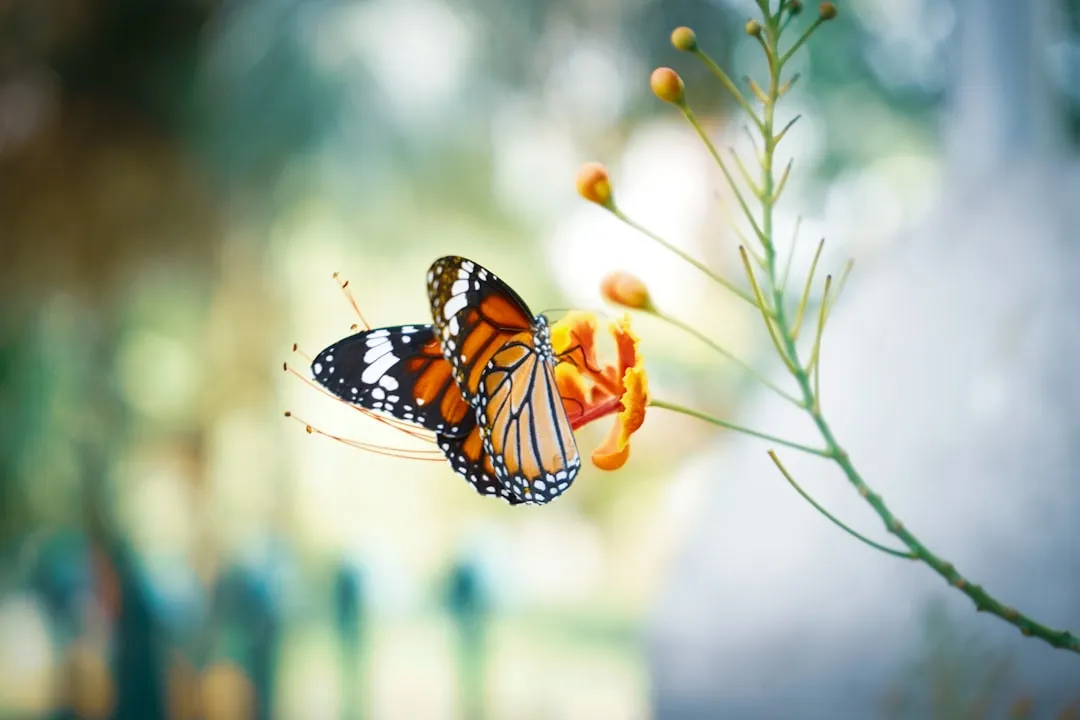
The results from the US mirror the picture in the UK, where roughly four fifths of butterfly species have decreased in abundance, distribution, or both since the 1970s. Following the worst-ever results of its annual Big Butterfly Count in 2024, Butterfly Conservation declared a UK Butterfly Emergency.
New data from the UK Butterfly Monitoring Scheme confirmed that 2024 was one of the worst years on record for butterfly species. Species including the small tortoiseshell, chalk hill blue, and small copper experienced their lowest numbers since records began. It was also the second-worst year on record for common butterflies that live in gardens, parks, and across the broader landscape. This is not a regional quirk. It is a pattern repeated across continents.
The Legal Picture Is Only Just Beginning to Catch Up
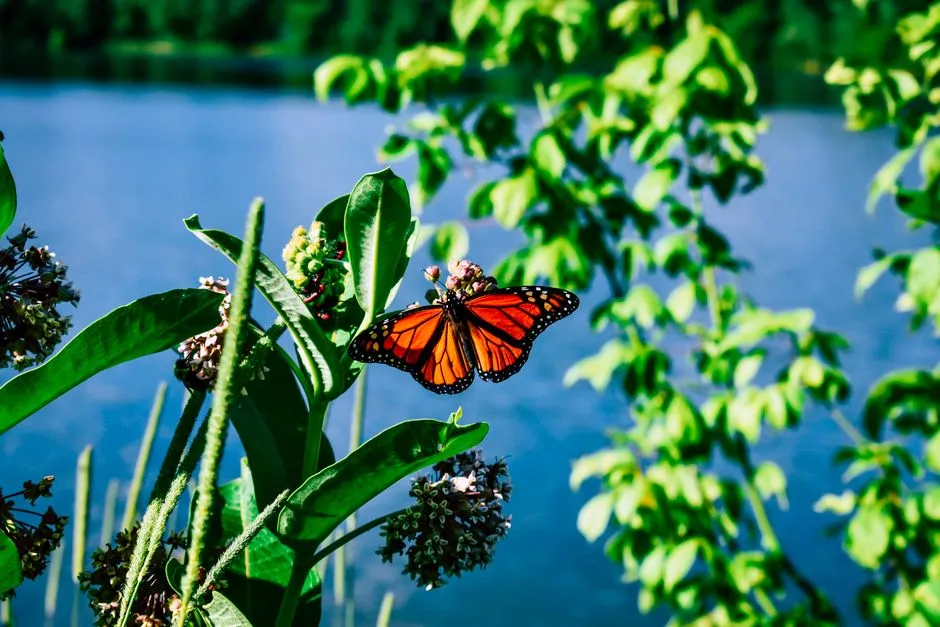
In December 2024, the U.S. Fish and Wildlife Service announced the proposed listing of the monarch butterfly as a threatened species under the Endangered Species Act. Both the western and eastern populations would be protected if the listing goes through. In some states, insects are not considered wildlife, so state wildlife agencies have their hands tied when it comes to butterfly conservation – but those laws could be changed.
Researchers describe this population study as an urgent call to protect butterflies from further losses. Expansive efforts in conservation planning and action for insects could prevent widespread future losses and create environments in which butterflies and other at-risk species can thrive. Regulatory change is possible, but it tends to move far more slowly than the decline itself.
What You Can Actually Do About It
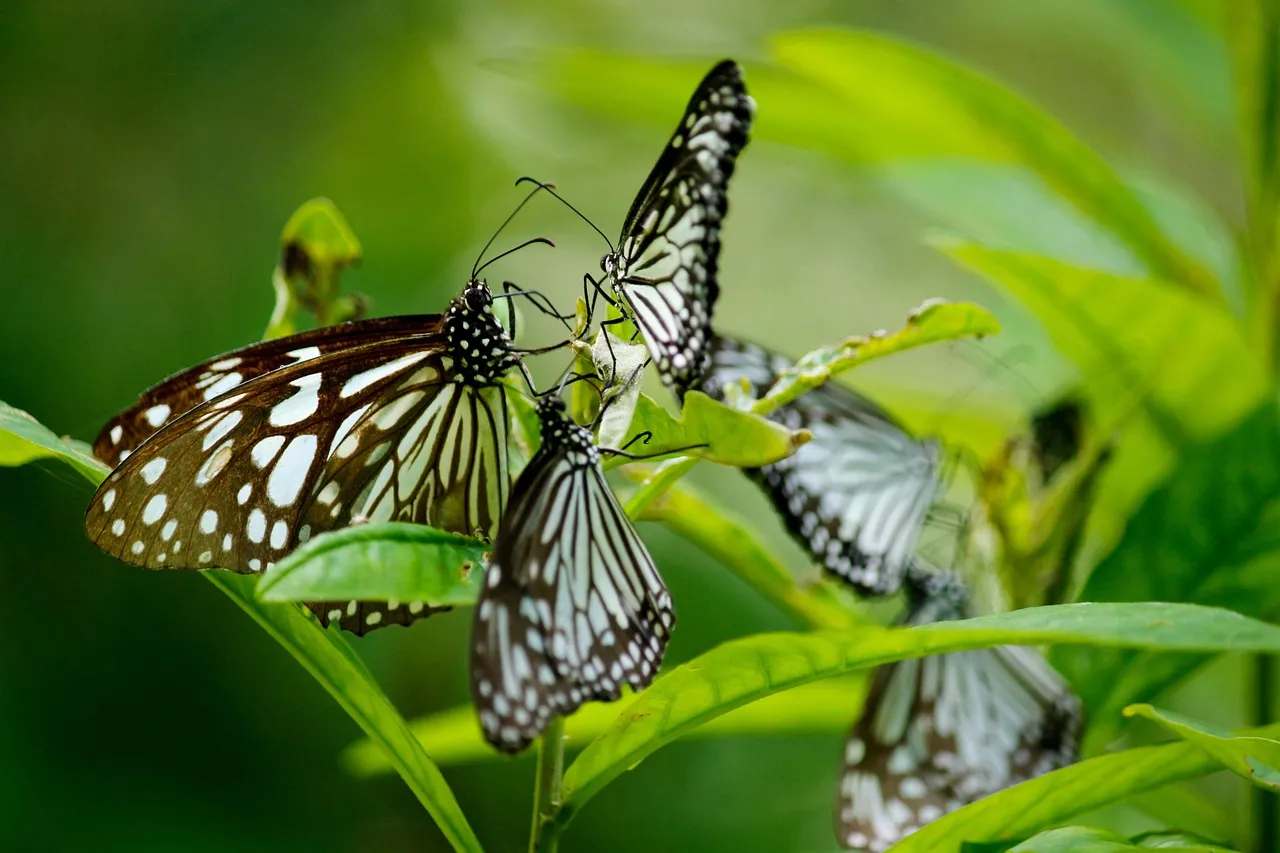
Experts recommend allowing a portion of yards to grow wild with native plants, reducing pesticide use, and creating habitat spaces like small brush piles for insects. Letting grass grow can help, even if it is just a strip of grass and wildflowers a couple of feet wide at the back of the yard.
Research suggests that habitat conservation and protection from pesticides could reverse the declining trend for many butterfly species. The Xerces Society for Invertebrate Conservation, a leading U.S. nonprofit in this space, provides guides recommending which native plant species are best to grow in different parts of the country. Small changes, taken seriously by enough people, add up.
The Takeaway
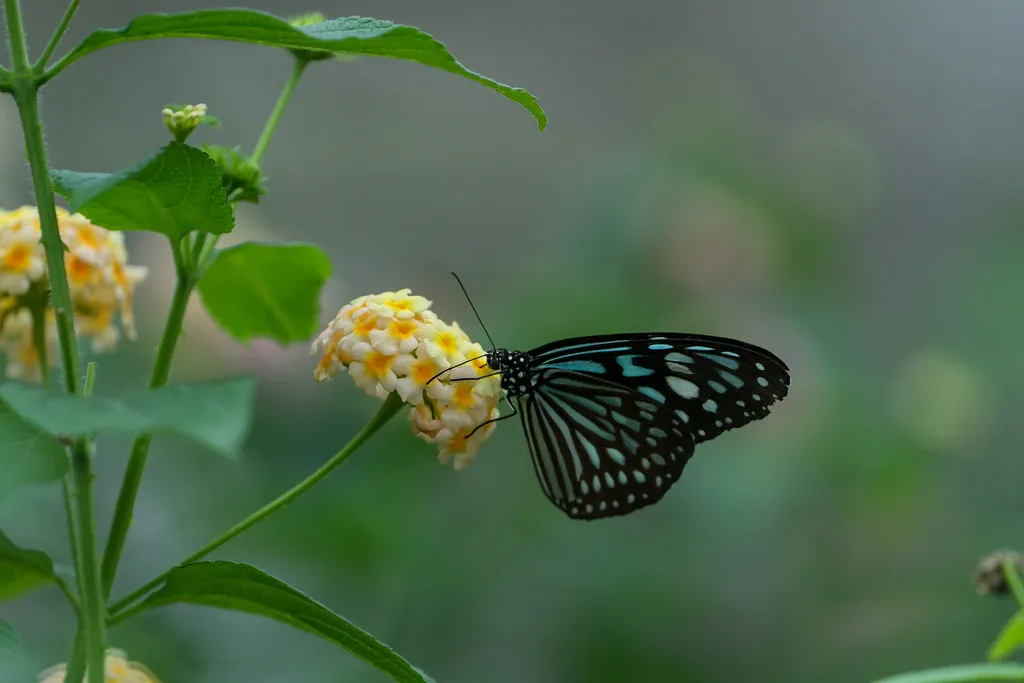
The empty flowerbed is not just a garden problem. Butterflies play a key role as pollinators for both wild and agricultural plants, and their rapid decline highlights the need for management strategies that better support these key pollinators. As caterpillars, they are also important food sources for many types of birds.
What the data from 2024 and 2025 makes plain is that this is not a slow, distant erosion. It is happening now, season by season, garden by garden. The good news is that individual action genuinely matters here, and the starting point is simpler than most people expect: plant something native, and put down the spray can.
AI Disclaimer: This article was created with the assistance of AI tools and reviewed by a human editor.