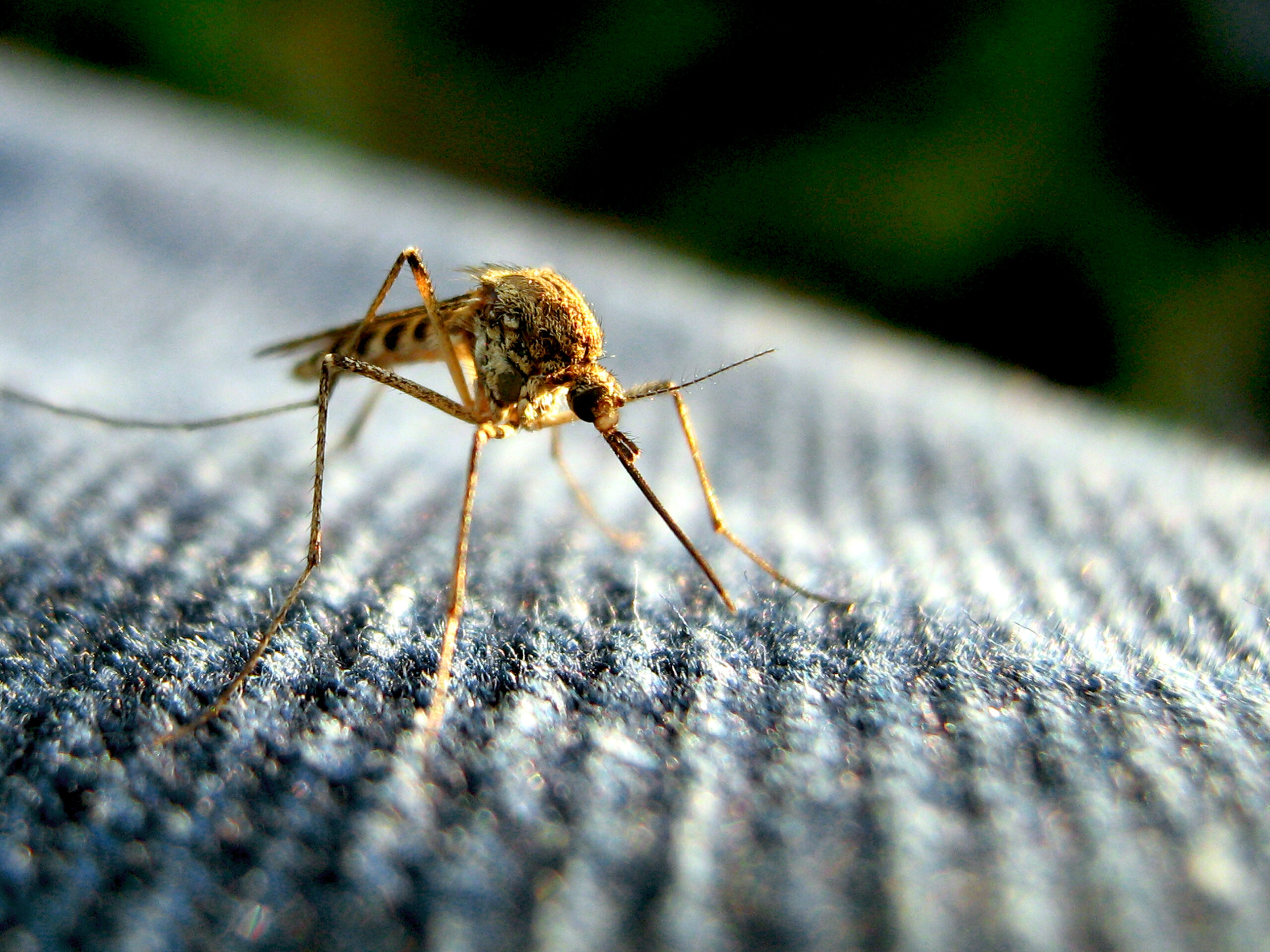

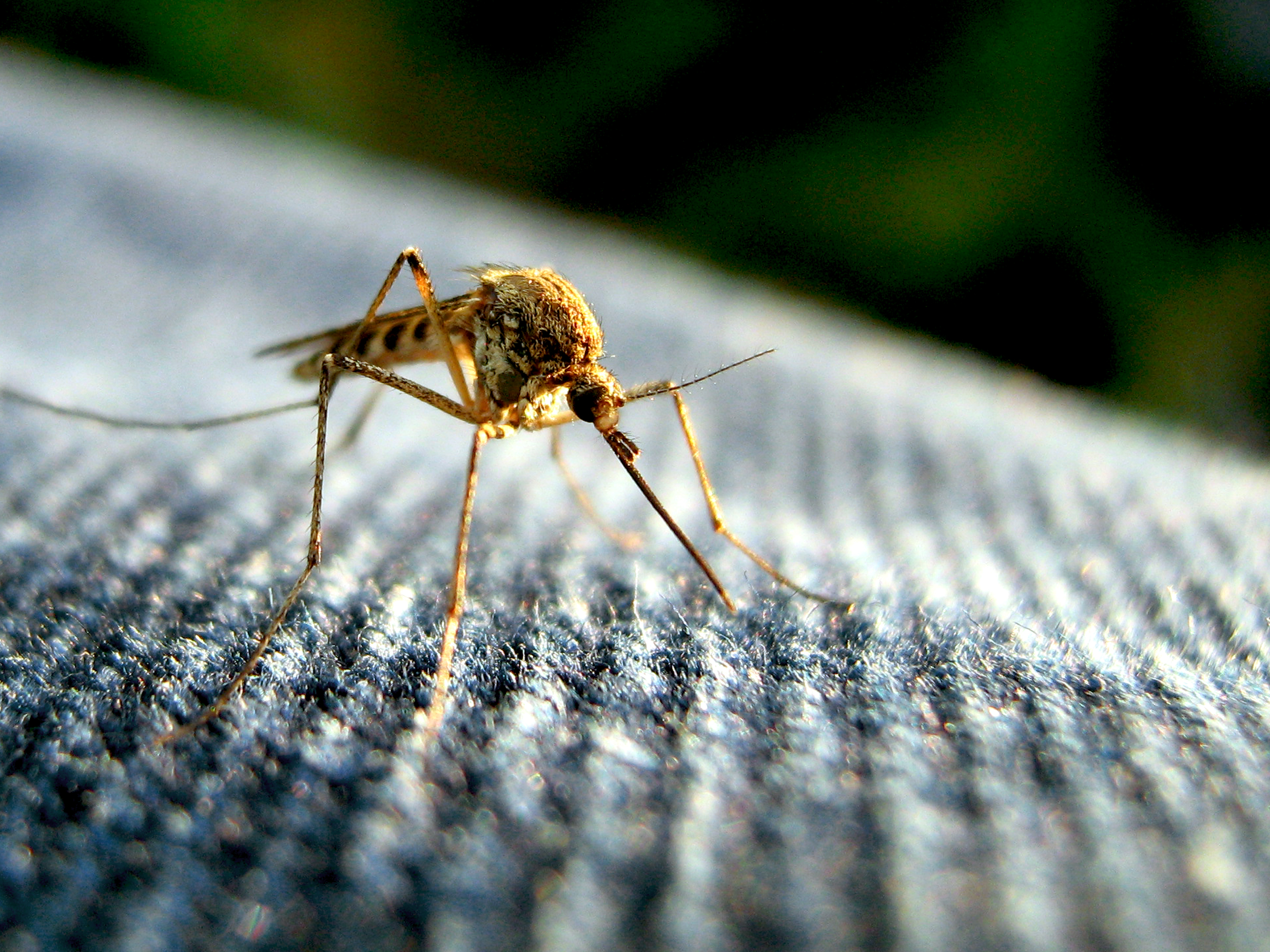
Most of us have sat at the same outdoor dinner table as someone who walks away without a single bite, while we spend the evening swatting and scratching. It’s not bad luck. It’s biology. Researchers have spent decades trying to understand exactly why mosquitoes zero in on certain people, and the answers are far more nuanced than most people assume.
The science points to a layered mix of body chemistry, genetics, lifestyle, and even what you drink. Scientists are now making progress in deciphering the complex chemical cocktail that makes particular people more enticing to these disease-spreading insects, and researchers confirm that mosquitoes really are attracted to some people more than others. Here’s what we currently know.
The Role of Carbon Dioxide: Your Breath Gives You Away
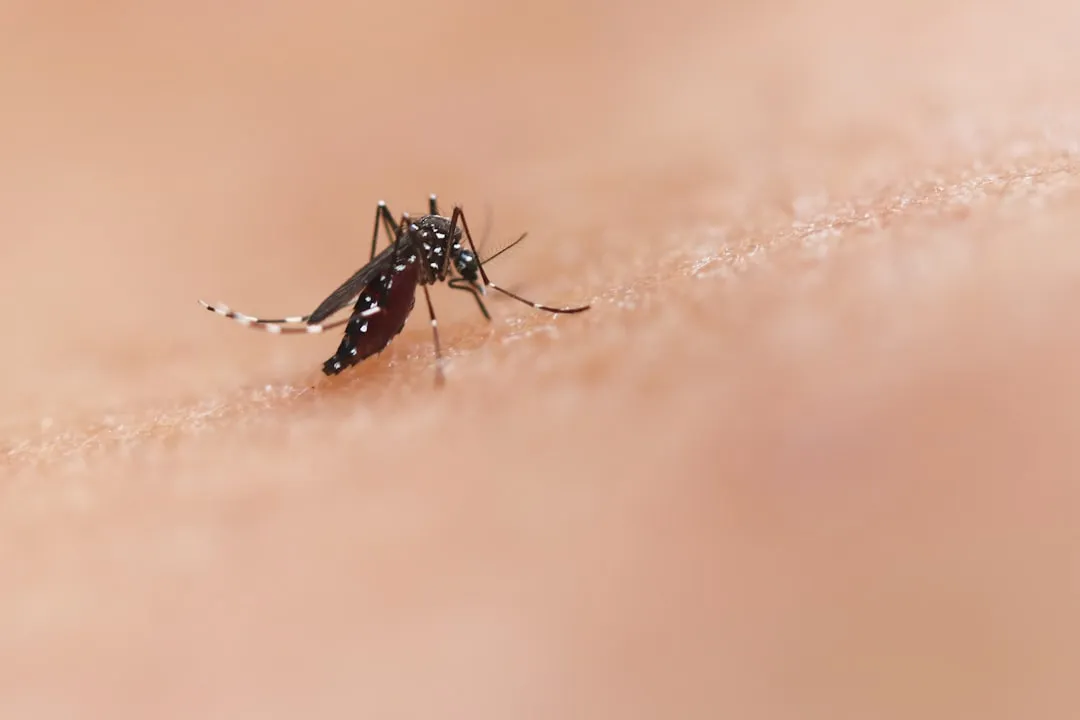
One of the key ways mosquitoes locate their targets is by sensing the carbon dioxide emitted in breath. They can detect it from as far as 100 feet away. That’s a surprisingly long range for such a small insect. Sensing CO2 appears to be the first thing that alerts a mosquito that a meal is nearby. Next, they use smell, vision, and heat sensing to close in.
Mosquitoes follow plumes of carbon dioxide to find people to bite, and some of us breathe at a faster rate, expelling more CO2 than others due to differences in metabolism. Larger people and those exercising exhale more CO2, which is partly why adults tend to get bitten more than children.
Body Heat: The Warm-Blooded Target
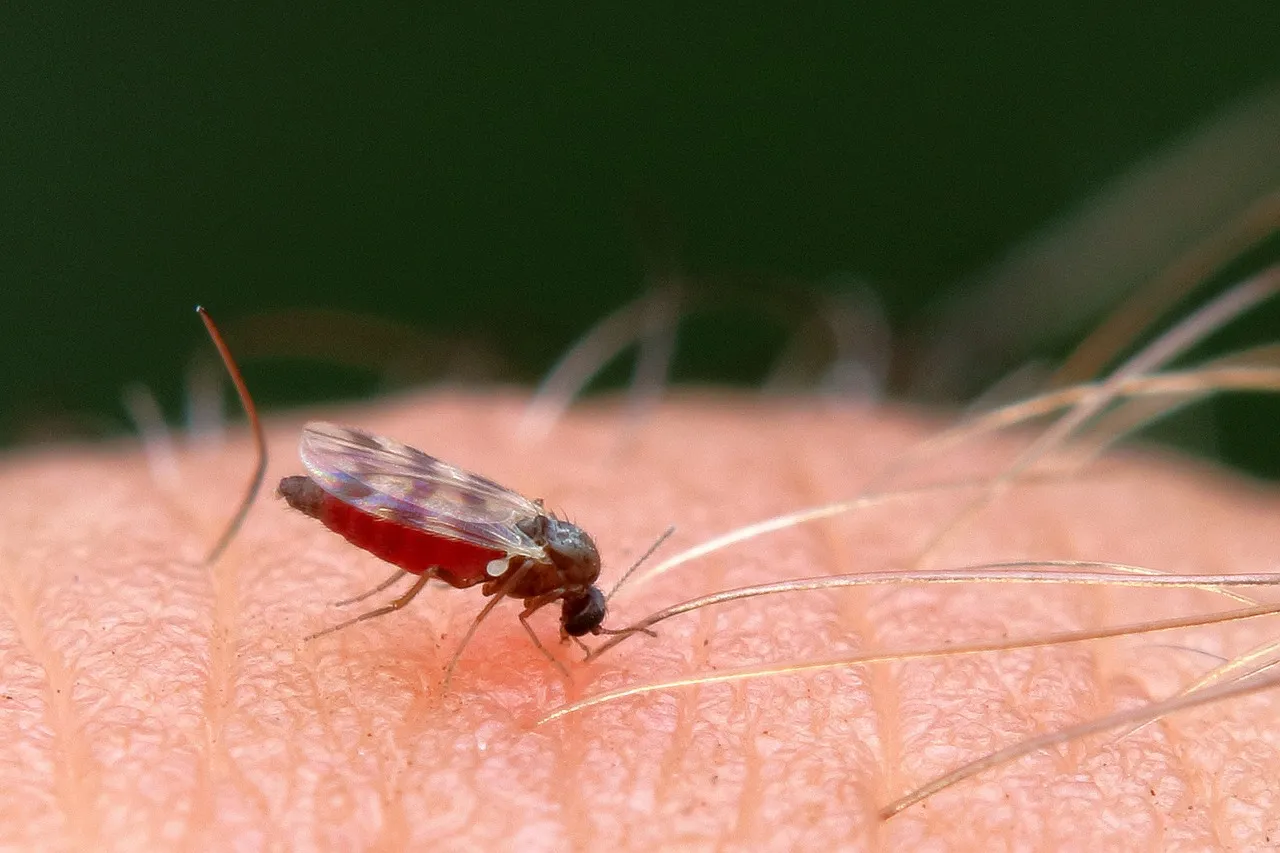
As mosquitoes get closer to a potential host, body temperature and humidity make certain humans even more enticing. It’s not just that you’re warm. It’s the combination of warmth and the chemical signals your skin is already sending out simultaneously. Higher metabolic rates and physical activity raise skin temperature, making you easier for mosquitoes to locate at close range.
A 2015 study found that the type of mosquito that can spread dengue fever actively seeks out human body temperature over much higher and lower temperatures. So your warmth is genuinely a beacon. Other research suggests that being a little warmer, as happens when exercising, may draw mosquitoes your way.
Sweat and Skin Chemistry: The Invisible Invitation
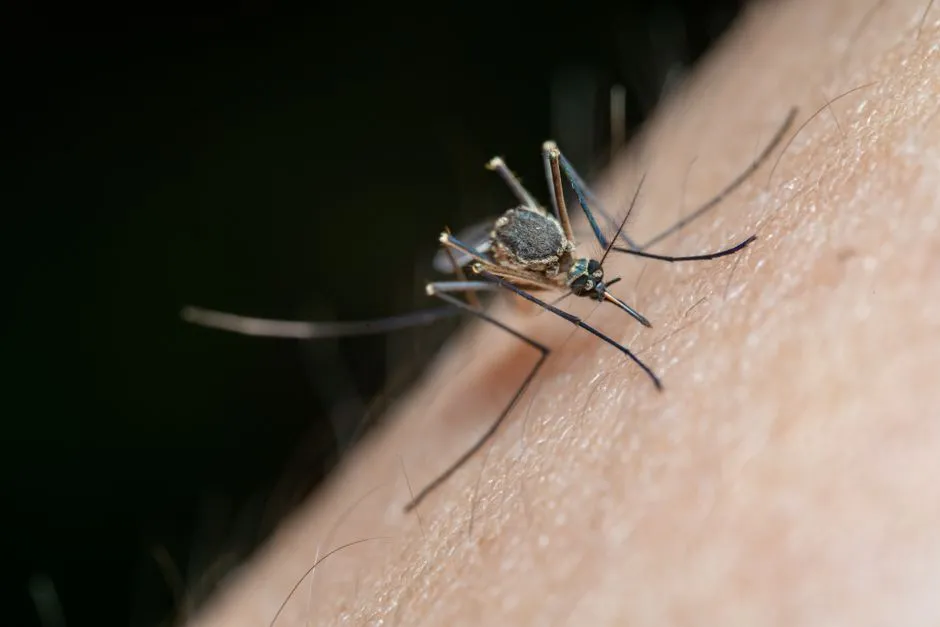
Mosquitoes find victims at closer range by detecting a chemical cocktail that can include lactic acid, ammonia, and other substances expelled via human sweat. Not all sweat is created equal. Each person releases a different amount of these chemicals, and some people give off just the right amount of each one, creating what amounts to an irresistible chemical perfume for mosquitoes.
There’s nothing you can do to change how much of these chemicals you give off when you sweat. That can feel frustrating, but understanding it does at least explain why simply washing up before going outside can temporarily reduce your attractiveness to mosquitoes. Because strenuous exercise increases the buildup of lactic acid and heat in your body, it likely makes you stand out to the insects.
Your Skin Microbiome: The Bacteria Living on You
The skin microbiome plays a pivotal role in the production of attractive cues detected by mosquitoes. Every person carries a unique community of microorganisms on their skin, and the composition of that community shapes the odor signals you emit. In a 2011 study, scientists found that having large amounts of a few types of bacteria made skin more appealing to mosquitoes. Surprisingly, having lots of bacteria spread among a greater diversity of different species actually seemed to make skin less attractive.
The bacteria living on your skin can influence how likely you are to get bitten, because these bacteria help break down sweat and produce body odors, some of which are more appealing to mosquitoes than others. A 2024 study published in PNAS Nexus took this even further. Researchers demonstrated that two genetically engineered human skin bacteria could turn a mammal host less attractive to mosquito bites for over 11 days, which is considerably longer than the four to eight hours of protection provided by the standard synthetic repellent DEET.
Genetics: Some People Are Simply Born That Way
Much of the variation in mosquito preference ultimately comes down to two factors: natural body odor and genetics. A landmark study from Rockefeller University made this clear in striking fashion. The most compelling target among the 64-volunteer study was one individual who was four times more attractive to mosquitoes than the next most-attractive participant, and an astonishing 100 times more appealing than the least attractive volunteer.
Researchers have found that your genetics and the unique mix of bacteria on your skin can play a big role in how appealing you are to mosquitoes. Twin studies show that some people may simply be born more likely to be mosquito magnets. This means that even two people with the same blood type can have completely different experiences with mosquito bites simply because of inherited traits.
Blood Type: A Real but Complicated Factor
In a 2019 study published in the American Journal of Entomology, researchers offered mosquitoes different feeders containing all four blood types and found that the insects chose the Type O blood feeder more than any other. A 2004 study also revealed that mosquitoes landed on people with Type O blood significantly more often, and nearly twice as often as on those with Type A blood.
While mosquitoes do seem attracted to specific blood types, there isn’t one they completely dislike or avoid. Studies have found that mosquitoes are generally less attracted to individuals with Group A blood, especially when given the choice between Type A and Type O. However, blood type remains just one factor among many. Studies exploring the role of human blood type in host preference have findings that remain conflicting and difficult to interpret, partly due to methodological challenges.
Pregnancy: A Double Attractant
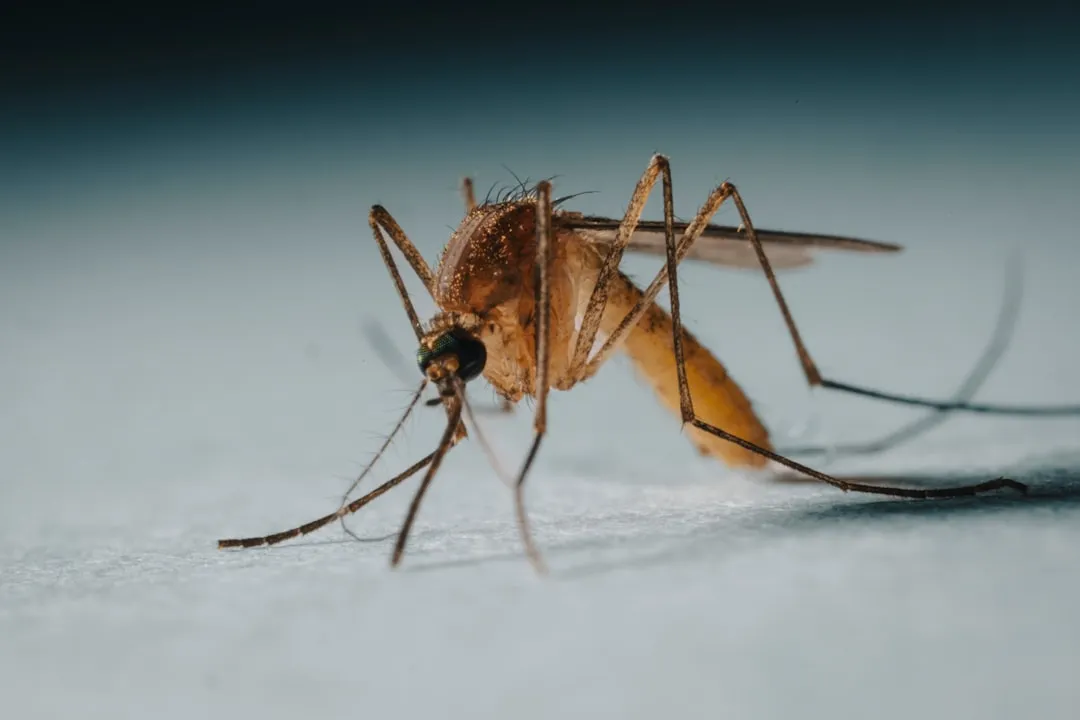
Some mosquitoes prefer biting pregnant women over non-pregnant women. In multiple studies, pregnant women have been found to attract roughly twice as many mosquito bites from certain species that carry malaria. The biology behind it is fairly direct. Pregnant women exhale about 21 percent more carbon dioxide and are on average about 1.26 degrees Fahrenheit warmer around the belly than other women.
In one study, the number of mosquitoes entering bednets was 1.7 to 4.5 times higher around pregnant women, and they received 70 percent of bites compared to 52 percent for non-pregnant women. The likely drivers are increased body temperature and higher CO2 output during pregnancy. It’s a temporary but meaningful increase in vulnerability, and it matters most in regions where mosquito-borne diseases like malaria are endemic.
Alcohol Consumption: Even a Single Beer Changes the Equation

If you’ve ever felt like mosquitoes love you more after a drink, you might be onto something. Research shows that drinking alcohol, especially beer, can make you more attractive to mosquitoes. This has been studied in some detail. For a 2023 study in the Netherlands, 465 volunteers put their arms in cages filled with female mosquitoes. The volunteers who had drunk beer in the previous 24 hours were 1.35 times more attractive to the mosquitoes.
Researchers tested whether beer might have altered carbon dioxide output or body temperature to attract insects, but they found neither of these factors were correlated with increased attraction, making the mosquito affinity for drinkers something of a mystery. The exact mechanism remains under investigation. Still, the pattern is consistent enough across studies to take seriously.
Clothing Color: What You Wear Actually Matters
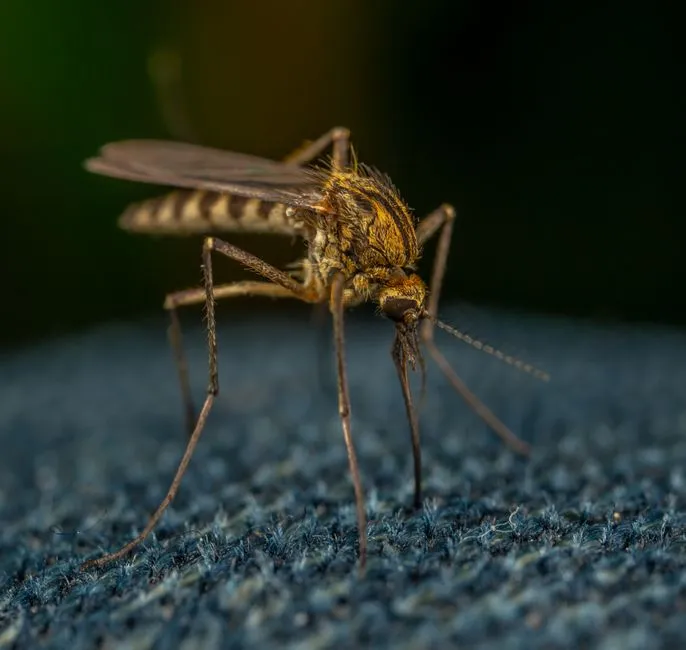
Science reveals that a variety of factors might make you more palatable to mosquitoes, including the color of clothing you’re wearing, with colors like red, orange, and black being the most attractive to mosquitoes. This may seem like a minor detail, but it points to the fact that mosquitoes use visual cues alongside chemical ones. Their detection system is genuinely multimodal.
A range of sensory cues can cause mosquitoes to pick one human over another, mainly the smell and heat our bodies give off and the carbon dioxide we exhale. Clothing color adds another layer to that targeting process. Choosing lighter, neutral-toned clothing for outdoor settings is a practical and evidence-backed way to reduce your visual attractiveness to mosquitoes, even if it can’t fully override the chemical signals your body sends.
Why This Matters Beyond the Itch
Better knowledge of why some people are more attractive to mosquitoes could lead to new ways to prevent mosquito bites, which in turn could help prevent mosquito-borne illnesses that sicken hundreds of millions of people worldwide each year and lead to hundreds of thousands of deaths. The stakes are not trivial. In 2022, about 250 million cases of human malaria occurred worldwide, and the annual dengue burden accounts for 400 million cases and 22,000 deaths globally each year.
Discovering why mosquitoes prefer particular people has become a more pressing issue as climate change expands the range where they roam. For example, the tiger mosquito, a vector for the chikungunya virus, is now spreading into new areas. Because human scent is derived from the metabolism of the skin microbiota, knocking out the synthesis of key mosquito attractants could pave the way for a skin therapy that provides more permanent protection against diseases transmitted by mosquitoes, such as dengue fever, Zika, and malaria.
The Takeaway
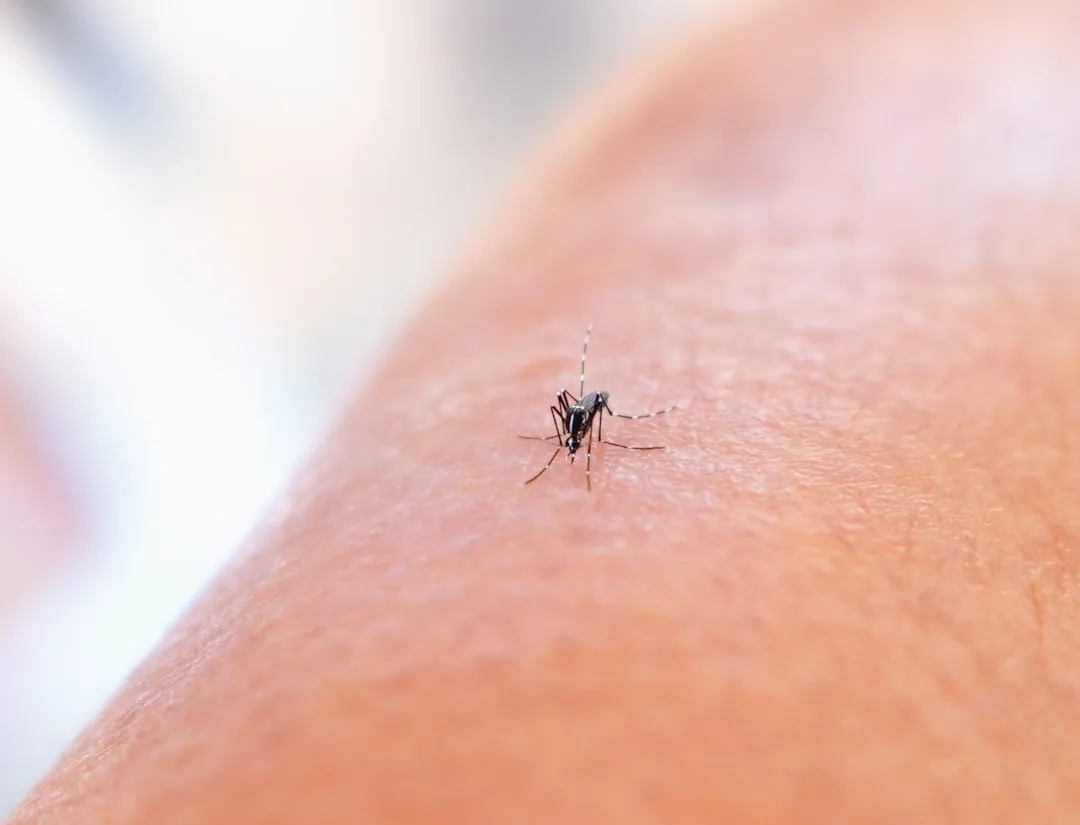
There’s no single reason why some people are mosquito magnets. The reality is a combination of factors, many of which are largely outside our control: genetics, metabolism, skin microbiome, blood type, body temperature, and the invisible chemistry of our sweat. While mosquitoes genuinely are more attracted to some people than others, researchers emphasize that we are not all magnets all the time.
What the science does offer is a clearer framework for protection. Lighter clothing, avoiding alcohol before outdoor events, applying repellent after exercise, and keeping skin cool where possible can all reduce your attractiveness to some degree. It remains largely a mystery why some people receive more mosquito bites than others, even though bite frequency plays a key role in the risk of mosquito-borne diseases. Understanding the factors behind mosquito attraction could improve prevention strategies in high-risk areas. The science is still catching up, but it’s moving faster than ever.
AI Disclaimer: This article was created with the assistance of AI tools and reviewed by a human editor.