
1. Instant Oatmeal: The Healthy Morning Trap
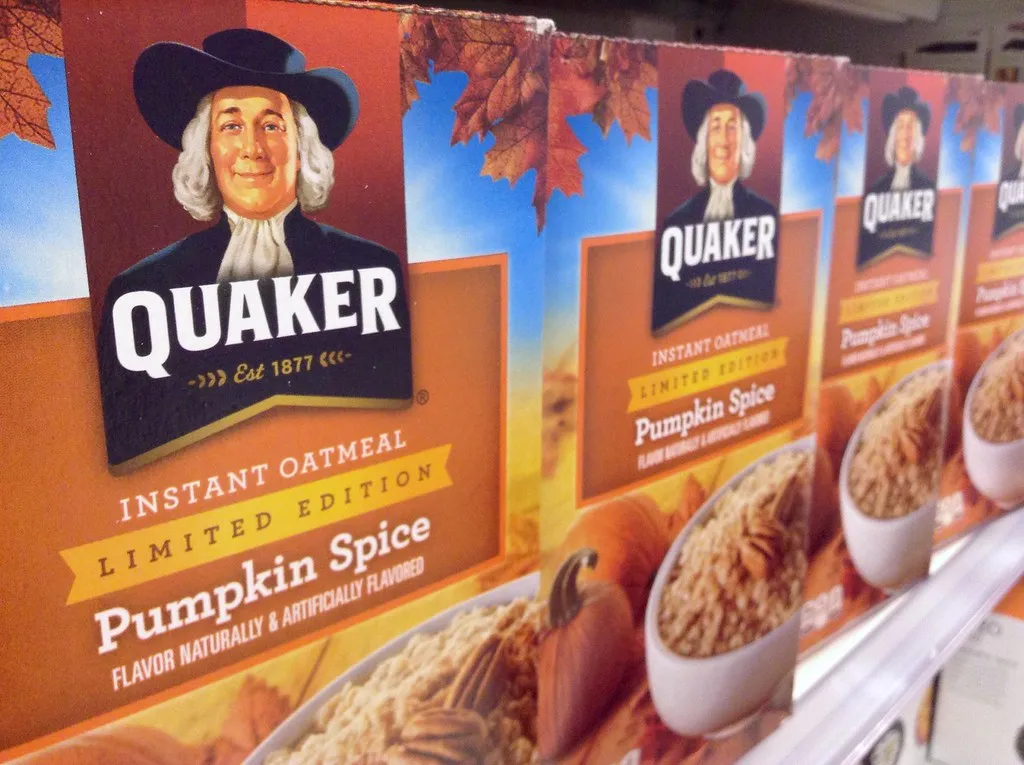
Oatmeal has a well-earned reputation as a heart-healthy breakfast, but that reputation belongs to steel-cut oats, not the flavored instant packets sitting in most kitchen cupboards. Instant oatmeal is pre-cooked and dried, which leads to a higher glycemic index, meaning it can spike your blood sugar much faster than traditional oats.
Steel-cut oats have a glycemic index of around 53, rolled oats sit at 55 to 57, while instant oats jump to 79 to 83, placing them firmly in the high glycemic range. A 2019 clinical trial found that instant oatmeal spiked blood sugar about the same as refined white bread, while steel-cut oats raised it roughly 28 percent less.
The processing of instant oatmeal reduces its fiber content, especially the soluble fiber beta-glucan, which is known for its blood sugar stabilizing effects. Many instant oatmeal packets also come with added flavors and sugars, which further exacerbate blood sugar spikes, and according to the American Heart Association, added sugars contribute to a host of health issues including heart disease.
A bowl of steel-cut oats produces a slow, gradual rise in blood sugar, while a packet of maple-flavored instant oatmeal can spike your glucose almost as sharply as white bread. The smarter choice is plain rolled or steel-cut oats with no added sweeteners.
2. Flavored Yogurt: Probiotics Hidden Behind a Sugar Overload
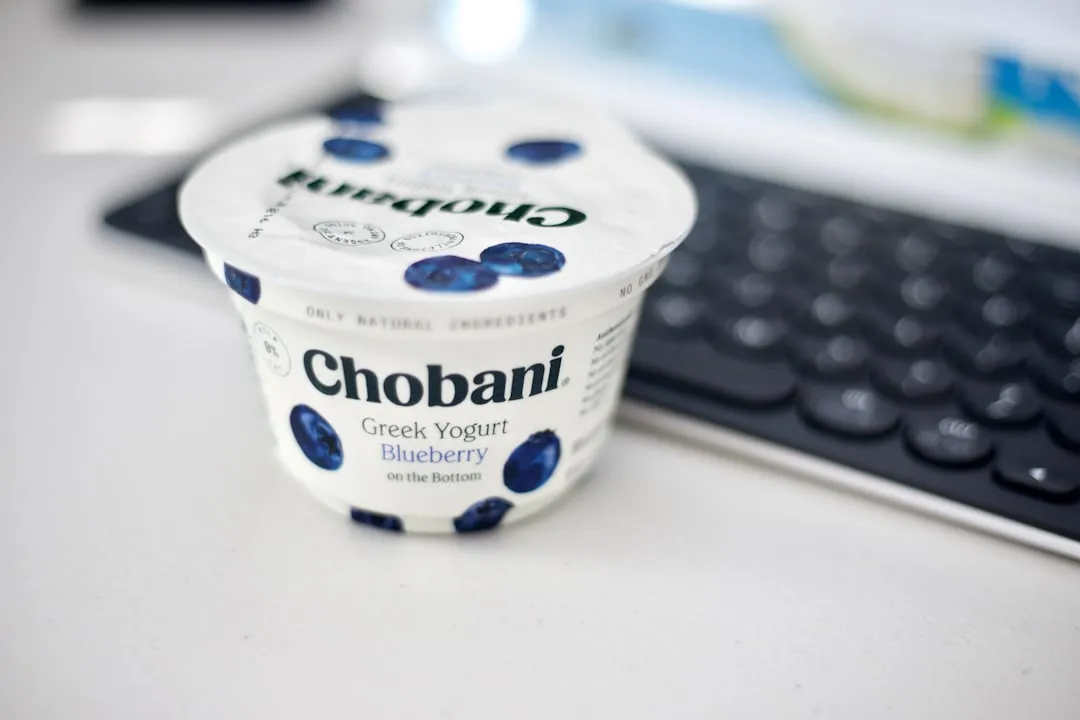
Yogurt, in its plain form, is genuinely one of the better breakfast foods for blood sugar management. According to the University of Sydney’s glycemic index database, plain yogurt has an average glycemic index of 27, classifying it as a low-GI food. The moment fruit flavors or sweeteners enter the picture, the story changes significantly.
Flavored yogurt products often contain 15 to 25 grams of added sugar per serving, which can cause significant blood sugar spikes. Plain Greek yogurt has a low GI of approximately 14, while flavored yogurt can reach GI 33 or higher due to added sugars.
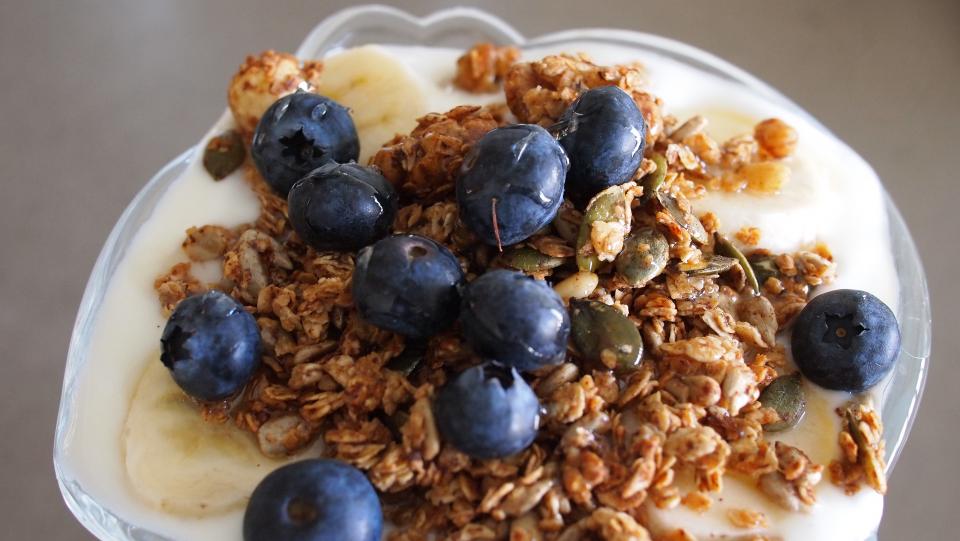
Yogurt parfaits, despite their association with probiotics and calcium, can contain hidden sugars in flavored yogurts and sugary toppings like granola and honey, which undermine their potential health benefits, and most store-bought parfaits are made with regular yogurt sweetened with extra sugar and much less protein than Greek counterparts.
Depending on where you buy your parfait, it can contain as much as 80 grams of carbs and 41 grams of added sugar, while even smaller prepackaged grocery store containers can still contain up to 35 grams of carbs and 16 grams of added sugar. Plain Greek yogurt, on its own, remains a sound choice. It is the sweetened versions that quietly work against you.
3. Store-Bought Granola: A Concentrated Sugar Delivery System
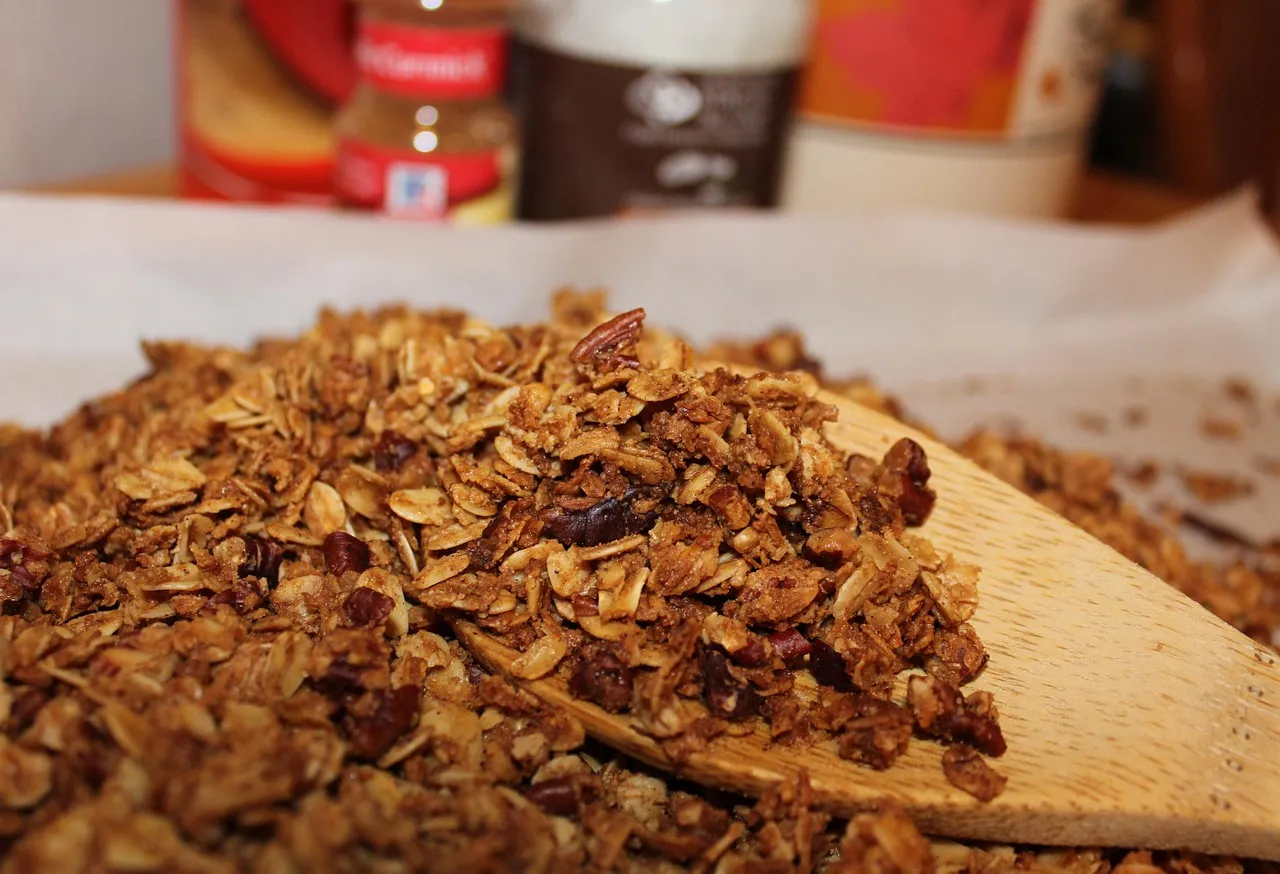
Granola markets itself on whole grains, nuts, and seeds, which sounds genuinely nutritious. The reality of most commercial granola, though, is that honey, brown sugar, and syrups bind those ingredients together into something that looks wholesome but behaves quite differently in the body. Granola has a glycemic index of 55, which produces a medium impact on blood sugar levels.
People with diabetes can eat granola, but portion control is important, since granola can cause moderate changes in blood sugar levels. The bigger issue is portion distortion. Most people pour far more than the suggested serving, which multiplies the sugar load quickly and can push a moderate food into high-glycemic territory.
Research has found that steel-cut oatmeal, large flake oatmeal, muesli, and granola produced a significantly lower glycemic response (53 to 56) than quick-cooking and instant oatmeal (71 to 75). Even so, granola stacked on top of flavored yogurt with juice on the side creates a breakfast that is nearly all rapidly absorbed carbohydrates.
4. Orange Juice: The Classic Morning Spike

Orange juice has been a morning staple for decades, and its association with vitamins and “natural” sugars has kept it on breakfast tables worldwide. The problem is that the process of juicing removes most of what makes an orange worth eating. Whole oranges have a glycemic index of around 43, while orange juice typically scores higher, landing between 50 and 60 on the GI scale, and the difference comes down to fiber.
Orange juice lacks fiber, which allows its natural sugars to be absorbed more quickly, and this can cause a sharper spike in glucose levels. A whole orange contains roughly 3 grams of fiber that buffers the absorption of its sugars. A glass of juice contains essentially none.
The criticism of fruit juices was primarily about rising obesity rates, with the finger of blame pointed at natural sugars, and the World Health Organization now includes fruit juices in its definition of free sugars to limit. That does not mean one glass of OJ is dangerous for a healthy person, but consistently starting the day with a large glass on an empty stomach invites a rapid glucose spike followed by an energy crash.
The consumption of fruit juices remains controversial due to their potentially negative impact on postprandial glycemic response. If you enjoy orange flavor in the morning, eating the whole fruit is a considerably more stable choice for your blood sugar.
5. Fruit Smoothies: When “Healthy” Goes Wrong

A homemade smoothie built around leafy greens, berries, and a protein source is a different animal from the oversized fruit-only blends sold at cafes and fast-food chains. The research on smoothies and blood sugar is actually more nuanced than the headlines often suggest. Researchers at the University of Plymouth highlighted smoothies as an important source of plant-based nutrition and noted they should not be grouped with fruit juices, since they are important sources of fiber and may not necessarily cause significant glycemic spikes.
Fruits and vegetables are high in natural sugars that, unlike refined sugar, come packaged with fiber, which helps the body digest natural sugars at a healthy rate, avoiding steep spikes in blood glucose, because over time repeated spikes can increase the likelihood of cardiovascular disease and insulin resistance.
The real problem is what most commercial smoothies contain beyond blended fruit. Adding juice or ice cream to a fruit smoothie significantly increases the sugar content without increasing fiber content, which raises the glycemic response. Many cafe smoothies use fruit juice as a base, add sweetened yogurt, and then top the calorie count with a banana and several scoops of frozen mango.
Smoothies with crushed berry seeds, such as raspberries, have shown up to 20 percent slower sugar absorption compared to whole berries, suggesting a hidden benefit of blending seeded fruits. The takeaway is not to abandon smoothies, but to build them around fiber, protein, and healthy fat rather than juice and tropical fruits alone.
Why Even “Healthy” Eaters Get Caught Off Guard

A 2018 study found that 16 out of 20 participants who were classified as normal on standard clinical tests experienced severe post-meal glucose spikes that reached into the prediabetic range 15 percent of the time. The implication is clear: blood sugar instability is not exclusively a concern for people with diabetes. It affects a wide range of otherwise healthy individuals, especially when processed breakfast foods are involved.
Excessive post-meal blood glucose spikes are an independent risk factor for a host of chronic conditions, including diabetes, cardiovascular disease, stroke, kidney failure, and cognitive decline. Most people simply never connect their late-morning fatigue or mid-morning hunger to what they ate two hours earlier.
Packaging is often misleading, with many products given a clean, healthy appearance, and turning to the nutrition label is one of the best ways to evaluate how likely a food is to spike your blood sugar. Reading the added sugar line on the label rather than the front-of-pack claims is one of the simplest things a person can do to protect their metabolic health.
The Role of Fiber in Slowing the Spike
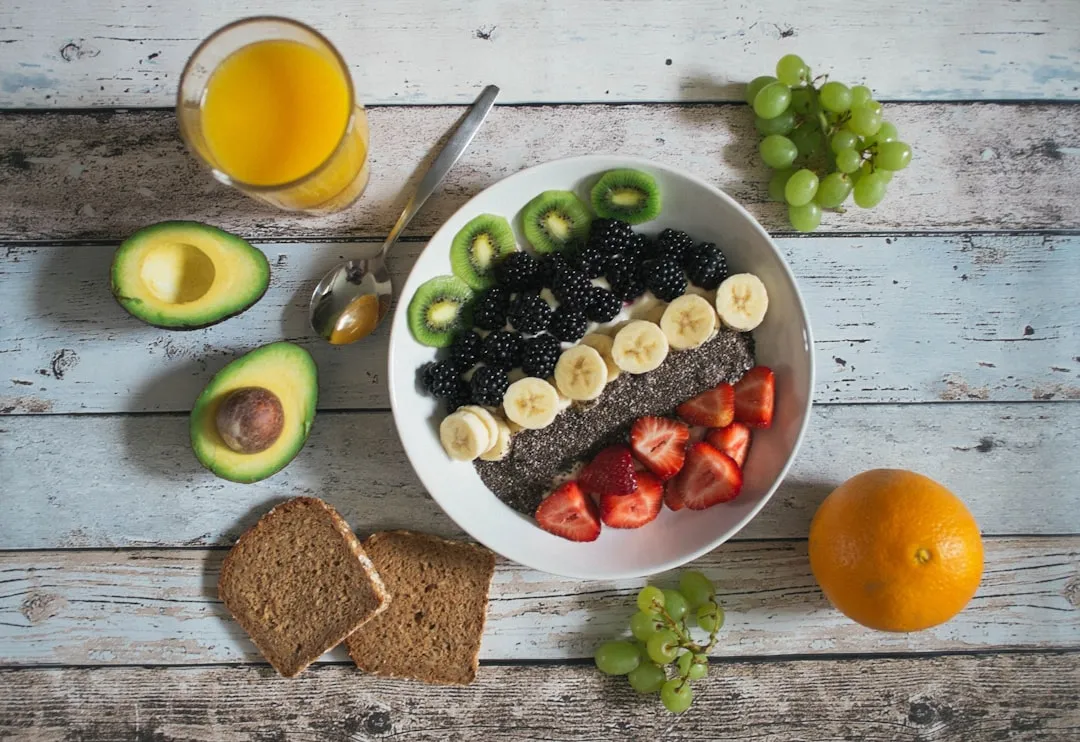
Fiber plays an important role in preventing metabolic disease, especially in carbohydrate breakdown and blood sugar spikes, because fiber raises the viscosity of stomach contents, which leads to slower gastric emptying, meaning glucose is absorbed more slowly into the bloodstream without triggering a sharp insulin response.
This is precisely why whole fruit outperforms juice, why steel-cut oats outperform instant oats, and why plain yogurt outperforms the sweetened variety. The processing that removes fiber is also the processing that turns a reasonable food into a blood sugar problem. A medium orange contains around 3.1 grams of fiber, which is enough to measurably slow the absorption of its natural sugars.
In minimally processed oats like steel-cut or thick rolled varieties, the fiber stays more intact during cooking and creates a stronger gel effect, while in highly processed instant oats, the fiber is more fragmented, which reduces its ability to slow digestion. Fiber is not a minor detail. It is the central mechanism that separates a steady energy source from a sugar spike.
What a Blood Sugar-Stable Breakfast Actually Looks Like
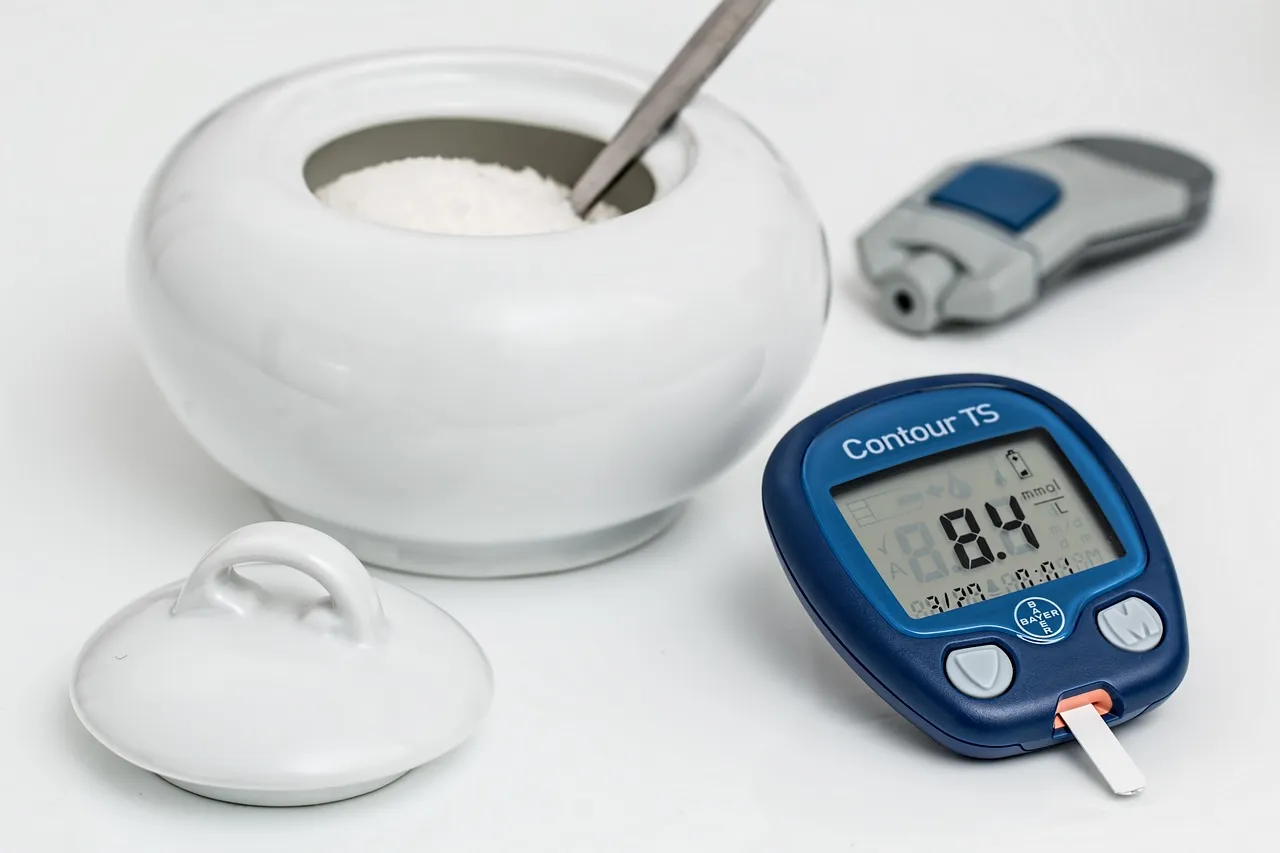
Steel-cut or rolled oats may be the best choice for better blood sugar management, and quick oats can also be included in a balanced diet by pairing them with toppings high in protein or fat, such as nuts or seeds. The principle applies more broadly: combining carbohydrates with fat and protein slows digestion and reduces the glycemic impact of the whole meal.
Research published in 2024 aimed to determine the effect of adding nuts to a regular breakfast on blood glucose, insulin, and triglyceride levels, with participants consuming 30 grams of nut-supplemented breakfasts for four weeks. VAS scores indicated that nut-supplemented breakfasts provided significantly better satiety and well-being after eating, especially for walnut-supplemented options.
Using berries instead of banana or dried fruit in oatmeal or smoothies is a practical swap: blueberries, raspberries, and strawberries all have a glycemic index around 25, while dried fruits like raisins have a GI of around 64 and can push the overall glycemic load of a meal significantly higher.
How Blood Sugar Instability Affects Your Day Beyond the Scale

Unstable blood sugar is linked to depressed and anxious mood, brain fog, impaired cognitive performance, disturbed sleep, chronic pain, and poor workout performance. Many people attribute these symptoms to stress, poor sleep, or lack of caffeine without ever considering that their breakfast choices are contributing to the problem.
The pancreas works to stabilize blood sugar levels by secreting a surge of insulin to help move glucose into cells, but even after excess glucose has been cleared, insulin levels remain high, leading to an overcorrection and subsequent low blood sugar. That crash, typically hitting one to two hours after a high-glycemic breakfast, is responsible for the mid-morning slump that drives many people to reach for coffee or a snack.
High glycemic index breakfasts resulting in sharp rises in blood glucose may adversely affect memory and attention, particularly in the late postprandial phase, which is roughly 120 to 180 minutes after eating. The cognitive case for a stable breakfast is just as compelling as the metabolic one.
Smarter Swaps Without Giving Up Breakfast

None of this requires abandoning breakfast or becoming obsessive about glycemic numbers. The practical steps are relatively straightforward. Choose steel-cut or rolled oats over flavored instant packets. Reach for plain Greek yogurt and add your own fruit rather than buying sweetened varieties. Opt for whole oranges instead of juice to retain the natural fiber, and stick to moderate portions such as one medium orange.
Plain, unsweetened Greek yogurt is generally blood sugar friendly due to its high protein and low sugar content. Pairing it with a small handful of walnuts or almonds slows digestion further and adds satiety that lasts well into the morning. These are not dramatic dietary overhauls; they are small substitutions that compound over weeks and months.
Recent research challenges traditional assumptions, suggesting that blended fruit may not negatively affect glycemic control, and in some instances may improve glycemic response by up to 57 percent. The key variable is what else goes into the glass. A whole-food smoothie with seeds, greens, and protein behaves very differently from a banana-mango-juice blend the size of a soup bowl.
The Takeaway

The foods on this list are not villains. Steel-cut oats are genuinely excellent. Plain yogurt is a sound choice. Whole oranges offer real nutritional value. The issue is what processing, added sugars, and portion sizes do to these foods once they reach your breakfast table in their commercialized forms.
A 2009 study of more than 15,000 healthy, non-diabetic individuals found that elevated two-hour post-meal glucose significantly increased the risk of cardiovascular and all-cause death. That study was not looking at people eating dessert for breakfast. It was looking at what ordinary meals do to ordinary people over time.
The most useful thing you can take from this is not fear of breakfast but a sharper eye for the gap between how foods are marketed and what they actually contain. Reading labels, choosing less-processed versions, and pairing carbohydrates with protein and fat are habits that cost almost nothing. Their long-term effects on energy, cognition, and metabolic health are worth considerably more.
AI Disclaimer: This article was created with the assistance of AI tools and reviewed by a human editor.