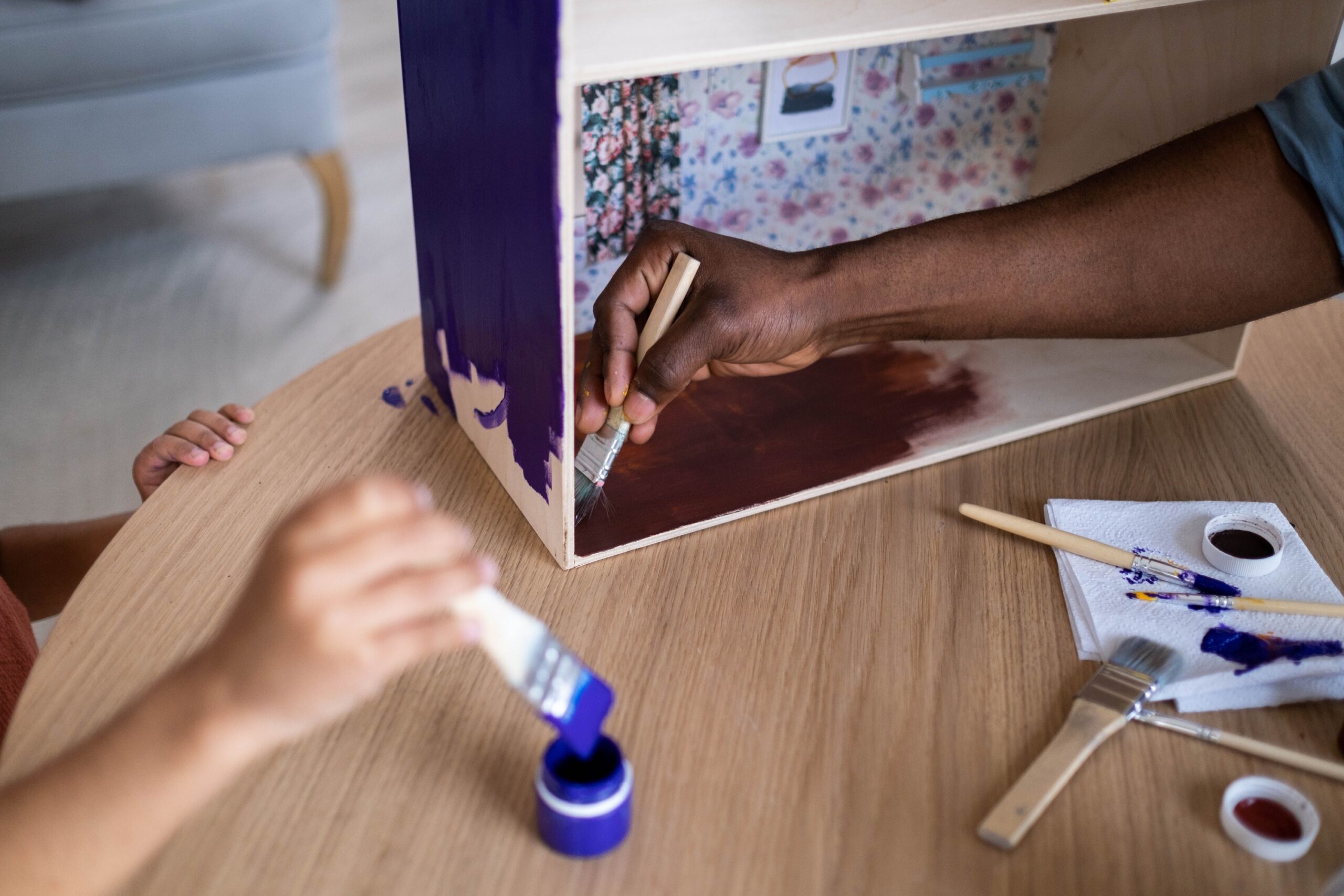

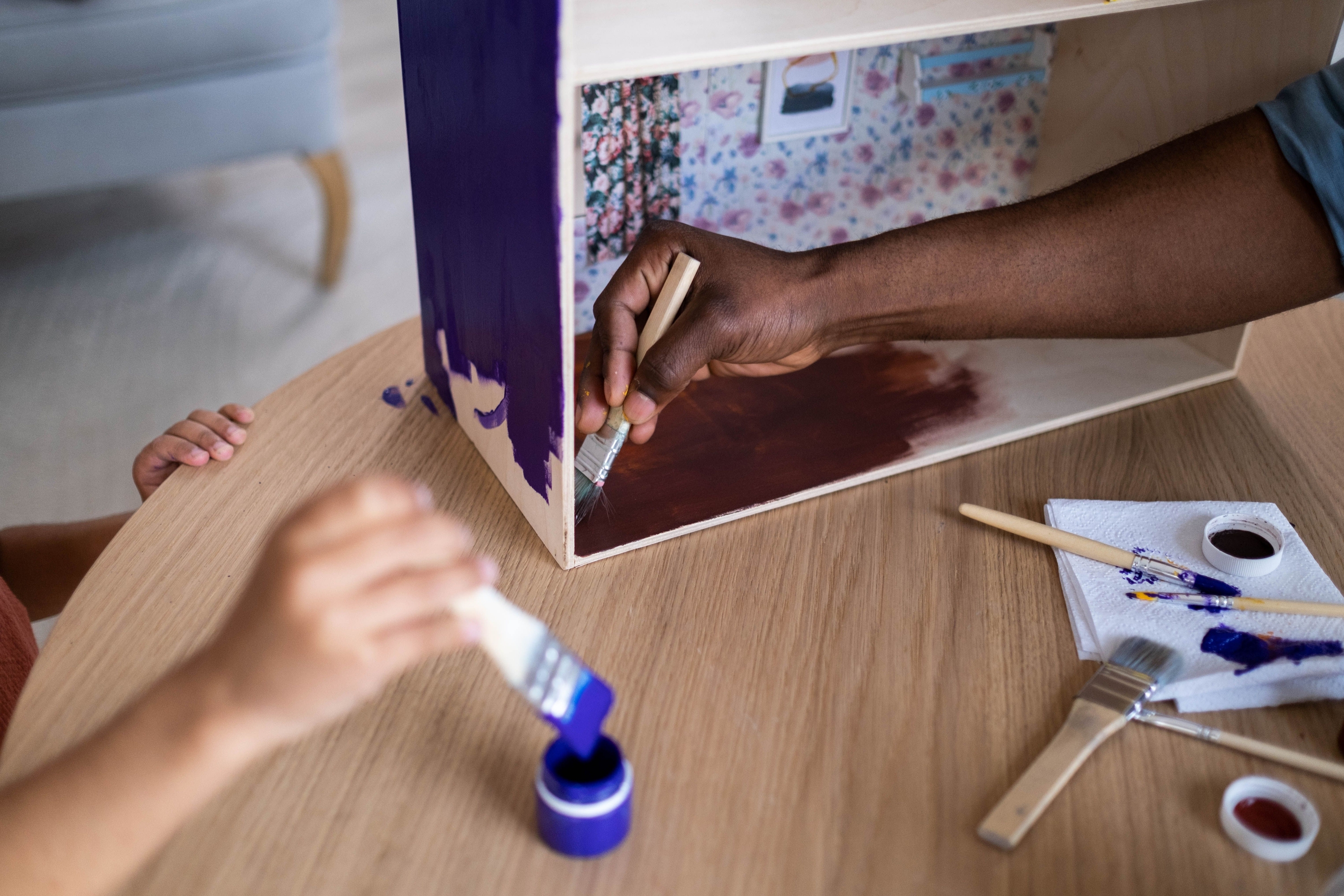
Not long ago, a chalk-painted dresser or a hand-decorated armoire felt like the centerpiece of every Pinterest board and thrift-sre flip video on the internet. Workshops filled up. Specialty paint brands multiplied. People were dragging curb finds in their garages and turning them in something genuinely beautiful. Then, quietly, the conversation seemed shift.
The sry of hand-painted furniture in 2024, 2025, and in 2026 is not really a sry of disappearance. It’s more nuanced than that. Certain versions of the trend faded, while others evolved, merged with sustainability culture, and found new audiences. Here’s where things actually stand.
The Peak That Felt Like It Lasted Forever

When painted furniture really hit its stride about a decade ago, pieces that many people would have painted, and that likely would have sold, were everywhere. Chalk paint brands like Annie Sloan, Rust-Oleum, and Fusion Mineral became household names among DIYers. The movement rode a perfect wave: the rise of home-flipping content, the shabby-chic aesthetic, and a generation of homeowners who genuinely enjoyed making things with their hands. For nearly a full decade, painting old furniture wasn’t just acceptable. It was aspirational.
The Shift That Started Around 2024
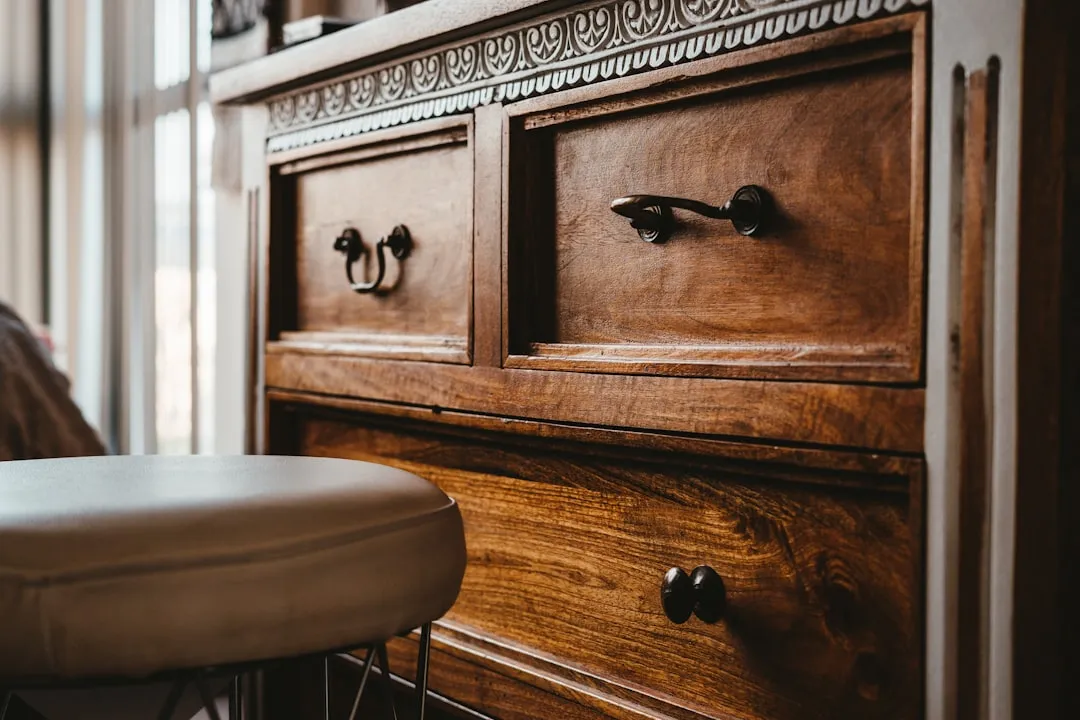
In 2024, darker stained wood came back in style, and it was no longer fashionable to paint antique pieces that were in good condition. This was a meaningful turning point. Wood furniture with a nice stain came back in style and was being mixed back into living spaces for a warm, cozy look. The all-white or chalky-grey aesthetic that had dominated interiors for years started to feel dated rather than fresh.
For true antique pieces made by smaller makers, or those showing particular excellence in craftsmanship, 2025 is the year they are best left in their original finish. That’s a real reversal. A decade ago, nearly anything could be a candidate for a painted makeover. Today, discernment is part of the craft.
What the Market Data Actually Shows
The global furniture paint market has exhibited strong growth in recent years, increasing from $9.66 billion in 2023 to $10.20 billion in 2024, achieving a compound annual growth rate of 5.6%. That’s not a collapsing market. The global furniture paint market size is expected to reach $12.83 billion by 2028 at a rate of 5.9%. The paint itself is still selling. What changed is which pieces people are reaching for the brush to cover.
Google search interest for painted furniture items like “painted dressers,” “painted sideboards,” and “painted coffee tables” showed fluctuating but generally low search volume throughout most of 2025, with a slight uptick towards the end of the year, indicating a consistent, albeit niche, interest in these specific painted furniture categories. The mass enthusiasm cooled. The committed community stayed.
Where the DIY Culture Found New Life
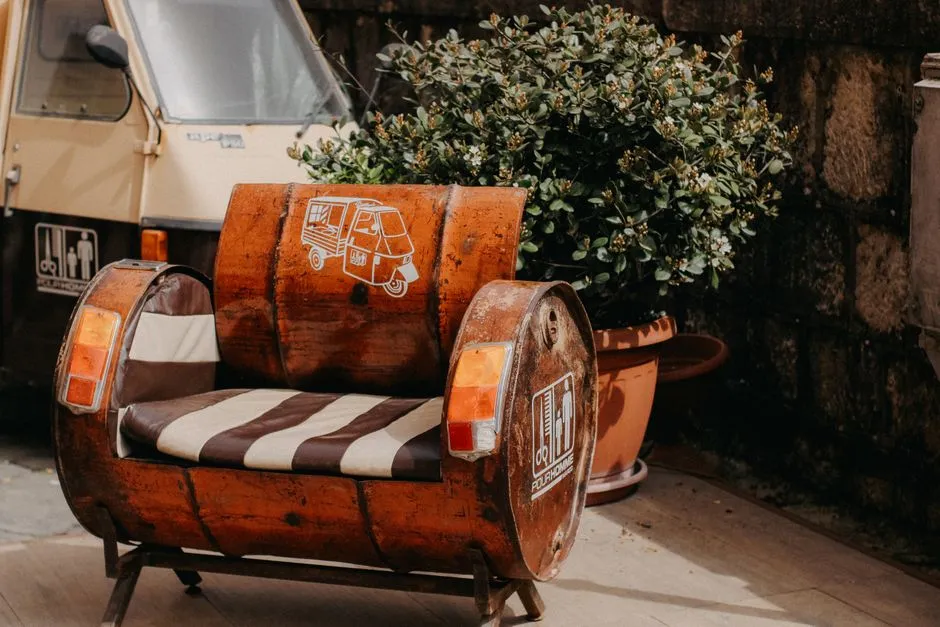
Growth in the furniture paint market is driven by evolving consumer preferences towards eco-friendly and sustainable paint options, as well as the growing popularity of DIY culture encouraging furniture refurbishment projects. The motivation shifted from pure aesthetics toward something more principled. People aren’t just painting old furniture because it looks good. They’re doing it because buying new feels wasteful.
By transforming and upcycling furniture and décor items, people help reduce the amount of waste that ends up in landfills, which helps lessen the environmental impact of discarded household items. Upcycling encourages the reuse of materials, promoting a circular economy where products are kept in use for as long as possible. Hand-painting, in this context, became an act with a point beyond decoration.
The Secondhand Market Feeding the Movement
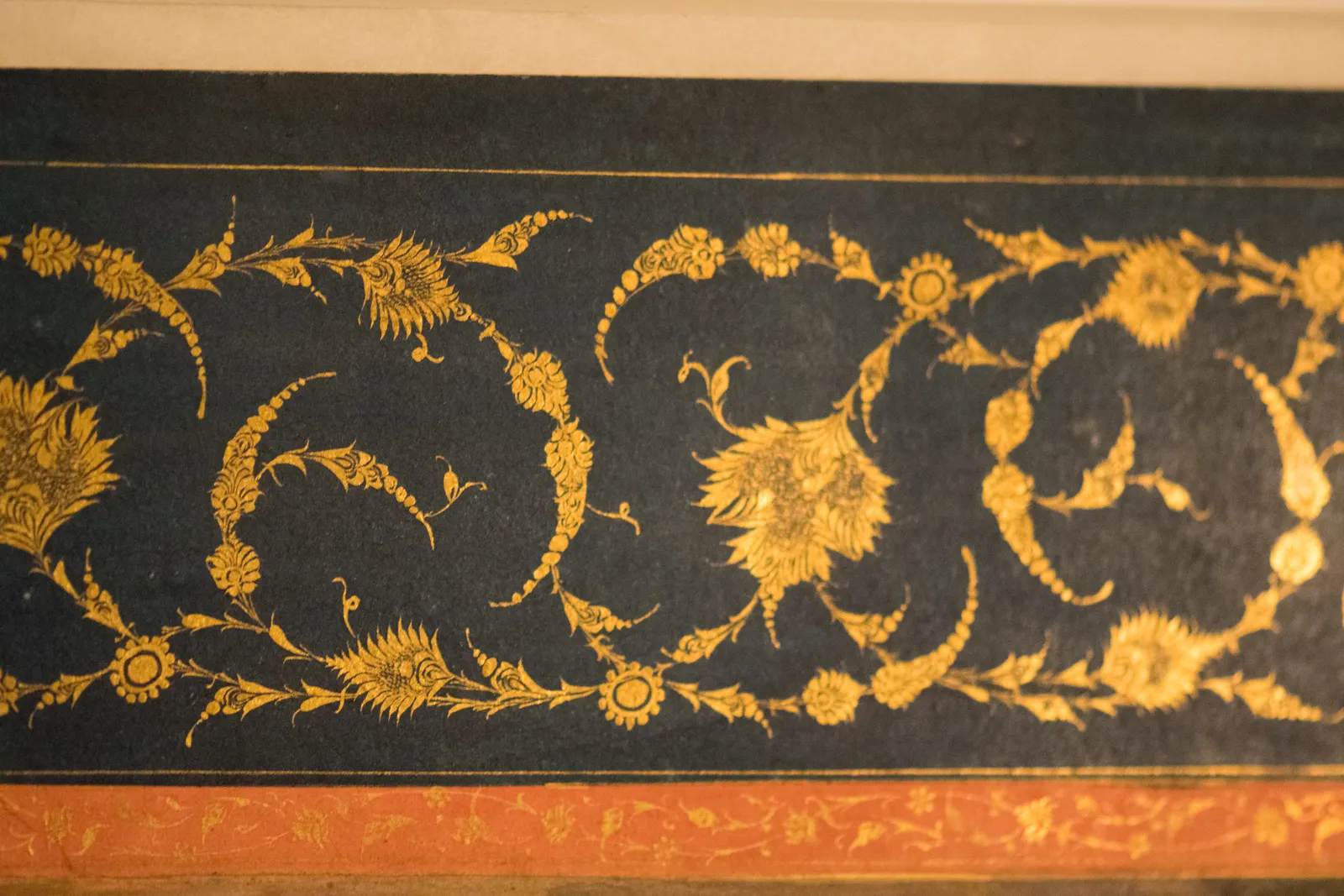
The rising popularity of thrift and upcycling trends is driving the secondhand furniture market, valued at USD 16.13 billion in 2024, toward a projected valuation of around USD 32.63 billion by 2031. More people buying secondhand furniture means more pieces that need updating, refreshing, or rescuing. Hand painting remains one of the most accessible tools for that transformation.
The thrifting and resale market in the USA stands at $56 billion in 2025, up from $49 billion in 2024, showing a significant growth of $7 billion in just one year. That growth is pulling furniture along with it. Thrifting for furniture is even more popular in 2026 than it was in years past. The raw material supply for hand-painting projects has never been more abundant.
Color Trends Reshaped What “Painted” Means
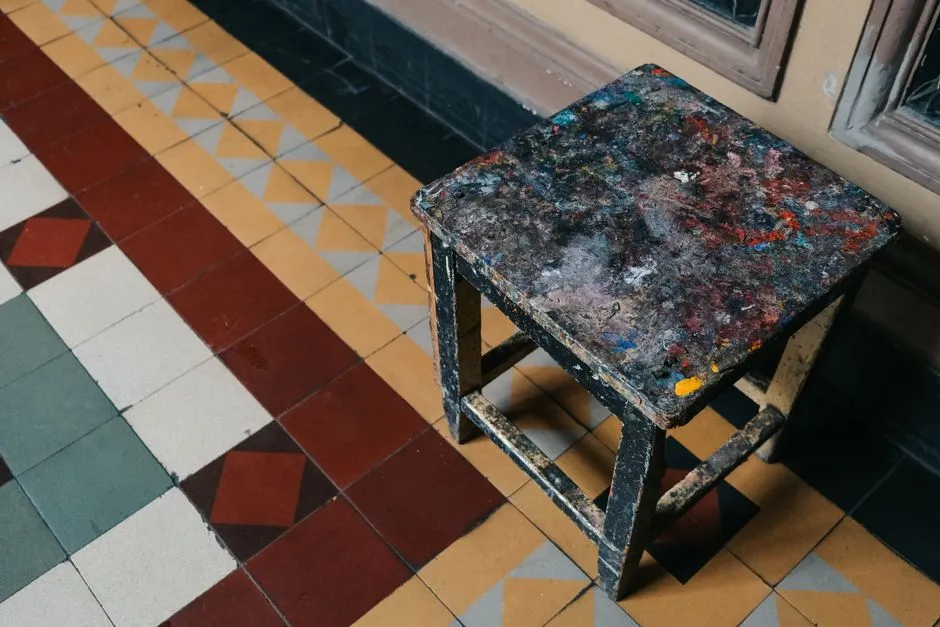
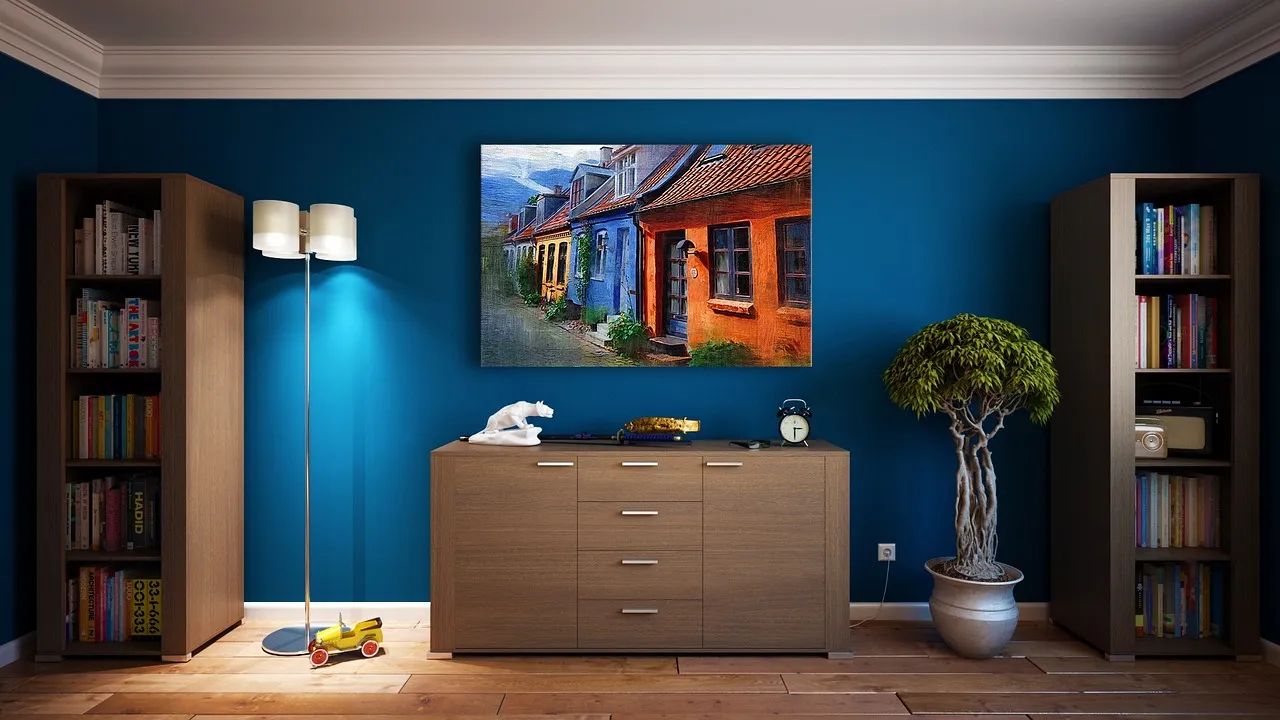
A trend in 2024 emerged with furniture paint brands promoting their soft neutrals over bold bright colors. For more saturated options, black paint or dark greens and blues became the direction to go. The all-white chalk finish that defined the mid-2010s faded. Key trends include a resurgence of warm, earthy tones and a strong DIY culture driven by upcycling and customization.
Bold colors continue to make a statement, with homeowners opting to introduce vibrant accents through painted furniture. Shades like emerald greens, deep blues, or rich burgundies inject personality into spaces, creating focal points that draw admiration and reflect individual style. The palette got bolder and more considered at the same time. Painting a piece isn’t just about covering wood anymore. It’s about making a deliberate design statement.
Hand-Painted as a Luxury, Not Just a DIY Fix
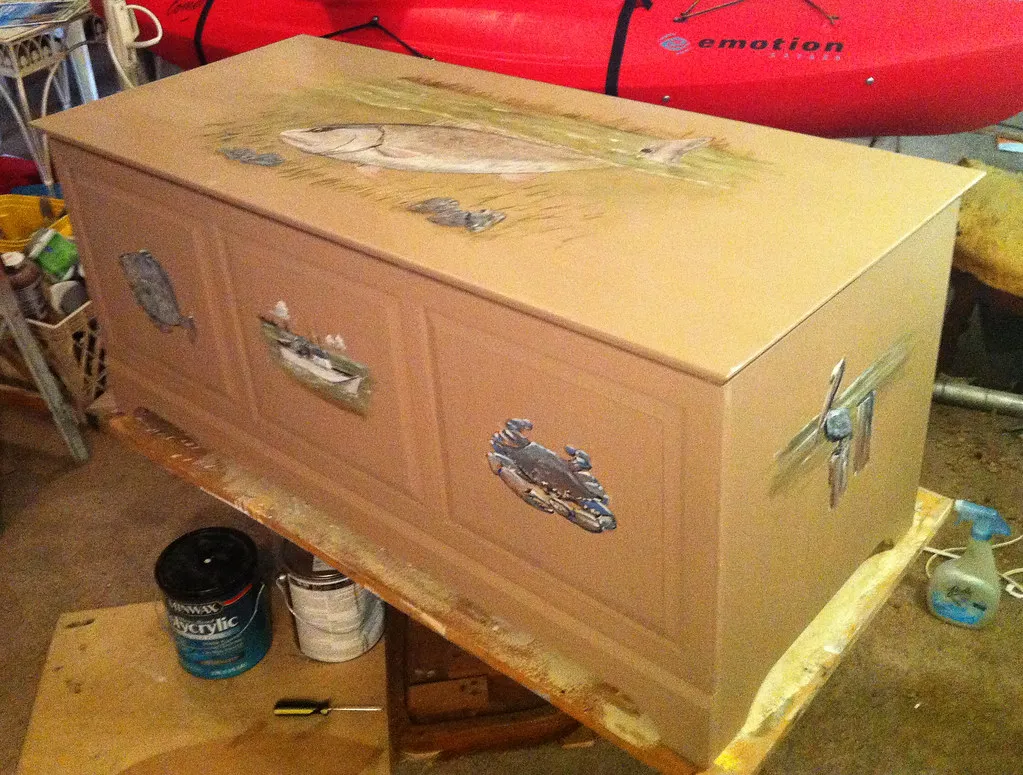
Consumers in some regions choose statement items, particularly opulent types with mahogany, gold leaf, and hand-painted features, reflecting a preference for large and lavish rooms with a sense of historic appeal. At the higher end of the market, hand-painted furniture never went anywhere. The United States luxury furniture market was valued at USD 6.0 billion in 2024, and it is expected to reach USD 7.3 billion by 2033. Artisan hand-painting holds a genuine premium here, far removed from weekend DIY projects.
Once the wood has been cleaned, sanded, and hand-painted with intricate designs and patterns by a skilled artisan, the result is a unique and beautiful piece of furniture with a vintage charm that also promotes sustainability. Hand-painted reclaimed furniture is the perfect way to add a touch of personality and character to any living space. The craft, when done well, commands real respect and real prices.
The Rise of Intentional Upcycling Artisans
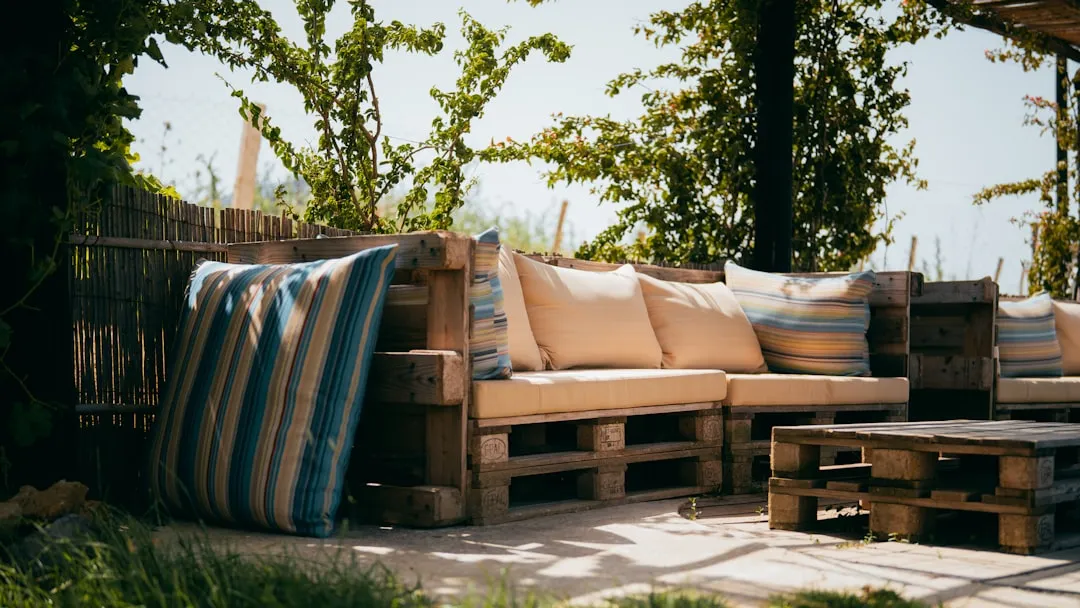
The upcycled furniture market is expected to reach $6 billion by 2033 and is growing at a compound annual growth rate of 13% between 2025 and 2033. That growth rate is notable. Reclaimed and recycled wood accounted for nearly half of the recycled furniture market in 2025 and is projected to expand at an 8.11% compound annual growth rate through 2031. Wood is the material of choice, and hand-finishing and hand-painting remain central techniques in giving reclaimed wood pieces their final character.
Transforming old furniture through painting isn’t just about creativity. It’s a sustainable way to breathe new life into cherished pieces. The artisan upcycler occupies a genuinely different space from the casual DIYer who was painting everything white in 2015. There’s more skill, more intentionality, and increasingly, more of a market.
Social Media Changed How the Craft Gets Shared

The development of digital platforms and online tutorials has made it easier for individuals to learn painting techniques, thereby broadening the consumer base for furniture paints. TikTok, Instagram Reels, and YouTube Shorts transformed furniture painting into a spectator sport. The before-and-after reveal, compressed into sixty seconds, turned ordinary makeovers into viral content. Communities of millions watch and learn techniques they then apply at home.
Pinterest trends also highlight DIY projects using distressed finishes and metallic accents. Visual platforms continue to drive awareness and experimentation. The audience may be more selective than it was at the peak of the chalk-paint craze, but it’s deeply engaged and constantly generating new ideas.
Antique Pieces and the New Respect for Original Finishes
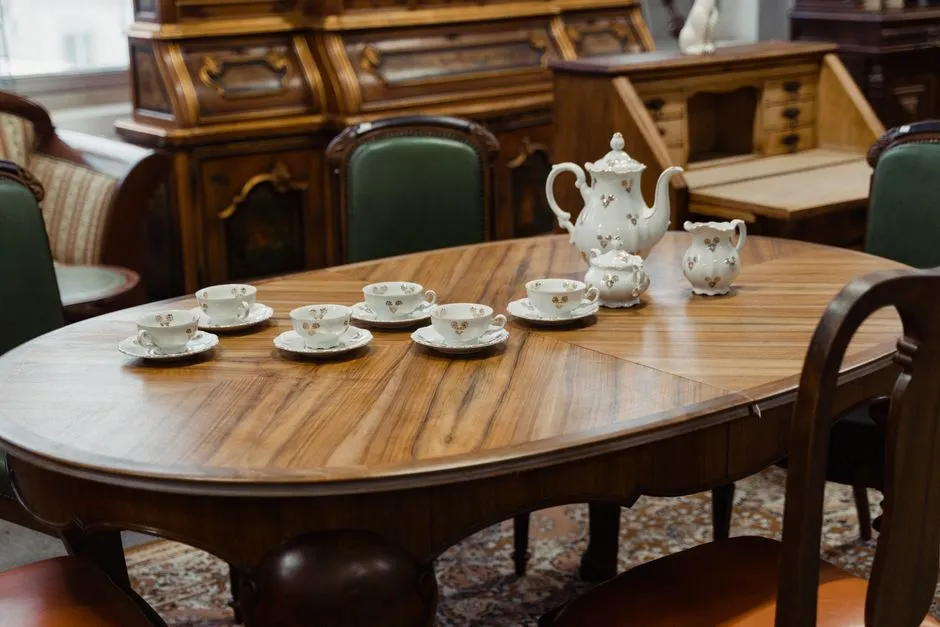
Painting antique furniture remains a popular choice for homeowners seeking to blend timeless pieces with contemporary decor trends. The nuance, though, matters enormously now. For true antique pieces made by smaller makers, or those showing particular excellence in craftsmanship, 2025 points toward leaving them in their original finish. This isn’t the death of the practice. It’s a refinement of it. The culture is growing up.
If an old piece has seen better days or looks like it’s on the way to the trash heap, a neutral paint color can still be a great way to revive it. A piece that is not a high-quality antique, just an everyday dresser from a thrift store or an old kitchen table, is a perfectly valid candidate. The principle is sound. The execution just requires more thought than it once did.
Where Things Stand in 2026
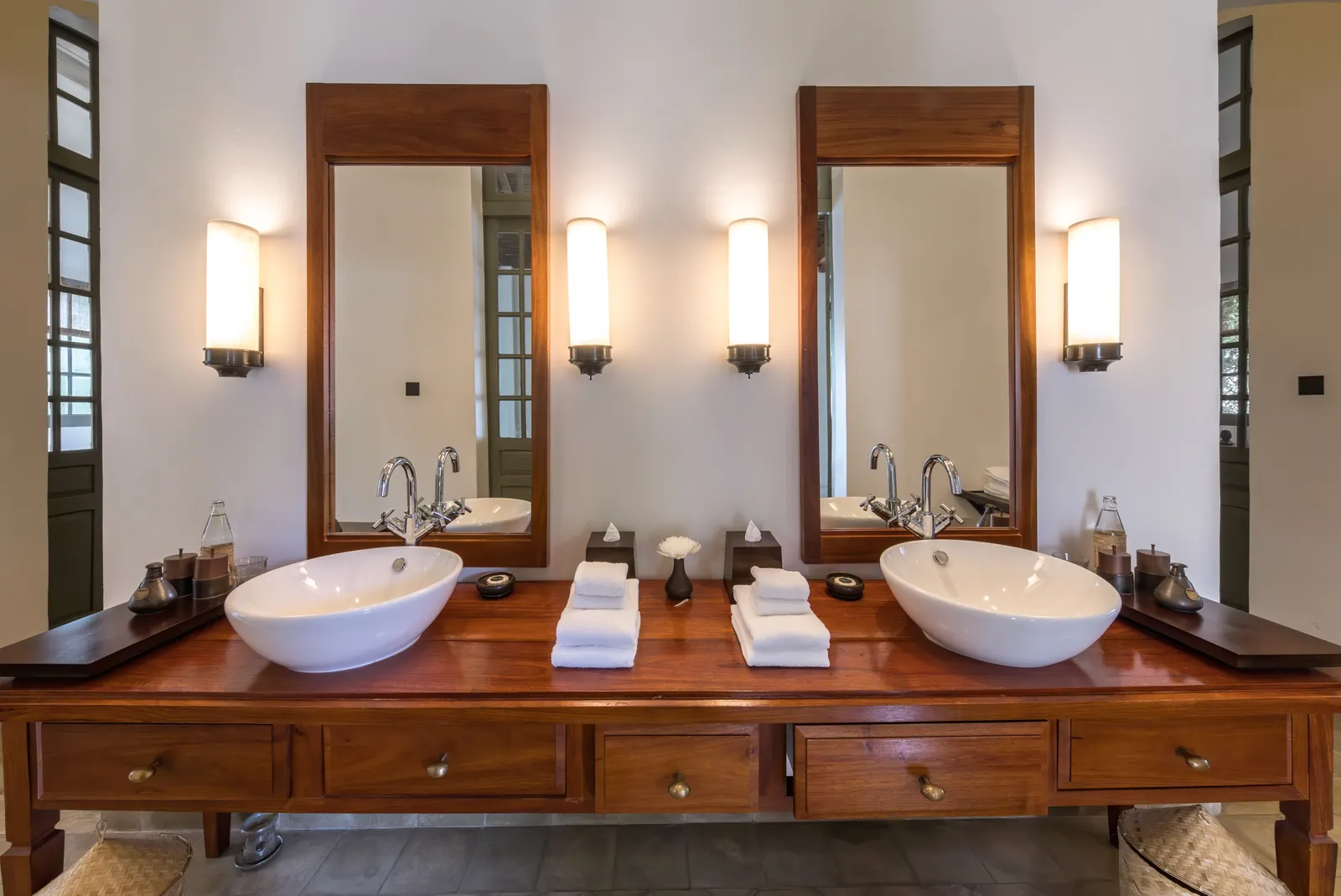
Painted furniture is a design trend that is here to stay. The colors and techniques used will come in and out of style as moods change. That honest assessment holds up. The painted furniture market in 2025 reflects a blend of timeless aesthetics, functional innovation, and sustainability. The mass wave peaked and receded. What’s left is more durable.
Furniture upcycling is a cornerstone of 2026’s home decor crafts, turning forgotten items into functional art. Hand-painting sits at the heart of that movement. The craft never vanished. It simply shed the parts that were trend rather than tradition, and kept the parts that were genuinely worth keeping.
The Quiet Staying Power of a Practiced Skill
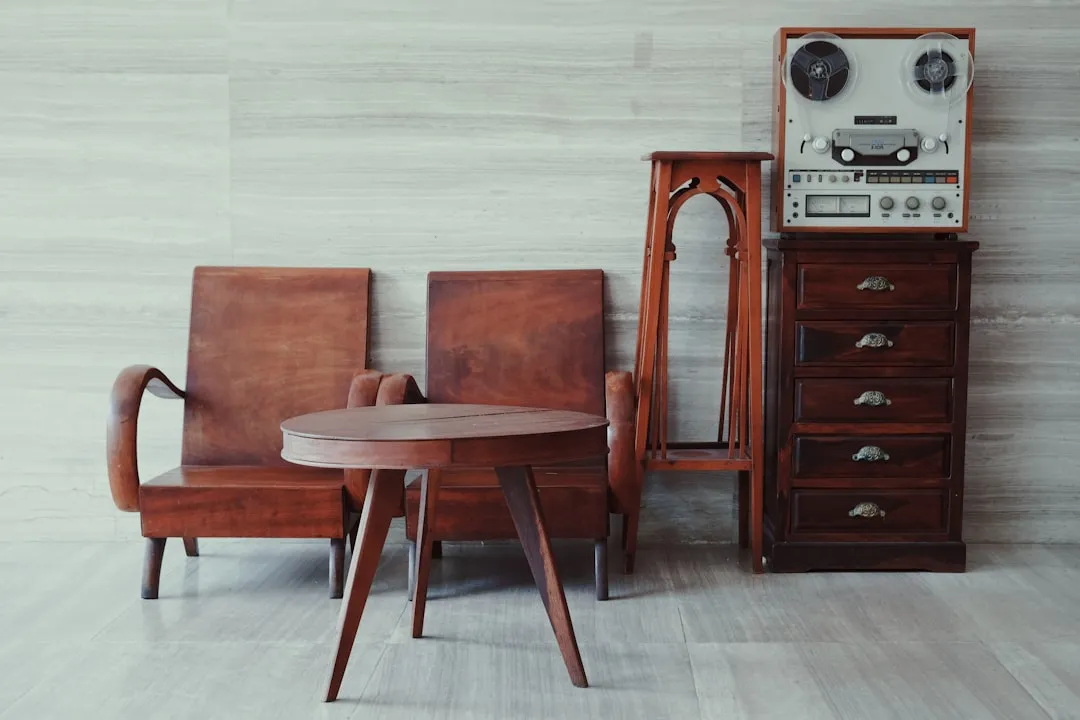
What’s telling about the hand-painted furniture story is how it mirrors what happens to most creative movements. The initial explosion attracted everyone. The refinement phase asked for more. And what remained was a committed community of people who actually love the work, understand the materials, and keep learning.
The furniture paint market continues to grow, the secondhand market is expanding rapidly, and sustainability culture has given the whole practice a new sense of purpose. In 2025, upcycled home decor isn’t just a trend. It’s a movement towards creativity, sustainability, and personal expression. Hand-painted furniture is part of that movement, alive and evolving, just past the stage where everyone was doing it for the same reasons.
AI Disclaimer: This article was created with the assistance of AI tools and reviewed by a human editor.