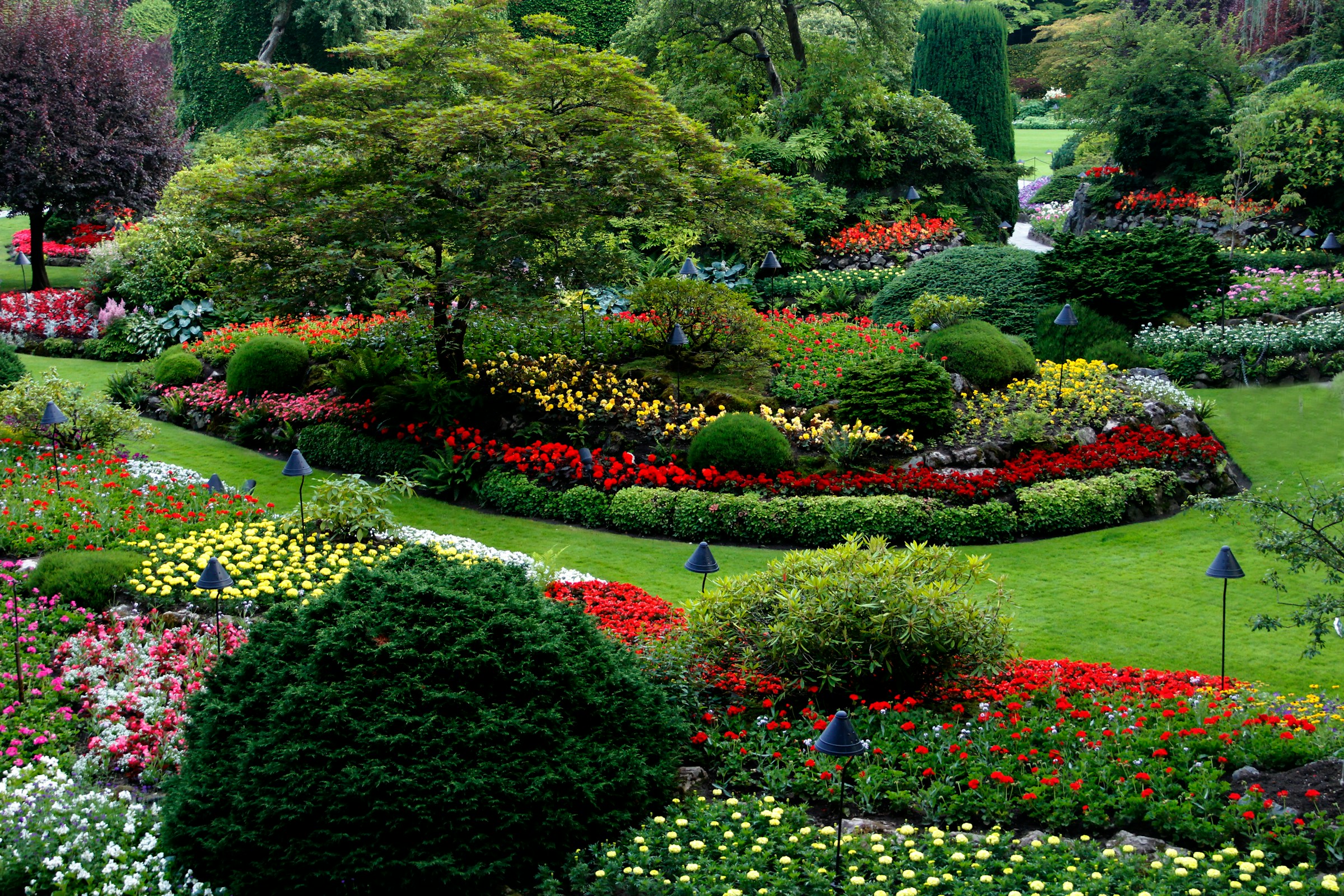

There was a time when no suburban lot felt complete without a tucked-away patch of garden dedicated entirely to flowers meant for cutting. Zinnias in rows, dahlias staked against summer winds, sweet peas threading up a wire fence. That patch wasn’t decorative in the usual sense. It existed purely so you’d have something beautiful to bring inside.
The cutting garden has never quite disappeared, but it has shifted. Its story is tangled up with import economics, wellness culture, a new generation of home gardeners, and a growing unease about where our flowers actually come from. Here is where things stand now.
The Cutting Garden’s Long History
Cut flower production has a long and distinguished history, with roses, carnations, and chrysanthemums cultivated for centuries in many parts of the world. For much of the 20th century, the home cutting garden was simply the most practical way to have fresh flowers in the house. You grew them yourself, you cut them yourself, and they were on the table by dinner. There was no supply chain involved.
American-grown flowers used to account for nearly two-thirds of the flowers sold domestically, according to data from 1991. That statistic says something important about how central domestic growing once was to the entire flower experience, whether commercial or private. The backyard cutting garden existed inside a culture that still expected flowers to come from nearby soil.
How Imports Changed Everything
However, since 1991, and shortly after the introduction of the Andean Trade Promotion and Drug Eradication Act, the number of domestically grown flowers sold in the U.S. has been on the decline, with roughly half of North American flower farms going out of business due to competing, cheaper prices of flowers grown in South America. That single policy shift had ripple effects that reached all the way into domestic backyards.
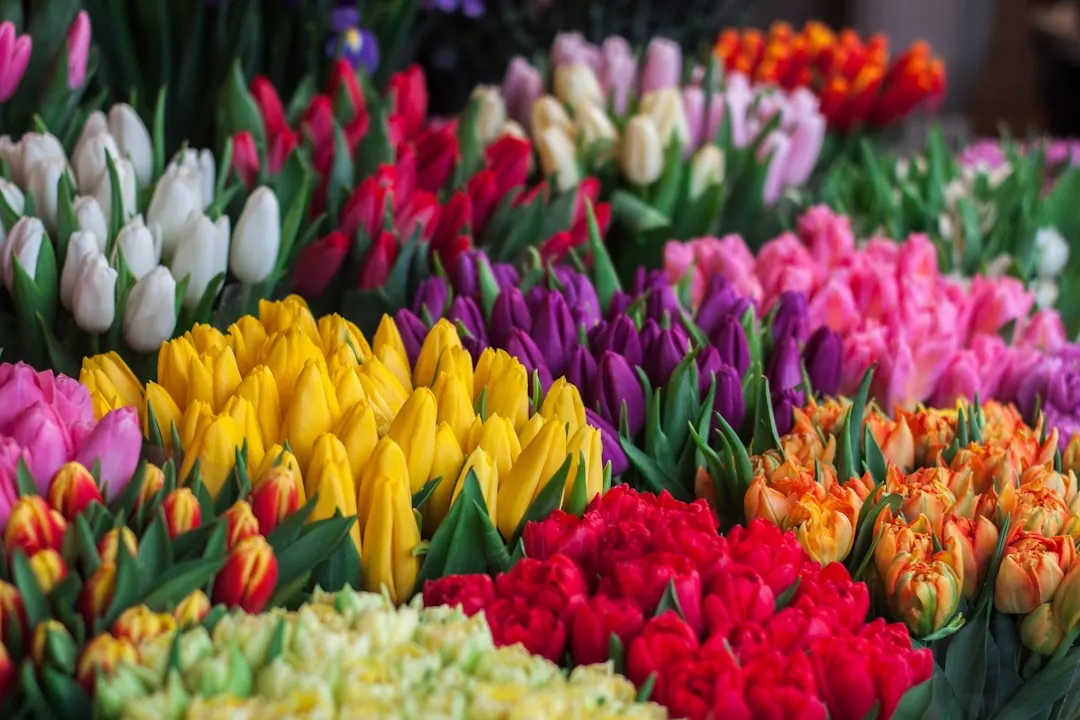
Americans now purchase around 10 million cut flowers daily, spending close to $7 billion annually, and the vast majority – about four out of every five flowers sold in the U.S. – are grown internationally in climate-optimal countries such as Ecuador, Colombia, and Kenya. When flowers became this cheap and this available, the practical argument for growing your own weakened considerably. Why tend a cutting bed through May if a grocery store has a ready bouquet at the door?
The Gardening Boom That Quietly Followed
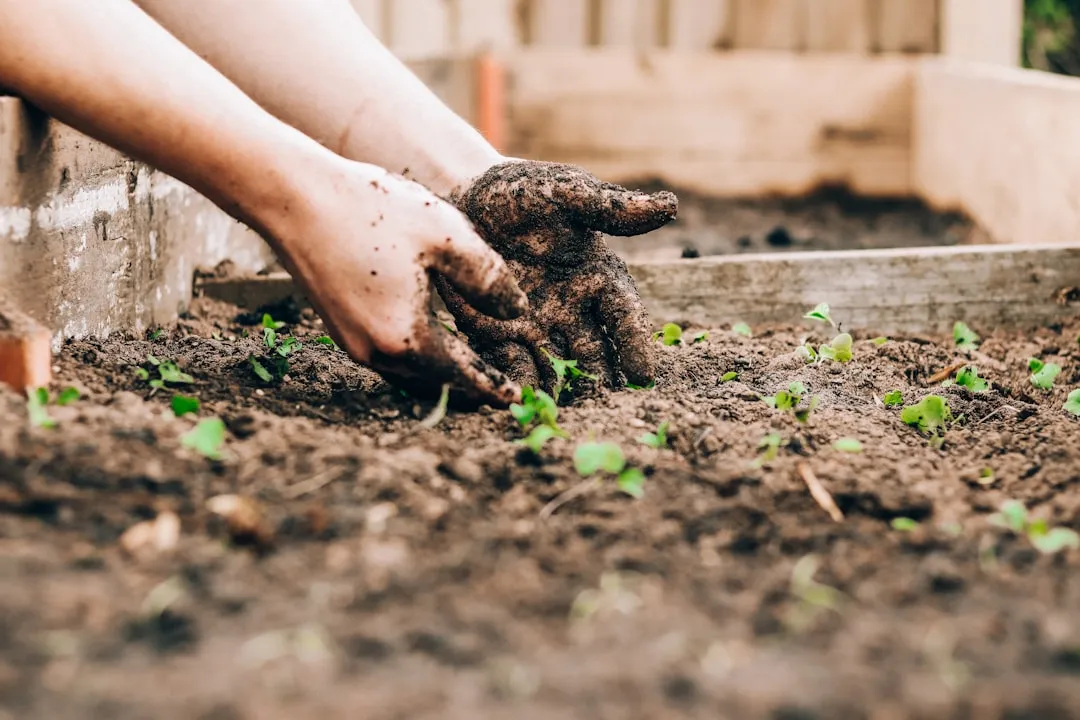
The Covid pandemic created 18.3 million new gardeners, most of whom are millennials, and 42 percent of gardeners spent more time gardening during that period. This was the most significant surge in home gardening participation in decades. People found themselves with time, outdoor space, and an urgent need for something living to tend.
In 2024, more than seven in ten Gen Z respondents and more than three-quarters of Gen Y respondents planned to plant more and expand their gardens. With the global gardening market valued at over $150 billion and growing at roughly 5 percent annually, gardening has evolved from a simple hobby into a lifestyle choice. That kind of momentum doesn’t fade quickly, and for many newer gardeners, cut flowers were a natural next step.
What the Numbers Say About Flower Growing Today
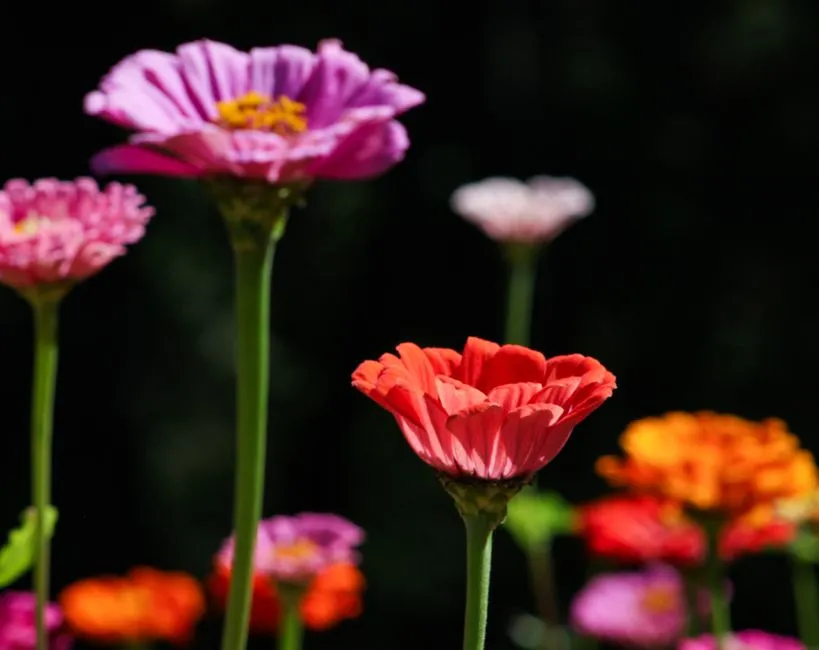
Despite the advantages of greenhouse production, growing flowers conventionally is on the rise in the United States. In 2022, more than 31,000 acres of flowers were grown in the open, an increase of 33 percent from the 2017 census. That is a substantial jump. It suggests that both backyard gardeners and small-scale commercial growers are returning to outdoor, in-ground cultivation.
The 2026 National Gardening Survey documents what it calls the most consequential year for the gardening market since the pandemic: roughly 4.5 million households left gardening in 2025, even as total spending reached an all-time high of $79 billion, a 13.5 percent increase over 2024, and per-household spending climbed to a record $740. Fewer people are gardening, but those who are doing it are spending more and doing it more seriously. That tracks with a dedicated cutting garden ethos.
The Slow Flowers Movement and What It Means for Backyard Growers
Debra Prinzing, a writer from Seattle, launched the slow flower movement with her books “The 50 Mile Bouquet” in 2012 and “Slow Flowers” in 2013, drawing a clear parallel to the slow food movement and its celebration of farm-to-table connections. The logic was straightforward: if we’d started asking where our tomatoes came from, why weren’t we asking where our roses came from?
What some are calling the “slow flower movement” encourages buyers to be more mindful of the floral industry’s ethical and environmental footprint, with one clear path being the support of local flower farms, which also gives community members the opportunity to connect more with native species and natural blooming timelines. For home gardeners, this framing gave the cutting garden a new kind of meaning. It stopped being merely a hobby and started feeling like a considered choice.
The Environmental Case for Growing Your Own
The global cut flower industry is fraught with many of the same environmental and ethical issues that can accompany fruit and vegetable production, including worker exploitation, the unregulated use of pesticides and other harsh chemicals, and carbon emissions from shipping and refrigeration. These aren’t minor concerns. The supply chain behind a supermarket bouquet is considerably longer and more resource-intensive than it looks.
Imported flowers have gotten more expensive for both retailers and consumers following the imposition of 10 percent tariffs on imported flowers in 2025. That price pressure has quietly made homegrown flowers more competitive on pure cost terms. Many imported flowers are grown with large amounts of pesticides and take long, carbon-intensive journeys before reaching a local florist or grocery store, often wrapped in single-use plastic headed straight for the landfill.
A New Generation Rediscovering the Cutting Bed
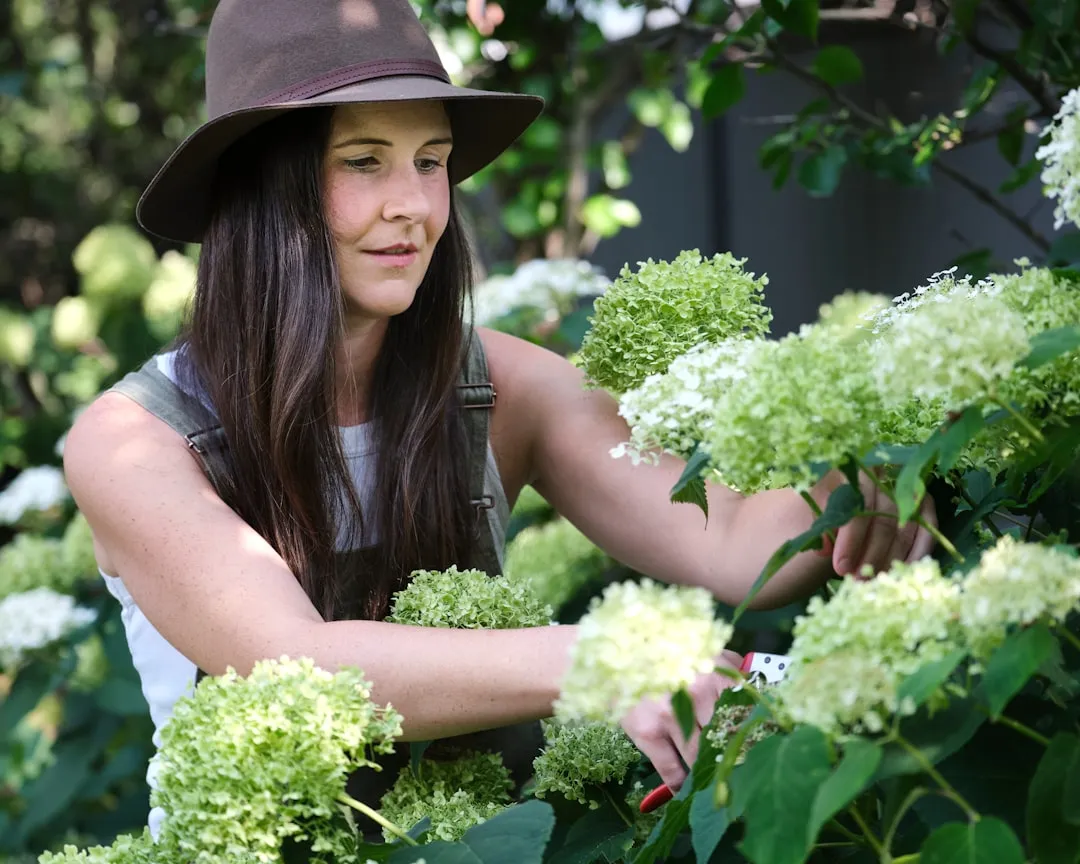
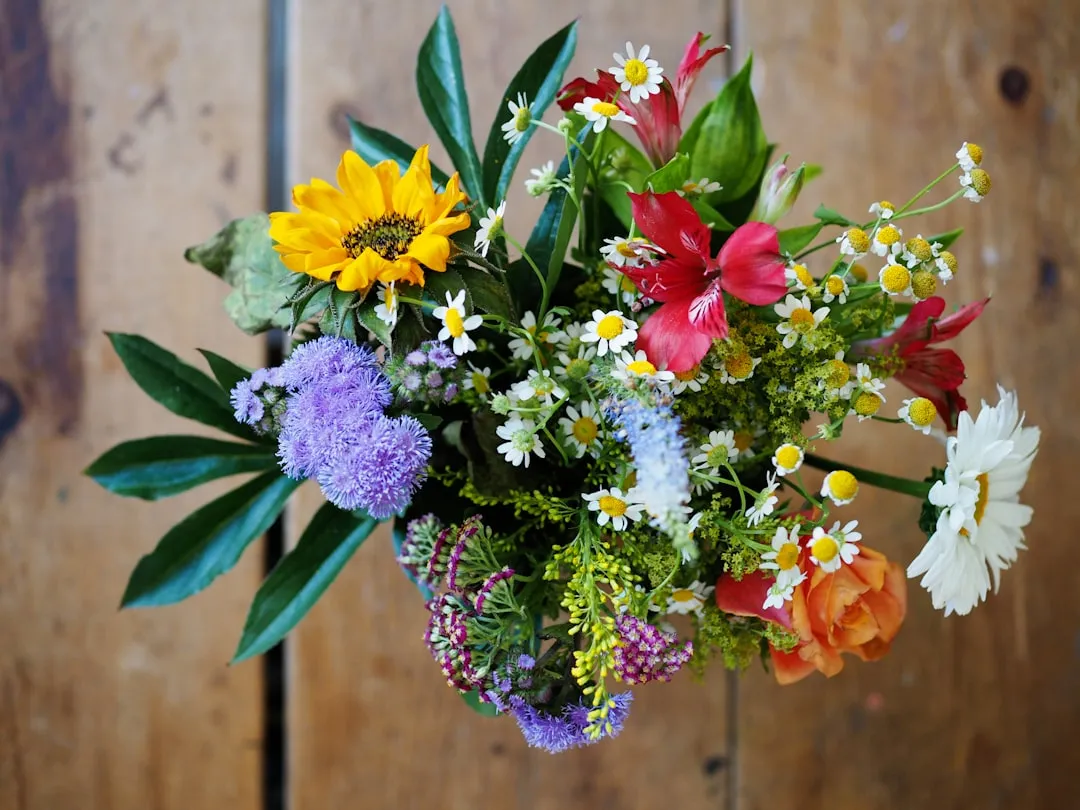
The rise of boutique flowers in recent years highlights a strong interest in buying florals locally, and this has inspired gardeners to grow their own flowers in a cutting garden, making their own floral designs by foraging flowers from their surroundings. Social media has played a genuine role here. Images of dahlia hauls and lush zinnia harvests spread the idea that a backyard cutting garden is both achievable and rewarding.
Studies have shown that roughly two-thirds of interested people aged 18 to 34 consider themselves garden lovers. Interest in gardening is still growing, and the millennial generation grows at a higher rate than any other age group, taking over baby boomers in gardening demographics. This younger cohort tends to want gardens that do something, gardens that produce, whether food or flowers.
The Practical Reality: Small Space, Real Results
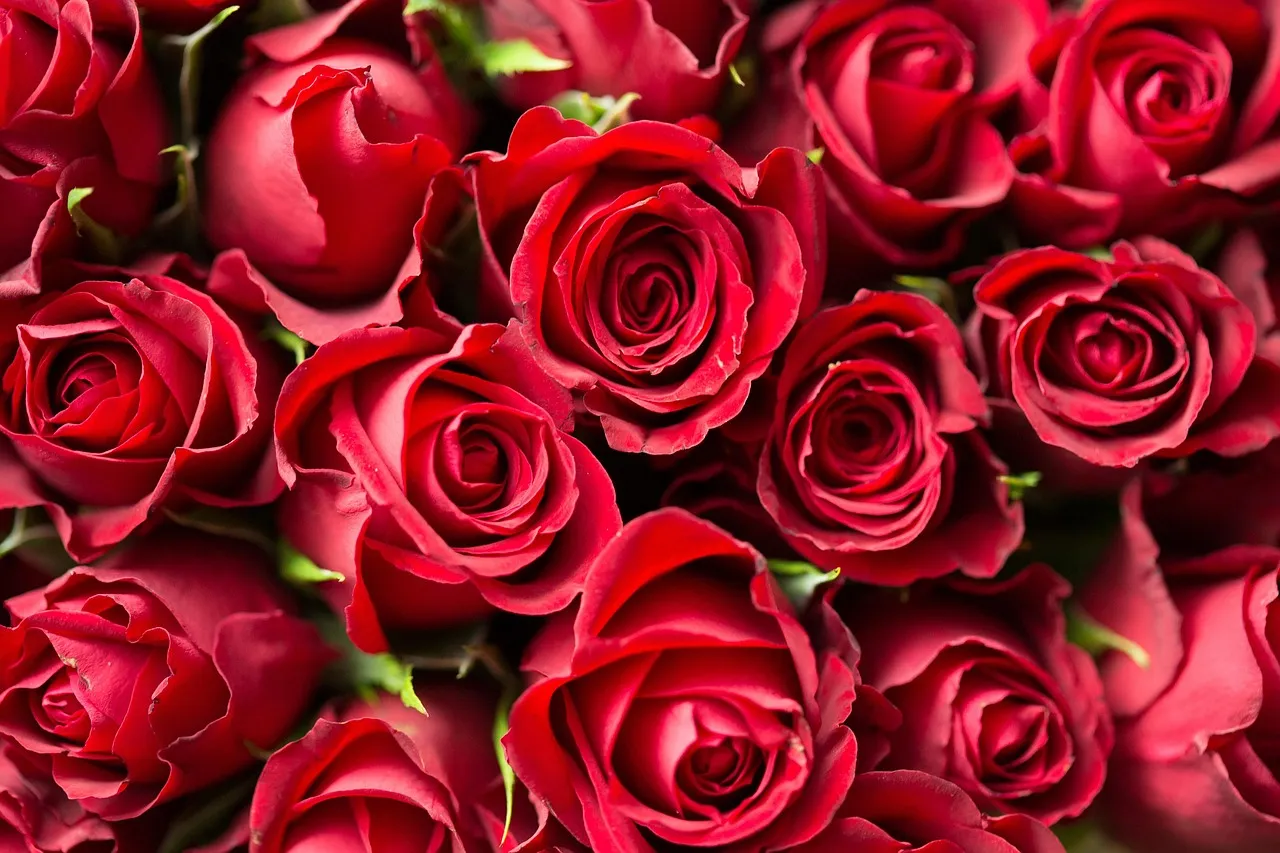
You don’t need acres of land to grow armfuls of blooms. Whether you have a sprawling backyard or just a sunny balcony, a cutting garden can be scaled to your space and time, and even one raised bed can support a micro-cutting garden. This is probably the most important practical shift of the last decade. The cutting garden shrank from a dedicated plot to something far more flexible.
A single 4-by-4-foot bed packed with fast-growing annuals like zinnias, cosmos, and snapdragons can yield more than 20 bouquets in one season. That’s a meaningful return for a modest footprint. The USDA also found that cut flowers are the highest value-added crop for small-scale farmers with under a hundred thousand dollars in revenue, ranking above any other category including livestock. The math works at the household level too.
Where the Flower Garden Fits into 2025 and 2026 Garden Trends
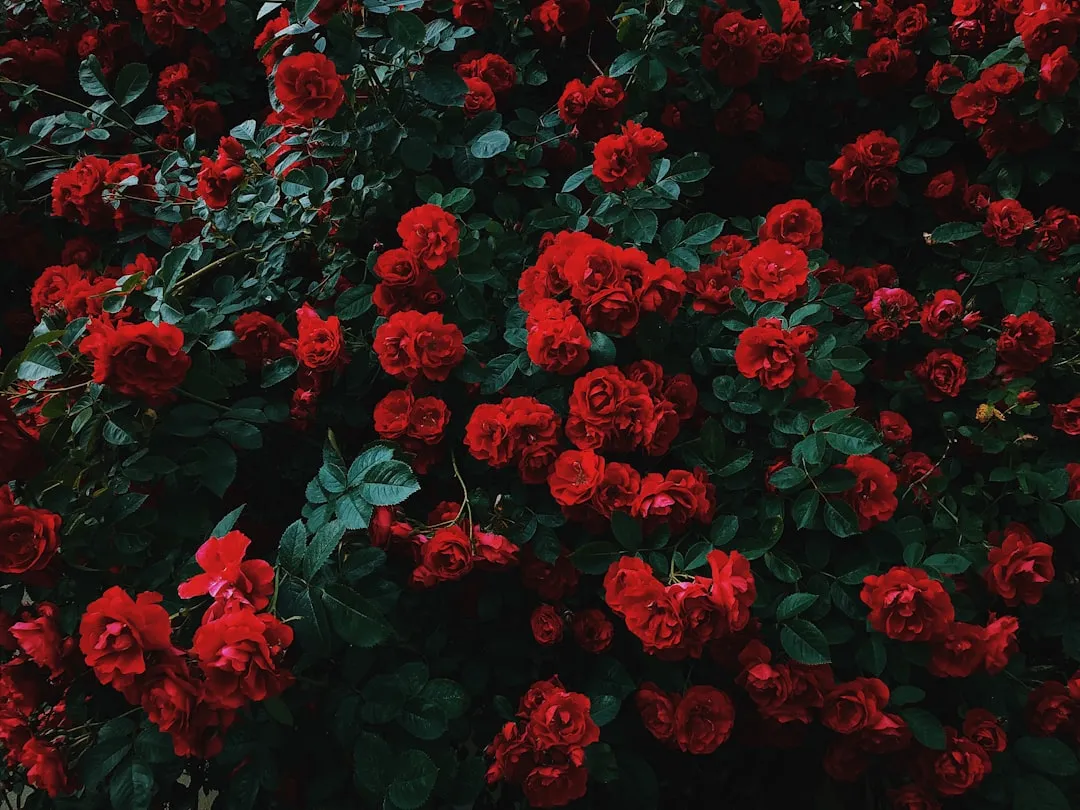
There is a noticeable increase in requests for nostalgic touches in the garden to bring a sense of comfort and familiarity. The cutting garden fits neatly into this mood. The 2025 garden landscape has embraced fragrant, romantic gardens inspired by vintage aesthetics and historical eras. Peonies, sweet peas, and heirloom roses, the classic cutting garden plants, are all beneficiaries of this turn.
Multiple scientific studies have linked gardening to emotional well-being and an increased sense of accomplishment and happiness, with research from UNC Health and Princeton University finding that gardening fosters self-esteem, relieves stress, anxiety, and depression. A cutting garden adds an extra layer to that. You get the therapeutic act of growing, then the pleasure of arranging, then the lasting satisfaction of flowers on your table that you grew yourself.
The Cutting Garden’s Quiet Comeback
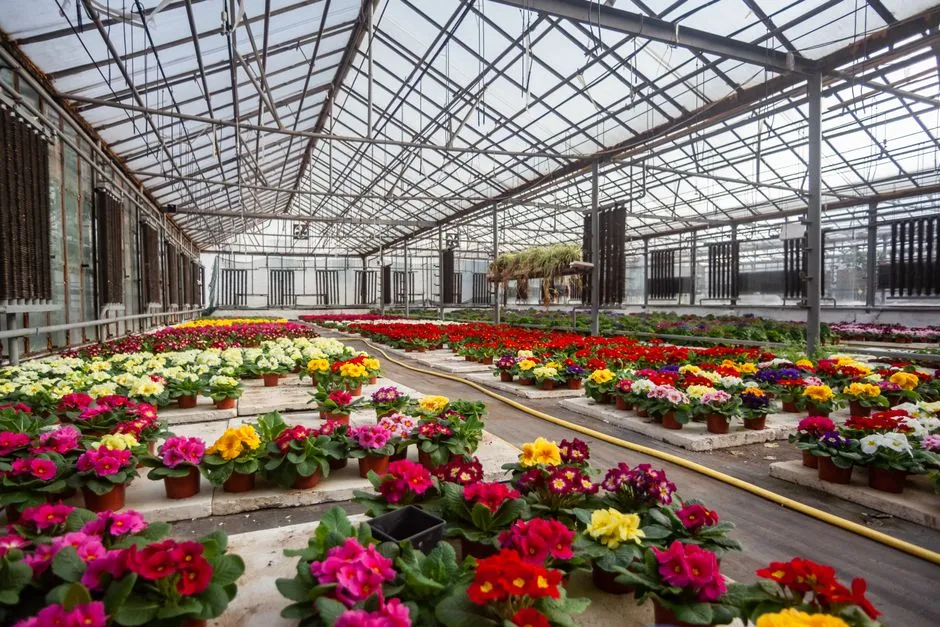
The United States floriculture market size in 2026 is estimated at around $7.9 billion, growing at over 5 percent annually, with demand resilience stemming from renewed consumer interest in home décor, rising per-capita spending on gifting, and expanding urban gardening programs that emphasize locally grown blooms. The word “locally grown” keeps appearing. That’s not coincidence.
As of late 2023, the Slow Flowers Community had nearly 700 members across the United States and Canada, predominantly small-scale growers, producers, and designers working to transform the flower industry by leveraging the field-to-vase philosophy. The slow flowers movement creates real opportunities for small-scale local growers and florists who can market their products as fresher and with a lower carbon footprint. The backyard cutting garden sits at the heart of all of that.
The Takeaway
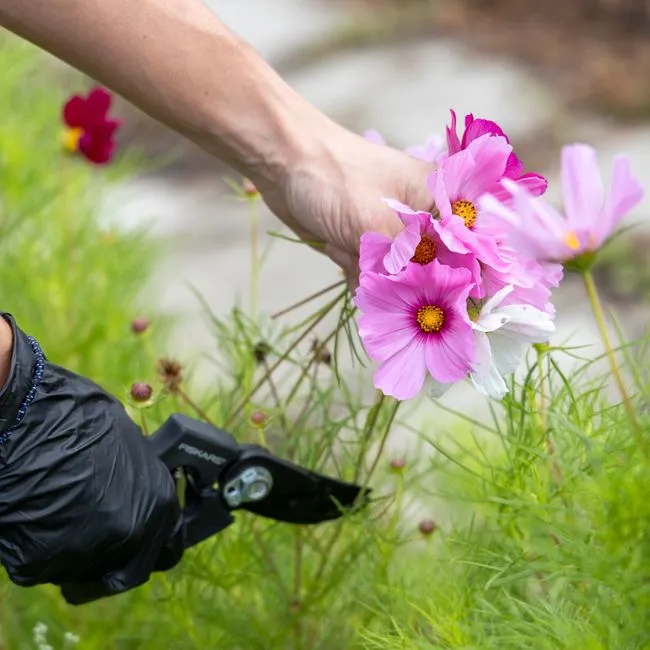
The backyard cutting garden never really went away. It retreated, got squeezed out by cheap imports and busy schedules, and then quietly found its footing again through a combination of pandemic-fueled gardening interest, growing environmental awareness, and a genuine cultural hunger for things that are local, handmade, and connected to a season.
What changed is the framing. The cutting garden is no longer just a practical patch of blooms. It’s a small, rooted act of intention in a world that has made flowers into a global commodity. Whether that’s a raised bed of zinnias or a row of dahlias along the back fence, the idea behind it feels more relevant now than it has in years.
AI Disclaimer: This article was created with the assistance of AI tools and reviewed by a human editor.