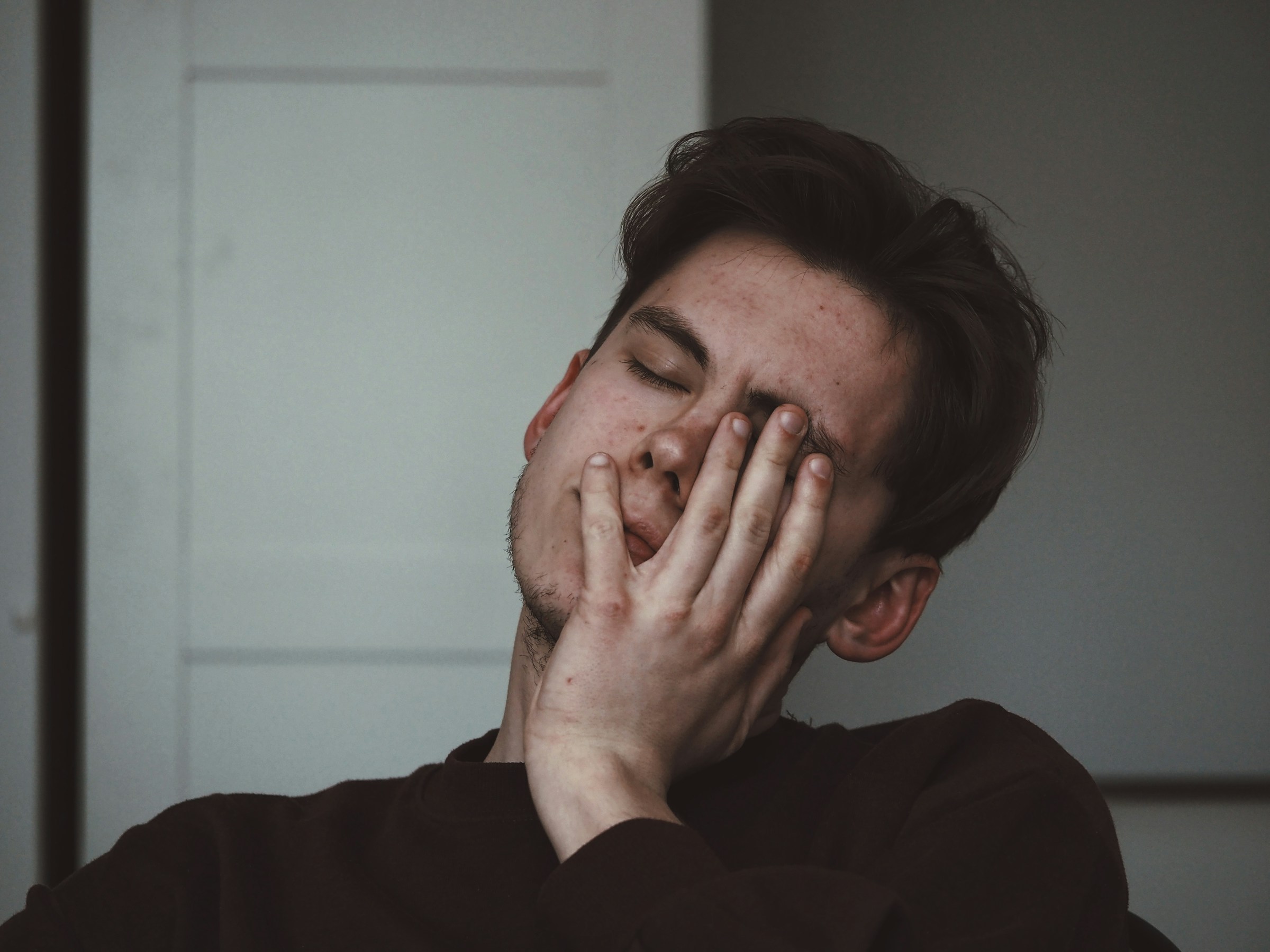

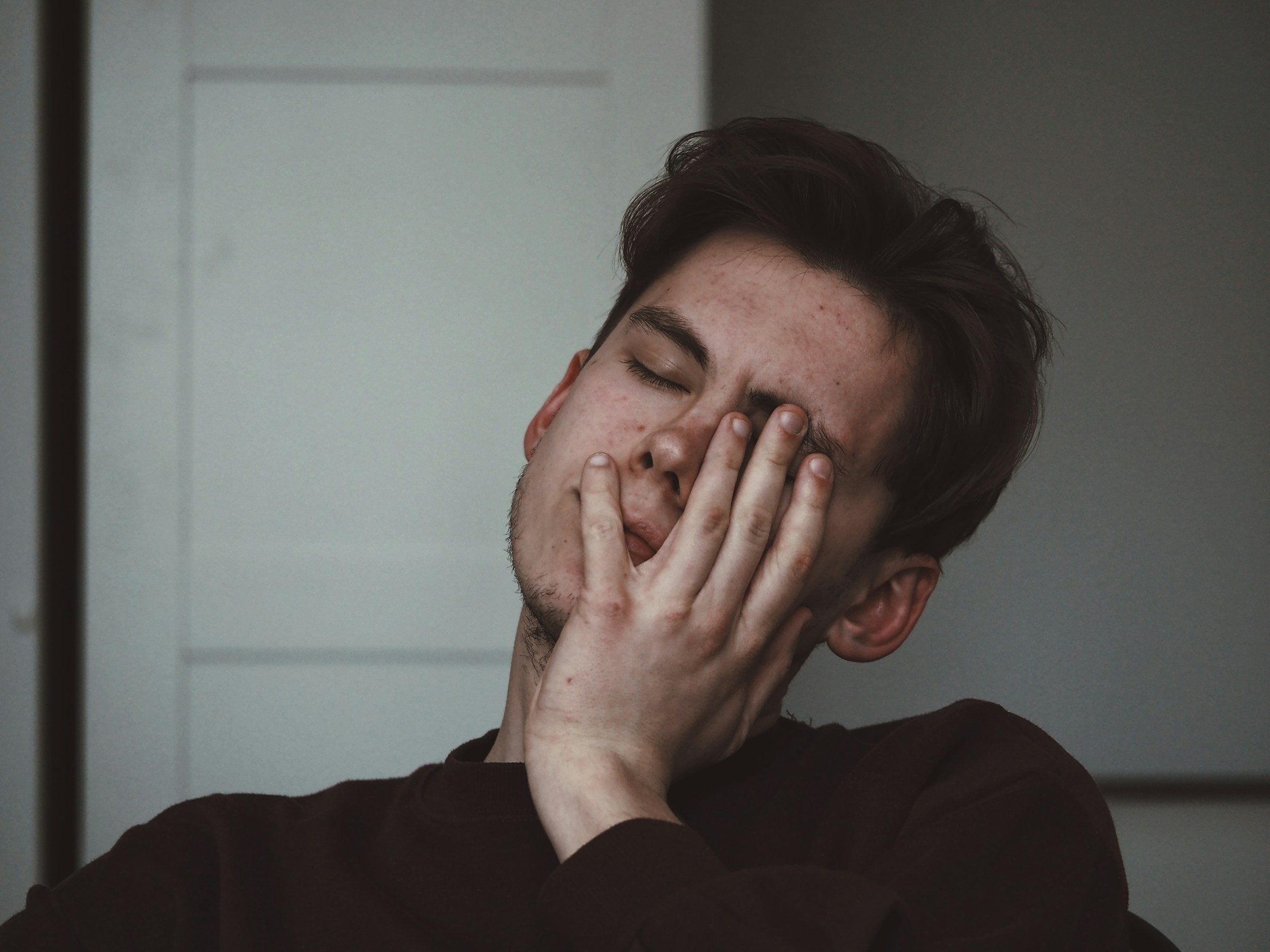
Most people assume that logging eight hours in bed is the finish line. You hit the pillow, you close your eyes, you get your hours – so morning should feel fresh. Except it often doesn’t. You wake up groggy, slow, and somehow more exhausted than when you lay down.
The frustrating truth is that sleep duration and sleep quality are two very different things, and the number on your clock tells only part of the story. There are several well-documented reasons why eight hours of sleep can still leave you running on empty.
Sleep Quality Beats Sleep Quantity Every Time

The through line in studies and surveys is that sleep duration and sleep quality are not the same thing. You can spend eight hours in bed while your body cycles poorly through sleep stages, waking in fragments without ever fully recovering.
Sleep occurs in cycles, each containing different stages: light sleep, deep sleep, and REM sleep. Each stage serves specific functions, from physical restoration to memory consolidation. Simply lying in bed for eight hours doesn’t guarantee you’re getting enough of each crucial stage.
According to a nationwide research team on sleep quality, sleep quality is superior to sleep quantity as an index for assessing sleep, and restfulness obtained through sleep is a useful index for assessing sleep quality. In short, broken or shallow sleep is not the same as restorative sleep, no matter how long it lasts.
You Might Simply Need More Than 8 Hours
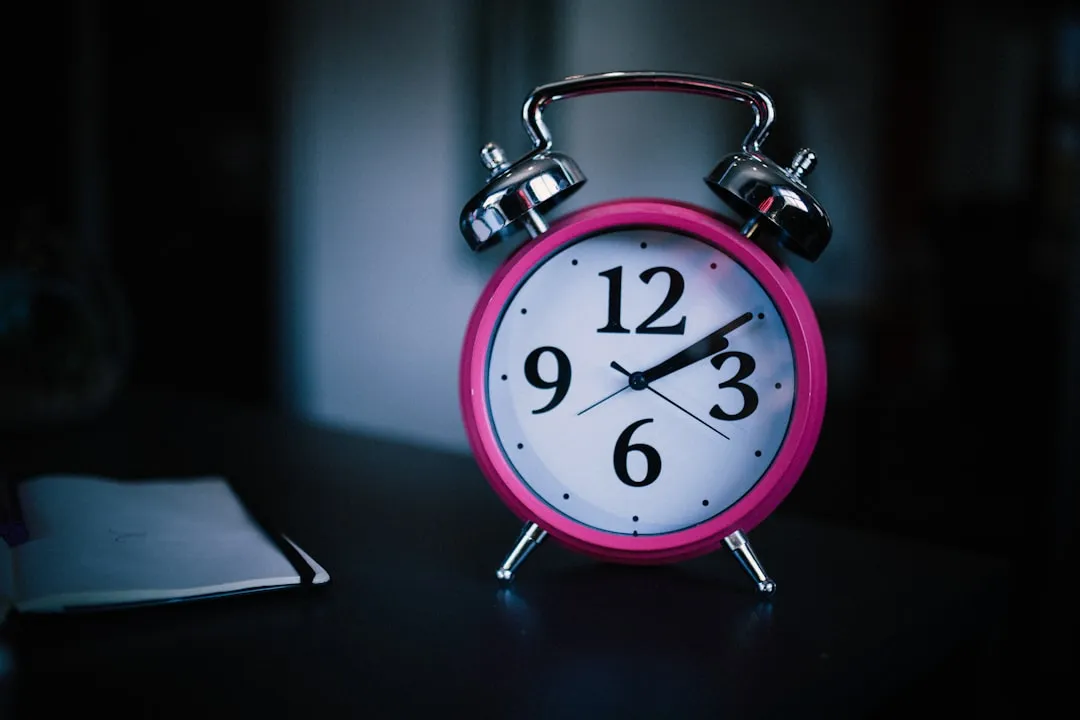
Despite what you might hear, we don’t all need eight hours of sleep. How much sleep you need is based on genetics and unique to you. For some people, eight hours is genuinely not enough to feel restored.
Data from nearly two million RISE users aged 24 and up found that nearly half needed eight hours or more of sleep. Some needed up to 11 hours 30 minutes. That’s a significant range, and it challenges the idea that eight hours is a universal answer.
Eight hours of sleep may not do for one person what it does for another. Some people need closer to nine hours to function well, while others feel fine with seven. Recognizing your individual sleep need is a more useful starting point than following a blanket recommendation.
Sleep Inertia: The Science of Morning Grogginess
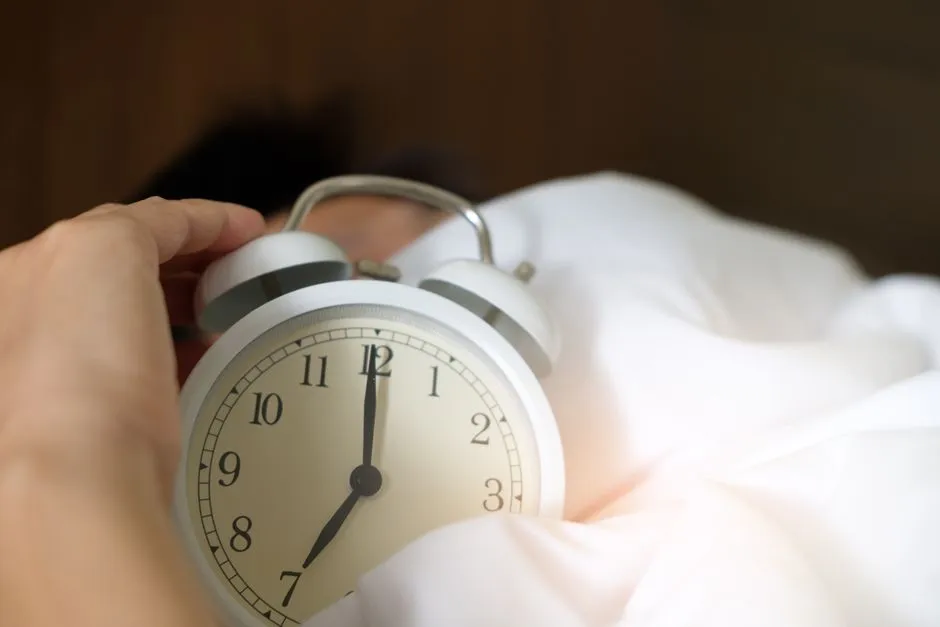
Sleep inertia refers to the cognitive and sensory-motor impairments that take place immediately when waking up. It occurs when a person wakes suddenly from a deep sleep. That heavy, disoriented feeling you know so well has a name and a biological explanation.
Research shows it takes around 15 to 30 minutes for alertness to reach pre-sleep levels. The issue becomes more pronounced if you wake at the wrong point in your sleep cycle, such as during slow-wave deep sleep rather than lighter REM sleep.
The cause of sleep inertia is not entirely understood. The prefrontal cortex can take longer than other areas of the brain to become fully active after waking. This explains why decision-making and mental clarity feel sluggish in those first waking minutes, regardless of how long you slept.
Your Circadian Rhythm May Be Misaligned

Your body follows a natural sleep-wake rhythm called the circadian rhythm. It tells you when to feel sleepy and when to wake up. When this rhythm is off, waking up can feel nearly impossible.
Chronobiology research highlights the concept of social jet lag – a mismatch between your natural sleep-wake cycle and your social obligations such as work, school, or family. Going to bed and waking at inconsistent times disrupts this internal clock, even when total sleep hours look fine on paper.
Consistent sleep and wake times help stabilize the circadian system. Reducing evening bright light exposure allows cortisol to decline and melatonin to rise. Without that stability, your body never quite settles into the rhythm it needs to deliver genuinely refreshing sleep.
Undiagnosed Sleep Apnea

Obstructive sleep apnea is a chronic condition characterized by recurrent pauses in breathing caused by the collapse of the upper airways, which results in intermittent hypoxia and arousals during the night. Many people with this condition have no idea they have it.
Sleep apnea causes repeated breathing interruptions, leading to poor sleep quality and excessive morning grogginess. Even if you stay in bed for a full eight hours, those micro-arousals throughout the night prevent you from reaching or sustaining deep, restorative sleep stages.
If you snore or wake up with headaches, it could be a sign of an underlying sleep condition. A formal sleep study remains the only reliable way to confirm a diagnosis, and treatment can make a dramatic difference in morning energy levels.
Caffeine Is Quietly Wrecking Your Sleep Architecture

Caffeine consumption, especially close to bedtime, can affect how quickly you fall asleep, shorten total sleep time, and alter the normal stages of sleep. The problem is that many people underestimate how long caffeine lingers in the body.
The half-life of caffeine varies dramatically between individuals, ranging from two to ten hours in healthy adults. Genetics drive much of this variation. People with a particular variant of the CYP1A2 gene metabolize caffeine more quickly, while others clear it far more slowly.
A 2025 study reported by ScienceDaily found that caffeine affects brain electrical complexity during sleep, influencing how the brain processes and recovers overnight, with effects differing by age. So that afternoon coffee may be doing more damage to your night’s sleep than you realize.
Alcohol Disrupts the Second Half of Your Sleep

Subjective sleep quality is consistently rated as lower following alcohol consumption. Alcohol may help you fall asleep faster, but it fragments the later hours of your sleep cycle in ways that are difficult to feel in the moment.
Research found that alcohol consumption predicted almost a four percent average decline in sleep quality. That decline compounds over time. Regular evening drinking gradually erodes the REM sleep your brain depends on for cognitive recovery and emotional regulation.
Long-term alcohol use can lead to a reduction in overall sleep quality, which in turn affects physical and mental health. The sedative effect of alcohol creates an illusion of good sleep, while the actual restorative stages are being quietly shortchanged through the night.
Chronic Stress Keeps the Brain in Surveillance Mode

The stress system is designed to remain active in the presence of unfinished demands. Recovery occurs only after the brain disengages its monitoring systems. When that disengagement doesn’t happen, the body may be inactive, but physiological recovery remains incomplete.
Stress and anxiety can cause daytime sleepiness, even after eight hours of sleep. This happens because the nervous system remains in a low-level state of alertness throughout the night, preventing the deep physiological rest that sleep is supposed to provide.
The brain needs to genuinely feel safe to fully enter restorative sleep states. Small, repeatable cues – closing a laptop, dimming lights, stepping away from notifications – can act as signals that the day is complete. When that signal is consistent, vigilance subsides, parasympathetic tone strengthens, and the brain’s reward system gradually recalibrates.
Smartphone Use Before Bed Is More Damaging Than You Think
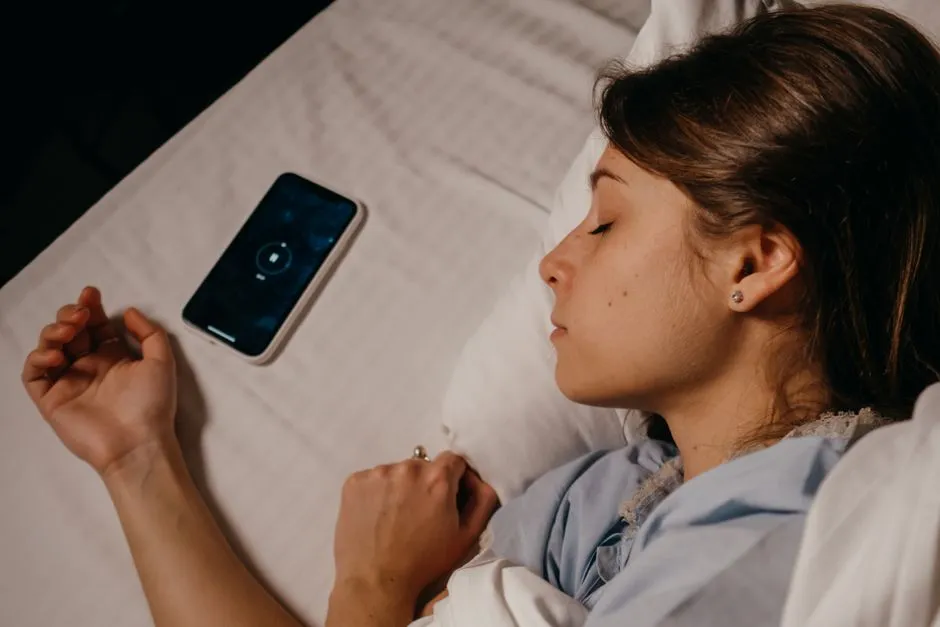
A 2025 study in Frontiers in Psychiatry found that higher levels of smartphone dependence were strongly associated with poorer sleep quality and greater psychological distress – even among people who deliberately carved out time to rest. This is one of the more sobering findings from recent sleep research.
The problem isn’t simply that screens push bedtime later. It’s that even when people protect eight hours and the lights go out on schedule, the physiology of restoration may fail to engage. The brain remains too activated to fully downshift into deep sleep.
Scrolling keeps the mind engaged with stimulating content at precisely the time it needs to be winding down. Researchers are now looking beyond bedtime and into the biology of how the body recognizes that it’s safe to let go. Screen use in the hour before sleep may be one of the most underappreciated culprits behind persistent morning fatigue in 2025 and 2026.
The Scale of the Problem Is Larger Than Most People Realize
Roughly three quarters of adults in the United States said daytime sleepiness sometimes, often, or always affected their daily activities, according to a 2025 American Academy of Sleep Medicine survey. That is a striking figure for a country where eight hours of sleep is the standard advice given to nearly everyone.
Another more than half of respondents said they relied on caffeine, while nearly half said they needed naps to stay alert during the day – despite getting adequate sleep the night before. This creates a cycle where stimulants further compromise the next night’s sleep, deepening the problem over time.
Lack of quality sleep could result in greater fatigue, decreased cognitive functioning, mood shifts, lower immune function, and changing metabolism. The downstream effects touch nearly every system in the body, making persistent morning tiredness far more than just a minor inconvenience worth ignoring.
What This Means for You
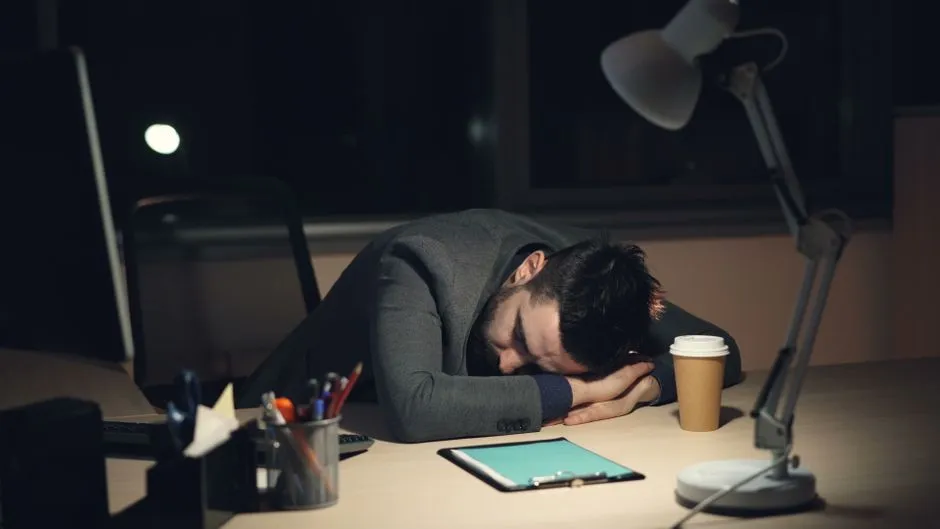
The eight-hour rule has never been the whole picture. Sleep is a complex biological process, not a simple countdown timer, and waking up tired after a full night in bed usually points to something specific: poor sleep architecture, a misaligned body clock, an undiagnosed condition, or lifestyle habits that quietly undermine your recovery.
Identifying which of these factors applies to you is where the real work begins. Tracking patterns, examining evening habits, and – when persistent tiredness continues – consulting a sleep specialist are all reasonable next steps. The goal isn’t more hours. It’s genuinely restorative ones.
AI Disclaimer: This article was created with the assistance of AI tools and reviewed by a human editor.