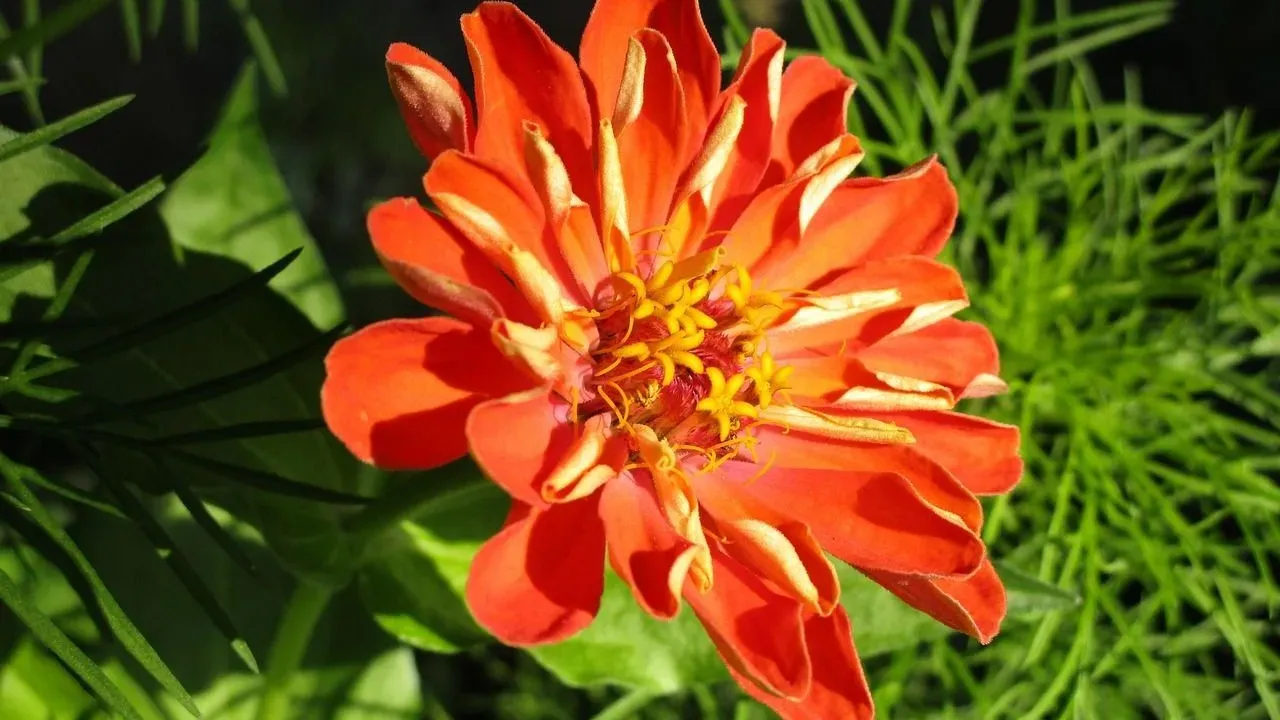

Gardeners often seek reliable ways to expand their flower beds without repeated purchases. Stem cuttings from zinnias provide one such route. Placed in water, these cuttings develop roots and become ready for planting within a few weeks.
A Straightforward Path to More Blooms
Propagation through cuttings offers a direct alternative to starting from seed each season. The process relies on the plant’s natural ability to form new roots from stem sections. This method keeps the characteristics of the original plant intact while increasing the number available for the garden.
Home gardeners benefit most when they want consistent color and form across multiple beds. The approach reduces reliance on commercial suppliers and supports steady expansion over time. Results appear on a predictable schedule once the cuttings are set in water.
Water as the Rooting Medium
Water provides a simple environment where roots can emerge without soil complications. Gardeners select healthy stem sections and position them so the cut ends remain submerged. Regular checks ensure the water stays clean and the cuttings receive adequate light.
Within days, small root structures typically begin to appear at the base. The transition from cutting to rooted plant happens steadily rather than overnight. This stage requires minimal equipment beyond a container and fresh water.
Timeline From Cutting to Garden
The full cycle from initial cut to transplant-ready plant spans just a few weeks. Early root development sets the pace, followed by gradual strengthening of the new growth. Gardeners monitor progress to determine the right moment for moving plants outdoors or into pots.
Weather and light conditions influence the exact speed, yet the window remains short compared with seed germination cycles. Once roots reach sufficient length, the young plants adapt quickly to soil. This compressed schedule allows multiple rounds of propagation during a single growing season.
Practical Gains for Everyday Gardeners
The technique delivers new plants at little to no added cost. It also lets gardeners preserve specific zinnia varieties they already know perform well in their conditions. Over successive seasons, the same method supports larger displays without proportional increases in expense.
Stakeholders include both novice and experienced gardeners who value predictable results. The process fits into routine maintenance rather than demanding specialized skills. As a result, more people can maintain vibrant beds through simple repetition of the water-rooting step.
Repeated use of this approach builds a reliable supply of zinnias that matches the gardener’s own preferences and site conditions. The short timeframe keeps momentum high from one season to the next.
AI Disclaimer: This article was created with the assistance of AI tools and reviewed by a human editor.