


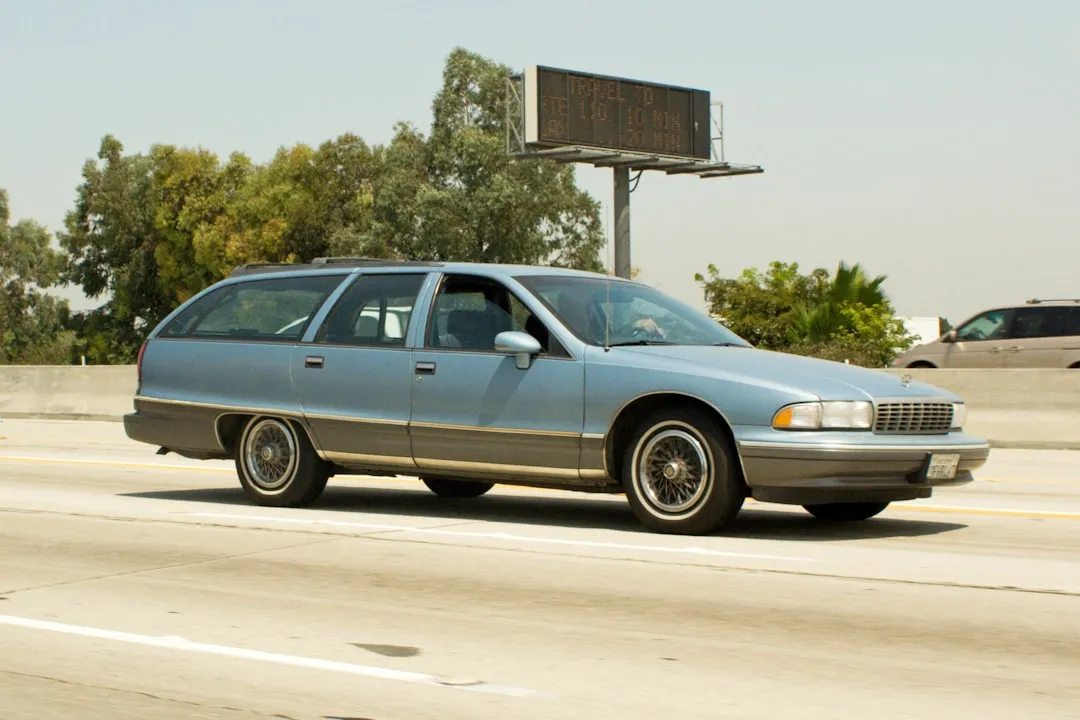
There was a time when the station wagon wasn’t just a car. It was practically the emblem of American family life. Long, low, often paneled in fake wood and loaded with kids, dogs, and overstuffed luggage, it showed up in every driveway and on every summer road trip from coast to coast. Then, quietly but decisively, it disappeared.
The story of the station wagon’s rise and fall is really the story of how American tastes, economics, and marketing all shifted at once. It’s worth asking: where exactly did it go, and what took its place?
How It All Began: From Train Depots to Family Driveways
The very first station wagons were called “depot hacks,” working primarily around train depots as taxicabs. The modified rear ends were designed to carry large amounts of luggage, since nearly everyone traveled by train and needed a vehicle that could move passengers and bags from the station to home. The name “station wagon” stuck for a reason that is easy to forget now.
The first Ford wagon was a wood-bodied Model T used mainly for transporting goods from train stations. In the 1930s, these vehicles remained firmly in upper-class territory, marketed for leisure travel to country estates and seaside retreats. They weren’t for everyone, not yet.
Station wagons took off in the 1950s, growing from less than three percent of US production car volume in 1950 to almost seventeen percent of the market by the end of the decade. In 1958, the top-selling body style in the Plymouth line was the station wagon. That’s how completely the format had transformed from a niche product into mainstream America’s vehicle of choice.
The Golden Era: Tail Fins, Wood Panels, and the Open Road
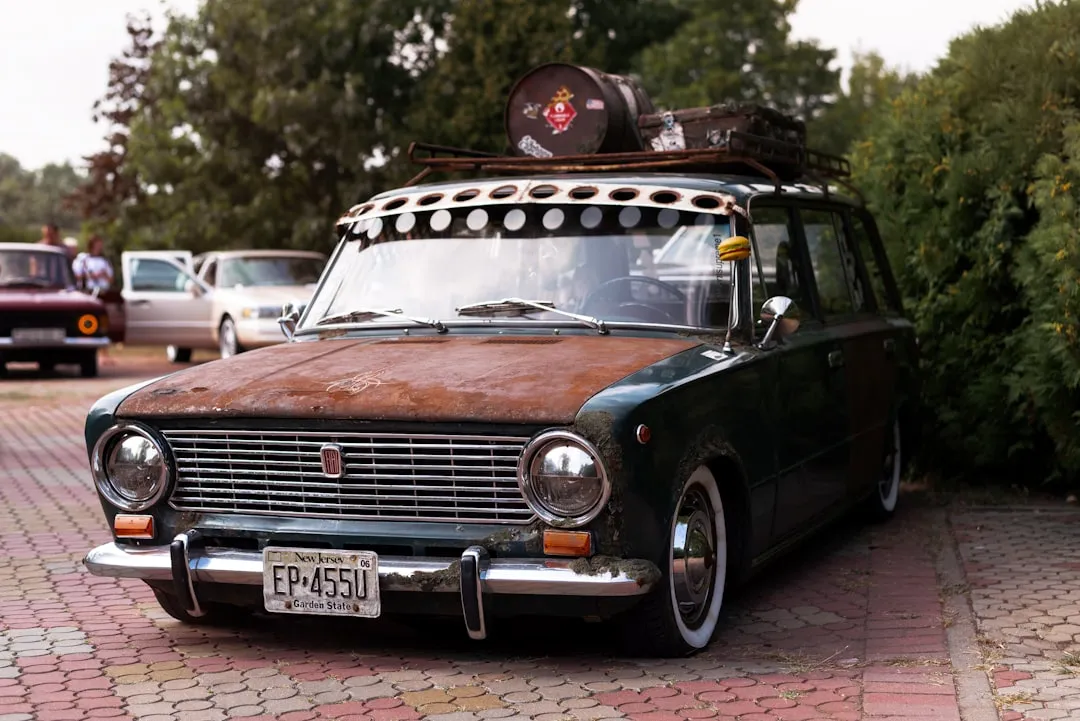
By the 1960s, station wagons were offered in many configurations, ranging from two-door to four-door variants, with even pillarless versions available on the consumer market. Around this time, the United States also saw the introduction of compact station wagons and varying interpretations of the tailgate.
Tailgates became an area of genuine innovation during this period, with two-way tailgates, three-way designs, sliding roof panels, liftbacks, side-by-sides, and other variations all being explored. The station wagon wasn’t standing still. Automakers were competing fiercely, and buyers had real options.
The 1950s represented some of the last gasps of pure automotive uniqueness, a period when manufacturers were not afraid to do something different just for the joy of it. That sense of adventure is a big reason why station wagons from this era are still held in such high regard by collectors and the general public alike.
The Oil Crisis and the First Real Threat

The end of the station wagon craze began in the 1970s. Like the muscle car segment, which was also in its golden era, the troubles facing the station wagon were exacerbated by the first gasoline crisis in 1973, along with the introduction of new emission standards in 1972.
This caused the decline of performance-focused models and engines, but also caused the sales of station wagons, especially full-sized station wagons, to drop significantly between 1974 and 1975. Big, thirsty family wagons were suddenly a hard sell when fuel lines stretched around the block.
Sedans and station wagons, the traditional standard-bearers among family transportation, were becoming smaller in response to concerns about pollution and fuel efficiency, and their passenger and cargo capacity was being reduced. The wagon’s core selling point, space, was shrinking alongside the car itself.
The Minivan Arrives and Changes Everything
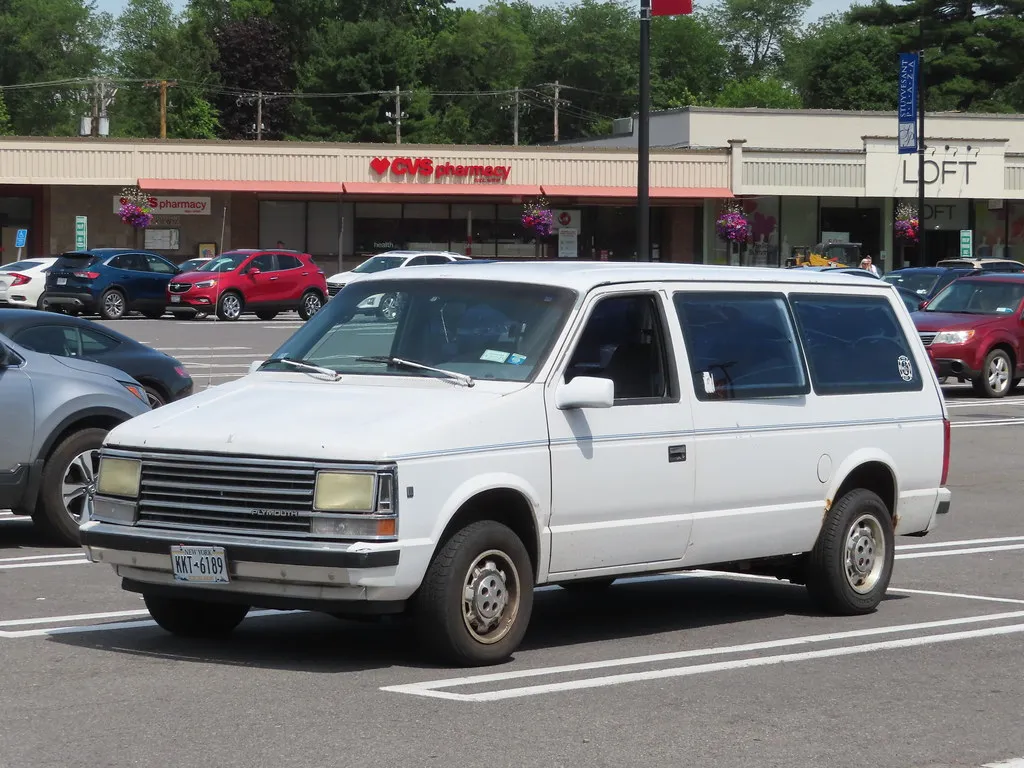
Under Lee Iacocca’s leadership, Chrysler bet heavily on the idea that the next generation of young families wanted something more practical than a station wagon. That bet, made during a period of serious financial difficulty for the company, would reshape American roads entirely.
In November 1983, Chrysler rolled out the Caravan and Voyager as 1984 models, and the minivan era was born. The minivan began a new trend in family vehicles, and the Dodge Caravan and others like it soon took market share directly away from the station wagon.
The introduction of the Dodge Caravan and Plymouth Voyager marked the start of the station wagon’s decline into obsolescence. Minivans performed the duty as family carriers better than station wagons could and were offered at a more approachable price point. The wagon simply couldn’t compete on those terms.
The SUV Delivers the Final Blow
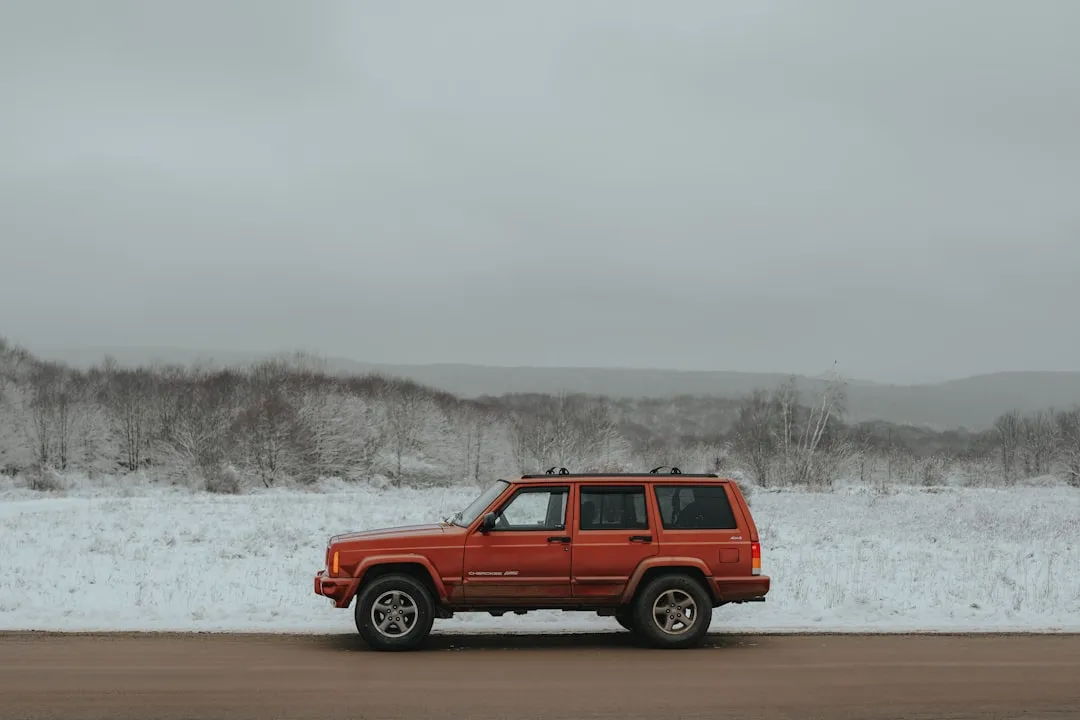
It was the 1980s that would mark the end of the station wagon’s grip on the American market, which was caused by the debut of the SUV body style as we know it today. The first SUV model resembling what we see on roads now was the Jeep Cherokee, which debuted in 1984.
The SUV offered the same carry-everything ability as station wagons, but benefited from lower price points and greater versatility. SUVs also had many of the luxury features consumers had enjoyed in station wagons. SUVs were simply a better pick for many consumers, and this, paired with minivan and pickup truck sales, contributed to the decline of station wagons.
In 2025, for every sedan sold in the US, nearly four SUVs rolled off the lot. That’s not a marketing blip; it’s a cultural shift that has been two decades in the making. The wagon never stood a realistic chance of reversing that tide.
The Last American Station Wagons
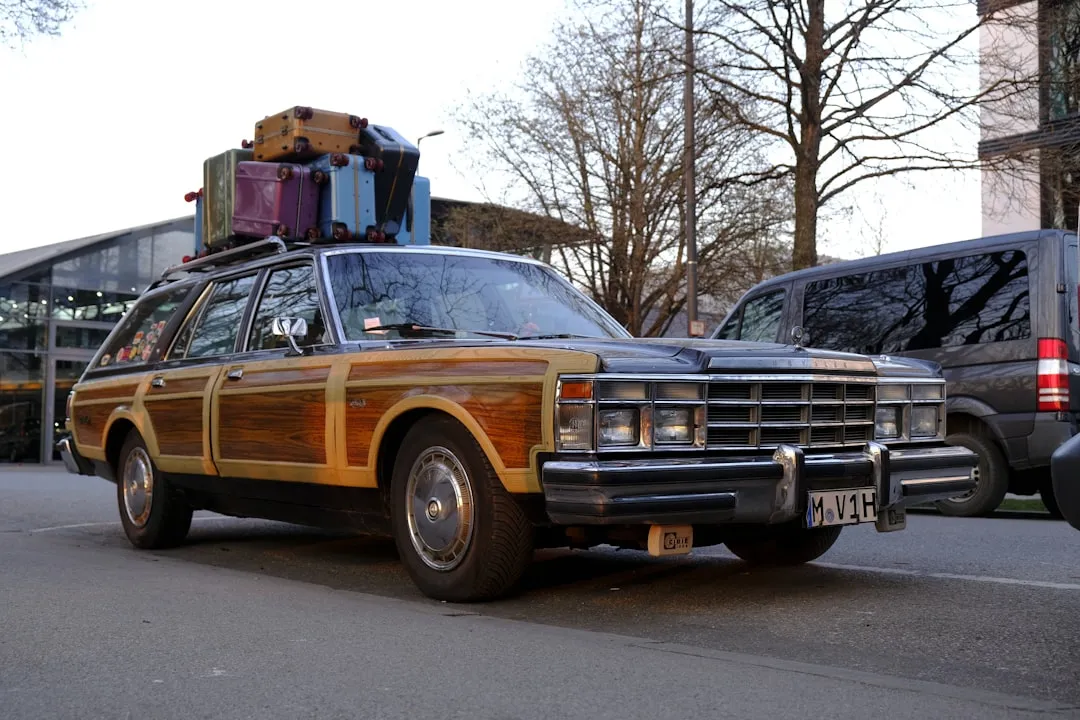
The final full-size station wagons made in America, the Chevrolet Caprice and Buick Roadmaster, were discontinued in 1996. That date is easy to overlook, but it marks something significant: the end of a vehicle class that had defined mainstream American motoring for nearly half a century.
The last American-made station wagon was the 2020 Buick Regal TourX, which was retired that model year. The Buick Regal had been around since the 1970s, and the station wagon body type had been a part of the brand, on and off, since its second generation. The departure of the TourX, while it passed with a whimper, felt like a major landmark on the American automotive timeline.
The station wagon, a body type effectively synonymous with the American road trip, vanished from the US at the same time as the pandemic was kicking off and had the country hunkering down, getting groceries delivered, and working from home. The timing, whatever its exact cause, couldn’t have been more final.
Where Do Station Wagon Sales Stand Today?
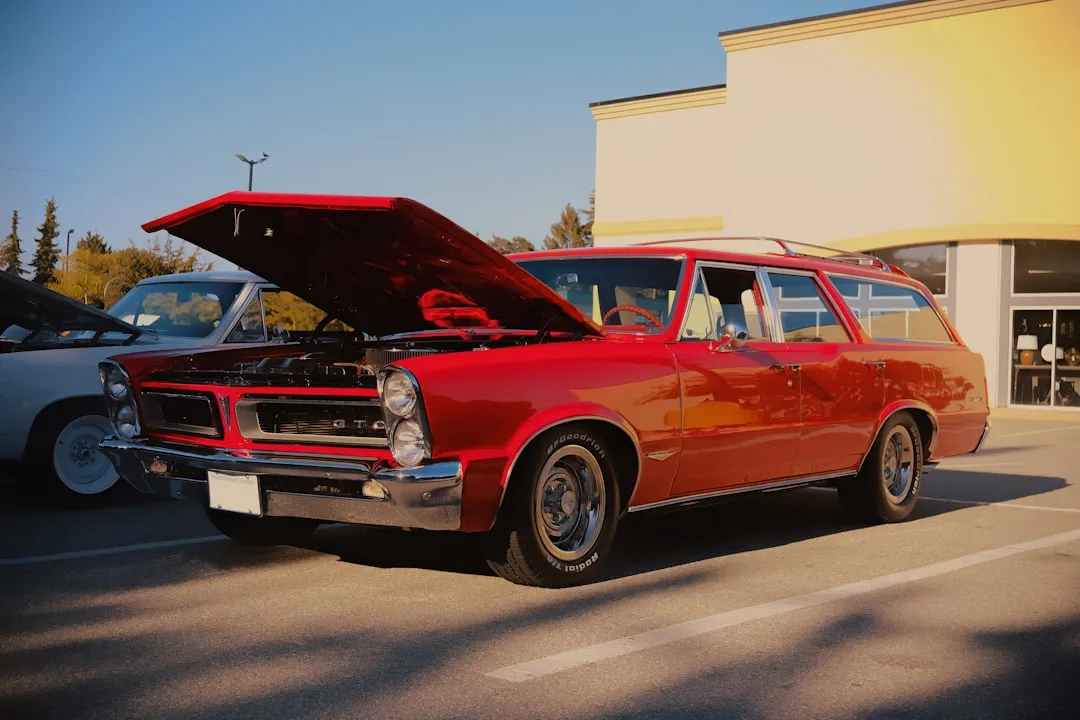
Wagons recently comprised just one percent of the roughly 15.5 million vehicles sold in the US in a given year. The lion’s share of those sales belonged to a single model, the Subaru Outback, which alone accounted for over 160,000 units. In stark contrast, fewer than 5,000 units of other wagon models were sold nationwide, representing a tiny fraction of all new car sales.
Auto Pacific predicts a steep decline until wagons are virtually eliminated from the market. By 2029, the research firm predicts there will be fewer than 500 station wagons sold in the US. That’s a staggering fall from the days when the wagon dominated showrooms.
Standard data providers for new vehicle sales don’t even break down wagons as a separate category anymore. Most of the time, they end up classified as a crossover or a hatchback. The station wagon has become difficult to even count, let alone sell.
Europe Still Loves the Long Roof
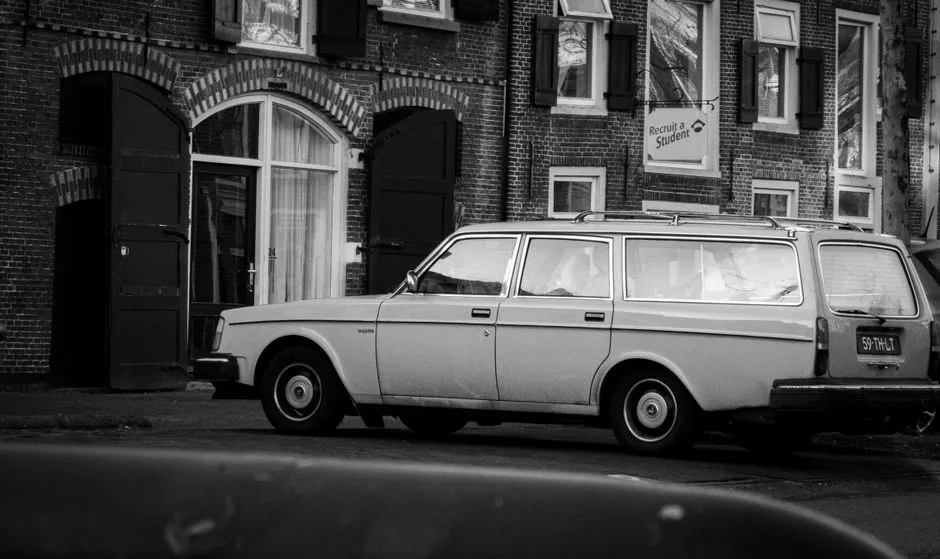
Europe continues to be a safe haven for the station wagon, even though these long-roof family machines have clearly lost some appeal due to the growing popularity of SUVs. Even after a significant sales drop, demand for station wagons in Europe is by far the highest in the world, with the continent representing nearly two-thirds of all global sales.
In Germany, it’s not uncommon to see an Audi RS6 Avant cruising at high speed on the Autobahn. Further north, station wagons are still very much valued as capable family vehicles in countries like Sweden and Norway, where they’re considered the ideal mode of transportation for difficult winter conditions.
In markets such as Italy, station wagons are considered quite cool. Consumers there barely consider a sedan and instead look at wagons as real family cars with a sporty, useful, and appealing soul. The cultural gap between Europe and America on this topic is wide and shows no sign of closing.
The Subaru Outback Lesson: Don’t Mess With Wagon Identity
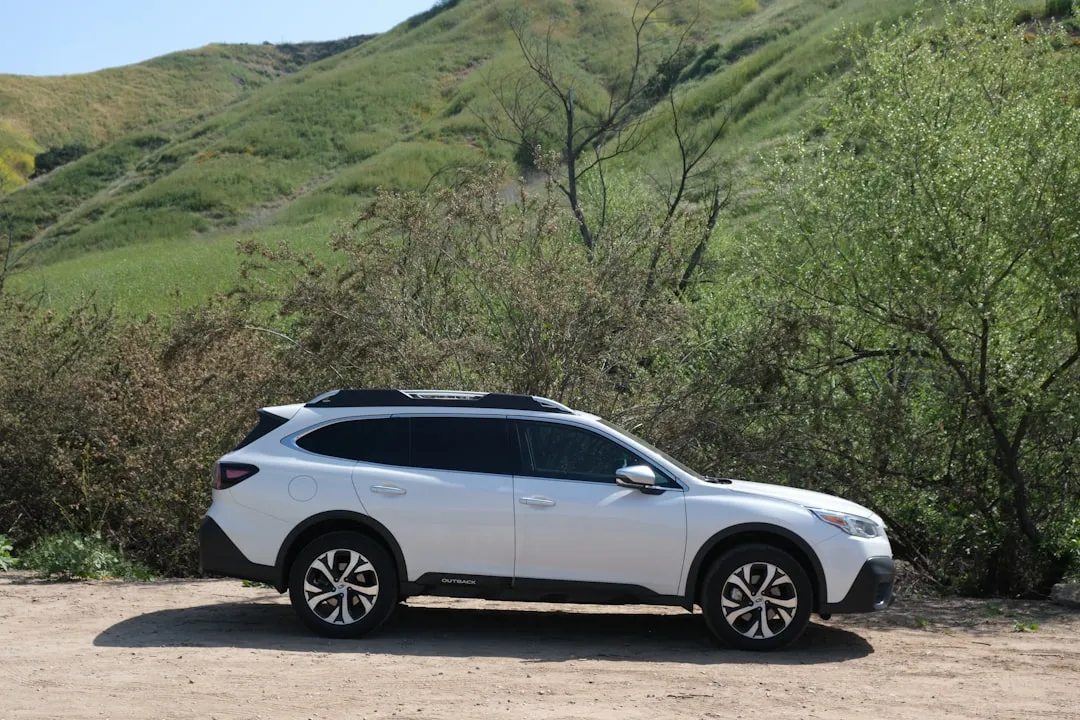
The Subaru Outback recently underwent a major identity crisis, moving away from its long-standing wagon roots toward a more conventional SUV shape for its seventh generation. A subsequent Subaru sales report suggests buyers were not entirely on board with that change.
In March 2026, Subaru sold 10,004 Outback units in the United States, a sharp decline of nearly forty-three percent compared to the same month the previous year. The first quarter told a similar story, with sales falling more than thirty percent compared to Q1 2025.
When a particular model’s identity is its biggest strength, changing it too drastically can alienate loyal buyers. The Outback’s transformation is living proof of that. It turns out there’s a meaningful audience for the wagon format, even in America, so long as automakers don’t walk away from it themselves.
The High-Performance Wagon Revival: A Niche With Real Teeth
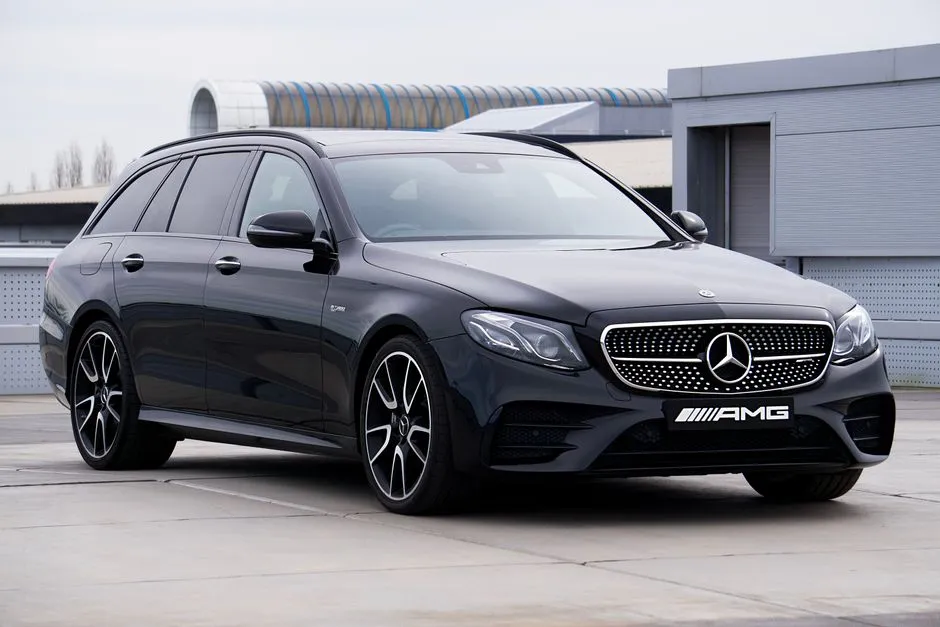
There has been a resurgence of wagons for US buyers in recent years, but there’s a catch. These are vehicles priced above $100,000, with over 600 horsepower, like the Audi RS6 Avant, Mercedes-AMG E63 wagon, Porsche Taycan Cross Turismo Turbo, and the BMW M5 Touring.
Though previous M5 generations offered a wagon for Europe, 2025 marked the first time that body style was available in the United States. The M5 Touring uses the same plug-in hybrid drivetrain but features an elongated roofline and rear hatch. The M5 Touring is actually more popular than the M5 sedan in the US right now. That’s a surprising development.
Manufacturers like Audi, Volvo, Mercedes-Benz, Mini, Subaru, and Porsche are strategically repositioning station wagons as premium vehicles emphasizing style, performance, and advanced safety features to attract a discerning clientele. Emerging trends such as electrification and the growing popularity of all-wheel drive systems are further contributing to the segment’s revitalization. Whether that’s enough to rebuild a mass market is a different question entirely.
The Takeaway
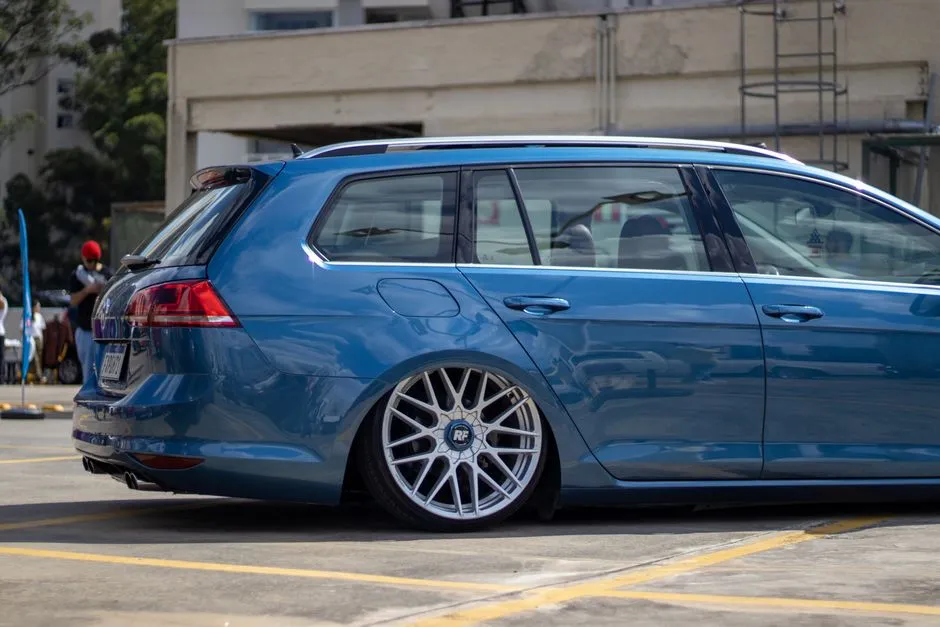
The family station wagon didn’t vanish because it was a bad vehicle. It vanished because three other vehicle types, the minivan, the SUV, and the crossover, arrived in sequence and each peeled away a different slice of its audience. The wagon was caught between competing forces it couldn’t outrun.
What remains is a segment split in two directions. On one end, ultra-premium performance wagons from European brands serve a small but genuinely passionate group of buyers. On the other, the crossover has quietly absorbed everything the wagon used to offer, just with a higher ride height and a different badge.
The wood-paneled, rear-facing-seat, everything-but-the-kitchen-sink family wagon of the 1960s and 70s is genuinely gone. What lives on is its idea: that a car can carry a family, haul cargo, and still be something worth driving. That idea never really went out of style. The vehicle just changed shape.
AI Disclaimer: This article was created with the assistance of AI tools and reviewed by a human editor.