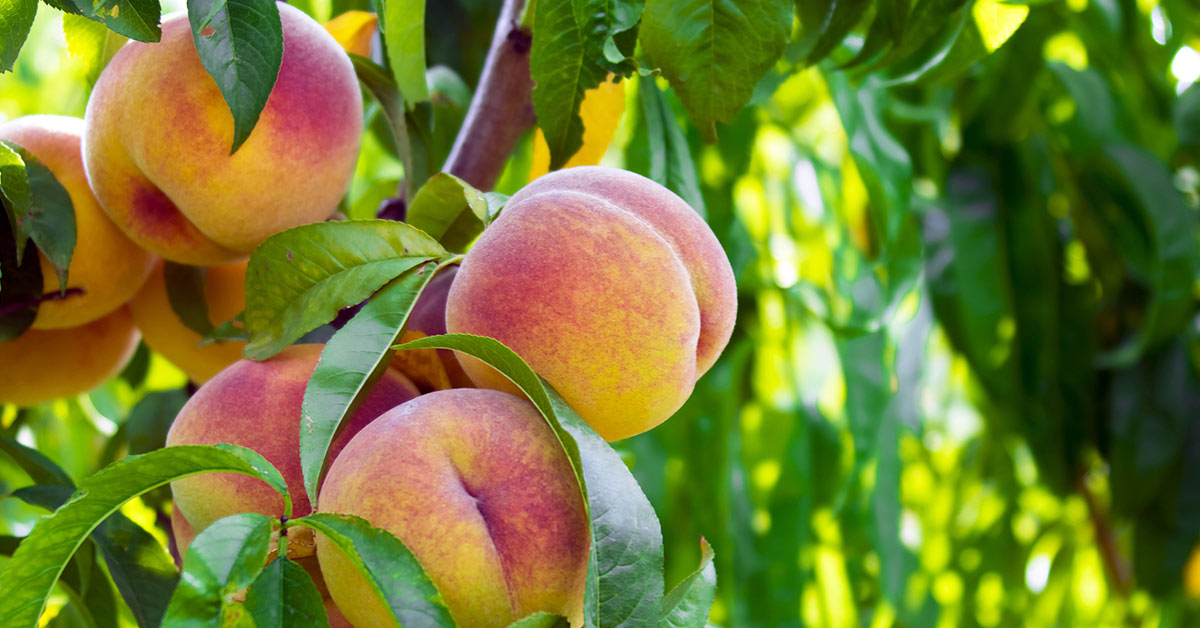

You eat a peach, it’s perfect — sweet, heavy, juice running down your arm — and you think: I’m going to plant this pit and grow one of these. It’s an extremely reasonable impulse. Growing a peach tree from seed is genuinely possible, and it’s a satisfying project. But there are two things worth knowing before you drop that pit in a pot.
First, cold stratification. Peach seeds don’t just sprout on demand. They need a simulated winter — weeks of cold — before they’ll germinate. Skip this step and nothing happens. Second, and this one stings a little: the fruit your tree produces may not match the peach you started with. Peaches grown from seed are genetically variable. The tree that grows is its own unique plant, and sometimes that means excellent fruit, and sometimes it means small, flavorless, or no fruit at all. Worth knowing upfront.
That said, plenty of people grow great peaches from seed. And even if the fruit disappoints, you’ll have a peach tree you can graft better-performing branches onto later. Let’s get into how to do it right.
Step 1: Cold Stratification — The Part Most People Skip
Peach seeds require a period of cold and moisture before they’ll germinate, a process called stratification. In nature, the pit would overwinter in the soil and sprout come spring. You’re going to replicate that in your refrigerator.
Here’s the process:
- Soak the pit in water for a couple of hours after eating the peach — this softens things up slightly.
- Optional but helpful: carefully crack open the outer shell of the pit to access the actual seed inside. It looks like a small almond. This speeds up germination. If you’d rather not deal with it, leave the pit intact.
- Place the pit (or seed) in a zip-lock bag with a small amount of lightly moistened potting mix or peat moss. Not wet — just damp.
- Seal the bag and put it in the refrigerator. Aim for 34–40°F, which is standard fridge temperature.
- Check it weekly. Germination can take anywhere from 6 to 12 weeks or longer. Be patient — this is the part that tests people.
According to Penn State Extension, cold stratification mimics natural winter dormancy and is essential for many stone fruit seeds to germinate successfully. When you see a small root beginning to emerge from your pit, stratification is done and it’s time to plant.
Step 2: Planting the Germinated Seed
Once you’ve got a germinating seed, don’t let it sit. Plant it promptly in a pot with well-draining potting mix — a standard mix with added perlite works well. Plant it about 3 to 4 inches deep. Keep the soil consistently moist but not soggy, and put it somewhere with good light.
At this point, you’re nursing a seedling. Give it warmth, light, and patience. It’ll look like a small twig with a few leaves for a while. That’s normal. Once outdoor temperatures are consistently above freezing and the seedling has some size to it, you can transition it outside gradually — a week or two of outdoor time during the day before leaving it out permanently.
The Fruit Question: What to Actually Expect
This is where honesty matters. Peach trees grown from seed are not clones of their parent. Commercial peach varieties like ‘Elberta’, ‘Redhaven’, and ‘Contender’ are grown from grafted nursery trees specifically because grafting preserves the genetics of a known cultivar. As the University of Minnesota Extension notes, seed-grown fruit trees often produce inferior fruit compared to the parent.
Your seed-grown tree might surprise you and produce something wonderful. Many do. But you should go in knowing it’s a bit of a lottery, and be prepared to wait — peach trees from seed typically take 3 to 5 years before they fruit at all. If the fruit disappoints when it finally arrives, you have options: grafting, or simply enjoying the tree for what it is.
Knowing how to spot peak ripeness when your tree finally does produce is its own skill — our guide to 10 signs your peaches are ready to harvest is worth bookmarking now so you don’t blow it after years of waiting.
Growing Your Peach Tree: Year One and Beyond
Once your seedling is in the ground, a few basics apply:
Sun: Peaches want full sun — at least 6 to 8 hours a day. This is non-negotiable. A shaded peach tree won’t thrive and likely won’t fruit well.
Soil: Well-draining soil with a pH around 6.0 to 6.5. Peaches hate wet feet. If your soil is heavy clay, amend it or consider a raised bed.
Watering: Deep, infrequent watering is better than frequent shallow watering. Once established, peach trees are reasonably drought tolerant, but young trees need consistent moisture while their roots develop.
Fertilizing: In the first year, hold off on heavy fertilizing — you want root development, not a bunch of top growth the tree can’t sustain. In year two, a balanced fertilizer in early spring gets things moving.
If you’re in the right zone for peaches and want to know which varieties do well in your specific region, our guide to the best fruit trees to grow in North Carolina and Zone 7 are good reads for mid-Atlantic and southeastern growers.
The Alternative Worth Considering
Growing a peach tree from seed is a rewarding project, but it’s worth naming the tradeoff directly: if you want reliably good fruit in a reasonable timeframe, buying a grafted nursery tree of a known variety is the more practical path. A ‘Contender’ or ‘Redhaven’ from a nursery will fruit faster and more predictably than a seed-grown tree.
That doesn’t mean the seed-grown route isn’t worth doing. It absolutely is — especially if the journey matters as much as the destination, or if you’re curious what the genetic lottery produces. Some of the most interesting backyard fruit trees started as rescued pits. You just go in with open eyes.
If you enjoy the idea of growing trees and plants from seed more broadly, our tips for starting seeds indoors covers the fundamentals that apply across species. And for a similar project with a different stone fruit, how to plant a plum seed follows the same stratification logic and is worth reading alongside this one.
Start with a pit from the best peach you can find, give it a proper cold stratification, and see what grows. Worst case, you’ve grown a tree. Best case, you’ve grown a peach tree that produces something remarkable — and you’ll have earned every bite.
FAQ
How long does it take to grow a peach tree from seed? From stratification to a fruit-bearing tree, expect 3 to 5 years minimum. Germination itself takes 6 to 12 weeks of cold stratification, and then several more years of growth before the tree matures enough to produce fruit.
Do I need to crack open the peach pit? You don’t have to, but it helps. Carefully cracking the outer shell to expose the inner seed can speed up germination. If you’d rather skip it, leaving the pit whole works — it just may take longer.
Will my seed-grown peach taste like the peach I ate? Probably not exactly, and possibly quite different. Peach seeds don’t reproduce true to the parent. The fruit could be excellent, mediocre, or anything in between. That’s part of the gamble.
What month should I start stratifying my peach pit? If you want your seedling ready to go outside in spring, start stratification in late fall or early winter — November or December works well for most climates. That gives you the 8 to 12 weeks of cold the seed needs before spring planting.
Can I grow a peach tree from a store-bought peach? Yes, though commercial peaches are sometimes treated in ways that affect viability. A peach from a farmers market, a neighbor’s tree, or a local orchard gives you the best odds of a viable pit.