
Most of us have stood in front of our cleaning cabinet at some point, wondering if two products together might do a better job than one alone. It feels logical. Bleach kills germs, and ammonia cuts grease, so why not both? The answer, as it turns out, is serious enough to be a matter of life and death.
is ammonia, and it hides in more places around your home than you might expect. From the window spray you used five minutes ago to the floor cleaner sitting open on your counter, ammonia is a near-invisible presence in countless households. Here is what the science actually tells us, and why the stakes are higher than most people realize.
Ammonia Is Everywhere You Might Not Expect
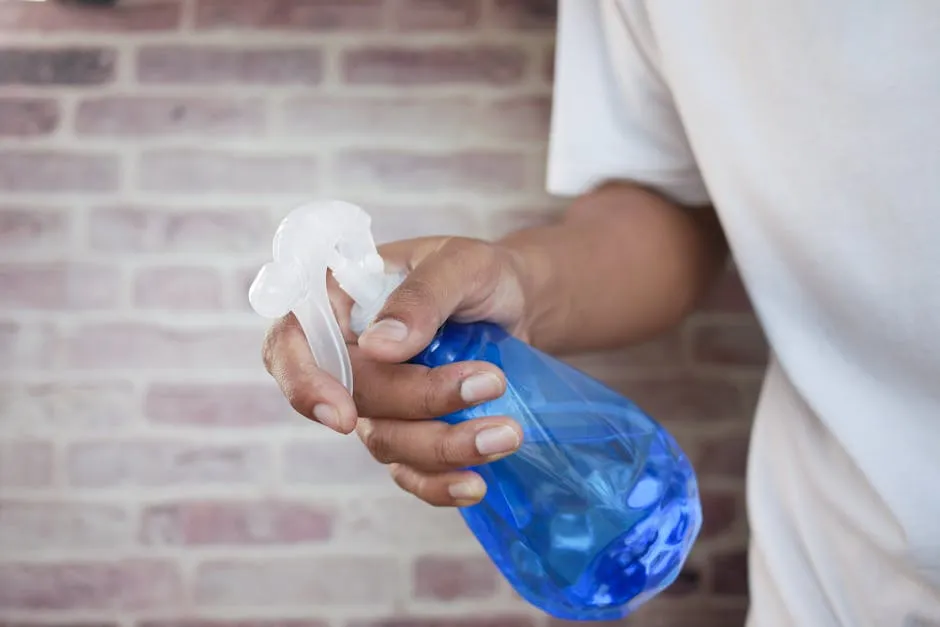
Ammonia is a common ingredient in household cleaners because it breaks down grease and grime and evaporates quickly, leaving surfaces streak-free. You’ll find it in window and glass cleaners, all-purpose cleaners, oven cleaners, and toilet bowl cleaners. That blue bottle under the sink, the spray for your stovetop, the multi-surface wipe you grab without reading the label – any of them could contain it.
Ammonia can also be found in some glass and window cleaners, interior and exterior paints, and even in urine, so you need to use caution when cleaning litter boxes, diaper pails, or toilet bowls. That last point catches many people off guard. You should not clean litter boxes, diaper pails, and pet urine stains with bleach, because urine contains small amounts of ammonia.
What Happens the Moment These Two Mix
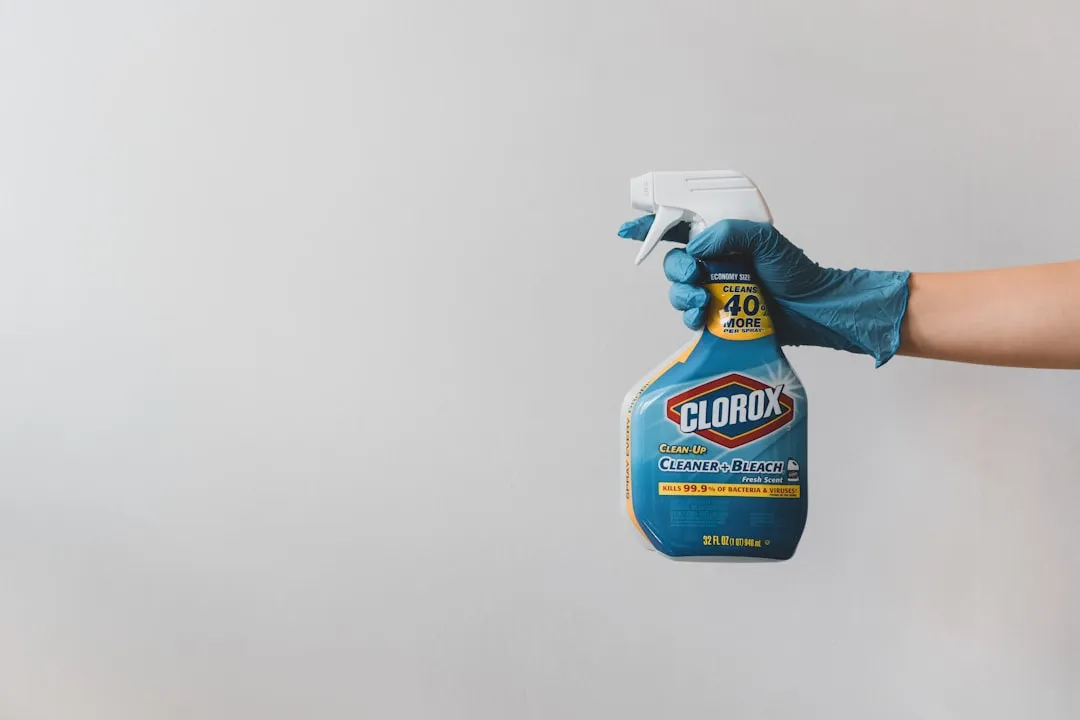
When bleach is mixed with ammonia, toxic gases called chloramines are produced. The reaction doesn’t take long. When bleach contacts nitrogen-containing compounds like ammonia, it rapidly releases toxic byproduct gases. These reactions happen fast, often within seconds of contact, and the gases produced can cause immediate harm.
Combining household ammonia and bleach releases chloramine gas, which is a combination of monochloramines and dichloramines. When inhaled, chloramines react with the moisture of the respiratory tract to release ammonia, hydrochloric acid, and oxygen free radicals. That is not a gentle chemical irritant. It is a compound capable of causing lasting internal damage from a single exposure in an enclosed space.
The Symptoms Come on Fast
Mixing bleach with ammonia creates chloramine gases which can cause coughing, shortness of breath, chest pain, wheezing, nausea, watery eyes, and irritation of the throat, nose, and eyes. In serious cases, it can lead to pneumonia and fluid in the lungs. Symptoms can escalate more quickly than most people expect.
Exposure to the bleach-ammonia reaction can cause symptoms within minutes, and symptom severity depends on gas concentration and exposure duration. Recognizing early warning signs is critical, as symptoms can escalate quickly and may not peak right away. The bathroom, one of the most common rooms where these products are used together, is also one of the worst places to be exposed – small, often poorly ventilated, and full of both ammonia-based and bleach-based products.
The Numbers Behind the Danger
In 2021, there were 3,480 human exposures to chloramine gas, according to the U.S. National Poison Data System annual report. The vast majority of these exposures occurred among adults and were unintentional. These weren’t cases of recklessness. They were everyday people cleaning their homes.
A peer-reviewed analysis of poisoning data from 2015 to 2022 identified 75,186 chlorine and chloramine gas exposures, with roughly 85 percent occurring in homes. These incidents resulted in about one in six victims requiring emergency department care, two percent needing hospital admission, and 26 deaths. Those are real people who walked into their kitchens or bathrooms on an ordinary day with no idea what they were about to create.
How the Chemistry Makes It So Dangerous
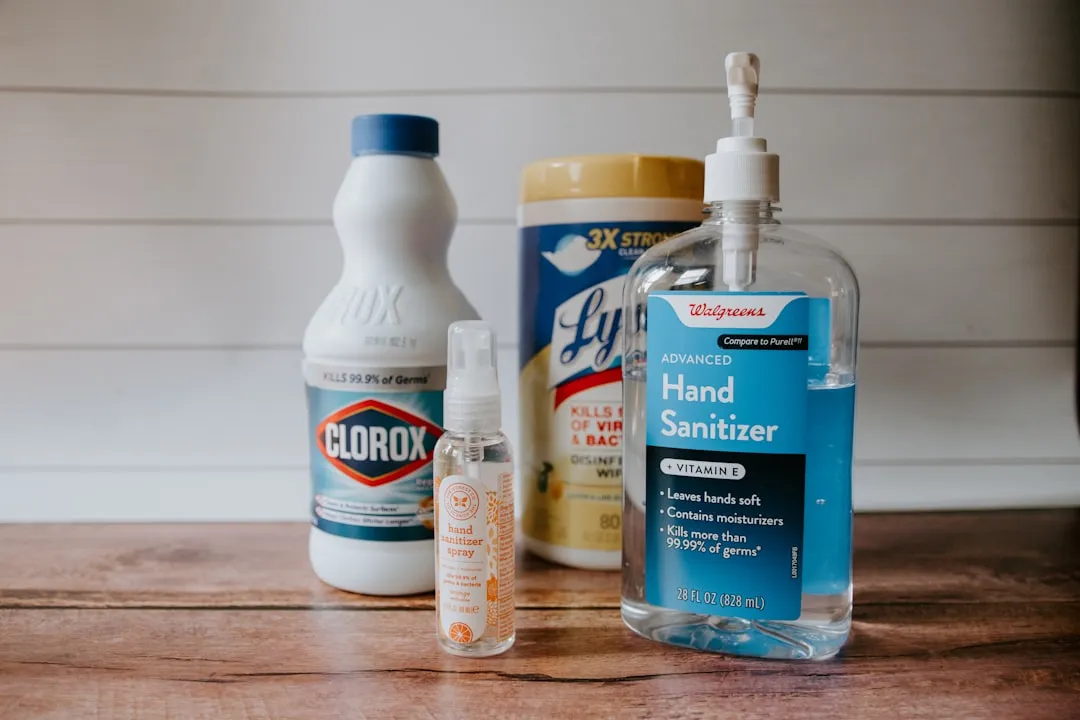
The CDC warns against using bleach with any cleaning products in general, just to be on the safe side. This is because bleach is considered an oxidizing agent. When used by itself, it can kill germs and bacteria, but with the wrong substances, it can cause harmful chemical reactions. The active ingredient doing most of the damage is sodium hypochlorite.
Mixing bleach and ammonia is hazardous because of their chemical reaction at the molecular level. Household bleach contains sodium hypochlorite, while ammonia is commonly found in many cleaning products in a diluted, water-based form. When combined, they react quickly to form chloramine gas and sodium hydroxide. Typically, exposures to low concentrations of chloramines produce mild respiratory tract irritation, but in higher concentrations, the combination of hydrochloric acid, ammonia, and oxygen free radicals may cause corrosive effects and cellular injury, resulting in pneumonitis and edema.
Why People Still Make This Mistake
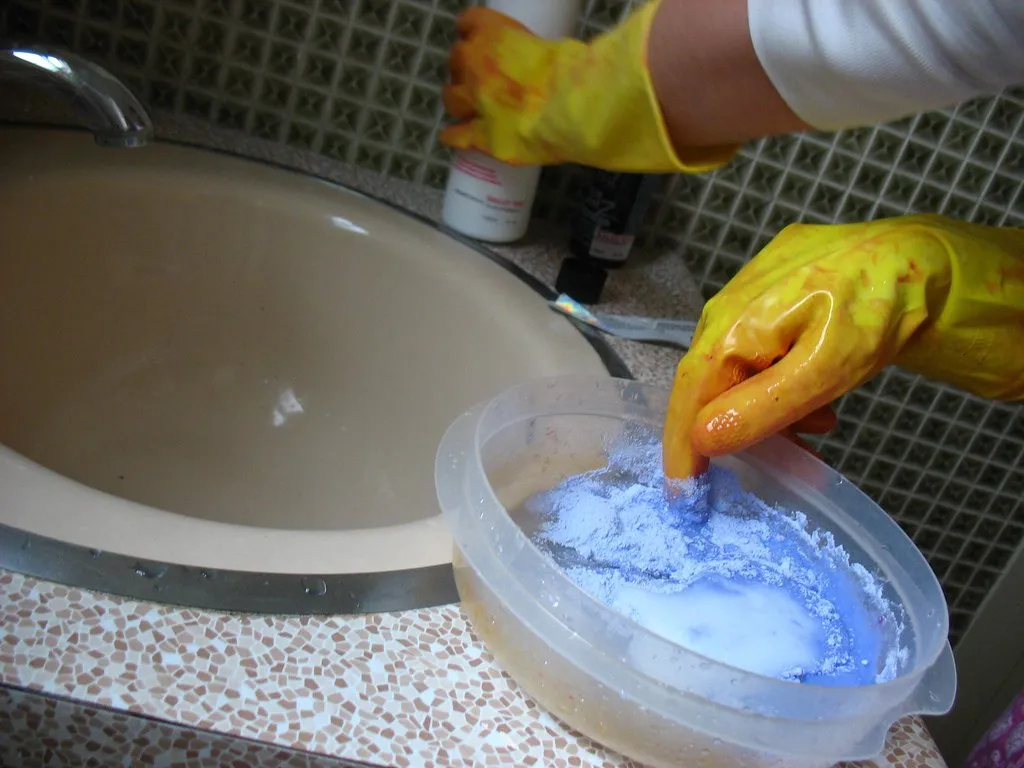
In many facilities and homes, there’s a common misconception that if a cleaner works well, adding bleach will make it even better, stronger, and more capable of disinfecting. On the surface, it might seem logical. Bleach is widely known for its disinfecting power, so why not combine it with your everyday cleaner? The reality is far different and potentially dangerous.
In an era where home cleaning videos dominate social feeds, it is easier than ever to fall into the trap of DIY chemical engineering. Many homeowners believe that combining two powerful cleaners will yield a super-cleaner that tackles grime twice as fast. However, the reality is much more dangerous. Social media trends have genuinely made this worse. The “Rainbow Pour” craze, in which people pour different cleaners into a toilet to create a rainbow effect, has led to a rise in respiratory issues in 2025 and 2026.
The Hidden Risk: Ammonia in “Natural” Cleaners
Some “natural” or “green” cleaners are not safe to mix with bleach either. Some contain acids or ammonia compounds that can react with bleach, releasing toxic gases. The word “natural” on the front label is not a guarantee of chemical compatibility. Reading the ingredients on the back is the only way to know.
Most labels do not list ammonia as “ammonia” outright. Instead it will be indicated as ammonium hydroxide. To check if a product contains ammonia, look for ammonia, ammonium hydroxide, or compounds containing “ammonium” in the ingredient list. Glass, window, and stainless-steel cleaners often contain ammonia. If the label isn’t clear, treat the product as if it contains ammonia and keep it away from bleach entirely.
What Bleach Is Actually For
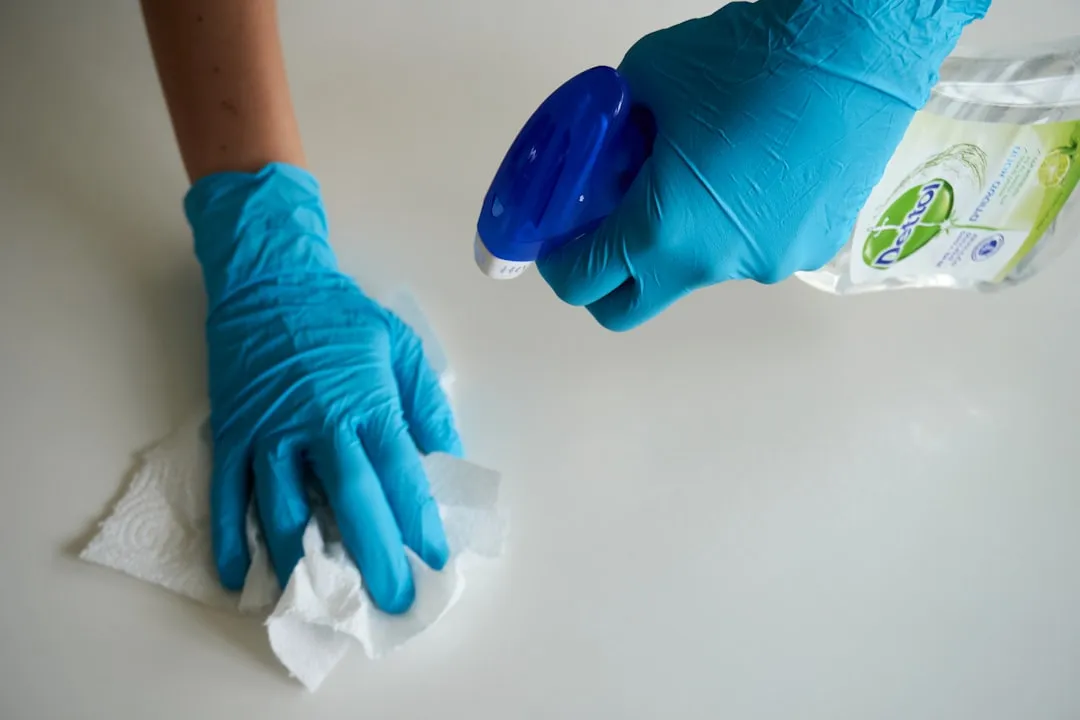
Bleach is a disinfectant, not a cleaner. It kills bacteria, fungi, and viruses. This is a distinction that matters more than it sounds. If you absolutely need to disinfect for a bodily fluid cleanup, clean surfaces with detergent or an all-purpose cleaner before disinfecting. It won’t work if the chemical can’t get through the dirt to the hard surface you want to sanitize.
The only thing you should mix with bleach is water. The CDC recommends 5 tablespoons of bleach per gallon of room-temperature water for surface disinfection. Use regular, unscented household bleach with a sodium hypochlorite concentration between 5% and 9%. More is not more when it comes to bleach. A properly diluted solution is both effective and far safer to handle.
What to Do If You’ve Already Mixed Them

If bleach and ammonia are accidentally mixed, prompt action is essential. Toxic gases can overwhelm you within minutes, so knowing exactly what to do can reduce exposure and prevent serious injury. Get out immediately. Leave the area at once. Do not try to clean, ventilate, or investigate.
If you accidentally mix bleach with ammonia or acid-based cleaning supplies, you should not try to neutralize it yourself. Open windows to ventilate the area and call 911. If you have been exposed to a mixture of ammonia and bleach, call poison control at 1-800-222-1222 or 911. Poison control will talk you through the steps you should take in case of chloramine gas exposure. Time matters here, so don’t delay.
Safe Habits That Actually Prevent Accidents
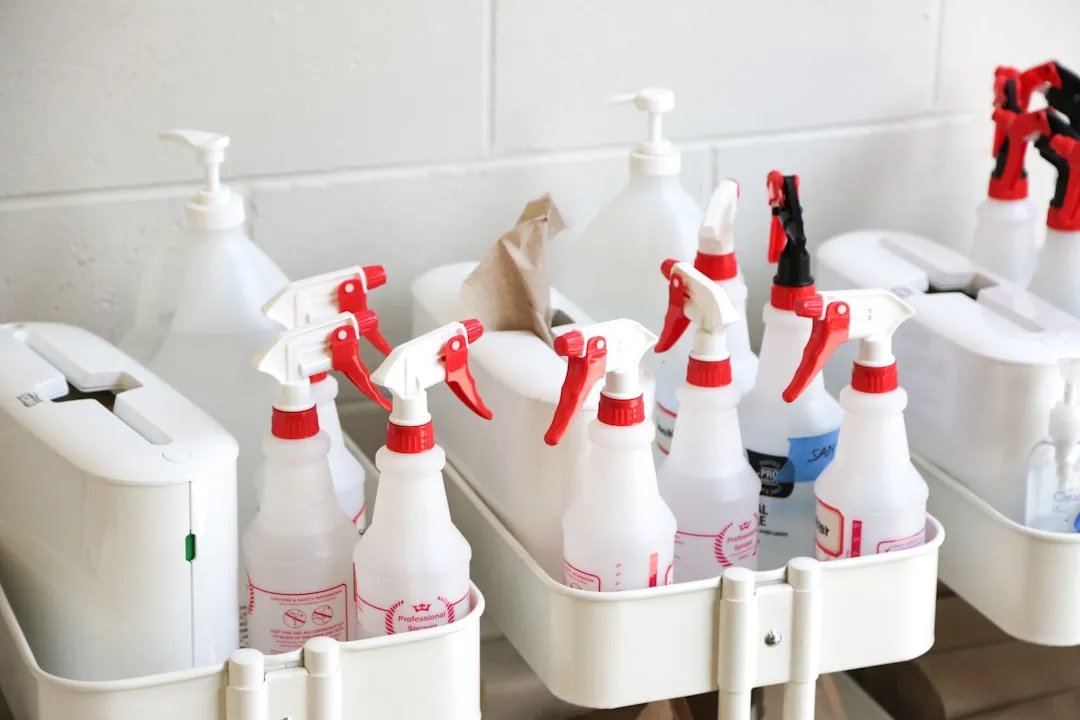
Experts recommend using only one cleaning product at a time. If a surface requires two different types of treatment, you must rinse the surface thoroughly with water in between applications. This prevents residual chemicals from reacting with the new product. It sounds simple, but this single habit eliminates a large share of accidental exposures.
To prevent accidental poisoning, always store cleaning products in their original containers. Read and follow the directions and warnings on product labels before using. Look for products with credible third-party certification such as Green Seal, EcoLogo, and Safer Choice, which have been reviewed for standards such as performance, health, environment, and sustainability. These certifications give you a cleaner baseline, though they are still not an excuse to mix products freely.
The Takeaway
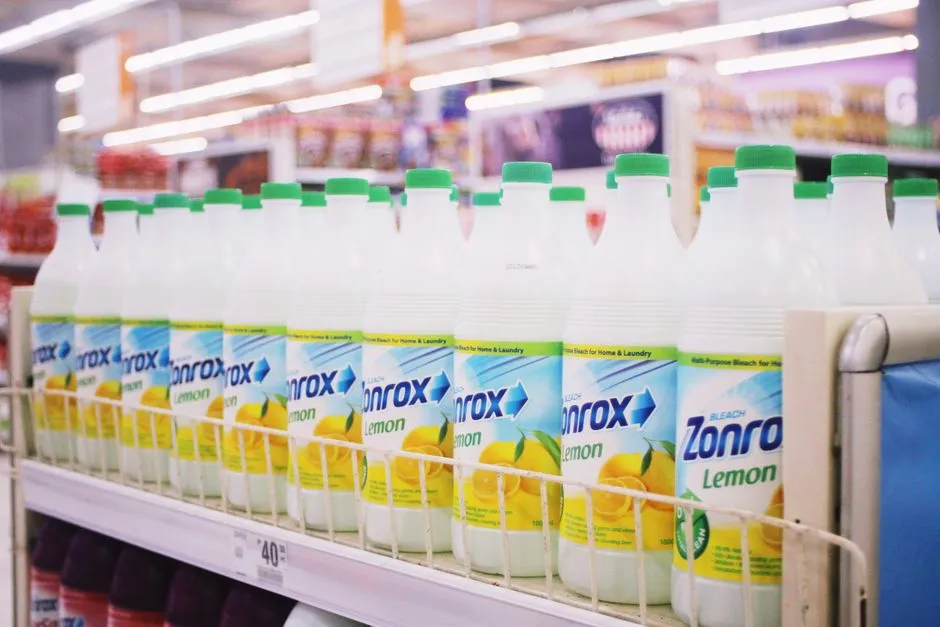
Ammonia and bleach are both effective on their own. That effectiveness is precisely what makes their combination so dangerous. If handled and used properly on their own, ammonia and bleach are safe and effective household cleaners, but together, they pose serious health risks. The chemistry doesn’t care how careful you are once the reaction has started.
The safest cleaning cabinet is one where products are used one at a time, labels are read before anything is opened, and bleach is kept entirely separate from everything else. Effective cleaning and disinfection come down to using the right products for the right purpose, not combining them in hopes of boosting performance. The rule is simple: don’t mix; choose the right product from the start. That rule could, quite literally, save your life.
AI Disclaimer: This article was created with the assistance of AI tools and reviewed by a human editor.