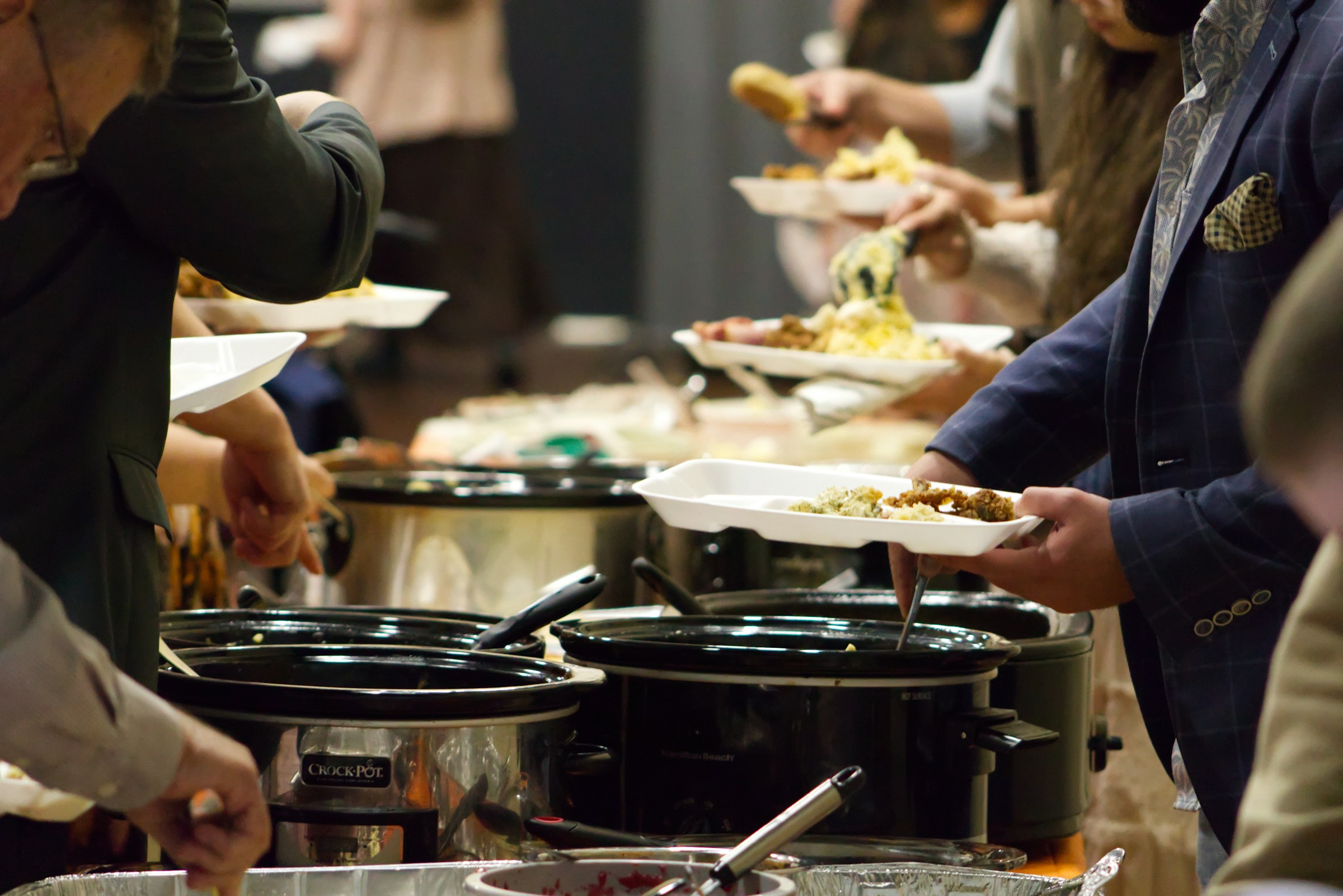

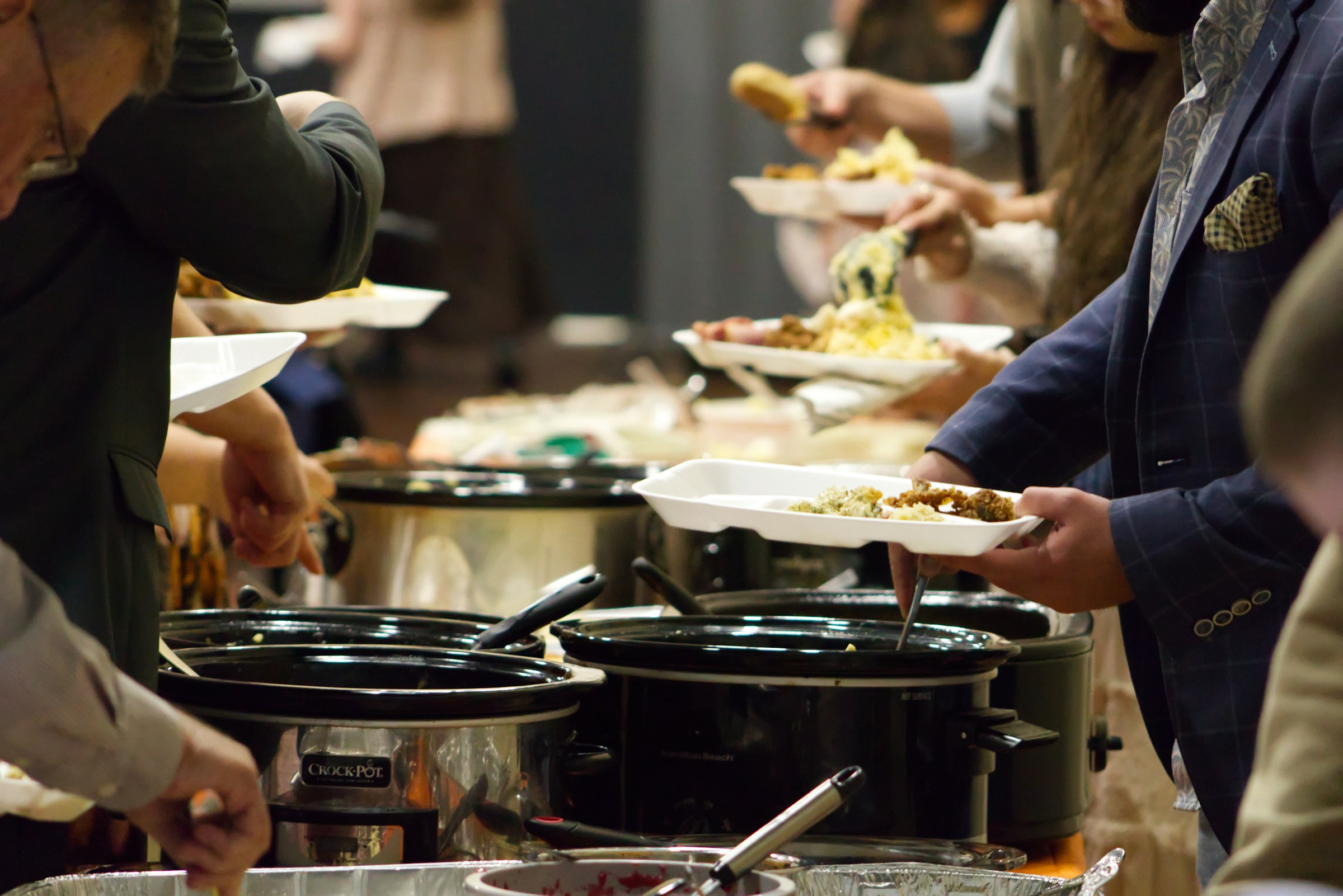
There’s something quietly powerful about a table covered in mismatched dishes, each one carried in by a different pair of hands. The classic potluck has never really gone away, but it did fade a little into the background during years of curated dinner parties and food delivery apps. Now, in 2026, it’s making a real comeback, and for good reason.
A 2024 report from the Pew Research Center found that roughly four in ten U.S. adults feel less connected to their communities than they did five years ago, while more than half say they want more meaningful, in-person interaction. A potluck is one of the simplest answers to that need. It costs very little, it asks something of everyone, and it creates the kind of evening people actually remember.
Why the Potluck Is Having a Moment Again
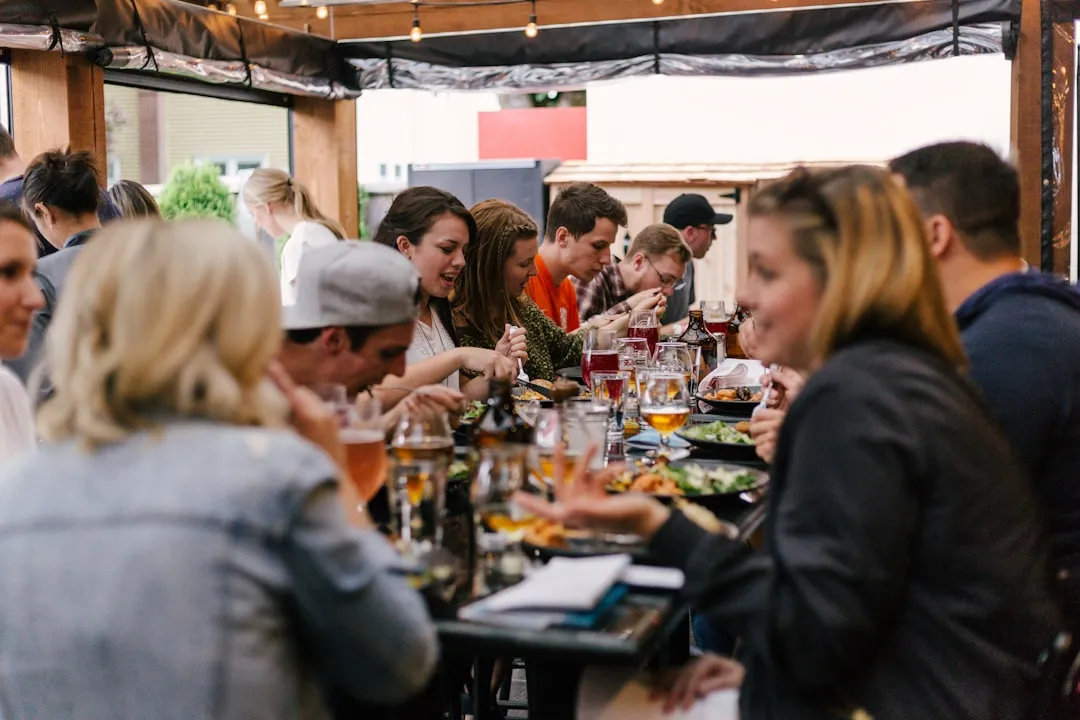
Americans are spending more time eating alone, and the data backs it up. In America, the trend is moving toward more solo dining, with a growing share of people reporting they eat most meals by themselves. That shift is showing up in measurable ways. Research published in 2025 found that loneliness and social isolation influenced food choices and cooking routines, often leading to less nutritious diets, and many participants associated the decline of shared meals with a diminished quality of life.
In 2024, then Surgeon General Vivek Murthy specifically recommended in-person gatherings and potlucks as antidotes to loneliness in his publication, “Recipes for Connection,” shortly before the end of his term. That’s not a small endorsement. According to the 2025 World Happiness Report, meal sharing ranks among the strongest predictors of well-being. The potluck, it turns out, isn’t just tradition. It’s medicine of a kind.
The Social Science Behind Shared Meals
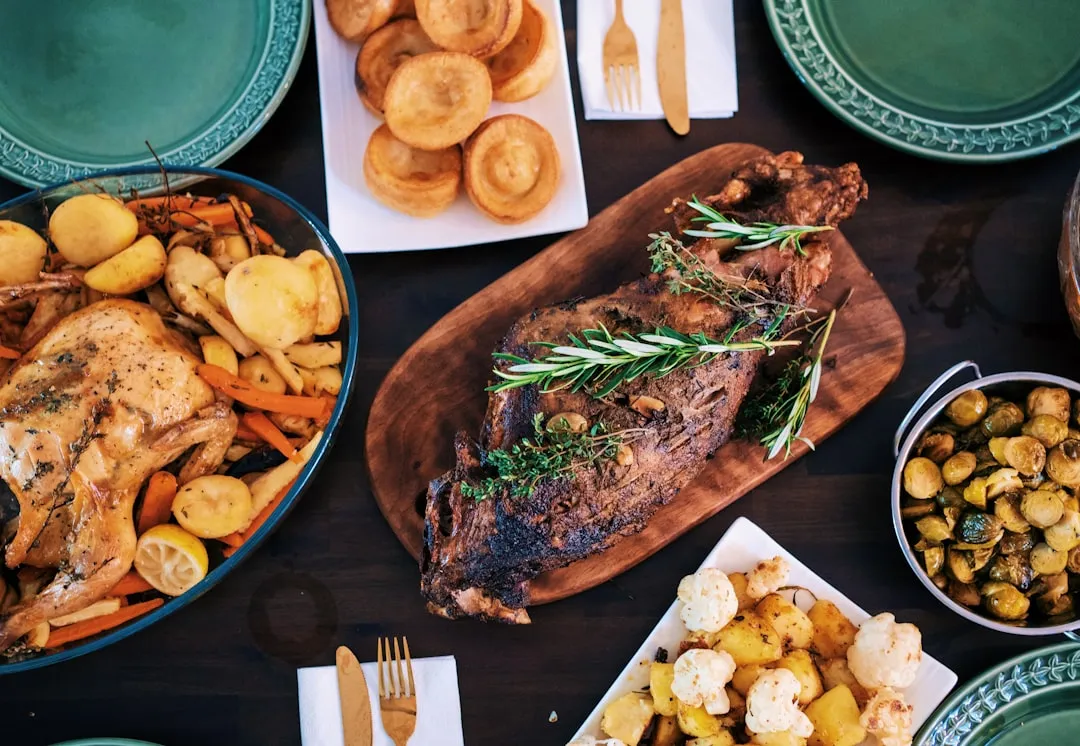
One study indicates that socializing over food in the evening is especially effective for fostering bonds of friendship, perhaps due to fewer time constraints than morning or afternoon meals. That’s part of why the potluck format works so well as a recurring event, not just a one-time occasion.
A growing body of research suggests that participatory gatherings create stronger, longer-lasting relationships than events where a single host carries the weight, and the American Community Life Survey reports that shared-contribution events create roughly two and a half times more enduring social connection than gatherings led by one person. That’s worth sitting with for a moment.
Far from a quaint tradition, the potluck represents a modern, research-backed model for how people want to gather today – shared, simple, participatory, and low pressure. It redistributes both the effort and the ownership, which is exactly what makes it stick.
Starting With a Theme That Actually Works
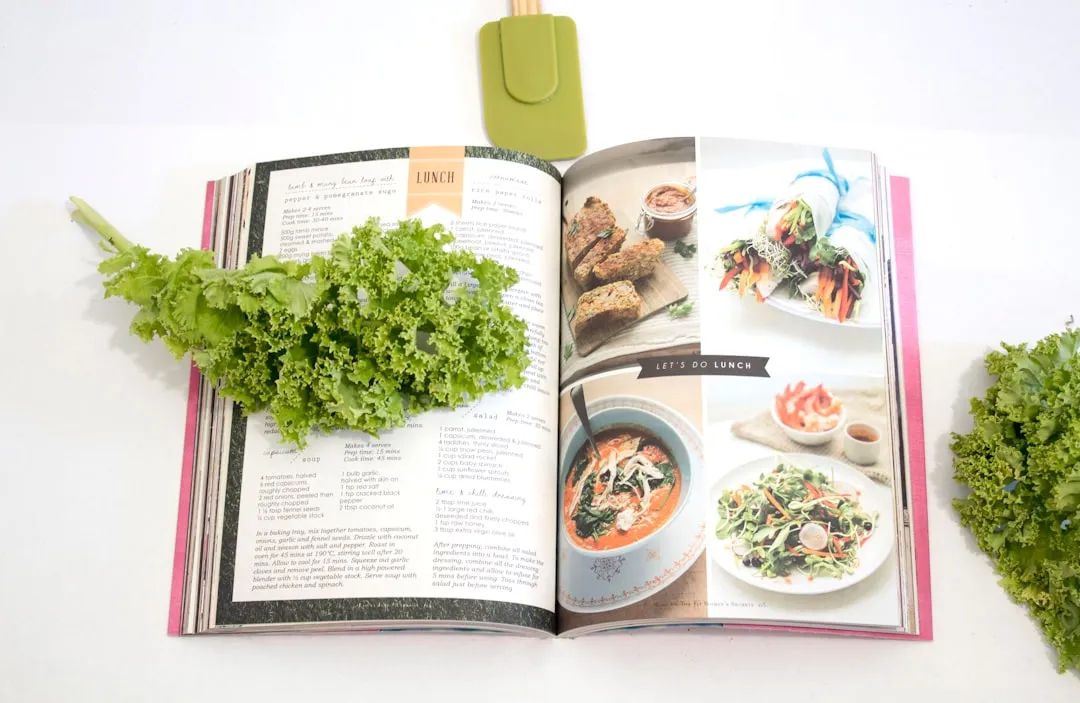
These less-fussy get-togethers keep the community aspect of a dinner party but majorly cut down on hosting duties. A cookbook club, for example, asks everybody to bring a dish from the same cookbook, and the group celebrates both the food and the author together. It’s a smart framework because it gives guests clear direction and creates a natural talking point.
From New York to London, cookbook clubs are taking off on TikTok and are ironically a panacea to the feelings of loneliness fostered by social media. Beyond cookbook clubs, themes can be regional cuisines, seasonal produce, or comfort food from childhood. Going all-in on a theme gives you endless possibilities to make it your own, and people are genuinely looking to do more creative things like that.
Building a Balanced Spread on Purpose
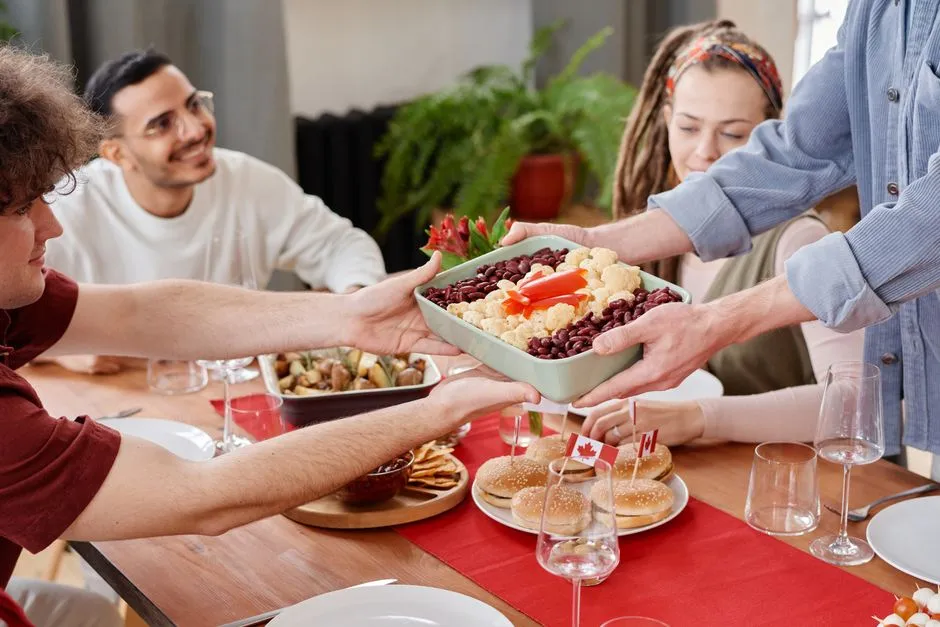
One of the most common potluck disasters is ending up with five desserts and no main course. The key to a balanced potluck is getting the right ratio of dishes per category. Setting maximum signups per category means that once desserts hit four items, that category closes automatically, creating balance without awkward conversations.
A potluck is a communal meal where each guest brings a dish to share, but successful planning requires organizing contributors by food category, setting clear expectations about what to bring, accommodating dietary needs, and coordinating logistics so everything comes together at the right time. It’s more coordination than it sounds, and it pays off enormously once everyone sits down.
Handling Dietary Restrictions With Confidence
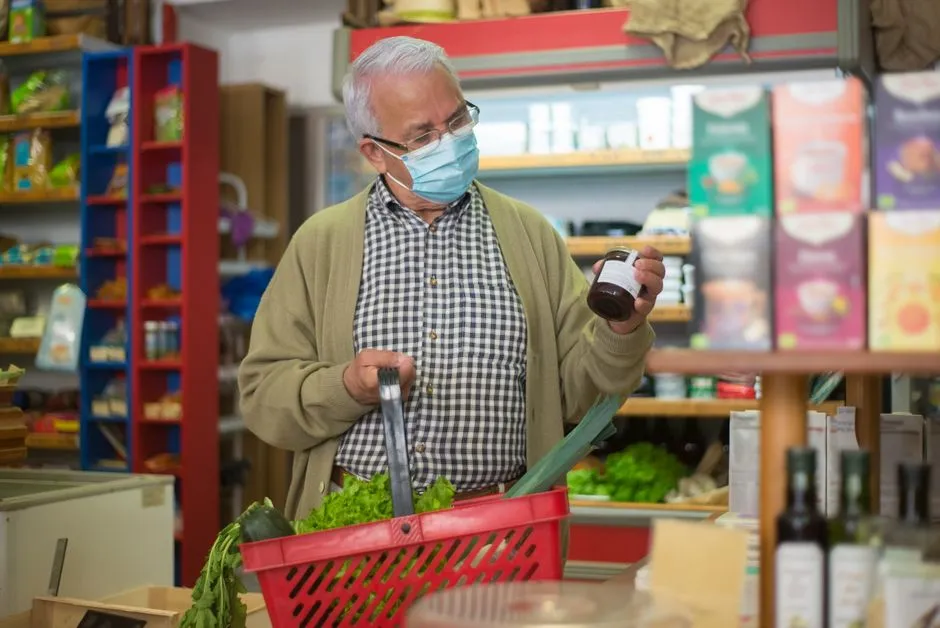
Dietary accommodations aren’t optional. Allergies can be life-threatening, and many people have restrictions for religious, ethical, or health reasons. This is where many hosts feel nervous, but it’s much more manageable than it seems once you have a system in place.
Labeling dishes is a simple yet incredibly helpful gesture. A small card next to your dish listing key ingredients, or stating “contains nuts,” “dairy-free,” or “gluten-free,” allows guests to make informed choices and prevents awkward questions while ensuring safety. Asking guests to declare restrictions in advance works even better. No potluck is complete without accommodating different dietary needs. Checking with the host beforehand and considering how inclusive your dish can be, whether it works for gluten-free, vegan, kosher, or nut-free guests, makes a real difference.
The Rise of the Millennial and Gen Z Potluck
Roughly four in ten Millennials live in multi-family or shared housing, which leads to more collaborative budgeting and potluck-style gatherings. For younger generations, the potluck isn’t nostalgia. It’s just a practical and genuinely enjoyable way to eat with people they care about.
Gen Z respondents were twice as likely to try Friendsgiving gatherings, representing about one in six of all hosts, compared to far fewer among Boomers. That generational enthusiasm is shifting the aesthetic and mood of the classic spread. Younger hosts tend to favor global flavors, plant-forward dishes, and beautifully presented food, even on a tight budget. Dining out is more expensive than ever, so for a potluck-style gathering, all you need is a space and people who love to cook.
Potlucks at Work Are Having Their Own Revival

Workplace committees report that potlucks are their most attended event format according to SHRM’s 2024 data, while PTAs report potlucks as the easiest event for volunteer recruitment, according to the National PTA Engagement Survey. Both stats say the same thing: people show up when they feel genuinely included.
A potluck culture in an office can bring people together over a shared love for food and foster deeper connections between colleagues. Starting a potluck culture isn’t just about food. It’s about fostering community, building bridges, and creating moments of joy in the workplace. That’s a lot of value for what essentially amounts to someone’s grandmother’s pasta salad.
Choosing a Dish That Travels Well
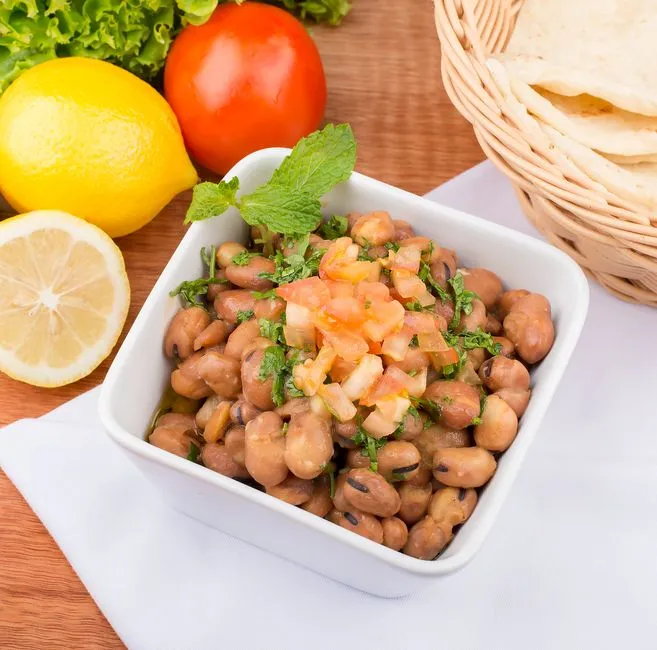
The last thing you want is a lukewarm casserole or a salad that wilts before it’s served. Making sure your dish maintains its intended temperature during transport and at the table is essential, and insulated carriers or ice packs are reliable tools for this. It’s a detail that’s easy to overlook until the moment you set a cold pasta dish on a warm table.
Any good potluck dish should hold up on a crowded buffet table, stay fresh on the ride over, and taste just as good at room temperature. Slow-cooker dishes, hearty grain salads, bean-based dishes, and baked casseroles are all strong choices. Many potluck recipes actually taste better with time. Casseroles, slow-cooked mains, and bean-based salads store well in the fridge and can be reheated on the day.
Keeping the Cost Honest for Everyone
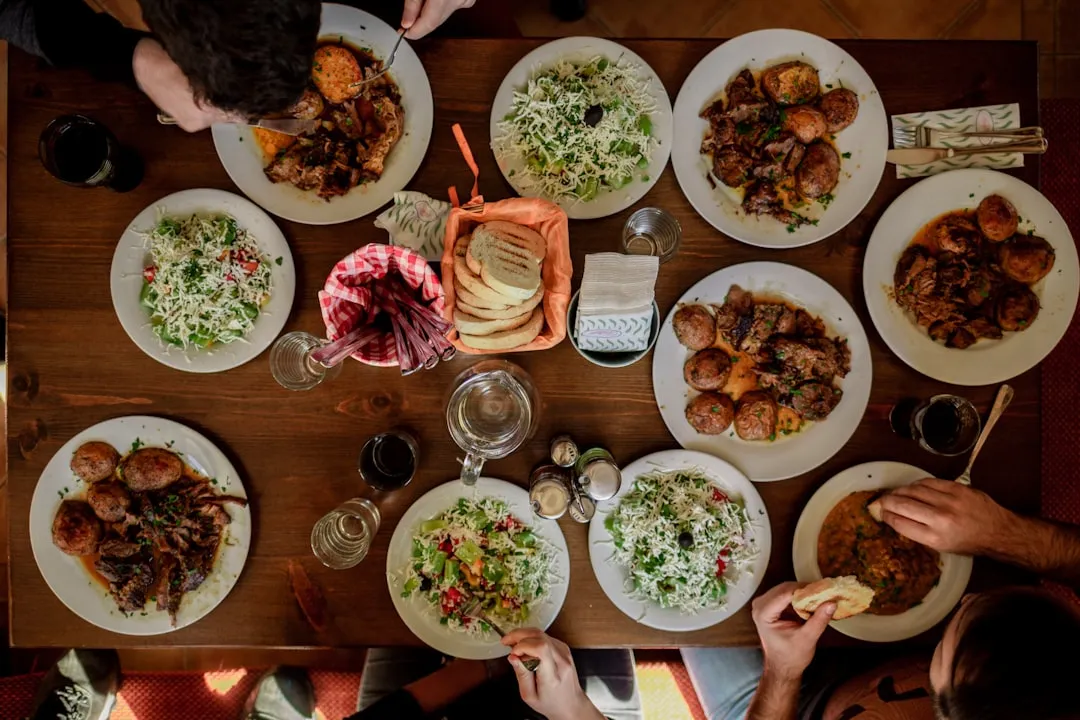
Potlucks are affordable almost by design, and that’s one of the things that makes them so durable. In 2024, the average Thanksgiving meal for ten people cost just over $58, a five percent drop from the year before. Spread across a group, the cost per person drops even further when everyone contributes a dish.
The shared cost model is a real advantage in a period where food budgets are under pressure. By 2024, Americans were still allocating a majority of their food budget to dining out, and in inflation-adjusted terms, spending on food away from home has grown more than twice as fast as grocery spending since 2019. Potlucks quietly offer the social rewards of dining out at a fraction of the cost, with food that often means more because someone made it.
Making It a Recurring Ritual, Not a One-Off Event

The potluck earns its real power when it becomes a regular thing. Communities where people begin having regular shared gatherings, meeting at a different location each time and sharing a potluck meal with conversation and connection at its center, tend to sustain those bonds far longer than groups that gather once or twice.
At community-organized potluck events, surveys have shown that nearly all respondents reported making a connection with someone they didn’t know or didn’t know well, and the vast majority said the event made them feel more connected to their community and increased their interest in participating in further community events. That kind of impact doesn’t come from a single dinner party.
Setting a recurring date, keeping the format flexible, and rotating hosts are simple ways to keep the momentum going. The meal itself matters less than the consistency of showing up.
The Takeaway
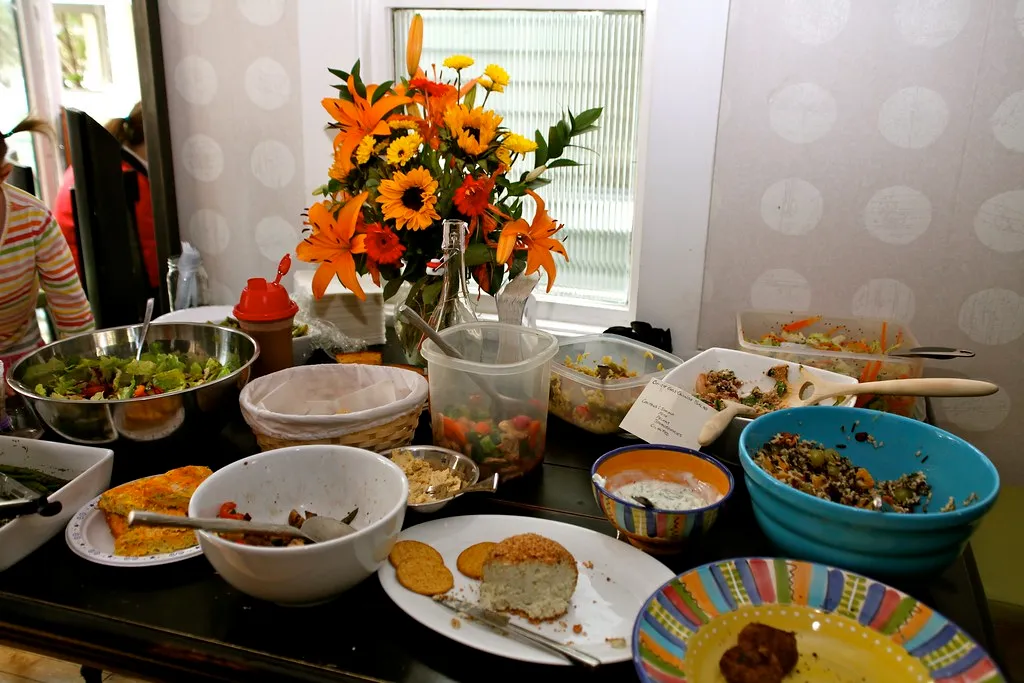
The classic potluck spread doesn’t need reinvention. It needs rediscovery. At its essence, a potluck is an exercise in connection, an opportunity to forge bonds and strengthen community ties through the shared experience of food. In a year when social disconnection is being tracked as a public health concern and the data shows clearly that shared meals make people measurably happier, that’s not a small thing.
The spread doesn’t have to be perfect. It never was. What it has to be is honest: real food, real people, and a table that has room for everyone. That’s always been the whole point.
AI Disclaimer: This article was created with the assistance of AI tools and reviewed by a human editor.