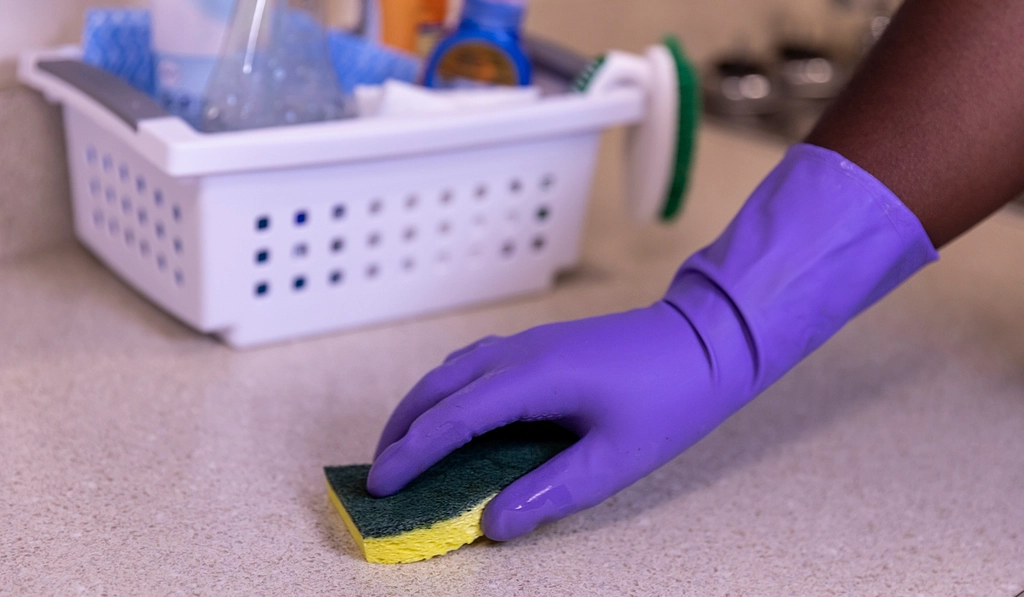

Walk into any modern cleaning aisle and you’ll find dozens of brightly labeled bottles promising miracles. Yet somewhere in that overwhelming display, a quiet truth tends to get lost: some of the most effective cleaners have been sitting in our kitchens and pantries for generations. Long before aerosol sprays and synthetic disinfectants, households relied on a handful of simple, affordable ingredients that worked then – and still hold up today.
The revival of interest in natural cleaning methods isn’t just nostalgia. It reflects a genuine shift toward fewer chemicals in the home, paired with growing scientific curiosity about how these old remedies actually work. The chemistry is real, even if the origins are humble.
1. White Vinegar for Cutting Through Grease and Bacteria
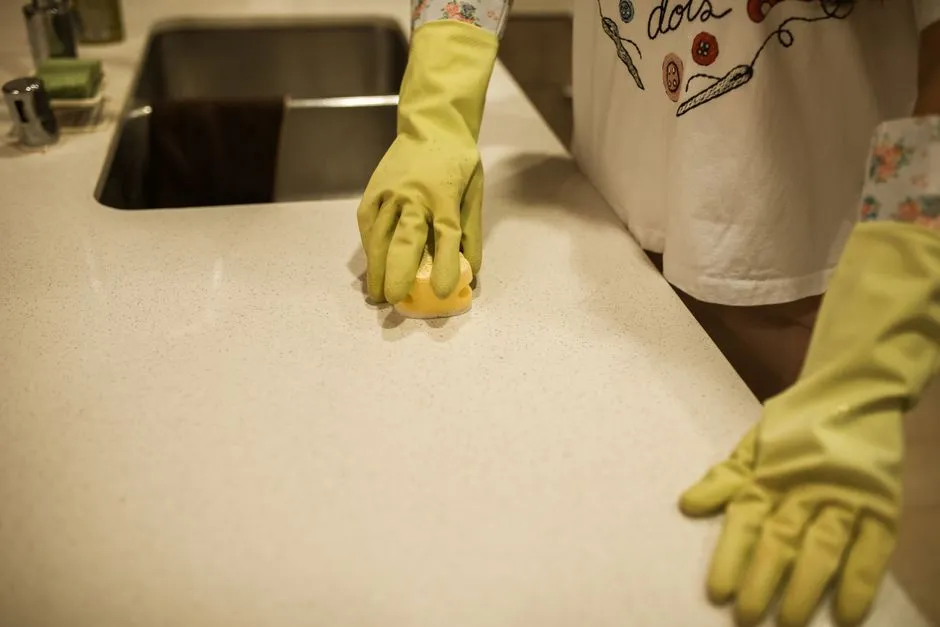
White vinegar is one of the oldest and most resilient cleaning agents in domestic history. It is primarily composed of acetic acid, produced through fermentation, and the typical household vinegar contains around five percent acetic acid – a concentration sufficient to offer antibacterial properties. That modest percentage turns out to be genuinely useful for everyday surfaces.
Studies have shown that when applied to surfaces, acetic acid can reduce the presence of pathogenic bacteria such as Escherichia coli and Salmonella, though its efficacy depends on concentration and contact time. In practical terms, this makes vinegar a reasonable choice for countertops and kitchen surfaces in a normal household setting.
Vinegar cleans well but disinfects unreliably – it kills some E. coli and Salmonella under lab conditions yet fails against norovirus, C. diff spores, and MRSA, and it holds no EPA disinfectant registration. The honest read is that vinegar works well as a general cleaner and odor remover, but it should not be your first choice for situations that require true disinfection.
One important note: avoid using vinegar on natural stone surfaces, since its acidity may damage the finish over time. Marble and granite deserve cleaners specifically made for stone.
2. Baking Soda as a Stain Fighter and Odor Absorber
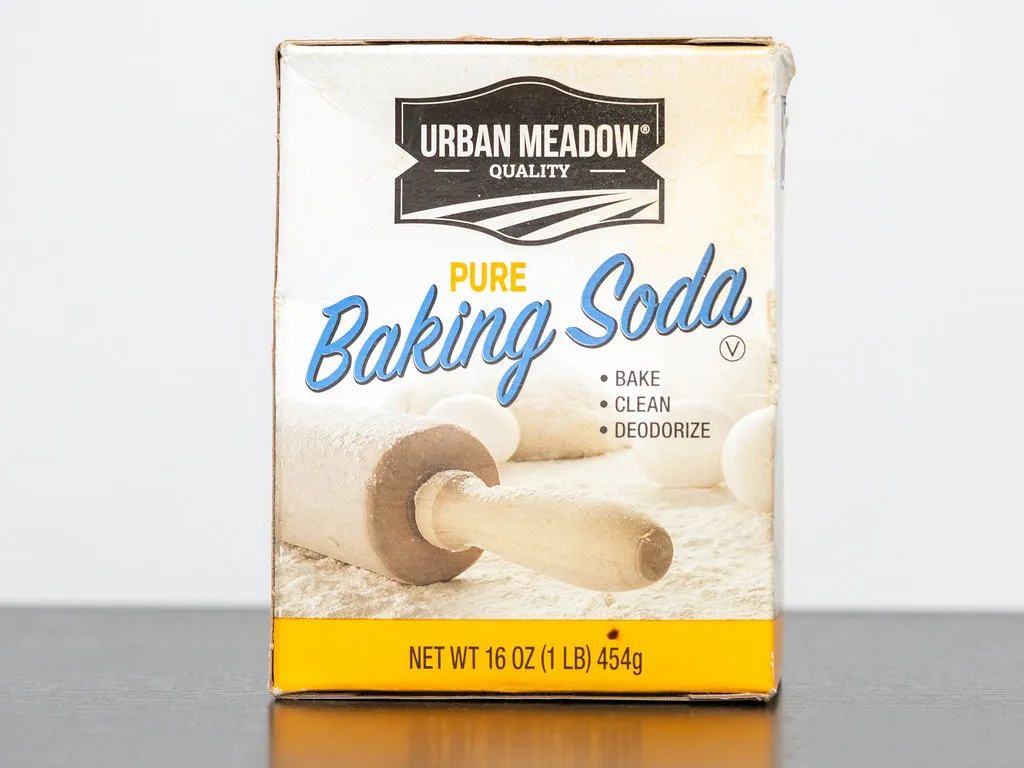
Officially known as sodium bicarbonate, baking soda is a naturally alkaline and crystalline compound. Its slightly basic nature allows it to neutralize acidic materials, and its coarse structure makes it slightly abrasive – enough to cut through various stains. This ability to alter pH levels paired with its abrasiveness makes it a genuinely effective stain-fighting agent.
The effectiveness of baking soda as a stain remover comes from its alkaline nature. When dissolved in water, it forms a mild solution that can break down acids, grease, and other organic compounds. It is particularly effective on acidic stains like coffee, fruit juice, and sweat.
Baking soda actually absorbs many odors instead of covering them up, which is why it has earned a permanent spot in refrigerators worldwide. Chemically, baking soda reacts with acidic compounds to reduce unpleasant smells, and its moisture absorption is useful in cleaning applications where dampness causes stains or odors. This is basic chemistry, not folklore.
Sprinkling baking soda into sinks, tubs, or ovens before adding a little warm water creates a gentle paste. Allowing it to rest for several minutes before scrubbing lightly with a sponge works well, as the paste lifts grime without scratching most surfaces.
3. Lemon Juice for Stains, Smells, and Surface Brightness
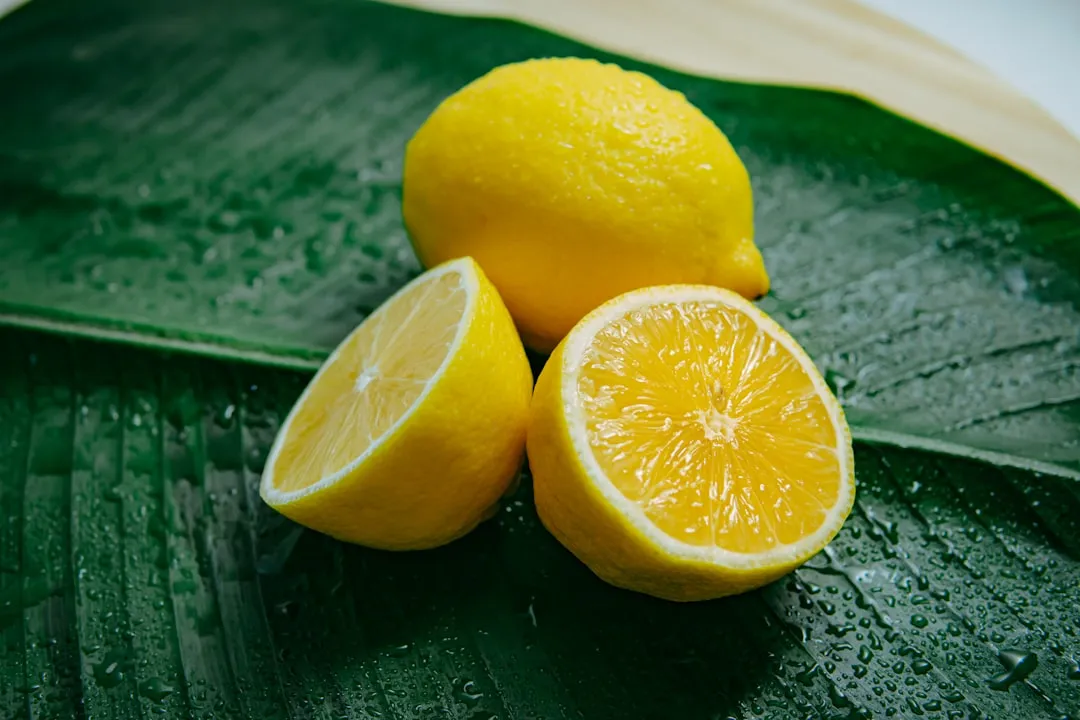
Chemically, what the tongue interprets as sour in a lemon is citric acid. Lemons are quite acidic – more acidic than orange juice and black coffee, though not quite as acidic as stomach juices – and this is the key to their effectiveness as cleaning agents. That acidity does real work when applied to the right surfaces.
Lemons can be used for cleaning, and the citric acid in lemon juice can kill bacteria and other germs. However, the evidence here comes with an important qualification. Lemon juice has shown some antibacterial properties, and there are scientific papers that have studied this, but the studies were performed in the laboratory and may not transfer to a consumer’s kitchen, where there are so many variables.
Although many types of soap are alkaline, acids can be quite useful when it comes to cleaning. They can eliminate stains caused by other acids, or combine with alkaline compounds to create powerful chemical reactions. This makes lemon juice particularly good at tackling tarnish, mineral deposits, and surface discoloration rather than serious germ control.
Fresh lemons bring brightness to both cooking and cleaning. Their natural acidity helps loosen grime while leaving behind a clean scent that never feels overpowering. For cutting boards and kitchen surfaces, that combination of light cleaning power and natural deodorizing is still hard to beat.
4. Salt as a Natural Abrasive and Mild Disinfectant
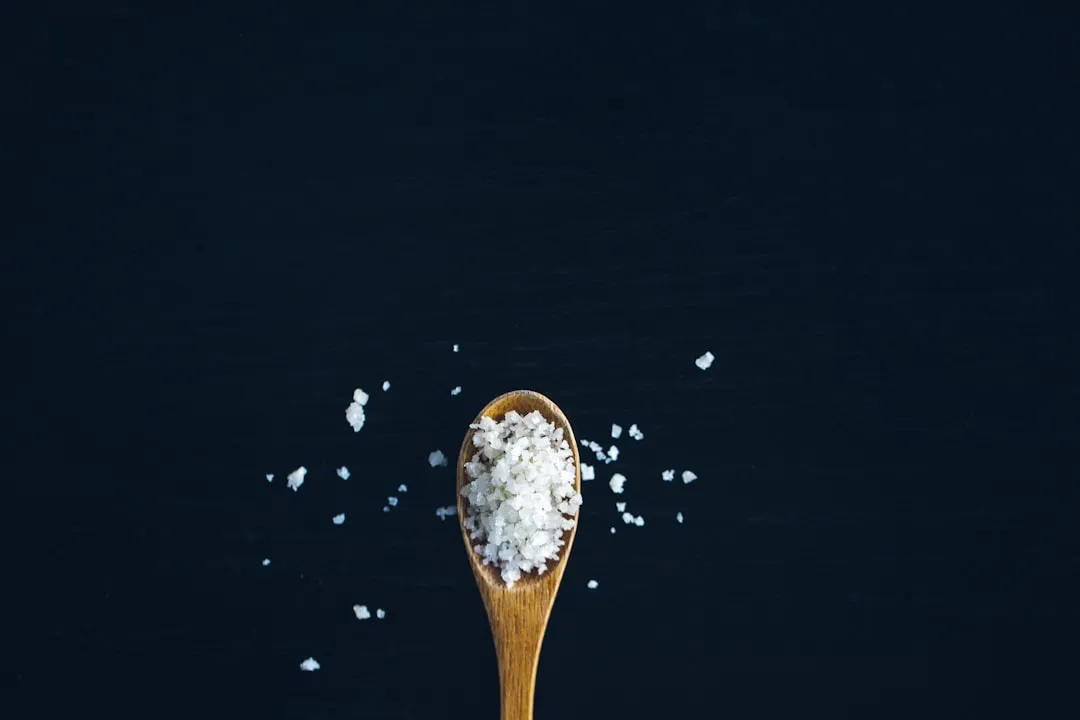
When you use salt to scrub surfaces, its small, hard particles can dislodge dirt and grime in a way that’s both effective and natural. Beyond physical abrasion, salt has properties that also make it a mild disinfectant. It can draw out moisture from bacteria, causing them to dehydrate and die, which is why it has been used for centuries – not just in food preservation but also in cleaning and disinfection.
When using salt to take advantage of its abrasive qualities, it is best to use a coarse salt, because the larger chunks are more abrasive than the more finely ground table salt. This small distinction matters when scrubbing cast iron, wooden cutting boards, or baked-on residue in a pan.
The combination of salt and lemon juice creates a potent natural cleaning solution. Salt’s abrasive texture helps scrub away grime, while the acidity of the lemon juice enhances its cleaning power. This duo not only cleans but also leaves a fresh scent. It’s one of the more satisfying low-cost cleaning combinations still in active use.
With its natural abrasiveness, antibacterial properties, and deodorizing effects, salt can be used to clean a variety of surfaces, remove stains, freshen fabrics, and even unclog drains. Best of all, salt is non-toxic, inexpensive, and readily available.
5. The Baking Soda and Vinegar Drain Trick: What Actually Happens
Few vintage cleaning combinations are more visually satisfying than pouring baking soda down a drain and following it with vinegar. The fizzing foam looks like serious chemistry in action. Most people have seen the classic combination at least once – pour baking soda down a drain, follow it with vinegar, and watch the satisfying foam erupt. It feels like serious cleaning chemistry in action. The problem is that feeling and function don’t always match.
Modern science has largely questioned this pairing as a powerful cleaner. Because baking soda is alkaline and vinegar is acidic, the two neutralize each other when mixed, cancelling out most of their individual cleaning power. The ingredients are better used separately, each playing to its own strengths.
The chemical reaction between baking soda and vinegar does create carbon dioxide gas, which can help dislodge dirt and grime, making it easier to clean surfaces and unclog drains. These natural cleaners are not only effective in certain uses but also nontoxic and safe for most cleaning tasks around the home. So the trick is not entirely useless – it’s just less powerful than it looks.
The smarter approach is to use each ingredient on its own terms: baking soda for odors and grease absorption, vinegar for surface acidity and mineral deposit removal. Used sequentially rather than simultaneously, they remain a worthwhile vintage pairing.
Vinegar and Salt Together: The Forgotten Power Pair
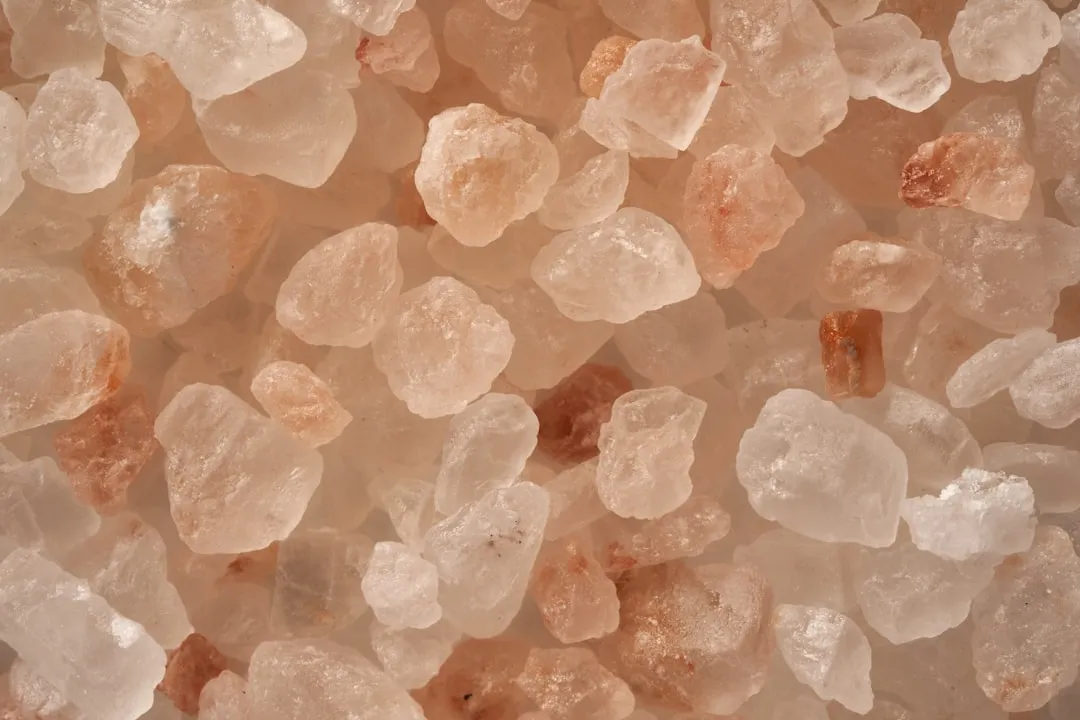
Studies confirm that household natural sanitizers like lemon juice and vinegar can reduce the number of pathogens to undetectable levels. Vinegar can inhibit the growth of and kill some food-borne pathogenic bacteria. When salt enters the picture, that effect gets noticeably stronger.
The combined use of vinegar and sodium chloride, with an appropriate treatment temperature, was found to be markedly effective for the prevention of bacterial food poisoning. This pairing was common in old-school kitchen cleaning long before anyone had published research to explain why it worked.
Vinegar contains acetic acid, typically in a concentration of four to eight percent. This mild acid effectively dissolves metal oxides that form on the surface of copper and silver due to their reaction with oxygen in the air. Combined with the gentle abrasion of salt, it’s one of the best non-toxic options for polishing tarnished metals.
Lemon and Salt on Cutting Boards: A Sanitation Classic
Wooden cutting boards are notoriously hard to clean properly. Their grooves trap bacteria, and harsh chemical cleaners aren’t always ideal for a surface that comes into daily contact with food. The lemon-and-salt method addresses this in a sensible, food-safe way.
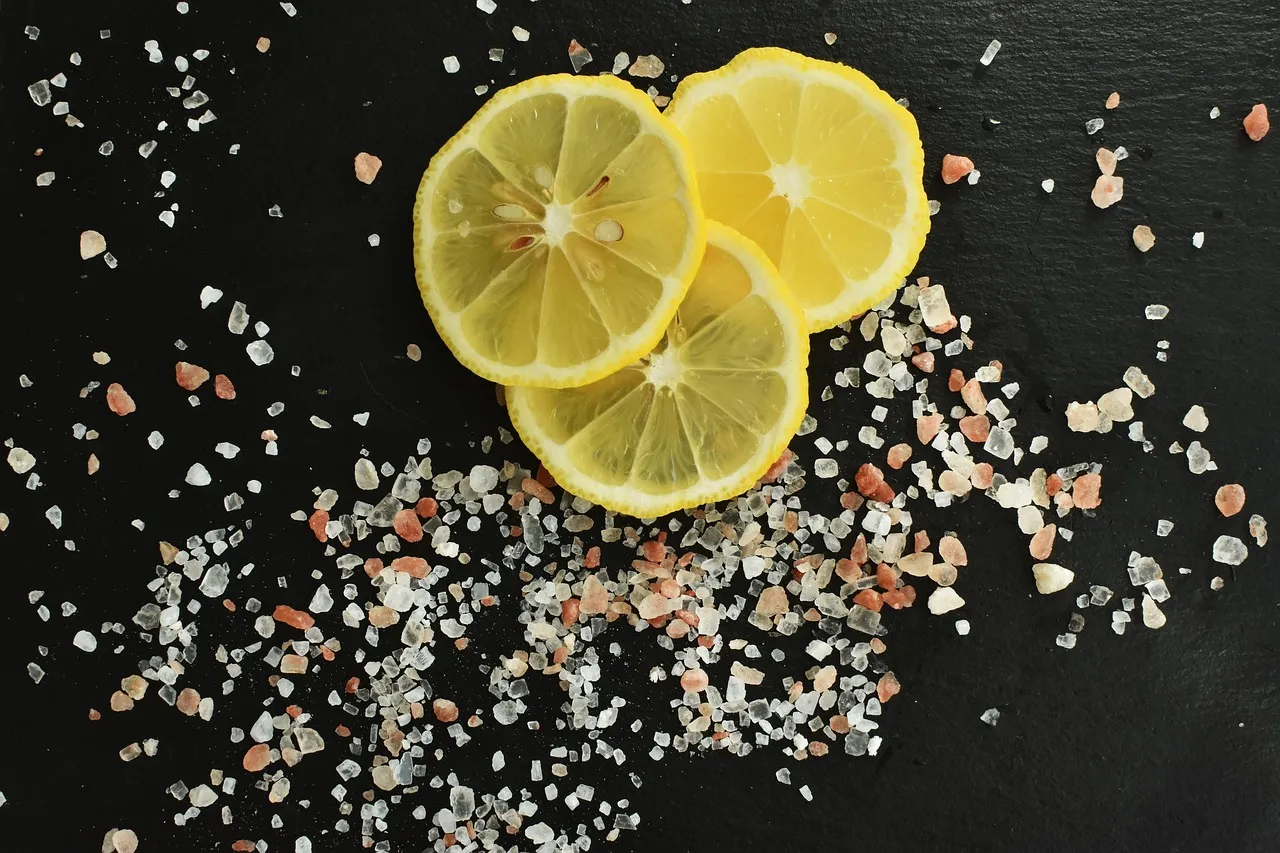
To clean a wood or bamboo cutting board, take half a lemon and coarse salt, dip the cut side of the lemon in salt, and scrub the board thoroughly, then rinse. This process cleans and helps freshen the board while leaving it looking brighter. It’s quick, inexpensive, and completely safe for food-contact surfaces.
In the days when butcher shops were the norm, customers might have glimpsed an unused wooden cutting board covered in salt. It was a tradition among butchers, and there was a real scientific reason behind it: salt absorbs the liquids that get into grooves in butcher’s blocks. That same logic applies in modern home kitchens today.
Baking Soda for Greasy Kitchen Surfaces

Baking soda is effective against grease or oil-based stains because it simultaneously absorbs excess oil, dries the stain out, and breaks down the grease’s composition, allowing other cleaning agents to lift it away. This is particularly useful on stovetops and oven interiors where grease accumulates and bakes on over time.
Oil stains on kitchen surfaces or fabrics are notoriously difficult to clean. Baking soda helps by absorbing grease and breaking down fatty acids, making it easier to lift stains during washing. For an oven interior, a thick paste applied overnight and wiped away in the morning can replace the need for harsh chemical sprays.
Baking soda’s emulsifying, abrasive, and deodorizing properties make it an effective and eco-friendly cleaning solution. While it may not be a miracle worker for extremely heavy grease buildup, it’s a versatile and safe option for tackling everyday greasy messes. Managing expectations here makes the difference between disappointment and consistent results.
The Truth About Mixing These Ingredients
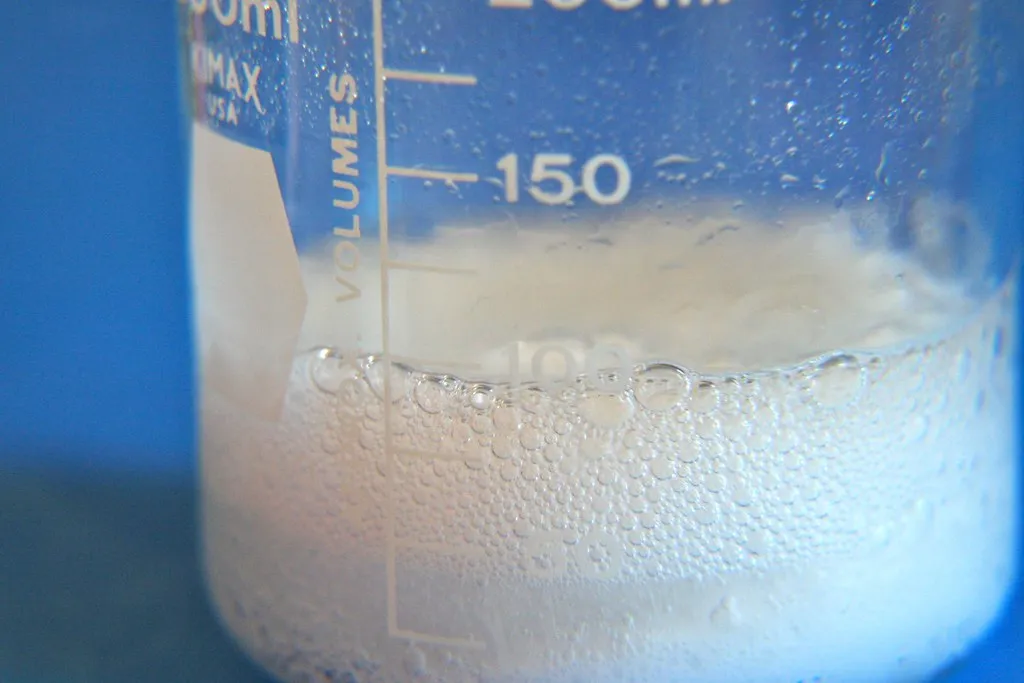
One of the most important lessons from revisiting vintage cleaning methods is understanding what not to mix. Modern science has largely debunked the baking soda and vinegar pairing as a powerful cleaner. Because baking soda is alkaline and vinegar is acidic, the two neutralize each other when mixed, cancelling out most of their individual cleaning power. While the fizzy reaction may look satisfying, it doesn’t produce the chemical impact needed to remove tough stains or grease.
Many traditional cleaning methods remain highly effective because they rely on simple chemistry and consistent habits. Vinegar, baking soda, lemon, and warm water continue to solve many everyday cleaning problems. The key is applying each to the tasks it genuinely handles well, rather than treating them as interchangeable miracle solutions.
Not all materials benefit from natural cleaners, because certain surfaces require products designed specifically for them. Homemade cleaners work best as part of a balanced cleaning routine rather than a complete replacement. That balanced perspective is what separates genuine utility from hype.
Why These Tricks Are Experiencing a Modern Revival
Before aerosol sprays and synthetic scents filled supermarket shelves, many households relied on homemade cleaners to keep their homes smelling fresh and clean. Using ingredients like lemon, vinegar, baking soda, and spices, older generations crafted simple but effective solutions that didn’t just mask odors – they eliminated them. These concoctions were often passed down from generation to generation, then became less prominent when major brands launched loud marketing campaigns highlighting the “latest and greatest.”
In addition to their cleaning and antibacterial properties, natural cleaners like vinegar are appealing for several reasons. They are non-toxic and safer for use around children and pets compared to some commercial disinfecting agents, and many consumers seek solutions that do not involve hazardous chemicals. That shift in consumer priorities has brought these methods back into mainstream discussion.
Salt, like other natural cleaners, benefits from its abrasive texture, antibacterial properties, and deodorizing effects, making it a powerful ingredient in homemade cleaning solutions. It’s also cost-effective, non-toxic, and environmentally friendly – a strong choice for those looking to reduce exposure to harsh chemicals. The case for these old tricks isn’t purely sentimental. It’s practical, and increasingly it’s science-backed too.
The Takeaway
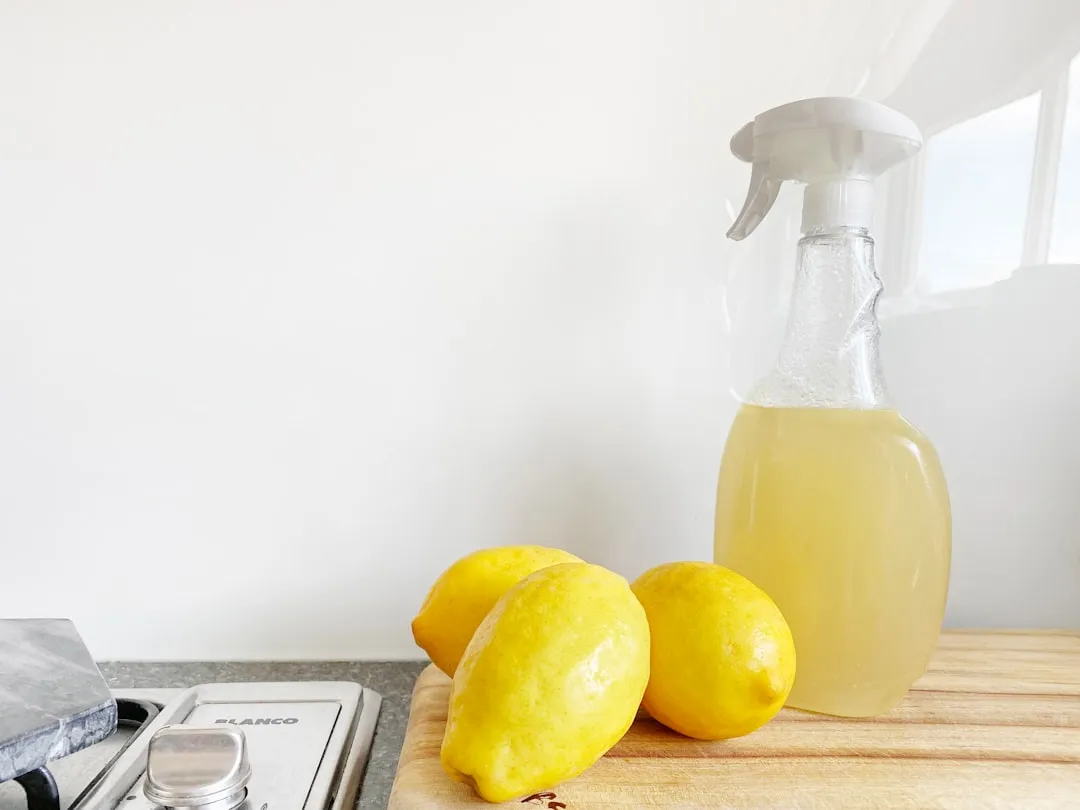
These five vintage methods have survived not because of nostalgia but because they work – at least when applied to the right surfaces, at the right concentration, with realistic expectations. Baking soda absorbs and lifts. Vinegar cuts through deposits and reduces some bacteria. Lemon brightens and deodorizes. Salt scrubs and draws out moisture. Each has a lane where it performs well.
The biggest mistake people make with natural cleaning is treating these ingredients as all-purpose replacements for every commercial cleaner. They aren’t. Always test any cleaner in a small hidden area before cleaning an entire surface. That simple habit protects floors, counters, and finishes from unexpected damage.
What’s worth holding onto from all this is a simpler principle: a clean home doesn’t necessarily require a cabinet full of specialized products. Sometimes what the kitchen already holds is genuinely enough – and it has been, for a very long time.
AI Disclaimer: This article was created with the assistance of AI tools and reviewed by a human editor.