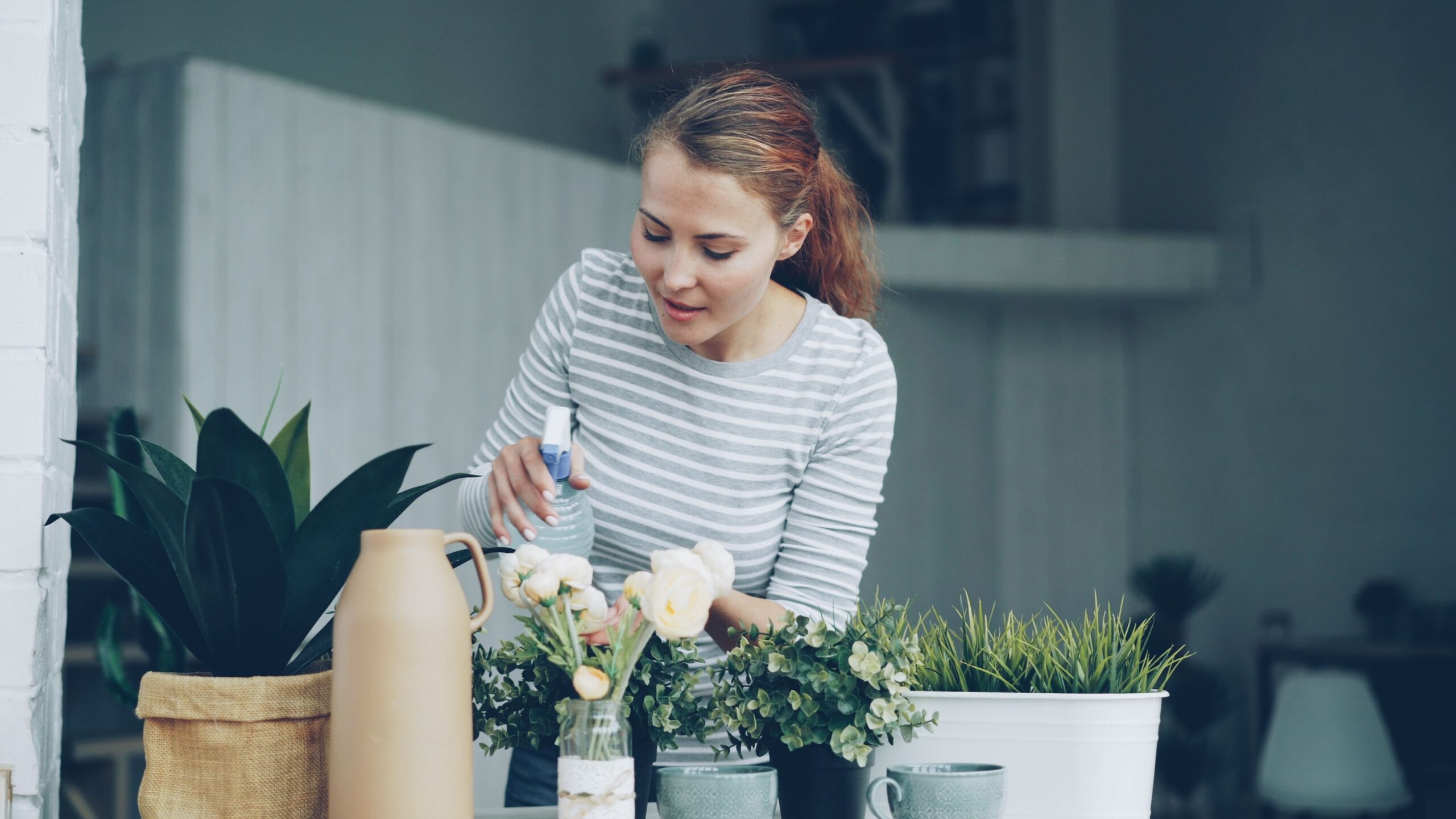

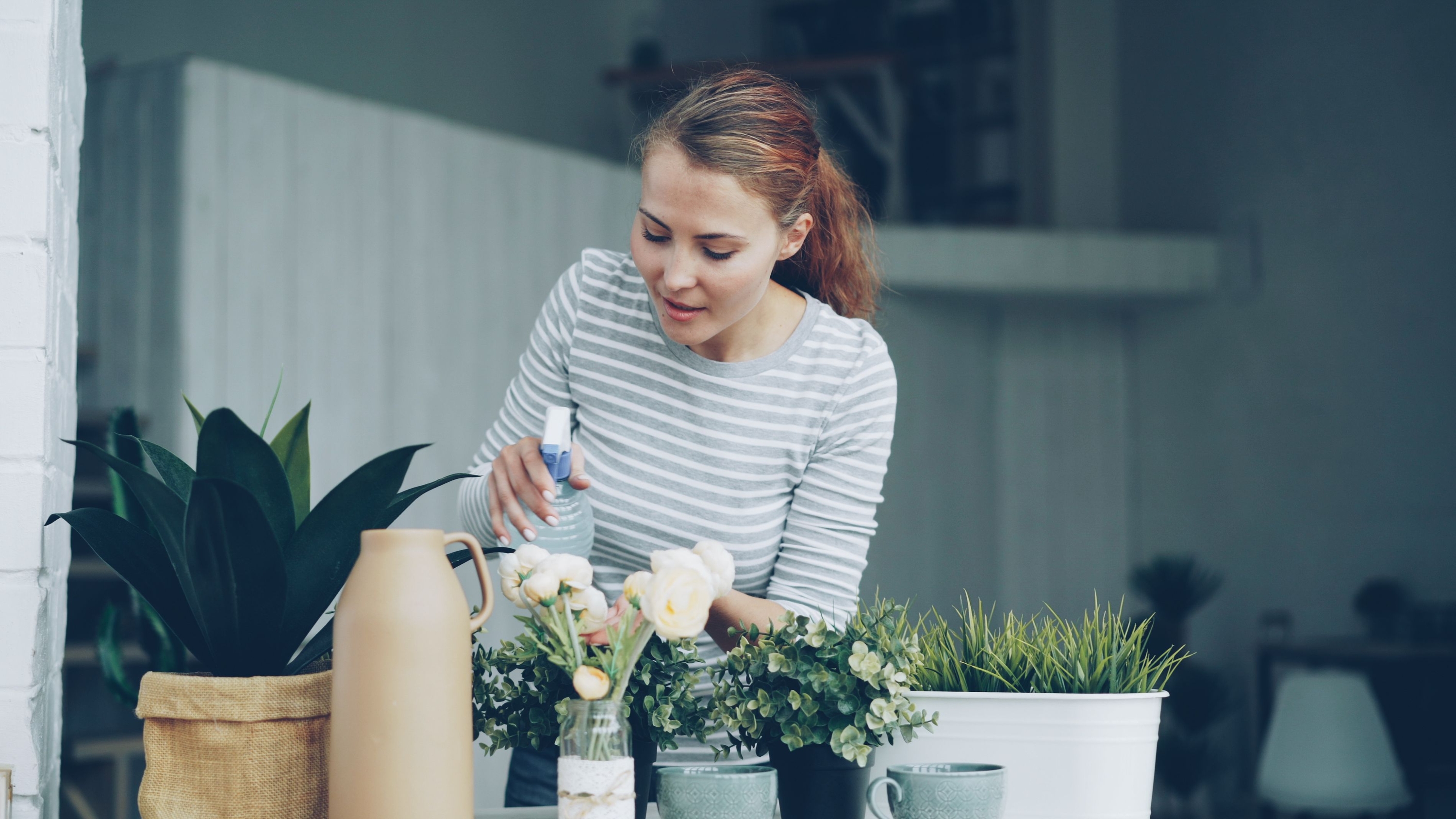
Most people who kill houseplants don’t do it through cruelty. They do it through kindness. Extra water here, another splash there, and before long the roots are sitting in a swamp they were never built to survive. More houseplants meet their end from too much love than from being ignored. When you water too frequently, roots sit in soggy compost and literally rot. They can’t breathe, they can’t function, and the plant essentially drowns from the root up.
The five plants below have one thing in common. They’re survivors from dry, harsh climates, shaped by evolution to store water, tolerate darkness, and wait out the dry season without complaint. What they can’t tolerate is someone hovering over them with a watering can every few days.
1. Snake Plant (Dracaena Trifasciata): The Indestructible Bedroom Classic
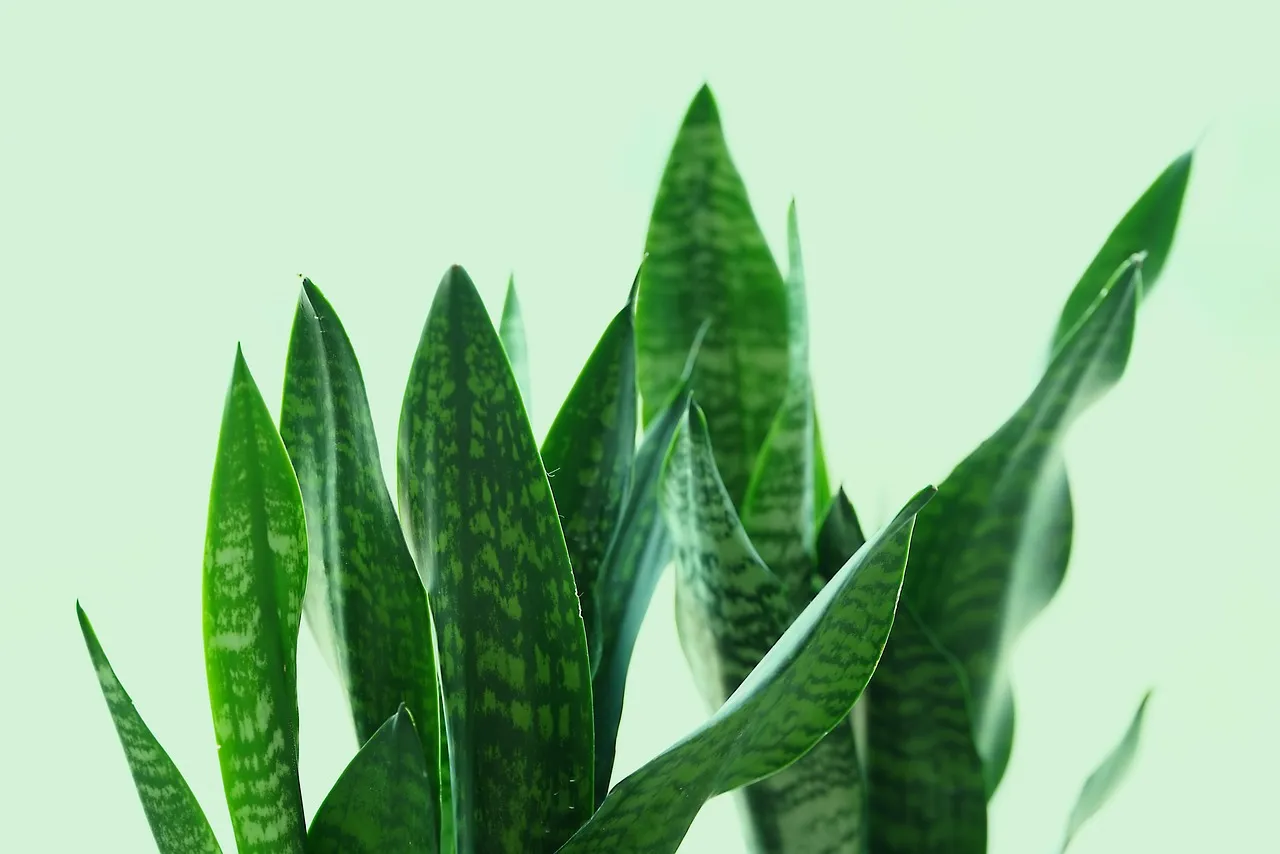
If there’s one houseplant to recommend for beginners, it’s the snake plant. It’s virtually indestructible. Snake plants have been known to survive in the darkest office corners, forgotten for weeks without water, and still come back fighting. Formally known as Dracaena trifasciata (formerly Sansevieria trifasciata), it’s native to Asia and Africa, and recognized by its evergreen sword-shaped leaves that grow upright and almost resemble artificial foliage.
If you plan to have a snake plant in your home, the most important rule is this: don’t overwater. Too much water is this plant’s weakness. Place it in a well-drained pot to avoid overwatering, as it can cause rotting. Dry it out completely because you forget to water for a month, and it’ll carry on as if nothing happened. Leave it sitting in stagnant water or let the soil stay too wet for too long, and it’ll rot and die pretty quickly.
Snake plants use something called CAM photosynthesis, which means, unlike most plants, they open their pores at night instead of during the day. This allows them to take in carbon dioxide and release oxygen while you sleep. A 1989 NASA study of plants’ effects on air purity discovered that the snake plant is among the top reducers of indoor air pollutants, removing up to four toxins from the air, including benzene and formaldehyde. It’s a plant that earns its place in the room without asking for much in return.
2. ZZ Plant (Zamioculcas Zamiifolia): The Drought-Storing Powerhouse
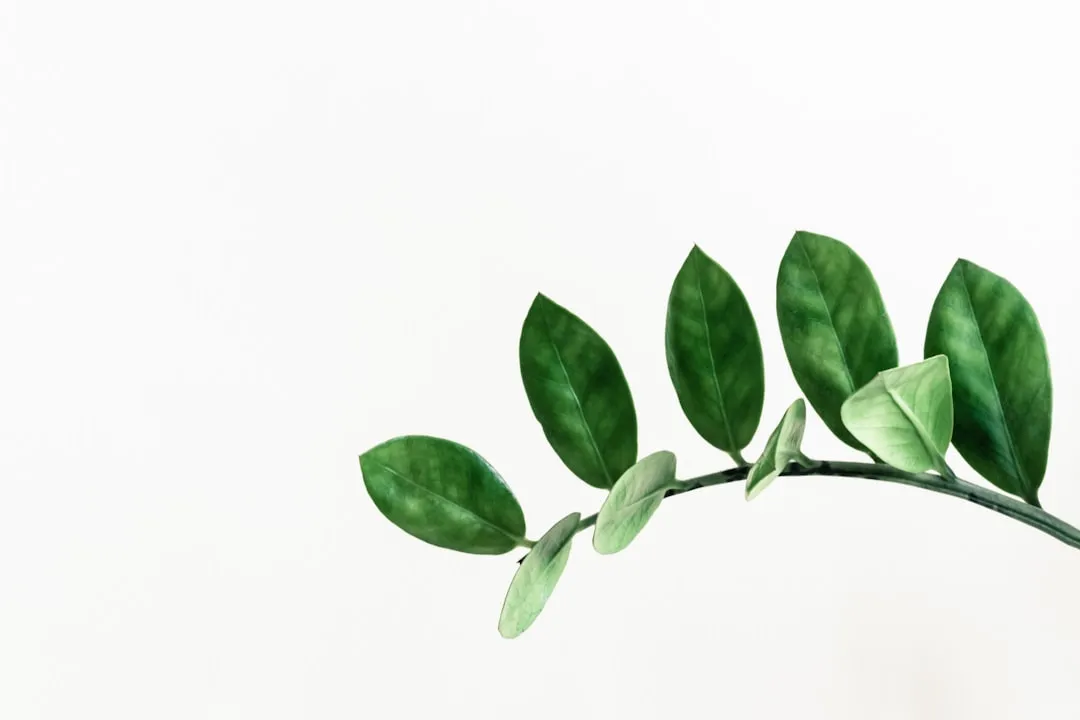
Native to East Africa, the ZZ plant is known for its glossy, upright leaves and tough-as-nails attitude. It thrives in low light, needs minimal water, and can handle neglect like a champ. It’s a go-to for households from humid Miami apartments to dry Denver homes.
ZZ plants have roots that are unlike most houseplants. Their roots consist of potato-like rhizomes that store water beneath the surface of the soil, contributing to their drought tolerance. Overwatering is the number one killer of ZZ plants. When you water too often, the soil becomes saturated, and the roots can’t breathe. This environment is perfect for root rot, a common disease that can be fatal for the plant.
Despite their reputation for drought tolerance, ZZ plants suffer terribly when overwatered. Their potato-like rhizomes store moisture, so soggy soil quickly leads to yellow leaves, mushy stems, and root rot. Always let the top two to three inches of soil dry out almost completely before watering. It’s far safer to underwater than to drench. A ZZ plant will thank you with steady, healthy growth when left mostly to its own devices.
3. Aloe Vera: The Succulent That Stores Its Own Medicine
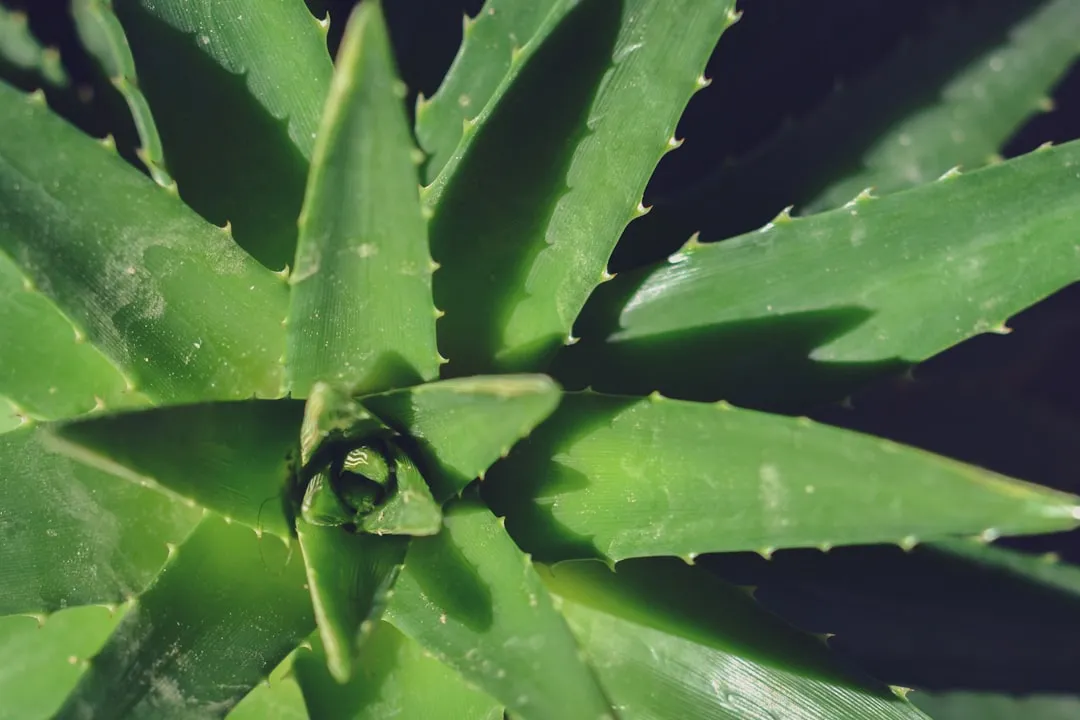
During the growing season, aloe only needs watering every two to three weeks. It’s a succulent, so it stores water in those fat leaf spikes, and as a result the leaves are full of gel. In winter, it needs watering only once every four to six weeks.
Like other succulents, aloe should dry out completely between waterings. If it gets too wet, it’ll get crown or root rot that will kill the plant before you can save it. In fact, too much care, especially overwatering, can cause more harm than good. The gel inside those plump leaves only exists because the plant learned to hoard every drop it could find in dry, rocky soils.
University of Florida Extension data shows over 80% of succulent deaths stem from overwatering. The critical distinction is this: a mushy, translucent stem means irreversible rot, while dry, crispy leaves often indicate salvageable underwatering. Succulent plants store extra water in their leaves, roots, or stems to survive prolonged heat and no rainfall. If you are overly generous, they fill their water-storage tissues, become bloated, and can even split open. Soil kept too wet prevents air from reaching the roots, causing soft rot. With aloe, a week of neglect is truly better than a day of excess.
4. Cactus: The Desert Native You’re Probably Overwatering Right Now
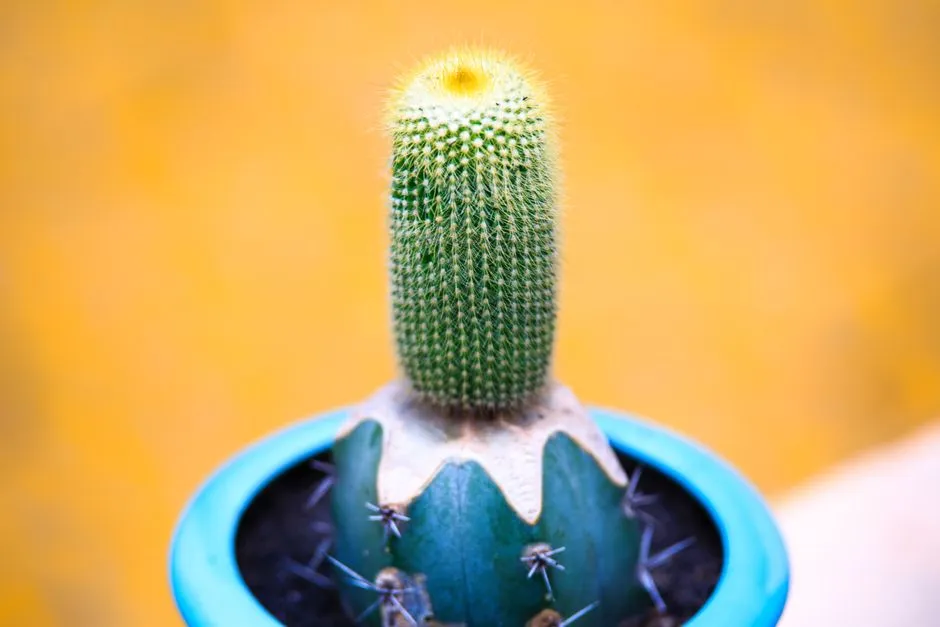
Since they need so little maintenance, cacti ought to be some of the easiest plants to grow. Unfortunately, it’s hard to accept just how little maintenance they really need, and plenty of cactus owners accidentally kill them with kindness by watering them too much. Cacti aren’t just drought tolerant. They need some drought to survive. Their roots rot easily and too much water can kill them.
One of the easiest ways of killing a cactus plant is by overwatering. In fact, overwatering kills these succulents much faster than underwatering. It is also the primary cause of root rot among cacti plants. The symptoms of overwatering in cactus are particularly misleading. In the beginning, overwatered cactus plants actually show signs of health and happiness. They may plump up and put out new growth. Underground, however, the roots are suffering.
Overwatering causes around 80% of indoor cactus deaths, not neglect. Water only when soil is bone dry, typically every two to four weeks in the growing season and less in winter. Poor drainage, not watering itself, is often what kills cacti. Standard potting mix retains too much moisture. A mix of roughly 70% mineral grit such as perlite or pumice, combined with 30% organic matter, works best. Terracotta pots with drainage holes are essential since plastic traps moisture.
5. Pothos (Epipremnum Aureum): The Trailing Vine That Prefers to Be Left Alone
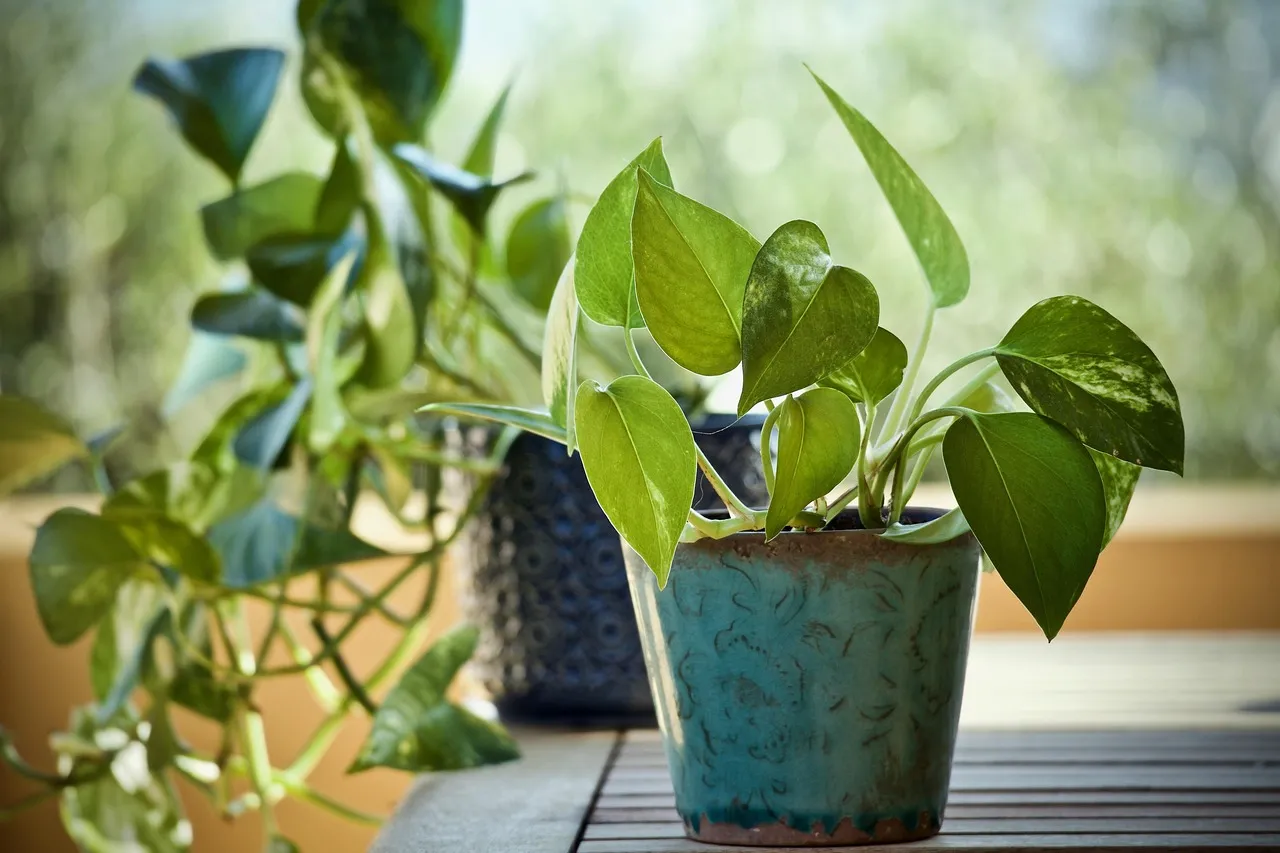
Pothos is another exceptionally hardy plant that prefers neglect over constant helicopter plant parenting. Fluctuating indoor temperatures, low light, and periods of drought don’t bother this tough, climbing plant. Its hardiness is what makes it such a popular first houseplant.
Pothos is hands down one of the easiest and most rewarding houseplants you can grow. These trailing plants have heart-shaped glossy leaves and will happily cascade down from shelves, climb up moss poles, or trail around bookcases. Known as Devil’s Ivy because it’s nearly impossible to get rid of or kill, it brings a tropical feel to any room.
Like many plants in the Philodendron genus, pothos is one of the easiest to care for. They continue to look their best even when lacking water or light and don’t encounter many problems with pests or diseases. They can also handle low-humidity areas well and are easy to propagate. Still, the usual culprit when pothos starts to decline is the same as with every other plant on this list. Overwatering is the fastest way to hurt hardy plants, since their roots can rot if kept wet.
Why Overwatering Is the Silent Killer of Neglect-Tolerant Plants
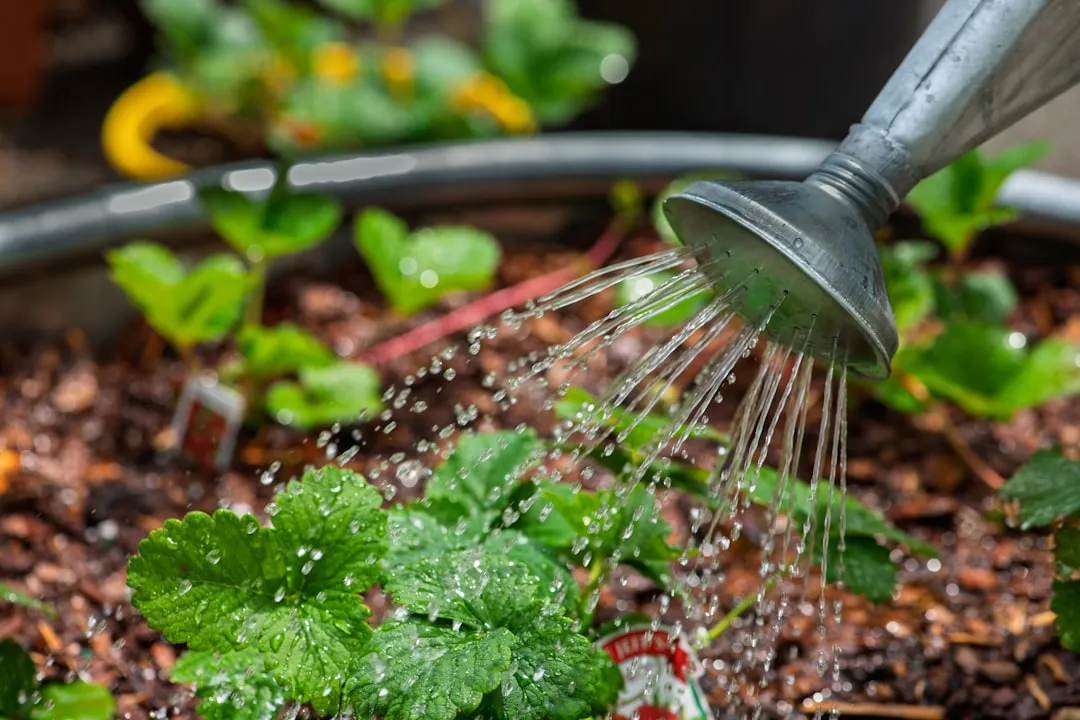
The most resilient houseplants are generally the ones that can cope with a wide variety of conditions, including inconsistent watering, thin soil, and varying light. These tough plants basically thrive on neglect. When they struggle, it’s almost always because their caretakers give too much care and attention. They overfeed, overwater, and generally love their plants to death.
The reality is that most houseplants prefer to dry out a bit between waterings. They’re far more forgiving of being slightly too dry than being waterlogged. This is a useful mental reset for anyone who has lost a plant they thought was easy to keep. It probably wasn’t neglect that did it.
Soil and Drainage: The Unseen Foundation of Plant Survival
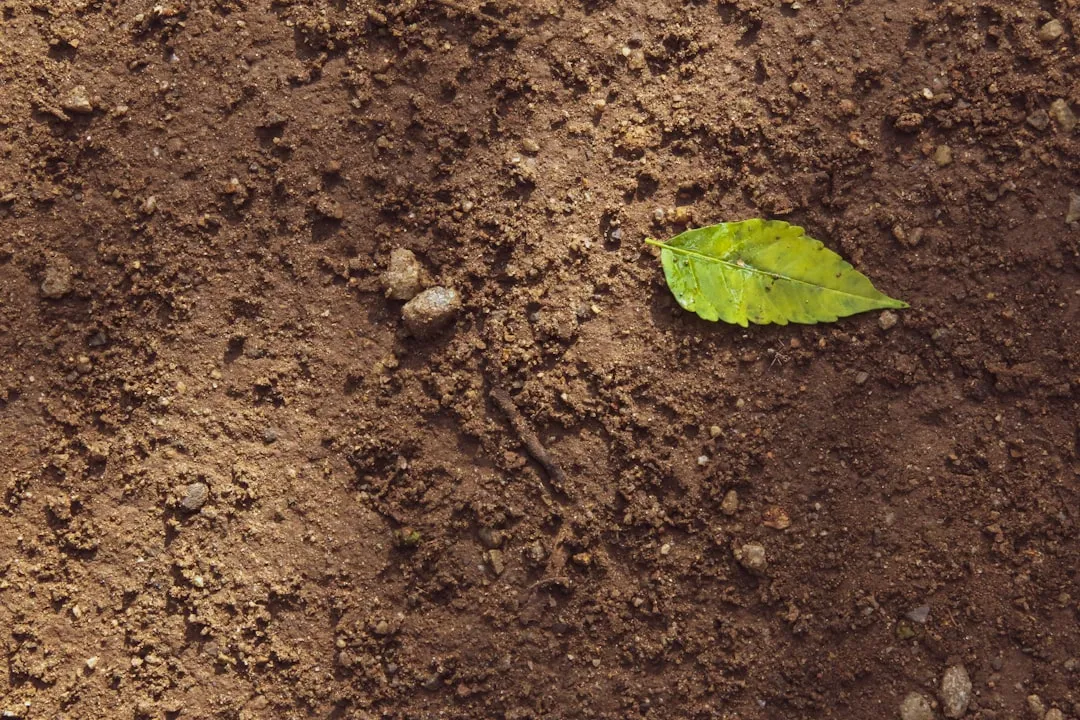
Good drainage is the key when picking soil for neglect-tolerant houseplants. Avoid heavy, dense soils, as they trap moisture and make root rot more likely. A potting mix with ingredients like perlite, coarse sand, or orchid bark helps water move through quickly.
For about 90% of common houseplant succulents such as echeveria and jade, gritty soil with 50% perlite prevents the vast majority of deaths, according to University of Florida Extension data. Clay pots with drainage holes are generally best due to their porosity, followed by ceramic types. Plastic and glass planters are the most disadvantaged as they do not facilitate breathability and drainage, especially if they lack holes at the bottom. Wrong planters result in a waterlogged plant as the water has nowhere to go, and will likely lead to rot.
How to Read the Warning Signs Before It’s Too Late
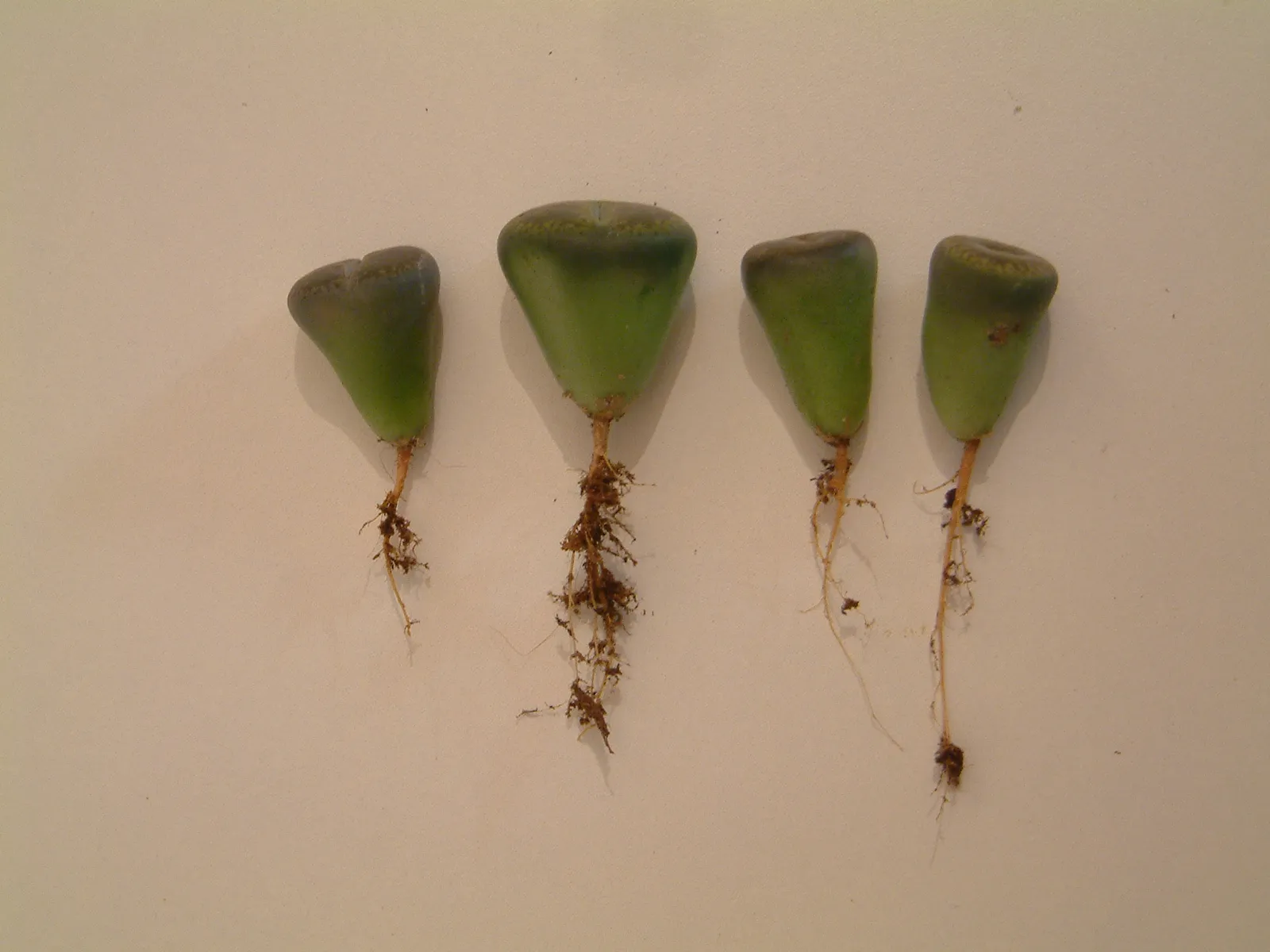
When overwatering is taking hold, the lower leaves start turning yellow and mushy. The stems get soft and brown. The compost smells swampy rather than earthy. These are the distress signals that too many people misread as thirst, prompting them to water even more.
The critical distinction is this: a mushy, translucent stem means irreversible rot, while dry, crispy leaves often indicate salvageable underwatering. Yellowing and softness almost always indicate overwatering that has caused root rot. Stop watering immediately, check for mushy roots, and repot in dry gritty soil. Underwatering, by contrast, causes brown, shriveled stems, not softness. Knowing the difference can save a plant that still has time to recover.
The Watering Habit That Actually Works
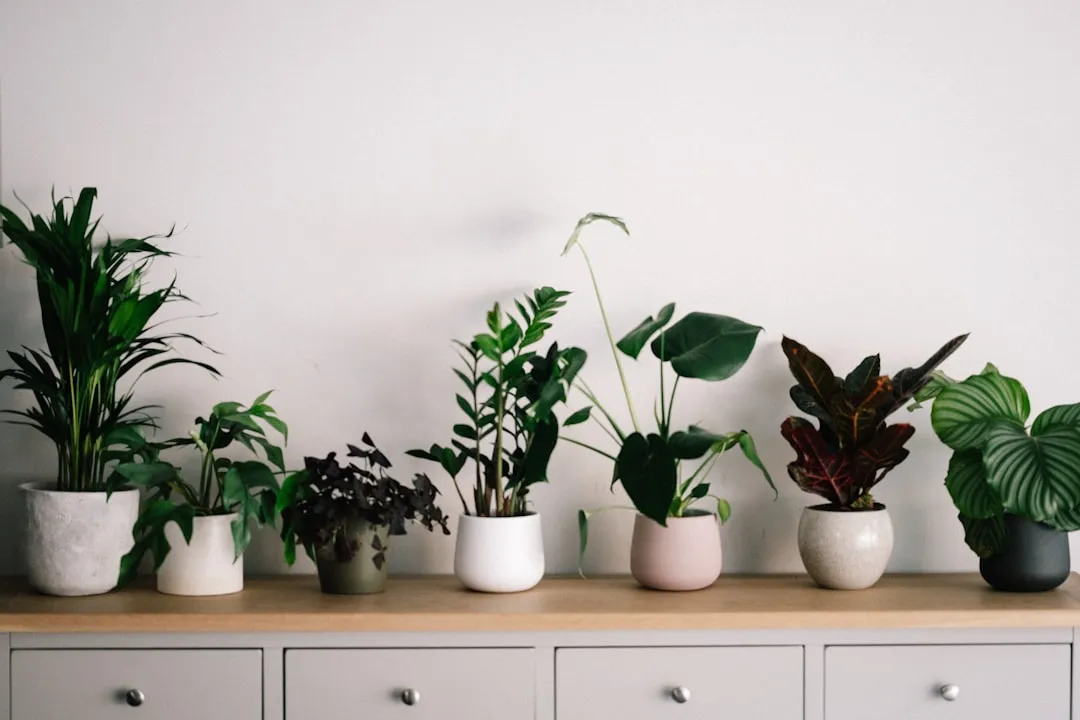
For busy people and beginners alike, overwatering is the enemy, not underwatering. More houseplants die from kindness, too much water too often, than from neglect. Most plants also need less water in winter when growth slows and light diminishes. A plant that needed weekly watering in July may need only every two to three weeks in January.
Wilting leaves, yellowing, or mushy stems usually mean there’s been too much water. Use a finger test or a moisture meter to avoid guesswork. Water less in cooler months since the soil stays moist longer. Always empty saucers after watering so roots don’t sit in standing water. These small adjustments cost nothing and protect plants far better than any scheduled routine.
Fertilizing: Less Is Almost Always More

Too much fertilizer is another common mistake. Most houseplants need little to no fertilizer to thrive. Because ZZ plants grow slowly, they require minimal feeding. Overfertilizing leads to root burn and salt accumulation, contributing to problems like brown leaf tips and slowed growth. The same principle applies across nearly all the plants on this list.
Fertilize cacti just once in early spring with diluted cactus formula at about one quarter strength if growth stalls. Over-fertilizing causes weak tissue prone to rot. Most indoor cacti thrive without it. For neglect-tolerant plants, the best fertilizing approach is usually to fertilize as little as possible and only during the active growing season.
Repotting: One of the Most Common Mistakes in Plant Care
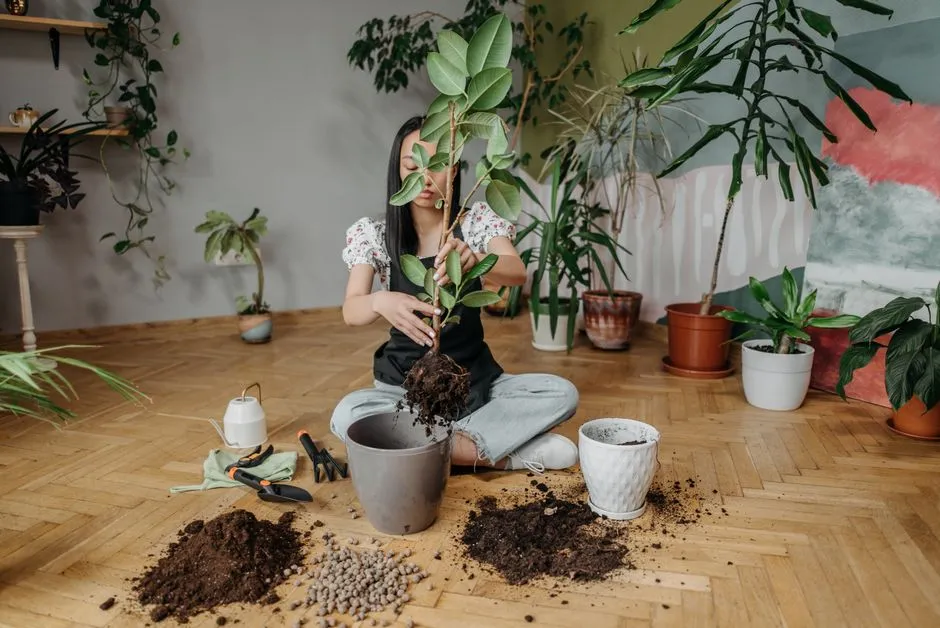
ZZ plants like to be fairly rootbound, so don’t be tempted to pot them up until absolutely necessary. You’ll know it’s time when the roots or rhizomes start to visibly push against the container. Most plants prefer being slightly root-bound, and frequent repotting is one of the more underappreciated care mistakes people make.
ZZ plant problems often arise when repotting damages delicate rhizomes. These underground stems should sit just beneath the soil surface. To repot safely, gently ease the root ball from its pot, then transfer to fresh mix without burying rhizomes too deeply. Repot only every two years or when roots clearly fill the pot. Moving a plant too soon, or into an oversized pot, creates excess soil that retains moisture around the roots and brings things back to that same overwatering problem.
The Takeaway: Benign Neglect Is a Skill Worth Learning
AI Disclaimer: This article was created with the assistance of AI tools and reviewed by a human editor.