
A Booming Industry That Most Households Can Partially Sidestep
The global carpet stain removers market was valued at roughly 1.85 billion dollars in 2025, with projections to grow to over 3 billion dollars by 2034. That’s a lot of money flowing toward products that many consumers reach for out of habit more than evidence. Households represent the largest end-use segment, accounting for nearly sixty percent of demand, reflecting strong consumer appetite for convenient home cleaning solutions.
The market is currently shifting toward eco-friendly and pet-safe formulations, reflecting growing environmental concerns and the rising number of pet-owning households. That shift is happening in commercial product lines, but many people already have the original eco-friendly option sitting in their baking supplies. The gap between what’s being sold and what actually works is surprisingly narrow.
What Baking Soda Actually Is and Why It Works on Stains
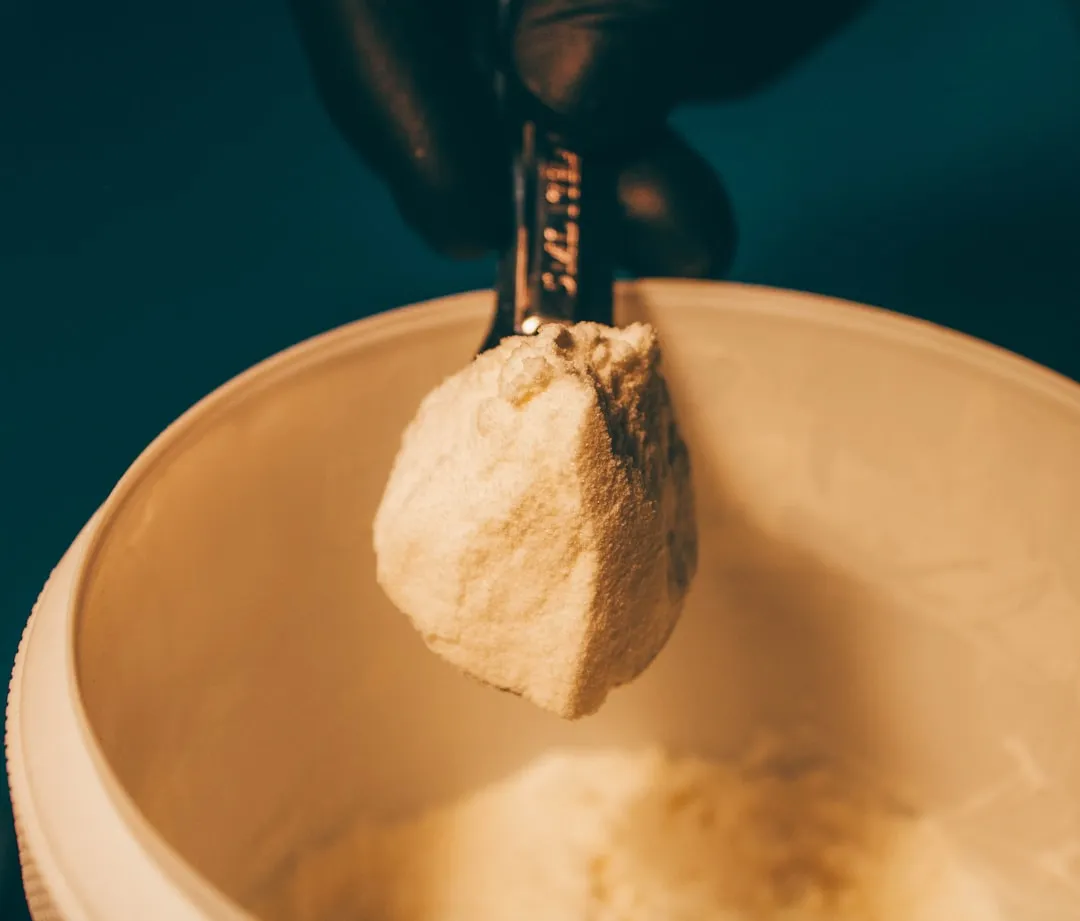
Baking soda, or sodium bicarbonate, earns its place in carpet cleaning through simple chemistry. It is amphoteric, meaning it neutralizes both acidic odors like pet urine and alkaline ones, rather than just masking them with fragrance. That is why it removes a smell rather than layering perfume on top of it.
It is also mildly abrasive, which helps loosen dirt from carpet fibers without being harsh enough to bleach or damage them. When combined with an acid like white vinegar, baking soda produces carbon dioxide gas, and those oxidized gases are highly effective at removing stains from carpet and other materials. The fizzing action is not just satisfying to watch; it actually does something useful.
The Stain Types It Handles Best
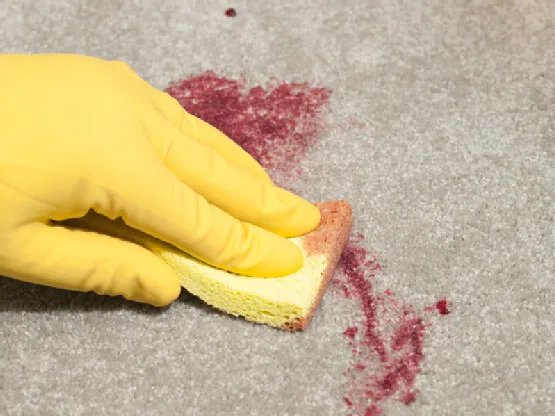
Baking soda can be used to clean and deodorize all kinds of carpet and area rugs, though the method depends on whether the stain is grease-based, such as pizza or oil, or non-greasy, like mud, wine, or blood. Knowing this distinction before you start makes the difference between a clean carpet and a frustrating afternoon. Non-greasy stains are generally easier to remove since they don’t leave an underlying residue behind.
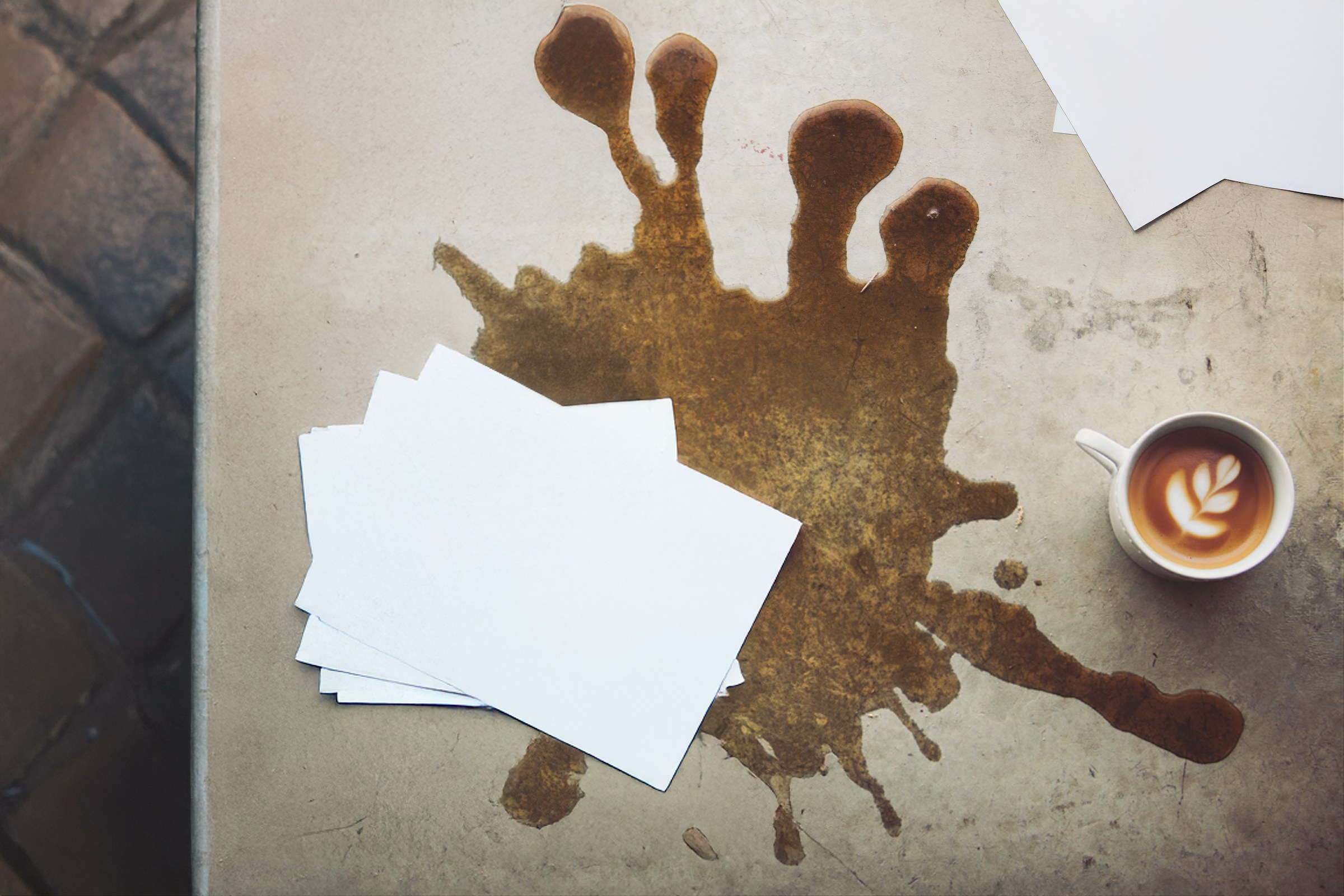
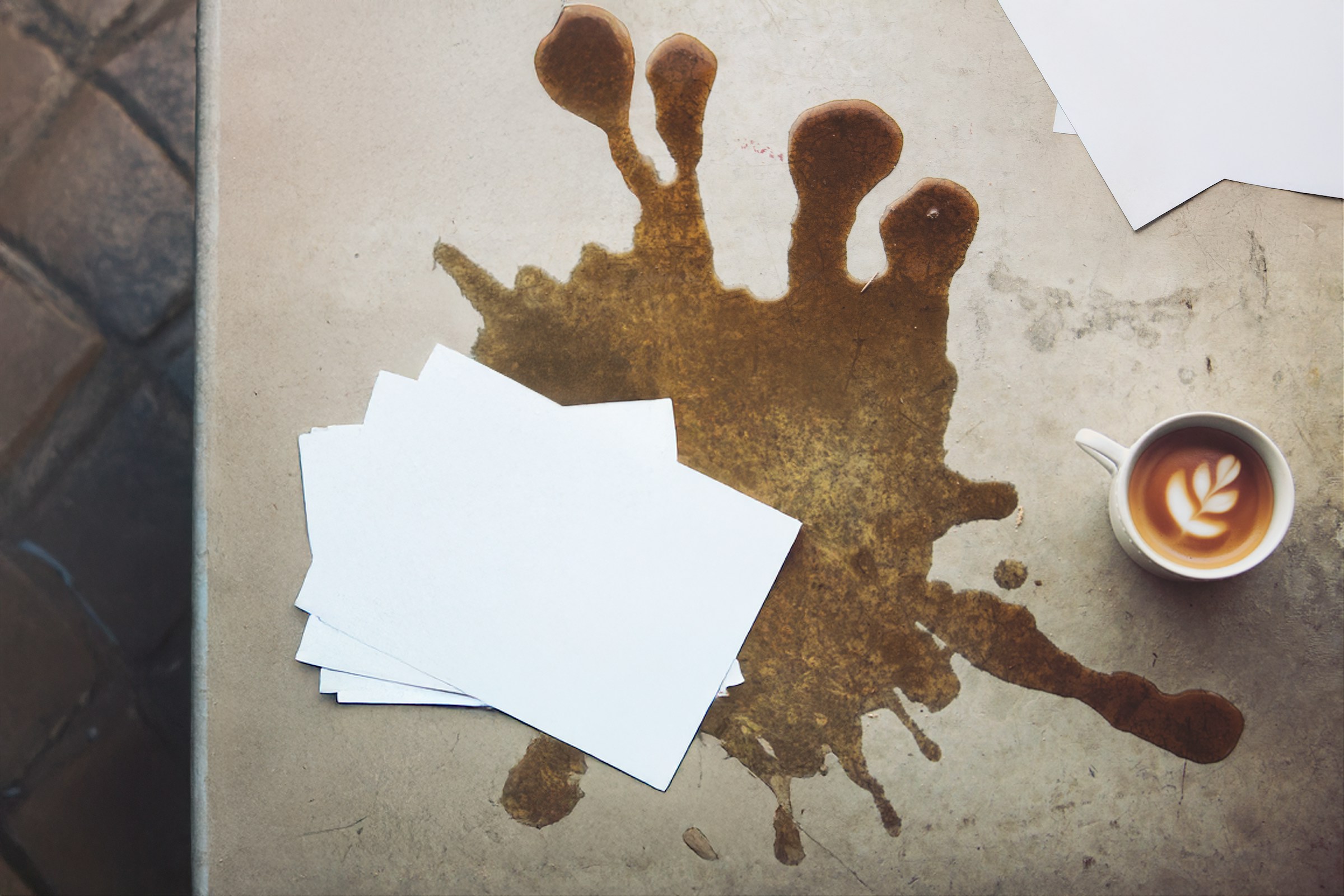
Coffee, tea, wine, and fruit juices contain tannins that can darken carpet fibers quickly, and these water-soluble compounds typically require acid-based or enzymatic treatments to neutralize. The baking soda and white vinegar combination provides exactly that kind of acid-base response. Coffee and wine stains are known to be stubborn and persistent, especially if not treated immediately, and a mix of baking soda and white vinegar does well at breaking down the dirt and making it easier to lift from carpet fibers.
The Correct Method: Step by Step
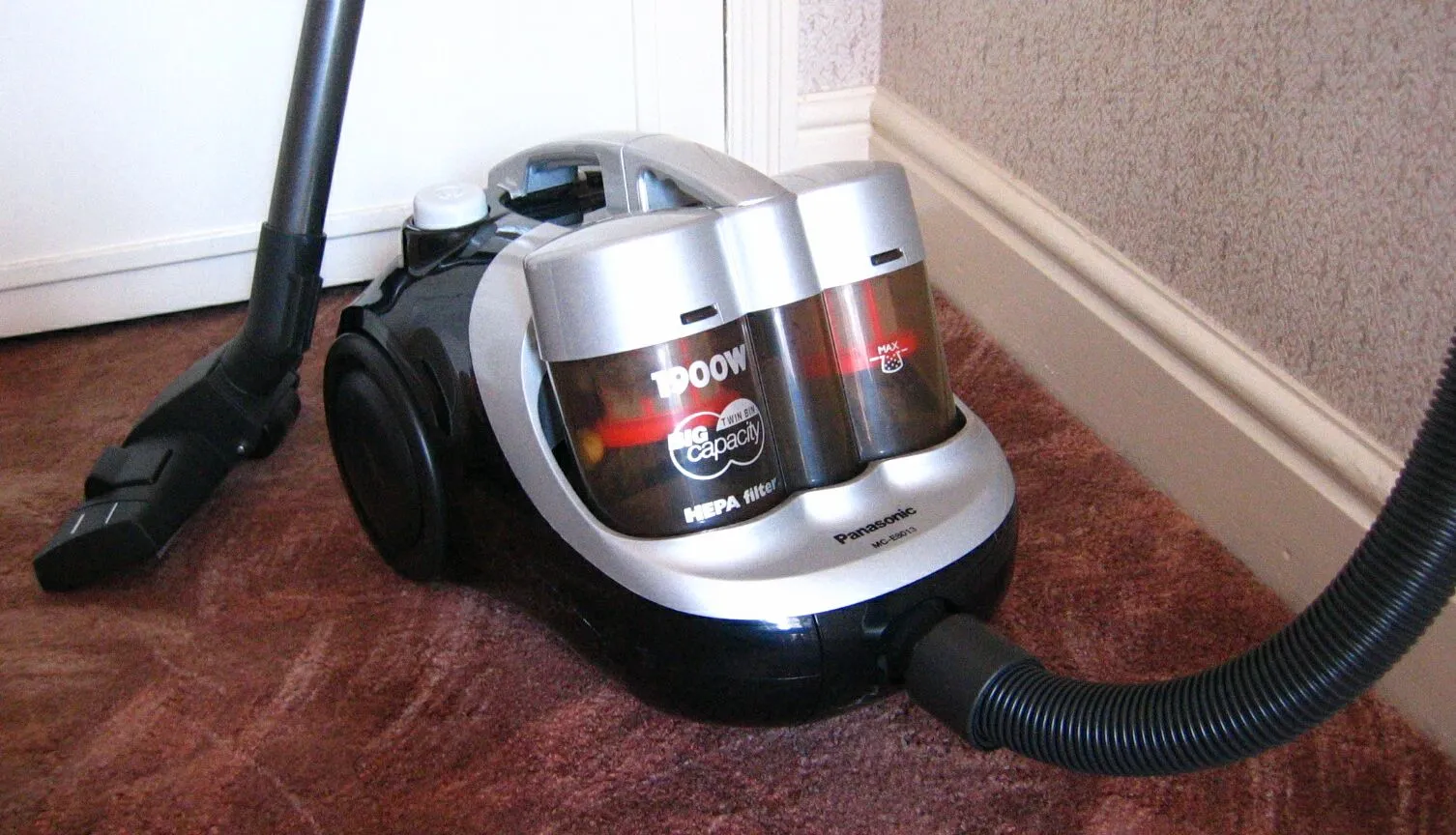
Start by vacuuming the stained area thoroughly to remove surface debris, which allows the baking soda to make direct contact with the stain instead of loose dirt. Then apply baking soda generously, sprinkling a thick layer over the stain and extending slightly beyond its visible edges. This coverage matters more than most people realize.
Let the baking soda sit for at least fifteen to thirty minutes at minimum. For older stains or strong odors, leaving it for several hours or overnight gives it time to absorb moisture, oils, and odor molecules trapped deep in the carpet fibers. You can leave baking soda on the carpet for at least fifteen minutes and up to overnight, because the longer it sits, the better it absorbs odors and lifts grime.
When to Bring in White Vinegar

The acetic acid in vinegar acts as an antagonist against the chemicals that cause stains. When you combine the neutralizing properties of baking soda with the stain-attacking power of white vinegar, you have a fairly effective organic stain remover. The two ingredients work in sequence rather than simultaneously for the best results.
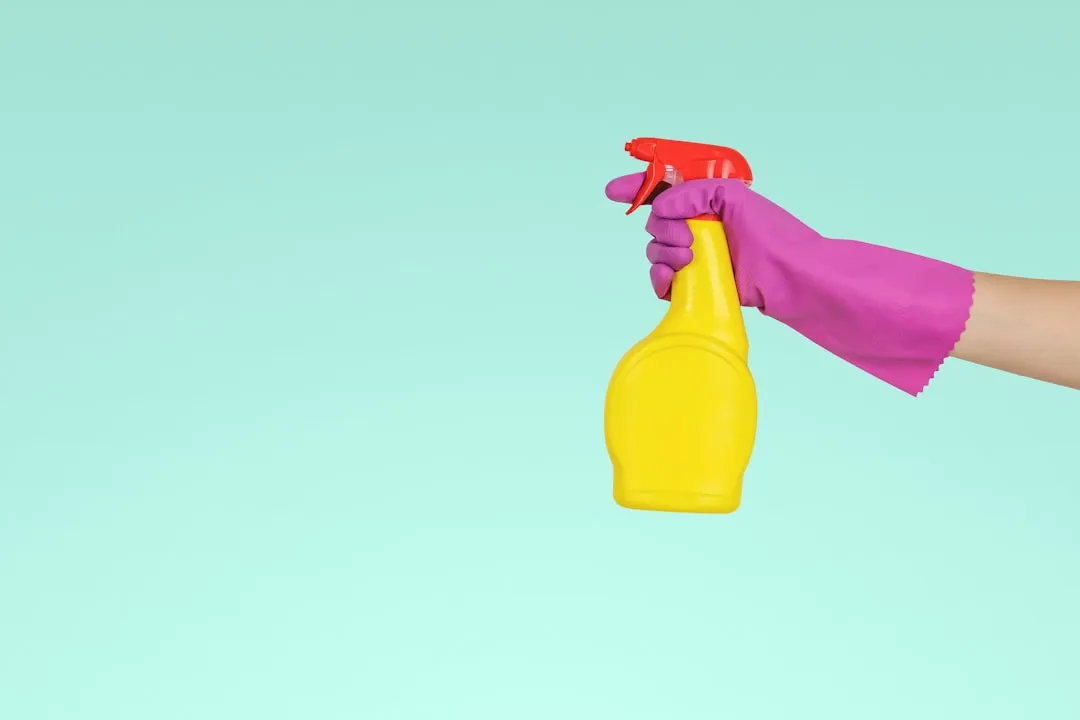
Vinegar has a naturally low pH that makes it effective at breaking down alkaline substances like the salts found in dried pet urine. These salts are what cause lingering odors and stubborn marks on carpet fibers. By dissolving them, vinegar helps loosen embedded residues so they can be removed more easily. A practical mix is one cup of white vinegar with one cup of warm water in a spray bottle.
Tackling Greasy Stains Differently
For grease stains specifically, the recommended approach is to make a paste with baking soda and water, apply it to the stain, let it dry completely for two to three hours, and then vacuum it away. This dry-paste method is different from the wet application used on liquid spills, and the distinction matters. Grease, oil, or cosmetic stains can be particularly stubborn, but natural acid-based solutions help break down grease while baking soda absorbs it from within the carpet fibers.
For especially tough stains, mixing equal parts baking soda and white vinegar, applying to the stain as it fizzes, letting it work for about five minutes, then blotting with a clean cloth before applying dry baking soda to absorb remaining moisture gives the best outcome. It takes a bit of patience, but the results hold up well even against stains that commercial products have failed on.
Why Timing Matters More Than Anything Else

All stains are easier to remove when they’re fresh, so treating a spill right away is always worth the effort. That said, baking soda can also be used effectively on older, set-in carpet stains. Speed isn’t everything, but it significantly reduces how much work the cleaning process requires. Baking soda is generally the most effective on fresh stains, and the longer a stain has set into carpet fibers, the more its effectiveness becomes diminished.
That doesn’t mean older stains are a lost cause. The best aspect of combining vinegar and baking soda as a cleaning approach is the ability of the combination to remove stubborn, older stains. Multiple applications are sometimes needed, and patience matters more than force.
Safety and Limitations You Should Know
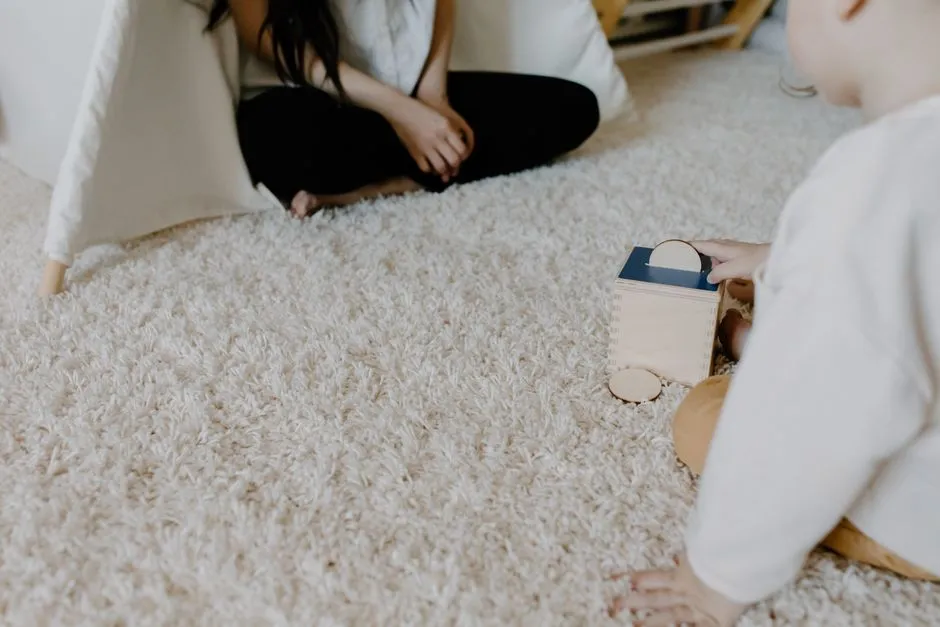
Baking soda is a non-toxic option, making it suitable for homes with children, pets, or allergy sufferers. The primary benefit of using baking soda on carpet is that it is completely safe and non-toxic, unlike certain commercial carpet stain removal products that may contain chemicals posing a danger to household health.
One practical caution worth noting is that the fine powder can clog HEPA filters and bagless cyclone vacuums, so using it sparingly and favoring a bagged vacuum is advisable. Baking soda also does not kill bacteria or break down set-in pet urine crystals, and pairing it with an enzyme cleaner works better for those situations. For natural carpet fibers like wool or silk, undiluted vinegar should never be used. Diluting with at least an equal amount of water, and using even weaker solutions on valuable or antique carpets, is the safer approach.
The Color-Fastness Test You Should Always Run First
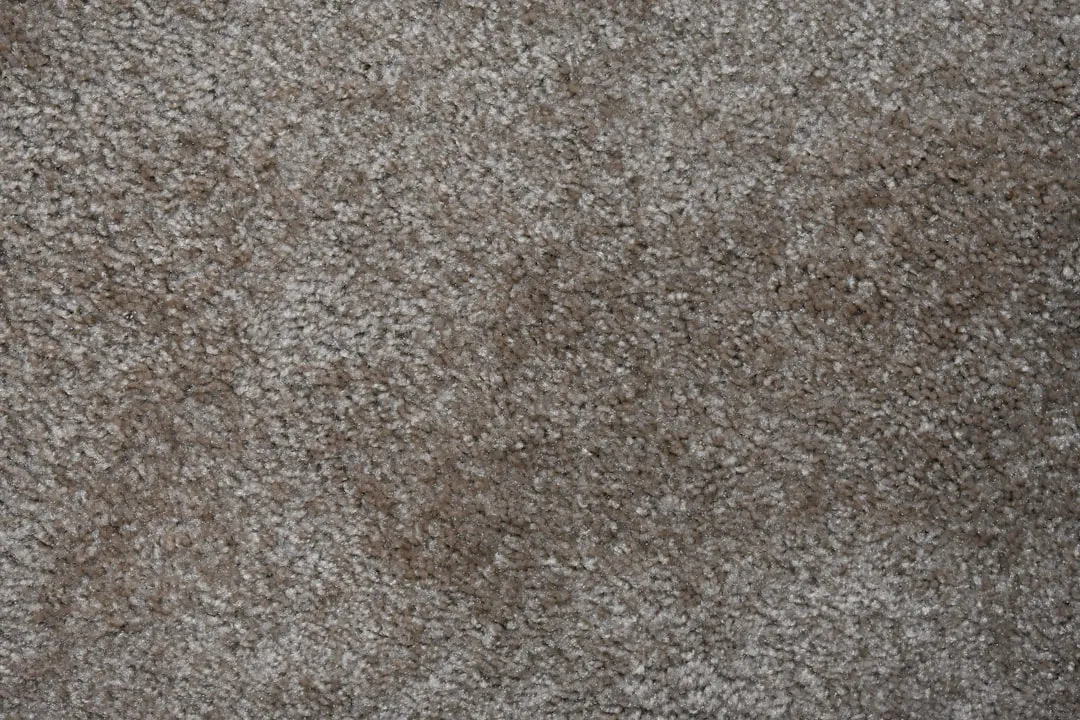
Before applying any solution to a visible area, a quick color-fastness test is always recommended. Mix a small amount of your intended cleaning solution and apply it to an inconspicuous area of the carpet, such as inside a closet or a far corner. Press a clean white cloth against the damp spot for about ten seconds. If any dye transfers to the cloth or the carpet color changes, stop immediately.
Always test any cleaning method on an inconspicuous area and wait twenty-four hours to ensure no discoloration or fiber damage before proceeding with the full treatment. This step takes less than a minute and can save an expensive carpet from permanent damage. It’s the kind of thing that’s easy to skip and very hard to undo.
How Often to Use It for Best Long-Term Results
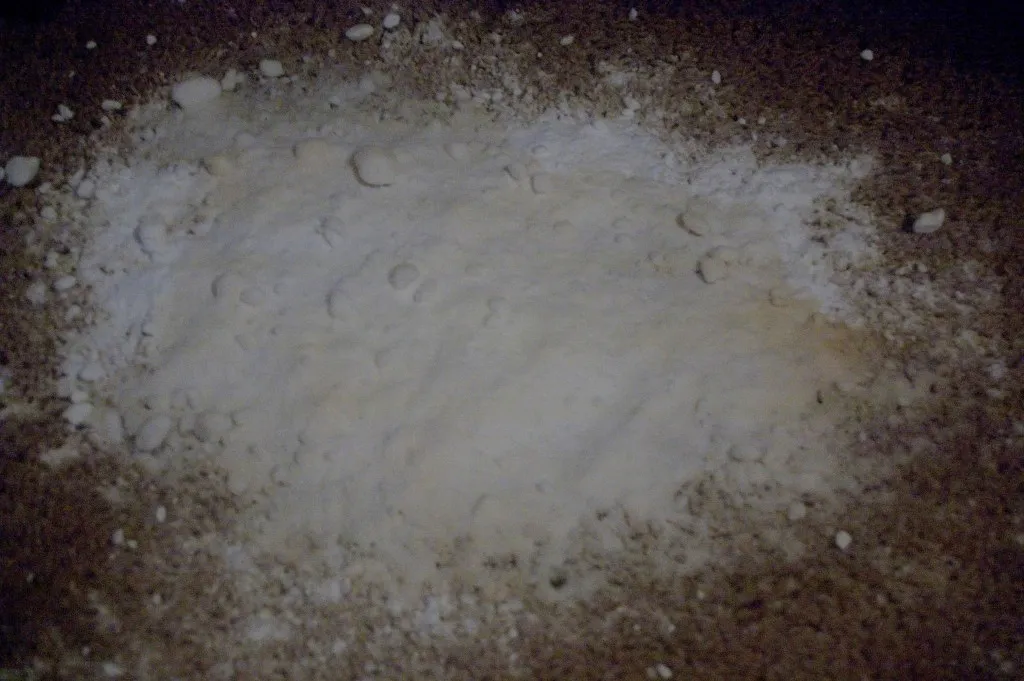
How often you use baking soda on carpet should depend on how the carpet is used and who’s walking on it. In homes with kids, pets, or busy common spaces like entryways and living rooms, using baking soda about once a week helps absorb odors, pick up extra dirt, and keep things smelling fresh between deeper cleanings.
For carpets in low-traffic areas like guest rooms or home offices, using baking soda once a month is usually enough to give the carpet a refresh without overdoing it. An opened box of baking soda keeps its odor-absorbing and acid-neutralizing strength for roughly six months, after which it still looks fine but works less effectively. Rotating a fresh box into your cleaning supplies every few months is a simple habit that keeps performance consistent.
The Honest Bottom Line on Commercial Cleaners vs. Baking Soda

Research has shown that more carpets are actually replaced because they are stained than because the fibers are worn. That’s a significant finding, and it points to how often stain removal fails rather than succeeds. Some commercial carpet cleaners can strip away color, roughen textures, or weaken fibers over time, while vinegar and baking soda are gentler yet effective, lifting dirt and stains without compromising the look or feel of the carpet and making them suitable for most carpet types from plush to low-pile.
Baking soda offers an effective, affordable, and eco-friendly approach to carpet maintenance. While it’s not a miracle solution for every issue, it handles common problems remarkably well. For deep-set stains that resist repeated home treatment, professional hot-water extraction remains the stronger option. Knowing where the limits are is just as useful as knowing what works.
The Takeaway
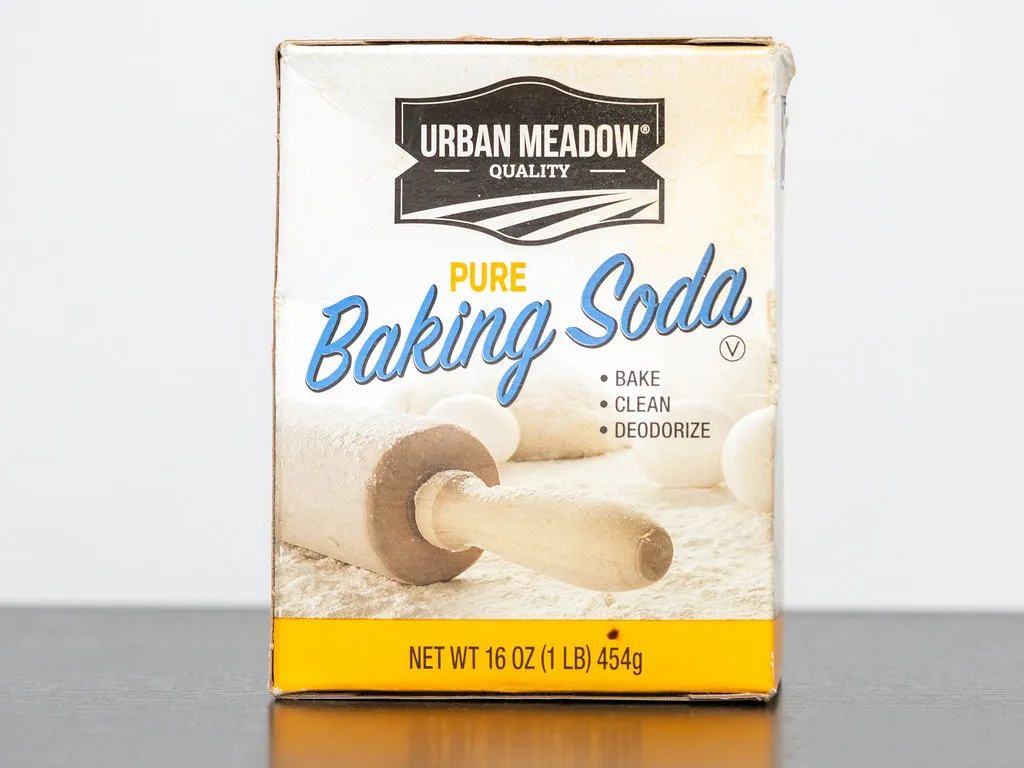
There’s something quietly satisfying about the fact that one of the most effective carpet stain solutions costs less than a dollar and has been sitting in your pantry the whole time. Baking soda won’t replace professional cleaning for truly severe stains, and it has real limits on set-in pet urine or deeply dyed spills. Within those limits, though, it consistently delivers results that many commercial products, at ten to twenty times the price, struggle to match.
The key is using it correctly: act quickly, apply generously, let it sit long enough to do its work, and combine it with white vinegar when the stain calls for extra lifting power. Carpet care doesn’t have to be complicated or expensive. Sometimes the best tool is the one that’s been in your kitchen all along.
AI Disclaimer: This article was created with the assistance of AI tools and reviewed by a human editor.