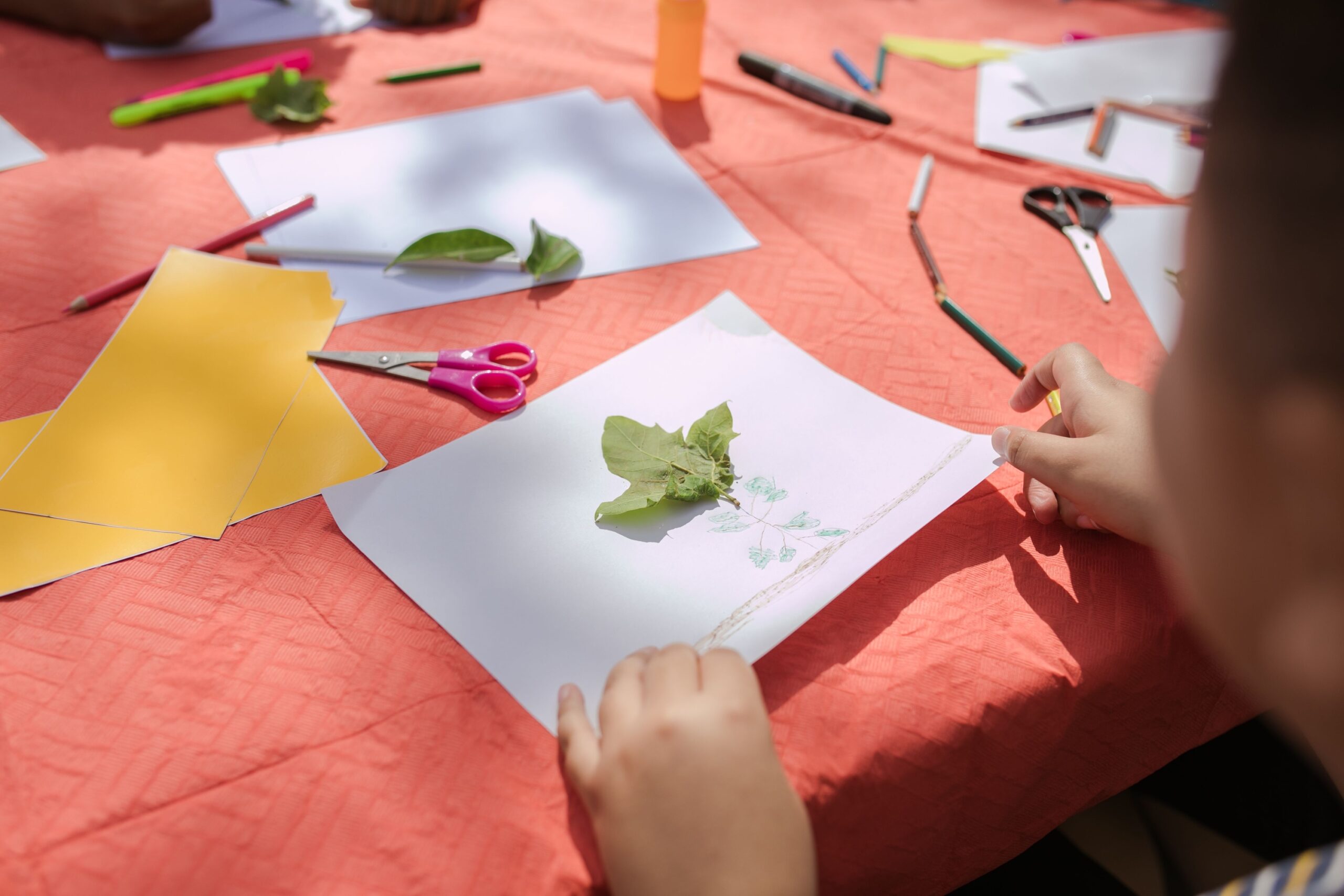

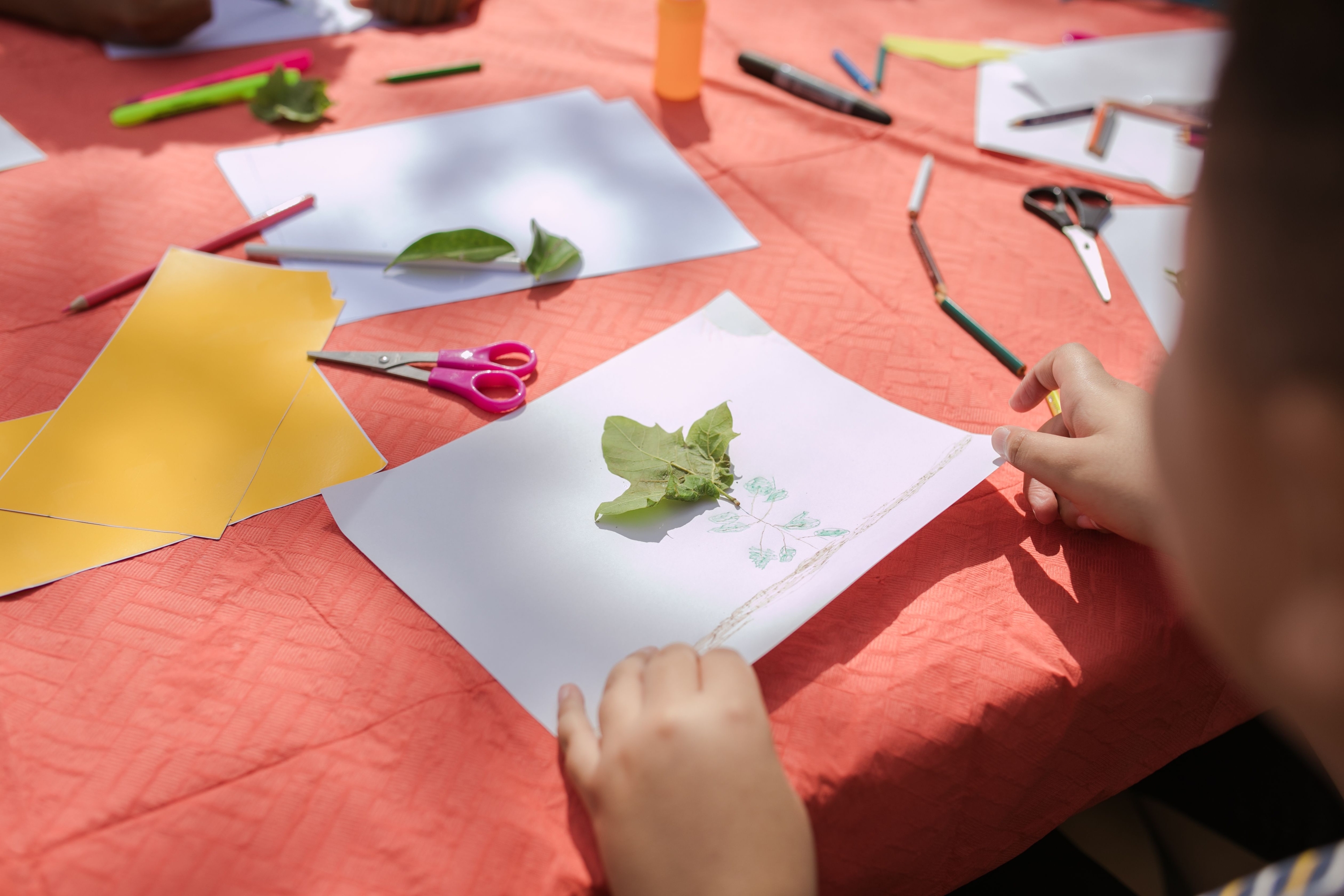
There’s something quietly satisfying about a craft that has survived the fall of empires, the rise of fast furniture, and a dozen home decor fads in between. Decoupage, that patient art of cutting, pasting, and varnishing paper onto surfaces, is one of those rare things that simply refuses to go away. It was in your grandmother’s craft room, your mother’s garage shelf, and now, apparently, all over your social media feed.
The reasons it keeps coming back are worth understanding. This is a story about history, sustainability, and what happens when a culture gets tired of disposable everything.
Where Decoupage Actually Came From
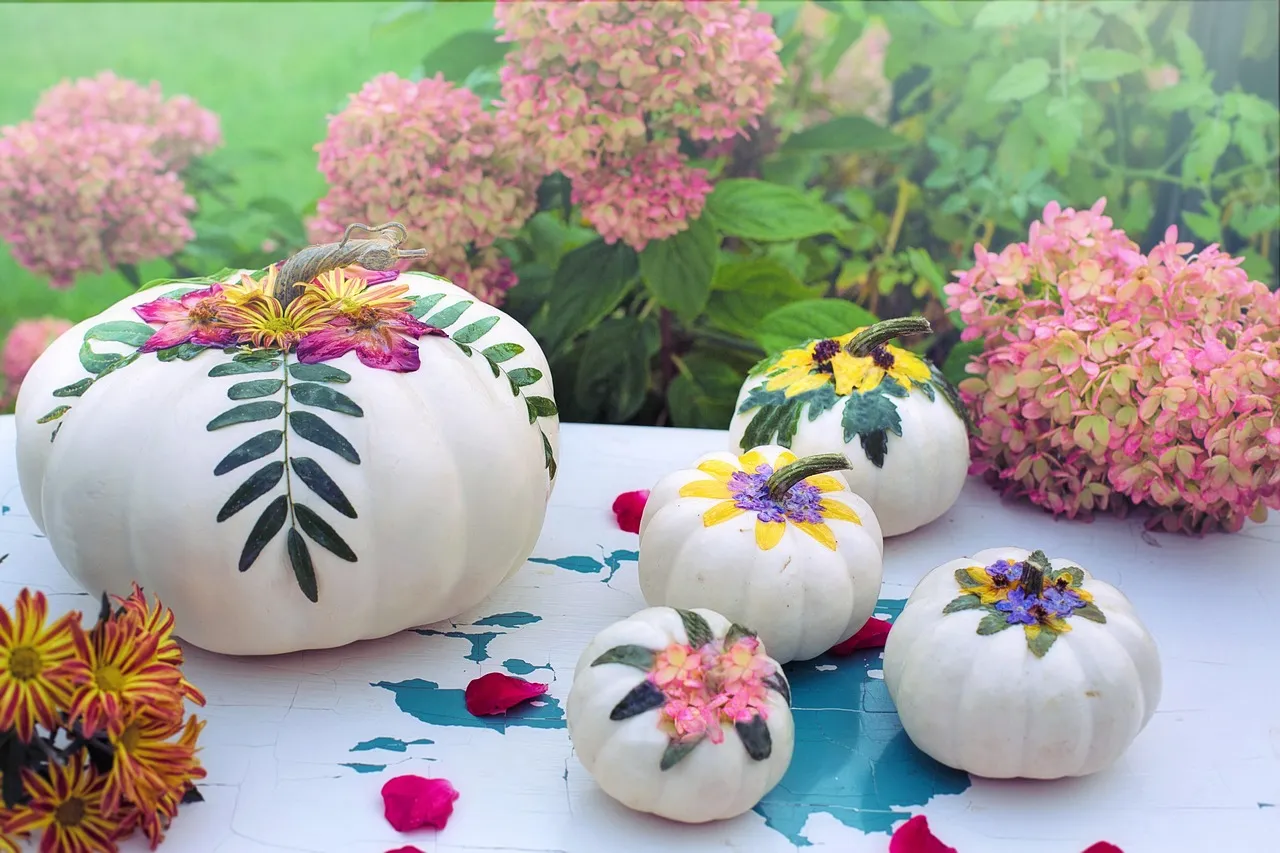
Decoupage’s origins trace back to twelfth-century China, where colorful cutouts adorned items like windows and lanterns, and it is thought to have evolved from similar practices in eastern Siberia. The technique made its way to Europe in the late seventeenth century, coinciding with a growing demand for Chinese lacquered objects, leading to the creation of imitations by Venetian artisans.
Known as “lacca povera” or “poor man’s lacquer,” Italian artisans used cutouts from prints or hand-painted designs to mimic the appearance of expensive lacquerware. Découpage, which comes from the French term “decouper,” meaning “to cut,” became popular in Italy during the seventeenth century, where it was referred to as “arte povero,” or “poor man’s art.” The name alone tells you something about its democratic appeal: this was beauty made accessible.
The Victorian Craze That Made It a Household Name
The Victorian era saw the peak of decoupage’s popularity. It was a time of opulence and excess, and decoupage was embraced as a way to decorate not only furniture but also household items like screens, photo frames, and trinket boxes. Decoupage became a favored hobby of ladies, notably in the court of Louis XV of France, where the decoration of small objects and personal items was a popular pastime. In nineteenth-century England, during the Victorian era, decoupage became popular among the upper and middle classes.
Many a Victorian nanny taught her young charges to beautify objects by applying decorative paper pieces to them. While these découpage pieces lacked subtlety and skill, they made up for it with a certain bold and sentimental charm. That combination of sentiment and resourcefulness became the soul of the craft, and it’s exactly why people keep returning to it.
How the Craft Was Passed Down Through Generations
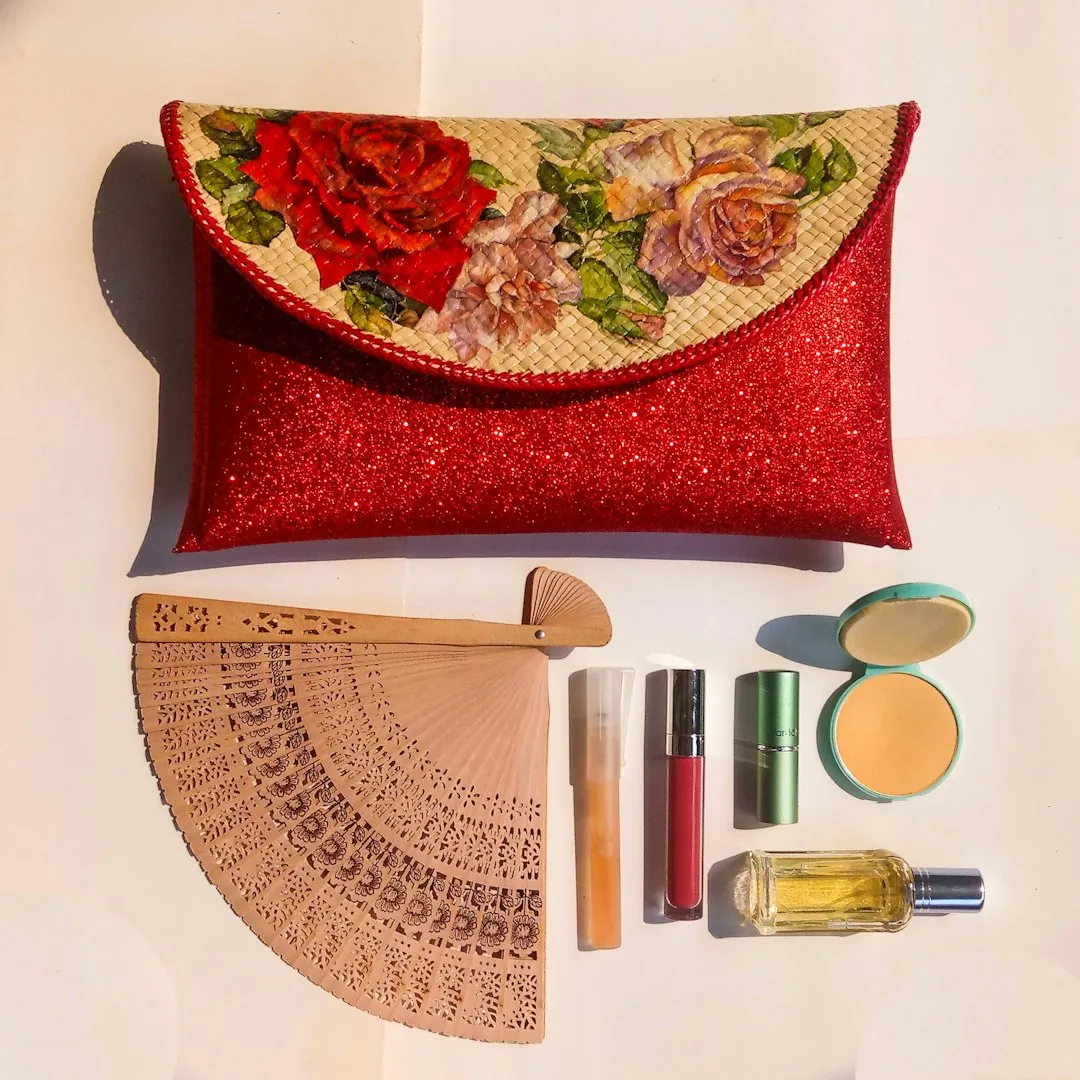
By the Victorian era, magnificent decoupage designs were showing up everywhere. They taught decoupage to young women as a way to embellish objects of all kinds and display scraping projects, which was a popular hobby during that time. The craft was revived during the Victorian era in Britain, and in the last few decades of the twentieth century in the United States.
In 1760, a certain London printer, Robert Sayer, produced a much sought-after book called The Ladies Amusement or The Art of Japanning Made Easy. The book contained 1500 illustrations for artist craftsmen, but it was particularly popular with leisured ladies who loved to color, cut and paste the charming drawings. It also contained five pages of instructions on how to color, glue down, varnish and polish the cutouts. Think of that as the first decoupage tutorial, centuries before Pinterest made the format its own.
What Decoupage Actually Involves
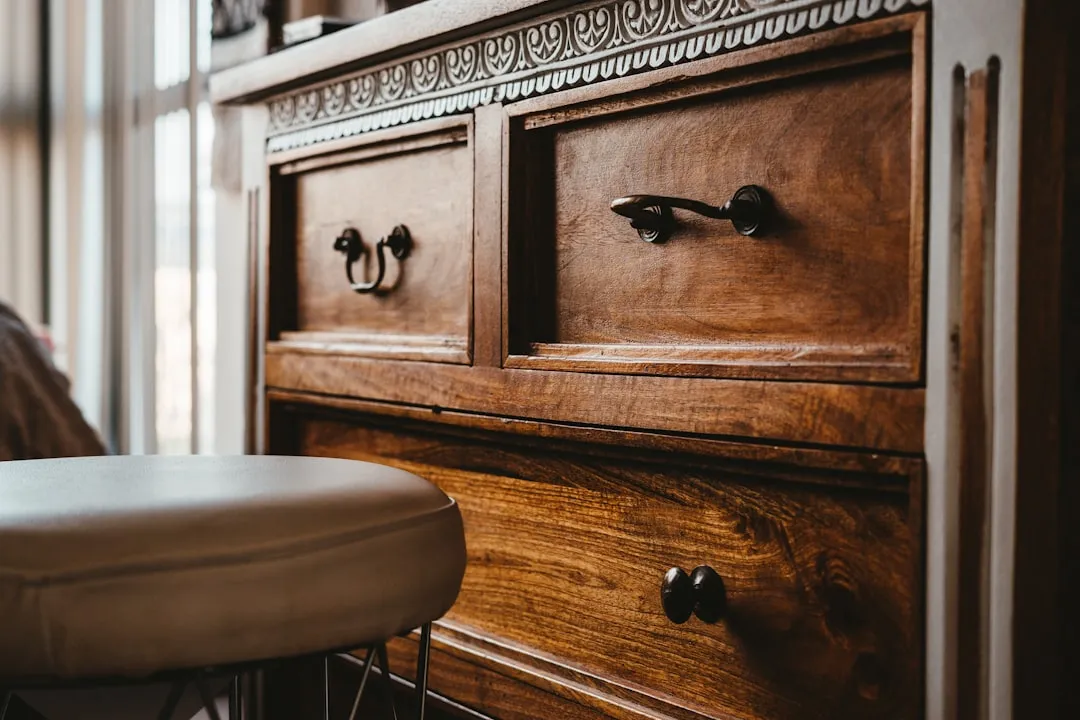
Découpage, which involves the application of a lacquer to a surface covered with cut-out paper designs, continues to be an inexpensive means of decorating furniture and household items. Decoupage is officially having a moment. This charming, vintage-inspired technique involves applying paper cutouts or fabric to furniture surfaces, sealing them under layers of varnish or wax. From whimsical florals to vintage maps and classic botanicals, decoupage adds a nostalgic, handcrafted feel to everything from tables to wardrobes.
The most traditional technique includes applying 30 to 40 layers of varnish which are sanded to a beautiful smooth sheen. However, cutouts may also be applied under glass or alternatively raised to give a three-dimensional appearance. Modern practitioners rarely commit to quite that many layers, though the principle of building up depth remains central to the look.
The Sustainability Connection Driving Today’s Revival
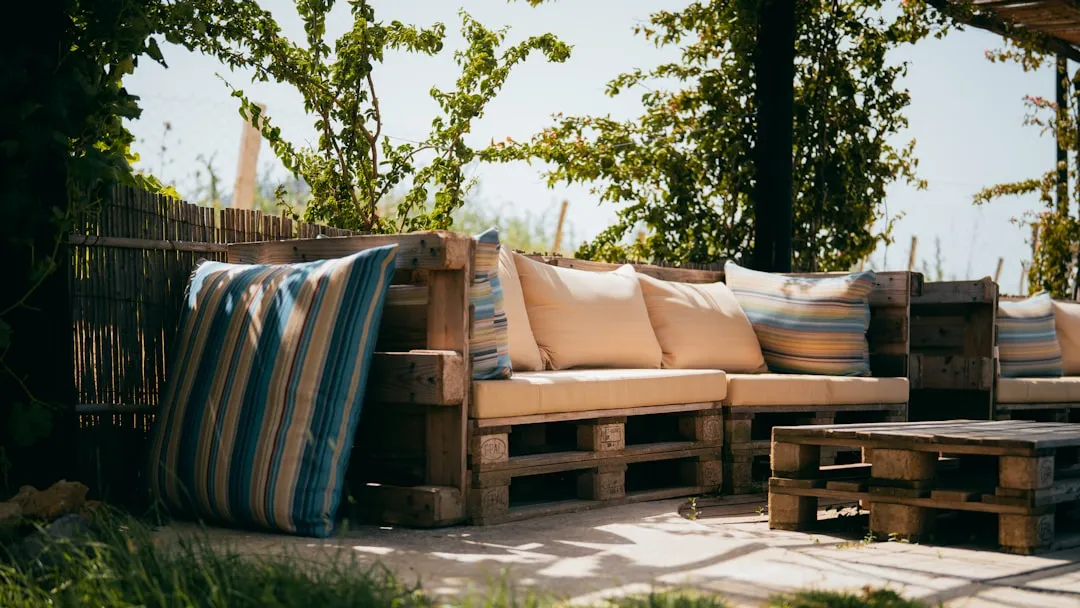
A staple in the home decor market, decoupage is seeing a resurgence through “upcycling” and sustainable home improvement trends. Upcycling is a form of recycling but, instead of turning waste into a new material which can be used to make a new product, the original product is altered in some way to give it a new purpose or extend its life. Decoupage fits naturally into that idea: an old dresser becomes a conversation piece rather than landfill.
A resurgence in handcrafted, artisanal pieces is anticipated as consumers seek authenticity and quality over mass production. Upcycled furniture that showcases craftsmanship and unique artistic touches will likely gain popularity. A key trend is the pronounced shift toward sustainable crafting materials, with consumers actively seeking eco-friendly craft supplies such as recycled paper products and non-toxic art supplies.
The Market Numbers Behind the Nostalgia
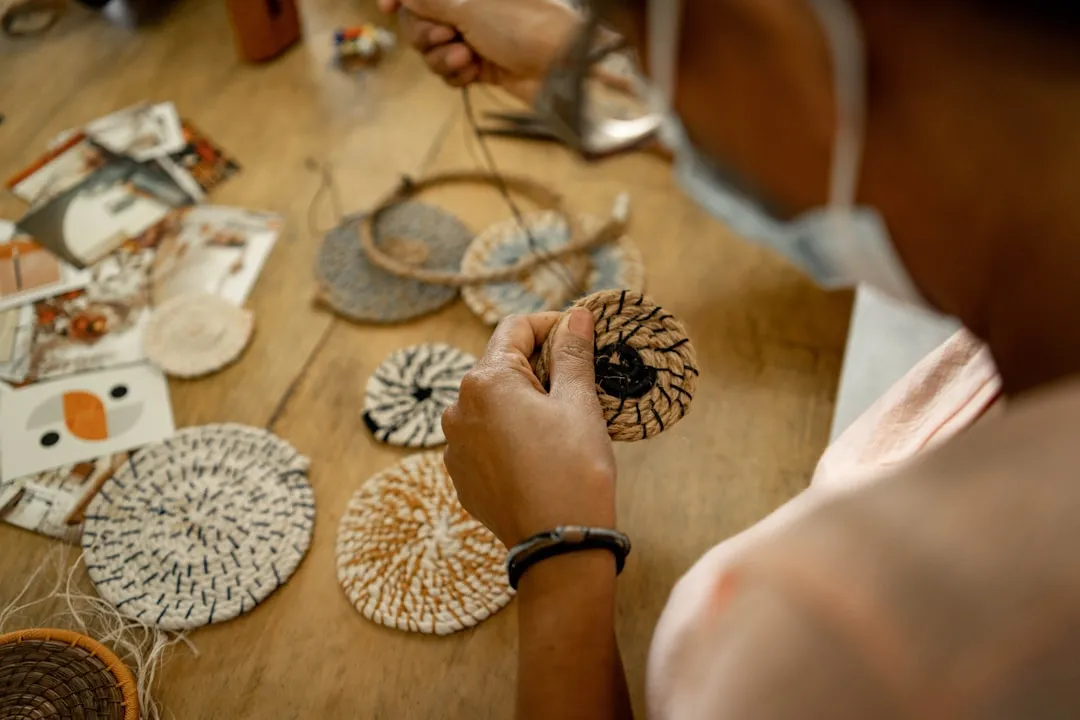
The Arts and Crafts Market size is estimated at USD 56.26 billion in 2026 and will reach USD 91.95 billion by 2035, growing at a compound annual growth rate of 5.6%, with DIY hobby demand increasing. More than roughly two thirds of households worldwide purchased at least one arts and crafts product during 2025.
The paper crafts segment was valued at USD 17.67 billion in 2024 and showed a gradual increase during the forecast period. Momentum in decoupage is currently driven by the “aesthetic” journaling trend and a projected 5.5% compound annual growth rate in the industrial decor paper sector through 2036. These are not small numbers for what many people still think of as a kitchen-table hobby.
Social Media and the New Generation of Decoupage Fans

Vintage aesthetic journaling paper shows the most explosive growth on social commerce platforms. With monthly sales for top items reaching nearly a quarter-million units, the volume offsets the low unit price. It leverages the “aesthetic” and “junk journal” trends which are currently peaking among younger demographics.
Today, paper crafting has seen a resurgence in interest, particularly in areas like card making and personalized projects, driven by a desire for self-expression. Nearly roughly three in five millennials and Gen Z consumers reported purchasing handmade goods as a form of cultural or ethical expression. For younger crafters especially, decoupage sits at the intersection of sustainability, personalization, and visual storytelling.
What People Are Making With It in 2025 and 2026
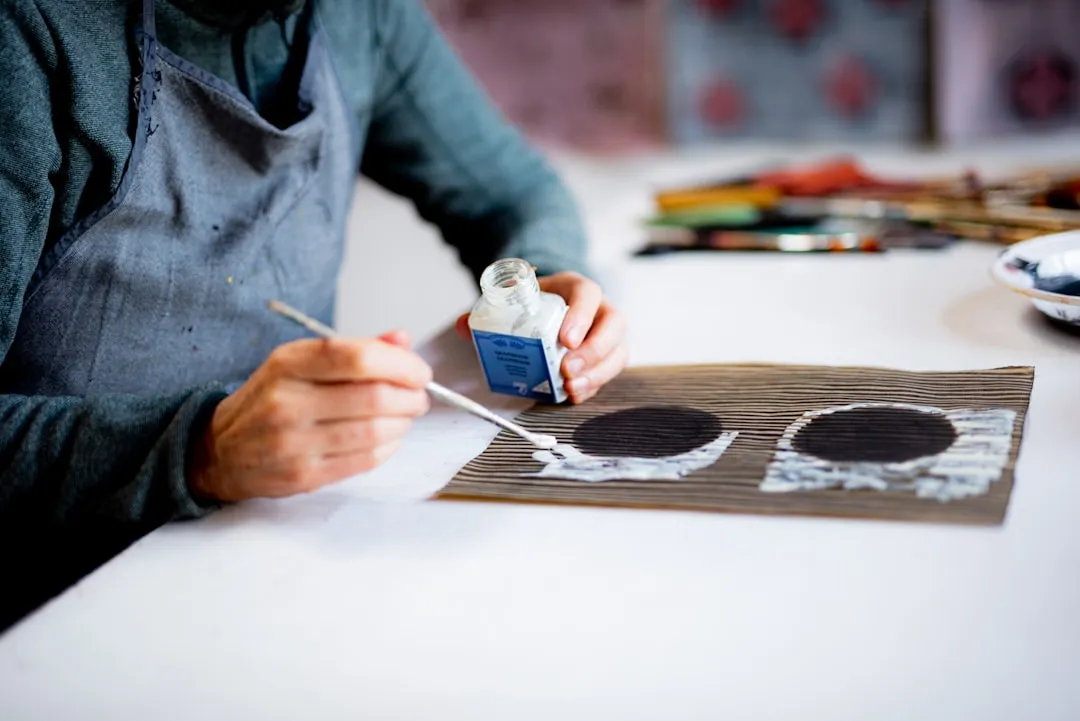
Minimalism isn’t for everyone, and maximalist expression is still on the rise. Think decoupage with oversized florals, metallic foils, stencilled murals, and bold pattern mixing. These pieces are designed to be conversation starters and work especially well in eclectic homes. Watch for chinoiserie-inspired decoupage, oversized botanicals, patterned drawer liners, and mixed metallics.
Current printed materials may certainly be used to give decoupage products a modern look, but the technique is most often used to recall earlier eras. Many modern decoupage artists enjoy recreating the smooth, simple decoupage techniques popular in the 1950s. Others search antique shops or buy reproduction prints that will lend a much older feel to a work, such as ornate images reminiscent of the Victorian age.
The Tools and Supplies Are More Accessible Than Ever
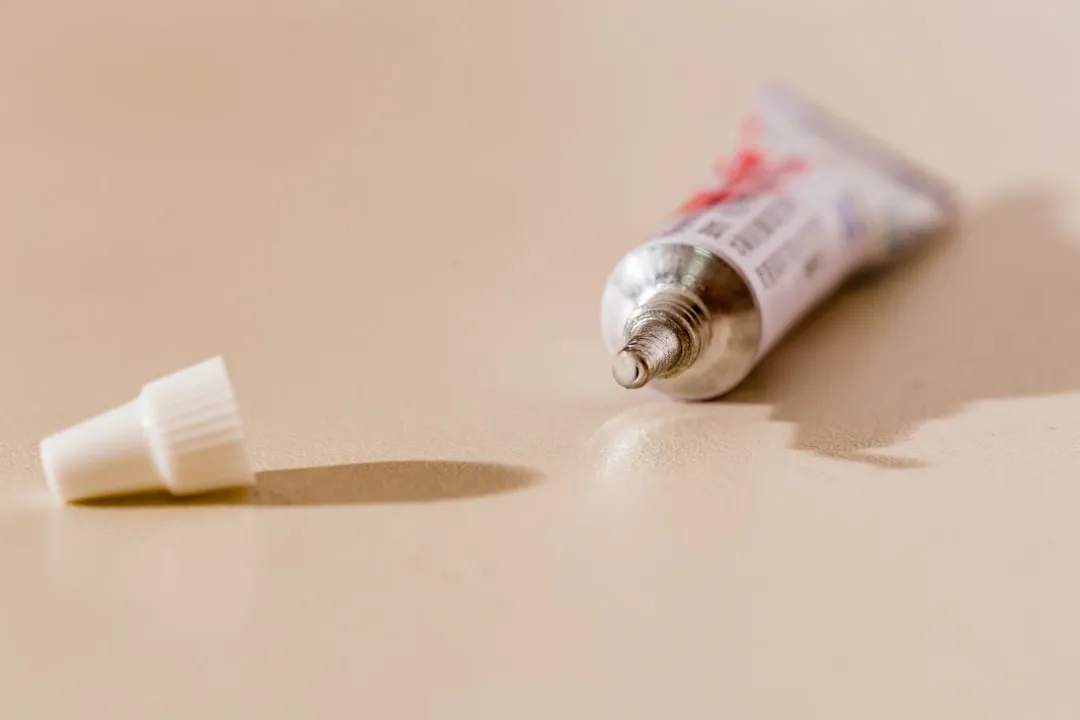
Decoupage glue is a coating used to stick decoupage paper to a variety of surfaces. It differs from normal glue as it’s more watered down, allowing you to layer lots of papers on top of one another in the traditional decoupage way. Decoupage glue also differs as it can be used to seal and varnish your designs. It’s specifically designed to be able to stick onto more tricky surfaces like wood, metal and plastic.
For the US, Target and Walmart often stock decoupage glue, as does Joann’s. In the UK you can find decoupage glue in Wilkinsons, Hobbycraft and The Works. In 2024, online sales of hobby and craft supplies in the United States exceeded $22.2 billion. You don’t need a specialty shop or a generous budget. The barrier to entry is genuinely low.
Why the Broader Handmade Culture Is Supporting Its Return
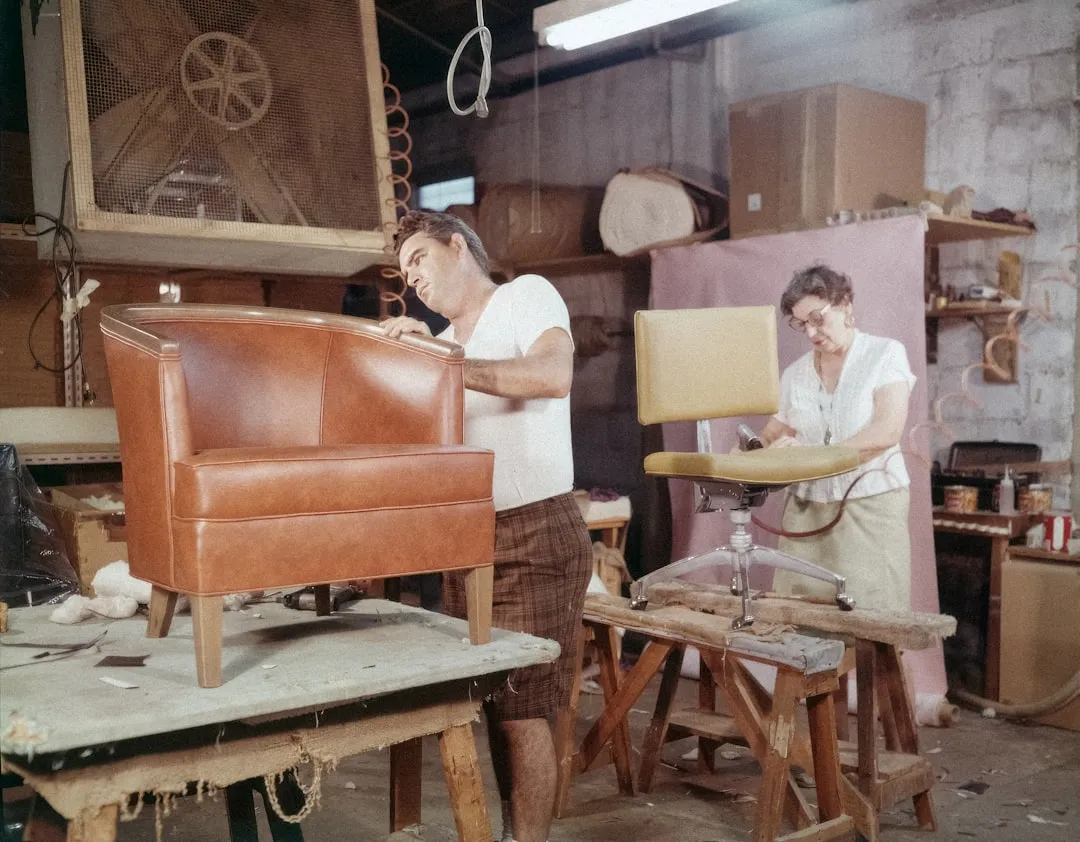
Since the pandemic, collectors have been increasingly interested in furniture designs with a craft aesthetic. According to Business Research Insights, the global market for arts and crafts will reach $74.3 billion in 2033, up from $45.3 billion in 2024, a nearly 6% rise. The arts and crafts market is undergoing a dynamic transformation, driven by a confluence of consumer desires for personalization, mental wellness, and sustainable practices. The influence of digital platforms has democratized creativity, enabling a vibrant creator economy where hobbies are monetized using online crafting communities.
The furniture upcycling trends of 2025 reflect a growing awareness of sustainability, individuality, and functionality. As consumers continue to seek out pieces that resonate with their values and lifestyle, the world of upcycling is evolving to meet these demands. Decoupage has the rare quality of fitting neatly into almost any aesthetic conversation happening right now, from quiet luxury to maximalism to cottagecore.
The Takeaway
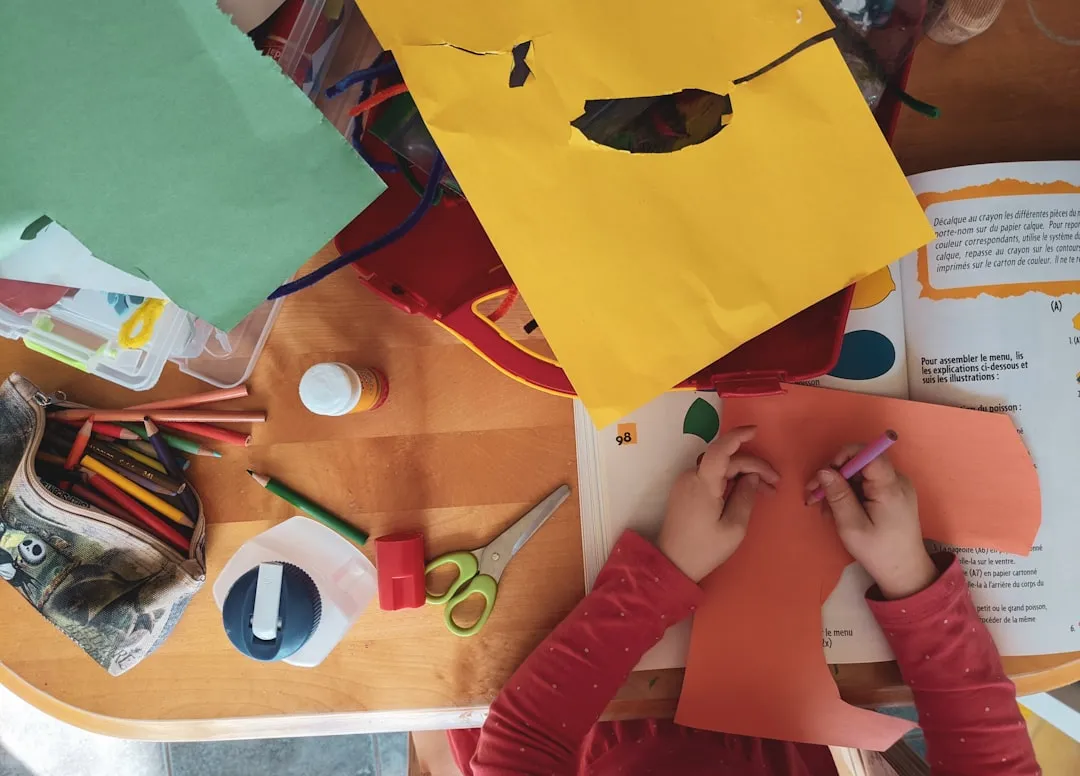
Decoupage has never really been gone. It’s cycled through centuries of popularity, shifted social classes, crossed oceans, and survived every minimalist wave that tried to push it aside. With such a long and varied history, it is not surprising that découpage is still evolving with new styles. With its colorful origins and variety of techniques, the possibilities for this fascinating art form are infinite, offering scope for endless hours of creativity as well as enjoyment.
What’s different now is the context. This expansion is driven by a traditional skills revival and the slow craft movement, which encourages activities promoting fine motor skill development and cognitive benefits of crafting. Your mother wasn’t behind the times when she kept that jar of Mod Podge in the cupboard. She was, it turns out, well ahead of the curve.
AI Disclaimer: This article was created with the assistance of AI tools and reviewed by a human editor.