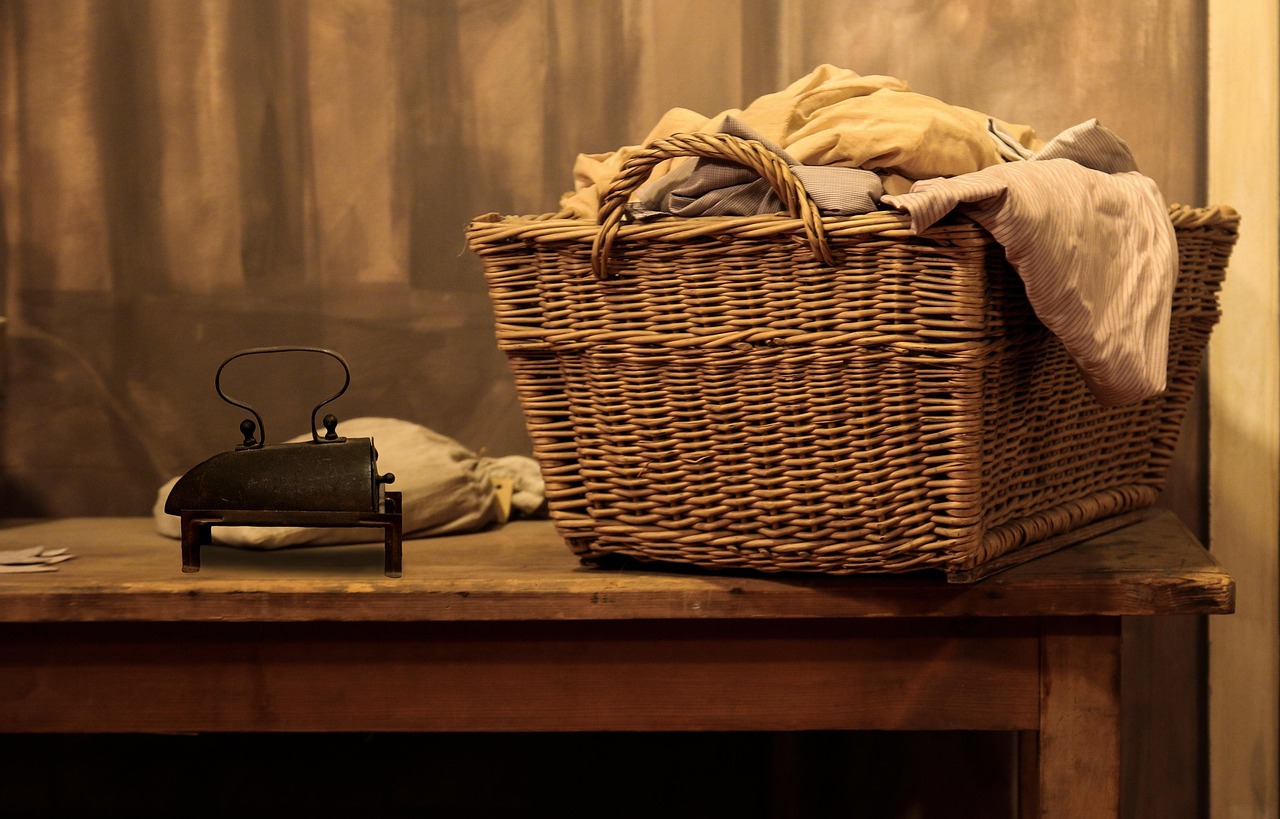

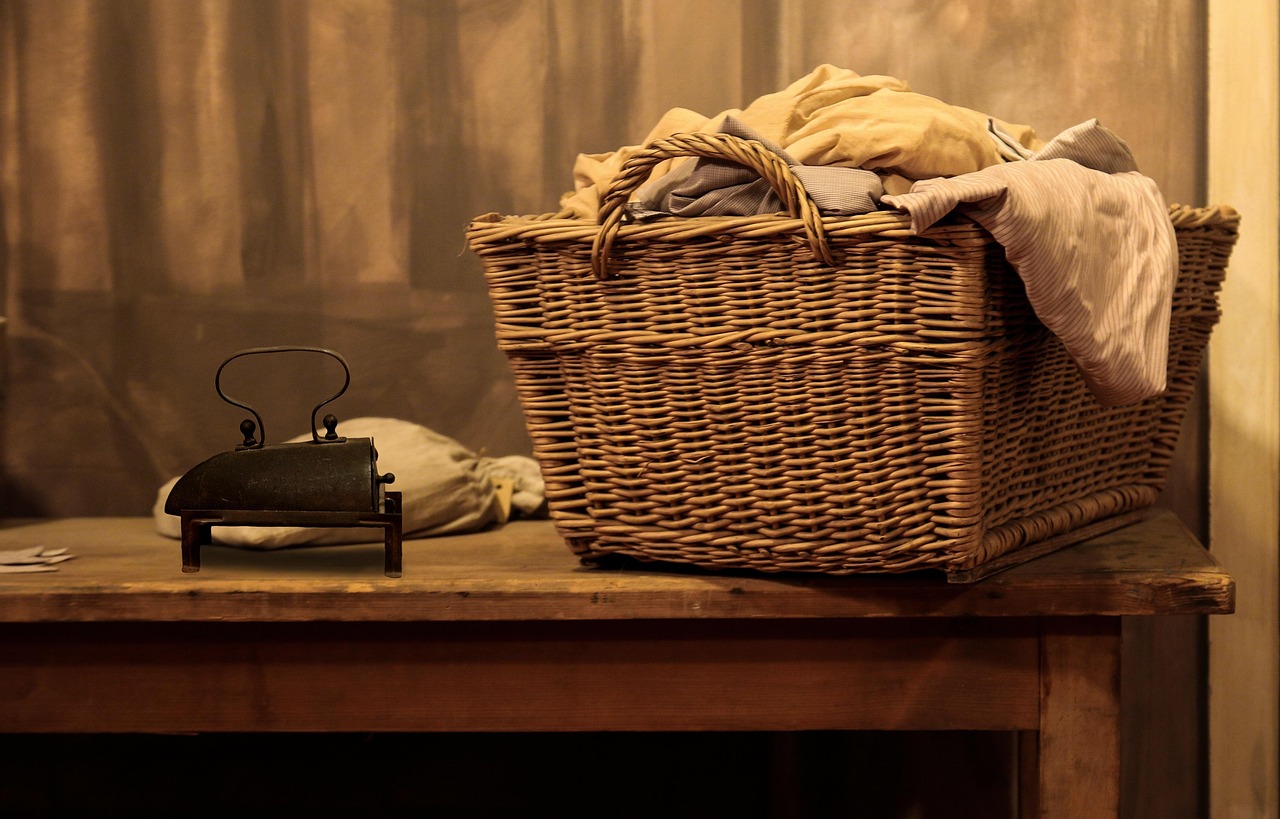
Most of us were raised with a simple rule: wear it once, wash it. It feels clean. It feels responsible. The problem is that this habit, repeated week after week, is quietly destroying the clothes you paid good money for. The science behind fabric care has grown considerably in recent years, and it paints a pretty clear picture – washing less is often the smarter move.
There is a real cost to every spin cycle, and it goes well beyond your water bill. Here is what the research says, and what you can actually do about it.
Every Wash Is a Small Act of Destruction
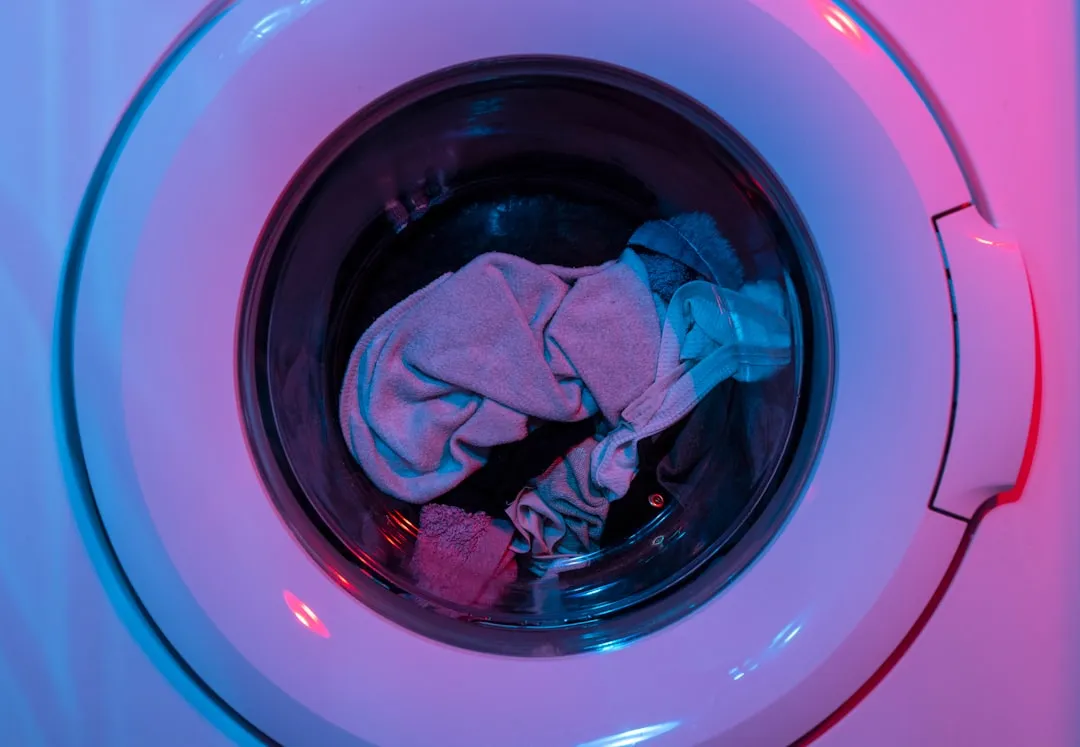
Washing machines are tough on fibers and fabric. Each wash damages items slightly, stressing fibers, causing fading, and contributing to pilling. Most people do not notice this damage right away, because it accumulates gradually over dozens of cycles.
Beyond just faded colors, the hidden dangers of overwashing can also result in weakened fabrics, stitching damage, and eventually even higher costs. The machine’s agitation, heat, and friction work together to break down the very structure of your garment.
Every wash puts stress on fibers. Heat, water agitation, and detergent, even gentle ones, gradually weaken yarns, cause friction, and strip away natural oils that keep fibers soft and resilient. Reducing how often you wash is one of the most direct ways to slow this process down.
Social Pressure, Not Dirt, Drives Most Washes
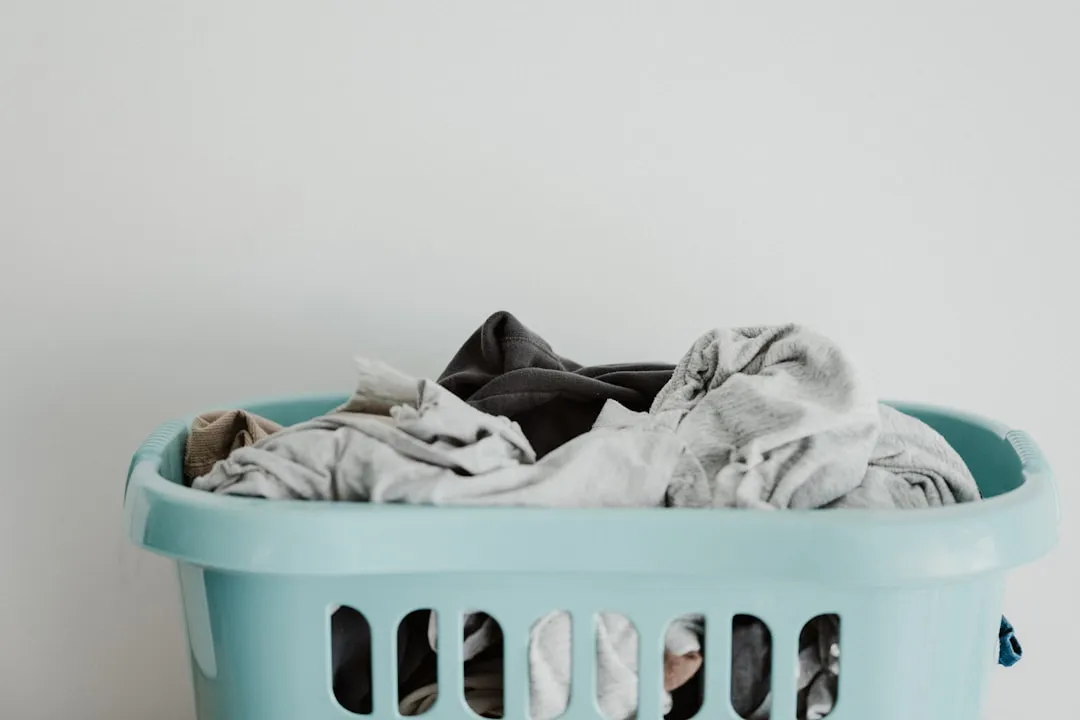
Most people wash their clothes far more often than necessary, and it is not because of dirt. New research shows that overwashing clothes is often driven by emotions like embarrassment, guilt, and fear of judgment, rather than actual garment condition.
A 2024 study by the Swedish Environmental Institute, “Cleanliness or Conformity?”, revealed that laundry habits are shaped more by social pressure than by visible stains or odor. In practical terms, this means a significant portion of every laundry load is unnecessary from a hygiene standpoint.
Studies show that in the UK, nearly three quarters of adults put a wash on before the machine is full and add items that are not actually dirty. That is a lot of needless wear on clothes that were already clean enough to wear again.
The Temperature You Choose Matters More Than You Think

Washing a cotton T-shirt at 30°C for 59 minutes increases its durability by over fifty percent when compared with a 40°C standard cycle that can last as long as 120 minutes. Jeans showed similar results. This finding came from the Electrolux Care Index, a multi-year research project into how different wash conditions affect garment durability.
Lower temperatures, typically 30°C or below, are effective and usually more than sufficient to get items clean and ready for wear. They are also much gentler on fibers and fabrics.
Hot water can cause colors to fade and fabrics to shrink. Washing your clothes in cold water not only preserves their integrity but is also more energy-efficient. It is one of the simplest changes a person can make, and the payoff for garment longevity is real.
Your Clothes Are Physically Shedding Themselves in the Wash
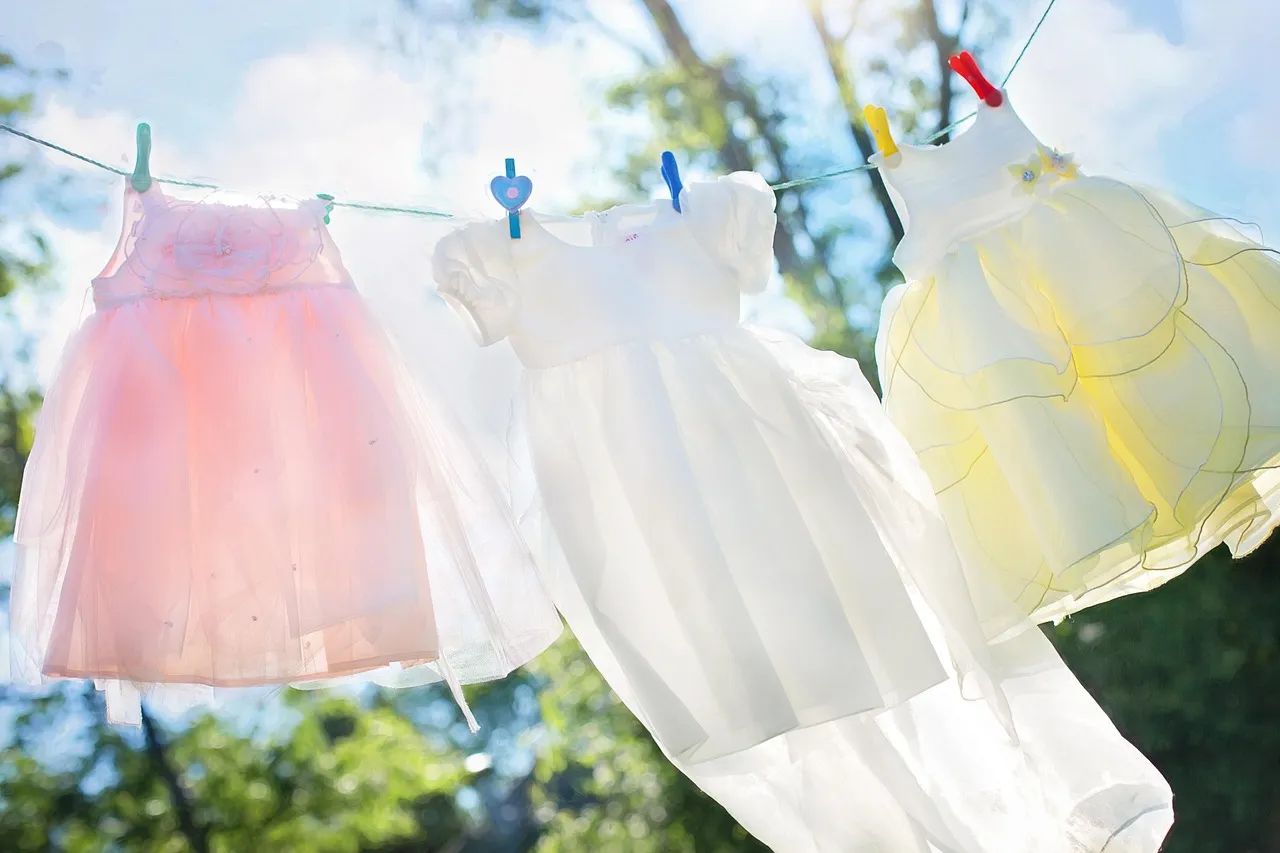
A single clothing item in just one laundry cycle has the potential to release as many as 120,000 to 730,000 microfibers, much of which ends up in large bodies of water. This is not just an environmental problem – it is direct evidence that washing physically removes material from your garments every single time.
Research from Plymouth University found that washing a single 6kg load of clothing can release hundreds of thousands of microfibres into waterways, particularly from synthetic fabrics like polyester and acrylic. Every microfiber that leaves your shirt in the machine is a tiny piece of that shirt you will never get back.
Moving to colder and quicker cycles will also indirectly reduce microfiber release by extending the lifetime of clothing, leading to fewer new garments being purchased and hence lower incidence of the high microfiber release occurring during the first few washes of a new item.
Different Fabrics Need Very Different Treatment
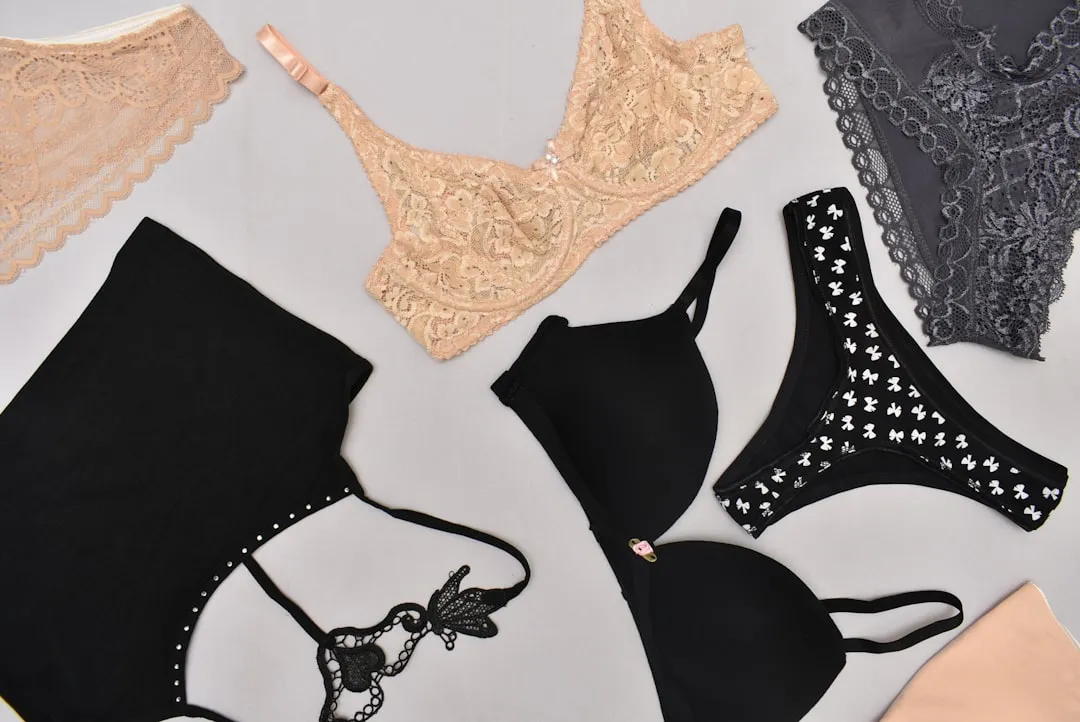
One of the biggest reasons garments lose their softness, shape, and longevity is being washed too often, especially natural fibers like wool, cashmere, merino, and silk. These materials have properties that actually help them stay clean longer without machine washing.
Cotton, silk, and cashmere sweaters should be washed after two to three wears. Wool can withstand four to six wears because it naturally resists odors. Treating each fabric type on its own terms is far more effective than applying a one-size-fits-all laundry schedule.
There is an argument that you should never really machine wash delicates like lace and silk, as it causes too much damage. Hand washing these items whenever possible is recommended. Not only does this extend their lifespan, but it cuts down on your washing load too.
Airing Out Clothes Is a Surprisingly Effective Alternative
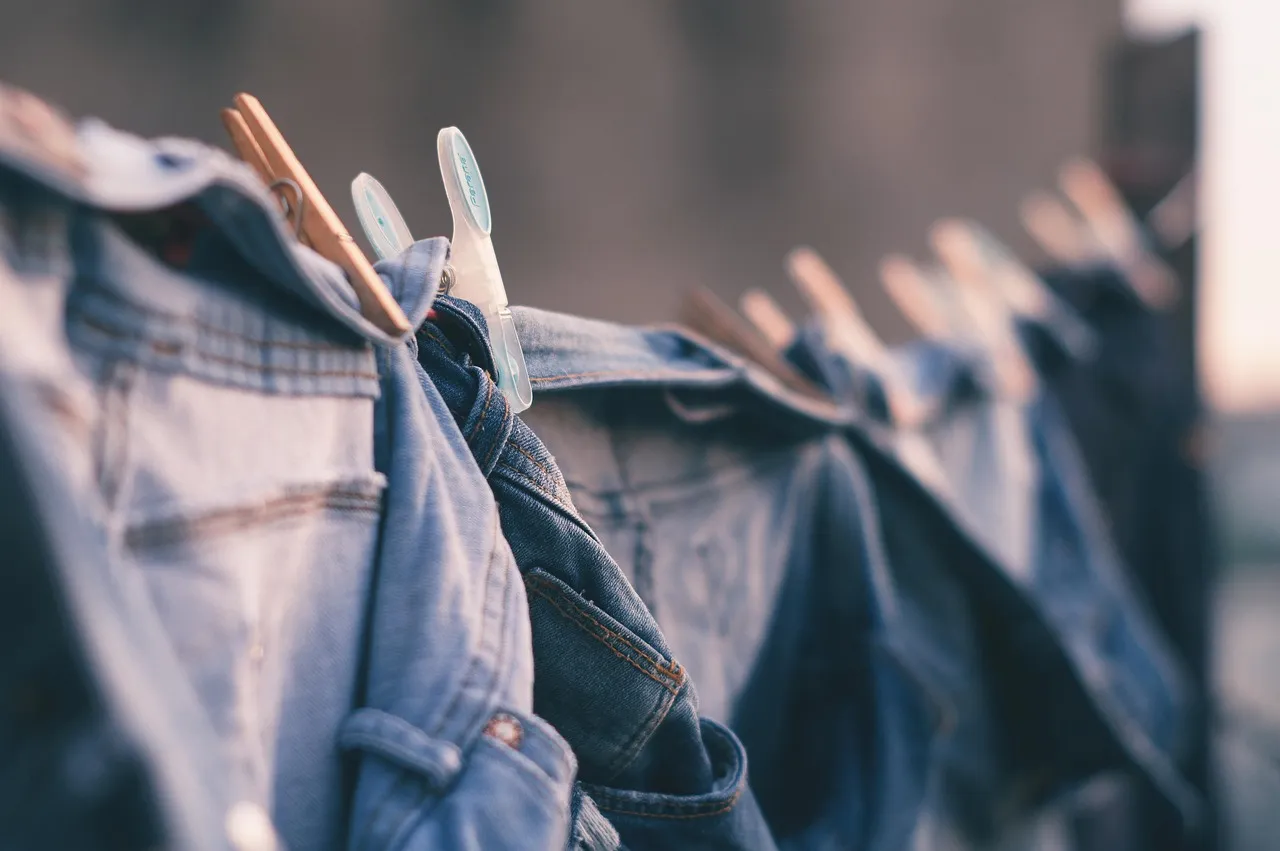
Airing clothes instead of washing them is an excellent way of refreshing a garment and preserving its life at the same time. It sounds almost too simple, but the science supports it.
Airing clothes out is a simple and underrated habit that can truly extend the life of your clothes, since airing them out is less damaging than washing them. This technique works best with natural materials that are more breathable.
For many items like jeans, sweaters, jackets, and trousers, spot cleaning, steaming, or airing out between wears is often enough. Jeans, for instance, can typically go between 15 and 30 wears before needing a wash. That is a striking number for a garment most people wash every few days.
Spot Cleaning Can Replace Full Washes More Often Than You’d Expect
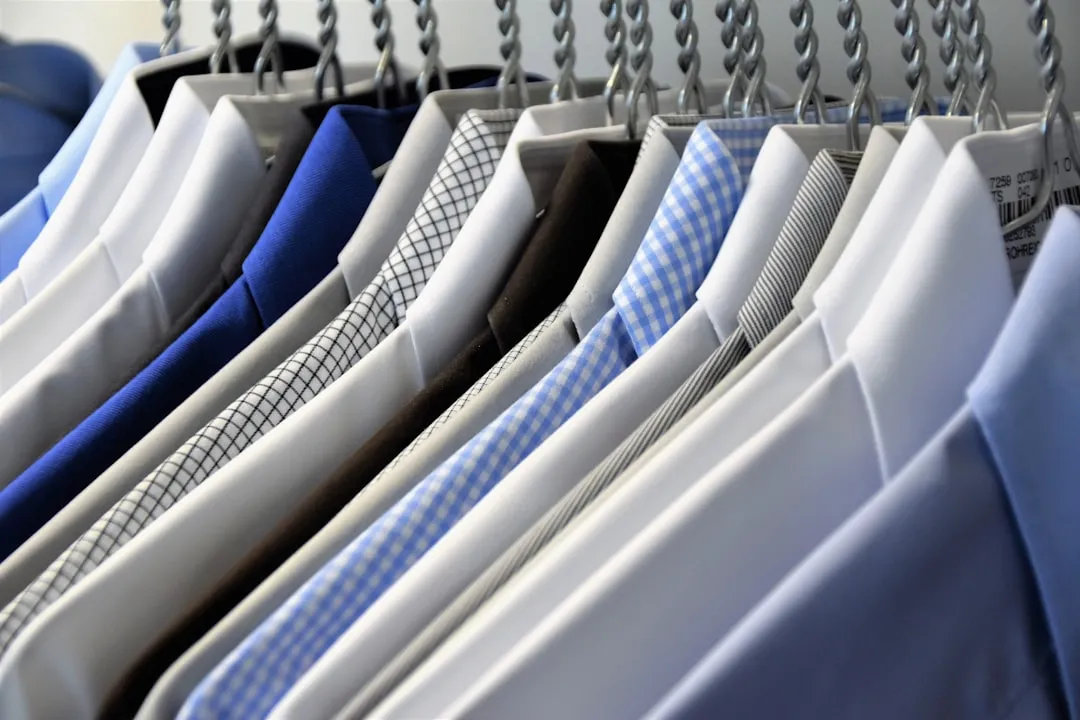
If something has a spill, sweat spot, or odor, targeting that area rather than defaulting to a full wash is often the smarter choice. This approach preserves the rest of the garment entirely, subjecting only the problem area to any cleaning action.
If only one area needs attention, a full wash is often unnecessary. For wool jackets or suits, brushing away dry marks like mud or food with a clothes brush can save unnecessary wear and tear. Targeted care protects the rest of the garment from unnecessary wear.
Addressing small stains or spills immediately with a gentle spot cleaner instead of washing the entire garment is a smart strategy. Allowing clothes to air out between wears also helps to reduce odors and freshen them up.
Steaming Is Gentler Than Washing and Kills Odor-Causing Bacteria
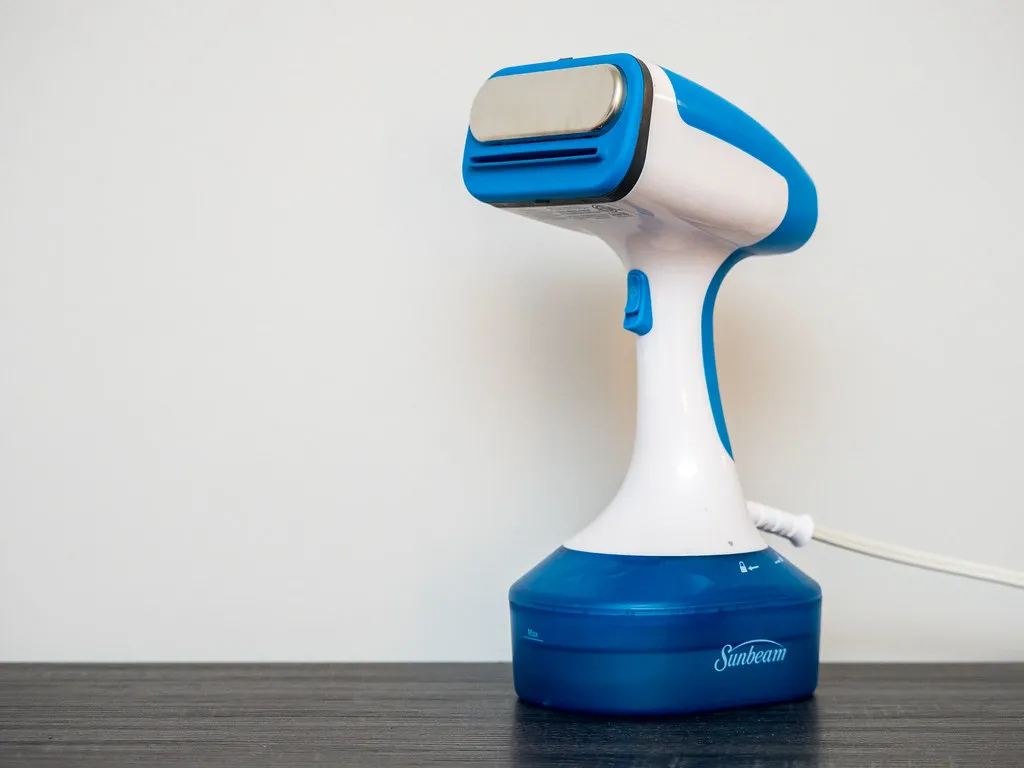
Steaming your clothes will not only make them wrinkle-free, but the hot steam will also target and reduce unwanted odors. Although steaming cannot completely replace washing, it is a quick and easy way to refresh clothes before going to work or grabbing dinner out with friends.
If you own a handheld steamer, you can freshen up your clothes using steam. The high temperatures will effectively eliminate any odor-causing bacteria from the fabric and cause any wrinkles to drop out as well.
Steaming is especially valuable for structured garments like blazers and trousers, which can lose their shape with repeated machine washing. It is one of the better investments a person can make if they care about the longevity of their wardrobe.
Fabric Softener May Actually Be Making Things Worse
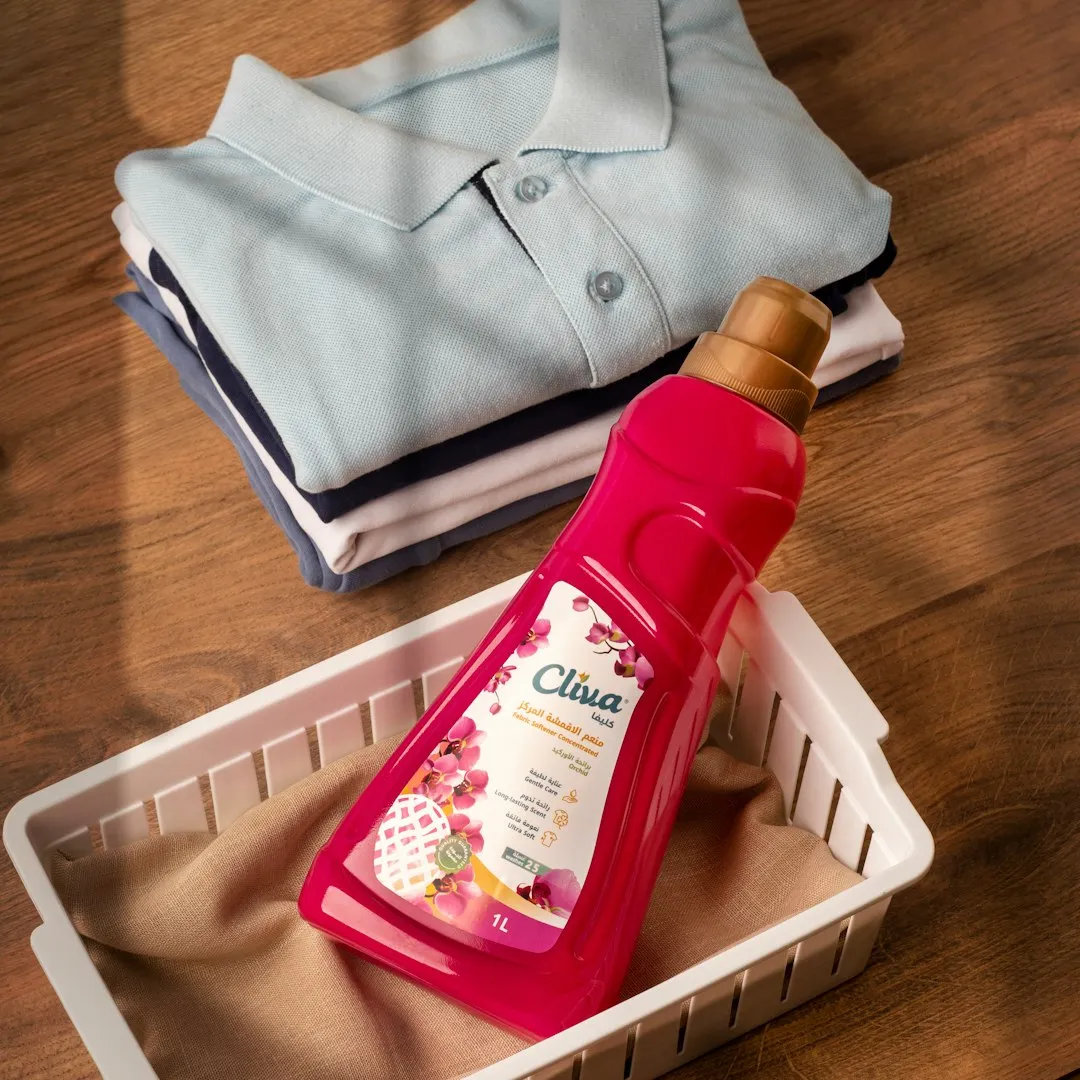
Fabric softeners leave textiles with a lovely feel and scent, but they also deposit residue on the fibers that ultimately damages the fabric, reduces clothing lifespan, and leaves items needing more frequent washing. Cutting down on fabric softener is recommended to save your clothes.
Harsh detergents can be abrasive on fabrics, causing them to weaken and fade over time. Opting for gentle, eco-friendly detergents made for delicate fabrics is a better choice. Using less of even the gentler products goes a long way.
Using the recommended amount of detergent helps to avoid residue build-up, which can attract dirt and weaken fibers. More product is not always better – in fact, excess detergent can trap dirt in the fabric rather than lifting it out.
How You Dry Clothes Is Just as Important as How You Wash Them
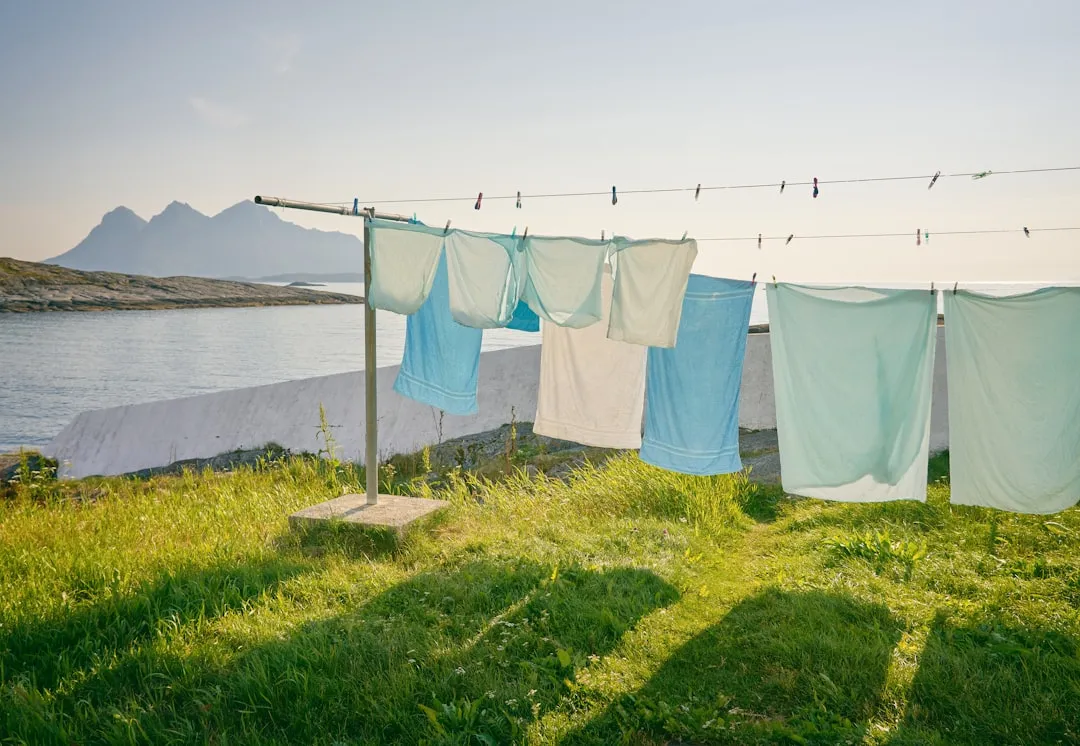
Drying methods play a significant role in garment longevity. High heat and friction weaken fibers and shorten a garment’s life, while gentler methods help prevent shrinkage, stiffness, and fiber breakage.
Tumble dryers are super energy intensive and cause a lot of heat damage to textiles. Air drying is better for elasticity and helps garments last longer. This is true across almost every fabric type, from denim to delicate knitwear.
Hanging or laying garments flat helps to maintain structure and prevent stretching. Using a drying rack or padded hanger allows for natural airflow. Turning clothes inside out before drying also protects fibers from UV exposure and helps preserve color.
The Real Cost of Overwashing: Waste, Money, and a Shorter Wardrobe Life
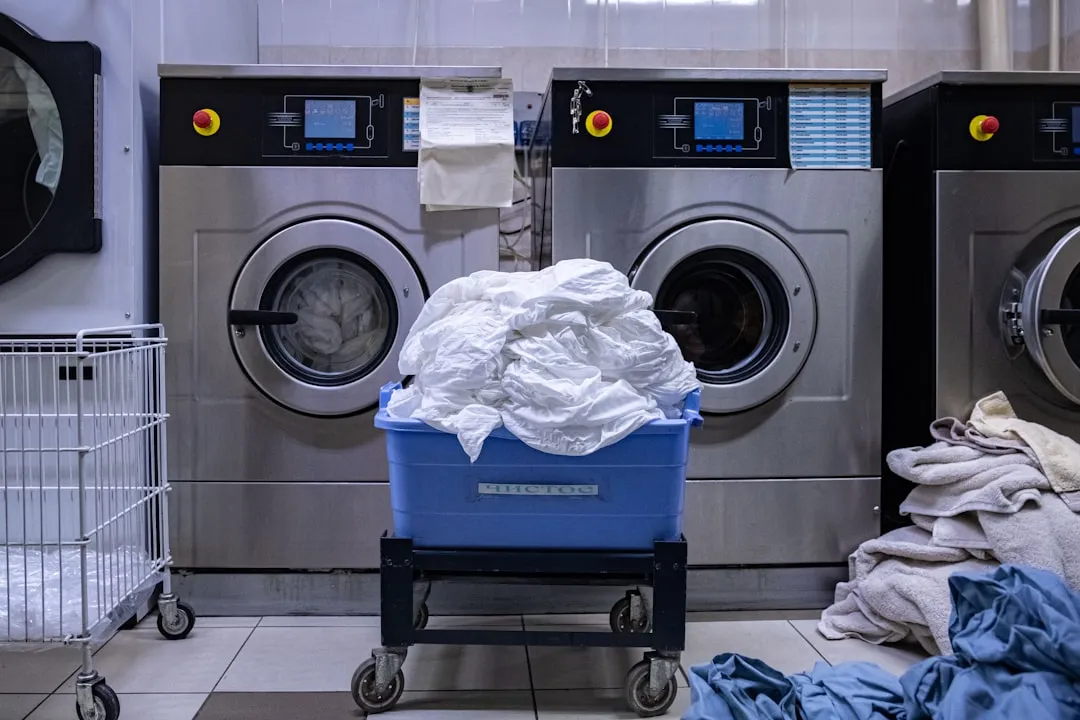
Studies show that up to roughly a quarter of a garment’s total environmental impact can come from how it is washed, dried, and maintained over time. The choices made after purchase matter enormously, not just the garment itself.
In Europe, on average, people throw away over 6.5kg of clothing per year, with the vast majority either burned or sent to landfills. That amounts to nearly 13.5 tons of clothing thrown out every day. Most of it is thrown out before its time.
Constant washing accelerates the wear and tear on clothes, leading to fading, shrinking, and fabric degradation. By washing less often, clothes will last longer, which not only saves money but also reduces textile waste. The connection between laundry frequency and wardrobe lifespan is direct and well-supported by the evidence.
The Takeaway
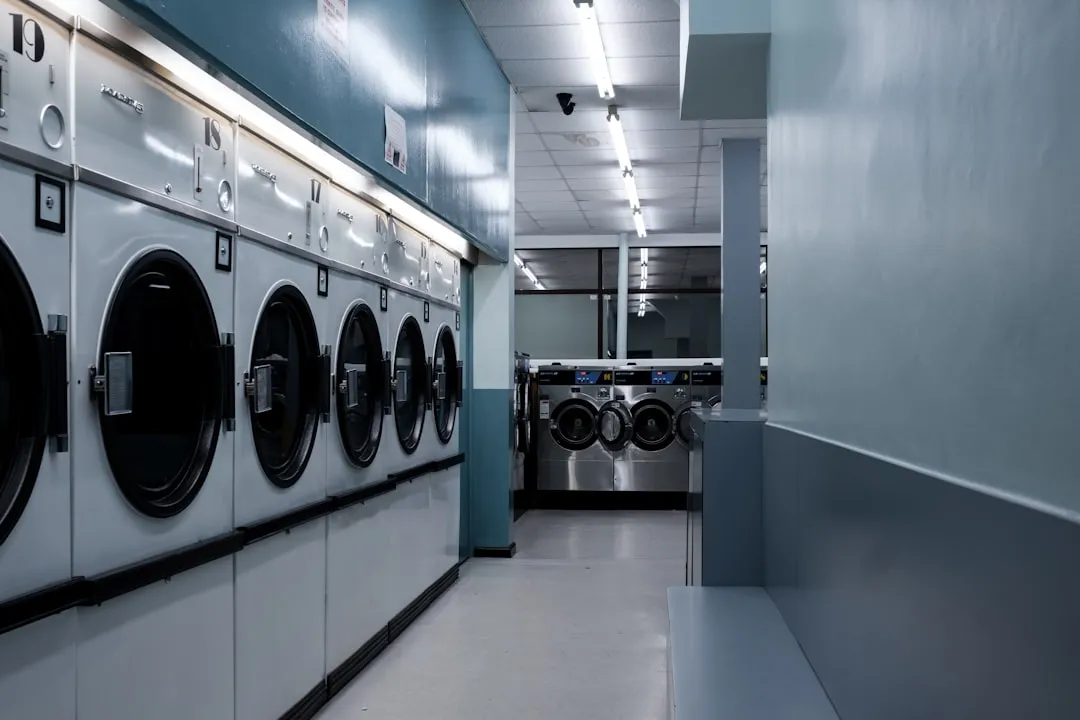
Washing your clothes less is not about lowering your standards. Washing less doesn’t mean wearing unclean clothes. It means caring for them more intelligently. Between airing, steaming, spot cleaning, and cooler wash cycles, there are plenty of tools available that protect your garments far better than a hot, frequent machine wash ever could.
The research from multiple independent sources, including the Swedish Environmental Institute, Plymouth University, and the Electrolux Care Index studies, all point in the same direction. Your washing machine, used too often and too aggressively, is shortening the life of every garment in your wardrobe.
Give your clothes a little more breathing room, literally and figuratively, and they will reward you with years of extra wear. That is a straightforward win: for your wallet, for your wardrobe, and for the planet.
AI Disclaimer: This article was created with the assistance of AI tools and reviewed by a human editor.