
The Weed That Scientists Actually Study
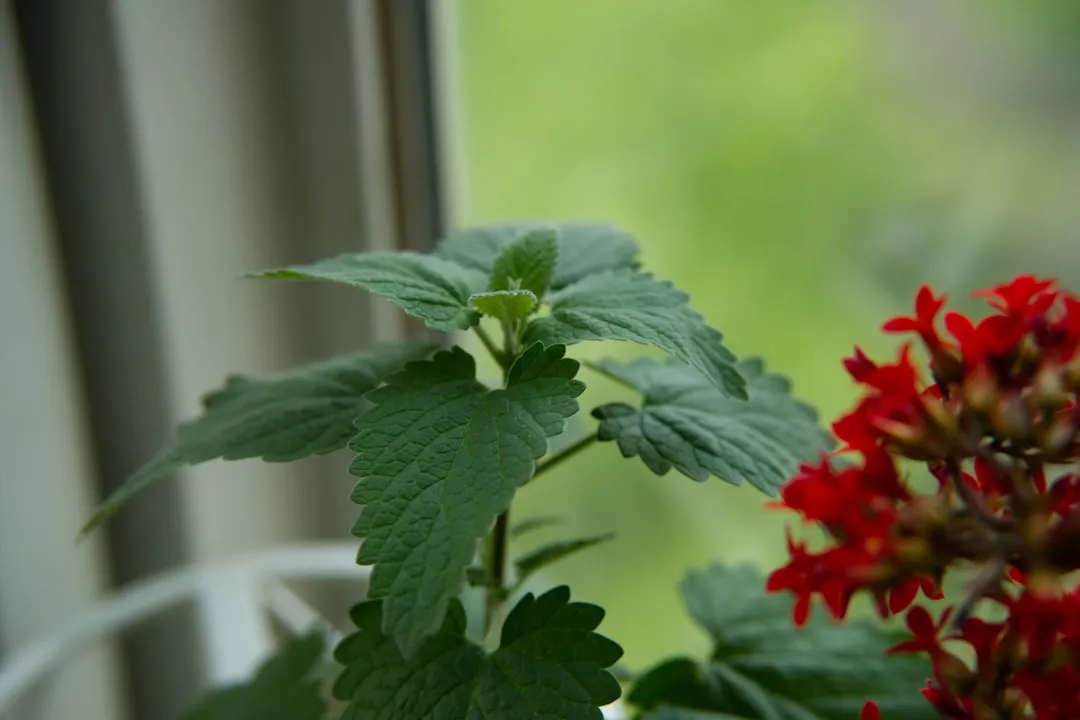
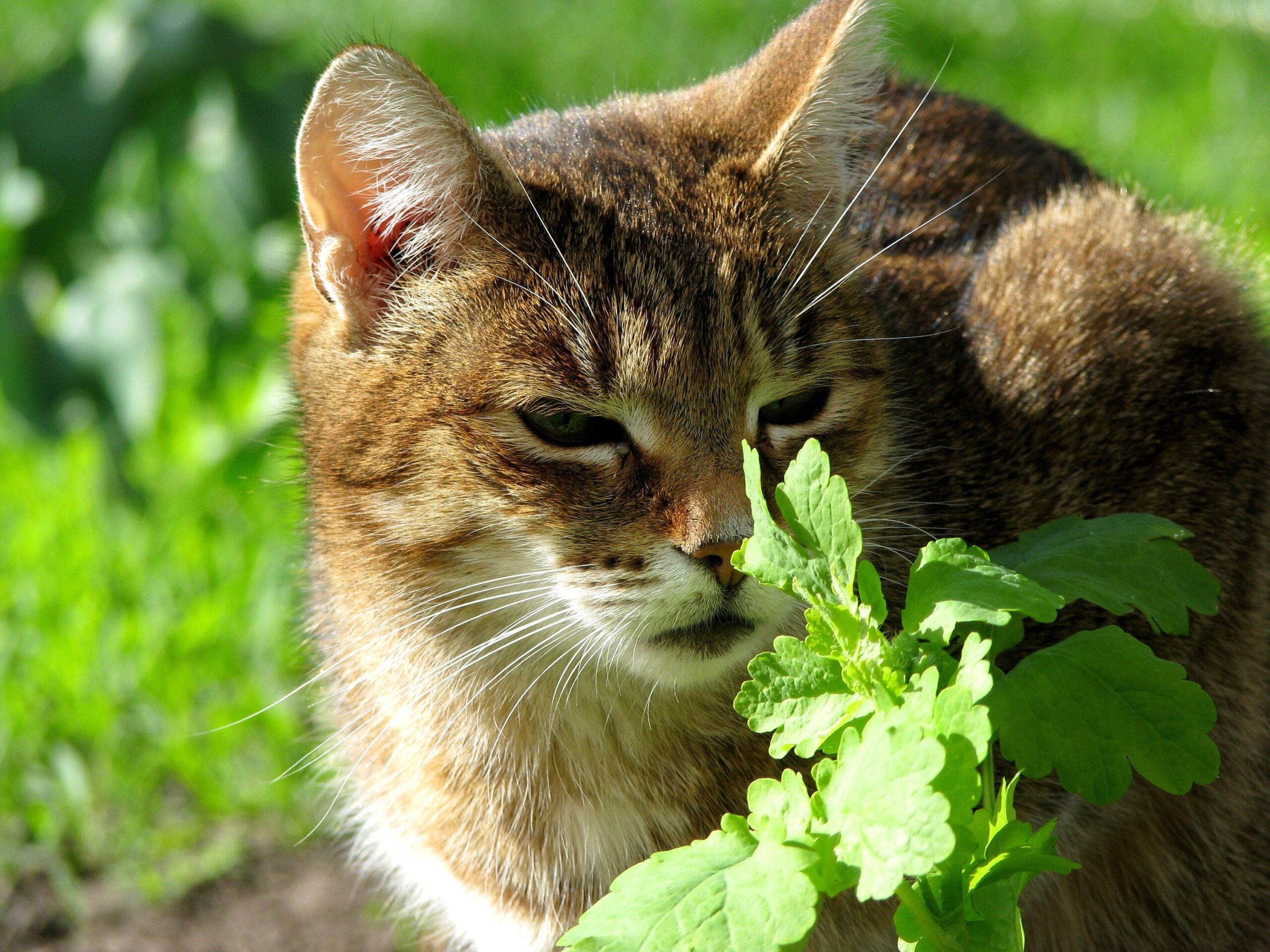
Catnip is a perennial herb belonging to the mint family and grows wild in most parts of the United States, although it is also cultivated for commercial use. Catnip is native to Europe and was introduced to this country in the late 18th century. For decades, gardeners have treated it as little more than entertainment for neighborhood cats. The scientific community, however, has been paying much closer attention.
The Iowa State University Finding That Changed Everything

Researchers reported that nepetalactone, the essential oil in catnip that gives the plant its characteristic odor, is about ten times more effective at repelling mosquitoes than DEET, the compound used in most commercial insect repellents. The finding was reported at the 222nd national meeting of the American Chemical Society, the world’s largest scientific society, by an Iowa State University research group. This wasn’t a fringe claim or a wellness blog headline. It came directly from peer-reviewed entomological research presented to one of the most respected scientific bodies in the world.
After ten minutes, only roughly a fifth of mosquitoes remained on the side of the tube treated with a high dose of the oil. In the low-dose test, about a quarter of mosquitoes stayed on the treated side. The same tests with DEET resulted in roughly forty to forty-five percent of mosquitoes remaining on the treated side. The difference in those numbers is stark, and it held up across multiple trials.
What Nepetalactone Actually Does to a Mosquito
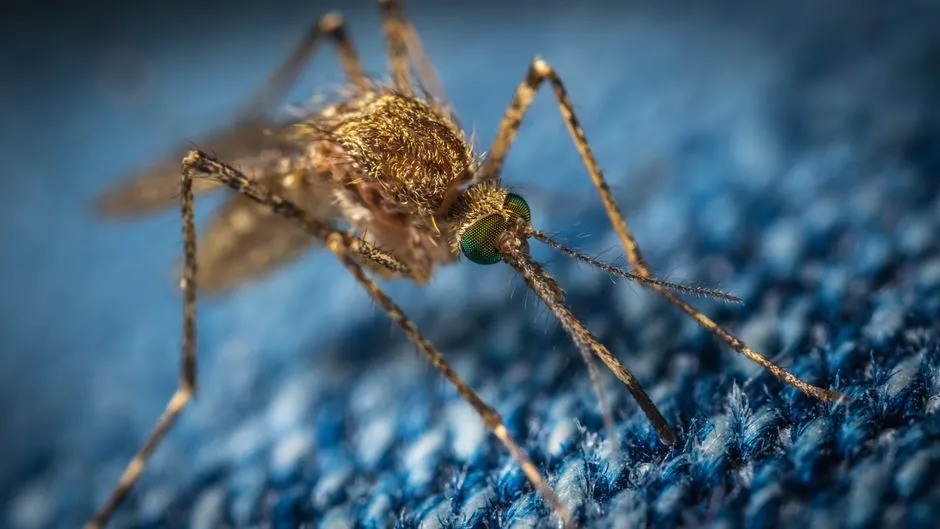
Research published in Current Biology in 2021 indicates that nepetalactone activates a specific irritant receptor called TRPA1 in insects, triggering an avoidance response. This is not just masking human scent – it is genuinely aversive to the mosquito’s sensory system. That distinction matters quite a bit. Many commercial products simply confuse a mosquito’s ability to find you. Catnip, by contrast, actively drives them away.
The compounds in catnip, primarily nepetalactones, trigger mosquitoes’ TRPA1 pain receptors. Think of it as analogous to pepper spray for humans – catnip has a similar effect on mosquitoes that pepper spray has on people. This is also why the plant likely evolved the compound in the first place: as a chemical defense against insects that might otherwise eat it.
The 2024 Study That Confirmed It All Over Again
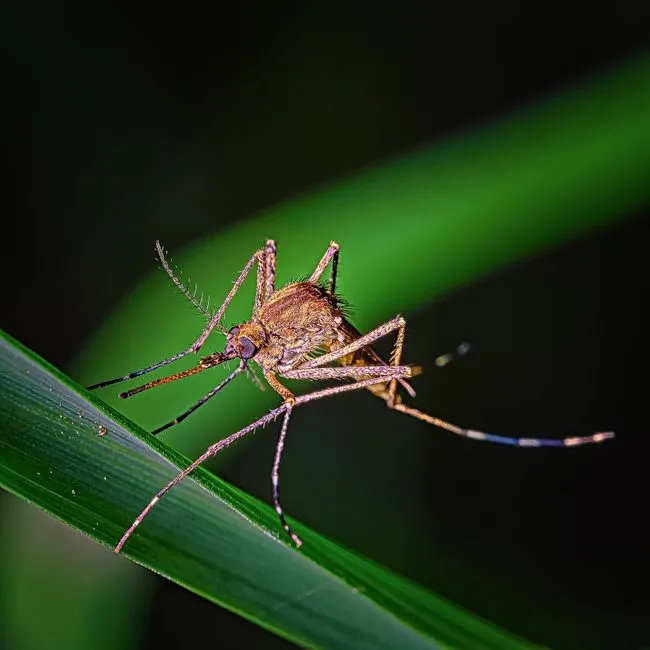
More recent research published in 2024 confirmed that catnip oil diluted to just two percent still repelled over seventy percent of mosquitoes for up to four hours. The key is to ensure you’re using an oil high in nepetalactone, which is typically about eighty percent or more of its composition. This updated data is significant because it demonstrates practical, real-world concentration levels that still deliver meaningful protection. Catnip oil also showed promise as a tick repellent.
How It Compares to the Spray in Your Garage
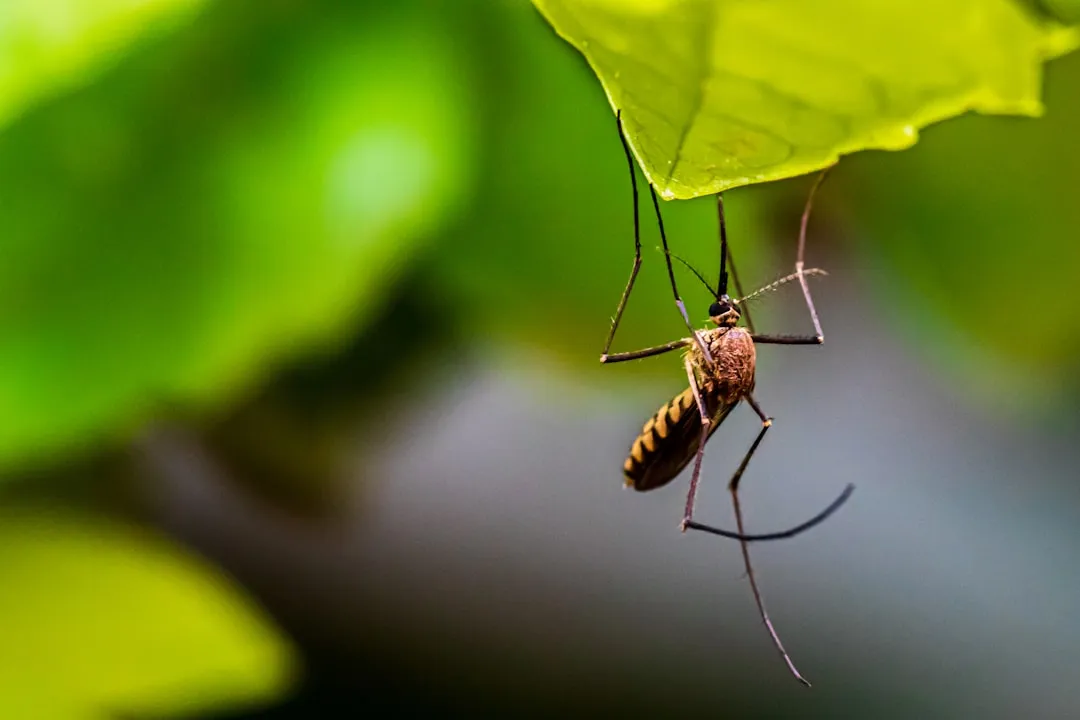
The insect repellent DEET keeps insects away, but it wears off with sweat and can cause health problems in sensitive people, including rashes, skin and mucous membrane irritation, dizziness, headaches, disorientation, and nausea. DEET smells bad and can damage plastic eyeglass lenses and watch faces. For many people, especially parents with young children spending long afternoons outside, those drawbacks add up.
If you are doing things like taking a hike, hanging out in your backyard, or taking a camping trip, natural repellents might be a better option. This can be especially true for children, who are more sensitive. That isn’t to say DEET has no place. For high-risk travel or areas with active disease vectors, it remains a valid tool. For routine backyard use, catnip offers a genuinely competitive alternative.
The Other Backyard Weed Worth Knowing: Pineapple Weed
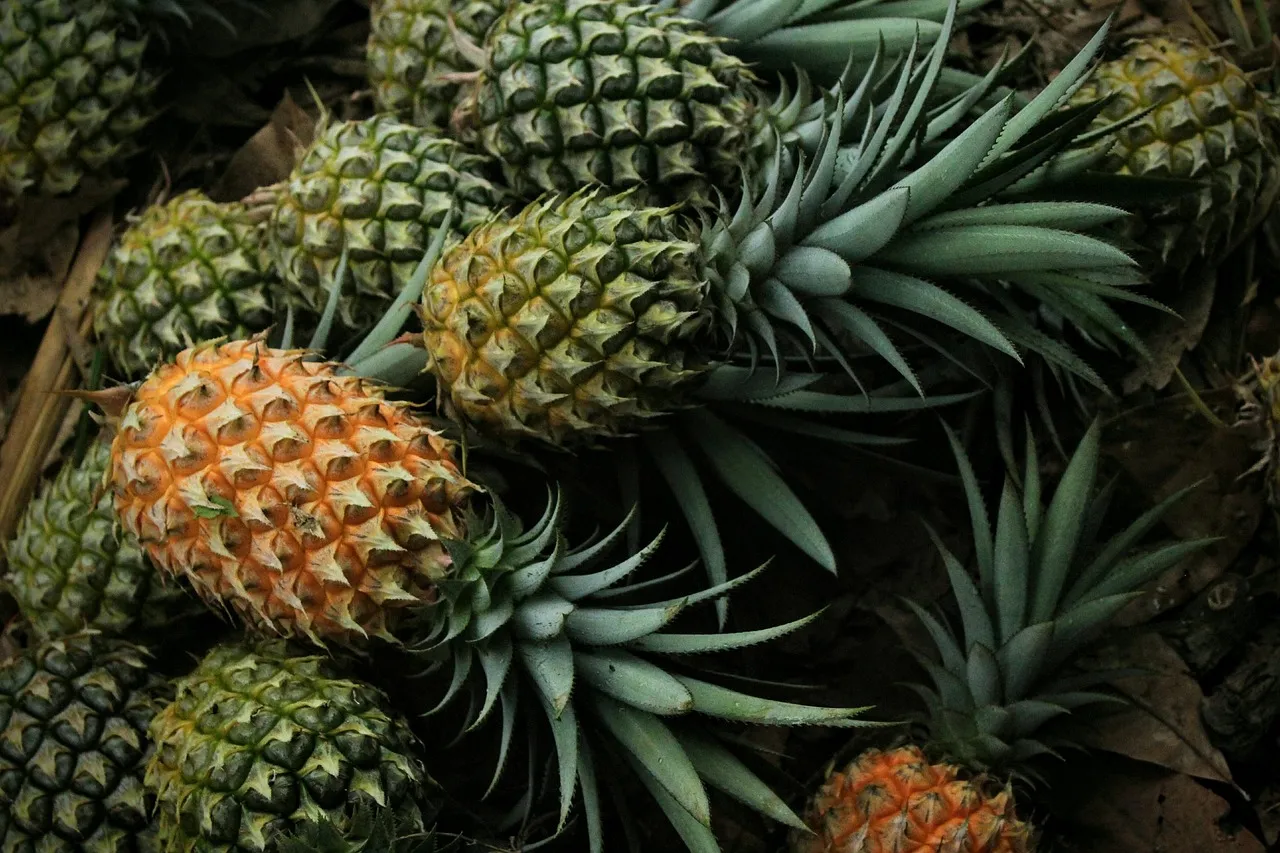
Pineapple weed has long been used as a successful insect repellent by indigenous peoples of North America. Scientists at the ARS Natural Products Utilization Research Unit in Oxford, Mississippi, conducted a study to identify the chemical constituents responsible for repelling mosquitoes. They found that essential oil from dried pineapple weed deterred mosquitoes from biting as effectively as DEET. The most active compounds isolated from pineapple weed – alpha-terpineol, spathulenol, and neryl isovalerate – provided complete protection.
Despite its name, pineapple weed is not related to pineapples at all, but gets its moniker from the sweet, fruity scent its foliage and flowers emit when crushed. This humble little plant, often dismissed as a weed, possesses remarkable properties that can help keep mosquitoes at bay. It is typically found in disturbed soils such as roadsides, fields, landscapes, nurseries, turf, and waste areas. Chances are you’ve already walked past it dozens of times.
How to Make a Simple Catnip Spray at Home
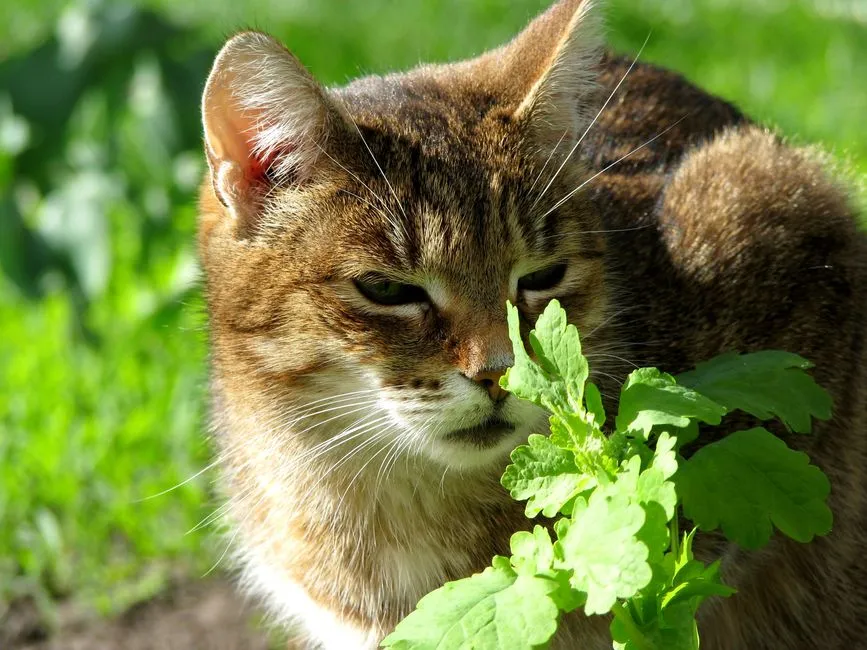
To make a basic catnip infusion spray, place chopped catnip leaves in a glass jar or bowl, pour boiling water over the leaves, and cover the container. Let it steep until the water cools to room temperature, which takes about an hour. Once cooled, strain the liquid into another container, squeezing the leaves to extract as much liquid as possible. Then add witch hazel or vodka to the catnip infusion.
Depending on the environment and your activity level, you may need to reapply every one to two hours. Store the repellent in a cool, dark place to maintain its effectiveness – it should remain good for several weeks, especially if kept in the refrigerator. Always test any homemade bug spray for possible allergic reactions before using it more liberally.
Growing Catnip: What You Need to Know Before You Plant
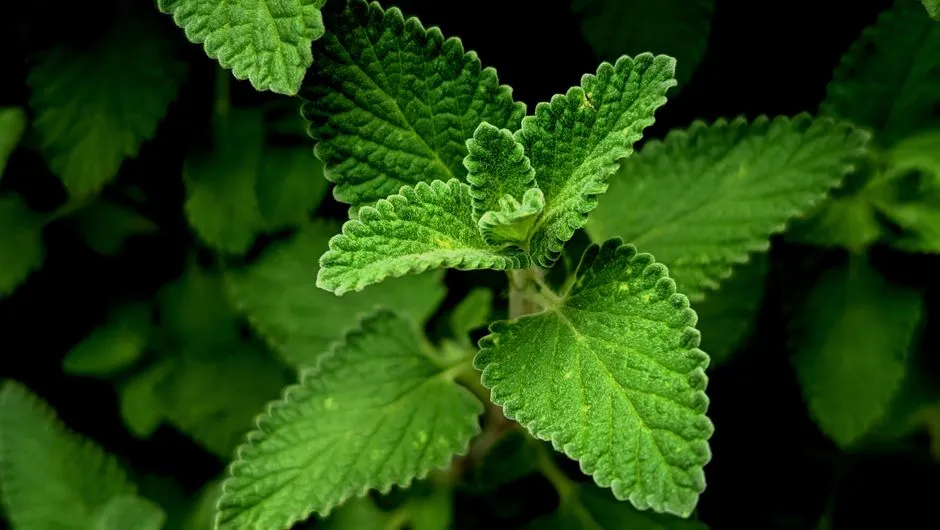
Catnip can be found thriving almost anywhere. It is from the mint family and grows abundantly both as a commercial plant and as a weed. It is very easy to take care of and may even start to invade other areas of your garden. That spreading tendency is worth taking seriously. Many gardeners choose to grow it in containers or raised beds to keep it contained, while still having plenty of leaves on hand when needed.
Mint, catnip, and lemon balm are related plants and will spread rapidly if not confined to a pot or small flower bed. Catnip is a cold-hardy perennial suited to Zones 3 through 7 and returns year after year without replanting. That kind of low-maintenance longevity makes it one of the more practical plants you can grow in a backyard setting.
One Important Limitation You Should Understand

While catnip contains nepetalactone, which has been found to be even more effective than DEET at repelling mosquitoes in lab trials, when crushed leaves were applied topically, catnip appeared to have little to no insect-repelling effect. This is a crucial nuance that gets lost in most conversations about the plant. The repellent power lives in the extracted or concentrated oil, not simply in rubbing a leaf across your arm once.
As researchers note, there are no plants that effectively repel mosquitoes just by virtue of growing in your yard. Mosquitoes might not shelter immediately around certain plants like catnip or lemongrass due to the chemical constituents in those plants, but mosquitoes will still be present in your yard. Using extracted oil or a properly prepared infusion spray is where the real repellent effect comes through, not simply proximity to the plant.
What Science Still Hasn’t Settled
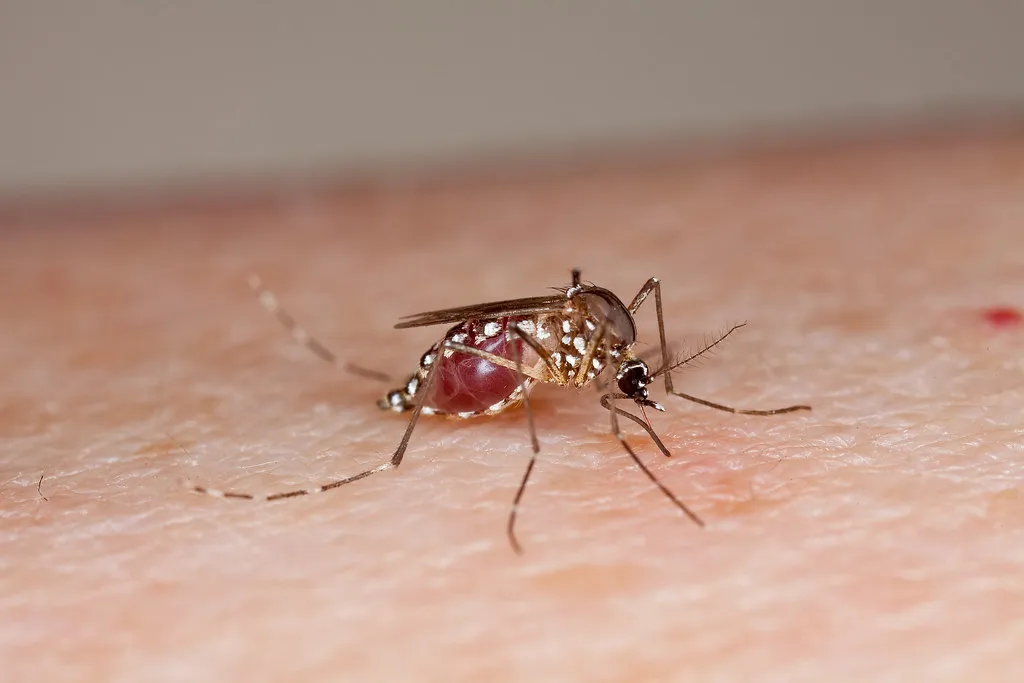
A drawback of plant-based repellent products is their limited protection time resulting from the high volatility of their active components. In particular, citronella oil protects for less than two hours, although formulations with fixatives can increase this time. Catnip oil faces a similar challenge in real-world conditions, even if laboratory results look impressive. Researchers are actively working on ways to extend protection time through modified formulations.
Research found that a blend consisting of fifteen percent DEET, fifteen percent citronella oil, and ten percent camphor oil in alcohol demonstrated the greatest repellent efficacy. In laboratory arm-in-cage tests, this mixture provided protection against mosquito bites for nearly nine and a half hours, which was significantly longer than that of DEET or citronella oil used alone. The most effective approach may ultimately be a thoughtful combination of natural and conventional compounds, rather than a single solution.
The Takeaway
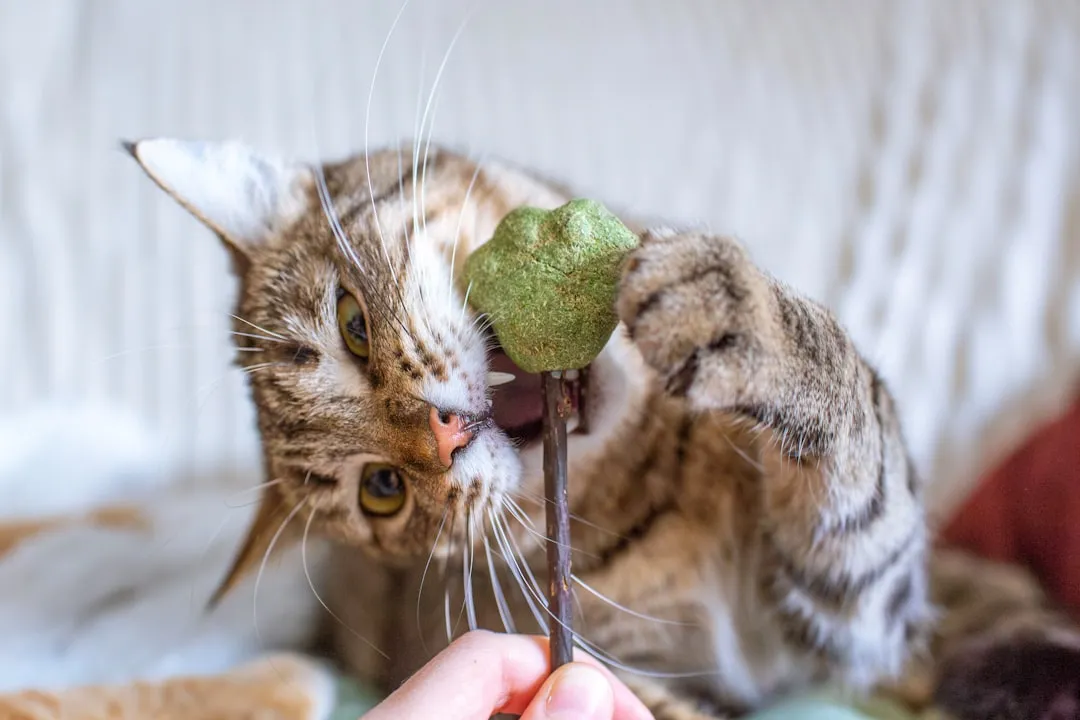
The research on catnip is real, and it is compelling. Researchers found that catnip oil repels mosquitoes significantly better than the compound used in most commercial bug repellents. Nepetalactone, the primary active ingredient in catnip oil, was patented by Iowa State University. That kind of institutional backing doesn’t happen without solid science behind it.
The honest position is this: catnip extract is not a magic replacement for every situation. However, for everyday backyard use, it offers something most store-bought sprays don’t – the ability to grow it yourself, prepare it simply, and apply it without a list of synthetic ingredients. The weed you’ve been pulling out of your garden all summer may deserve a second look.
AI Disclaimer: This article was created with the assistance of AI tools and reviewed by a human editor.