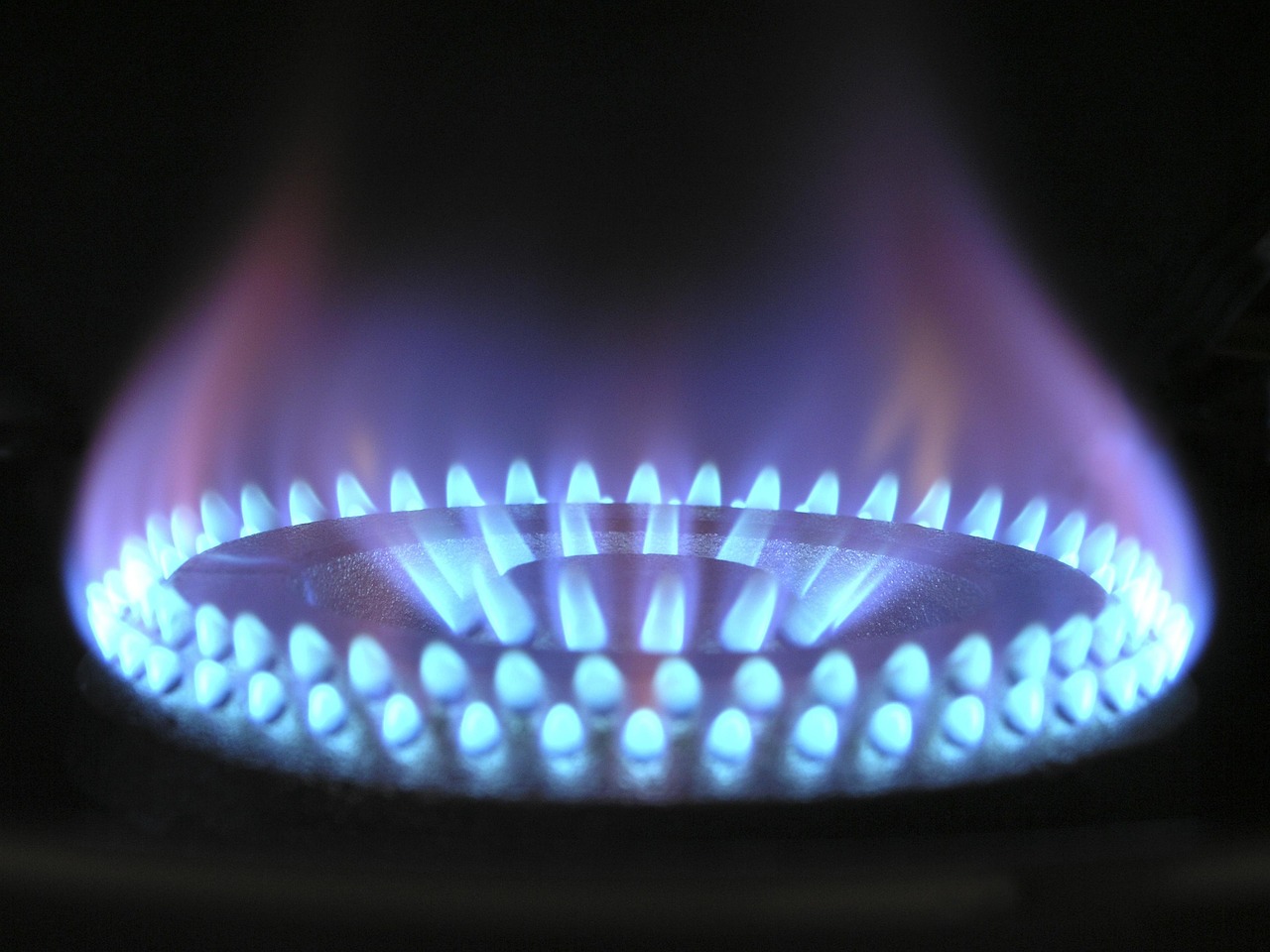

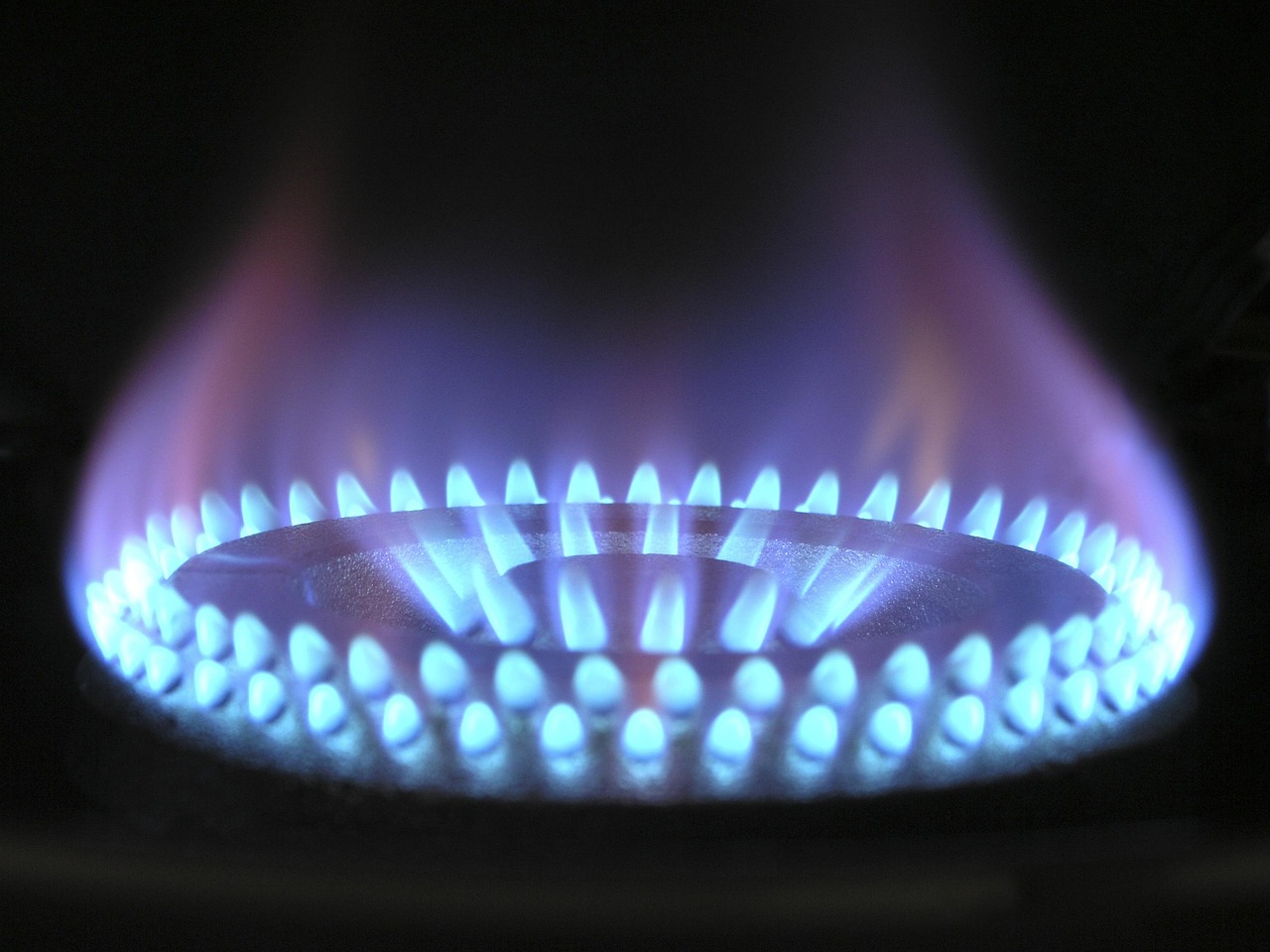
Most home fires don’t start from dramatic accidents. They build slowly, session by session, from something as routine as frying an egg or simmering a pot of sauce. The real danger is the invisible residue that accumulates every time you cook and never quite gets cleaned away.
Cooking fires are the top cause of home fires, accounting for approximately 49 percent of all residential fire incidents. That’s a sobering figure, especially when so many of those incidents trace back to habits people repeat every single day without a second thought.
Leaving the Stove Unattended – The Single Biggest Trigger
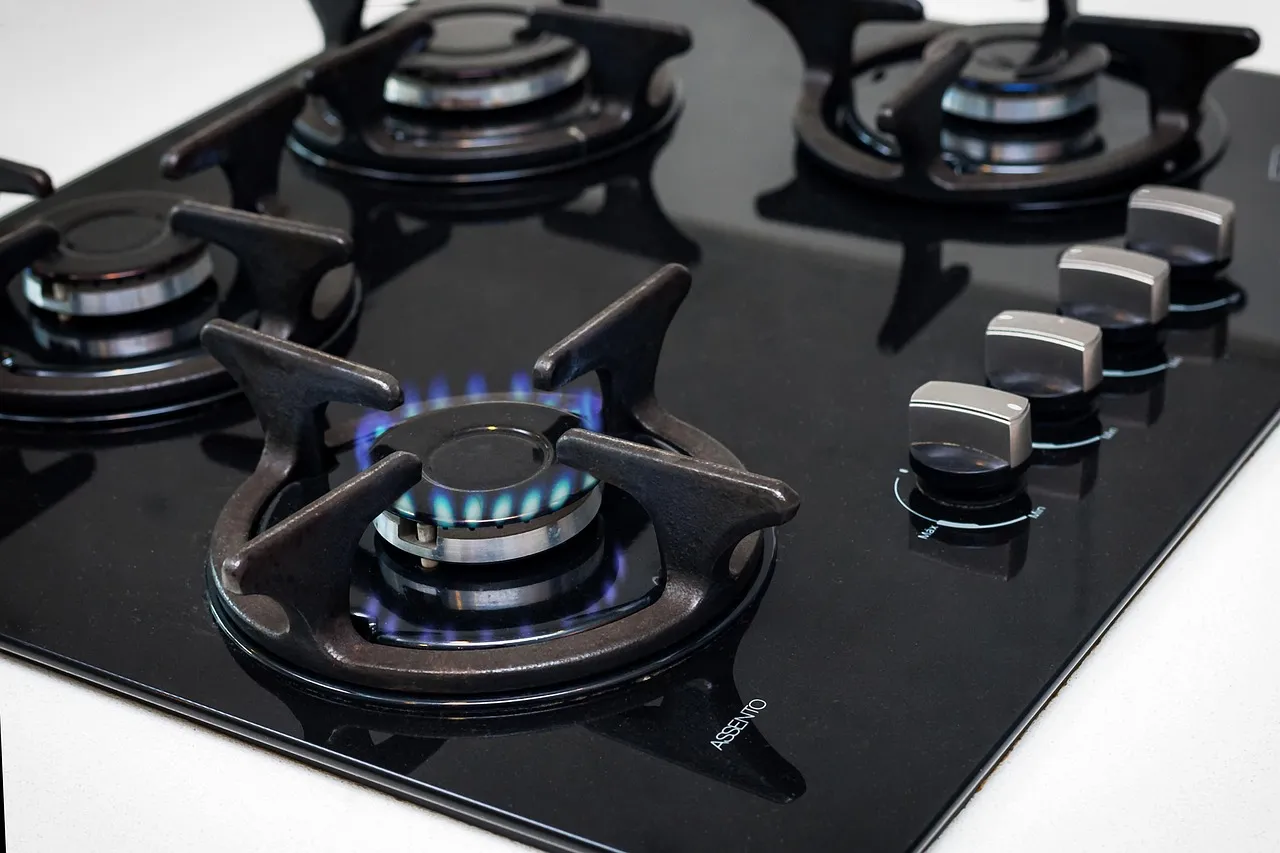
Cooking fires are the number one cause of home fires and home injuries, and the leading cause of fires in the kitchen is unattended cooking. It’s such a simple habit – stepping away to check your phone, tend to a child, or answer the door – yet the consequences can be catastrophic.
Unattended cooking is the leading factor in these fires, responsible for over 40 percent of cooking fire-related emergencies. That’s not a rare scenario. It’s what happens when the routine nature of cooking lulls people into a false sense of comfort.
A survey found that 72 percent of respondents admitted to leaving the stove unattended, and 50 percent have forgotten to turn off the stovetop after cooking. Numbers like that make it clear this isn’t a niche problem. It’s happening in kitchens everywhere, every night.
Skipping Range Hood Cleaning – The Hidden Fuel Source
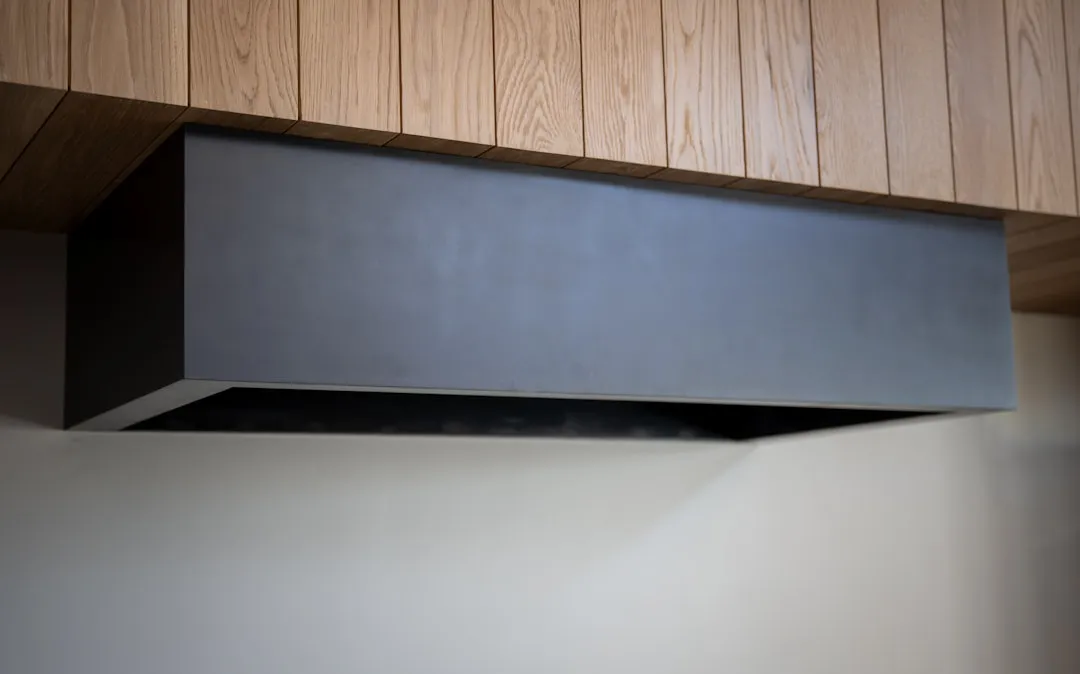
When people think about fire safety, they usually focus on obvious dangers like open flames, faulty wiring, or unattended candles. The kitchen is one of the leading sources of house fires, and many of those fires don’t start from an accident with the stove – they start from the invisible grease trapped in neglected range hoods.
As hot vapors rise during cooking, especially when frying or sautéing, they carry tiny grease particles into the vent system. Over time, these particles coat the inside of the range hood and filter. If this buildup isn’t cleaned out, it becomes highly flammable. A small flame or flare-up on the stovetop could easily ignite the grease and send fire into the vent system, quickly spreading to cabinets and beyond.
According to the National Fire Protection Association (NFPA), failure to clean kitchen exhaust systems is one of the leading causes of restaurant fires. The same principle applies at home, where most range hoods are cleaned far less frequently than they should be.
Grease Buildup on Cooking Surfaces – Slow, Steady, and Dangerous
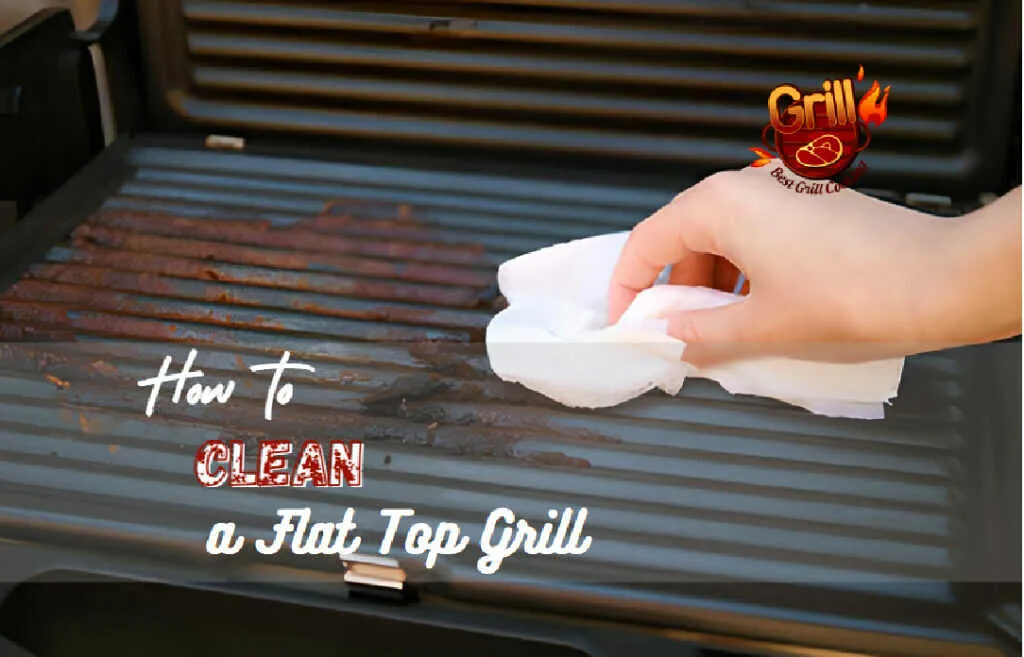
Grease is one of the most significant fire hazards in kitchens due to its flammability and quick accumulation from daily use. Most people wipe their stovetop surface after cooking, but that doesn’t eliminate grease from burner grates, drip pans, or the crevices around the burners where it quietly collects.
Grease fires are the most frequent type of kitchen fire and are highly dangerous due to how quickly they can spread from the stove to other areas. A pan that overheats on a greasy burner can escalate in seconds, long before most people realize what’s happening.
The primary culprits behind kitchen fires are organic materials, such as oils, fats, and grease, which can ignite when left unattended during cooking. Keeping cooking surfaces genuinely clean – not just visually wiped – is one of the most underrated forms of fire prevention in any household.
Overheating Cooking Oil – A Chemical Reaction, Not Just Carelessness

There is more than one way for a kitchen fire to erupt. When you heat cooking oil in a pan on the stove, it has to reach a specific high temperature before it can possibly ignite. The cooking oil itself does not burn – it is the vapor it emits that has reached its boiling point and can then ignite.
Frying equipment is involved in nearly 60 percent of cooking fires. That’s an extraordinary share of incidents linked to a single method of cooking that millions of people use daily, from pan-frying chicken to deep-frying chips.
When overheated, these substances can quickly ignite and create grease fires, which are particularly hazardous and challenging to extinguish. Keeping oil at safe temperatures and never leaving it unattended is key to fire prevention. A simple cooking thermometer is one of the cheapest safety tools a kitchen can have.
Placing Flammable Items Near the Stove – A Reflex That Backfires
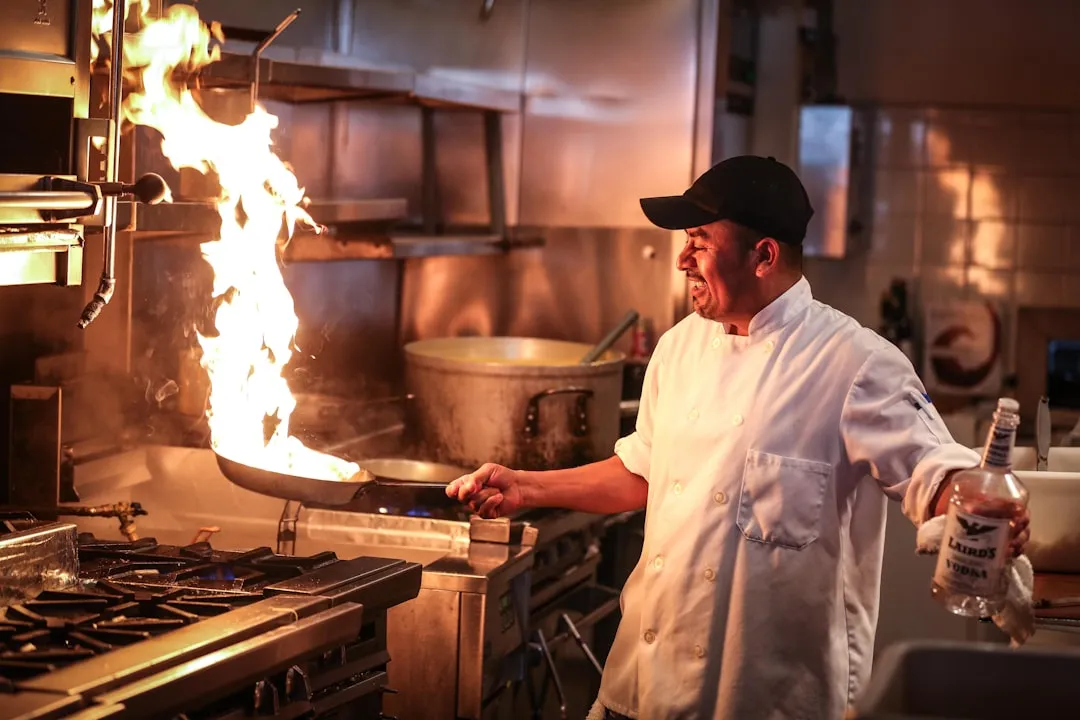
A staggering 66 percent of home cooking fires begin right at the ignition stage, meaning the fire starts the moment heat meets a flammable material like oil, food, or even a kitchen towel. That kitchen towel draped over the oven handle is far more dangerous than most people recognize.
While clothing is the first thing ignited in less than one percent of home cooking fires, it leads to a disproportionate percentage of cooking fire deaths, making it an especially dangerous risk factor. Loose sleeves passing over a lit burner can catch fire instantly, with very little warning.
The misuse of flammable materials near open flames can easily initiate fires. Materials like paper towels, cooking oils, and alcohol-based products, when mishandled, can exacerbate fire hazards. Safe storage practices must be implemented to keep these materials away from heat sources. It’s a small habit shift, but it genuinely makes a measurable difference.
Cooking During Late Night Hours – When Fatigue Changes the Risk Equation

Kitchen fires that occur between 11 PM and 7 AM are responsible for nearly one in five home cooking fire deaths. Contributing factors may include sleep and alcohol or drug impairment, highlighting the need to avoid cooking while tired or under the influence.
The CDC found that multitasking increases the likelihood of a household hazard by 2.5 times, while the NFPA reports that one in four home cooking fire deaths occur while the victim is asleep. Putting something on the stove and then dozing off is, statistically speaking, one of the most lethal things a person can do in their own home.
In two thirds of kitchen fire fatalities, the fire started when the victims were not in that area of the home, suggesting that many of them were unaware of the fire until it was too late. The kitchen doesn’t warn you. It just burns.
Ignoring Oven Cleanliness – The Fire You Don’t See Coming
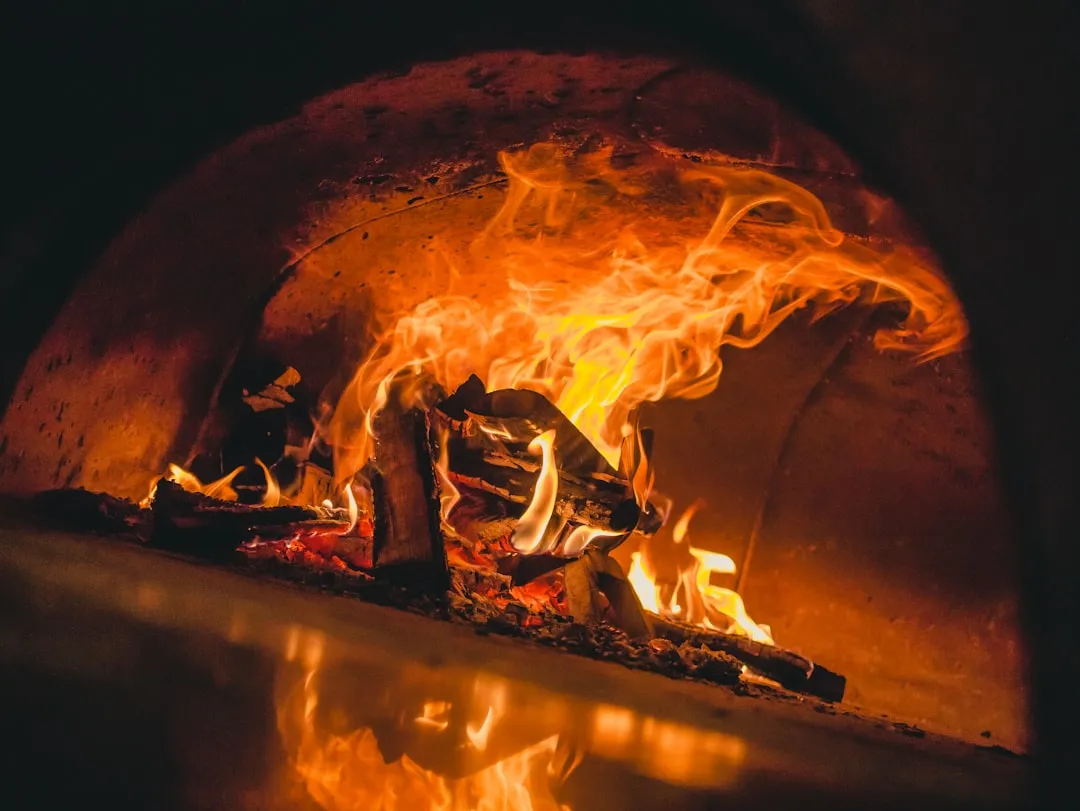
Serious risks can happen when the stove is left on, the oven isn’t regularly cleaned, and proper equipment isn’t used. Baked-on grease and food residue on oven walls and the bottom cavity are a persistent fire risk that rarely gets the attention it deserves.
According to NFPA, stovetops are among the most dangerous appliances in any household, causing 62 percent of all house fires and 87 percent of household fire deaths. Ovens account for 16 percent of house fires and 4 percent of house fire deaths. Most oven fires are lit by accumulated residue igniting at high heat, not from the oven itself malfunctioning.
Running a self-clean cycle on a heavily soiled oven can actually trigger a fire or produce heavy smoke as the residue burns off at extreme temperatures. A gentler, more regular manual cleaning habit is a much safer approach, according to fire safety professionals.
Multitasking While Cooking – Distraction as a Fire Hazard

Most Americans cook while distracted, and more than two-thirds don’t always use a kitchen timer. What’s more, 34 percent have left a cooking appliance on while away from home – a dangerous habit, as unattended cooking was the leading factor contributing to cooking fires and casualties according to NFPA.
Younger adults, especially those working remotely, are more likely to cook during the day and multitask while food is on the stove. The normalization of remote work has effectively placed more people in kitchens more often, and not always with their full attention on what’s cooking.
Behavioral data shows the problem isn’t a lack of awareness – it’s overconfidence. People know how fires start, but they underestimate how quickly heat, grease, and timing errors escalate. That gap between knowing and doing is where most kitchen fires live.
Clogged Vent Filters – The Maintenance Task Nobody Remembers

Over time, grease deposits can accumulate in hood filters, exhaust fans, and ventilation ducts, creating a combustible environment. If not addressed through regular cleaning and maintenance, this buildup can increase the likelihood of a grease fire occurring and exacerbate its intensity.
One of the most critical aspects of kitchen hood maintenance involves the filters. Cleaning or replacing the filters every month is vital for preventing grease buildup that can compromise efficiency and even lead to dangerous fires. Clogged filters restrict airflow, making it difficult for your range hood to work correctly.
When grease clogs the ventilation system, it reduces airflow, leading to heat buildup, excessive smoke, and poor indoor air quality. This can cause discomfort for kitchen staff and guests alike. The filter is one of the cheapest components in a kitchen to maintain and one of the most commonly overlooked.
The Financial and Human Cost of Doing Nothing
From January 1, 2024 through November 2025, State Farm paid nearly $234 million for indoor and outdoor cooking fire losses. Nationally, the average cooking fire loss was over $73,000. That’s not a catastrophic commercial blaze – that’s the average home cooking fire claim.
According to FEMA data, cooking fires caused an estimated $572.7 million in property damage across the United States in 2023 alone. The NFPA reports that these incidents lead to approximately 470 deaths and 4,150 injuries each year. These are not abstract statistics. They represent families displaced, people injured, and lives lost from entirely preventable events.
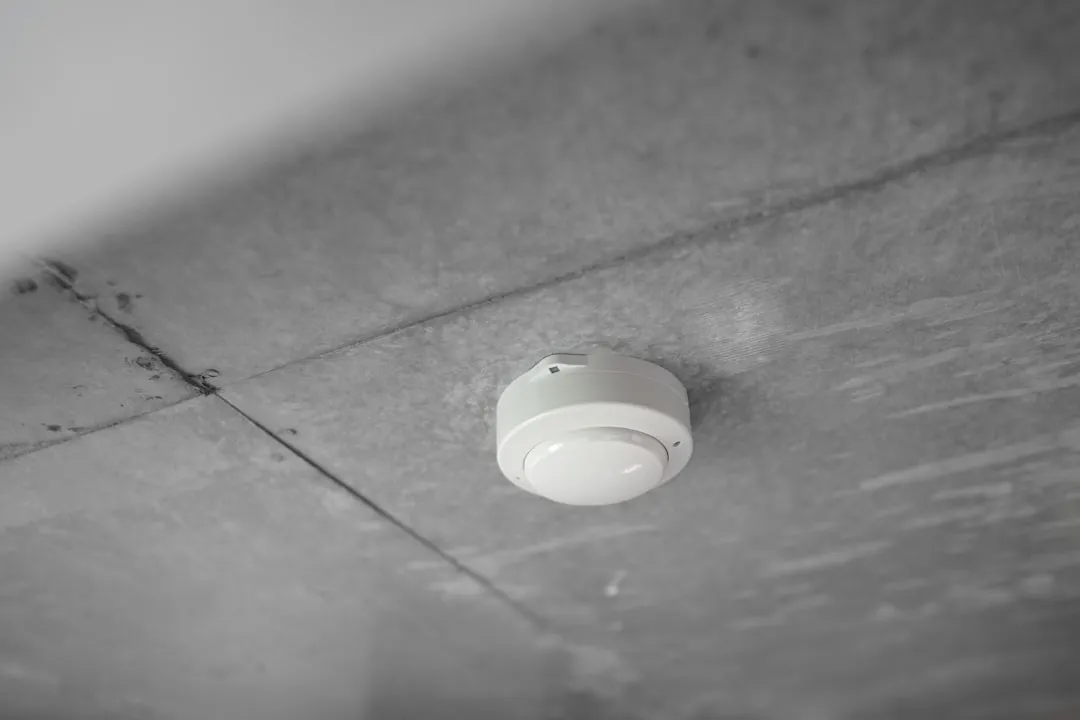
Smoke alarms reduce the risk of dying in a home fire by more than half – 60 percent – and must be installed in all required locations and working properly. Yet the NFPA reports that 29 percent of consumers disabled their smoke alarms while cooking, effectively removing the one reliable safety net that could save their lives.
The Takeaway
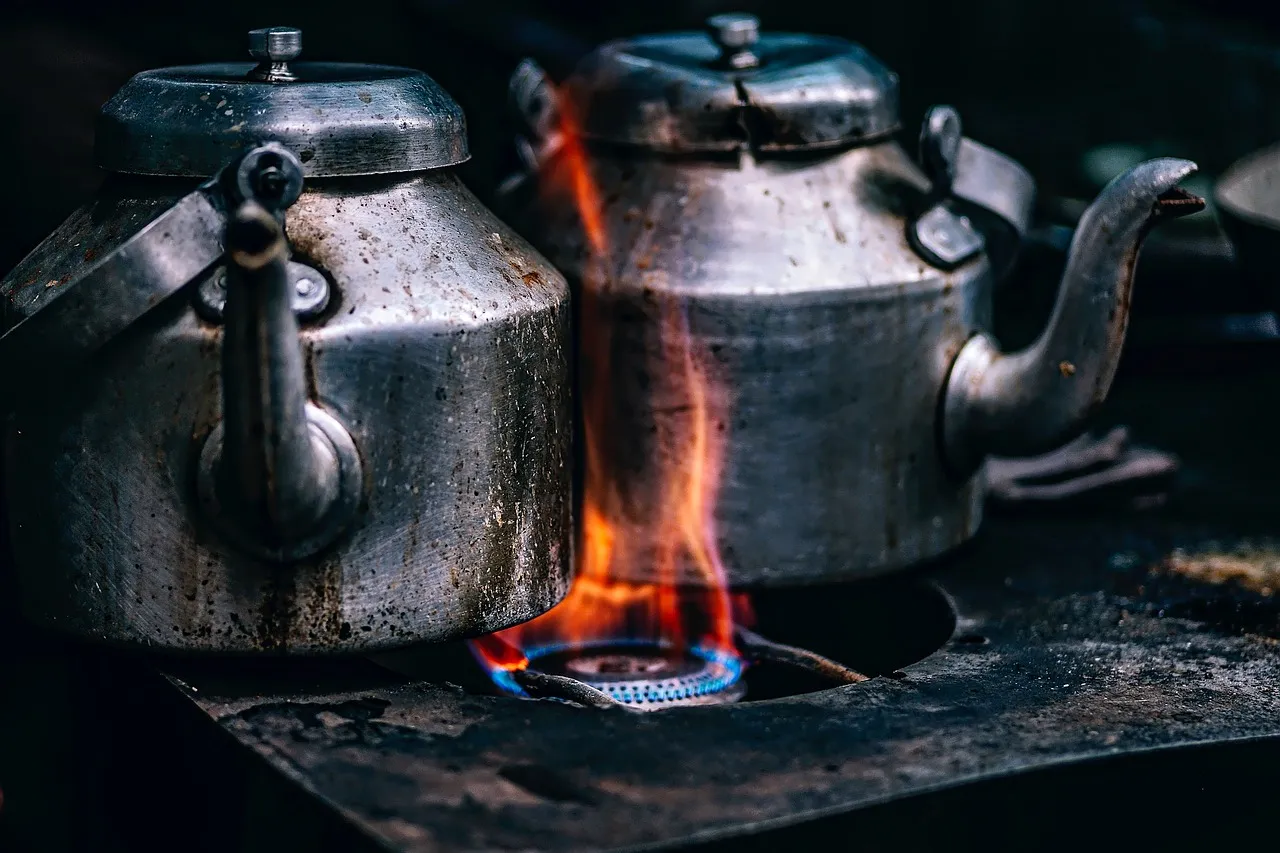
The kitchen is, without question, the most fire-prone room in any home. Not because of dramatic accidents, but because of the low-level, normalized habits that pile up over time – the unattended pan, the greasy filter, the kitchen towel left one inch too close to the burner.
None of these changes require expensive equipment or major lifestyle shifts. Over the past decade, there have been 11 percent fewer cooking fires and 49 percent fewer deaths, reflecting steady improvements in fire safety awareness, early detection, and emergency response. Progress is real, but it only continues when awareness does.
Paying attention is, in the most literal sense, a lifesaving act in the kitchen. The risks are genuine, the data is clear, and the fixes – stay present, clean regularly, never walk away from heat – are well within anyone’s reach.
AI Disclaimer: This article was created with the assistance of AI tools and reviewed by a human editor.