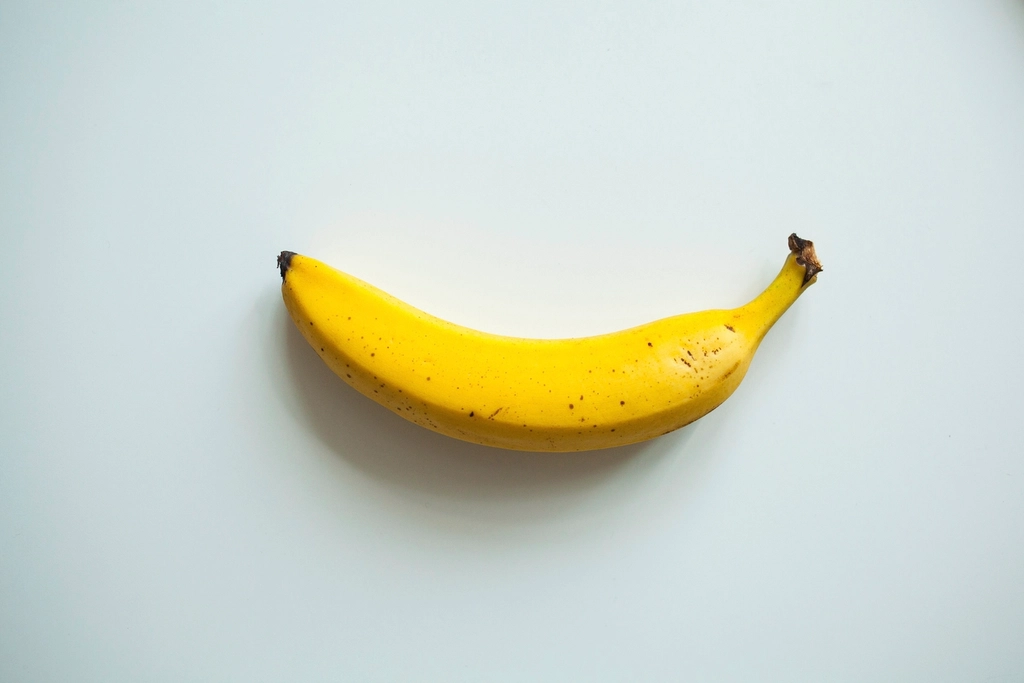

Most people have had this experience: you buy a perfectly green avocado on Monday, and by Wednesday it still feels like a small, ungiving rock. Meanwhile, the bananas sitting next to it have gone spotted and soft practically overnight. That contrast is not random. There is real biology at work, and one humble fruit is quietly running the show in your kitchen.
The fruit responsible is the banana. Ordinary, yellow, and easy to overlook, the banana is one of nature’s most powerful natural ripening agents. Understanding exactly why this happens connects kitchen science to serious agricultural research in ways most people never expect.
The Invisible Gas Doing All the Work
The primary agent responsible for banana ripening is a gaseous plant hormone called ethylene (C2H4), which acts as a signaling molecule, initiating and accelerating the ripening process. What makes this interesting is that the gas doesn’t stay contained within the banana itself. It drifts outward into the surrounding air, reaching whatever other fruit happens to be nearby.
Ethylene plays a vital role in the ripening of climacteric fruits like bananas, and its biosynthesis has become a focal point of agricultural research due to its impact on fruit quality and shelf life. The fact that a single piece of fruit can essentially send a ripening signal to everything around it remains one of the more quietly remarkable things in everyday food science.
Why Bananas Are Especially Powerful Producers
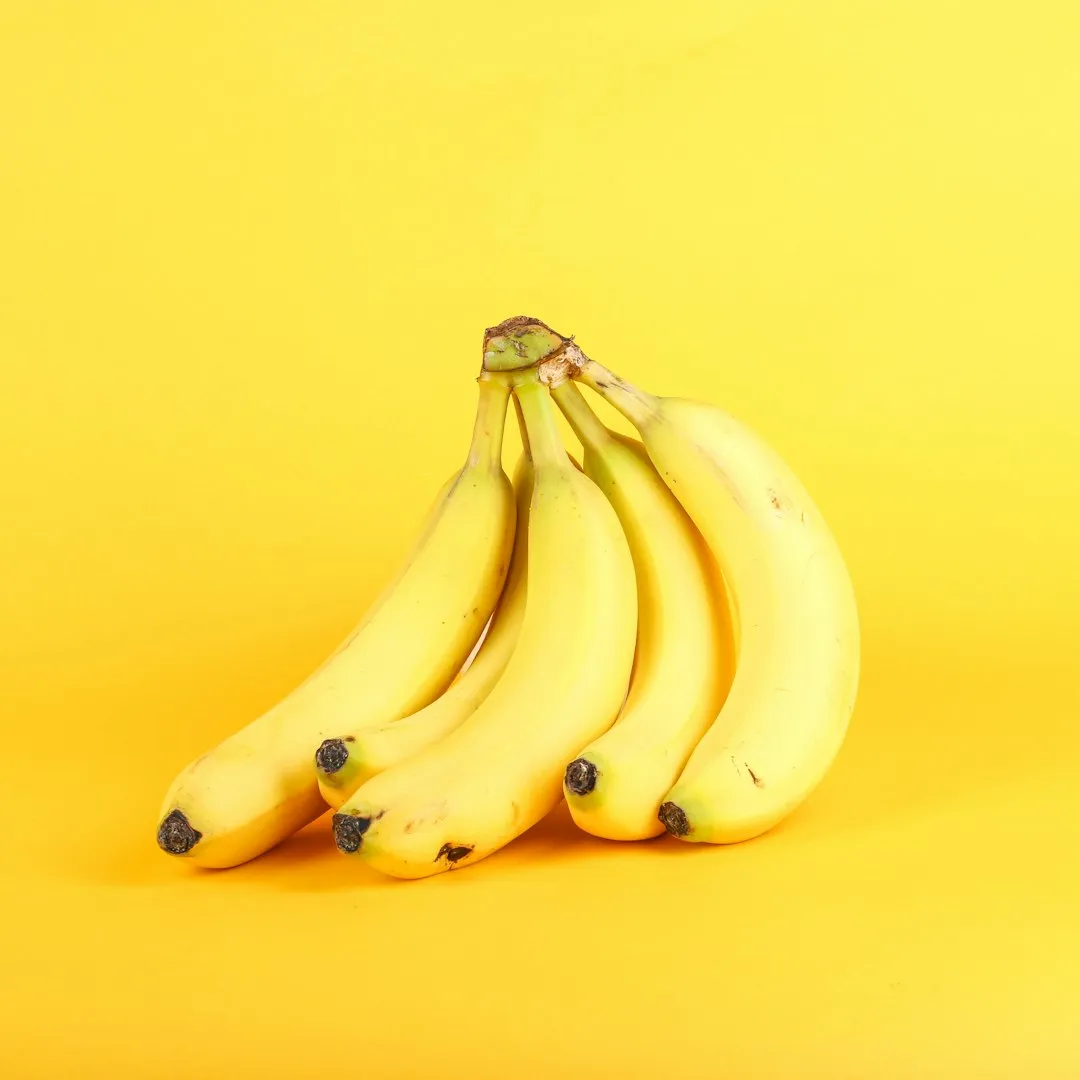
Climacteric fruits like apples, bananas, and peaches release significant amounts of ethylene and can speed up the ripening of nearby produce. Among these, bananas consistently rank as some of the most prolific emitters, which is why they tend to accelerate the process so noticeably in a shared fruit bowl.
Because bananas produce copious amounts of ethylene, they nudge neighboring fruits to hop on the ripening process. Triggered by the ethylene gas from the bananas, fruits ramp up their conversion of starches to sugar. That conversion is precisely what changes a hard, bland fruit into something sweet and soft to the bite.
The Chemistry of Sweetness: What Happens Inside the Fruit
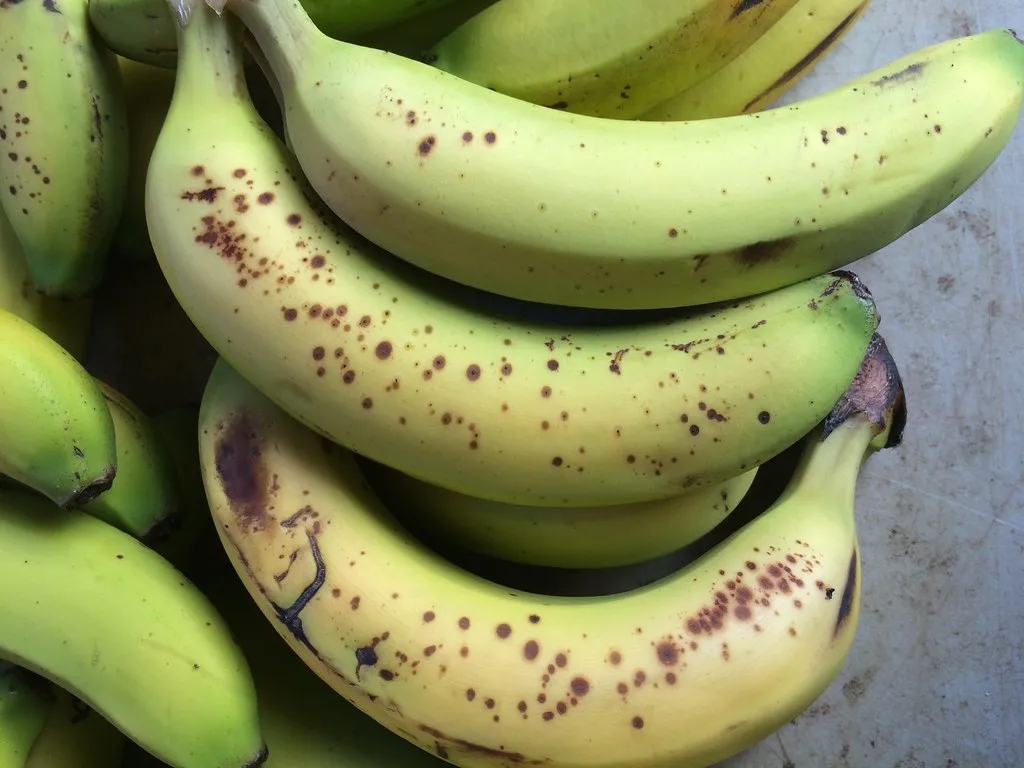
When ethylene interacts with a banana, it triggers a cascade of biochemical changes that transform the fruit. One significant change is the conversion of starches into sugars, which makes the banana sweeter and less starchy. This process involves enzymes like amylase, which break down complex starch molecules into simpler sugars.
When fruit ripens, ethylene converts the starch in the fruit’s flesh into sugar, creating a sweeter, tastier fruit. The same mechanism plays out in neighboring fruits that absorb the gas. It is not a metaphor for ripeness spreading; it is a measurable biochemical chain reaction happening one molecule at a time.
Climacteric vs. Non-Climacteric: Not All Fruit Gets the Message
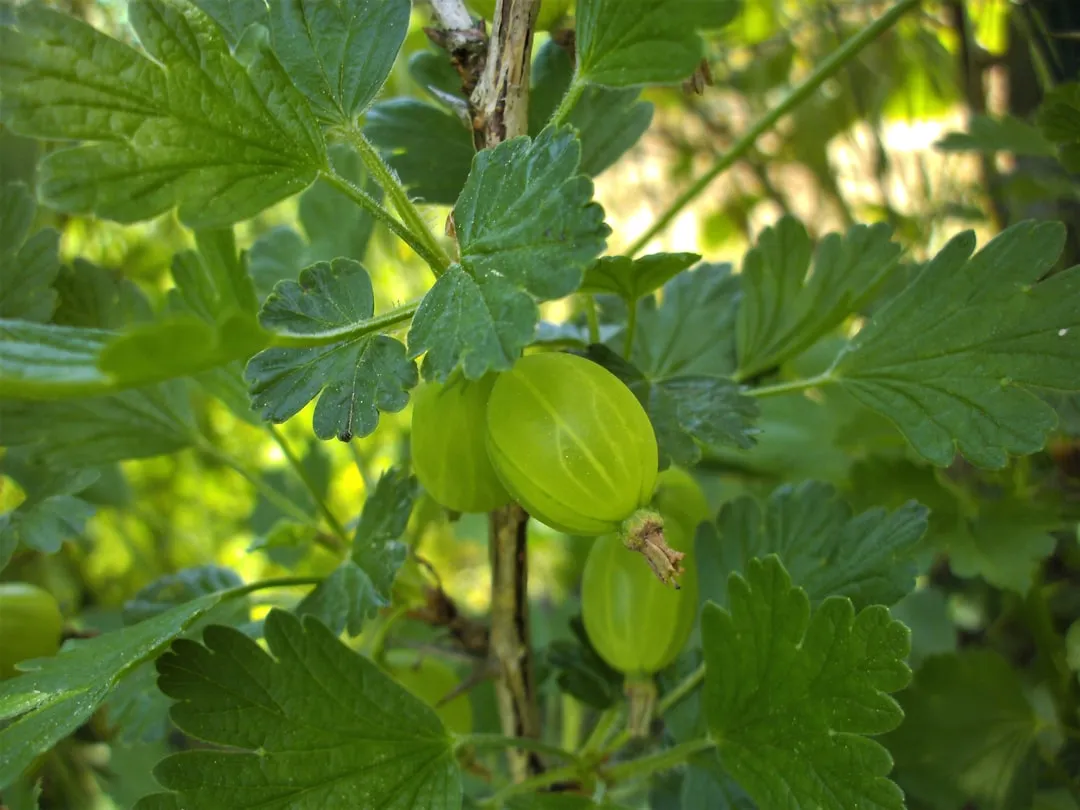
There are two classifications of fruit in the ripening realm: climacteric and non-climacteric. Climacteric fruits produce ethylene gas and continue to ripen after they’ve been plucked, while non-climacteric fruits do not and should only be picked when fully ripe. This distinction matters enormously when you’re trying to ripen fruit at home.
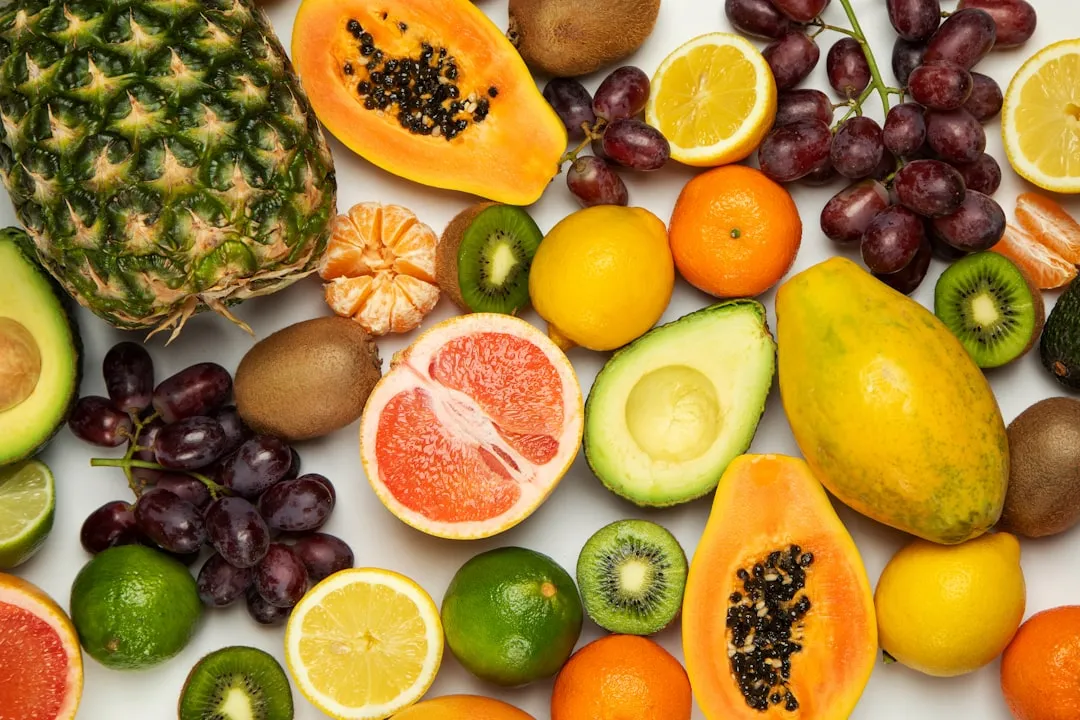
Non-climacteric fruits like grapes, berries, cherries, and pineapple won’t ripen off the tree or vine, so avoid any that are underripe. They’re not going to sweeten up once they’ve left the store. Place a bunch of underripe grapes next to a banana and nothing much will change. Place a hard avocado or an unripe mango there, though, and the story is different.
The Paper Bag Trick: Concentrating the Effect

To ripen an unripe avocado, mango, or banana faster, place it in a paper bag with a ripe apple or banana. The bag will trap the ethylene gas, concentrating it around the unripe fruit and speeding up the process. This is the science behind the popular kitchen trick that has been passed down for generations, and it genuinely works.
To ripen an avocado using a banana, simply place unripe avocados inside a paper bag with a banana or two. This speeds up the ripening process. Moving the bag to a warm spot in the kitchen can add a further ripening boost. Paper is the right material here for a specific reason: paper bags are ideal because they promote airflow, unlike plastic, which traps moisture and can lead to rot before the ripening is complete.
How Commercial Distributors Use the Same Principle
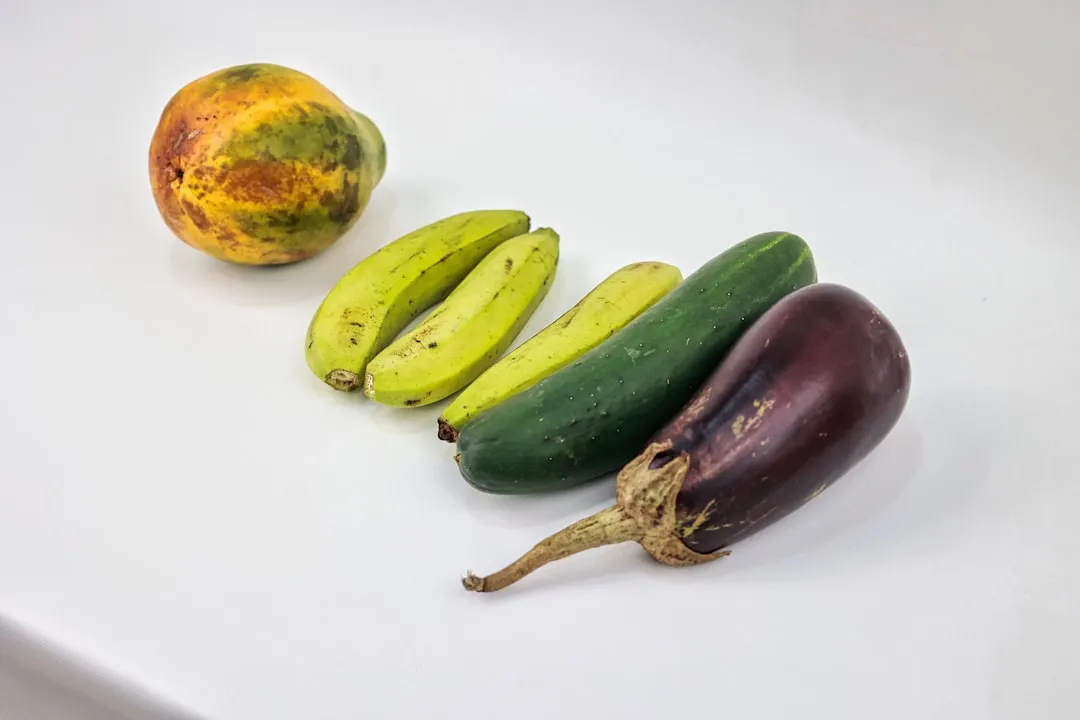
Bananas are harvested green to allow for long-distance transportation without spoilage. Upon arrival at their destination, they are often placed in specialized ripening rooms where controlled amounts of ethylene gas are introduced. This commercial application of ethylene ensures uniform ripening, allowing distributors to provide consistently ripe fruit to markets.
This controlled ripening process is safe, as ethylene is a natural plant hormone and not a harmful chemical additive. The bananas themselves produce ethylene, and the external application simply kickstarts or accelerates this natural process. It is essentially the same thing happening on your kitchen counter, just at industrial scale and with precision control over temperature and gas concentration.
When Two High Producers Share a Bowl
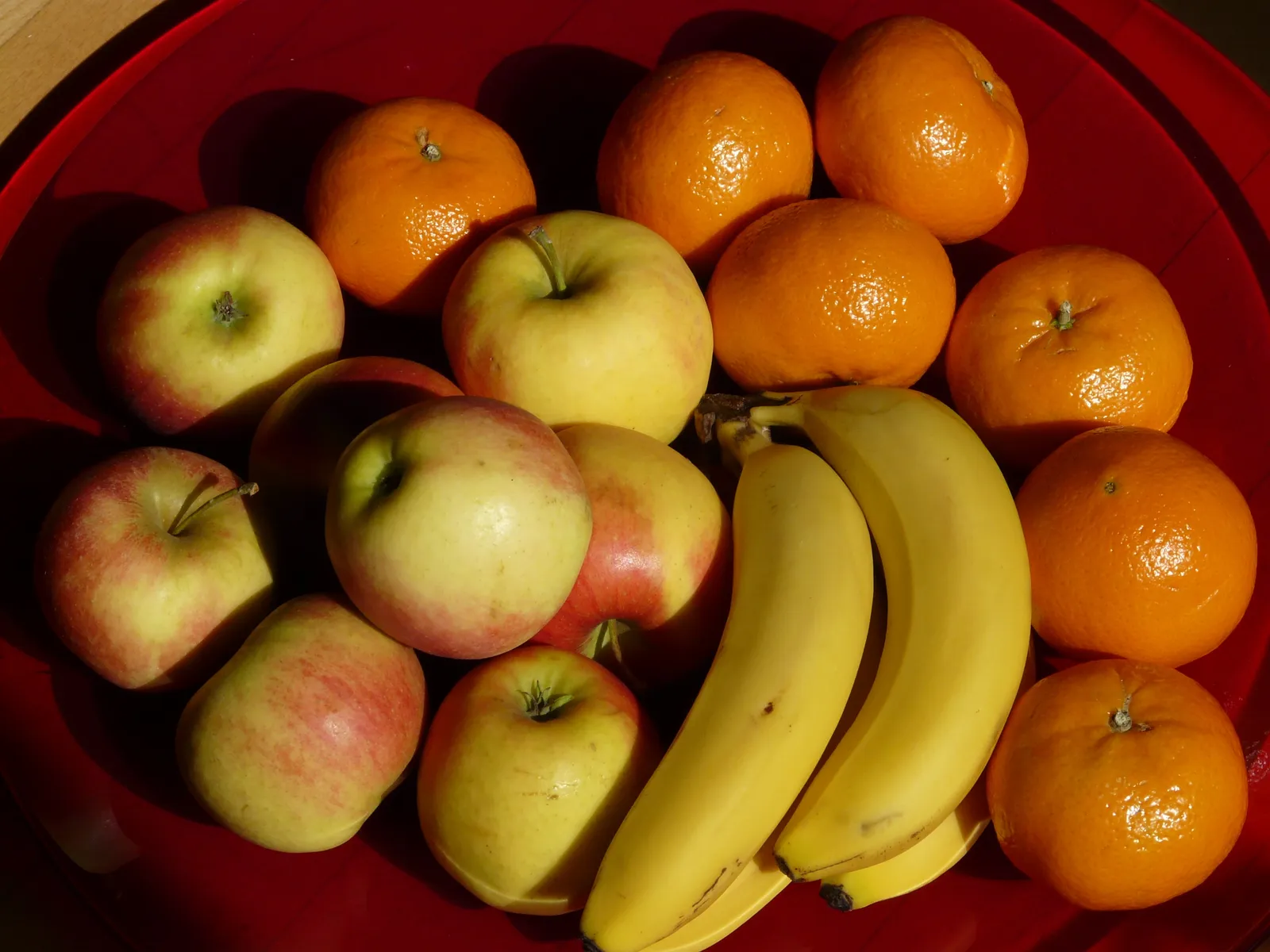
If two producers such as apples and bananas are stored together, their emitted ethylene will speed ripening dramatically. This helps when you want faster results, but can quickly lead to overripening and waste if not monitored. The banana and apple combination is particularly potent, and a bowl containing both can turn other fruit from firm to overripe surprisingly fast.
Ethylene gas is both colorless and odorless, so it cannot be detected by smell. The best way to notice ethylene at work is by observing faster-than-normal ripening or spoilage in your fruit bowl. Many people have blamed their grocery store when fruit goes off quickly, never realizing the real culprit was sitting right there in their own bowl.
Slowing Things Down: When You Want Fruit to Last
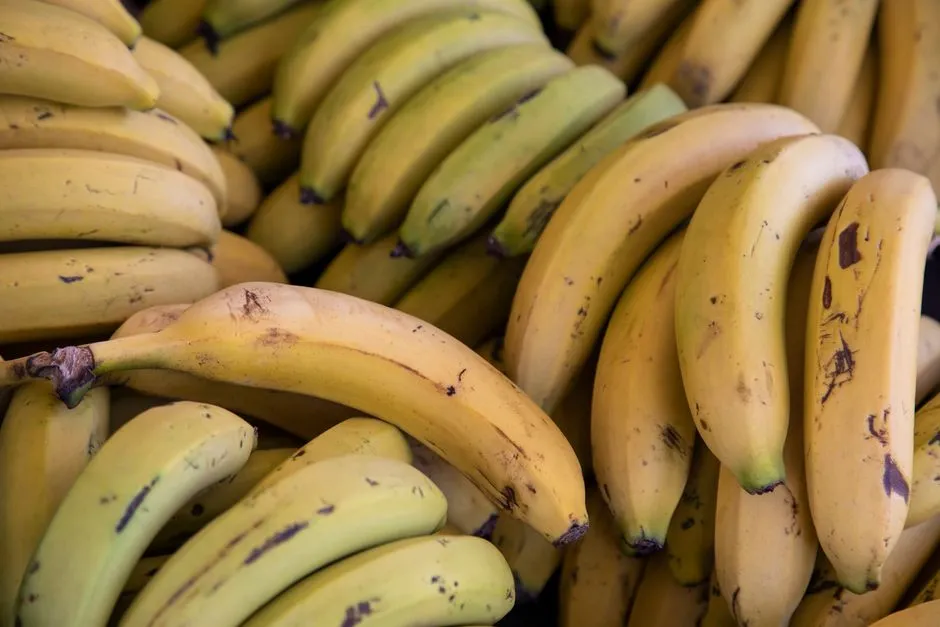
To prevent rapid spoilage, store ethylene-producing fruits away from sensitive produce like leafy greens, broccoli, and carrots. This advice extends well beyond the fruit bowl. Bananas placed near bags of salad greens in a cool pantry can cause those greens to yellow and wilt days ahead of schedule.
Ethylene production and sensitivity are affected by temperature. Refrigeration slows down the ripening process significantly, which is why you should move ripe climacteric fruits to the fridge to extend their life. However, be mindful that some tropical fruits, like bananas, are damaged by cold temperatures. Moving a ripe banana to the refrigerator will turn the skin black, though the flesh itself often remains fine to eat.
The Food Waste Connection
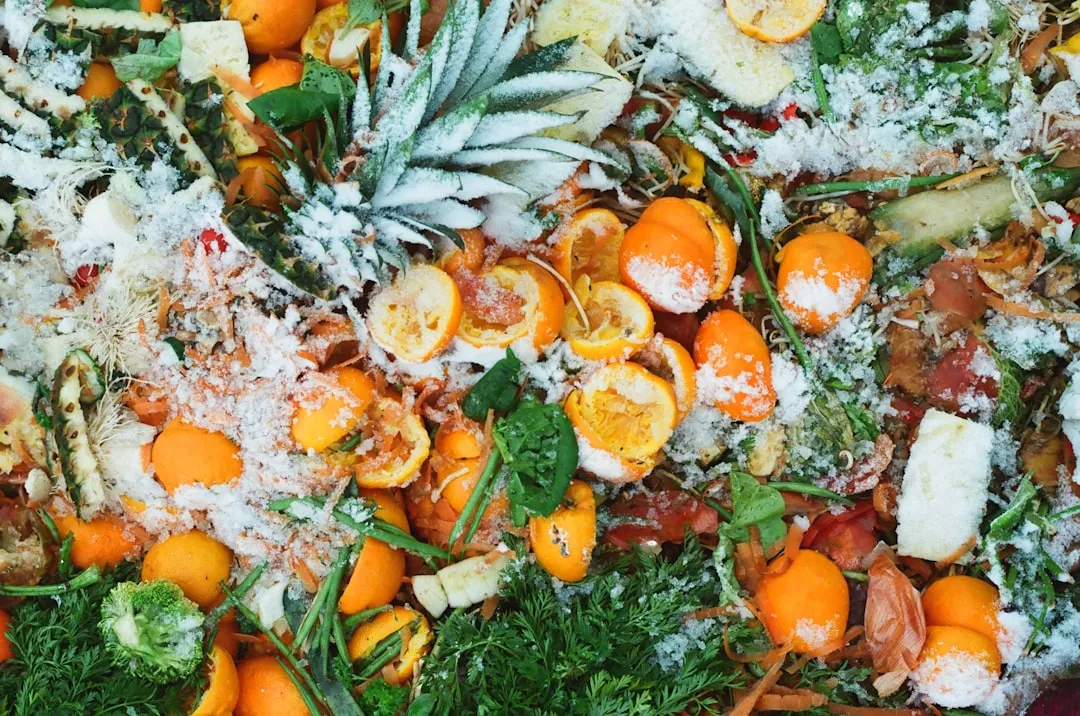
Global fruit waste reaches roughly one third of all fruit produced annually, highlighting the need for better storage solutions. Uncontrolled ethylene exposure in poorly managed fruit storage is one of the key drivers of this problem, both at home and throughout the supply chain.
Postharvest losses of fruits can reach between a quarter and half of the total harvest due to improper handling during harvesting, transportation, and storage. Food waste is also linked to roughly eight to ten percent of the greenhouse gas emissions warming the planet. Understanding and managing ethylene exposure is, in a small but real way, a contribution to a larger environmental problem. Knowing that a single banana in a poorly organized kitchen can accelerate spoilage across the whole bowl is a practical starting point for reducing that waste.
Recent Research Is Still Expanding What We Know
While ethylene is well-known for its role in controlling fruit ripening, there is growing evidence that ethylene also plays crucial roles in regulating other developmental processes of fruits, such as sex determination, fruit set, and fruit growth. A 2024 review published in Horticulture Research confirmed the hormone’s reach extends well beyond what most consumers imagine.
Climacteric fruits undergo a characteristic ripening process regulated by ethylene, and extending the shelf life of these fruits while preserving their postharvest quality poses a significant challenge for the food industry. Research published in 2024 in the journal Horticulture examined a full range of strategies including ethylene inhibitors, ethylene adsorbents, and catalytic scavengers, showing how seriously the scientific community takes what began as a simple observation about fruit in a bowl.
The Takeaway
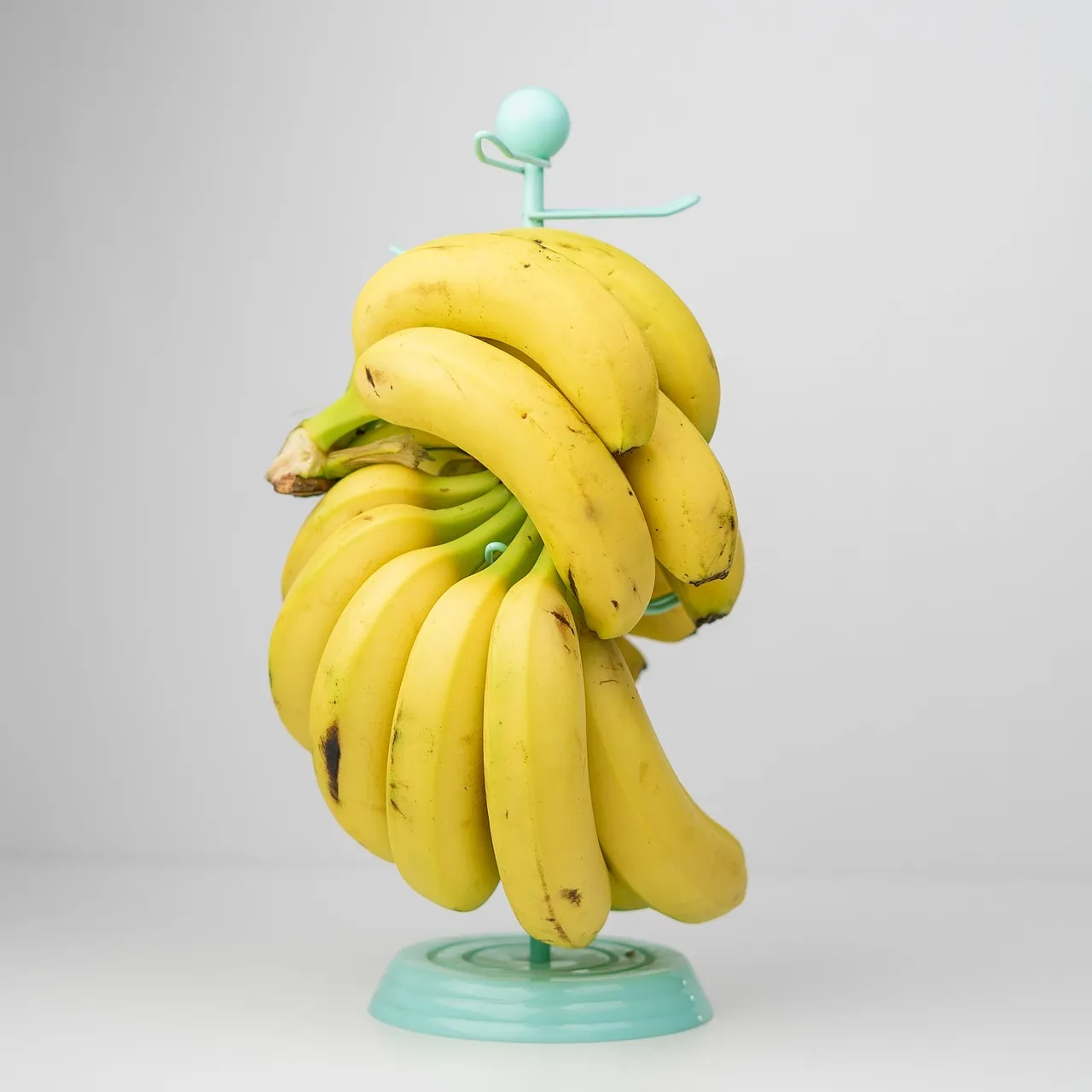
The banana’s superpower is hiding in plain sight. It sits in millions of kitchens looking unremarkable, but it is constantly broadcasting a biochemical signal that changes everything around it. That is not a minor detail of fruit biology; it is a mechanism with real consequences for how quickly food goes off, how much gets wasted, and how a kitchen runs day to day.
The practical upshot is straightforward: keep bananas away from fruit you want to preserve, and place them near fruit you want to ripen. A paper bag concentrates the effect. Temperature slows it down. Once you understand the invisible gas at work, the fruit bowl starts to make a great deal more sense.
AI Disclaimer: This article was created with the assistance of AI tools and reviewed by a human editor.