

Seeds are patient things. They can wait in the dark for a very long time, tucked inside their tough coats, carrying instructions for life that are hundreds of years old. Most of the time, nobody bothers to ask what those instructions still say. But occasionally, a researcher opens a dusty archive, or a diver descends 160 feet into cold lake water, and something extraordinary begins.
Two remarkable stories, separated by more than a century in time but connected by the same impossible-sounding question, have now placed the science of seed longevity at the center of both botanical research and, unexpectedly, the American whiskey industry. What happens when you actually try to grow these things? The answer is stranger and more complicated than anyone predicted.
A Red Leather Wallet Full of Secrets

In March 1803, a Dutch plant and seed collector named Jan Teerlink found a quantity of seeds in Cape Town, South Africa, and kept them in his red leather-bound wallet. His ship, the Henriette, was captured on the way back to Holland from Cape Town. It was a moment of colonial-era commerce interrupted by conflict, and nobody at the time would have guessed the seeds were about to begin a very long wait.
Among the documents and items found on the ship were 41 packets of seeds. Those seeds were kept in the Tower of London in 1803, moved to Chancery Lane in 1857, and eventually stored in the National Archives in 1996. For two centuries, they sat in institutional silence, entirely forgotten.
The Discovery That Shocked an Archive Researcher
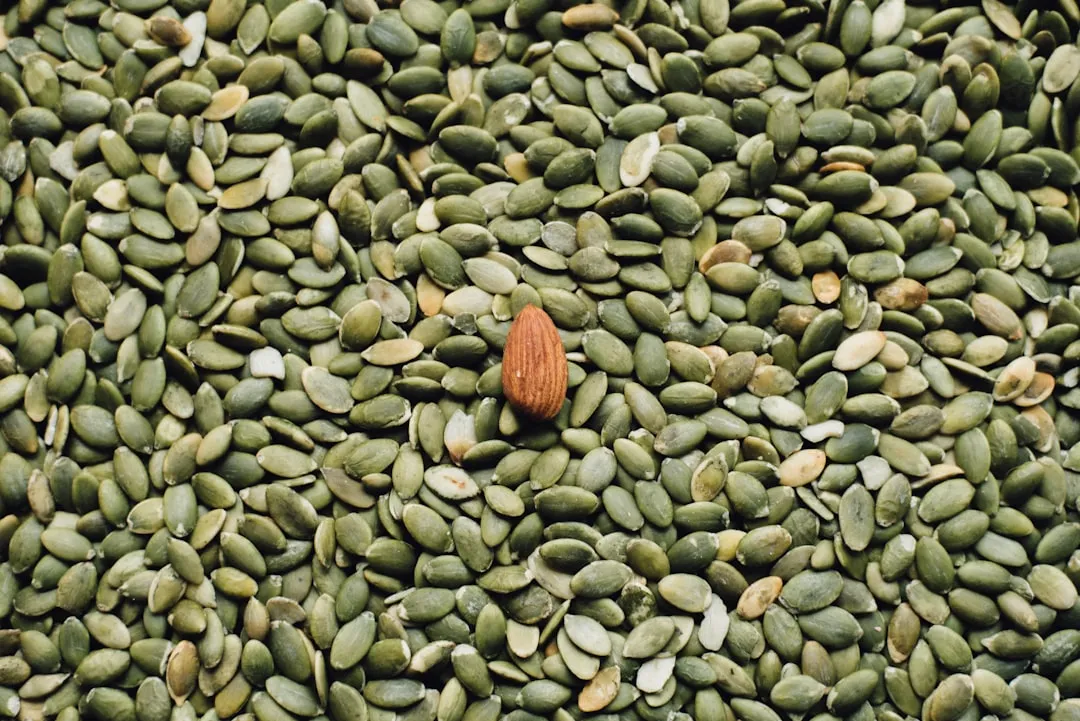
The seeds were tucked away in that red leather-bound wallet from 1803 until 2005, when a researcher discovered them unexpectedly while looking into the High Court of Admiralty Prize Papers in the National Archives. That researcher was Roelof van Gelder, a guest scholar from the Royal Dutch Library, and he was not looking for seeds at all.
In total, there were 40 seed packets in the wallet, each labelled with species annotations. Some labels were more mysterious, with one listing simply: “Seeds from a tree with crooked thorns.” The wallet also contained Chinese silk and a lock of dark hair, making the find feel less like botany and more like archaeology.
The Millennium Seed Bank Takes on the Challenge
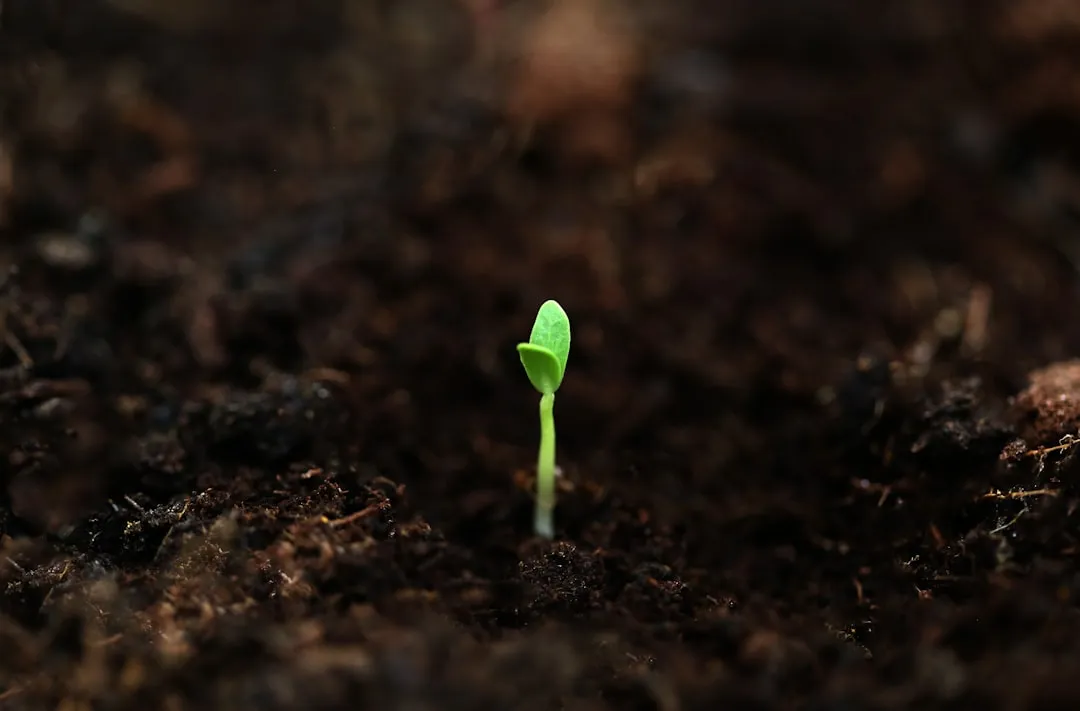
Scientists at the Millennium Seed Bank, an international plant conservation initiative operated by the Royal Botanic Gardens in the UK, succeeded in inducing 200-year-old seeds to germinate. The seeds had been taken to the UK from South Africa by a Dutch merchant on a Prussian ship in 1803. Getting them to actually sprout, though, was going to be the hard part.
As the seeds had been kept in very poor conditions, the team was very surprised by the success. The storage history alone, spanning two centuries in suboptimal environments including a ship’s hold and a London tower, made survival seem unlikely. Botanists approached the project with measured expectations.
Fire as the Secret Ingredient
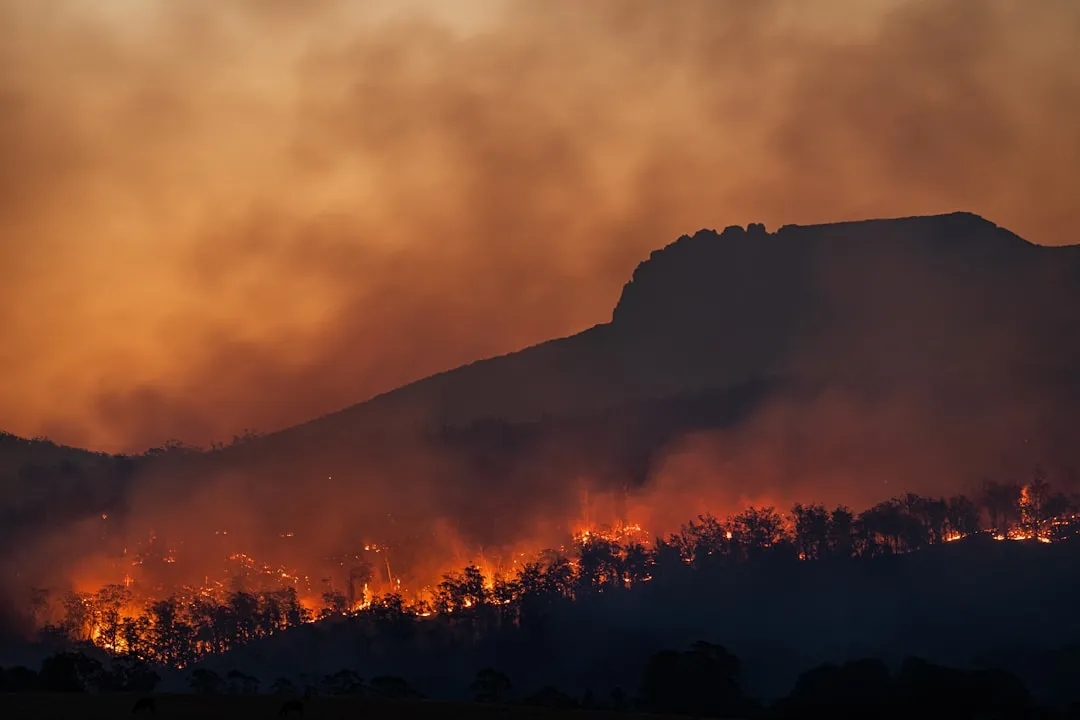
The Cape region where the seeds originated is regularly shaped by fire, which serves as a natural signal to germinate. Scientists replicated the effects of fire by chipping off the hard coats of some seeds, and bubbling smoke over others. This approach mimics what would happen naturally in the South African fynbos, where wildfires trigger mass germination events.
Seeds of the genera Leucospermum, Liparia, and Acacia collected in the early 19th century in the Cape region of South Africa were germinated after 218 to 270 years of suboptimal storage, developing into plants of typical appearance. That is a striking result by any measure, confirming that seed longevity under certain conditions can far exceed what biologists once assumed possible.
Three Seeds Out of Thirty-Two
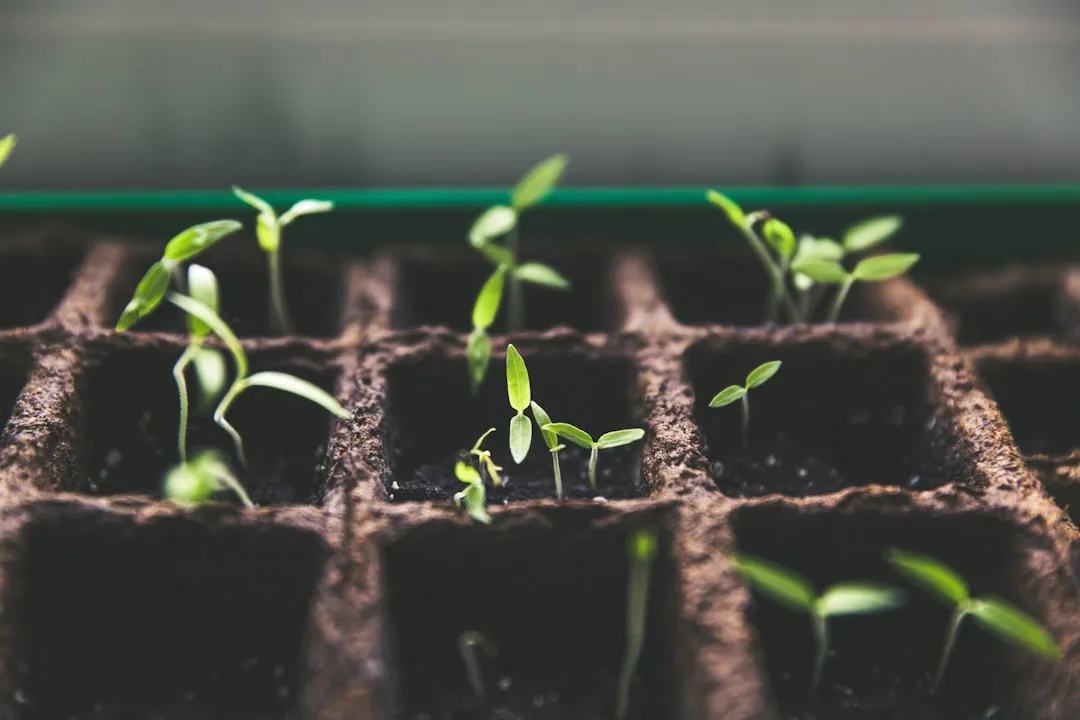
Scientists really did not expect to get anything, and indeed, 29 of the 32 seed species found failed to germinate. The odds were steep, the storage conditions had been far from ideal, and the expectation going in was modest at best. Three survivors out of 32 attempts is both a failure and a remarkable result, depending on how you look at it.
The three successes were Liparia villosa, a legume, Leucospermum, and a species not yet identified, an acacia. One of those plants still kept its identity a mystery at the time of germination, with botanists needing to wait until it flowered before they could determine exactly what species it was.
A Living Plant in the Temperate House
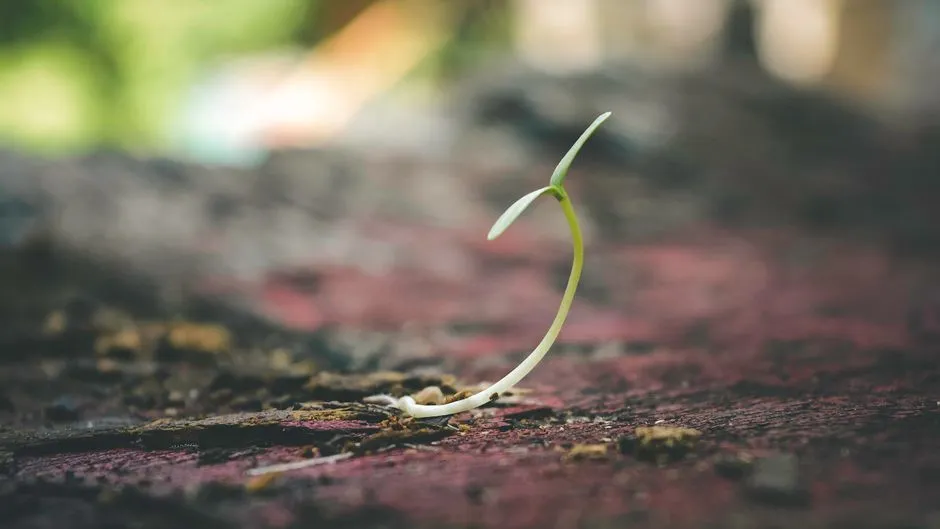
The Leucospermum conocarpodendron was grown from seeds over 200 years old, among the longest-living seeds ever recorded. It was planted in the Temperate House at Kew, ready for the opening on 5 May 2018. A seed collected in Cape Town before Napoleon’s defeat at Waterloo had become a living shrub in one of England’s most celebrated botanical conservatories.
Seed longevity is important for agriculture and biodiversity conservation, and understanding the basis for the extraordinary longevity of seeds from botanical collections could help improve seed banking technology. The Teerlink seeds, once considered a curiosity, have become a meaningful data point in that ongoing scientific conversation.
A Shipwreck on the Bottom of Lake Huron
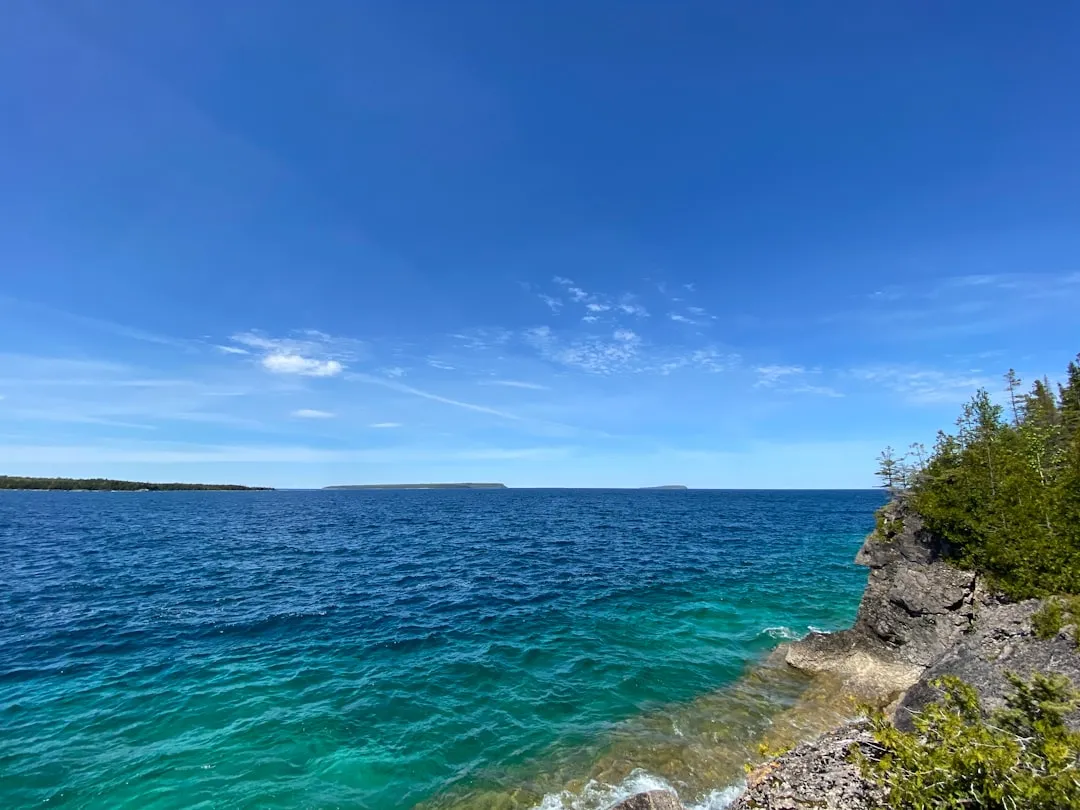
Across the Atlantic and more than a century later, another seed story was developing beneath cold freshwater. In 1878, the schooner James R. Bentley sank in Lake Huron while carrying a load of rye bound for Chicago. The crew managed to survive the accident, but the rye shipment, a type no longer grown today, was lost underwater. The shipwreck stayed hidden for over a century until it was found in 1984.
The James R. Bentley sank in Lake Huron in 1878 with 36,000 bushels of rye. That is an enormous quantity of a grain variety that has since disappeared entirely from modern agriculture. The question of whether any of it could be revived stayed dormant almost as long as the seeds themselves.
Divers, Metal Tubes, and a Race Against Oxygen
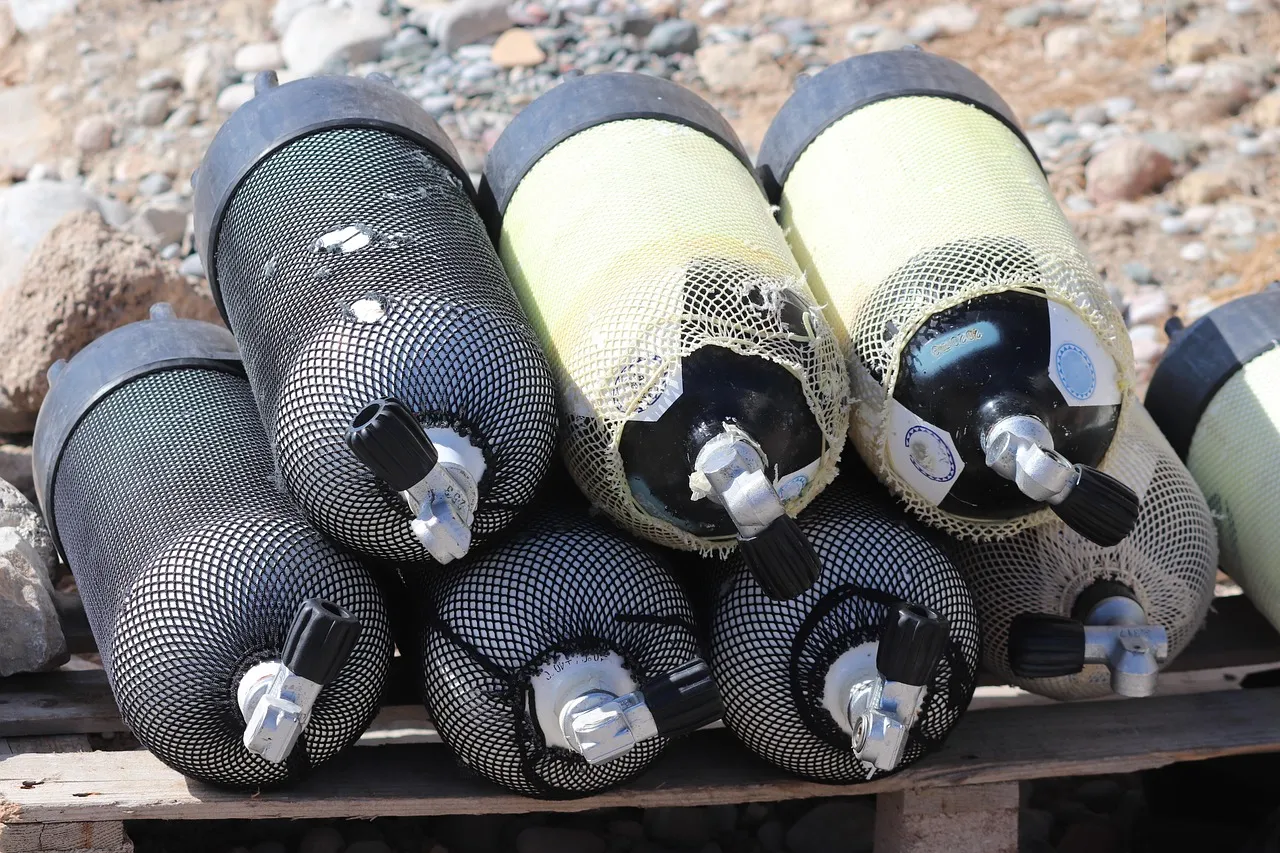
On September 17, 2024, two small boats with a total crew of six traveled from Cheboygan five miles out into Lake Huron to the site of the shipwreck. Two divers made a 160-foot dive to the Bentley and, using a specially made tube, extracted a substantial number of seeds from the wreck in water sitting at 39 degrees. They immediately put the tubes with the seeds on ice.
They were able to scoop up a significant amount, but then it was a race against time, as oxygen and conditions warmer than the depths where they had been lurking could destroy any viability that remained in the 145-year-old seeds. The seeds were then rushed to Michigan State University, where Associate Professor Eric Olson, an expert in wheat breeding and genetics, was waiting.
When the Seeds Would Not Grow
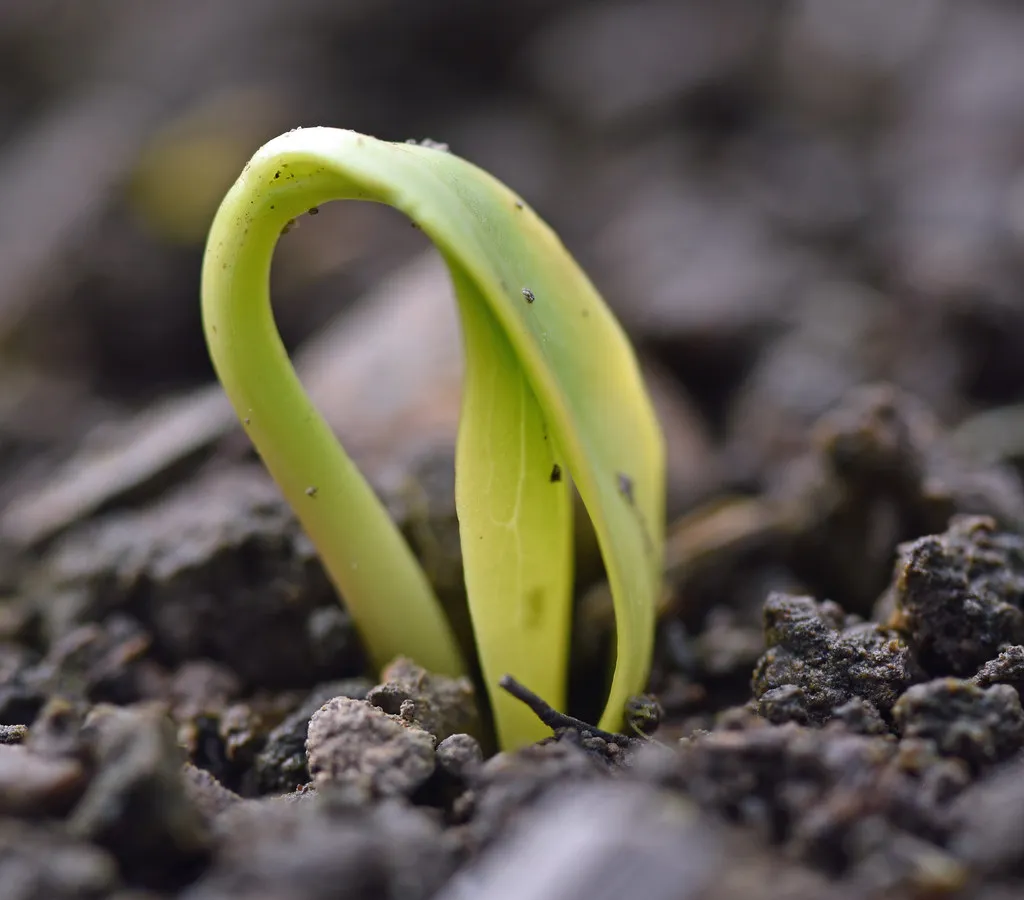
To try to resurrect the seeds, Olson and his team placed them in germination boxes and soaked them in gibberellic acid, a plant hormone that breaks down seed dormancy and stimulates germination. The team then used three different processes, including a warm room-temperature germination, a cold germination at 4 degrees Celsius, and seeds that were dried and then re-imbibed with water. But the rye seeds did not germinate.
This told Olson that even though the structure of the seed cells was preserved by the cold water and low oxygen environment, their viability was not. The seeds had kept their shape and their DNA, but the cellular machinery needed to actually begin growing had long since stopped working. It was a fascinating distinction, and it opened a different door entirely.
DNA Is Forever: The Genomic Backup Plan

Olson and other scientists tried three different methods to get the seeds to germinate, but the 19th-century seeds were no longer viable. That doesn’t mean the story ends there, because “what we did get was DNA, and DNA is forever,” Olson explained. He and his colleagues will extract the DNA and sequence the genome of the Bentley rye seeds to learn more about the grain, including where it originated.
Olson reported that the project has made foundational progress, including the growing of 269 varieties of rye. In the coming weeks, the team planned to extract DNA and sequence pieces of the chromosomes of those 269 rye varieties and compare them with the chromosomes of the Bentley rye variety. The goal is to find genetic segments in modern rye that match the historic Bentley genome, then use traditional crossbreeding to reconstruct the lost variety.
The team plans to fill in the gaps of the Bentley rye genome and introduce the DNA into modern rye varieties, with the new variety estimated to be ready by 2029 and seeds ready to plant by 2030. It is a long timeline, but a realistic one given the complexity of reconstructing a genome from fragments of a 145-year-old agricultural rye variety.
Whiskey From the Wreck
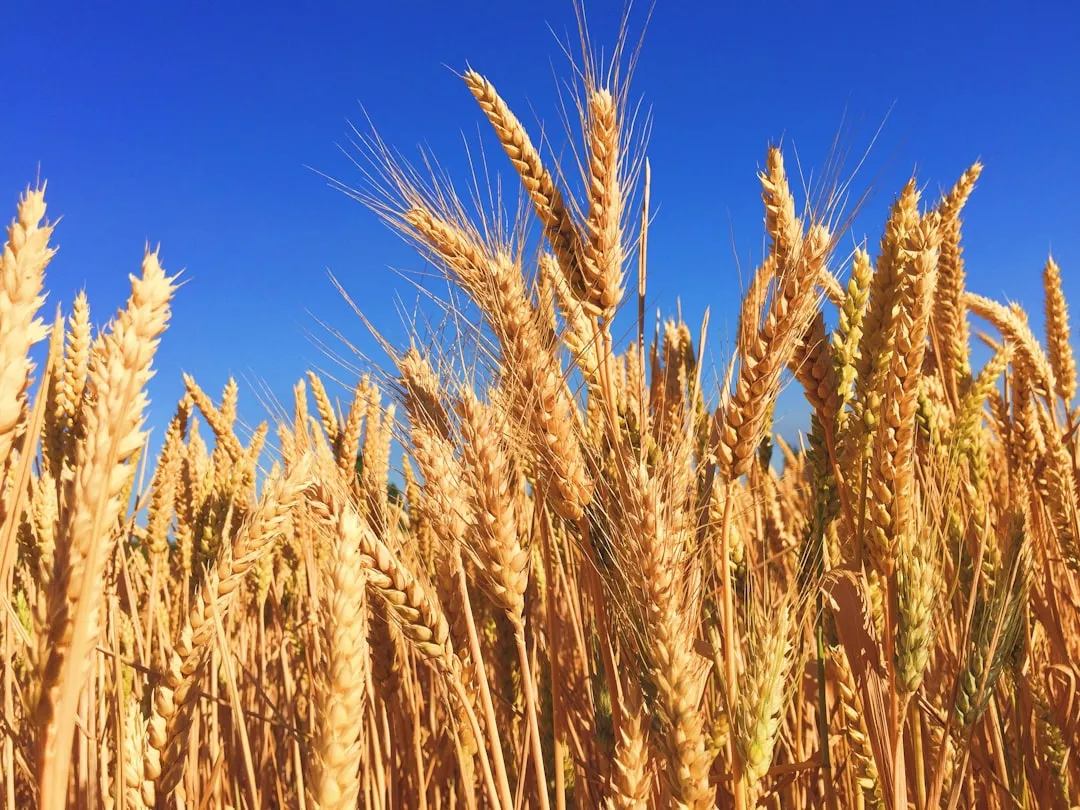
The Bentley rye project was not initiated purely by scientists. Chad Munger, owner, founder, and CEO of Mammoth Distilling, was determined to revive the historic grain and use it to make new whiskey. He reached out to Eric Olson, a Michigan State University associate professor of wheat breeding and genetics, with the idea. The partnership between a distiller and a plant geneticist turned out to be the driving engine behind the whole effort.
Olson called the Bentley variety a “historical treasure,” noting it “gives us a snapshot of the exact variety of rye being grown in the Great Lakes region in the late 1800s.” Some 150 years ago, Michigan was the rye-growing capital of North America. Whiskey created from Rosen rye, a related historic variety that was successfully revived, is expected to be available in 2026, while whiskey made from actual Bentley grain is expected at the earliest by 2029.
Final Thoughts

These two stories, a botanist in England coaxing a South African shrub from a seed found in a captured ship’s wallet, and a team of scientists in Michigan sequencing the genome of rye pulled from a cold lake floor, are really about the same thing. Seeds hold more information than we give them credit for. They carry not just the biology of a plant, but the agriculture, the ecology, and even the commerce of the world they came from.
Seed longevity matters for agriculture and biodiversity conservation, and understanding the extraordinary longevity of seeds from botanical collections could directly help improve seed banking technology in ways that protect species we haven’t yet thought to worry about. Both cases suggest that “dead” is a complicated word when applied to seeds. Structure, DNA, and chemistry can survive long after germination is no longer possible, and science is now good enough to work with what remains. The Leucospermum growing in the Temperate House at Kew and the rye chromosomes being sequenced in East Lansing are, in their own quiet way, a reminder that the past has a remarkable habit of growing forward.
AI Disclaimer: This article was created with the assistance of AI tools and reviewed by a human editor.