
Most people peel a banana, eat the fruit, and toss the skin without a second thought. That yellow strip of organic material ends up in the trash, then the landfill, and eventually contributes to a growing mountain of food waste. What’s quietly surprising is that what gets thrown away may be more useful to a garden than the fertilizer sitting on a store shelf.
Research published through 2024 and 2025 has drawn serious attention to banana peels as a potent, free, and surprisingly effective plant nutrient source. The science has moved well beyond folk gardening tips into peer-reviewed journals, and the conclusions are worth understanding whether you grow tomatoes on a balcony or manage a small backyard plot.
A Waste Problem With a Nutrient Solution
According to the UN Environment Programme’s Food Waste Index Report 2024, roughly 1.05 billion tons of food is wasted globally each year. Much of that waste comes straight out of home kitchens. Scientists have calculated that food waste in the U.S. alone accounts for up to 21% of freshwater use, 19% of fertilizer, 18% of cropland, and 21% of landfill volume.
Food waste is one of the fastest growing sustainability challenges, wasting scarce resources and aggravating environmental degradation, yet its conversion into organic fertilizers provides a critical opportunity to recover nutrients, reduce landfill burdens, and strengthen circular bioeconomy strategies. Banana peels sit right at the center of that opportunity.
What Makes Banana Peels So Nutrient-Dense
Banana peels are packed with macronutrients that plants need in relatively large amounts, including high potassium alongside nitrogen, phosphorus, calcium, and magnesium, which are exactly the elements farmers buy in commercial fertilizer blends. This is not a minor overlap. These are the same core nutrients listed on the label of virtually every bag of commercial plant food sold at garden centers.
While the exact NPK ratio can vary based on the ripeness of the banana and the method of preparation, banana peels generally contain approximately 1 to 1.5% nitrogen, 0.3 to 0.6% phosphorus, and 3 to 5% potassium. The nitrogen content supports healthy leaf growth, while the phosphorus aids in root establishment and blooming. That potassium level, in particular, is a standout number for fruiting and flowering plants.
The Science Behind the Claim
A 2025 review published in the peer-reviewed journal Agriculture analyzed results from over 120 independent studies and found that fertilizers derived from banana peels consistently improved germination rates, leaf size, and plant height compared to untreated soil, sometimes outperforming commercial synthetic blends in controlled conditions. The research was led by Nokuthula Khanyile at the University of Mpumalanga in South Africa.
Khanyile’s team gathered results from 126 studies that tested banana peel based fertilizers on many different crops, and across those experiments, plants given peel-based treatments often grew taller, produced more leaves, or germinated faster than plants grown in untreated soil. That kind of consistency across more than a hundred independent trials is worth paying attention to.
How Banana Peel Fertilizer Compares to Mineral Fertilizers
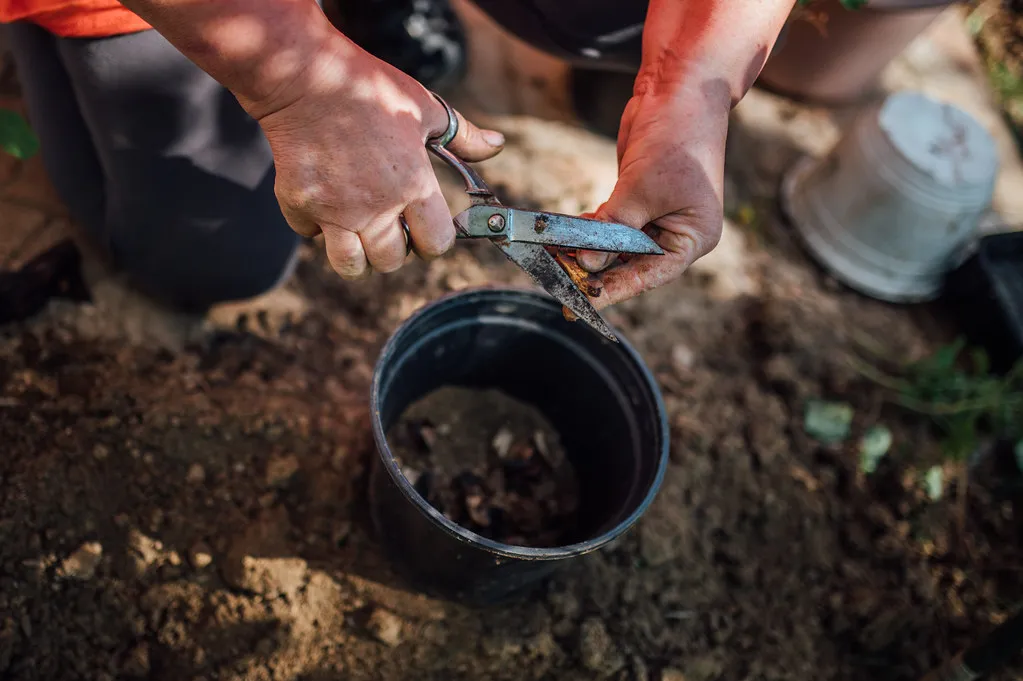
A separate study published in MDPI’s Sustainability journal found that kitchen waste served as a much better fertilizer than mineral fertilizer during the cool season, providing 20 to 40% more plant yields for certain nitrogen dosages. The performance advantage was season-dependent, which is an important nuance that honest gardeners should keep in mind.
The same study also found that kitchen waste introduced to the soil provided better soil properties than mineral fertilizer overall. Chemical fertilizers are often applied in excess due to their efficiency, and as a result they cause adverse effects on the environment, including global warming, biodiversity loss, depletion of the stratospheric ozone layer, and eutrophication. Banana peel fertilizer sidesteps most of those risks entirely.
The Soil Microbiome Benefit Nobody Talks About
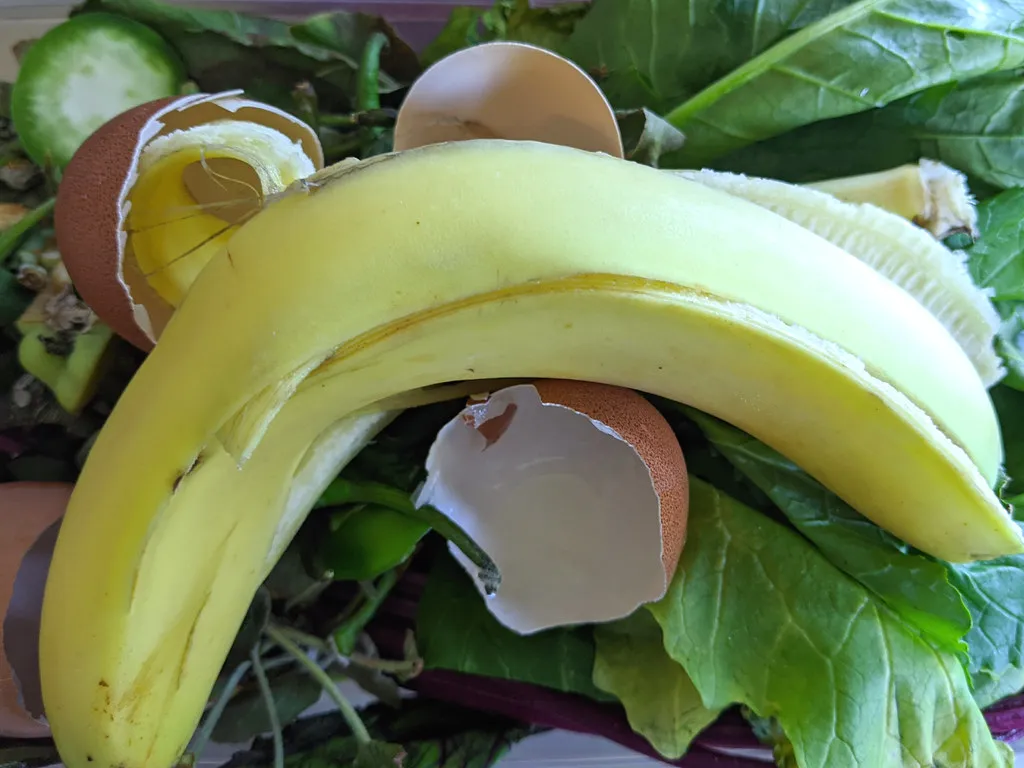
Microorganisms in the soil break down banana peels and release nutrients in a form that plants can absorb efficiently, and this natural decomposition process improves soil structure and encourages beneficial microbial activity, with healthy soil ecosystems supporting stronger roots, better water retention, and improved resistance to disease. This is where the story gets especially interesting for long-term growers.
Unlike synthetic fertilizers, banana peel fertilizer integrates smoothly into the soil without causing chemical buildup, and that balance helps maintain long-term soil health, which remains essential for consistent gardening success. Store-bought fertilizers can feed your plants in the short term while quietly degrading the ecosystem they depend on. Banana peels do the opposite.
How to Apply It at Home
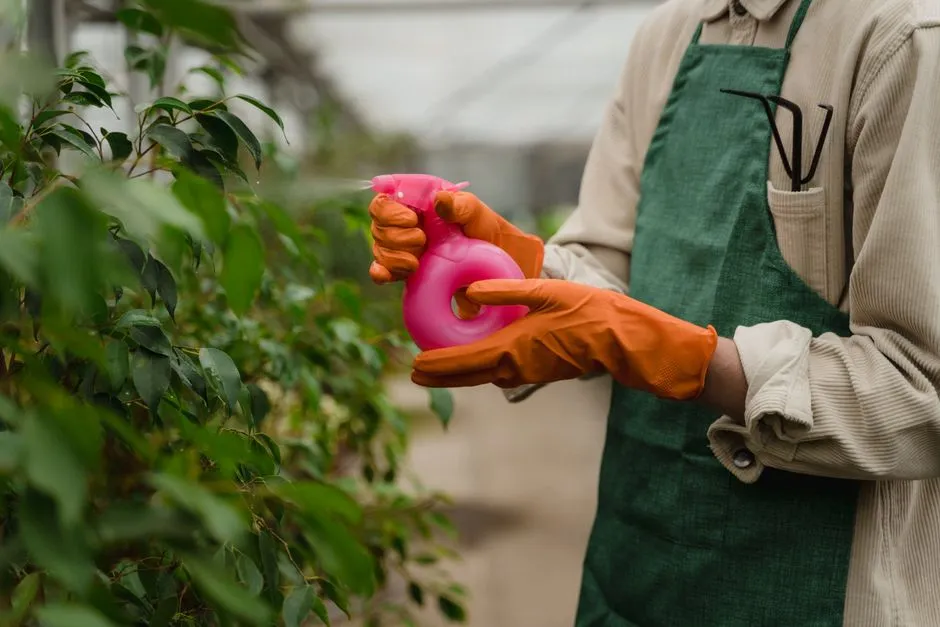
A simple liquid fertilizer can be made by soaking kitchen scraps such as banana peels, coffee grounds, citrus peels, and eggshells in water for 24 to 48 hours in a covered container, then straining the liquid and using it to water the soil around plants, roughly once a week, for gentle nutrient support. It’s genuinely one of the lowest-effort fertilizer methods available.
The methods for turning peels into fertilizers range from the straightforward to the slightly more scientific: in some studies, peels were sun-dried, ground into coarse powder, and mixed into the soil before planting, while others created slurries by blending fresh peels, heating them with basic additives, and filtering out concentrated liquids that could be diluted and applied directly to soil. Even the simplest dry-burial method produces results.
Timing and Decomposition: Getting the Most Out of Peels
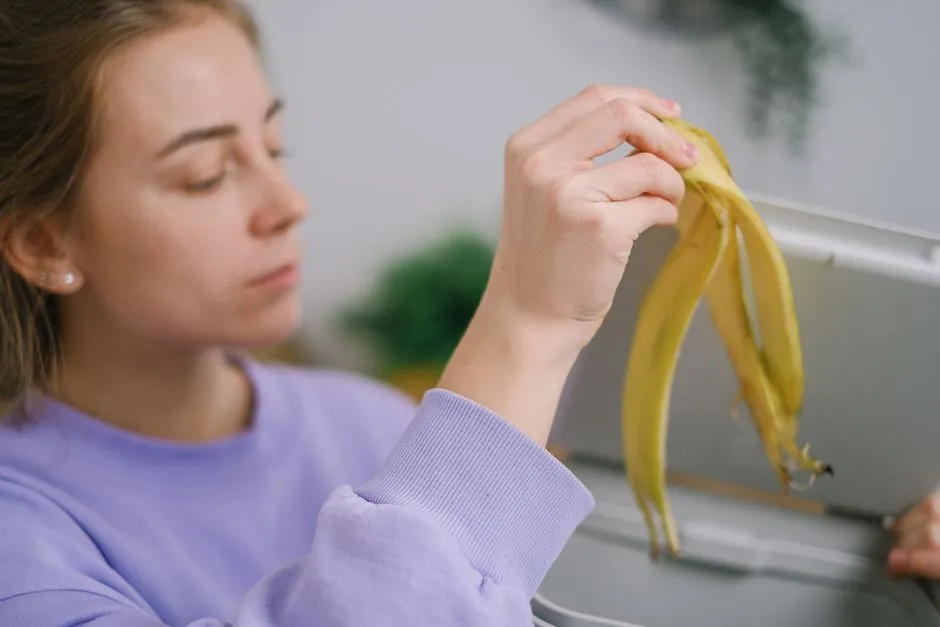
Studies of dried banana peels have shown that several factors influence fertilizer performance, mainly the period of nutrient release, the medium in which the organic waste is decomposed, and the fertilizer application method. These variables matter more than most home gardeners realize.
Research has found that the best decomposition period for banana peels used for crop growth is approximately two months in a soil medium, though peels can also be used without decomposition since they still showed good germination rates and plant heights. For fenugreek specifically, researchers compared dried banana peel powders with liquid extracts made from the same material, and plants given the liquid extract grew taller and produced more greens over the same period than those given the dry powder.
Which Plants Respond Best
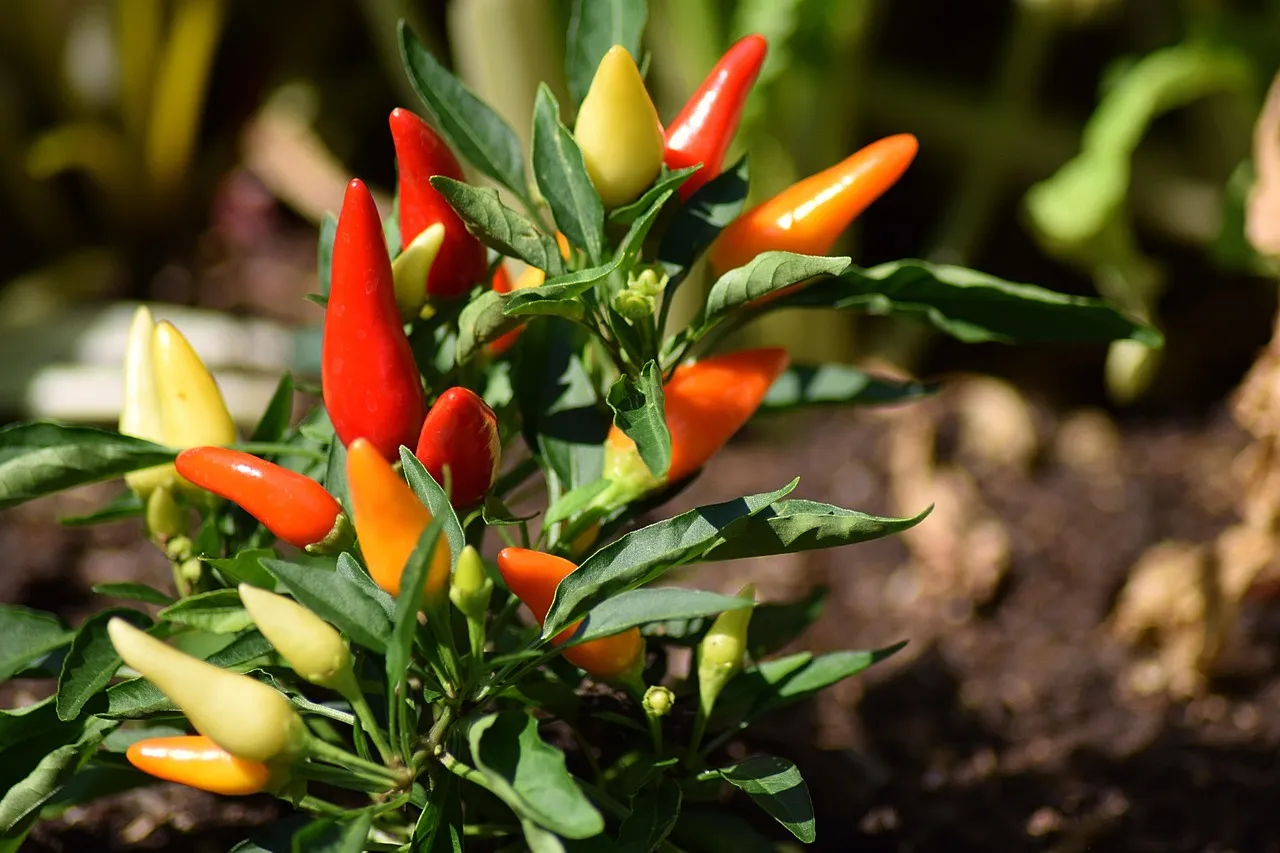
Fruit-bearing plants such as tomatoes, peppers, and strawberries benefit from stronger root systems and improved fruit production when given banana peel fertilizer. Houseplants including pothos and peace lilies show healthier leaves and more vibrant growth when fed small amounts of this natural boost, and garden beds with nutrient-poor soil gain noticeable improvement after consistent use.
A study published in the International Journal of Creative Research and Thoughts found that organic banana peel liquid fertilizers have the potential to enhance growth in mustard plants, with effects observed on plant height, root length, number of leaves, and leaf dimensions, and that mustard plants showed notably more growth in soil supplemented with banana peel fermented water. The variety of crops responding well to peel-based treatment is genuinely broad.
The Limitations Worth Knowing

Banana peels are deficient in certain nutrients such as phosphorus, calcium, and nitrogen at levels that also play a crucial role in plant growth, meaning that using this organic waste as a standalone fertilizer can significantly limit plant growth from soil nutrient deficiencies, and this has led to further research into developing composite fertilizers that combine banana peels with other organic waste.
Overloading soil with banana peels can attract pests like fruit flies or create unpleasant odors if gardeners skip proper preparation, large chunks buried too close to roots may decompose slowly and disrupt soil balance, and applying banana peel fertilizer too frequently can lead to nutrient imbalances, especially in already fertile soil. Banana peels are a slow, gentle source of a few nutrients rather than a complete, fast fertilizer. Treating them as a complement to a broader soil program is the practical move.
The Bigger Environmental Picture
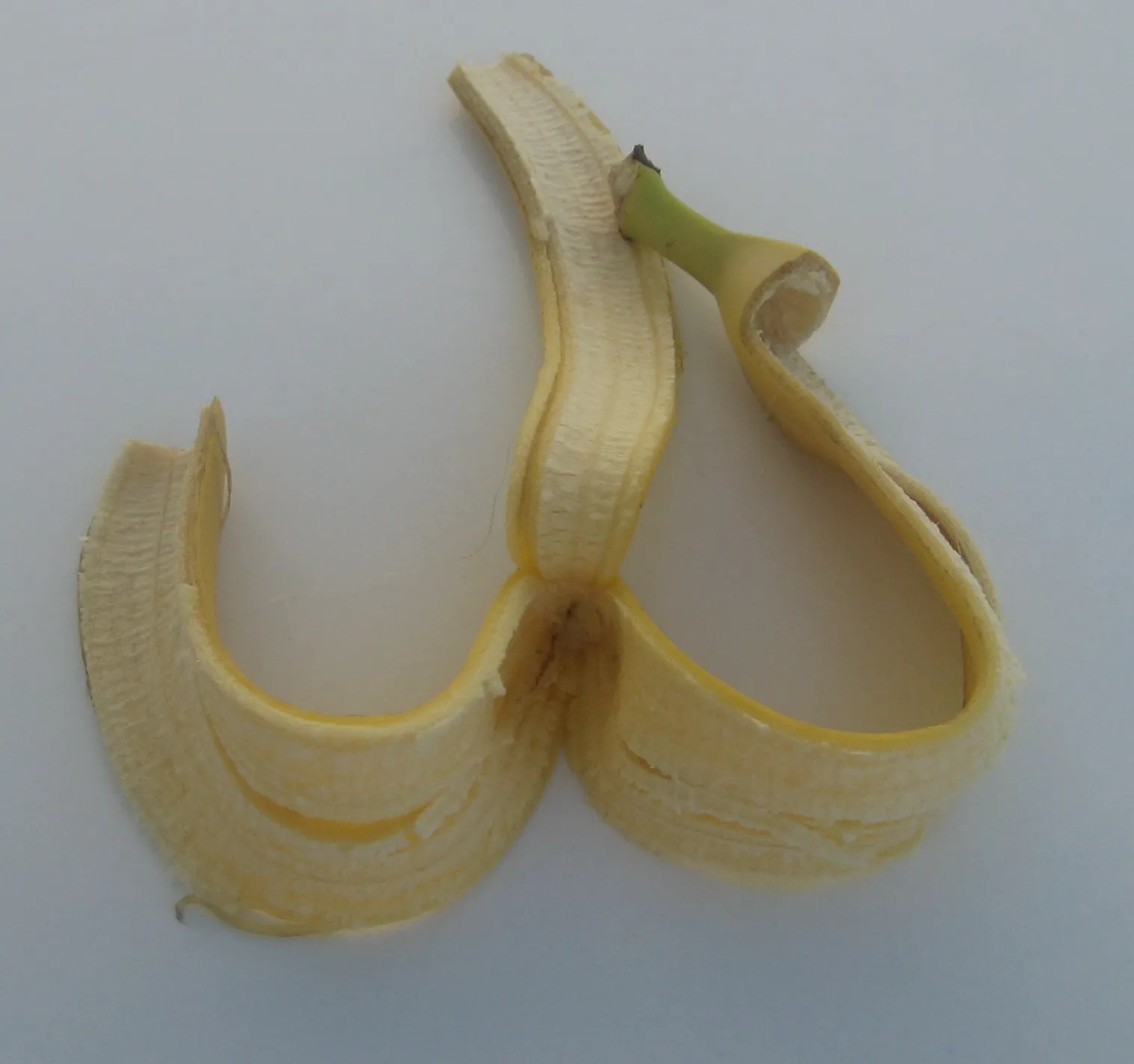
Bananas are one of the world’s top fruit crops, with harvests reaching about 116 million tons in recent years, and because the peel makes up roughly a quarter of each fruit by weight, mountains of skins end up as waste in kitchen garbage cans instead of being repurposed into plant fertilizer. Right now, most banana peels still go to landfills, where rotting food adds to greenhouse gas emissions and wastes all of those nutrients.
If even a small fraction of global banana waste were redirected from landfills to farmland, it could significantly reduce the need for synthetic fertilizers and cut down on the environmental damage they cause. The bio-based fertilizer market reflects growing momentum in this direction, with analysts projecting growth from roughly $2.53 billion in 2024 to $6.3 billion by 2032, driven by regulatory support and circular economy policies.
What Researchers Still Need to Figure Out
Many of the trials reviewed in the 2025 research stopped at the seedling or early growth stage, and researchers still need long-season field tests that follow crops all the way to harvest and check not just yield but also nutrient content and shelf life, since the chemistry of banana peels changes with variety, climate, and storage. This is not a reason to dismiss the evidence gathered so far. It’s simply a sign that a practical, scalable system is still being refined.
Slow-release organic amendments do reduce runoff risk significantly compared to soluble synthetic fertilizers applied in bulk. That advantage holds even before the full harvest-level data is in. The trajectory of the research is clear, and the direction it points is toward the kitchen counter, not the garden store shelf.
A Practical Takeaway for Home Growers
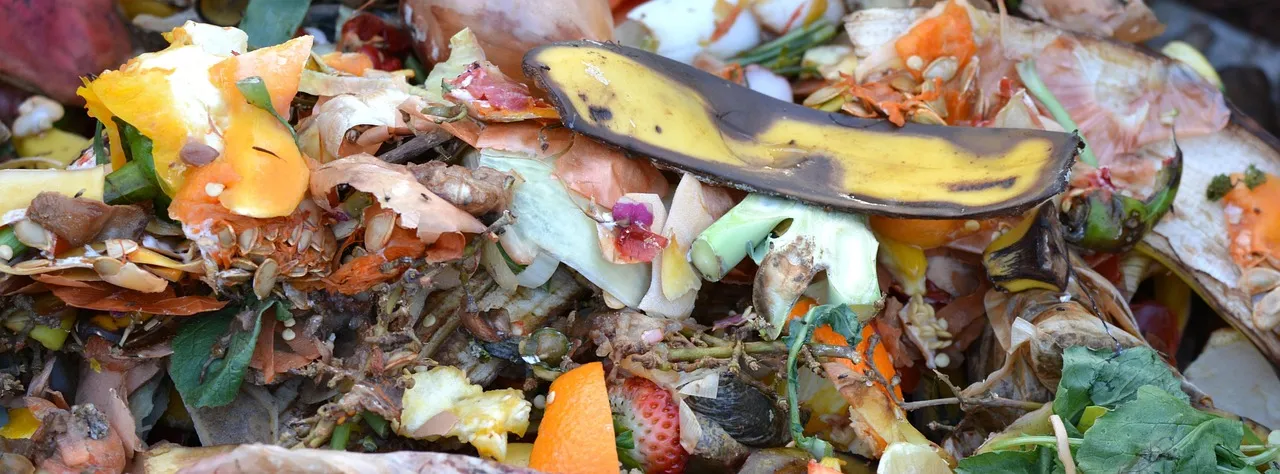
The case for banana peels as a serious fertilizer source has moved from anecdote to peer-reviewed evidence. A typical household can save roughly $100 to $200 annually on fertilizer costs by using kitchen scraps effectively, and these natural alternatives also reduce chemical exposure in the garden while providing slow-release nutrients throughout the growing season.
Most gardeners see greener leaves and better growth within 7 to 10 days of consistent application. The catch, if there is one, is that banana peel fertilizer works best as part of a broader soil strategy rather than as a single source of all plant nutrition. Used thoughtfully, it’s one of the rare garden inputs that costs nothing, reduces waste, and genuinely delivers results backed by science.
The quiet lesson here is that what leaves the kitchen as trash can return to the garden as something valuable. That loop is not complicated, it doesn’t require special equipment, and the research increasingly suggests it’s worth closing.
AI Disclaimer: This article was created with the assistance of AI tools and reviewed by a human editor.